Saved Bookmarks
This section includes 7 InterviewSolutions, each offering curated multiple-choice questions to sharpen your Current Affairs knowledge and support exam preparation. Choose a topic below to get started.
| 1. |
Carbon percentage is maximum in |
|
Answer» Pyrene `"CC"l_(4)=(12)/(154)xx100=7.79%` `C_(6)H_(6)Cl_(6)=(72)/(291)xx100=24.74%` `CH_(2)OH-CH_(2)OH=(24)/(62)xx100=38.70%` |
|
| 2. |
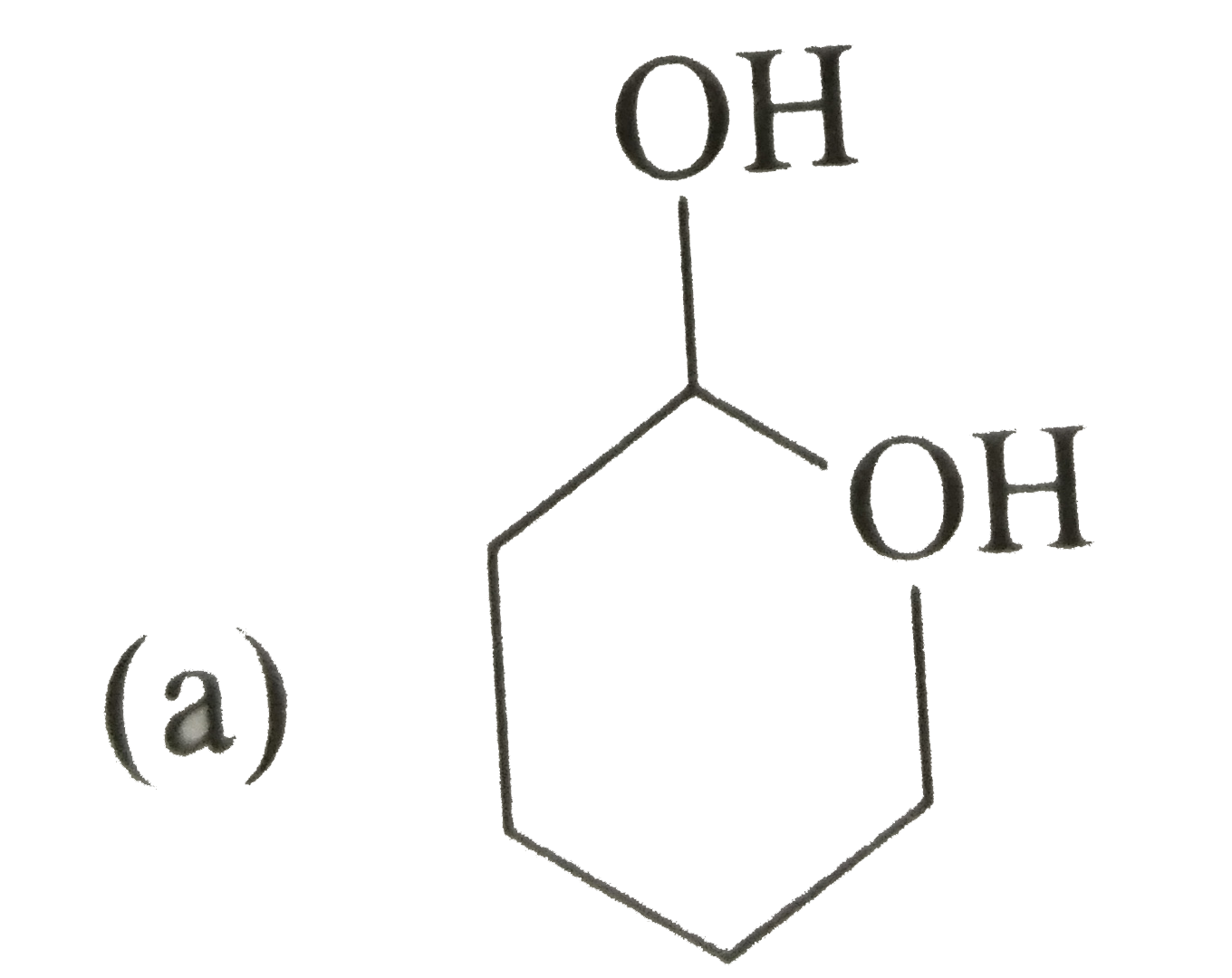
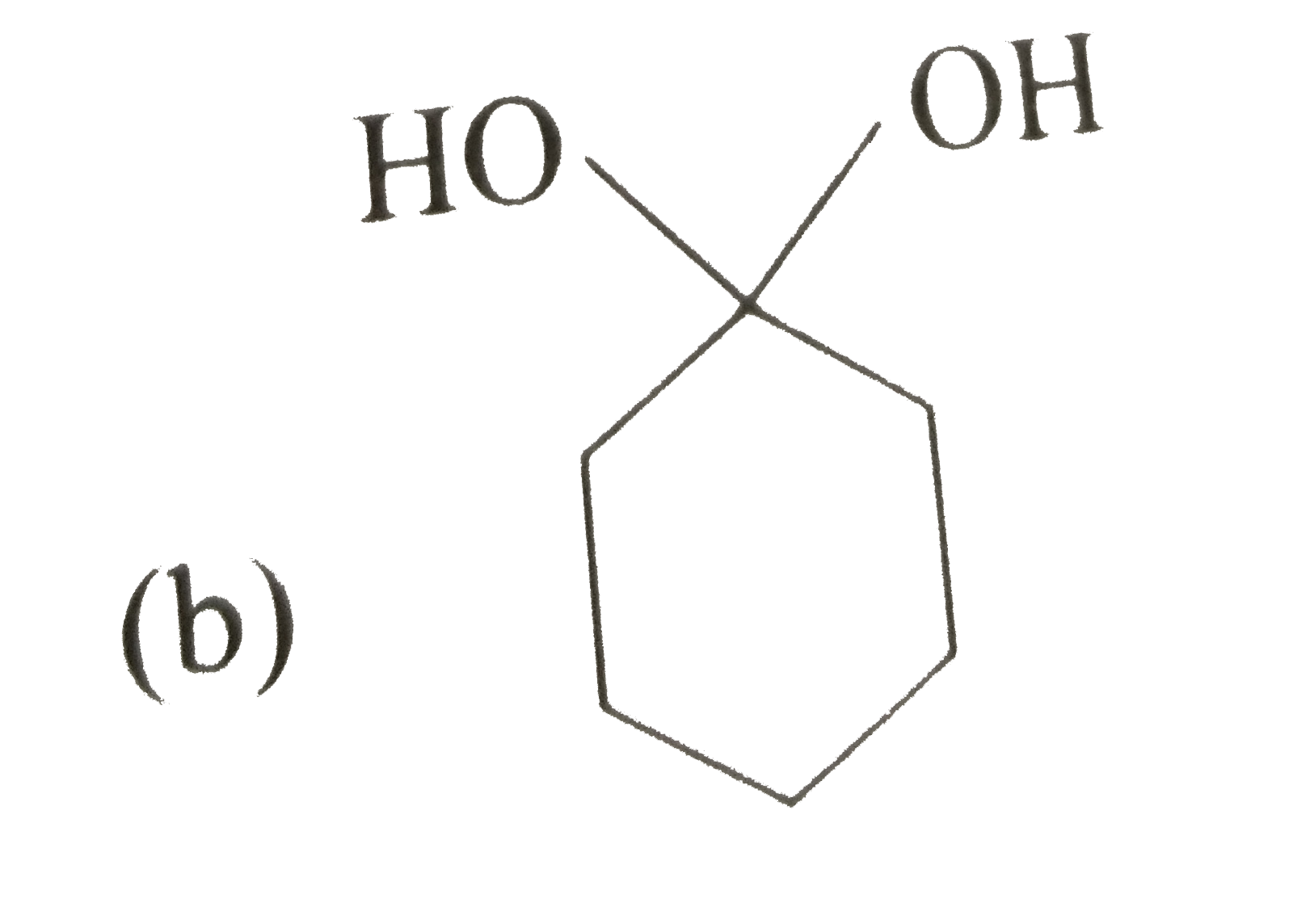
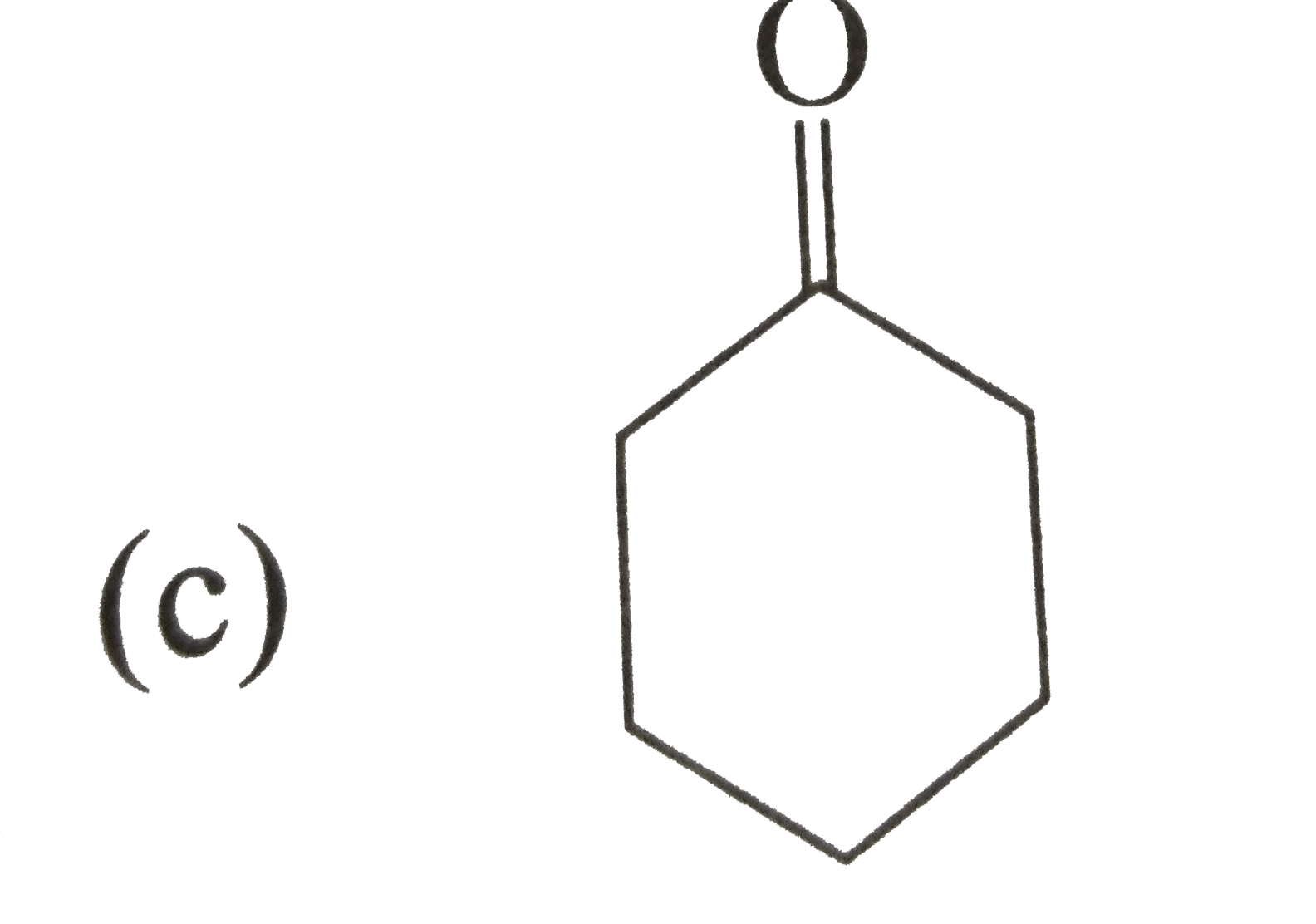
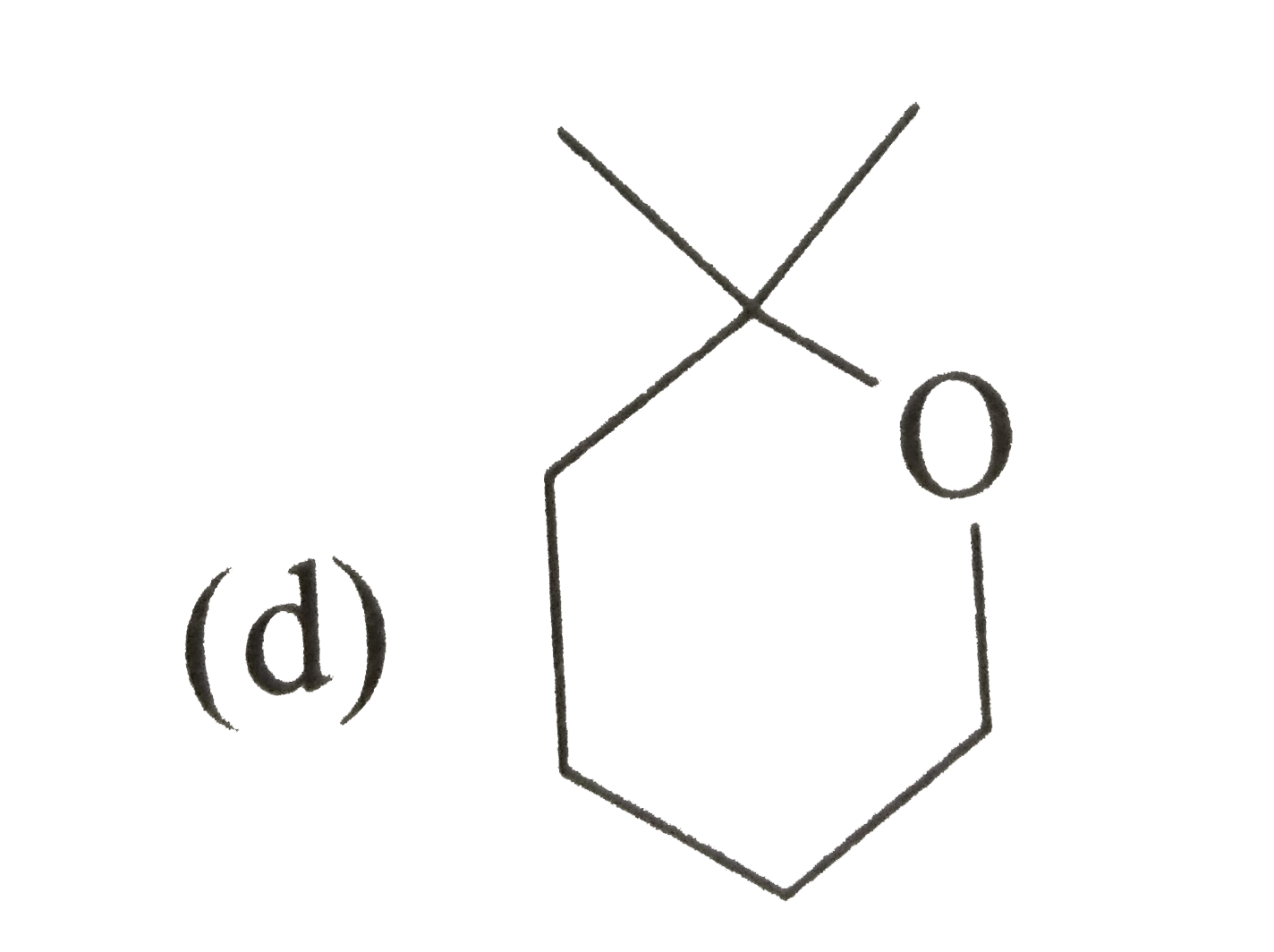
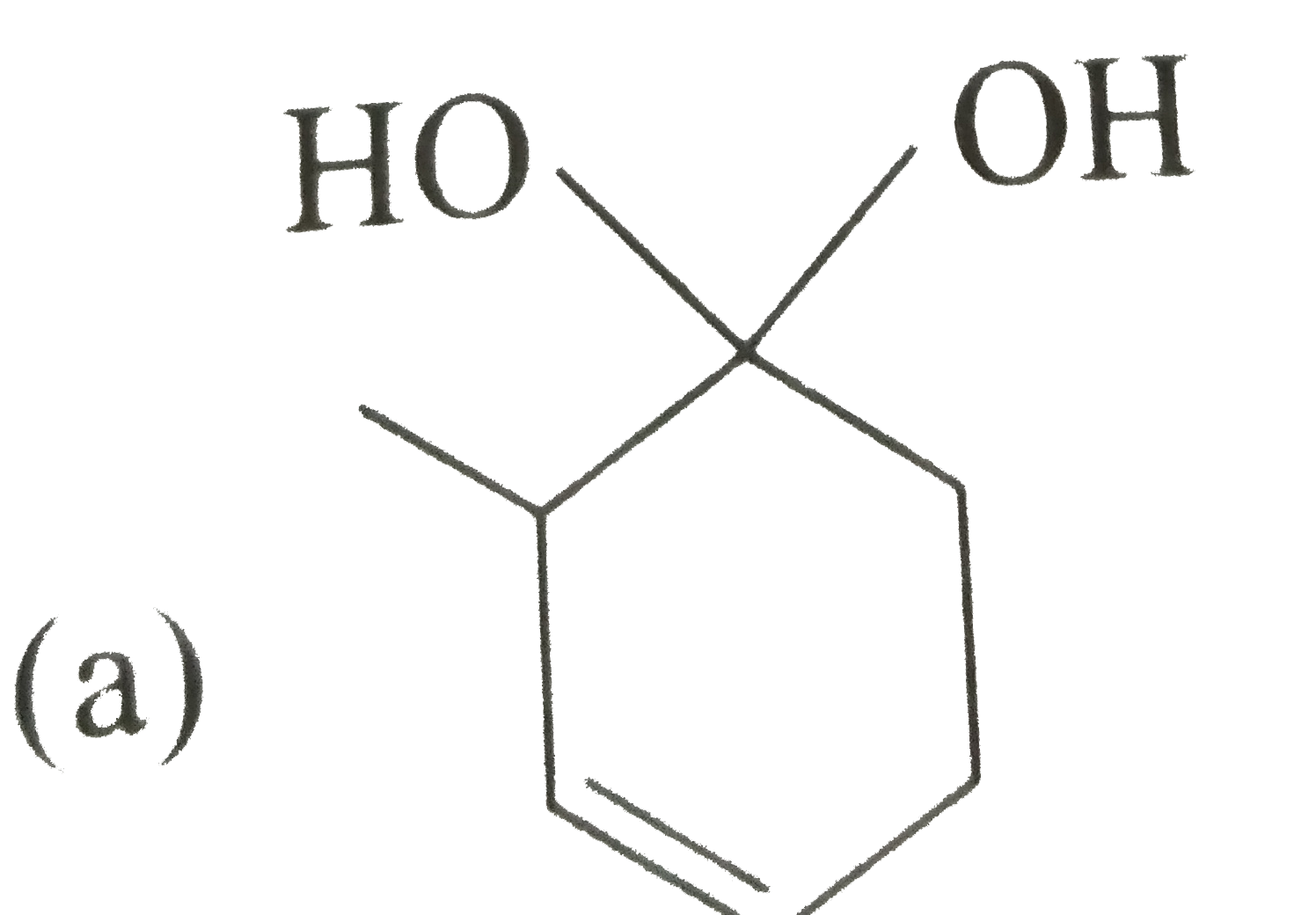
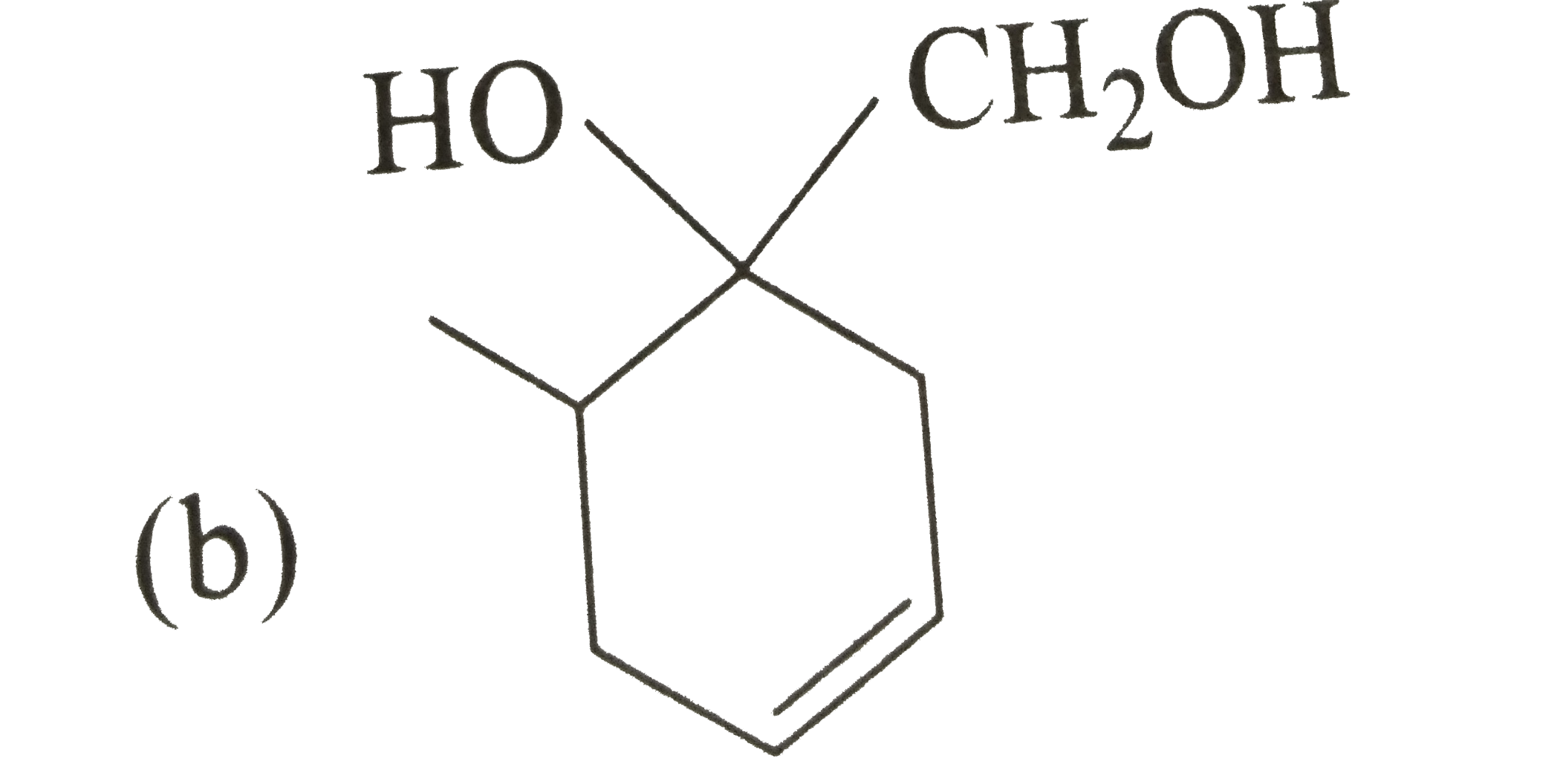
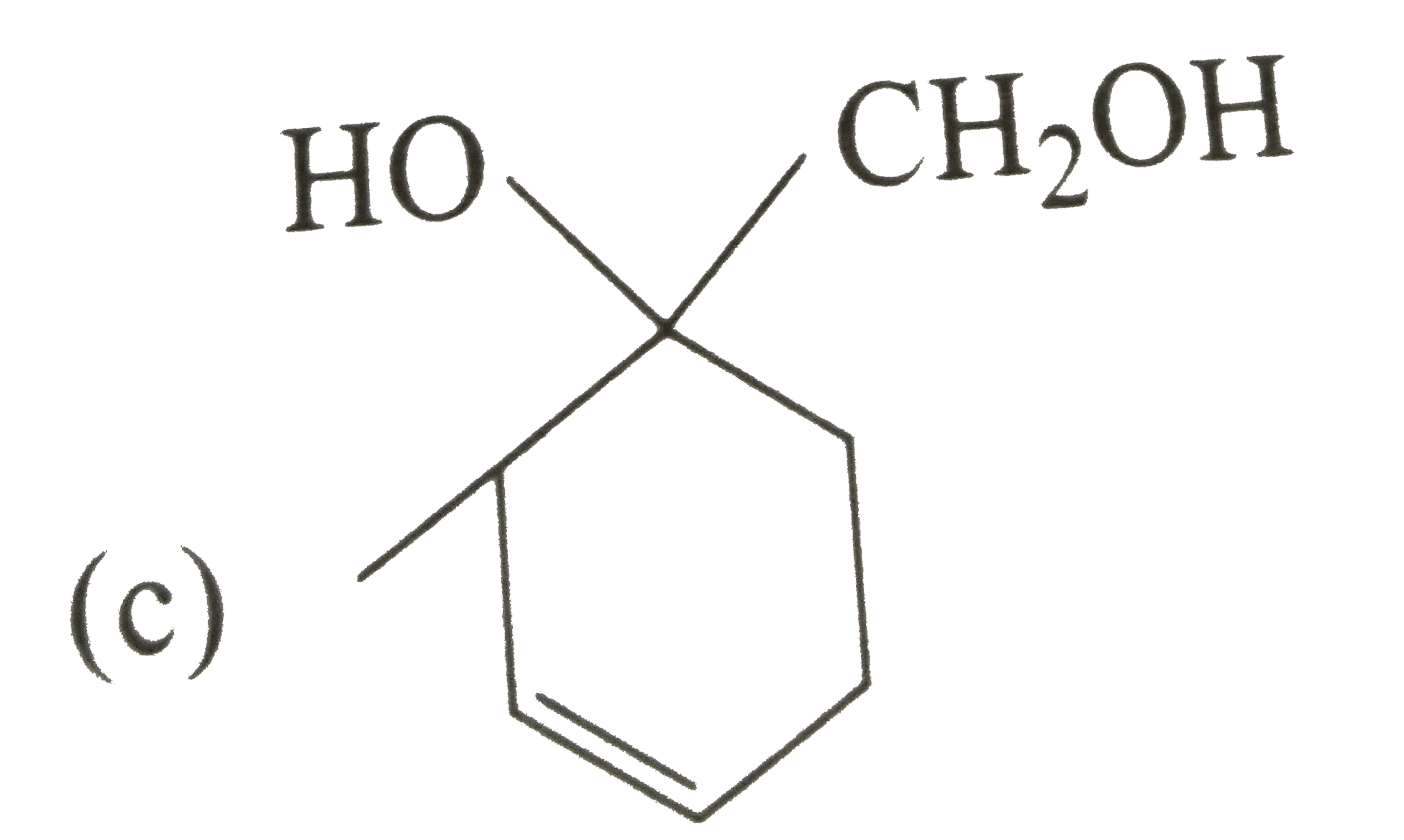
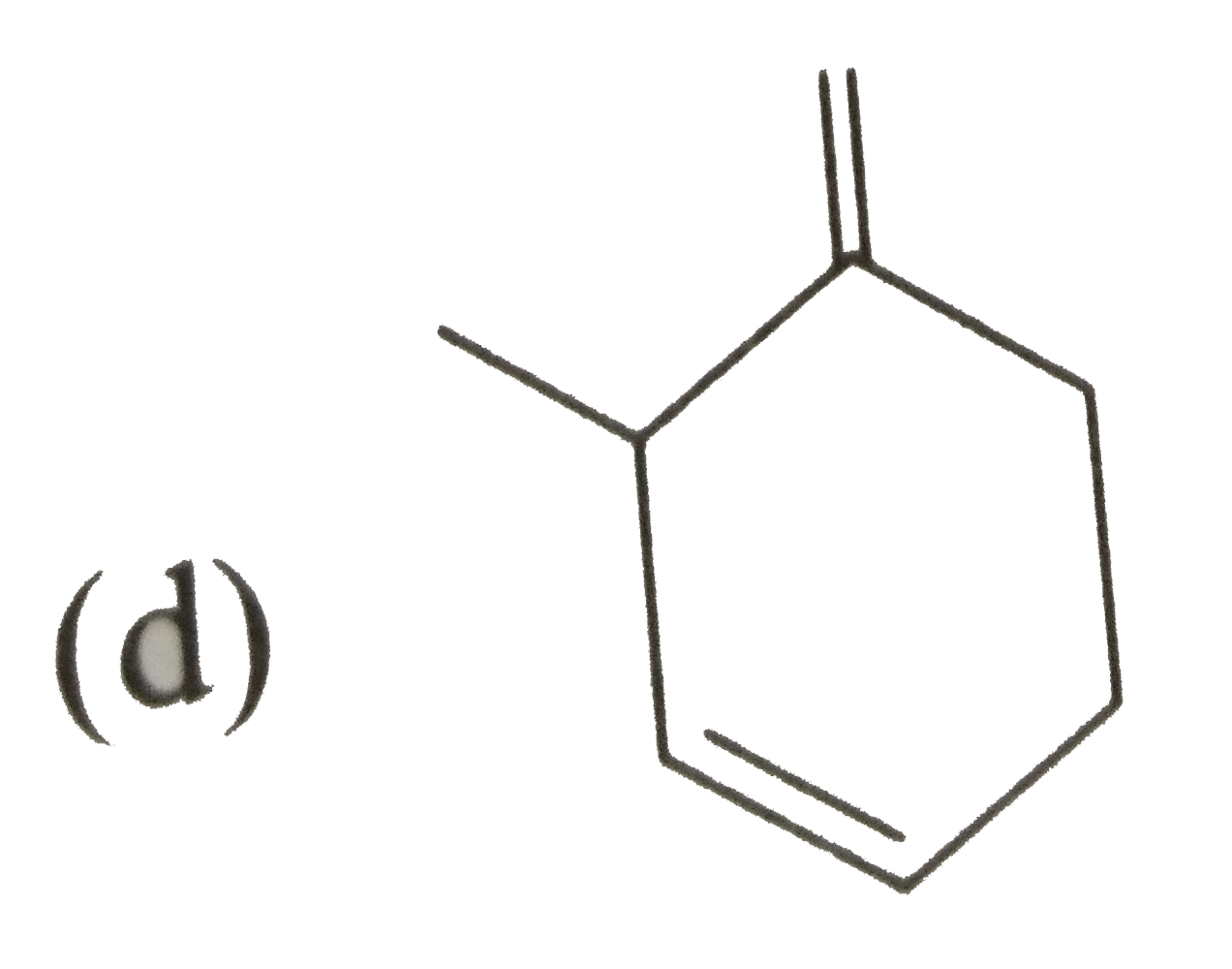
Carbon-oxygen double bond are easily reduced by NaBH_(4) or LiAlH_(4). The actual reducing agent in these reduction is hydride ion (H^(-)). The metal-hydrogen bond in LiAlH_(4) is more polar than metal-hydrogen bond in NaBH_(4). As a result LiAlH_(4) is strong reducing agent than NaBH_(4). Esters, carboxylic acids, amides cannot be reducted by NaBH_(4). The carbonyl group of amide to methylene group by LiAlH_(4). underset(NaBH_(4))overset(Hg(OAc)_(2),H_(2) O //H^(+))(rarr)'Z', Identify 'Z' : |
|
Answer»
|
|
| 3. |
Carbon-oxygen double bond are easily reduced by NaBH_(4) or LiAlH_(4). The actual reducing agent in these reduction is hydride ion (H^(-)). The metal-hydrogen bond in LiAlH_(4) is more polar than metal-hydrogen bond in NaBH_(4). As a result LiAlH_(4) is strong reducing agent than NaBH_(4). Esters, carboxylic acids, amides cannot be reducted by NaBH_(4). The carbonyl group of amide to methylene group by LiAlH_(4). 'X' , Identify X : |
|
Answer»
|
|
| 4. |
Carbon-oxygen double bond are easily reduced by NaBH_(4) or LiAlH_(4). The actual reducing agent in these reduction is hydride ion (H^(-)). The metal-hydrogen bond in LiAlH_(4) is more polar than metal-hydrogen bond in NaBH_(4). As a result LiAlH_(4) is strong reducing agent than NaBH_(4). Esters, carboxylic acids, amides cannot be reducted by NaBH_(4). The carbonyl group of amide to methylene group by LiAlH_(4). underset(H_(2)O)overset(LiAlH_(4))(rarr)'W',Identify 'W' : |
|
Answer»
|
|
| 5. |
Carbon of the coal can combine with oxygen of air to form CO, CO_(2) etc. (i.e., DeltaG is - ve are the reaction is thermodynamically feasible). Then why if does not happen unless a flame is applied to start combustion, though O_(2) is available in abundance ? |
| Answer» Solution :This is because the activation ENERGY for the combustion reaction is very HIGH. On applying flame to the fuel, the part of the fuel and air in contact with the flame absorb heat which provides the necessary activation energy and the combustion starts. The heat liberated provides activation energy to the remaining fuel and hence the combustion continues. Thus, fuels which are thermodynamically unstable are KINETICALLY stable (i.e., from chemical KINETICS point of view). In other words, the stability of the fuels is due to the existence of energy barriers between the reactants and the products. These energy barriers have HELPED in the existence of life on the earth because if these barriers were not present, all the fuels on this earth would have burnt away by themselves. | |
| 6. |
Carbon occurs in nature as a mixture of carbon-12 and carbon-132. the average atomic mass of carbon is 12.011. what is the percentage abundance of carbon -12 in nature? |
|
Answer» SOLUTION :Let x be the PERCENTAGE abundance of CARBON-12: then (100-x) will be the percentage abundance of carbon-13. THEREFORE, `(12X)/(100)+(13(100-x))/(100)=12.011` or `12x+1300-13x=1201.1` or `x=98.9` Abundance of carbon -12 is 98.9%. |
|
| 7. |
Carbon monoxide willreduce : |
|
Answer» Litharge |
|
| 8. |
Carbon nonoxide is harmful to human being as it : |
|
Answer» is carcinogenic |
|
| 9. |
Carbon reduction process is not used for extraction of |
|
Answer» Cu |
|
| 10. |
Carbon monoxide reacts with oxygen to form carbon dioxide according to the equation 2CO+O_(2)=2CO_(2). In an experiment, 400mL of carbon monoxide and 180mL of oxygen were allowed to react , when 80% of carbon monoxide was transformed to carbon dioxide. All the volumes were measured under the same conditions of temperature and pressure. find out the composition of the final mixture. |
|
Answer» Solution :`2CO+O_(2)=2CO_(2)` 2 vol 1 VOLT 2 vol From the above equation, it is observed that volume of oxygen REQUIRED for the transformation of carbon monoxide into carbon dioxide is half the volume of carbon monoxide and the volume of carbon dioxide produced is same as that of carbon monoxide. volume of carbon monoxide transformed `=(80xx400)/(100)=320mL` HENCE, volume of oxygen required for transformation `=(1)/(2)xx320=160mL` Volume of carbon dioxide produced =320mL So, the composition of FINAL MIXTURE is Carbon monoxide `=(400-320)=80mL` Carbon dioxide =320mL Oxygen =180-160=20mL. |
|
| 12. |
Carbon monoxide reacts with iron to form |
|
Answer» `FE(CO)_(5)` `2Fe+3COoverset("heat")rarrunderset("(cast iron)")(Fe_(2)O_(3)3C)` |
|
| 13. |
Carbon monoxide is observed by : |
|
Answer» AMMONIACAL CUPROUS chloride |
|
| 14. |
Carbon monoxide is not : |
|
Answer» a reducing agent |
|
| 15. |
Carbon monoxide is more effective reducing agent than carbon below 983 k but, above this temperature, the revere is true -Explain. |
Answer» SOLUTION :From the Ellingham diagram, we find that at 983 K, the curves intersect. 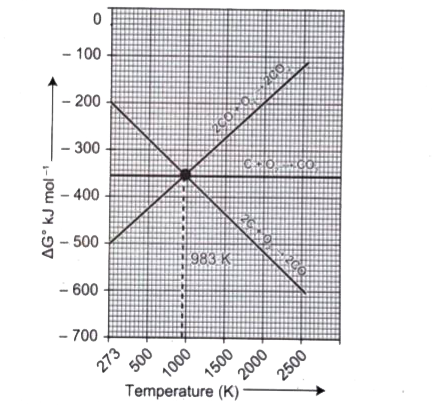 The value of `DeltaG^(@)` for CHANGE of C to `CO_(2)` is less than the value of `DeltaG^(@)` for change of CO to `CO_(2)`. Therefore, coke ( C ) is a better REDUCING agent than CO at 983K or above temperature. HOWEVER below this temperature (e.g. at 673K), CO is more effective reducing agent than C. |
|
| 16. |
Carbon monoxide is a pollutant because |
|
Answer» It REACTS with `O_2` |
|
| 17. |
Carbon monoxide is a major pollutant of |
|
Answer» Soil |
|
| 18. |
Carbon monoxide emitted by automobiles is an environmental hazard . A car has an engine of four cylinders with a total cylinder volume of 1600 cc and a fuel consumption fo 7.0 dm^(3) per 100 Km , when driving at an average speed of 80 km/hr . In one second , each cylinder goes through 25 burn cycles and consumes 0.400g of fuel . The compression ratio, which is the ratio between the smallest and largest volume within the cylinder as the piston moves forward and backward is 1:8. Calculate the air intake of the engine (m^(3)S^(-1)) , if the gaseous fuel and air are introduced into the cylinder when its volume is largest until the pressure is 101.0 KPa. the temperature of both incoming air and fuel is 100^(@)C. (Assume the fuel to be isoctane , C_(8)H_(18)) |
|
Answer» |
|
| 20. |
Carbon monoxide emitted by automobiles is an environmental hazard . A car has an engine of four cylinders with a total cylinder volume of 1600 cc and a fuel consumption fo 7.0 dm^(3) per 100 Km , when driving at an average speed of 80 km/hr . In one second , each cylinder goes through 25 burn cycles and consumes 0.400g of fuel . The compression ratio, which is the ratio between the smallest and largest volume within the cylinder as the piston moves forward and backward is 1:8. The gasified fuel and air are compressed to their lowest volume and then ignited . The overall stoichiometric equation for the combustion reaction is C_(8)H_(18) = 12.10_(2) rarr 0.8 CO + 7.2 CO_(2)+ 9H_(2)O Calculate the temperature of the i) gases just at the time of maximum compression and ii) exhaust gases leaving the cylinder if the final pressure in the cylinder is 200 Kpa. Relevant data needed for one burn cycle is given below. {:("compound",DeltaH_(f)(KJ "mol"^(-1)),C_(P)(J "mol"^(-1)K^(-1)),"Composition of gases after combustion" ("mol" xx 10^(-4))),(N_(2)(g),0.0, 29.13 , 101.91),(O_(2)(g),0.0, 29.36,10.1),(CO(g),-110.53, 29.14, 1.12),(CO_(2)(g) ,-395.51,37.11,10.11),(H_(2)(g),-241.82,33.58,12.36),("Isocotane",-187.82,,):} |
|
Answer» |
|
| 21. |
Carbon is used as a reducing agent in the extraction of : |
| Answer» Answer :D | |
| 22. |
Carbon is used as a common reducing agent in the extraction of |
|
Answer» Ag |
|
| 25. |
Carbon is in the lowest oxidation state in : |
|
Answer» `CH_4` |
|
| 26. |
Carbon is in the lowest oxidation state in |
|
Answer» `CH_(4)` |
|
| 27. |
Carbon is found to form two oxides, which contain 42.9% and 27.3% if carbon respectively. Show that these figures illustrate the law of multiple proportions. |
|
Answer» Solution :To calculate the percentage composition of carbon and oxygen in each of the two oxides `{:(,"First oxide","Second oxide"),("Carbon",42.9%,27.3%"(Given)"),("Oxygen",57.1%,72.7%"(by difference)"):}` Step 2. To calculate the masses of carbon which combine with a fixed mass, i.e., ONE part by mass of oxygen in each of the two oxides. In the first oxide, 57.1 parts by mass of oxygen combine with carbon = 42.9 parts. `therefore " 1 part by mass of oxygen will combine with carbon "=(42.9)/(57.1)=0.751`. In the second oxide. 72.7 parts by mass of oxygen combine with carbon = 27.3 parts. `therefore " 1 part by mass of oxygen will combine with combine with carbon"=(27.3)/(72.7)=0.376` Step 3. To COMPARE the masses of carbon which combine with the same mass of oxygen in both the oxides. The ratio of the masses of carbon that combine with the same mass of oxygen (1 part) is 0.751 : 0.376 or `2:1` SINCE this is a simple whole number RATION, so the above data illustrate the law of multiple proportions. |
|
| 28. |
Carbon in carbon dioxide is : |
|
Answer» SP hybridised |
|
| 29. |
Carbon in CO_2 is: |
|
Answer» sp-hybridised |
|
| 30. |
Carbon-halogen bond lenghts increases in the order |
|
Answer» `C-F LT C-CL lt C- BR lt C-I` |
|
| 31. |
Carbon-halogen bond is strongest among the following |
|
Answer» `CH_(3)CL` |
|
| 33. |
Carbon forms two oxides which have different compositions.The equivalent mass of which remains constant? |
|
Answer» oxygen |
|
| 34. |
Carbon forms a large number of compounds because of : |
|
Answer» Catenation |
|
| 35. |
Carbon dust in air is solidified by ..... |
|
Answer» cottrell's PRECIPITATOR |
|
| 36. |
Carbon dioxide produced by combination of fossil fuel is resulting in Greenhouse effect. |
|
Answer» |
|
| 37. |
Carbon dioxide is end product of metabolism as shown: C_(6)H_(12)O_(6)+O_(2)rarrCO_(2)+H_(2)O Calcualte daily production of CO_(2) (in grams) assuming each person consumes 5xx10^(2) gm glucose perday and worlds' population is 3.6 bilion. |
|
Answer» `6xx19^(10)` |
|
| 38. |
Carbon dioxide is a gas silica is a solid because: |
|
Answer» CARBON DIOXIDE is composed of discrete COVALENT`CO_2` molecules, whereas SILICA has CONTINUOUS tetrahedral structure. |
|
| 39. |
Carbon dioxide is commonly used as a fire extinguisher. Suggest some better fire extinguishers. |
| Answer» SOLUTION :`CBrClF_(2) and CBrF_(3)` are BETTER fire EXTINGUISHERS than `CO_(2)`. | |
| 40. |
Carbon dioxide dissolves under pressure in water to give |
|
Answer» An ALKALINE solution |
|
| 41. |
Carbon dioxide contains 27.27% of carbon, carbon disulphide contains 15.79% of carbon and sulphur dioxide contains 50% of sulphur. Are these figures in agreements with the law of reciprocal proportions? |
Answer» SOLUTION : `"1 g C will combine with S"=(84.21)/(15.79)=5.33g` `"1 g C will combine with O"=(72.73)/(27.27)=2.67g` `therefore` Ratio of MASSES of S and O which combine with fixed mass of carbon (viz 1 g) = `5.33:2.67=2:1.` Ratio of masses of S and O which combine directly with each other `=50:50=1:1`. Thus, the TWO RATIONS are SIMPLE multiple of each other. |
|
| 42. |
Carbon differs from other elements of the group. Which is the false statement |
|
Answer» Due to its MARKED tendency to FORM long chains (catenations) |
|
| 43. |
Carbon differs from other elements to the group. Which is the false statement: |
|
Answer» Due to this limitation of coordination number 4 |
|
| 44. |
Carbon-containing compounds in living organisms maintain an equilibrium with ""^(14)C in the atmosphere. The activity associated with C in the equilibrium is 15 disintegrations/minute/gram of carbon(t_(1//2) " of " ""^(14)C=5730 years). An old tree, found in an burial, was subjected to radioactive dating. The decay rate associated with its ""^(14)C content is 10 disintegrations/minute/gram of C. Find the time elapsed since the tree was cut down. |
|
Answer» SOLUTION :`lamda= (0.6932)/(5730)=1.21 xx 10^(-4) YR^(-1)` Now, rate of disintegration of `""^(14)C` (when equilibrium was destroyed, i.e., when the tree was cut down) `prop N^(0)`. And present rate of disintegration `prop N` i.e. `(N^(0))/(N)= (15)/(10)` Using EQN (24), `lamda= (2.303)/(t) "log" (N^(0))/(N)` or `1.21xx 10^(-4) = (2.303)/(t) "log" (15)/(10)` or `t=3.35 xx 10^(3)` years. |
|
| 46. |
Carbon combines with hydrogen to form three compounds A,B and C . The percentages of hydrogen in A,B and C are 25,14.3 and 7.7 respectively. Which law of chemical combination is illustrated? |
| Answer» SOLUTION :`{:("COMPOUND","% of HYDROGEN","% of CARBON"),(A,25.0,(100-25.0)=75.0),(B,14.3,(100-14.3)=85.7),(C,7.7,(100-7.7)=92.3):}` | |
| 47. |
Carbon combines with hydrogen to form three compounds A, B and C. The percentages of hydrogen in A, B and C are 25%, 14.3% and 7.7% respectively. Find the empirical of the compound |
| Answer» SOLUTION :`(CH_(4), CH_(2), CH)` | |
| 49. |
Carbon cannot be used to reduce |
|
Answer» ZnO |
|
| 50. |
Carbon cannot be used in the reduction of Al_(2)O_(3) because |
|
Answer» it is an expensive PROPOSITION |
|