Saved Bookmarks
This section includes 7 InterviewSolutions, each offering curated multiple-choice questions to sharpen your Current Affairs knowledge and support exam preparation. Choose a topic below to get started.
| 1. |
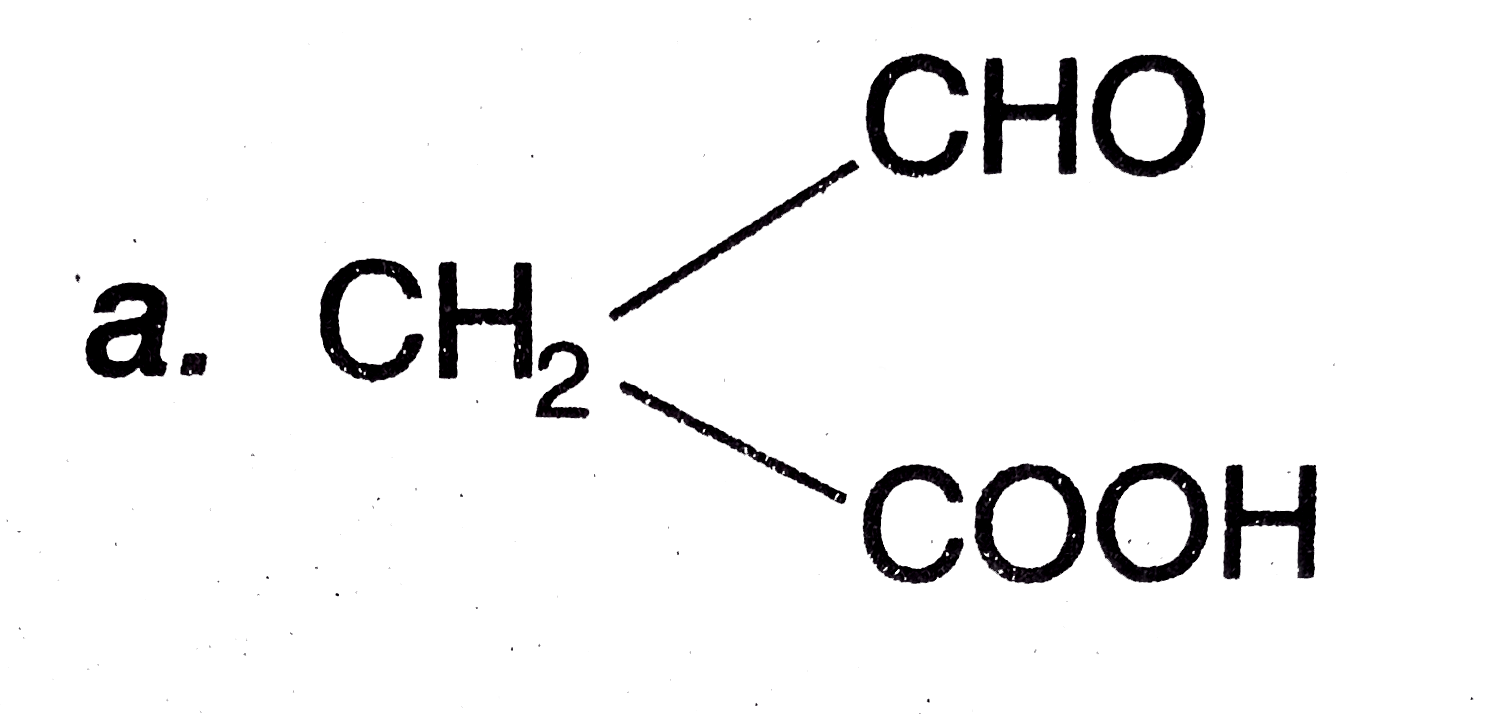
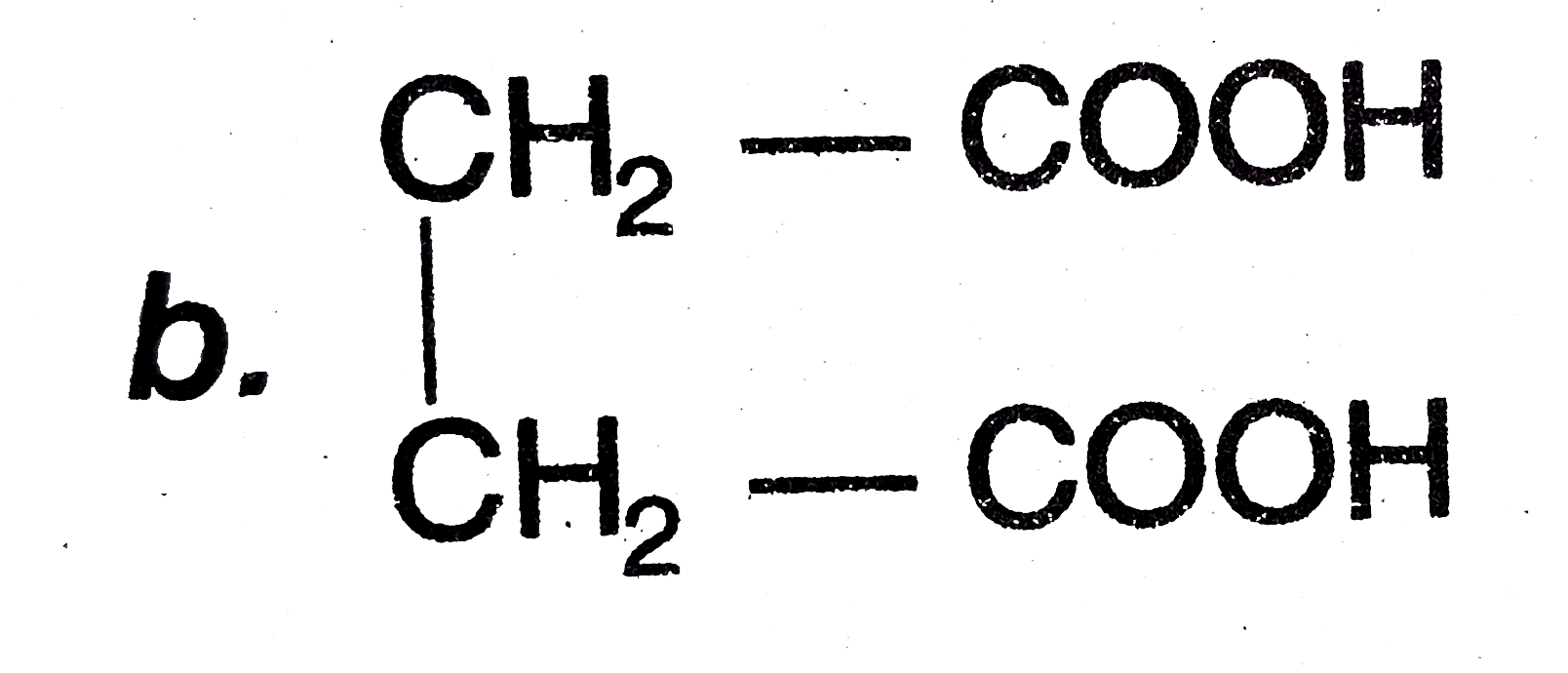
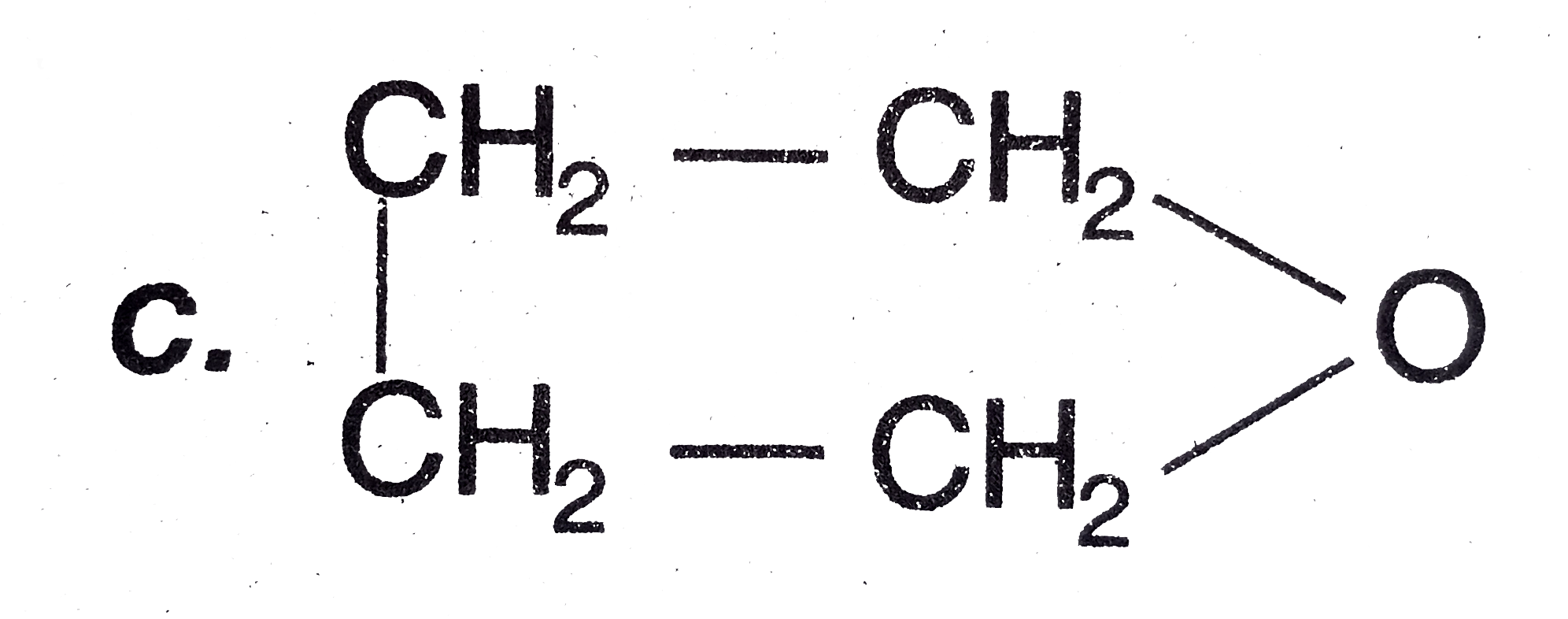
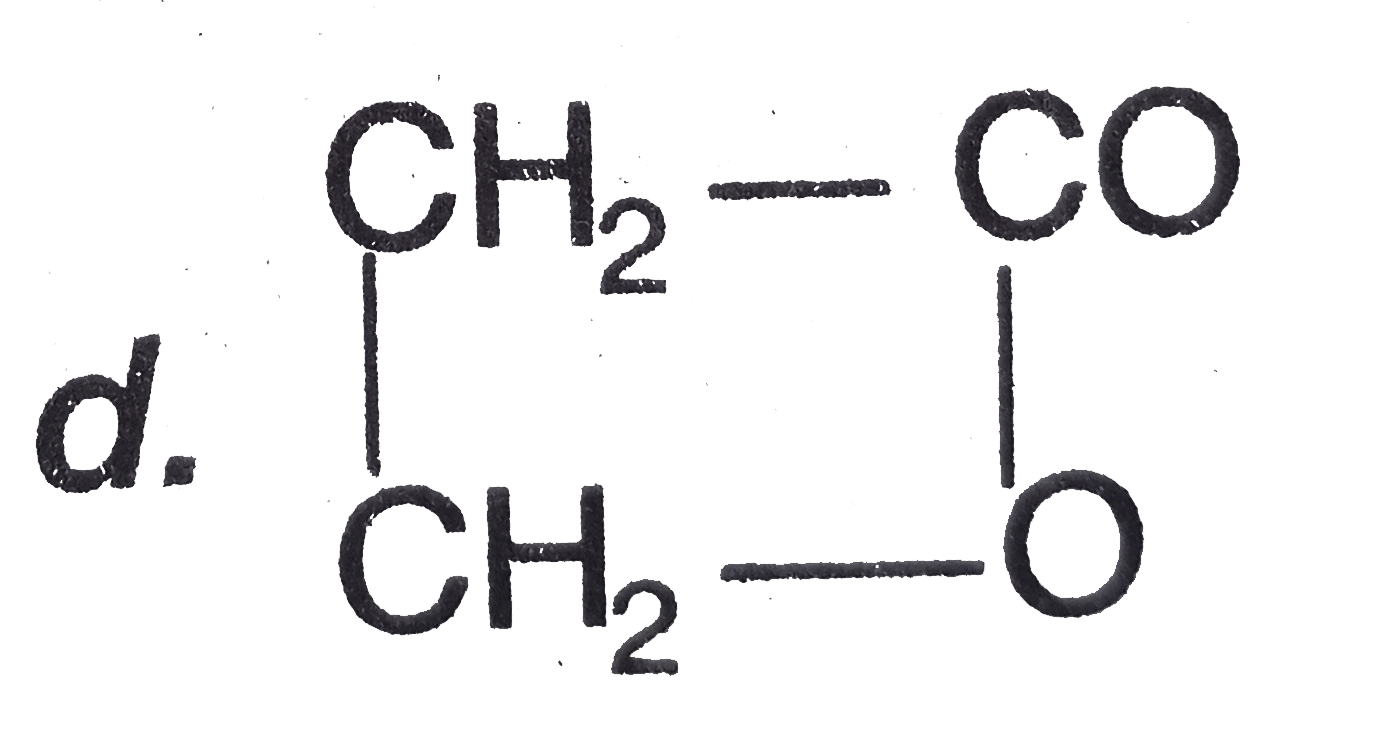
CH_(2)=CH_(2)+B_(2)H_(6) underset(NaOH)overset(H_(2)SO_(4))to Product Product in above reaction is |
| Answer» Answer :B | |
| 2. |
CH_(2) = CH_(2) + B_(2) H_(6) underset(H_(2)SO_(4))overset(NaOH) toPr oduct. Product is : |
|
Answer» `CH_3CH_2CHO` |
|
| 3. |
CH_2=CH-CH=CH_2overset(H_2//Pt)underset("1 equiv.")rarrAoverset(O_3//H_2O)rarrB A and B are |
|
Answer» `CH_3-CH_2-CH=CH_2, (CH_3CH_2COOH+CO_2)` |
|
| 4. |
CH_(2)=CH-(CH_(2))_(5)COOH underset(HBr)overset("Peroxide")toZ Where Z is |
|
Answer» `CH_(3)-Cunderset(Br)underset(|)(H)-(CH_(2))_(5)COOH` |
|
| 5. |
CH_2=CH-CH_2OHundersetIoverset(PhH//HF)toAunderset(II)overset(H_2//Pt)toBunderset(III)overset(NBS)toCunderset(IV)overset(H_2O,"acetone")toDundersetVoverset(MnO_2)toE[PS Madam] Which of the following statement is/are correct ? |
|
Answer» B' gives total 5 monochloro products on photochemical chlorination 
|
|
| 7. |
CH_(2)-underset(O)underset(||)C-CH_(3)overset(1.(CH_(3))_(2)LiCu(1mol))underset(2.H_(2)O)rarr ? The product is: |
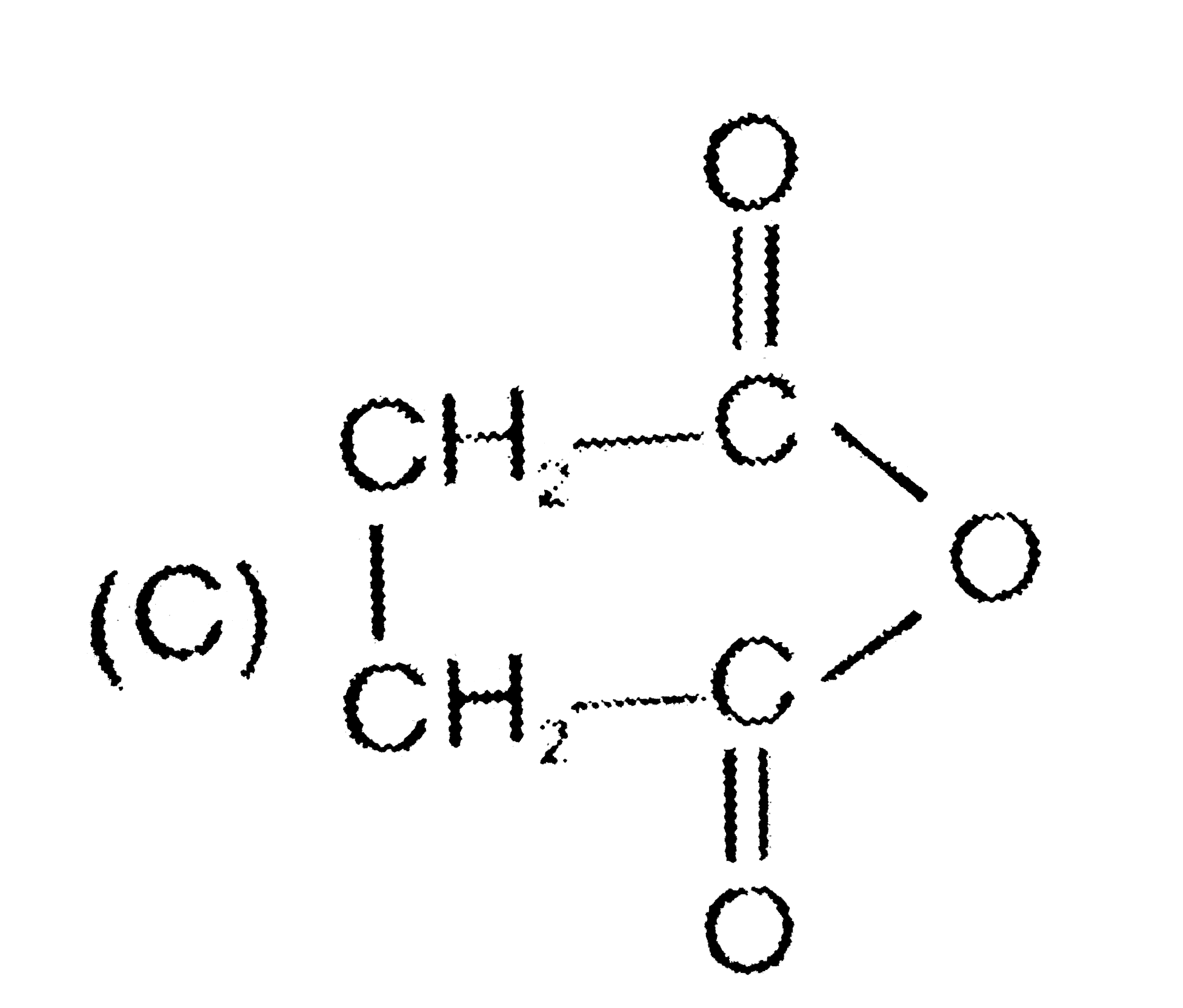
|
Answer» `CH_(3)-CH_(2)-underset(OH)underset(|)CH-CH_(2)-underset(O)underset(||)-CH_(3)` |
|
| 8. |
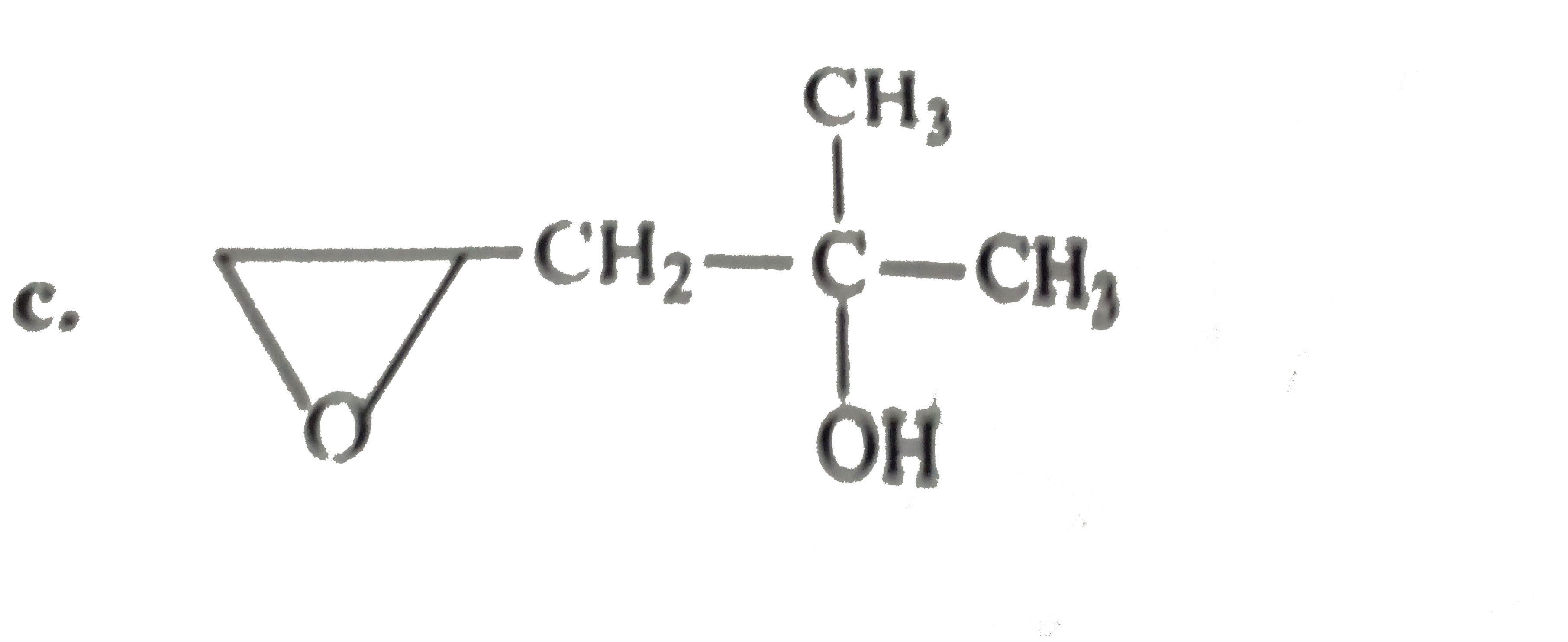
CH_2= undersetoverset(|)(Me)(C ) -CH_2CH_2CH_3 overset(IBr)(to)The structure of the product is |
|
Answer»

|
|
| 9. |
CH_(2)-OH group is obtained from - COOH by using |
| Answer» Answer :A | |
| 10. |
{:(CH_(2)-CONH_(2)),("|"),(CH_(2)-CONH_(2)):} overset(P_(2)O_(5))underset(Delta)to(P)overset(H_(2)O^(o+))underset(Delta)to(Q) The product (Q) is |
|
Answer» `CH_(3)-CH_(2)-COOH` 
|
|
| 11. |
CH_2 = C=O to underset("(dilketene)")X Correct statement is |
|
Answer» In `CH_2 = C=O` , the TWO `PI` BONDS AR PERPENDICULAR to each other |
|
| 13. |
CH_(2) = CH_(2) overset(O_(3))(to)X overset(H_(2)O // Zn)(to) Y overset([O])(to) Z, Z is |
|
Answer» `HCOOH` 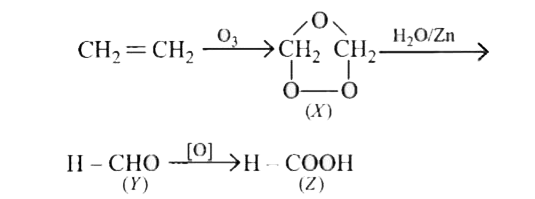
|
|
| 15. |
CH_2 = CH_2 + HCl overset(x)(rarr) CH_3 - CH_2Cl, What is 'X'? |
|
Answer» `Al_2 O_3` |
|
| 16. |
What are X and Y in the reaction? C_(2)H_(4)+H_(2)SO_(4)overset(80^(@)C)rarrXunderset(Delta)overset(H_(2)O)rarrY |
|
Answer» `C_(2)H_(5)OH , C_(2)H_(5)HSO_(4)` |
|
| 17. |
CH_3CH = CH_2 overset(HCl)(to) X underset("heat") overset(Dr Ag_2O)(to) Ythe product Y in the above sequence is |
|
Answer» `C_2H_5OH , C_2H_5HSO_4` |
|
| 18. |
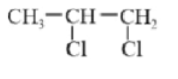
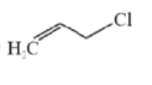
CH_(2) = CH - CH_(3) overset(Cl_2,500^(@)C)(rarr) A. The product A is |
|
Answer»
|
|
| 19. |
{:(CH_(2)-CH- CH_(2)), (|""|""|),(COOH COOH COOH):} compound is :- |
|
Answer» Propane-1, 2, 3-trioic acid |
|
| 20. |
CH-=Chunderset(H_2SO_4)overset(H_2O // Hg^(2+))to X overset(LiAIH_4)to Y overset(P_4//Br_2)to Z Here Z is |
|
Answer» ETHYLENE bromide |
|
| 21. |
CH-=CHoverset(O_3//NaOH)rarrXoverset(Zn//CH_3COOH)rarrY |
|
Answer» `CH_2OH - CH_2OH` |
|
| 22. |
CH-=CHoverset(NH_4Cl)underset(Cu_2Cl_2)rarr product product is: |
|
Answer» `Cu-C-=C-Cu` |
|
| 23. |
CH-=CHoverset(Ni(CN)_2)rarrX . Identify X in the given reaction |
|
Answer» Benzene 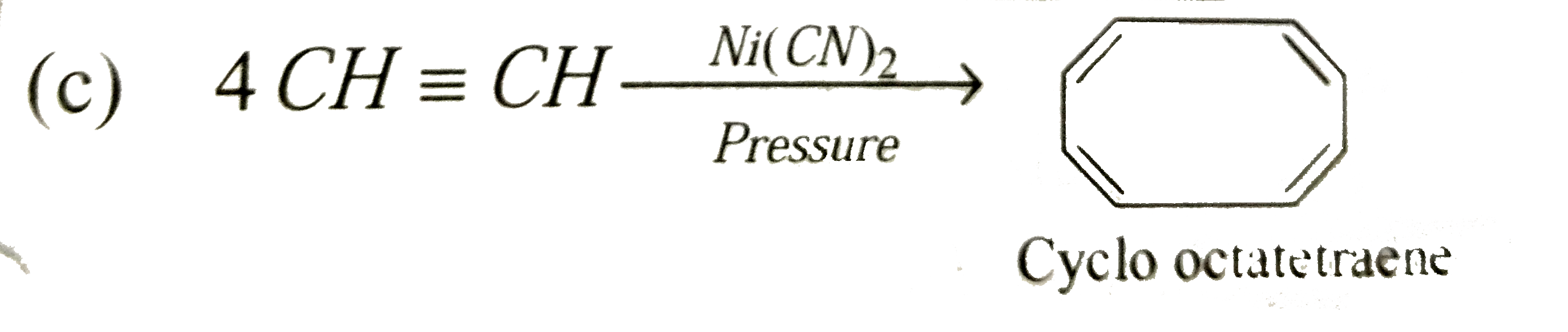
|
|
| 24. |
CH-=CH underset(H_2SO_4)overset(HgSO_4)to underset(H_2O)overset(CH_3MgBr)to overset(P//Br_2)to |
|
Answer» `CH_3CH(BR)CH_3` |
|
| 25. |
CH -= CH underset(1% HgSO_(4))overset(50% H_(2)SO_(4))rarr A underset("dil". H_(2)SO_(4))overset(K_(2)Cr_(2)O_(7))rarr B overset(Ca(OH)_(2))rarr C underset("distillation")overset("dry")rarr D. Write the final prodcut 'D' in the above sequence of reactions? |
| Answer» SOLUTION :`CH_(3)COCH_(3)` | |
| 26. |
In the reaction CH-=CHoverset(O_(3)//NaOH)(to)Xoverset(Zn//CH_(3)COOH)(to)Y Identify 'Y' |
|
Answer» `CH_3OH` |
|
| 27. |
Cellulose is a |
|
Answer» NATURAL POLYMER |
|
| 28. |
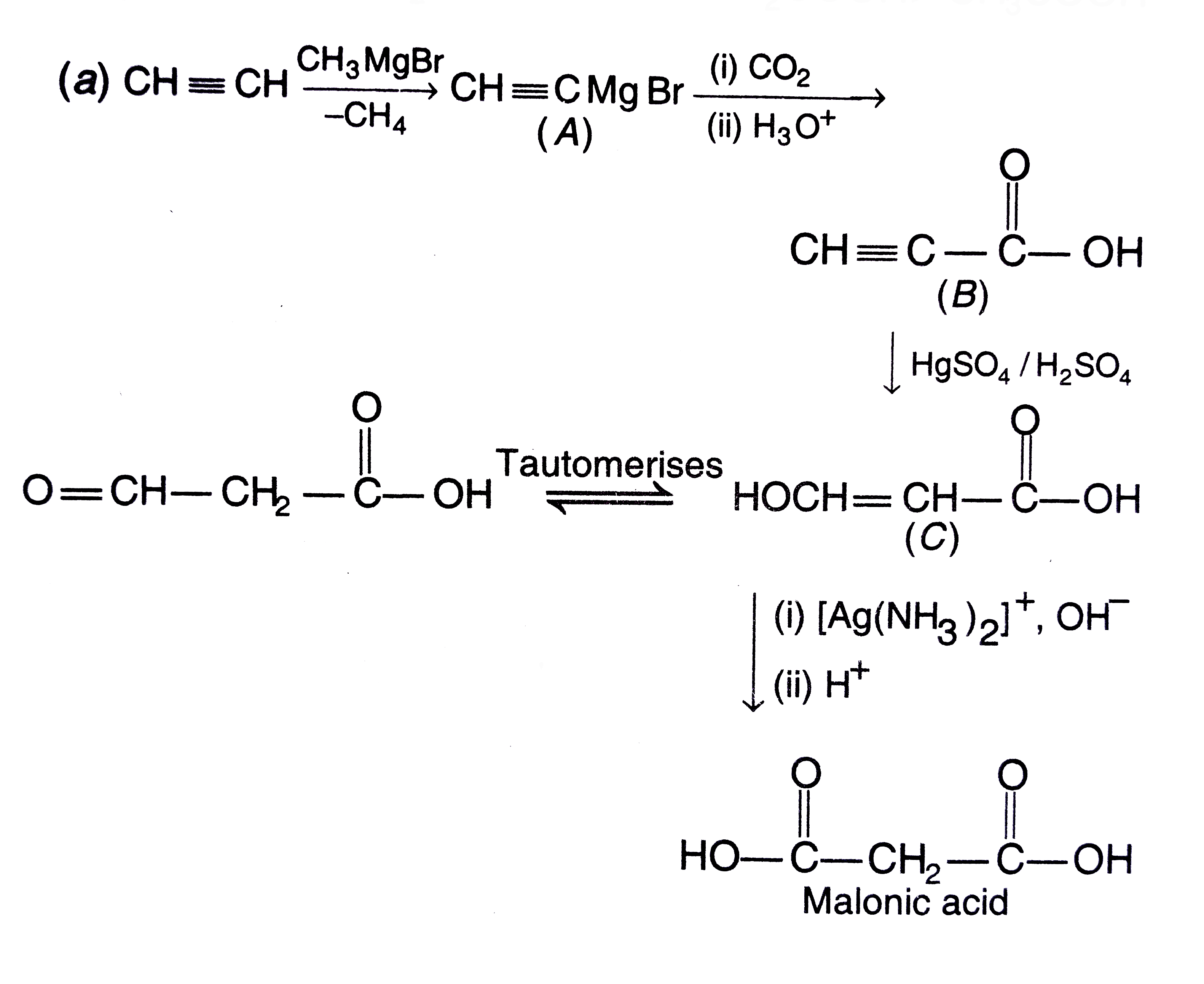
CH-=CH overset(CH_(3)MgBr) toAoverset((i)CO_(2)) underset((ii) H_(3)O^(+))to B overset(HgSO_(4)//H_(2)SO_(4))to overset(O)overset(||)(HO-C-CH_(2))-overset(O)overset(||)C-OH overset((i)[Ag(NH_(3))_(2)]^(+),OH^(-)) underset((ii)H^(+)) toC In the given, reaction, product C is |
|
Answer»
|
|
| 29. |
Cellulose is a condensation polymer is: |
|
Answer» MALTOSE |
|
| 30. |
CH-=CH+HBr to X, product X is |
|
Answer» ETHYLENE bromide |
|
| 31. |
CH-=CH+H_(2)O overset(H_(2)SO_(4))underset(HgSO_(4))rarr A overset(H_(2)//Ni)underset(300^(@)C)rarrB. What are A and B |
|
Answer» `CH_(3)CHO` and `CH_(3)CH_(2)OH` |
|
| 32. |
C_(("graphite"))+O_(2)(g)rarrCO_(2)(g), DeltaH=-94.05 kcal mol^(-1)C_(("diamond"))+O_(2)(g)rarrCO_(2)(g), DeltaH=-94.50 kcal mol^(-1)therefore |
|
Answer» `C_(("graphite"))rarrC_(("diamond")), DeltaH_(298 K)^(@)=-450 cal MOL^(-1)` `C_(("diamond"))rarrC_(("graphite"))`. (i) `C_(("dia"))+O_(2)(G)=CO_(2(g))DeltaH=-94.5 kcal` (ii)`C_(("graphite"))+O_(2(g))=CO_(2(g))DeltaH=-94.0 k cal` `DeltaH_("transformation")=-94.5-(-94.0)` `=-0.5 kcal`. |
|
| 33. |
Cellulose is a: |
|
Answer» Carbohydrate |
|
| 34. |
CF_(x)Cl_(y) [where x+y=4]. These compounds are not used because |
|
Answer» These are FLUORO carbons |
|
| 35. |
Cellulose is a : |
|
Answer» NATURAL POLYMER |
|
| 36. |
CFSE for the complex [Ir(NH_(3))_(6)]^(3+) is: [(-0.4xxx_(t_(2g)))Delta_(0)+(0.6xxy_(eg))Delta_(0)+ZP] Find the addition of x+y |
|
Answer» `y=0` `:.x+y=6` |
|
| 37. |
"CFCl"_(3) and HF on reaction in presence of " SbF"_(5) leads to the formation of: |
|
Answer» FREON -112 |
|
| 39. |
Cellulose has very high degree of hydrophilicity because of |
|
Answer» Its AMORPHOUS nature |
|
| 40. |
CF_3-CHCl_2 overset(C_2H_5O^(-))(rarr)CF_3 - Coverset(o.)(C )l_2 rarr. The carbanion is stabilised by a) -I effect of CF_3 b) +I effect of CF_3 c) d-orbital resonance of Cl atm. |
|
Answer» a only |
|
| 41. |
Cellulose contain |
|
Answer» C-1`to`C-4 `ALPHA`-D-glucopranose GLYCOSIDIC bond |
|
| 42. |
Cetyltrimethyl ammonium bromide is a popular |
|
Answer» ANIONIC detergent |
|
| 43. |
Cellulose acetate and cellulose nitrate are examples of ________polymers. |
| Answer» SOLUTION :semi-synthetic | |
| 44. |
Cetane is a compound which has very good ignition property. Chemically it is |
|
Answer» `CH_3(CH_2)_14CH_3` |
|
| 45. |
Celluloid is |
|
Answer» A thermoplastic material OBTAINED from caprolactam and UREA |
|
| 46. |
Cetane number of diesel fuel increases with the addition of: |
|
Answer» DECANE |
|
| 47. |
Cetrizine, levocetrizine, trefenadine, ampicillin, desloratatide. |
| Answer» SOLUTION :AMPICILLIN. It is antimicrobial WHEREAS OTHERS are antihistamines. | |
| 48. |
cetane is : |
|
Answer» HEXADECANE |
|
| 49. |
Cesium chloride is formed according to the following equation Cs (s) + 0.5 Cl_(2) (g) to CsCl (s) The enthalpy of sublimation of Cs, enthalpy of dissociation of chlorine, ionization energy of Cs & electron gain enthalpy of chlorine are 81.2,243.0, 375.7 and –348.3 kJ mol^(-1). The energy change involved in the formation of CsCl is –388.6 kJ mol^(-1) . Calculate the lattice energy of CsCl. |
| Answer» SOLUTION :`-618.7 KJ MOL^(-1)` | |
| 50. |
Cellophane is made from : |
|
Answer» Cellulose |
|