Saved Bookmarks
This section includes 7 InterviewSolutions, each offering curated multiple-choice questions to sharpen your Current Affairs knowledge and support exam preparation. Choose a topic below to get started.
| 1. |
Choose the correct statement among the following: |
|
Answer» RADIAL distribution function `(psi^(2). 4pir ^(2)DR)` give probability at a particular distance ALONG any chosen direction. |
|
| 2. |
Choose the correct statement about the equilibrium A(s)+2B(g)hArrC(g)+D(g) |
|
Answer» change in temp. changes both the state of eqb. and the eqb. CONSTANT |
|
| 3. |
Choose the correct statement about Metal Carbonyls : |
|
Answer» Decacarbonyl-dimanganese(0) is made up of two square pyramidal `Mn(CO)_(5)` units joined by a Mn-Mn bond 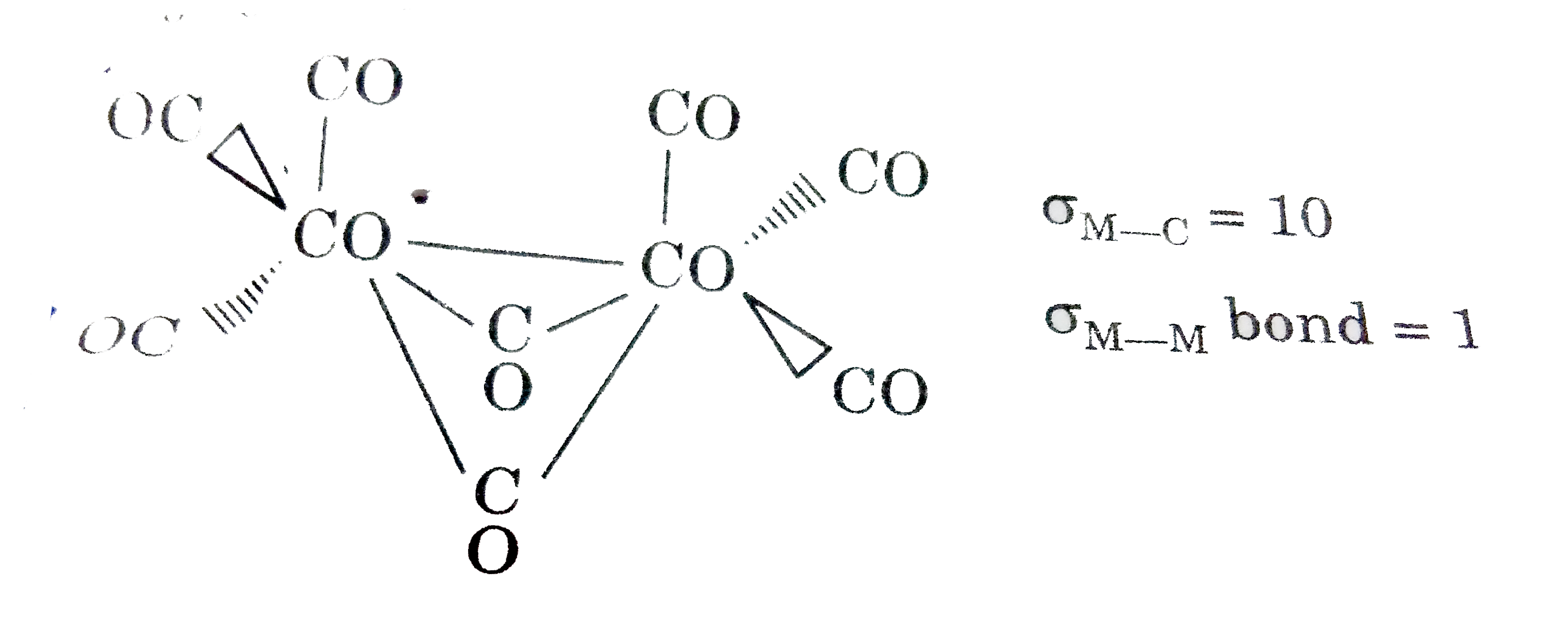
|
|
| 4. |
Choose the correct statement: |
|
Answer» Diethylether with chlorine in presence of sunlight forms `(C_(2)Cl_(5))_(2)O`. |
|
| 5. |
Choose the correct statement : |
|
Answer» 1 MOLE of `MnO_4^(-)` ion can oxidised 5 moles of `Fe^2+` ion in acidic medium |
|
| 6. |
Choose the correct set from the following options regarding the hybridisation of central atom and shape. |
|
Answer» `SnCl_(2),SP^(2)`, linear |
|
| 7. |
Choose the correct sequence for the geometry of the given molecules Borazon, Borazole,B_(3)O_(6)^(3-), trimer of FCN. ['P' stands for planer and 'NP' standes for non-planer] |
|
Answer» <P>NP, NP, NP, P, P |
|
| 8. |
Choose the correct relationship for glucose and fructose |
|
Answer» these are FUNCTIONAL isomers |
|
| 9. |
Choose the correct reason(s) for the stability of the lyophobic colloidal particles |
|
Answer» Preferential adsorption of ions on their surface from the solution |
|
| 10. |
Choose the correct reason(s) for the stability of the lyophobic colloidal particles. |
|
Answer» Preferential adsorption of IONS on their SURFACE from the solution. |
|
| 11. |
Choose the correct reason (s) for the stability of lyophobic colloidal particles |
|
Answer» Preferential adsorption of ions on THIR surface form the SOLUTION |
|
| 12. |
Choose the correct reaction: |
|
Answer» `BaCl_(2)+AcOH+K_(2)CrO_(4)to`yellow ppt. `BaCO_(3)` dissolves in `CH_(3)COOH` and produces `Ba^(2+)` ion which gives yellow ppt. with `CrO_(4)^(2-)` which is insoluble in `CH_(3)COOH` `SrCO_(3)` is soluble in `CH_(3)COOH` and produces `Sr^(2+)` ion which does not GIVE yellow ppt. of `SrCrO_(4)` in `CH_(3)COOH`. |
|
| 13. |
Choose the correct pair regarding solubility |
| Answer» Answer :A | |
| 14. |
Choose the correct order or decreasing basic strength of the following compound, in aqueous solution C_(6)H_(5)NH_(2) (II) C_(2)H_(5)NH_(2) (III) NH_(3) (IV) (CH_(3))_(2)NH |
|
Answer» `I GT II gt III gt IV` |
|
| 15. |
Choose the correct order of catalytic activity of Cr, V, Fe and Mn metals in increasing order. |
|
Answer» `Fe LT Mn lt V lt CR` |
|
| 16. |
Choose the correct order of dissociation enthalpy of M-H bond in the 16th group. |
|
Answer» `H_(2)S LT H_(2)O lt H_(2)SE lt H_(2)TE` |
|
| 17. |
Choose the correct order of boiling point for ethanol, ethylene glycol and glycerol. |
|
Answer» `"ETHANOL" GT "ETHYLENE" "GLYCOL" gt "GLYCEROL"` |
|
| 18. |
Choose the correct order for the energy barrier to rotation around the B-N bond :- |
|
Answer» `H_2B-NR_2 lt BH(NR_2)_2 lt B(NR_2)_3` |
|
| 19. |
Choose the correct option(s) from the following: |
|
Answer» Teflon is prepared by heating tetrafluoroethene in presence of a persulphate catalyst at high pressure. |
|
| 20. |
Choose the correct options : |
|
Answer» In `N_2H_4`, the N-N bond length is greater than expected value 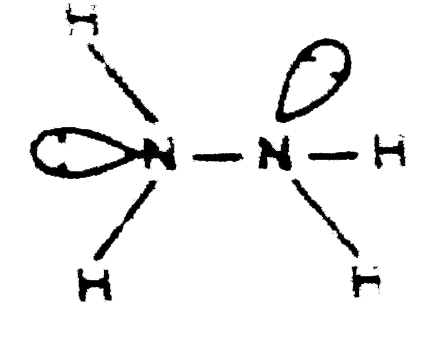 (B)Has partial double bond character DUE to `ppi-dpi` delocalisation (C )`OF_2=1.3^@` (approximate) and `OCl_2=112^@`(approximate) (D) 
|
|
| 21. |
Choose the correct options . |
|
Answer» ENERGY of shell is given by `(n + l)` rule |
|
| 23. |
Choose the correct option (s) : |
|
Answer» `Fe^(+3)` is strong Lewise ACID than `Fe^(+2)` (b) `d_(S - Cl)` bond length ALWAYS greater than `d_(S - F)` bond length 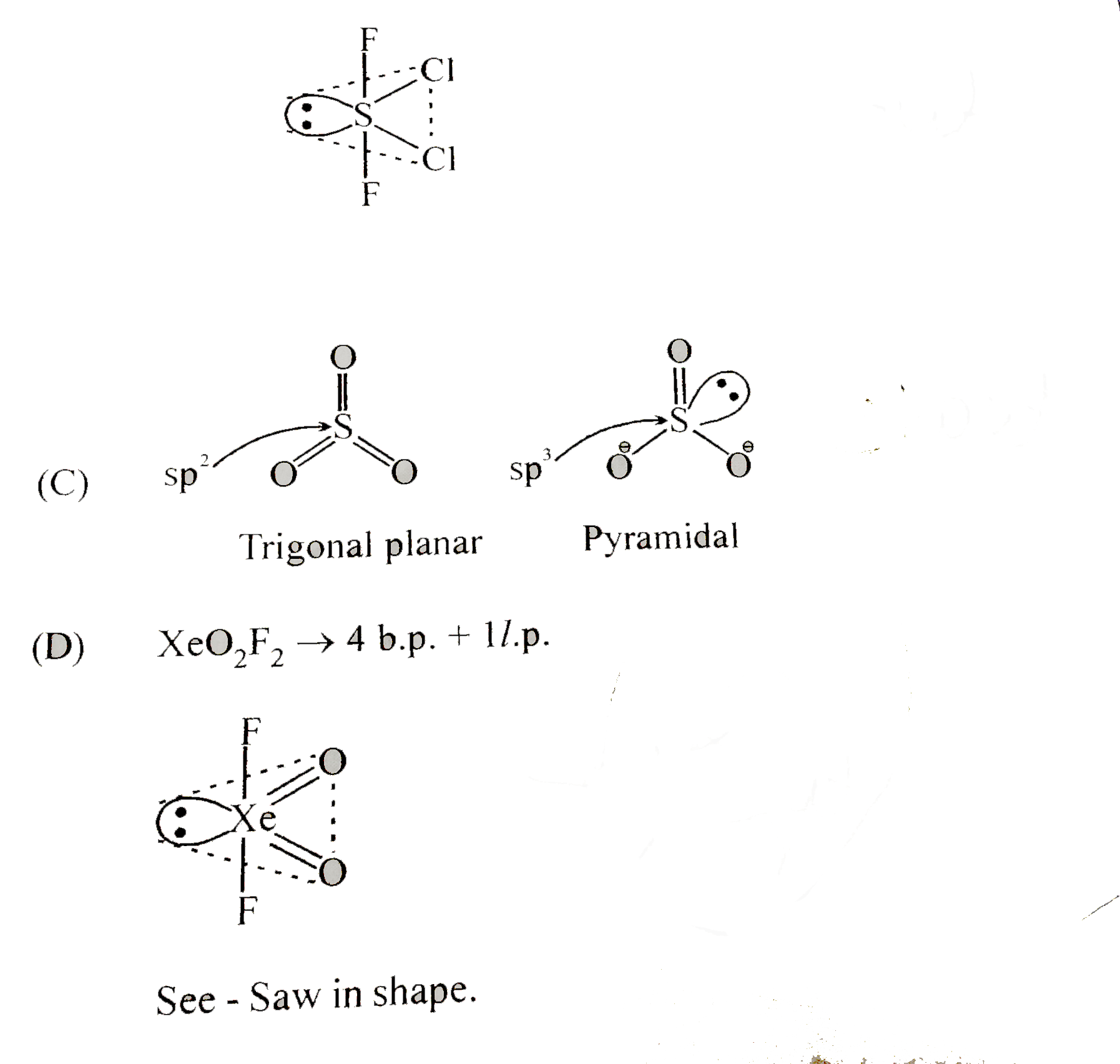
|
|
| 24. |
Choose the correct option regarding the following complex compound which follwos (F) and does not follow (NF) the Sidgwick EAN rule: (I) [Ph_(3)P)_(2)PdCl_(2)PdCl_(2)] (II) [NiBrCl(en)] (III) Na_(4)[Fe(CN)_(5)NOS] (IV) Cr(CO)_(3)(NO)_(2) |
|
Answer» (I)-NF,(II)-NF,(III)-NF,(IV)-NF (II) `[NiBrCl(en)]:` EAN of Ni=28-2+8=34 (III) `[Na_(3)[Fe(CN)_(5)NOS],` EAN of Fe=26-2+`5xx2+2=36`[KR] (IV) `Cr(CO)_(3)(NO)_(2),`EAN of `Cr=24-0+3xx2+3xx2=36[Kr]`. |
|
| 25. |
Choose the correct option regarding the following complex compound which follows (F) and does not follow (NF) the sidgwick EAN rule : (P)[(Ph_(3)P)_(2)PdCl_(2)PdCl_(2)]""(Q)[NiBrCl(en)] (R)Na_(4)[Fe(CN)_(5)NOS]""(S) [Cr(CO)_(3)(NO)_(2)] |
|
Answer» `{:("(P)", "(Q)", "(R)", "(S)"),("NF","NF","NF","NF"):}` |
|
| 26. |
Choose the correct option of temperature at which carbon reduces FeO to iron and produces CO. |
|
Answer» Below temperature at point A. `Delta_f G_((C","CO))^(@) < Delta_fG_((FE","FeO))^(THETA)` |
|
| 27. |
Choose the correct option of temperature at which carbon reduces FeO to iron and produces CO. |
|
Answer» Below TEMPERATURE at POINT A. |
|
| 28. |
Choose the correct option about the following sentences.(T = True and F = False)(i) In S_(N)1 reaction always raemic mixture is formed and for S_(N)2 reaction in 50% cases racemic mixture is formed.(ii) S_(N)1 reaction occurs through carbonium ion mechanism, while S_(N)2 reaction occurs through free radical mechanism. |
|
Answer» F, F |
|
| 29. |
Choose the correct option: |
|
Answer» Nitrogen comprises 78% by volume of ATMOSPHERE. |
|
| 31. |
Choose the correct option: |
|
Answer» `A` REPRESENTS vapour COMPOSITION and `B` represents liquid composition. |
|
| 32. |
Choose the correct matching of transition metal with magnetic moment give: {:(,"Transition Metal","Magnetic moment(B.M)"),(,(A)"Titanium (III)",(1) 4:9),(,(B)"Vandium (II)",(2) 1.73),(,(C )"Iron (II),(3)3.87):} |
|
Answer» A-2,B-3,C-1 (a) `mu=sqrt(n(n+2))`, (n= no. of unpaired electrons ) `Ti^(3+) to [Ar]3d^(1),mu=sqrt(1(1+2))=sqrt(3)=1.73 BM` `V^(2+) to [Ar]3d^(3),mu=sqrt(3(3+2))=sqrt(15)=3.87 BM` `FE^(2+) to [Ar]3d^(4),mu=sqrt(4(4+2))=sqrt(24)=4.89 BM` |
|
| 33. |
Choose the correct combination of x,y, z ? Reactivity of (z) is more than (w) : |
|
Answer» (IV)(III)(S) 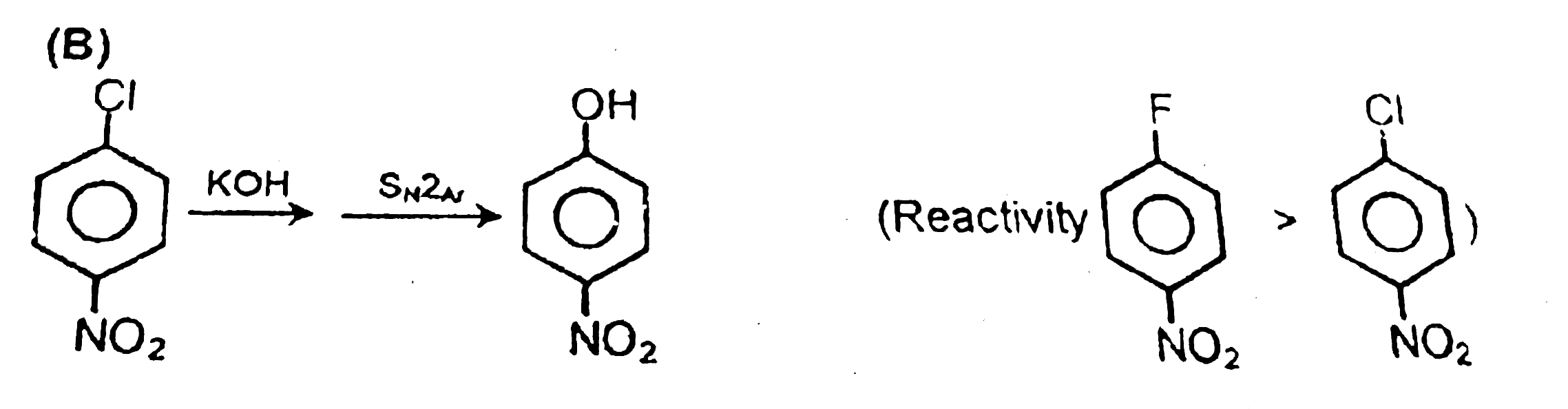
|
|
| 34. |
Choose the correct combination of x,y, z ? |
|
Answer» <P>(II)(i)(Q) 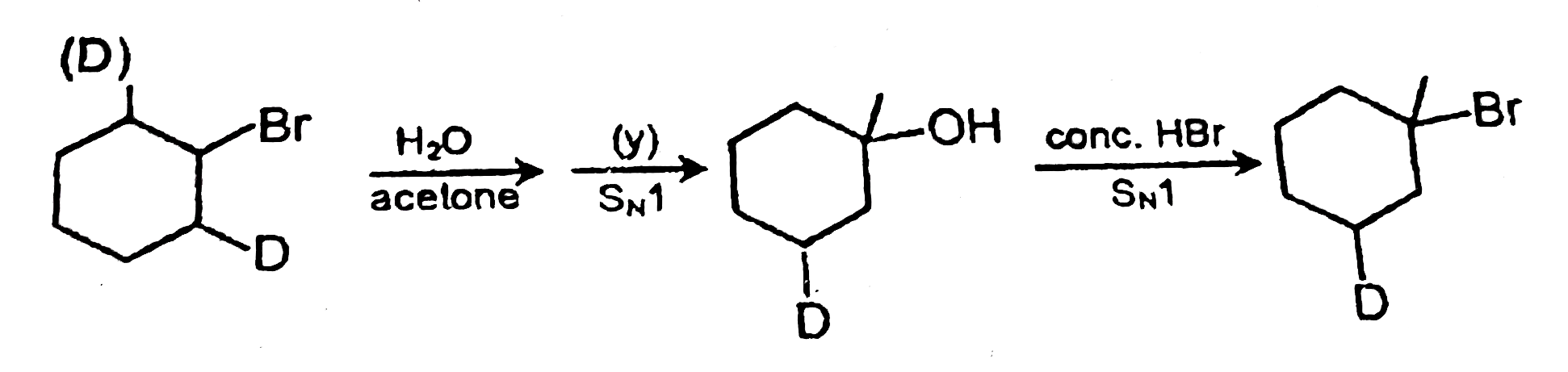
|
|
| 35. |
Choose the correct combination of x,y, z ? |
|
Answer» <P>(I)(II)(P) 
|
|
| 36. |
Choose the correct code regarding Roasting process. (I) It is the process of heating ore in air to obtain the oxide (II) It is an exothermic process (III) It is used for hydrated oxide and oxysalt ore (IV) It is used after the concentration of ore |
|
Answer» I, II and III |
|
| 37. |
Choose the correct code regarding, possible number of geometrical isomers exhibited by following complexes: (I) [CrCl_(2)(NO_(2))_(2)(NH_(3))_(2)]^(-) (II) [Co(NO_(2))_(3)(NH_(3))_(3)] (III) [PtCl(NO_(2))(NH_(3))(py)] (IV) [PtBrCl(en)] |
|
Answer» (I)-4,(II)-2,(III)-3,(IV)-1 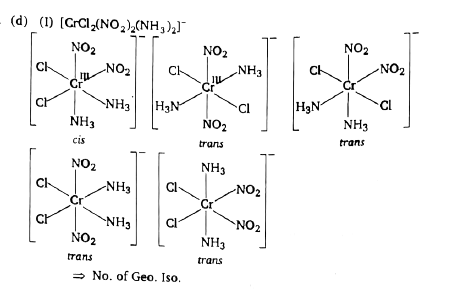
|
|
| 38. |
Choose the correct code for following statement. (P) In graphite inter layer spacings is more than C-C bond length within the layer. (Q) Graphite is more reactive compared to diamond. (R) Graphite is more stable compared to diamond. (S) Graphite is sufficiently inert compared to other elements. |
|
Answer» TTFT |
|
| 39. |
Choose the correct code in which all the molecules have dative pi bond. I - P_(4)O_(10),II - (SiH_(3))_(3) N.,III -P_(4)O_(6),IV -BF_(3) |
|
Answer» I, II, III, IV |
|
| 40. |
Choose the correct code by identifying (X), (Y) and (Z) in each case for the changes indicated: (i) CrO_(2)Cl_(2) overset(KOH) to (X) overset(conc." "H_(2)SO_(4))to(Y) overset(AgNO_(3))to(Z) (ii) CrCl_(3)(aq) underset(NaOH)overset("excess")to (X) underset(H_(2)O," boil")overset(Na_(2)O_(2))to (Y) underset("acetate")overset("lead")to (Z) (iii) ZnSO_(4)(aq) overset(Na_(2)CO_(3))to (X) overset(Delta)to (Y) underset("nitrate, "Delta)overset("cobalt")to(Z) (iv) CuCl_(2)(aq) underset(H_(2)S)overset(NH_(4)OH)to (X) underset(Delta)overset(HNO_(3))to (Y) underset("excess")overset(KCN)to(Z) |
|
Answer» `X=K_(2)CrO_(4)""Y=K_(2)Cr_(2)O_(7)""Z=Ag_(2)CrO_(4)` |
|
| 41. |
Choose the correct case of hydrolysis for the following molecules : (P) CH_(3)-overset(O)overset("||")C-OCPh_(3) (Q) CH_(3)-underset(CH_(3))underset(|)CH-overset(O)overset("||")C-O-CPh_(3) (R) Ph-underset(CH_(3))underset(|)CH-overset(O)overset("||")C-O-CPh_(3) (S) CH_(3)CH_(2)-underset(CH_(3))underset(|)CH-overset(O)overset("||")C-O-CPh_(3) |
|
Answer» `P GT Q gt R gt S` |
|
| 42. |
Choose the correct answers for a given amount of hydrogen. |
|
Answer» MOLE of `H_(2)` = mole of H |
|
| 43. |
Choose the correct answers for a given amount of hydrogen |
|
Answer» MOLE of `H_(2)` = Mole of H |
|
| 45. |
Choose the chain terminating step (1) H_(2) rarr H^(*)+H^(*)(2) Br_(2) rarr Br^(*) + Br^(*) (3) Br^(*) + HBr rarr H^(*) + Br_(2)(4) H^(*) + Br_(2) rarr HBr + Br^(*) (5) Br^(*) + Br^(*) rarr Br_(2) |
|
Answer» 1 |
|
| 46. |
Choose the compounds of maximum and minimum ionic character from LiCl, RbCl, BeCl_(2) and MgCl_(2) |
|
Answer» LiCl and RBCL |
|
| 47. |
Choose the compound with the (S) chiral carbon and the (Z) double bond configuration |
|
Answer»
|
|
| 48. |
Choose the complex entity which follow(s) EAN rule : |
| Answer» Answer :D | |
| 49. |
Choose the best synthetic route to (CH_(3))_(3)COCH_(3) amongst the following: (a) React (CH_(3))_(3)COH with KOH, then add CH_(3)I . (b) React (CH_(3))_(3)COH with NaOH, then add CH_(3)I. (c) React CH_(3)OH with KOH, then add (CH_(3))_(3)CI. |
| Answer» Solution :The best synthetic route to `(CH_(3))_(3)COCH_(3)` is route (a). In route (b), there is difference in the basicity of hydroxide and t-butoxide, and the CONJUGATE base of `(CH_(3))_(3)COH` is not sufficiently LARGE to affect complete deprotonation of the alcohol. When `CH_(3)I` is added to the reaction mixture, there will be two alkoxides (hydroxide and t-butoxide) competing for the reaction. In route (c), reaction of `CH_(3)O`-- (a strong base) with a tertiary alkyl HALIDE will give `E_(2)`, not `S_(N)2`, products. | |
| 50. |
Choose the best method to prepare given compound: |
|
Answer»
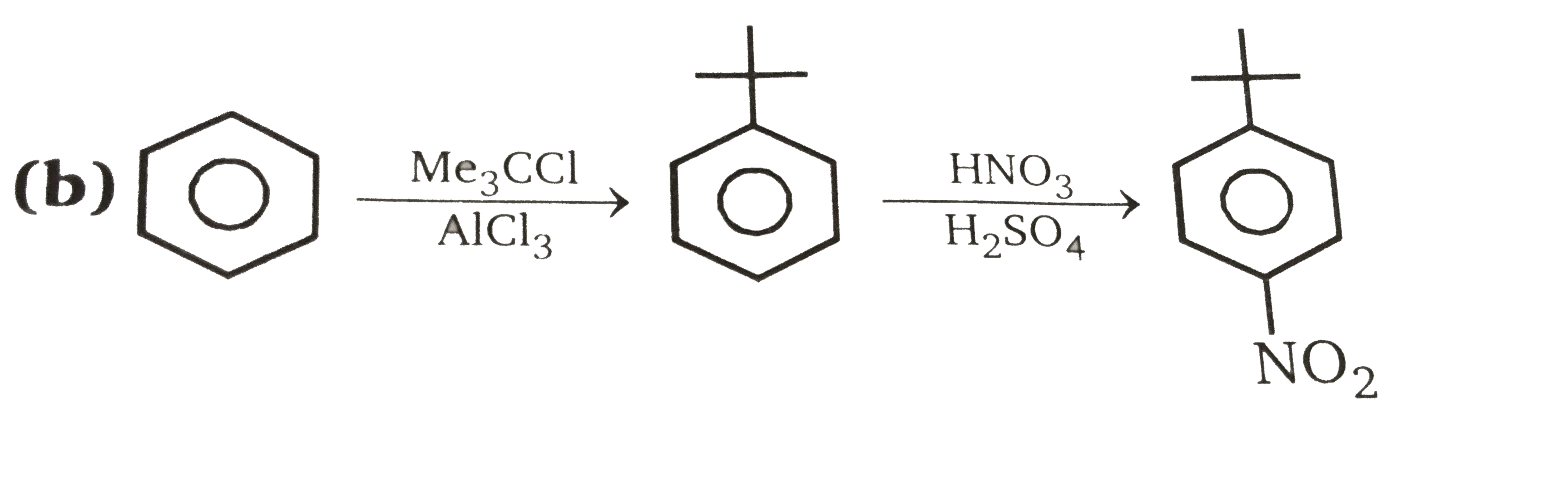
|
|


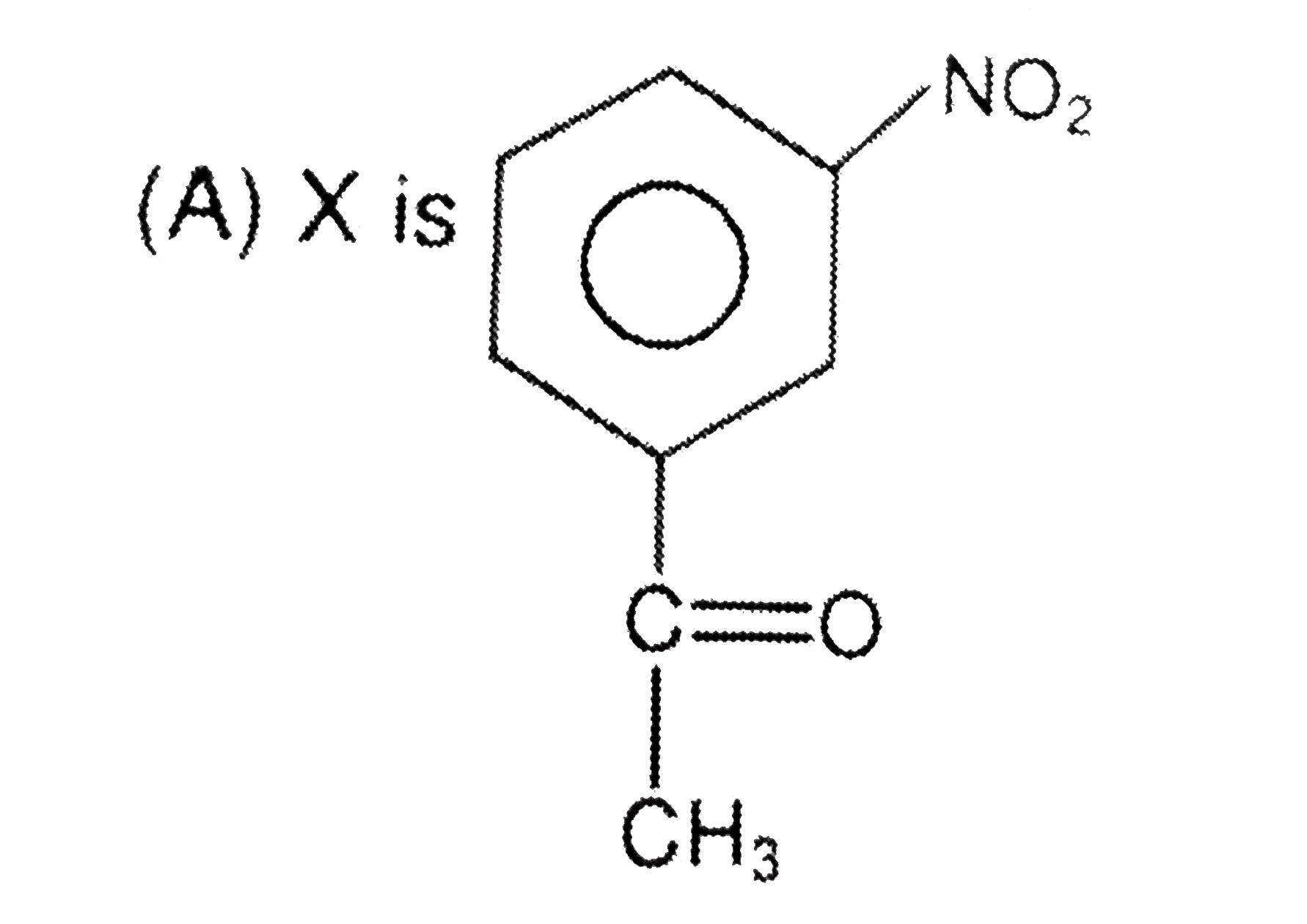
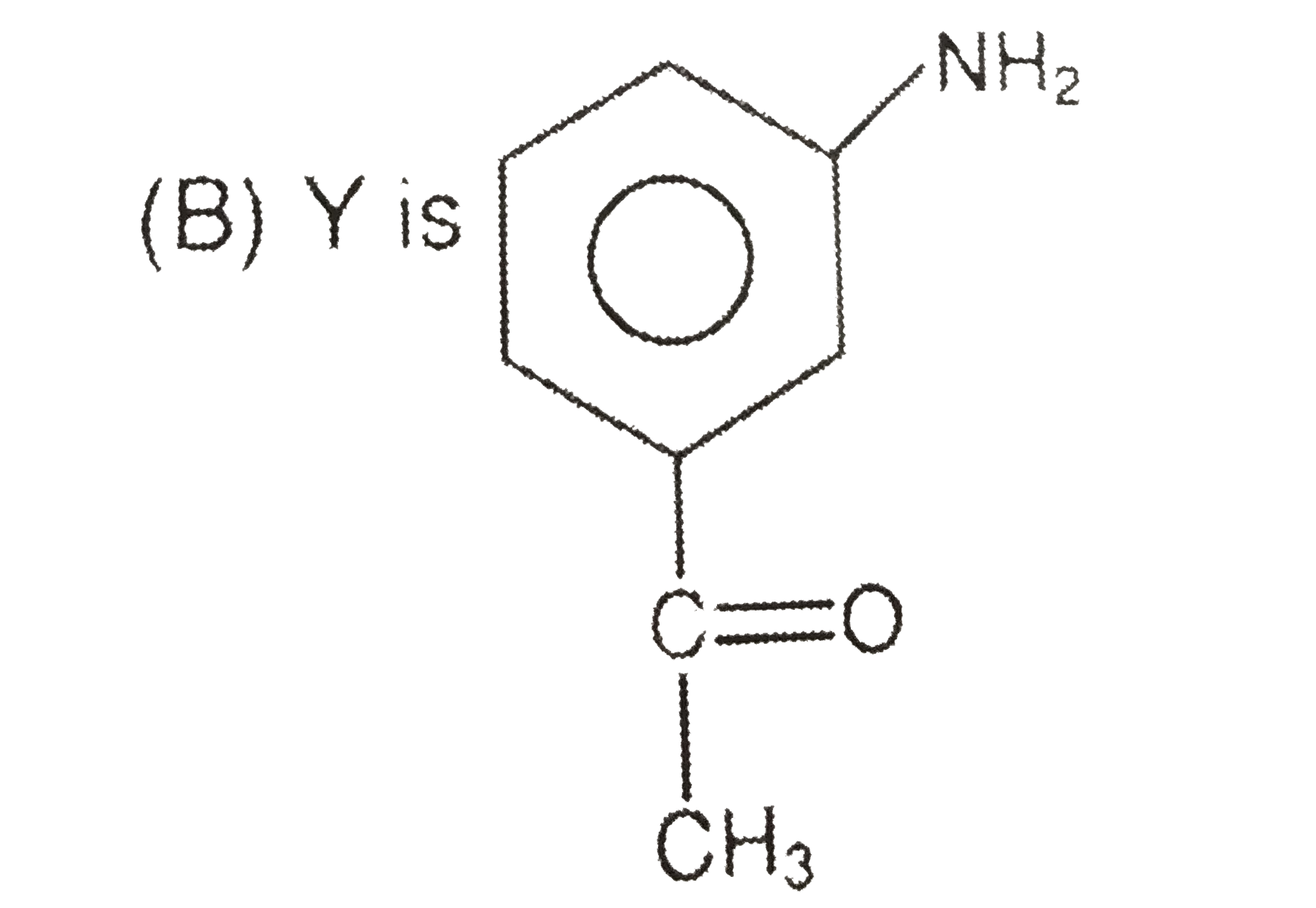
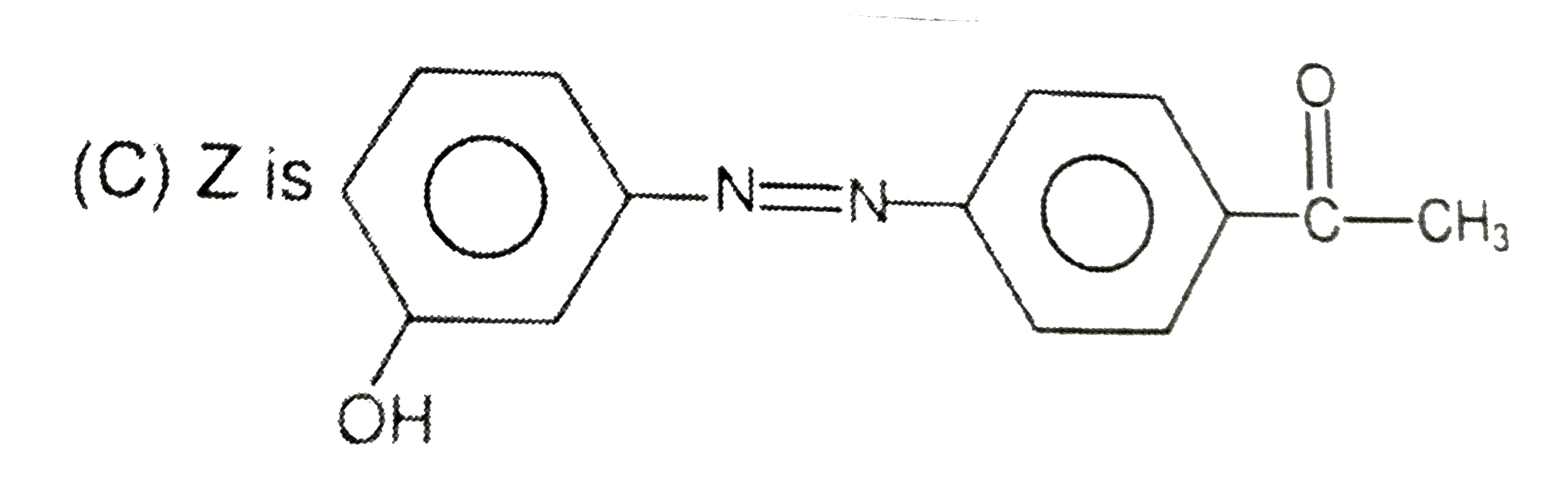
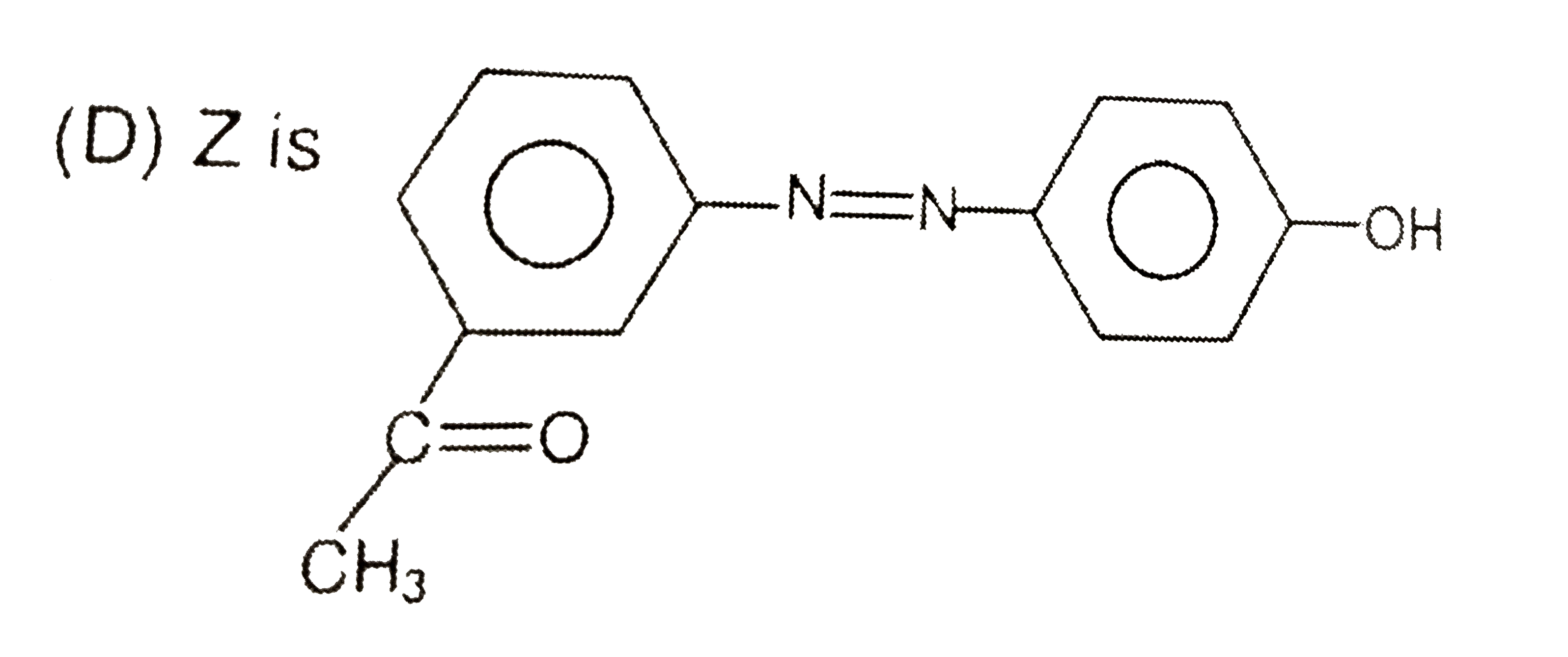
 HgSO_(4) , H_(2)SO_(4) , H_(2)O ` <br><img src=)
 BH_(3) ,H_(2)O_(2) ,NaOH` <br><img src=)