Saved Bookmarks
This section includes 7 InterviewSolutions, each offering curated multiple-choice questions to sharpen your Current Affairs knowledge and support exam preparation. Choose a topic below to get started.
| 1. |
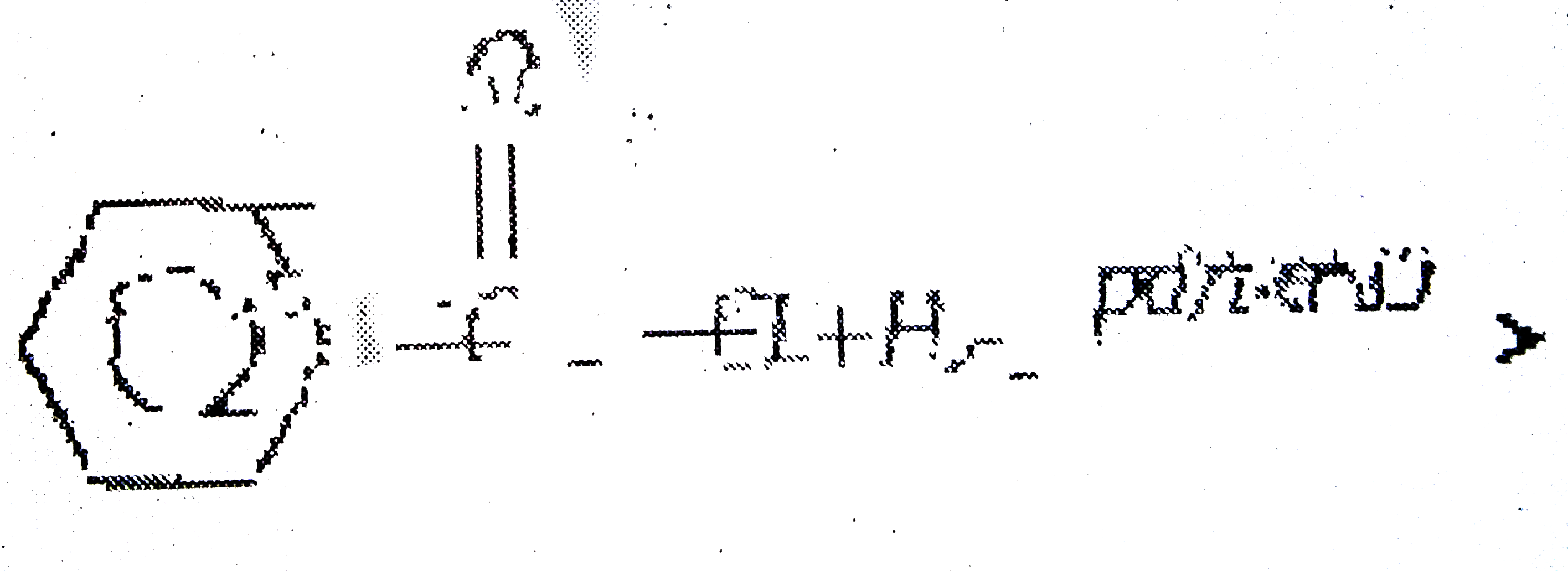
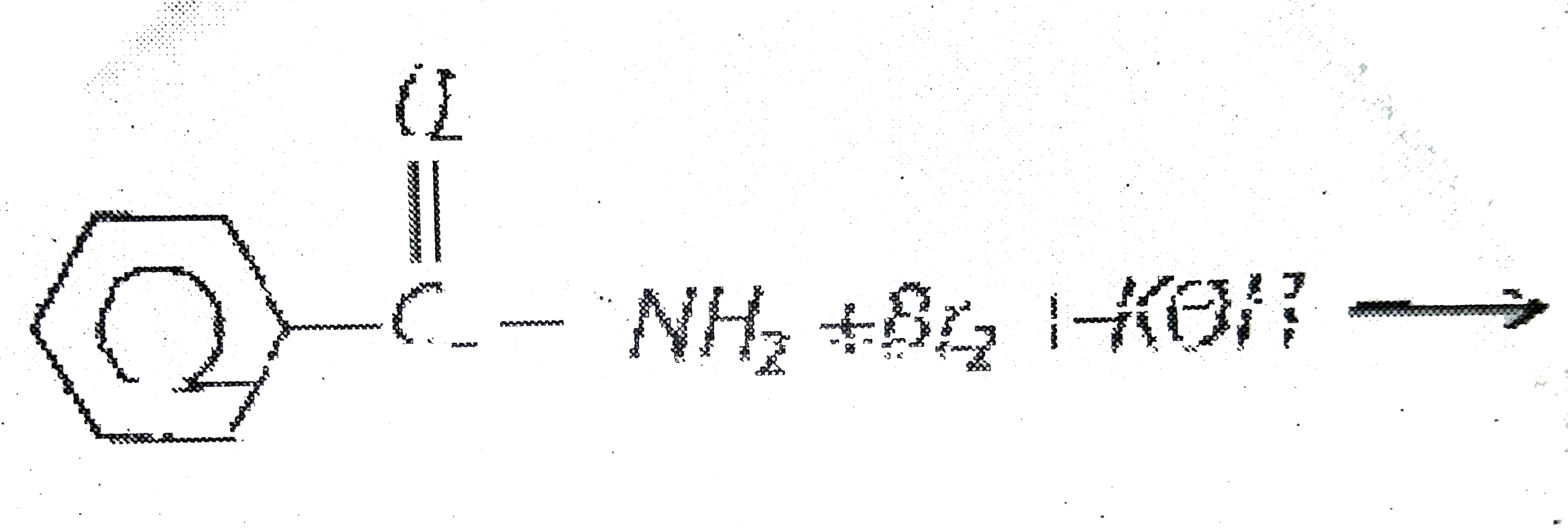
Benzaldehyde to 3-phenylpropan-1-ol |
Answer» SOLUTION :
|
|
| 2. |
Benzaldehyde reduces Tollen's reagent but not Fehling's solution explain. |
| Answer» Solution :Benzaldehyde reduces Tollen's reagent, but does not REDUCE Fehling's solution. Because `AG^(+)` is more EASILY reduced to Ag than `Cu^(2+)" to "Cu^(+)` | |
| 3. |
Benzaldehyde reacts with ethanolic KCN to give |
|
Answer» `C_(6)H_(5)CHOHCN` `C_(6)H_(5)-overset(O)overset(||)underset(H)underset(|)(C) + overset(O)overset(||)underset(H)underset(|)(C) -C_(6)H_(5) overset(KCN)to C_(6)H_(5)-overset(O)overset(||)(C)-overset(H)overset(|)underset(OH)underset(|)(C)-C_(6)H_(5)` |
|
| 4. |
Benzaldehyde reacts with methyl amine to gives : |
|
Answer» `C_6H_5NH_2` |
|
| 5. |
Benzaldehyde reacts with ethanoic KCN to give |
|
Answer» `C_6H_5CHOHCN` 
|
|
| 6. |
Benzaldehyde reacts with ammonia to from |
|
Answer» benzaldehyde ammonia 
|
|
| 7. |
Benzaldehyde on reduction by using NaHg + H_2O gives |
|
Answer» BENZYL alcohol |
|
| 8. |
Benzaldehyde on nitrating gives |
|
Answer» <P>o-nitrobenzaldehyde |
|
| 9. |
Benzaldehyde on reaction with acetophenone in the presence of sodium hydroxide solution gives |
|
Answer» `C_(6)H_(5)CH=CHCOC_(6)H_(5)` |
|
| 10. |
Benzaldehyde on mild oxidation gives |
|
Answer» `C_6H_3COOH` |
|
| 11. |
Benzaldehyde on heating with concentrated NaOH gives |
|
Answer» Phenol the reduction PRODUCT and SODIUM benzoate the oxidation product |
|
| 12. |
Benzaldehyde is treated with acetaldehyde in presence of dilute alkali. What happens ? |
|
Answer» Solution :When benzaldehyde reacts with ACETALDEHYDE, first unstable `beta` - hydroxy aldehyde is formed which loses a molecule of water to form CINNAMALDEHYDE. `C_6H_5CHO +CH_(3) CHOoverset("dil")underset(NaOH)RARR` `C_6H_5-CH(OH) CH_2CHOoverset("HEAT")underset(-H_2O)rarr C_6H_5-CH=CHCHO` |
|
| 13. |
Benzaldehyde is obtained from toluene by |
|
Answer» ROSENMUND's reduction |
|
| 15. |
Benzaldehyde is converted to benzyl alcohol by |
|
Answer» Wurtz reaction This reactio is know as Cannizzaro's reaction. |
|
| 16. |
Benzaldehyde from toluene (commerical method) |
Answer» SOLUTION :SIDE chainchlorination of toluene gives BENZAL chloride which on HYDROLYSIS gives nenzaldehyde.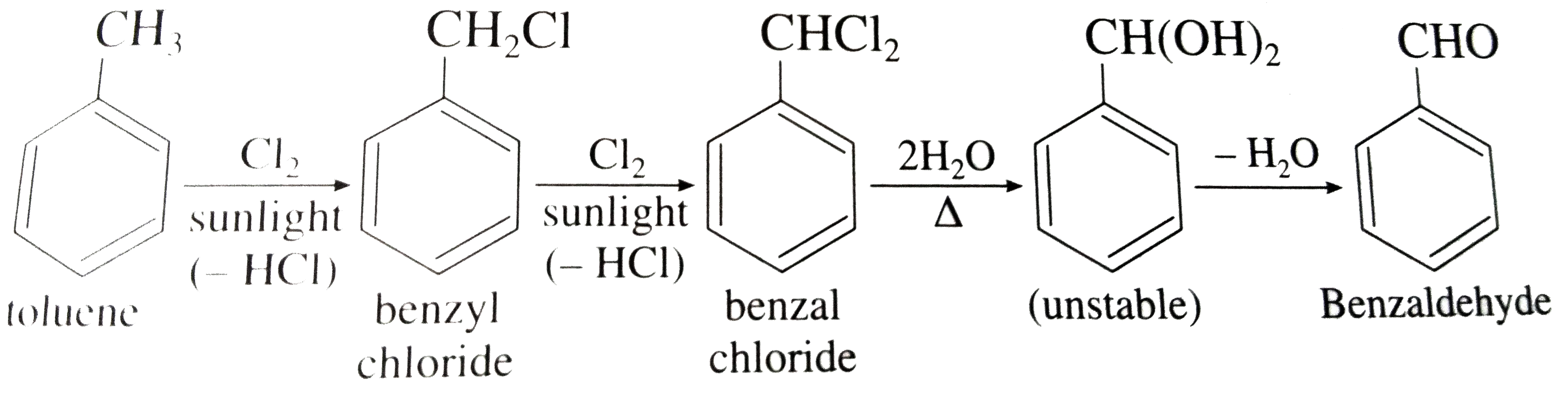
|
|
| 17. |
Benzaldehyde from toluene. |
Answer» Solution :When toluene is TREATED with solution of chromyl chloride `(CrO_(2)Cl_(2))` in `Cs_(2)`, brown chromium complex is obtained, which on ACID hydrolysis gives BENZALDEHYDE. This reactiion is called Etard reaction. 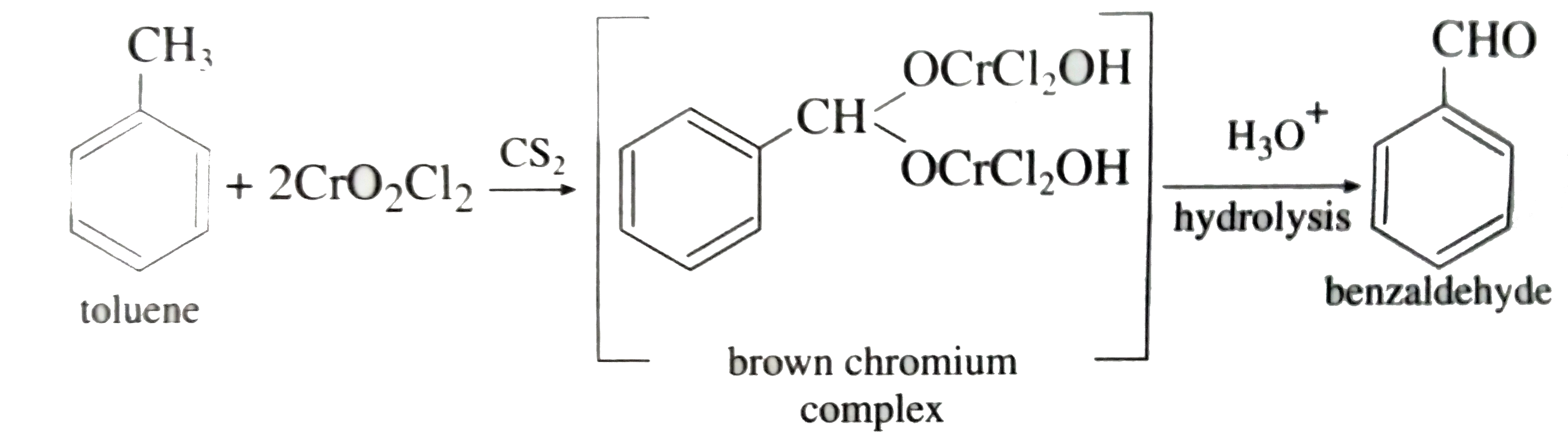
|
|
| 18. |
Benzaldehyde from benzoyl chloride. |
Answer» Solution :When BENZOYL CHLORIDE is hydrogenated in the PRESENCE palladium on BARIUM sulphate `(Pd//BaSO_(4))`, benzaldehyde is OBTAINED. This reaction is called rosemund reduction.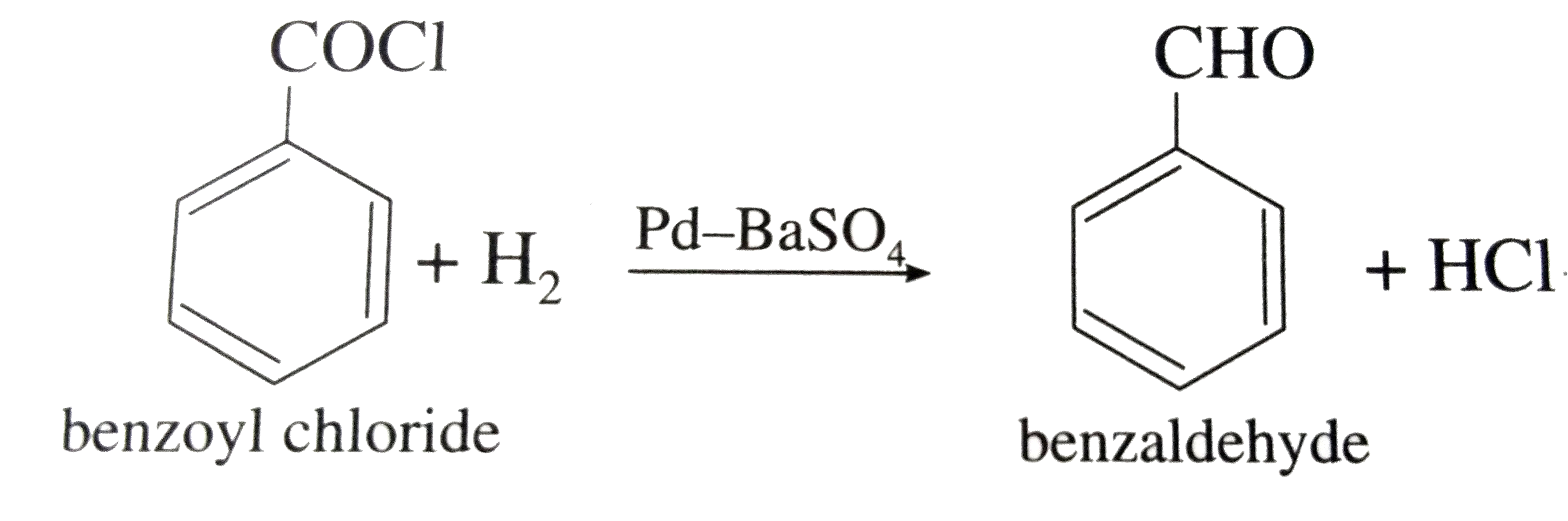
|
|
| 19. |
Benzaldehyde from benzene (Gatterman-Koch synthesis). |
Answer» Solution :When benzene is treated with vapours of carbon monoxide and HYDROGEN CHLORIDE in the presence of a CATALYST mixture of `AlCl_(3)` and `CuCl` under high pressure BENZALDEHYDE is obtained.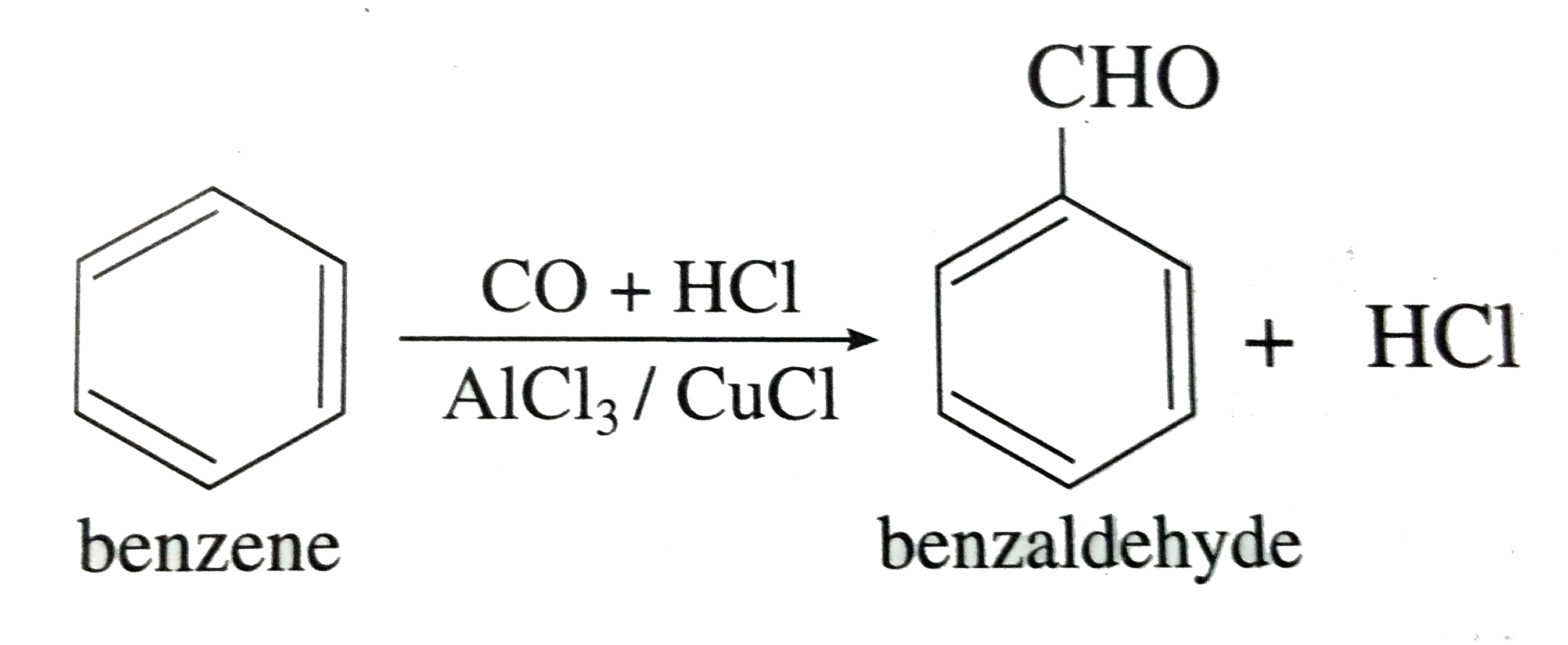
|
|
| 20. |
Benzaldehyde gives a positive test with Tollen's reagent but not with Fehling's and Benedict solutionws. Why ? |
| Answer» Solution :It id due to STRONGER oxidizing nautre of Tollen's reagent as COMPARED to Fehling and Benedict's solution and cannot oxidise benzaldehyde to benzoic acid. In GENERA, all these THREE can oxidise aliphatic ALDEHYDES. | |
| 21. |
Benzaldehyde does not undergo Aldol condensation, whereas acetal dehyde does because _____. |
|
Answer» |
|
| 22. |
Benzaldehyde does not reduce Fehling solution but forms silver mirror with _____. |
|
Answer» |
|
| 23. |
Benzaldehyde condenses with N, N - dimethyl aniline in the presence of strong acids to form................ . |
| Answer» SOLUTION :Triphenyl METHANE dye or malachite GREEN dye | |
| 24. |
Benzaldehyde condenses with N, N - dimethyl aniline in the presence of strong acid to give ________. |
| Answer» Answer :D | |
| 25. |
Benzaldehyde condenses with acetaldehyde to form ........ |
| Answer» SOLUTION :CINNAMALDEHYDE | |
| 26. |
Benzaldehyde canbe prepared from benzene by passing vapours of ……. and ……… in its solutionin presence of catalystmixture of aluminium chlorideand cuprous chloride. The reactionis known as …….. . |
|
Answer» `HCl, SnCl_(4)`, Rosenmundreduction 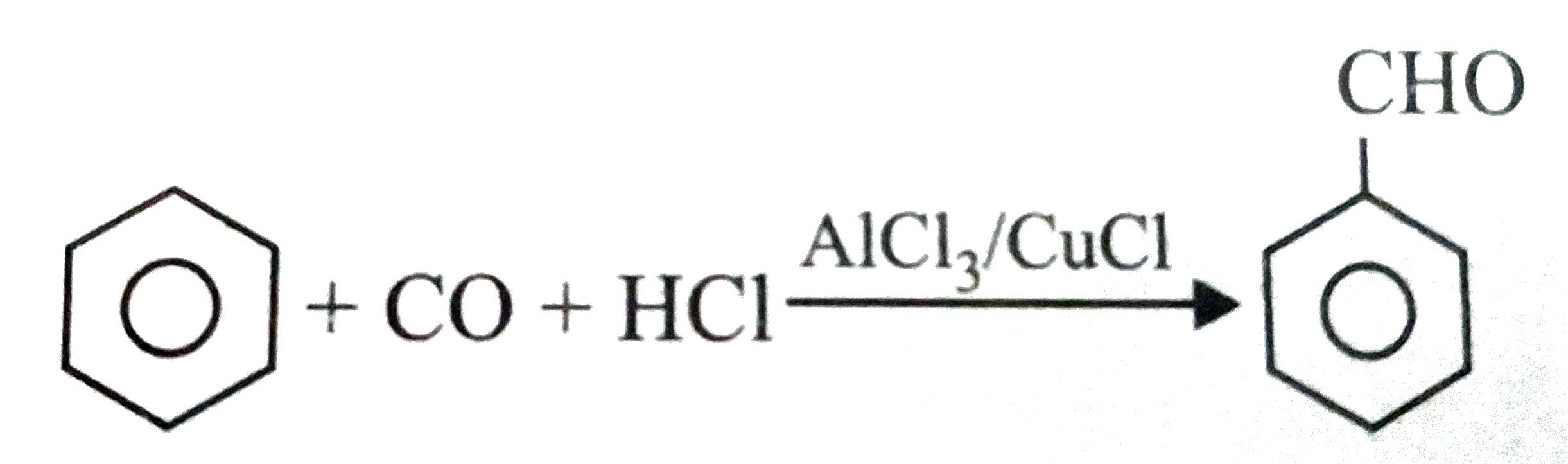
|
|
| 27. |
Benzaldehyde can be prepared from |
|
Answer»
|
|
| 28. |
Benzaldehyde can be prepared from benzene by passing vapoures of …..and …… in its solution is presence of catalyst mixture of aluminium chloride and cuprous chloride. The reaction is known as ……. |
|
Answer» HCl, `SnCl_(4)` , ROSENMUND reduction |
|
| 29. |
Benzaldehyde can be prepared by the hydrolysis of benzal chloride. |
|
Answer» |
|
| 30. |
Benzaldehyde can be oxidised to corresponding carboxylate anion with |
|
Answer» FEHLING's reagent |
|
| 31. |
Benzaldehyde can be prepared by oxidation of toluene with |
|
Answer» ACIDIC `KMnO_4` |
|
| 32. |
Benzaldehyde can beprepared by hydrolysis of |
|
Answer» BENZYL CHLORIDE |
|
| 33. |
Benzaldehyde and phenyl magnesium halide gives |
|
Answer» BENZYL alcohol |
|
| 34. |
Benzaldehyde and CH_(3)COCl can be distinguished by |
|
Answer» TOLLEN's test 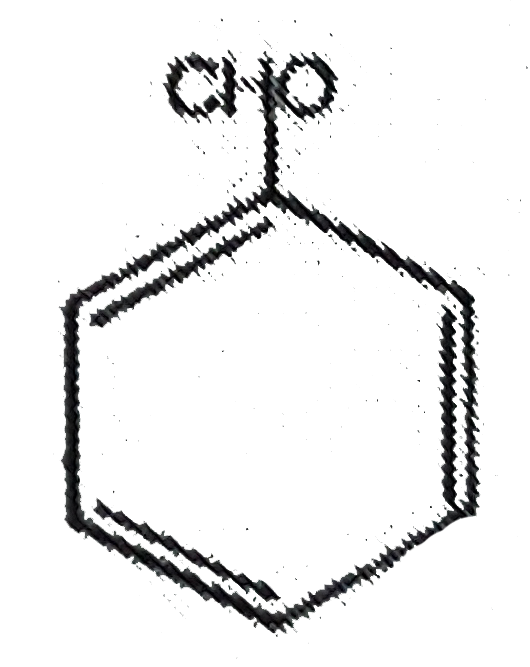 gives Tollen's test 2,4-DNP test, Benedict's test, iodoform test and does not give Fehling's test. `CH_(3)CHO` gives Tollen's test 2,4DNP test, Fehling's test, Benedict's test iodoform test . Hence CHOICES (b) and (c) are CORRECT but choice (a) and (d) are incorrect. |
|
| 35. |
Benzaldehyde and acetone can best distinguished using |
|
Answer» Fehling's solution `C_(6)H_(5)CHO+Ag_(2)Oto2Agdarr+C_(6)H_(5)COOH` ACETONE is not easily oxidised & hence, does not give the Tollen.s test. |
|
| 36. |
Benzaldehyde and acetone can be best distinguished using |
|
Answer» Fehling's solution `C_(6)H_(5)CHO + Ag_(2)O rarr 2Ag darr + C_(6)H_(5)COOH` ACETONE is not easily oxidised & hence, does not give the Tollen's test. |
|
| 37. |
Benzaldehyde and acetaldehyde can be distinguish by : |
|
Answer» Hinsberg REAGENT |
|
| 38. |
Benzaldehyde and acetaldehyde can be distinguished by: |
|
Answer» Iodoform TEST |
|
| 39. |
Benzal chloride on hydrolysis gives |
|
Answer» benzoic ACID |
|
| 40. |
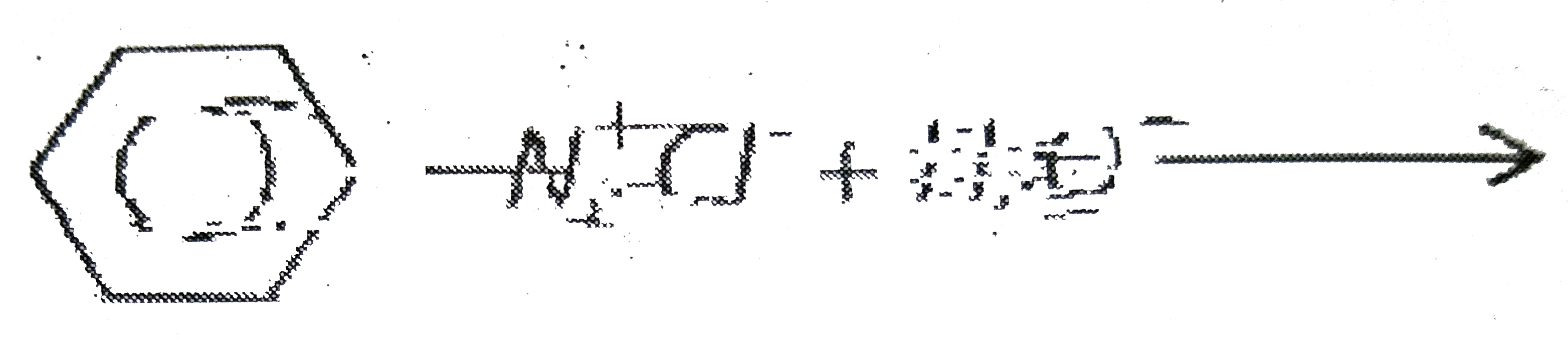
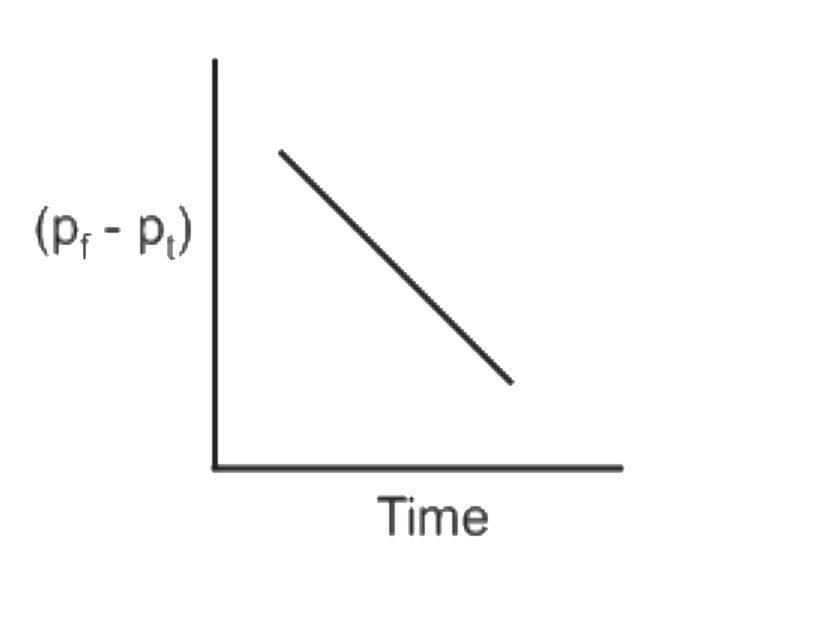
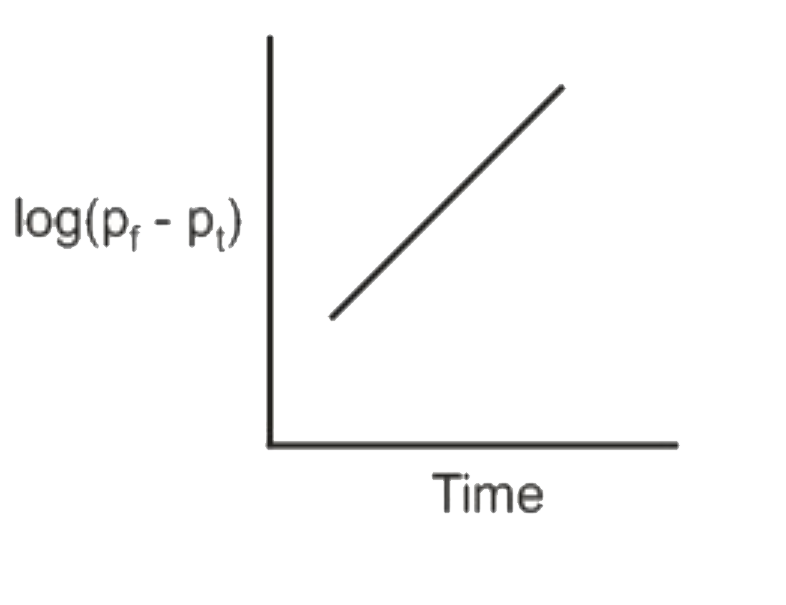
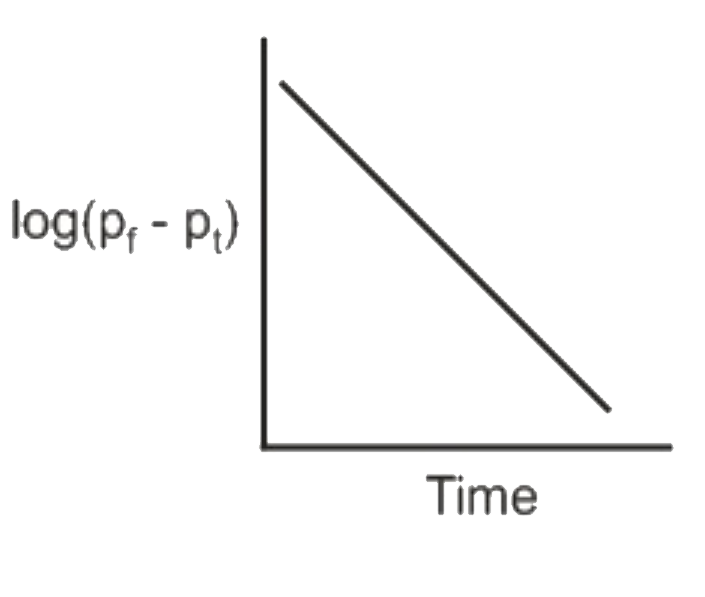
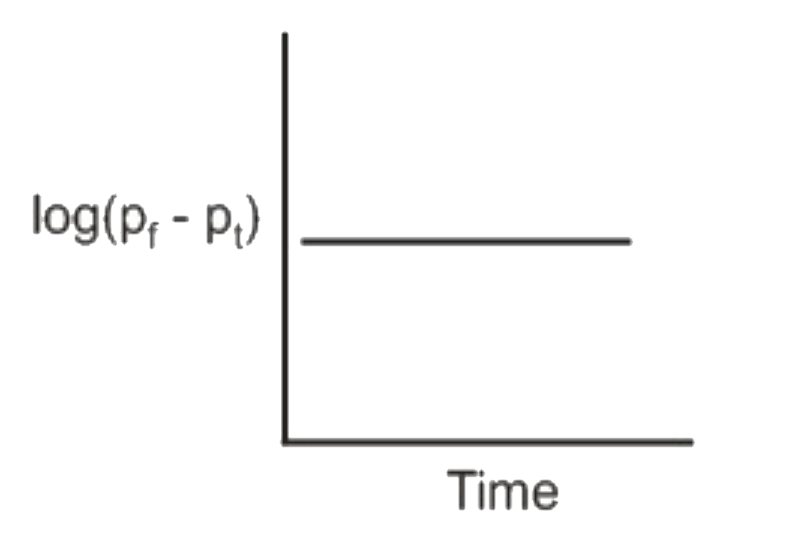
Benene diaxonium chloride in aqeous solution decomposes as : C_6H_5-N=N^(+)Cl_(aq)^(-) +H_2O_(aq)rarrC_6H_5OH_(aq)+N_2(g)+HCl_(aq) The reaction follows first order kinetics. If P_t is the pressure of N_2 at constant volume and temperature corresponding to different intervals of time t and p_f that after completion of the reaction, then which of the following graphs conforms to the kinetics of the reaction ? |
|
Answer»
|
|
| 42. |
Benedryl a well known drug contains the following group : |
|
Answer» PRIMARY amine |
|
| 43. |
Benedict's solution is similar to: |
|
Answer» FENTON reagent |
|
| 44. |
Benedict's solution is not reduced by |
|
Answer» Formaldehyde |
|
| 45. |
Benedict's reagent is : |
|
Answer» Ammoniacal silver SOLUTION CONTAINING sodium potassium TARTRATE |
|
| 47. |
Benadryl is used as |
|
Answer» antiseptic |
|
| 48. |
Below the point A, FeO- |
|
Answer» can be REDUCED only by CO |
|
| 49. |
Below reaction sequence illustrates the various stages of reduction of nitric acid where a, b, c,d are the number of electrons involved in the reduction of 1 mole N-atoms HNO_(3) underset(ao)rarr NO_(2) underset(bo)rarr NO underset(co)rarr N_(2)O underset(do)rarr NH_(3) Find the value of (2a + b + 3c -d) |
|
Answer» |
|
| 50. |
Below point ‘A’ FeO can |
|
Answer» be reduced by carbon monoxide only. |
|