Saved Bookmarks
This section includes 7 InterviewSolutions, each offering curated multiple-choice questions to sharpen your Current Affairs knowledge and support exam preparation. Choose a topic below to get started.
| 1. |
Amongst the following, the maximum number of antacids is : valium, meprobamate, ranitidine, phenelzine, cimetidine, omeprazole, penicillin, chloramphenicol, chlorpheniramine. |
|
Answer» |
|
| 2. |
Amongst thefollowing the lowest digree of paramagnetism per mole of the compound at 298 K will be shown by : |
|
Answer» `MnSO_(4) * 4H_(2)O` |
|
| 3. |
Amongst the following the lowest degree of paramagnetism per mole of the compound at 298 K will be shown by |
|
Answer» `MnSO_(4).4H_(2)O` |
|
| 4. |
Amongst the following the incorrect order is :- |
|
Answer» `IE_(1)(Al) lt IE_(1)(Mg)` (ii)`IE_(1)[underset(3s^(1))(Na) lt underset(3s^(2))(Mg)] ""Z_("eff")` (iii) `IE_(2)[underset(3s^(1))(Mg^(+))lt underset("(inert gas configuration)")underset(darr)underset(2p^(6))(Na^(+))]` (iv) `IE_(3)[ underset(("inert gas CONF"^(r )))underset(darr)underset(+2)(Mg^(2+)) lt underset(3s^(1))(Na^(2+))]` |
|
| 5. |
Amongst the following, the correct statement(s) is /are |
|
Answer» NO has one unpaired electron in the antiboding molecular orbital `=(pi2p_(y))^(2)(pi***2p_(x))^(1)` `NO^(+)(14):KK(sigma2s)^(2)(sigma***2s)^(2)(sigma2p_(z))^(2)(pi2p_(x))^(2)=(pi2p_(y))^(2)` B.O. =3.0 `O_(2)^(+)(15):KK(sigma2s)^(2)(sigma***2s)^(2)(sigma2p_(z))^(2)(pi2p_(x))^(2)=(pi2p_(y))^(2)(pi***2p_(x))^(1)` B.O. =2.5 `OF^(+)(16):KK(sigma2s)^(2)(sigma***2s)^2)(sigma2p_(z))^(2)(pi2p_(x))^(2)=(pi2p_(y))^(2)(pi***2p_(x))^(1)=(pi***2p_(y))^(1)` `Ne_(2)^(+)(19):KK(sigma2s)^(2)(sigma***2s)^(2)(sigma2p_(z))^(2)(pi2p_(x))^(2)=(pi2p_(y))^(2)` `=(pi***2p_(x))^(2)=(pi***2p_(y))^(2)(sigma***2p_(z))^(1)` In a `pi`- bond, the electron density is concentrated in the region PERPENDICULAR tothe bond axis. |
|
| 6. |
Amongstthe following , the compound that can be most readily sulphonated is |
|
Answer» Benzene |
|
| 7. |
Amongst the following the compound that can be most readily sulphonated is |
|
Answer» BENZENE cannot be iodinated with `l_(2)` directly |
|
| 8. |
Amongst the following statements, which is incorrect? |
|
Answer» The ceaseless zig-zag motion of SOL particles is due to the UNBALANCED bombardment of particlesby the molecules of dispersion medium |
|
| 9. |
Amongst the following statements which is/are correct |
|
Answer» The second ionization potential of boron is GREATER than that of carbon |
|
| 10. |
Amongst the following solutions, the buffer solution is Or A basic buffer is made by mixing the solution |
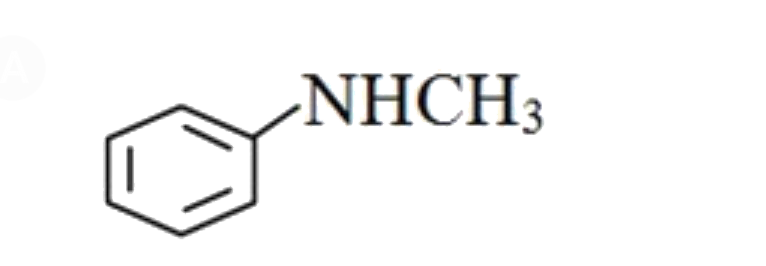
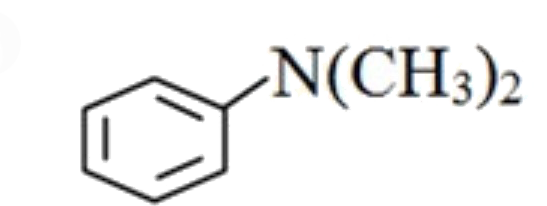
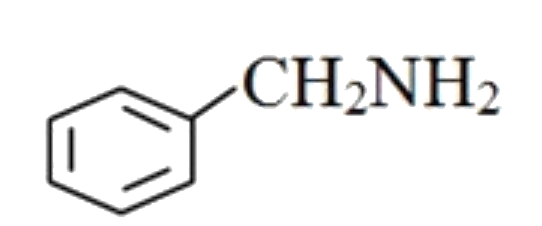
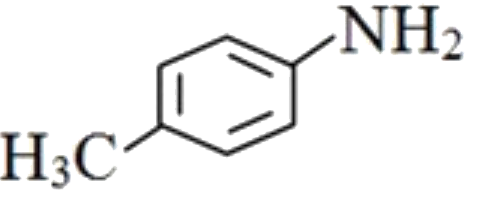
|
Answer» `NH_(4)Cl+NH_(4)OH` SOLUTION |
|
| 11. |
Amongst the following oxoacids of phosphorus, which oxoacids has phosphorus in (+4), (+3) and (+4) oxidation states ? |
|
Answer» `H_(5)P_(3)O_(10)` `3X + 5(+1) + 8(-2)=0` `therefore 3x = +11` |
|
| 12. |
Amongstthefollowing, oxideoresare: calamine, fools's gold,cupritezincite,chalcocite, haematite,bauxine, magnetite,cassiterite |
|
Answer» |
|
| 13. |
Amongst the following, non-narcotic analgesics are: morphine, paracetamol, aspirin, codeine, naproxen, ibuprofen, diclofenac sodium, heroin, luminal. |
|
Answer» |
|
| 14. |
Amongst the following, moderately activating group is |
|
Answer» `-NHR` |
|
| 15. |
Amongst the following ions which one has the highest paramagnetism ? |
|
Answer» `[CR(H_(2)O)_(6)]^(3+)` |
|
| 16. |
Amongst the following ions, which one has the highest magnetic moment value ? (i) [Cr(H_(2)O)_(6)]^(3+) (ii) [Fe(H_(2)O)_(6)]^(2+) (iii) [Zn(H_(2)O)_(6)]^(2+) |
|
Answer» Solution :The oxidation STATES in the three complex ions are : CR(III), Fe(II) and Zn(II) Electronic CONFIGURATION of `Cr^(3+) : 3d^(3)`, Number of unpaired electrons = 3 (inner orbital complex) Electronic configuration of `Fe^(2+) : 3d^(6)`, Number of unpaired electrons= 4 (outer orbital/high SPIN complex) Electronic configuration of `Zn^(2+) : 3d^(10)`, Number of unpaired electrons= 0 (outer orbital complex) `mu=sqrt(n(n+2))` Hence, (ii) having greatest value of n has highest magnetic moment. |
|
| 17. |
Amongst the following ions, which one has the highest magnetic moment ? (i) [Cr(H_(2)O)_(6)]^(3+) (ii) [Fe(H_(2)O)_(6)]^(2+) (iii) [Zn(H_(2)O)_(6)]^(2+) |
|
Answer» Solution :The oxidation states are : Cr (III), Fe (II) and Zn (II). E.C. of `Cr^(3+)=3d^(3)`, unpaired ELECTRONS = 3 (inner ORBITAL complex) E.C. of `Fe^(2+)=3d^(6)`, unpaired electrons = 4 (outer orbital/high spin complex) E.C. of `Zn^(2+)=3d^(10)`, unpaired electrons = 0 (outer orbital complex) `mu=sqrt(n(n+2))`. Hence (ii) has highest magnetic moment. |
|
| 18. |
Amongst the following ions, which one has the highest magnetic moment [Cr(H_(2)O)_(6)]^(3+)[Fe(H_(2)O)_(6)]^(2+) (iii) [Zn(H_(2)O)_(6)]^(2+) |
|
Answer» Solution :The oxidation state are: Cr(lll), Fe (II)and `Zn (II)` `E.C. of Cr^(3+) = 3d^(3)`, unpaired electrons =3 (inner orbital complex) `E. C. of Fe^(2+) = 3d^(6)`unpaired electrons = 4 (OUTER orbital:/high SPIN complex) ` E.C. of Zn^(2+) = 3d^(10)`, unpaired electrons = 0 (outer orbital complex) `MU= sqrt(n(n+2))` Hence (ii) has highest magnetic moment. |
|
| 19. |
Amongst the following ions which has the highest paramagnetism? |
|
Answer» `[Cr(H_(2)O)_(6)]^(3+)` `[Fe(H_(2)O)_(6)]^(2+)-4` unparied electrons. `[Cu(H_(2)O)_(6)]^(2+)-1` unpaired electron. `[Zn(H_(2)O)_(4)]^(2+)-` no unpaired electron. |
|
| 20. |
Amongst the following identify the species with an atom with +6 oxidation state |
|
Answer» `MnO_(4)^(-)` `thereforex=+6` |
|
| 21. |
Amongst the following, identify the species with an atom in (+6) oxidation state |
|
Answer» |
|
| 22. |
Amongst the following identify the criterion for process to be at equilibrium |
|
Answer» `DeltaGlt0` `DeltaS_("total")=0` |
|
| 23. |
Amongst the following hydroxides, the one which has the lowest value of K_(sp) at ordinary temperature (about 25^@ C) is |
|
Answer» `Mg (OH)_2` |
|
| 24. |
Amongst the following hydroxides, the one which has the lowedt value of K_(sp) at ordinary temperatue (about 25^(@)C) is |
|
Answer» `MG(OH)_(2)` |
|
| 25. |
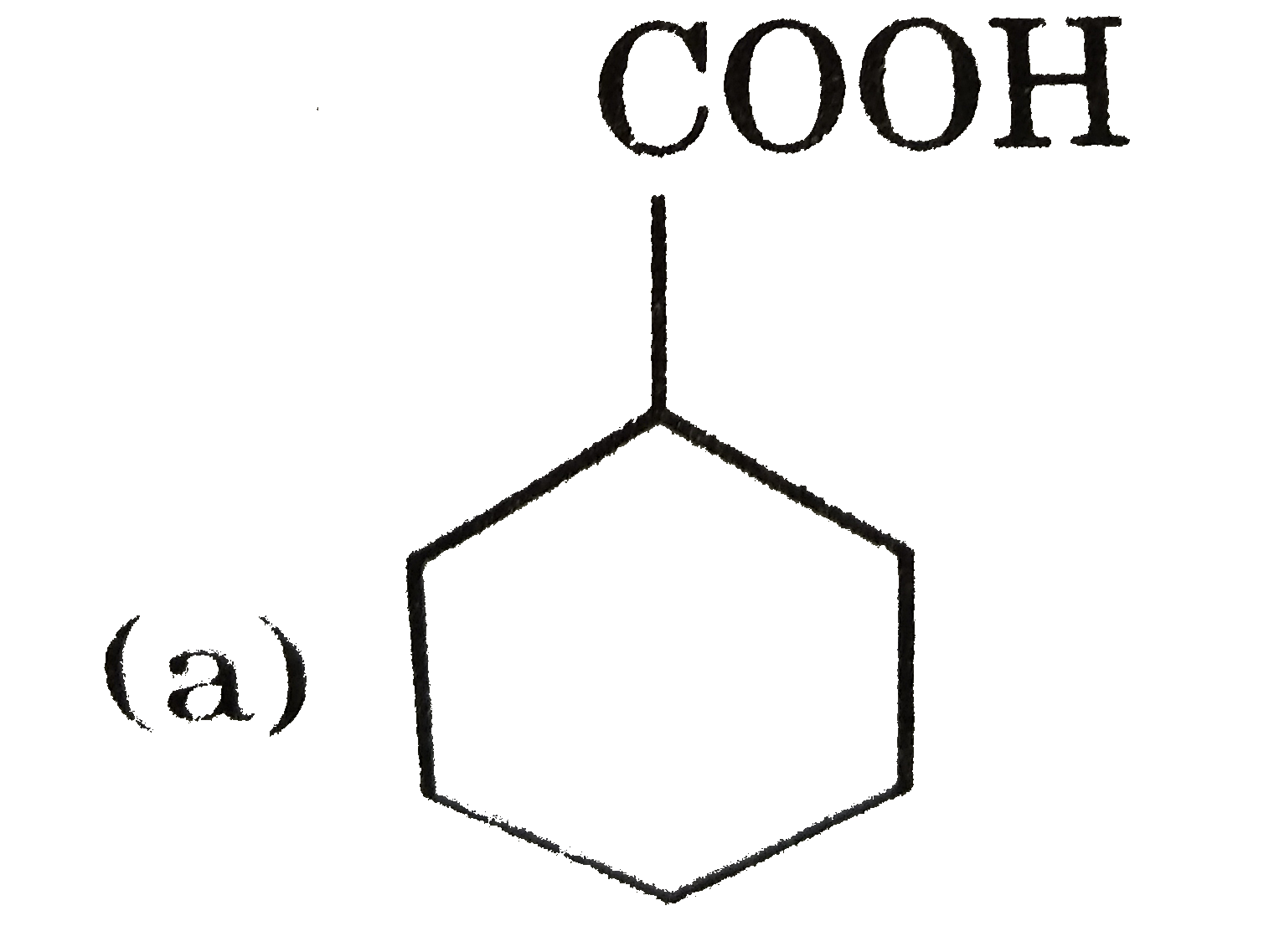
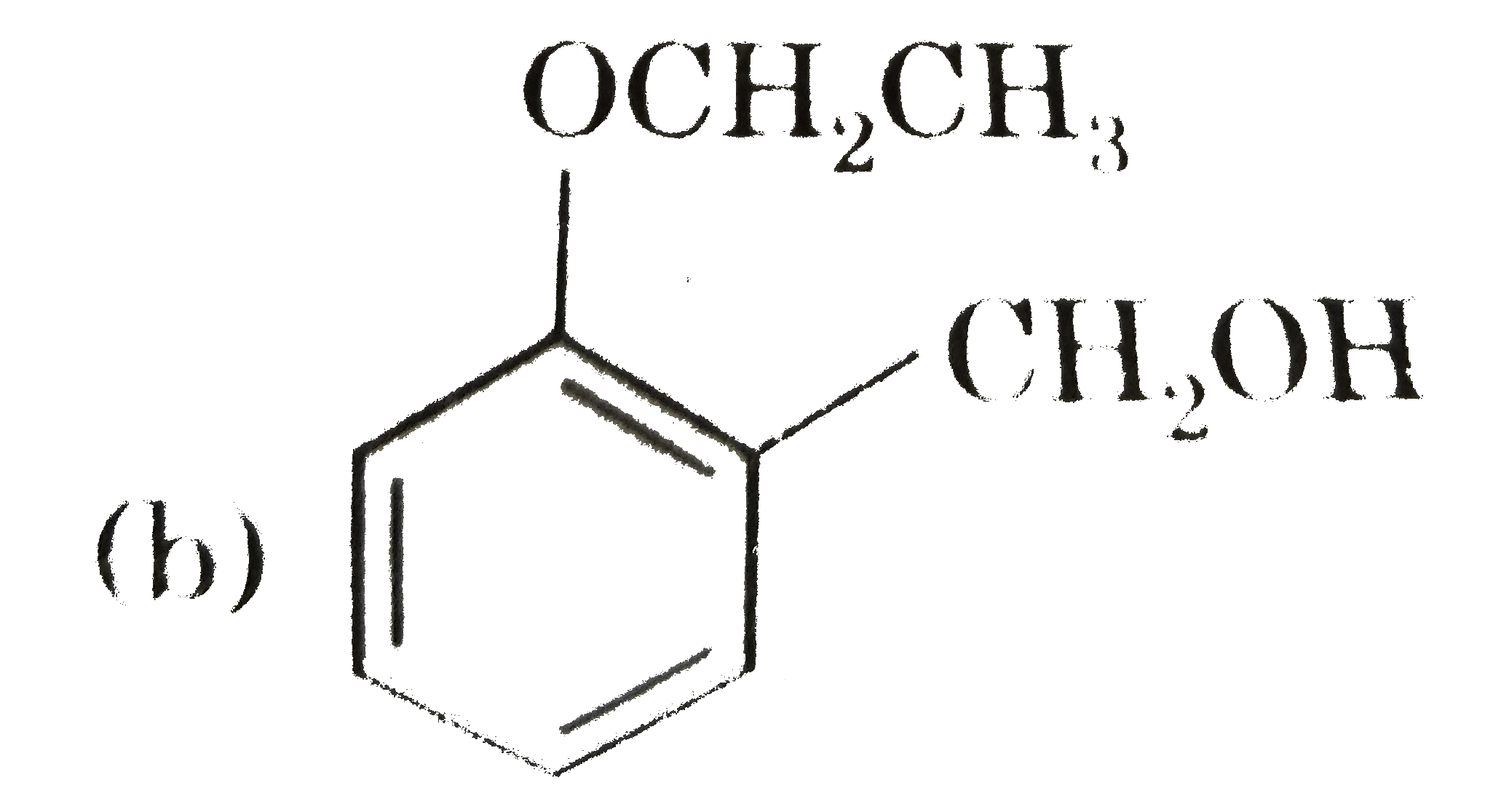
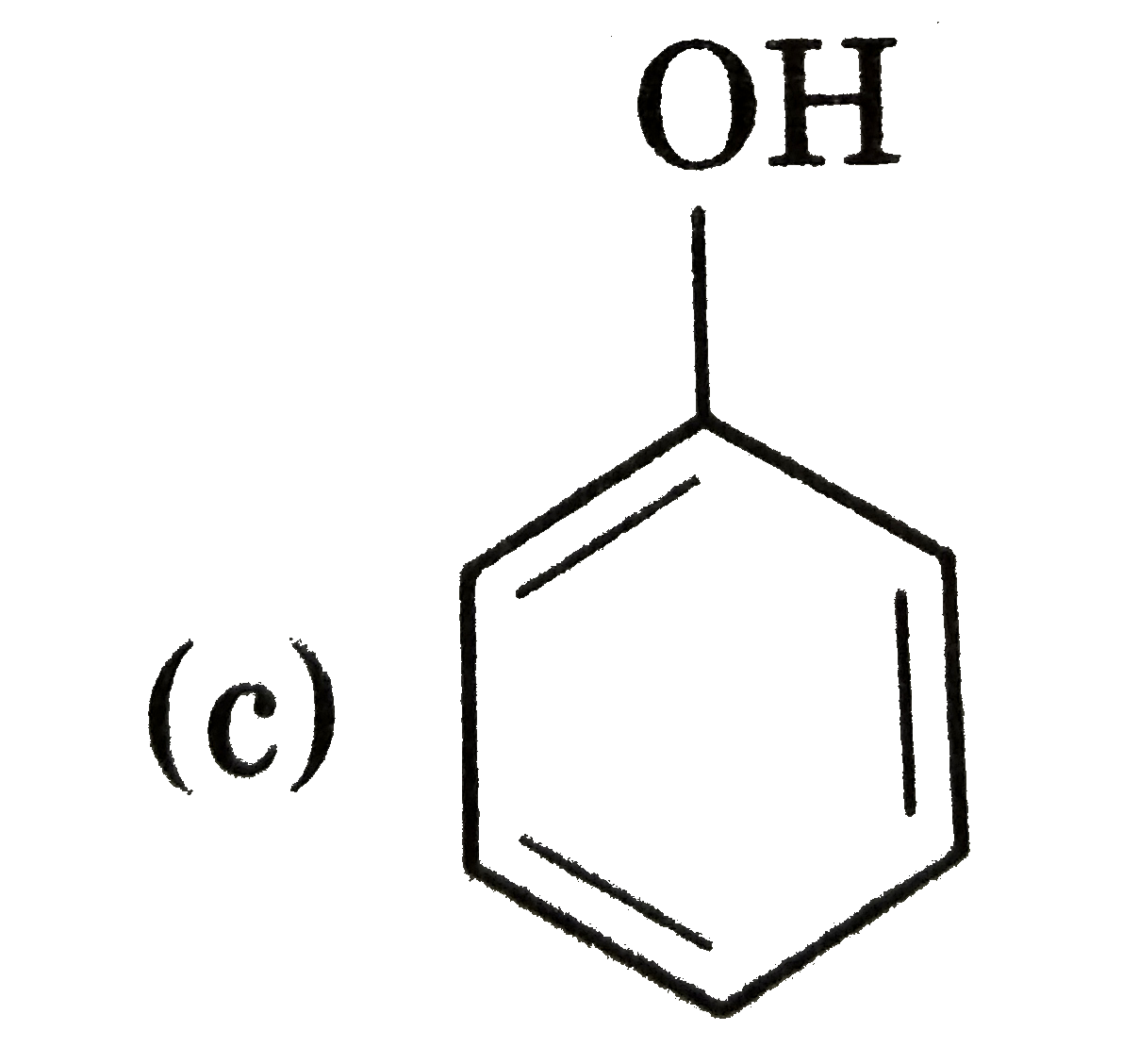
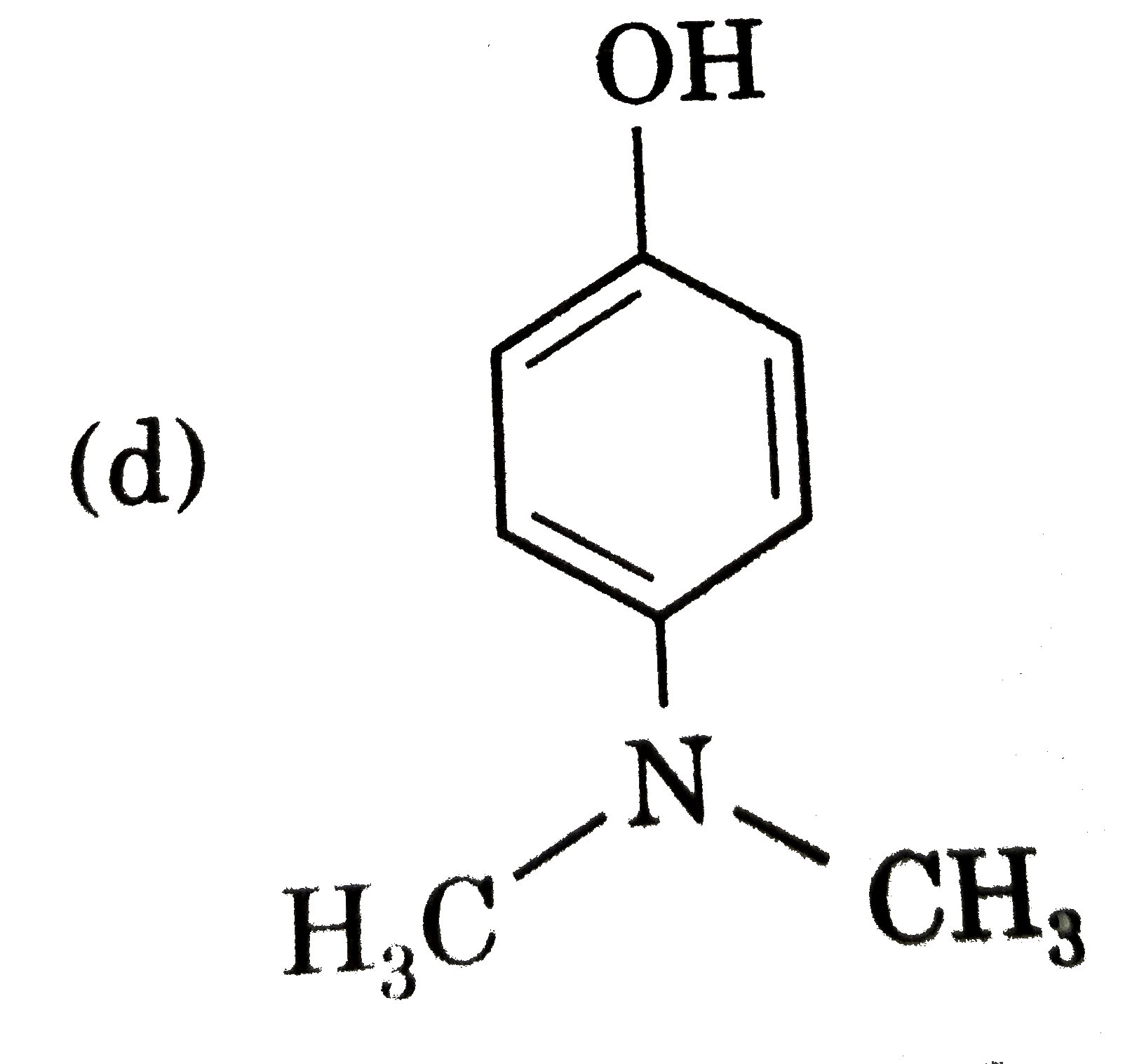
Amongst the following how many compounds are more acidic than benzoic acid ? |
|
Answer» |
|
| 26. |
Amongst the following elements (whose electronic configurations are given below) the one having the highest ionisation energy is: |
|
Answer» `[Ne]3S^(2)3P^(1)` |
|
| 27. |
Amongst the following elements, the highest ionization energy is |
|
Answer» `[NE]3s^(2)3p^(1)` |
|
| 28. |
Amongst the following electrodes the one with zero electrode potential is |
|
Answer» CALOMEL ELECTRODE |
|
| 29. |
Amongst the following compounds which is most acidic? |
|
Answer» <P>Ethanol |
|
| 30. |
Amongst the following compounds, the one(s) which readily react with ethanolic KCN is |
|
Answer» ethyl chloride  `overset(-)CN` is very good nucleophile and a very good leaving gorup. `overset(+)Koverset(-)CN` react with benzaldehyde to caryy Benzoin condensation to give `pH-overset(OH)overset("|")"CH"-overset(O)overset(||)C-Ph`.  Chlorobenzene is inert to KCN because a PARTIAL double bond character is PRODUCED between chloride and benzene ring due to resonance.  `rarr` Salicylic acid does not react with KCN. `rarr` Salicylic acid does not react with KCN.
|
|
| 31. |
Amongst the following compounds the one which would not respond to iodoform test is |
|
Answer» `CH_(3)CH(OH)CH_(2)CH_(3)` |
|
| 32. |
Amongst the following compounds, the one which would not respond to iodoform test is |
|
Answer» `CH_(3)CH(OH)CH_(2)CH_(3)` `ICH_(2)COCH_(2)CH_(3) overset(I_(2)//NaOH)to I_(3)C-COCH_(2)CH_(3) overset(OH^(-))to CHI_(3)+CH_93)CH_(2)COONaCH` `CH_(3)COOH` does not contain a `CH_(3)CO-` group attached to H or C and hence does not give iodoform test. |
|
| 33. |
Amongst the following compounds, identify which are insoluble, partially soluble and highly soluble in water ?(i) Phenol(ii) Toluene(iii) Formic acid(iv) Ethlene glycol(v) Chloroform(vi) Pentanol. |
|
Answer» SOLUTION :(i) PHENOL : `(C_(6)H_(5)OH)` has the polar group `""^(-)OH`and non - polar `""^(-)C_(6)H_(5)` group. THUS, phenol is partially soluble in water. (II) Toluene : `(C_(6)H_(5)-CH_(3))` has no polar groups. Thus,toluene is insoluble in water. (iii)Formic acid : (HCOOH) has the polar group `""^(-)OH` and can form H - bond with water. Thus, formic acid is highly soluble in water. (iv) Ethylene glycol : 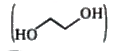 has polar - OHgroup and can form H - bond. has polar - OHgroup and can form H - bond.Thus, it is highly soluble in water. (v) Chloroform :is insoluble in water. (vi) Pentanol `(C_(5)H_(11)OH)` : has polar - OH group, but it also contains a very bulky non - polar `- C_(5)H_(11)` group. Thus,pentanol is partially soluble in water. |
|
| 34. |
Amongst the following compounds, the one that Me_(2)ddotNwill not respond to Cannizzaro reaction upon treatment with alkali is |
|
Answer» `Cl_(3)C CHO` 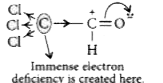 That is why `C Cl_(3)CHO` is very much interested to UNDERGO HYDROLYSIS rather than disproportionation. 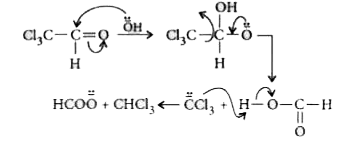
|
|
| 35. |
Amongst the following compounds, the one that will not respond to Cannizzaro reaction upon treatment with alkali is |
|
Answer» `Cl_(3)C CHO` 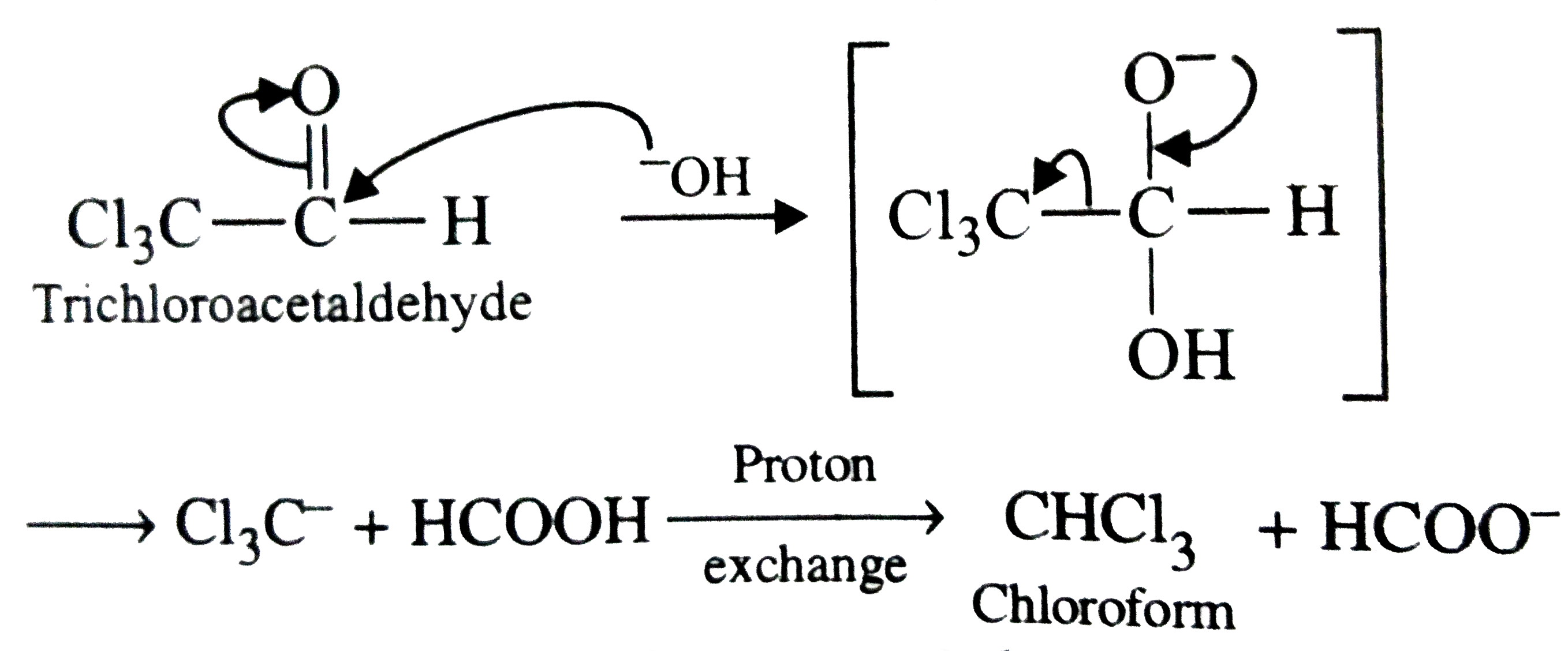 Due to strong -I-effect of the `Cl_(3)C` group, it undergoes nucleophilic attach by `OH^(-)` followed by elimination of `Cl_(3)C^(-)` group. PROTON exchange between `Cl_(3)C^(-)` and HCOOH finally gives `CHCl_(3)`. and `HCOO^(-)`. |
|
| 36. |
Amongst the following compounds, identify which are insoluble, partially soluble and highlysoluble in water ?(i) phenol(ii) toluene(iii) formic acid(iv) ethylene glycol(v) chloroform (vi) pentanol. |
| Answer» Solution :(i) Partially soluble because phenol has polar – OH group.(ii) INSOLUBLE because toluene is non-polar while water is polar. (iii) Highly soluble because formic acid can form hydrogen bonds with water. (IV) Highly soluble because ethylene GLYCOL can form hydrogen bonds with water. (V) Insoluble because CHLOROFORM is almost non-polar. (vi) Partially soluble because - OH group is polar but the large hydrocarbon part `(C_5H_11)`is nonpolar. | |
| 37. |
Amongst the following compounds, identify which are insoluble, partially soluble and highly soluble in water (iv) pentanol |
| Answer» Solution :PARTIALLY soluble because `-OH` group is polar but the LARGE HYDROCARBON PART `(C_(5)H_(11))` is non-polar. | |
| 38. |
Amongst the following compounds, identify which are insoluble, partially soluble and highly soluble in water (v) chloroform |
| Answer» SOLUTION :INSOLUBLE because CHLOROFORM is an ORGANIC LIQUID. | |
| 39. |
Amongst the following compounds, identify which are insoluble, partially soluble and highly soluble in water (iii) formic acid |
| Answer» Solution :Highly soluble because formic ACID can form HYDROGEN bonds with water. | |
| 40. |
Amongst the following compounds, identify which are insoluble, partially soluble and highly soluble in water (iv) ethylene glycol |
| Answer» SOLUTION :Highly soluble because ETHYLENE GLYCOL can form hydrogen bonds with WATER. | |
| 41. |
Amongst the following compounds, identify which are insoluble, partially soluble and highly soluble in water (ii) toluene |
| Answer» SOLUTION :INSOLUBLE because TOLUENE is non-POLAR while WATER is polar. | |
| 42. |
Amongst the following compounds, identify which are insoluble, partially soluble and highly soluble in water (i) Phenol |
| Answer» Solution :Partially soluble because PHENOL has polar `-OH` group but aromatic phenyl, `C_(6)H_(5)-` group. | |
| 44. |
Amongst the following complexes, (mentioned without any charge) how many of them are expected to have a +vely charged counter ion ? (a) [PtCl_(6)]""(b) [Ni(NH_(3))_(4)] (c ) [Fe(C_(2)O_(4))_(3)]""(d) [Co(en)_(3)] (e ) [Fe(CN)_(6)]""(f) [PtCl_(4)] (g) [Ni(CO)_(4)]""(h) [Co(NH_(3))_(6)] (i) [Cu(CN)_(4)] |
|
Answer» `[Fe(C_(2)O_(4))]^(3-), "" [Co(en)_(3)]^(3+)`, `[Fe(CN)_(6)]^(3-) or [Fe(CN)_(6)]^(4-)`, `[PtCl_(4)]^(2-), "" [Ni(CO)_(4)]`, `[CU(CN)_(4)]^(3-), "" [Co(NH_(3))_(6)]^(2+)` |
|
| 45. |
Amongst the following complexes, find the number of complexes having oxidation number of central atom as +3. Let's say it is equal to x. Similarly find the number of complexes having oxidation number of central atom as +2. Let's say it is equal to y. All other complexes number equal to z : [Co(NH_(3))_94)(H_(2)O)Cl]Cl_(2),""K_(2)[Zn(OH)_(4)], K_(3)[Al(C_(2)O_(4))_(3)]""[CoCl_(2)(en)_(2)]^(+), [Ni(CO)_(4)],""[Pt(NH_(3))_(2)Cl(NO_(2))], K_(3)[Cr(C_(2)O_(4))_(3)],""[CoCl_(2)(en)_(2)]Cl, [Co(NH_(3))_(5)(CO_(3))]Cl,""Hg[Co(SCN)_(4), [Cr(NH_(3))_(3)(H_(2)O)_(3)]Cl_(3), [Co(NH_(2)CH_(2)CH_(2)NH_(2))_(3)]_(2)(SO_(4))_(3), [Ag(NH_(3))_(2)][Ag(CN)_(2)],""K_(3)[Fe(CN)_(6)], K_(2)[PdCl_(4)],""[Pt(NH_(3))_(2)Cl(NH_(2)CH_(3))]Cl, K_(2)[Ni(CN)_(4)],""[Cr(en)_(3)]Cl_(3), Fe_(4)[Fe(CN)_(6)]_(3) Hence, find the value of x-y+z |
|
Answer» `+1 "complexes" implies 1, 0 "complexes" implies 1. "Thus" implies z=2` |
|
| 46. |
Amongst the following, artificial sweeteners are : L-glucose, D-glucose, saccharin, cyclamate, D-fructose, alitame, aspartame, sucralose, sucrose. |
|
Answer» STATEMENT-1 is True, Statement-2 is True , Statement-2 is the correct explanation for statement 1 |
|
| 47. |
Amongst the following antihistamines, which are antacids ? |
|
Answer» Ranitidine Ranitidine is also fall in the category of antihistamine. It is USED to cure hyperacidity. Brompheniramine is an antihistamine . It is used to TREAT runny nose, sneezing, itching and watery eyes caused by allergy. Terfenadine, an antihistaine, was used for allergy. |
|
| 48. |
Amongst the compounds, Mg_2N_2, NH_3 and N_2O_3 nitrogen shows an oxidation state of +3 in |
|
Answer» `N_2O_3` only |
|
| 49. |
Amongst the compounds gives, the one that would form a brilliant colored dye on treatment with NaNO_2 in dil. HCl followed by addition to an alkaline solution of beta-naphthol is |
|
Answer»
|
|
| 50. |
Amongst the compounds given, the one that would form a brilliant coloured dye with NaNO_(2) in dil. HCl followed by addition to an alkaline solution of naphthol is |
|
Answer»
|
|