Saved Bookmarks
This section includes 7 InterviewSolutions, each offering curated multiple-choice questions to sharpen your Current Affairs knowledge and support exam preparation. Choose a topic below to get started.
| 1. |
In the following salts the highest value of magnetic moment is observed in |
|
Answer» `MnSO_(4).4H_(2)O` `Cu^(2+)=3d^(9)` i.e. no of unpaired `e^(-)=1` `Fe^(2+)=3d^(6)` i.e. no of unpaired `e^(-)=4` `Zn^(2+)=3d^(10)` i.e. no of unpaired `e^(-)=0` `Ni^(2+)=3d^(8)` i.e., no. of unpaired `e^(-)=3` HIgher the number of unpaired electrons higher will be the magnetic moment. hence `Mn^(2+)` having maximum unpaired electrons will have the maximum magnetic moment. |
|
| 2. |
In the conversion of Br_(2) to BrO_(3)^(-) , the oxidation number of Br changes from |
|
Answer» zero to + 5 Any FREE (unattached) element with no CHARGE has the oxidation STATE of zero. Let the oxidation number of Br in `BrO_(3)^(-)` be x. Hence `x+3xx (-2)=-1`or,`x-6=-1` or,`x=+5`. |
|
| 3. |
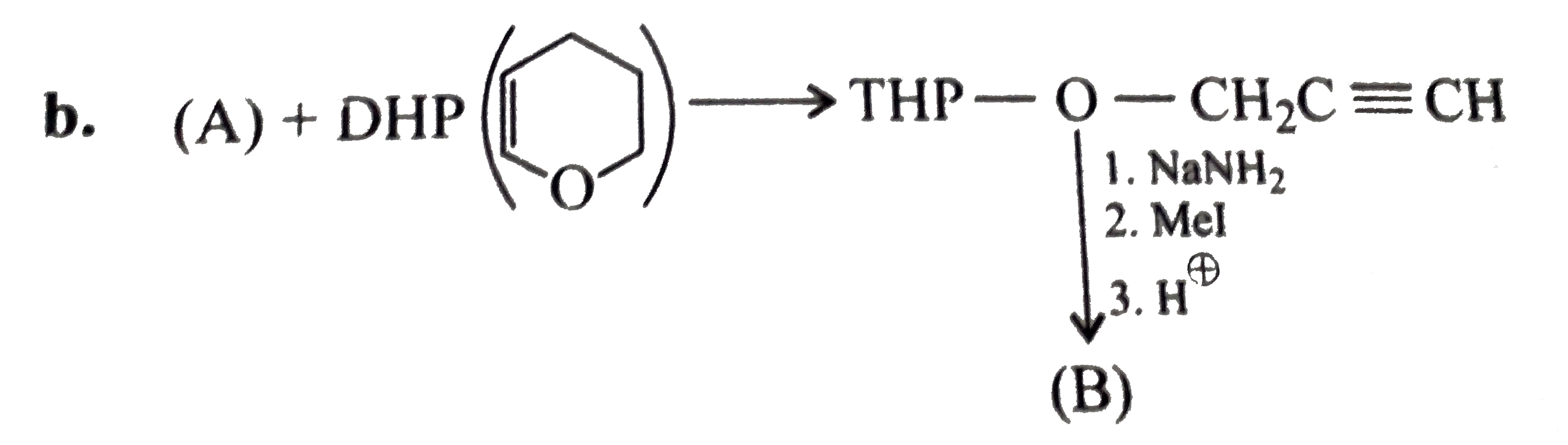
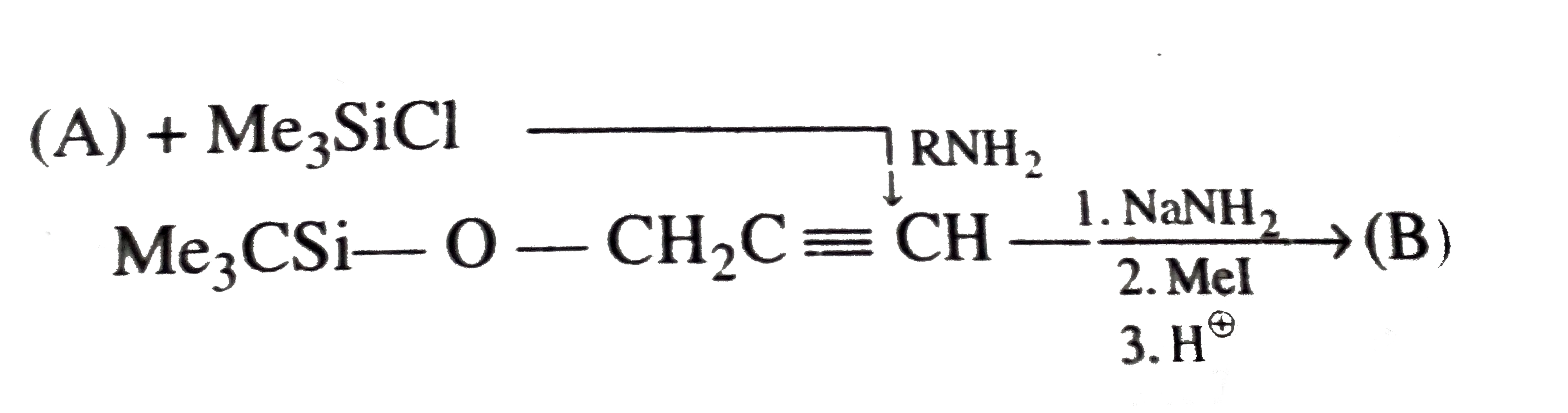
In the conversion of (A) to (B), the best method for the protection of (OH) group is silylation method because: |
|
Answer» Benzylation method is not effective as `Ag_(2)O` MIGHT react with Br group of the reactant to give an (OH) group. |
|
| 4. |
In the conversion of (A) HOCH_(2)C-=CH to (B) HOCH_(2)C-=C-Me, the best method is: |
|
Answer» `(A)OVERSET(1.NaNH_(2))underset(2.Mel)rarr(B)` |
|
| 5. |
In the following reacton, product P is R-overset(O)overset(||)C-Cloverset(H_(2))underset(Pd-BaSO_(4))rarrP |
| Answer» Answer :A | |
| 6. |
In the conversion of (A) to (B), the best method for the protection of (OH) group is: |
|
Answer» Benzylation method |
|
| 7. |
In the following reactions, ZnO is respectively acting as/an…. (i) ZnO + Na_(2)O rarr Na_(2)ZnO_(2) (ii) ZnO + CO_(2) rarr ZnCO_(3) |
|
Answer» ACID and acid |
|
| 8. |
In the following reactions, the final product B is …..CH_(3)Cl overset(KCN)rarr A overset(H^(+)//H_(2)O)rarr B |
|
Answer» `CH_(3)COOH` |
|
| 9. |
In the following reactions, the product S is |
|
Answer»
|
|
| 10. |
In the context of the Hall - Heroult process for the extraction of Al, which of the following statement is false ? |
|
Answer» CO and `CO_2` are produced in this process `Ag_2S+KCN+underset("Oxidant")(O_2)rarrK[Ag(CN)_2]+K_2S_2O_3` `2K[Ag(CN)_2]+underset("Reluctant")(Zn)rarrK_2[Zn(CN)_4)+2Agdarr` Thus, `O_2` and Zn are oxidant (oxidising AGENT) and reluctant (reducing agent ) respectively. |
|
| 11. |
In the following reactions sequences, The compounds (X) and (Y) are resepctively are: |
|
Answer»
|
|
| 12. |
In the followingreactions sequence . the correctstructures of A,B and C are |
|
Answer»

|
|
| 13. |
In the following reactions prouct X and Y are |
|
Answer» |
|
| 14. |
In the following reactions, reactants A, B and C are: C_2H_5NH_2 + A to C_2H_5N = CN - C_6H_5 + H_2O "Urea" + B to H_2N - NHCONH_2 + NH_3 C_2H_5 NH_2 + C to C_2H_5Cl+H_2O+N_2 |
|
Answer» `CH_3CHO,NH_2 - NH_2 and PCl_5` |
|
| 15. |
In the context of the Hall-Heroult process for the extraction of Al, which of the following statements is false ? |
|
Answer» CO and `CO_2` are PRODUCED in this process |
|
| 16. |
In the following reactions: PCl_(5)+SO_(2)toP+Q P+CH_(3)-underset(O)underset(||)C-OHtoR+SO_(2)+HCl R+(CH_(3))_(2)CdtoS+CdCl_(2) choose the correct options |
|
Answer» Product S is acetone `S=` acetone |
|
| 17. |
In thecontext ofthe Hall - Heroultprocess fortheextraction ofAl, which ofthefollowingstatementsis false ? |
|
Answer» ` Al^(3+) `is reducedatthecathodeto form Al |
|
| 18. |
In the following reactions . ltb rgt CH_3-overset(CH_3)overset(|)CH-underset(OH)underset(|)CH-CH_3overset(H^+//heat)rarrunderset([underset("product")"Major"])A+underset([underset("product")("Minor")])B (ii) Aoverset("HBr, dark")underset("in absence of peroxide")rarrunderset([underset("product")"Mejor"])C+underset([underset("product")("Minor")])D The major products A and C are repectively |
|
Answer» `CH_2=OVERSET(CH_3)overset(|)C-CH_2-CH_3" and" UNDERSET(BR)underset(|)CH_2-overset(CH_3)overset(|)CH-CH_2-CH_3` 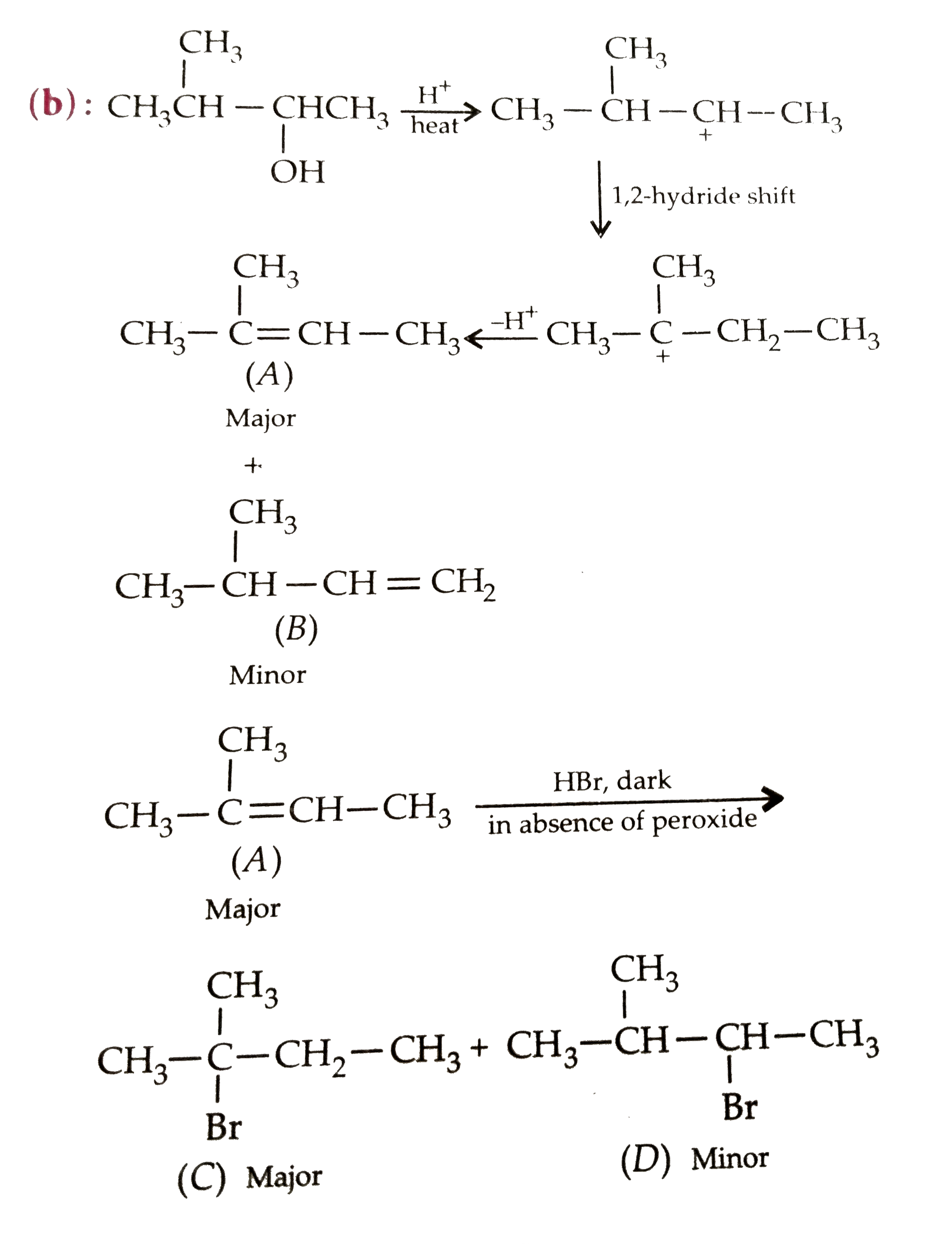
|
|
| 19. |
In the followingreactions, identify the compounds/reaction conditions represented by the alphabets A and B. PbS underset("air")overset("Heat in")rarr A+PbS overset(B)rarr Pb+SO_(2) |
| Answer» | |
| 20. |
In the contact process, vanadium pentoxide is considered a better catalyst than platinised asbestos. Why? |
| Answer» Solution :VANADIUM pentoxide is CONSIDERED a better CATALYST than platinised asbestos because it is cheap and not easily POISONED by the impurities PRESENT in the gases. | |
| 21. |
In the contact process, the impurities osasrsenic are removed by |
|
Answer» `Fe_2O_3` |
|
| 22. |
Why vanadium pentoxide is considered as a better catalyst than platinised asbestos ? |
| Answer» Solution :Vanadium PENTOXIDE is CONSIDERED a BETTER catalyst than platinised asbestos because it is cheap and not easily POISONED by the impurities PRESENT in the gases. | |
| 23. |
In the contact process of manufacturing of H_2SO_4 the catalyst used in |
|
Answer» `P_2O_5` |
|
| 24. |
In the contact process of H_2SO_4, SO_3 dissolves in sulphuric acid to give: |
|
Answer» Permonosulphuric acid |
|
| 25. |
In the following reactions, (i) CH_(3)-overset(CH_(3))overset(|)(C)H-underset(OH)underset(|)(C)H-CH_(3) overset(H^(+)//Heat)to underset(("Major products"))(A)+underset(("Minor products"))(B) (ii) A underset("in absence of peroxide")overset(HBr,dark)to underset(("Major products"))(C)+underset(("Minor products"))(D) The major products (A) and (C) are respectively |
|
Answer» `CH_(3)=OVERSET(CH_(3))overset(|)(C)-CH_(2)-CH_(3) and CH_(3)-UNDERSET(Br)underset(|)overset(CH_(3))overset(|)(C)-CH_(2)-CH_(3)` 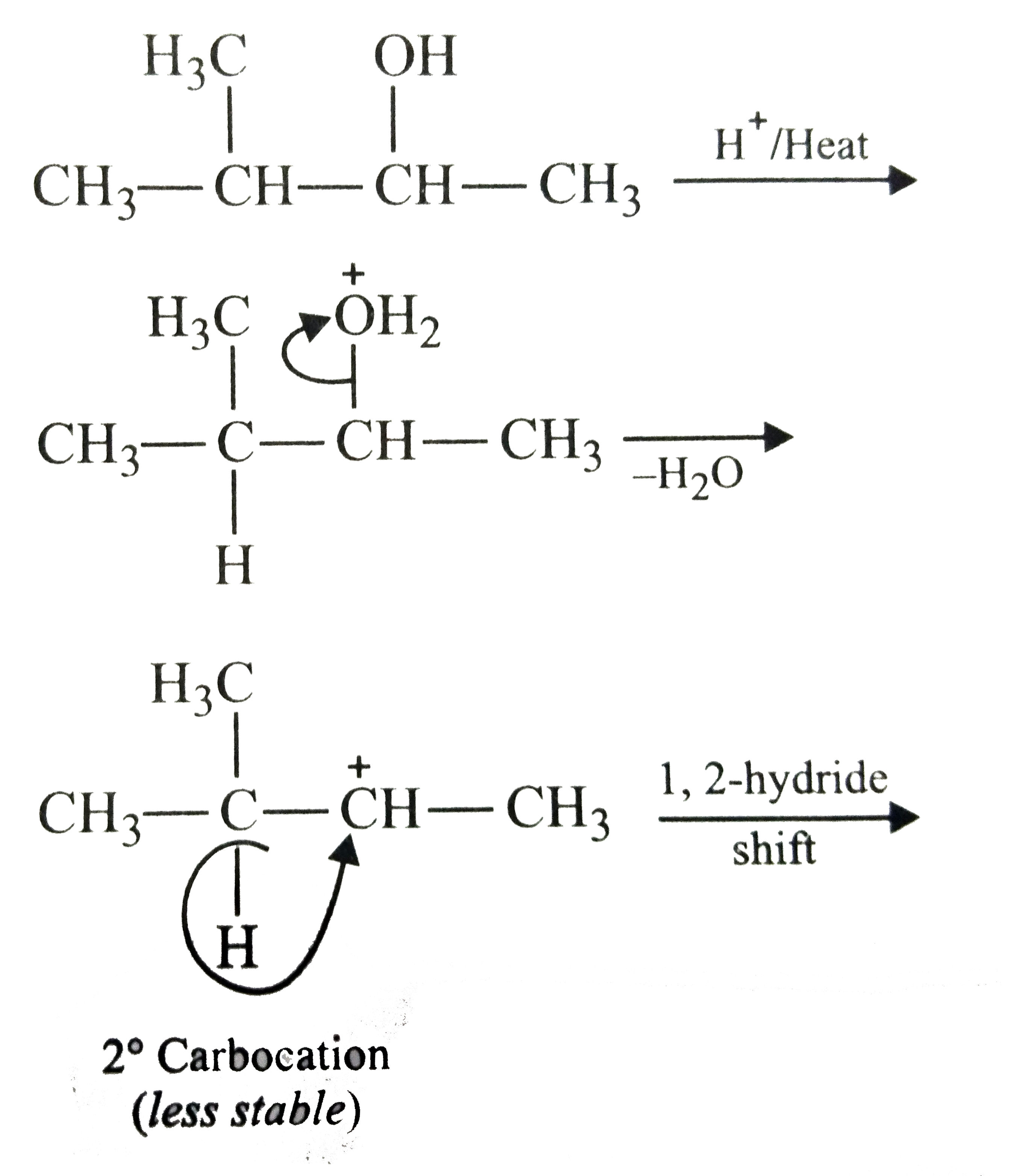 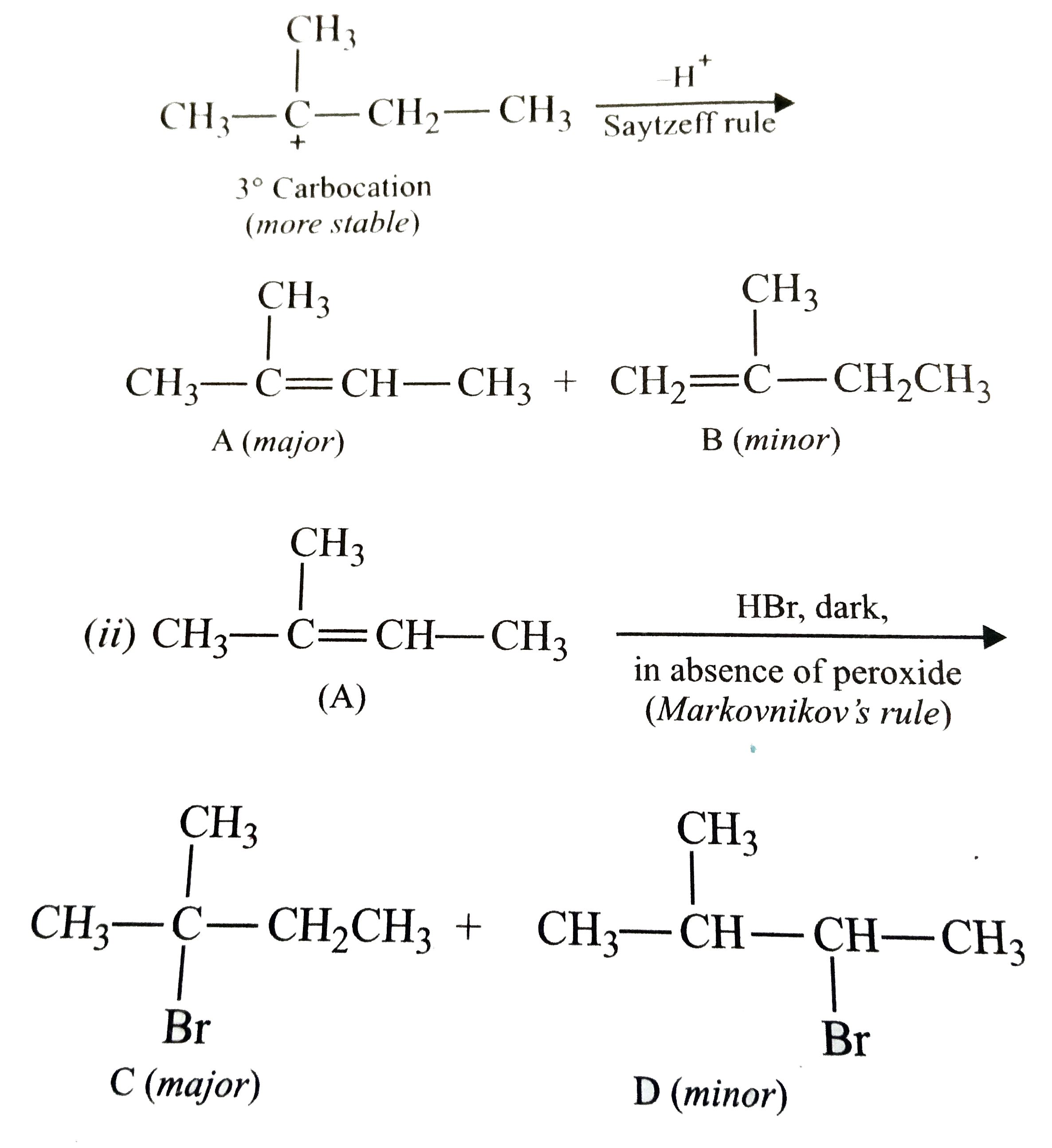 (c) is CORRECT |
|
| 26. |
In the concentration cells the electrical energy is produced due to : |
|
Answer» OXIDATION of fuel |
|
| 27. |
In the following reactions, identify the compounds (A), (B), (C) and R-MgBr. |
| Answer» Solution :(A) `HCOOCH(CH_(3))_(2)`, (B) `(CH_(3))_(2)CHOH`, (C) HCOOH, R-MgBr is `CH_(3)MgBr` | |
| 28. |
In which cell, electrical energy is converted into chemical energy: |
|
Answer» OXIDATION of fuel |
|
| 29. |
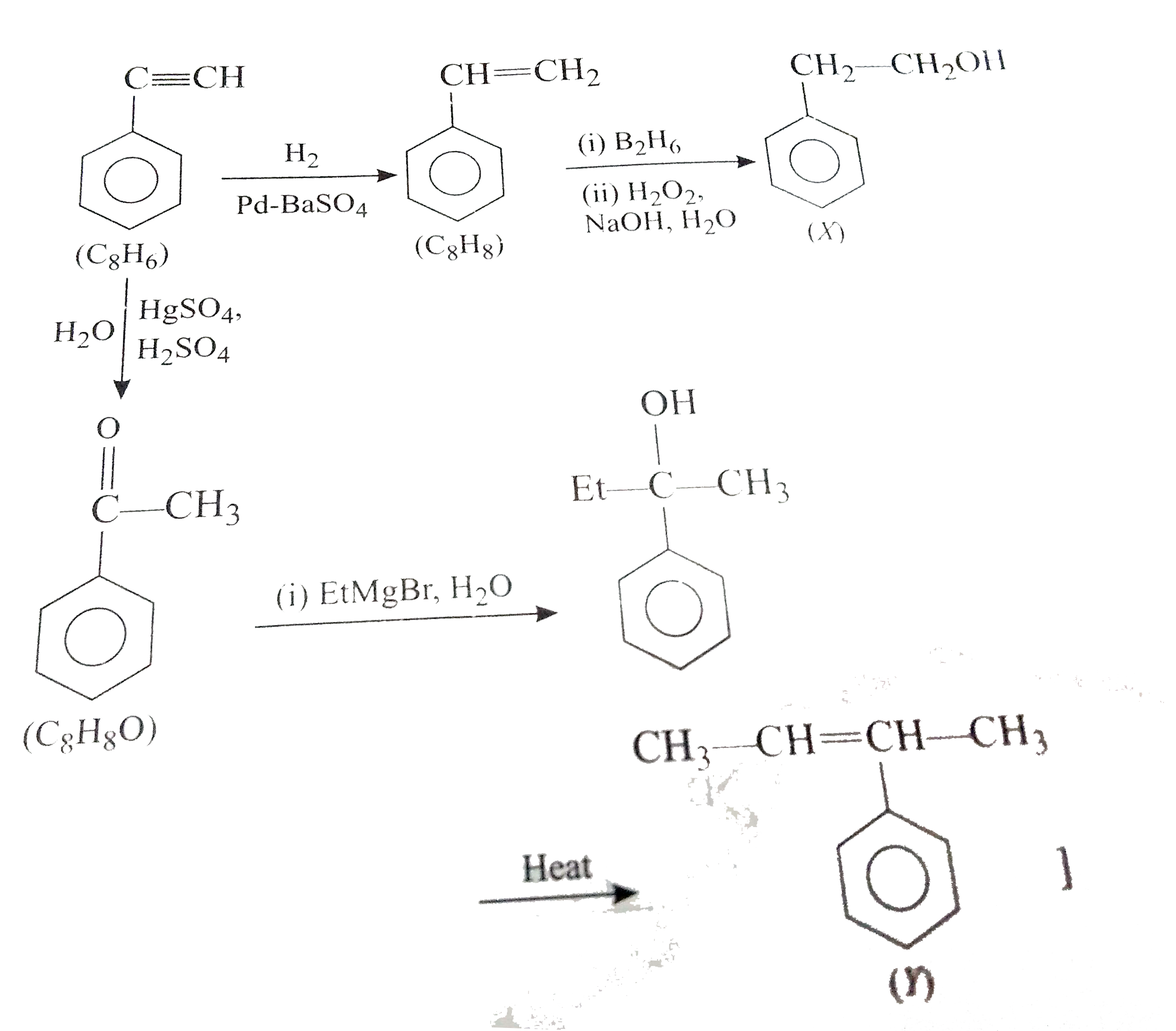
In the following reactions Answer the following questions: The major compound (Y) is: |
|
Answer»
|
|
| 30. |
In the compound M-O-H, the M-O bond will be broken if: |
|
Answer» `Delta(EgtN.)` of M and O `lt Delta` (E.N.) of O and H |
|
| 31. |
In the following reaction: ZnS+O_(2)overset(Delta)rarrA+ZnO 4HCl+O_(2)overset(CuCl_(2))rarrB+2H_(2)O A+B overset(hv)rarrC Then A, B and C are: |
|
Answer» `SO_(2),Cl_(2),SOCl_(2)` |
|
| 32. |
In the following reactions, |
|
Answer» LIQUID WATER |
|
| 33. |
In the following reactions, (a) H_(3)C-overset(CH_(3))overset("|")(CH)-underset(" "OH)underset(|)(CH)-CH_(3)overset(H^(+)//heat)rarr underset("product")underset("Major")(A) + underset("product")underset("Minor")(B) (b) A overset(HBr,dark)underset("in absence of peroxide")rarr underset("product")underset("Major")(C)+underset("product")underset("Minor")(D) The major products (A) and (C) are respectively: |
|
Answer» `CH_2=oversetoverset(CH_3)|C-CH_2-CH_3` and `CH_3-undersetunderset(BR)|oversetoverset(CH_3)|C-CH_2-CH_3` 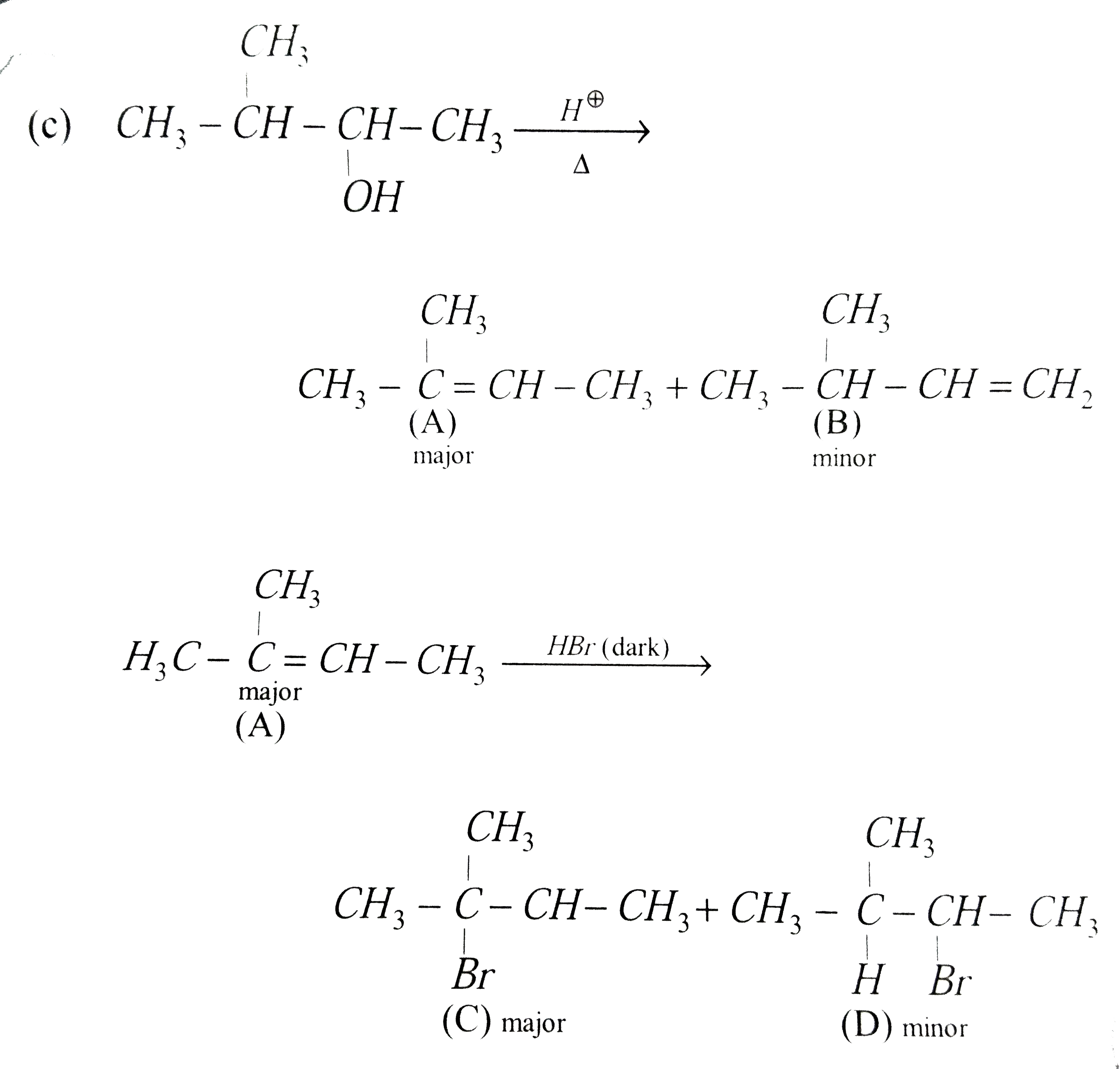
|
|
| 34. |
In the following reaction xZn+yHNO_(3)("dil") rarr aZn(NO_(3))_(2)+bH_(2)O+cNH_(4)NO_(3) What is the sum of the coefficients (a+b+c) |
|
Answer» `4Zn+10 HNO_(3) rarr 4 Zn(NO_(3))_(2)+3 H_(2)O+NH_(4)NO_(3)` `:. a+b+c=4+3+1=8` |
|
| 35. |
In the compound of type ECl_3 where E=B, P As, or Bi, the angle Cl-E-Cl for different E are in order: |
|
Answer» `BgtP=As=Bi` |
|
| 36. |
In the compound, HCequiv C - C = CH_(2), the hybridi- zation of C-2 and C-3 carbons are respectively |
|
Answer» `sp^(3) and sp^(3)` `underset(4)HC equiv underset(sp)underset(3)(C) - underset(sp^(2))underset(2)OVERSET(CH_(3))overset(|)(C) = underset(1)(CH_(2))` |
|
| 37. |
In the compound formation xenon atom is in the third excited state, the expected hybridisation of xenon is |
|
Answer» `sp^2` |
|
| 38. |
In the following reaction X overset(Delta)to Y. X is the lowest molecular weight optically active dicarboxylic acid. What is the structure of Y. |
|
Answer» `CH_(3)-OVERSET(CH_(3))overset(|)(CH)-COOH` |
|
| 39. |
In the following reaction X underset(Delta)overset("Zn dust")to Y underset("Propene")overset("(Alkylation)")to Z What is X and Z? |
|
Answer» X = Benzene Z = CUMENE |
|
| 40. |
In the compound [Fe(H_2O)_5NO]SO_4 the oxidation number of iron is |
|
Answer» 1 |
|
| 41. |
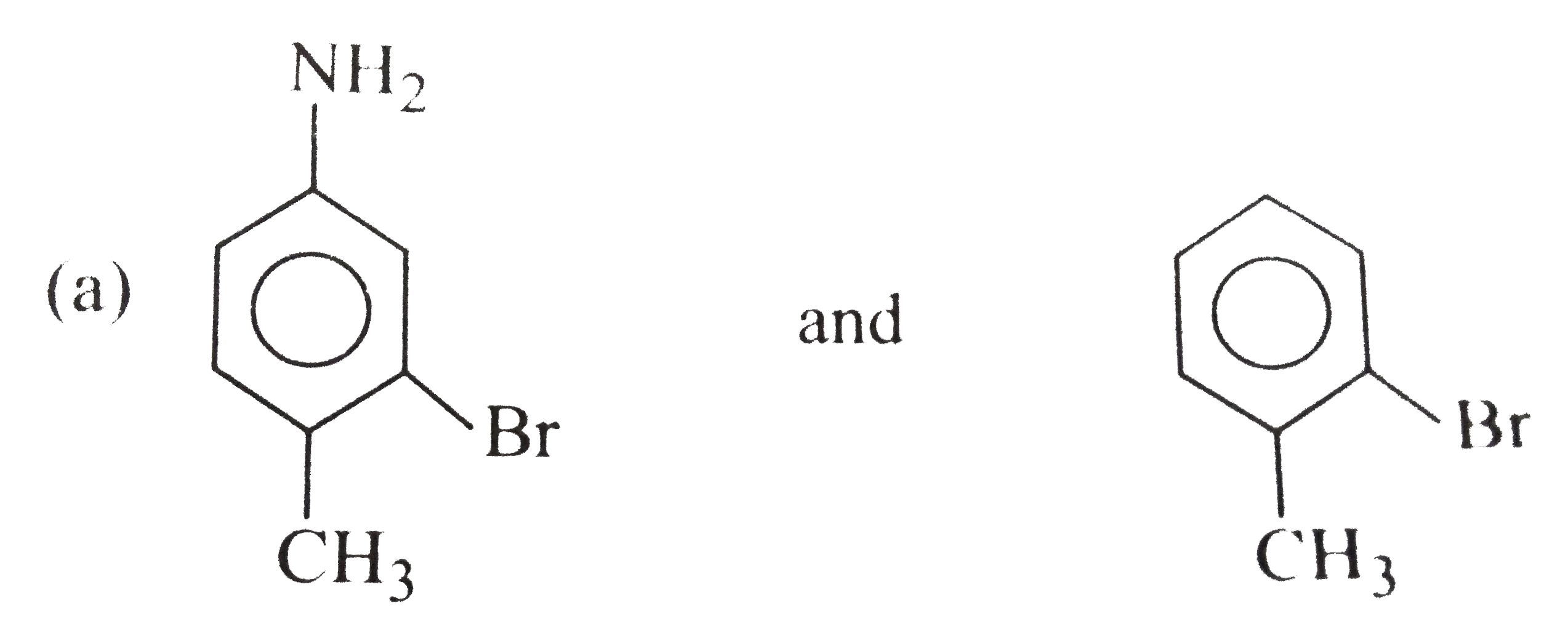
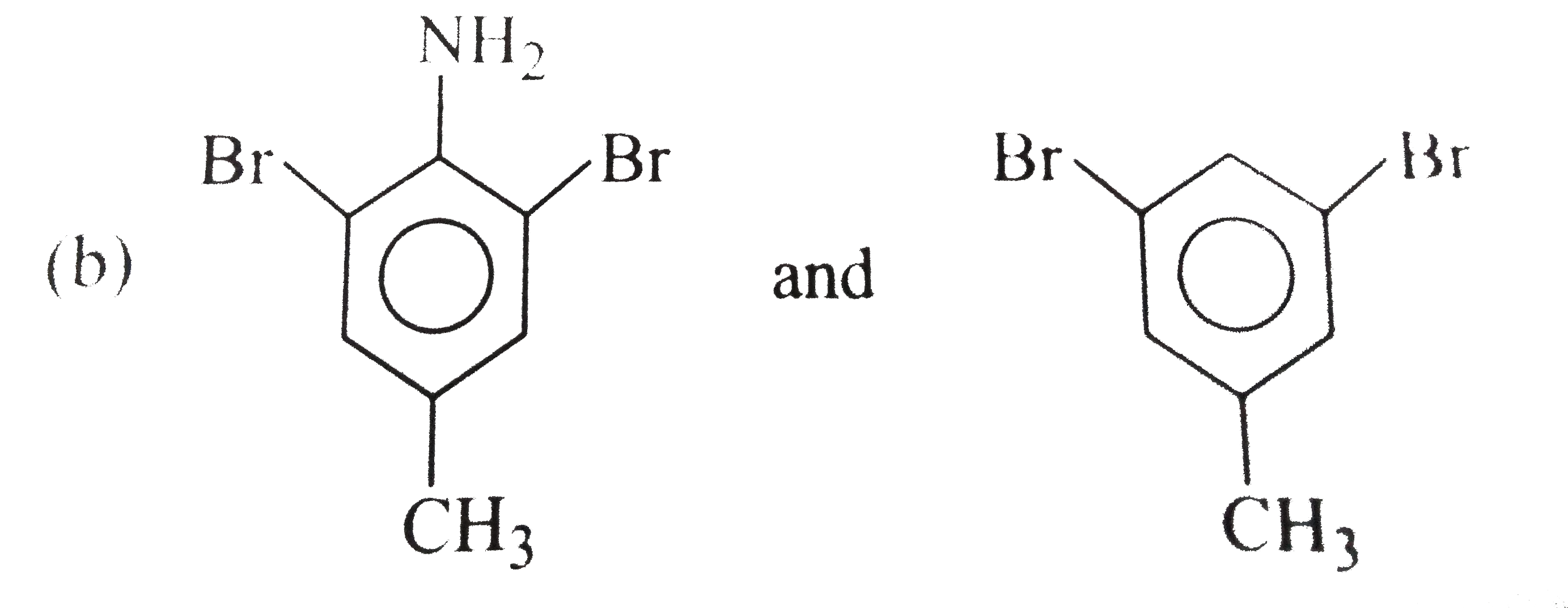
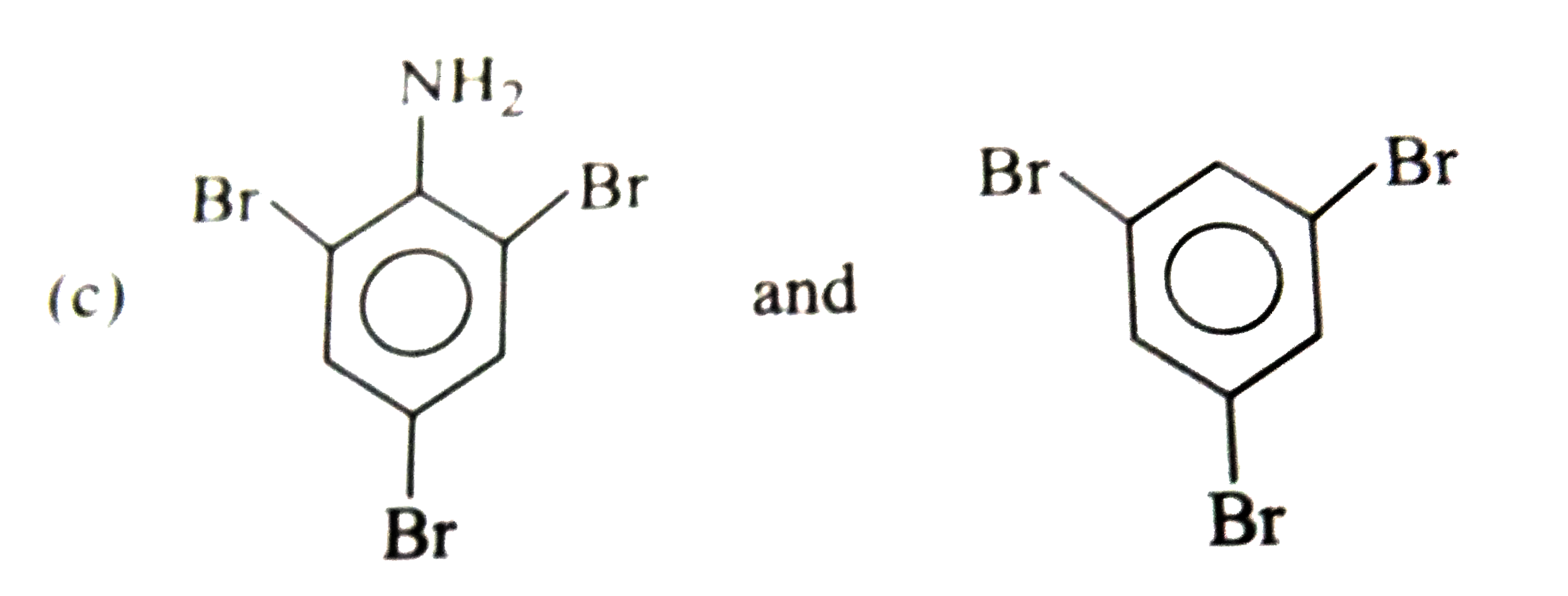
In the following reaction, X overset("Bromination")rarr Y underset(HCl)overset(NaNO_(2))rarr Z underset(C_(2)H_(5)OH)overset("Boiling")rarr Tribomobenzene, X is |
|
Answer» BENZOIC acid 
|
|
| 42. |
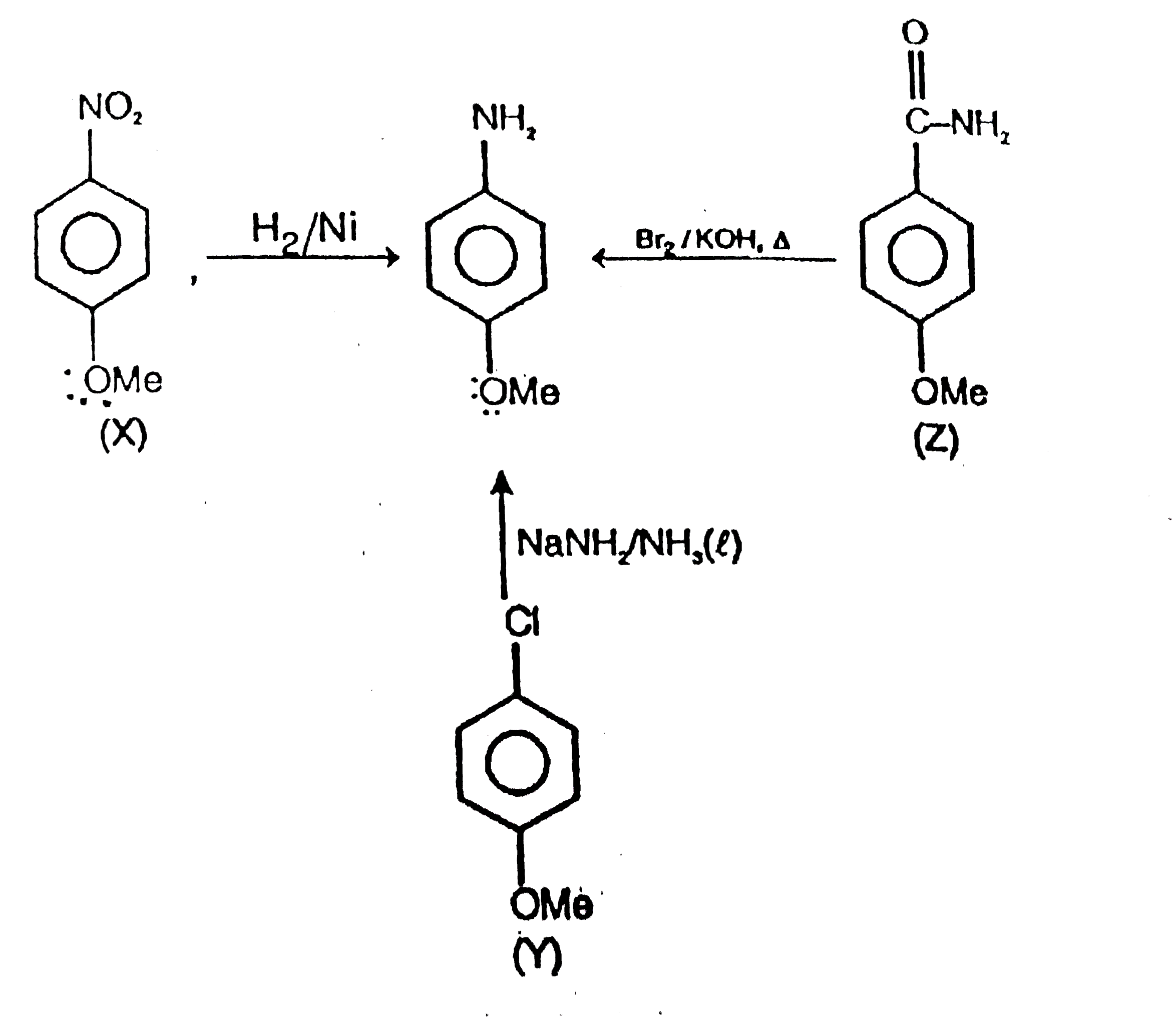
In the following reaction X,Y and Z are respectively : |
|
Answer»
|
|
| 43. |
In the compound CH_2=CH-CH_2-CH_2-C-=CH, the C_2-C_3 bond is of the type |
|
Answer» `sp-sp^2` 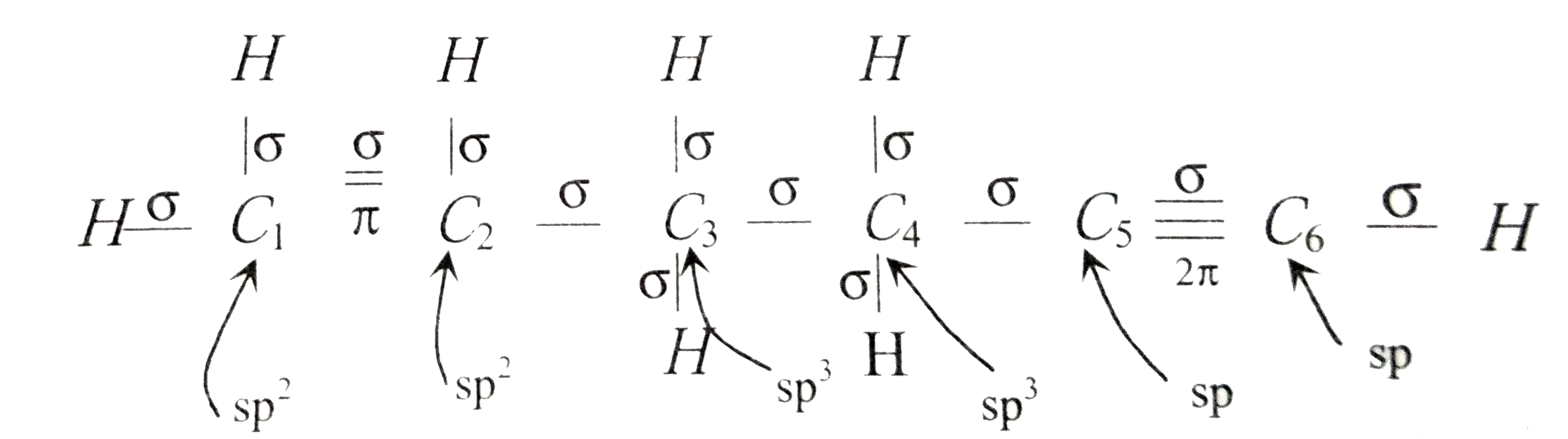 HENCE, `C_2` and `C_3` are `sp^2` and `sp^3`-HYBRID |
|
| 44. |
In the compound CoCl_(3).5NH_(3) : |
|
Answer» all the cl show PRIMARY valency (PV) only |
|
| 45. |
In the complexes [SbF_(5)]^(2-),sp^(3)d hybridisation is present. Geometry of the complex is: |
|
Answer» SQUARE PYRAMIDAL |
|
| 46. |
In the following reaction, X is X overset("Bromination")to Y overset(NaNO_(2)//HCl)to Z underset(C_(2)H_(5)OH)overset("Boilng")to Tribromobenzene |
|
Answer» BENZOIC acid |
|
| 47. |
In the complex [Pt(NO)_(2)(H_(2)O)(NH_(3))_(2)]Br, identify the followin (i) Central metal atom/ion (ii) Ligand(s) and their types (iii) Coordinates entity (iv) Oxidation number of the central metal ion (v) Coordination number |
|
Answer» Solution :`(i)` Central METAL ion `-PT^(2+)` `(ii)` Ligands and their types `-NO_(2)-` MONO dendate ligand, `H_(2)O` and `NH_(3)`- neutral monodendate ligand `(iii)` Coordinates entity `=[Pt(NO_(2))(H_(2)O)(NH_(3))_(2)]^(+)` `(iv)` Oxidation NUMBER of the central metal ion `-x+1(-1)+1(0)+1(0)=+1` `x-1=+1` `x=+2` `(v)` Coordination number `-4` |
|
| 48. |
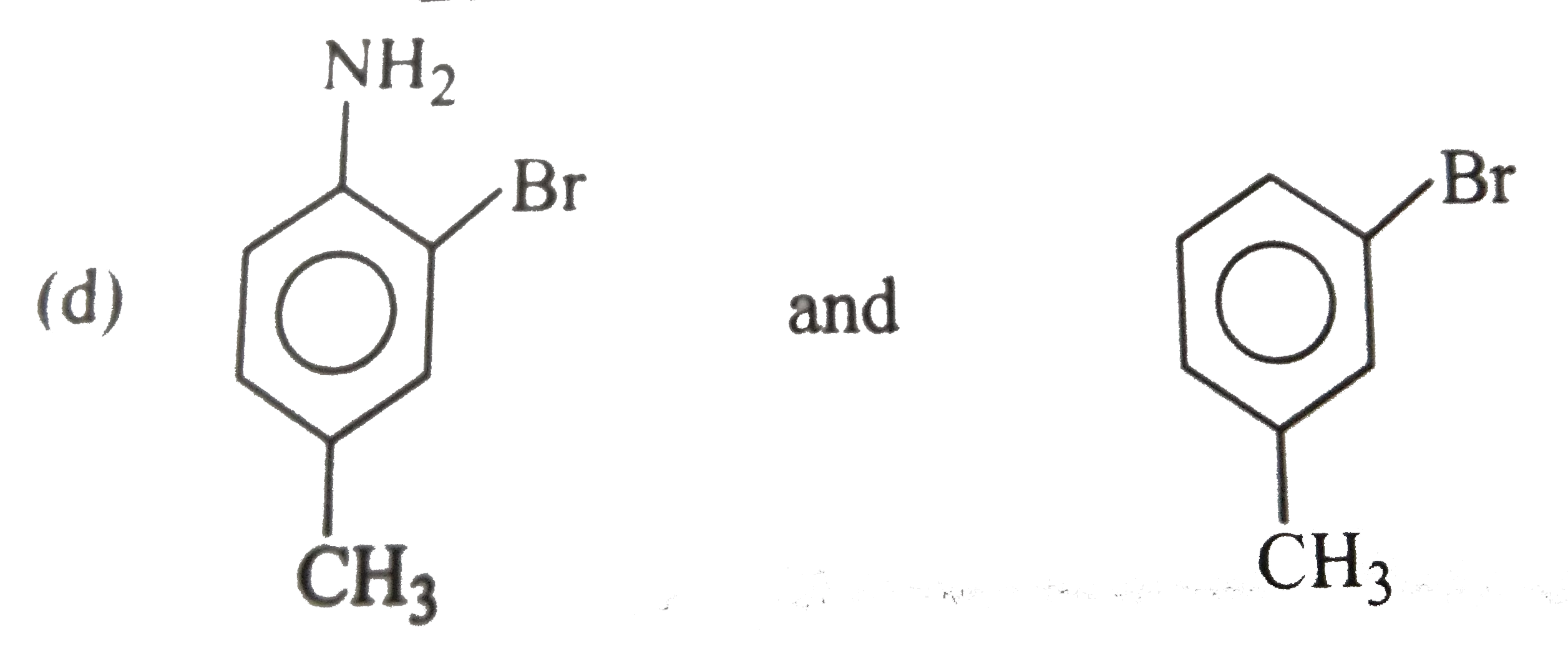
In the following reaction, X is X overset("Bromination")(rarr) Y underset(+HCl)overset(NaNO_(2))(rarr) Z underset(C_(2)H_(5)OH)overset("Boiling")(rarr) underset("Benzene")("Tribromo") |
|
Answer» BENZOIC ACID  
|
|
| 49. |
In the complexes [Fe(H_(2)O)_(6)]^(3+), [Fe(CN)_(6)]^(3-), [Fe(C_(2)O_(4))_(3)]^(3-) and [FeCl_(6)]^(3-), more stability is shown by |
|
Answer» `[FE(H_(2)O)_(6)]^(3+)` |
|
| 50. |
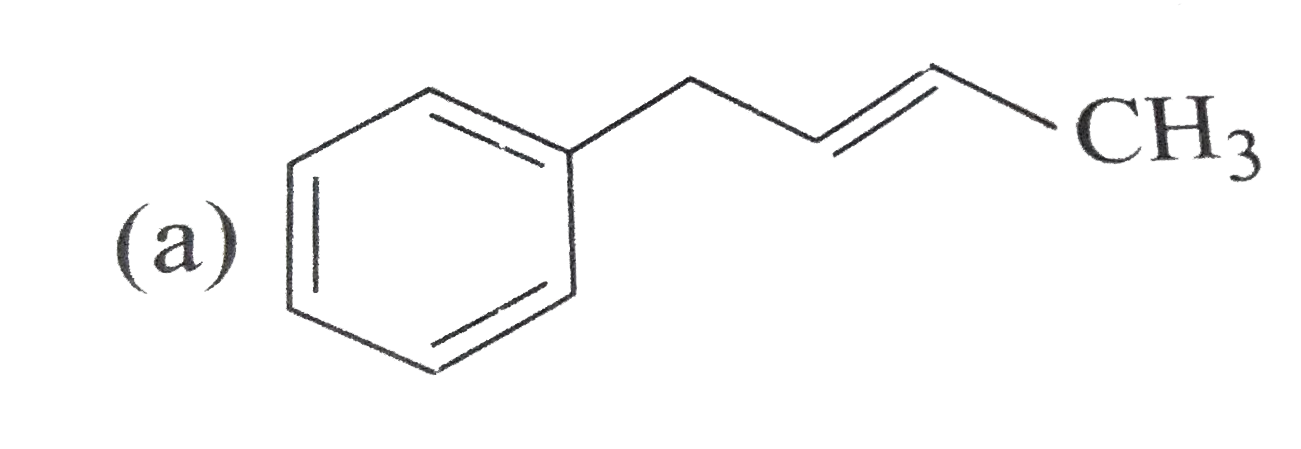
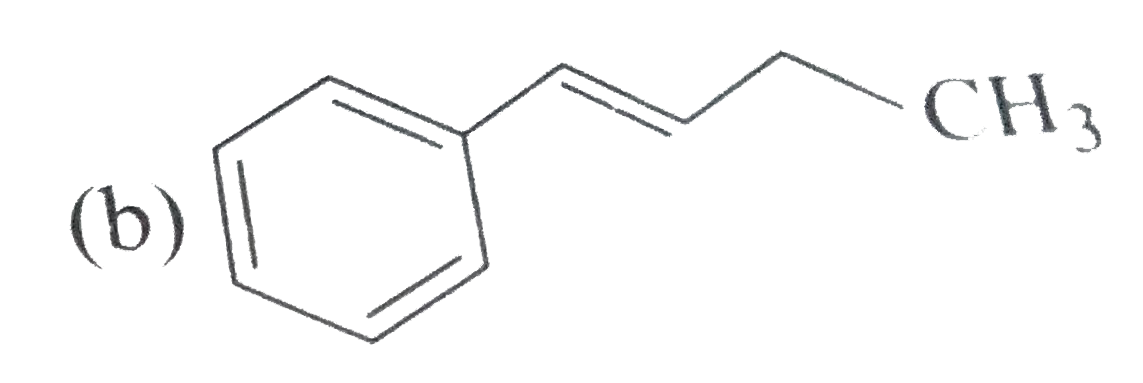
In the following reaction, X isX overset"Bromination"to Y overset(NaNO_2//HCl)to Z underset(C_2H_5OH)overset"Boiling"to Tribromobenzene |
|
Answer» Benzoic acid 
|
|