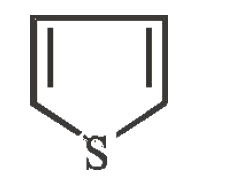
Saved Bookmarks
This section includes 7 InterviewSolutions, each offering curated multiple-choice questions to sharpen your Current Affairs knowledge and support exam preparation. Choose a topic below to get started.
| 1. |
Find out product Din the followingsequence of reaction .CH_(3) - CH_(2) - COOH + Na to A overset(Br_(r)//Red. P.)to B overset(NANO_(2))to C overset(H_(2)O)toD |
|
Answer» `CH_(3) - CH_(2) - NO_(2)` `CH_(3) - CH_(2) - COONa + Br_(2) overset("Red P") toCH_(3)- UNDERSET(Br)underset(|)(CH) - COONa + HBr` `CH_(3) - underset(Br) underset(|)(CH) - COONa + NaNO_(2) toCH_(3) - underset(NO_(2))underset(|)(CH) - COONa` `CH_(3) - underset(NO_(2))underset(|)(CH_(2)) - COONa + H_(2) OtoCH_(3) - CH_(2)- NO_(2)+ NaHCO_(3)` |
|
| 2. |
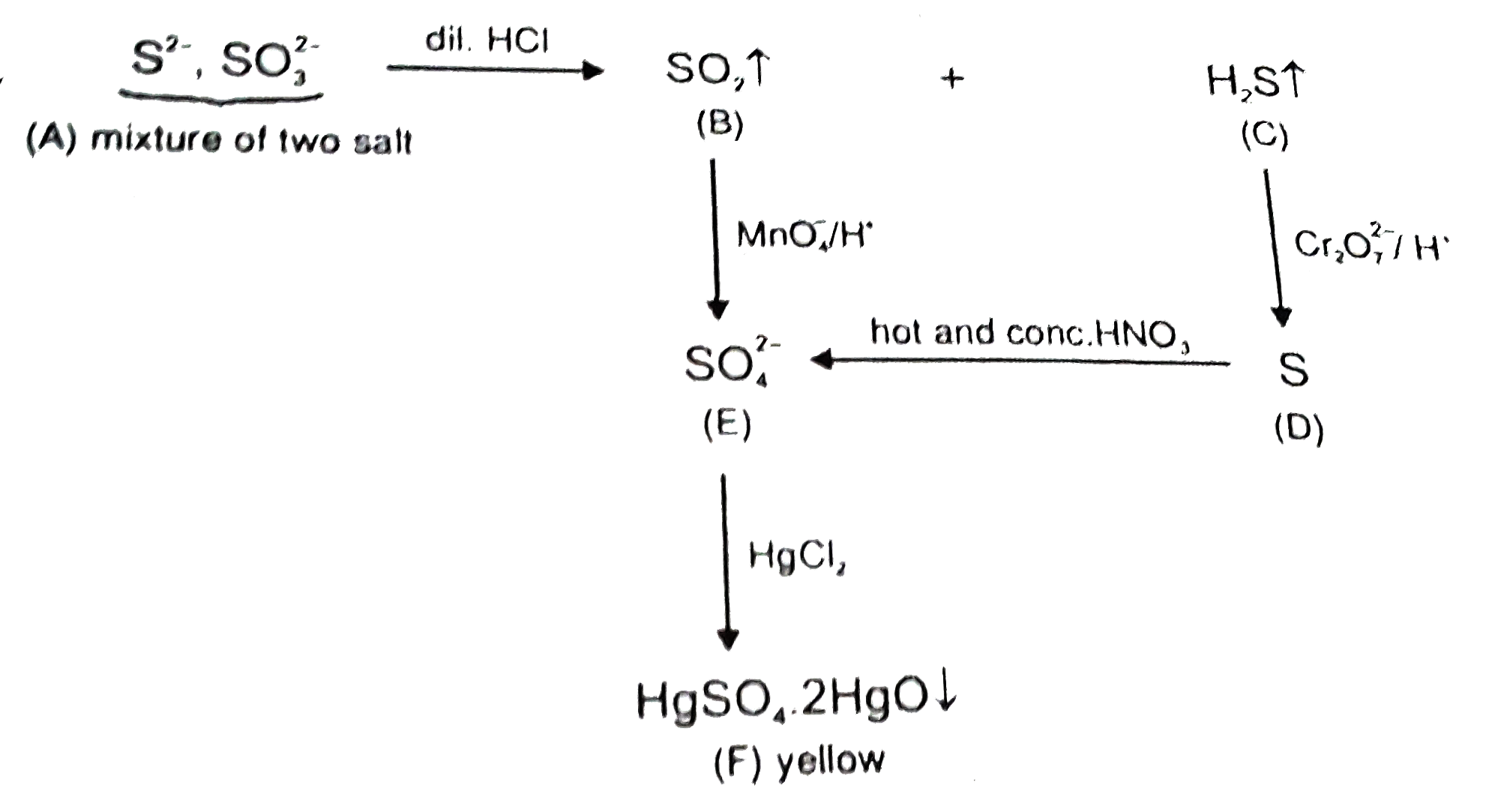
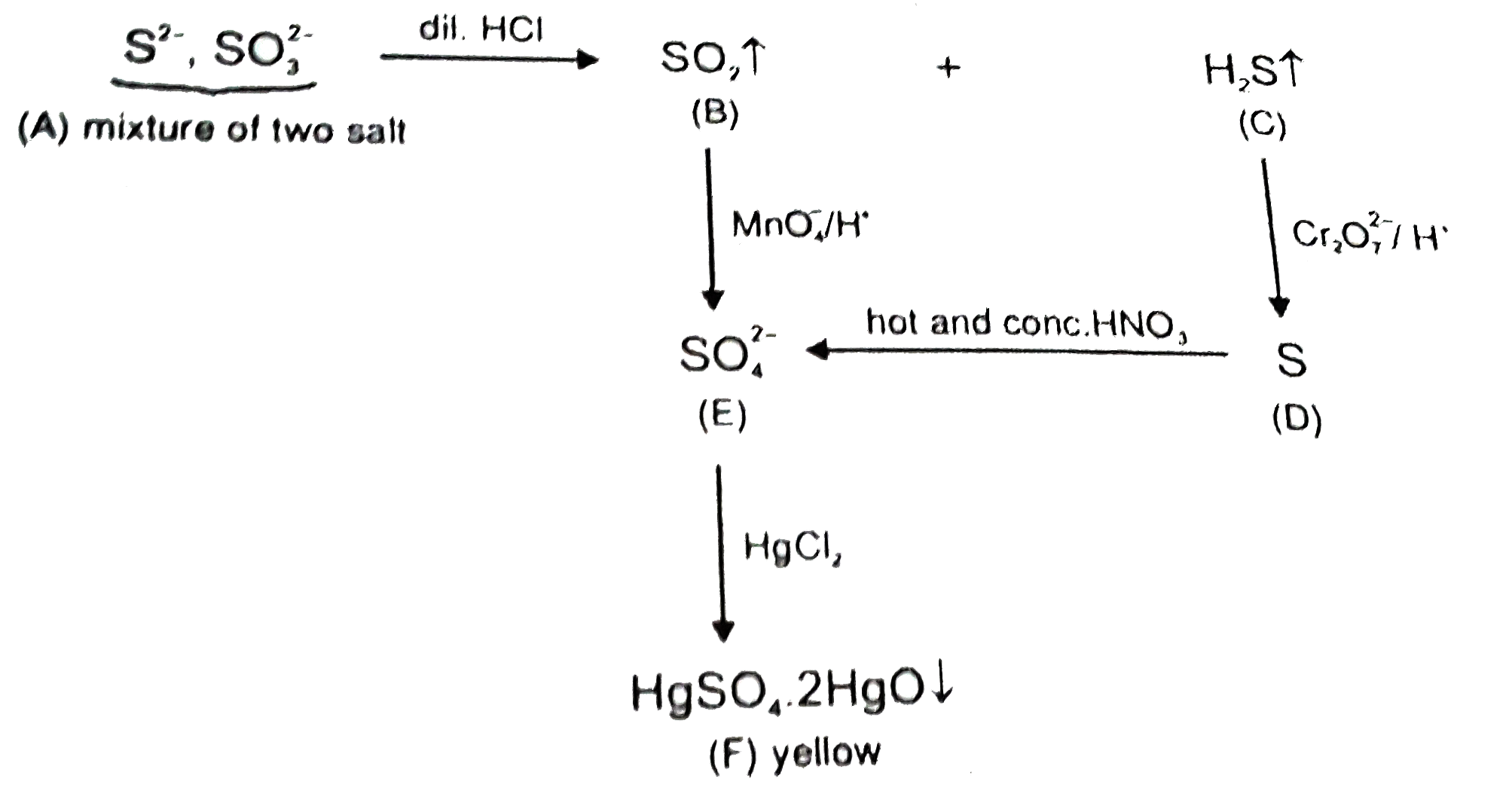
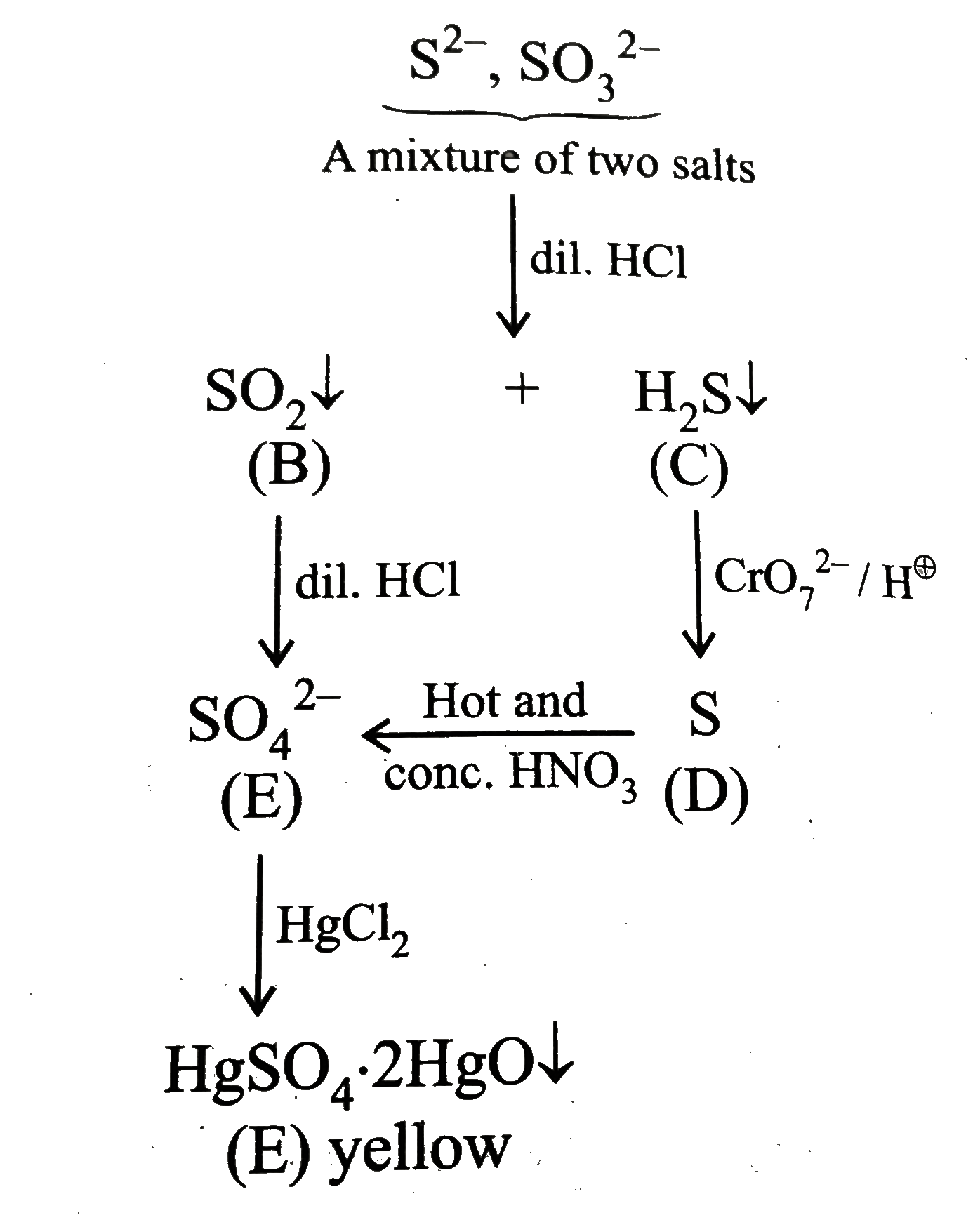
Find out process involved in the following reaction, R-O-R+H_2O underset"under press"overset(dil. H_2SO_4, Delta)toROH + ROH |
|
Answer» hydrolysis |
|
| 5. |
Findout number of reactions that are electrophilic aromatic substitution in nature |
|
Answer» |
|
| 6. |
Find out of compounds which show mutarotation (A) Cellobiose (4-O-(beta-D-"glucopyranosyl")-D-"glucophranose) (B) Maltose (4-O-(alpha-D-"glucopyranosyl")-D-glucopyranose) (C) Lactose (4-O-(beta-D-"galactopyranosyl")-D-"glucopyranose") (D) Gentiobiose (6-O-(beta-D-"glucopyranosyl")-D-"glucopyranose") (E) Sucrose (alpha-D-"glucopyranosyl"-beta-D-"fructofuranoside") (F) Methyl alpha-D-"galactopyranoside". (G) alpha-D- allopyranose (G) alpha-D- glucopyranose (I) alpha-D- fructofuranose |
|
Answer» |
|
| 7. |
Findout numberofdimerize products obtainedby thefollowingreaction . H_(3)C-Cl+H_(3)C-CH_(2)-Cl+H_(3)C-CH_(2)-CH_(2)-CH_(2)Cl underset("(dry ether)")overset(Na)to ? |
|
Answer» |
|
| 8. |
Find out number of reactions that are electrophilic aromatic subsitution in nature. |
|
Answer» |
|
| 9. |
Find out number of compounds which are more acidic than benzoic acid, form following. |
Answer» 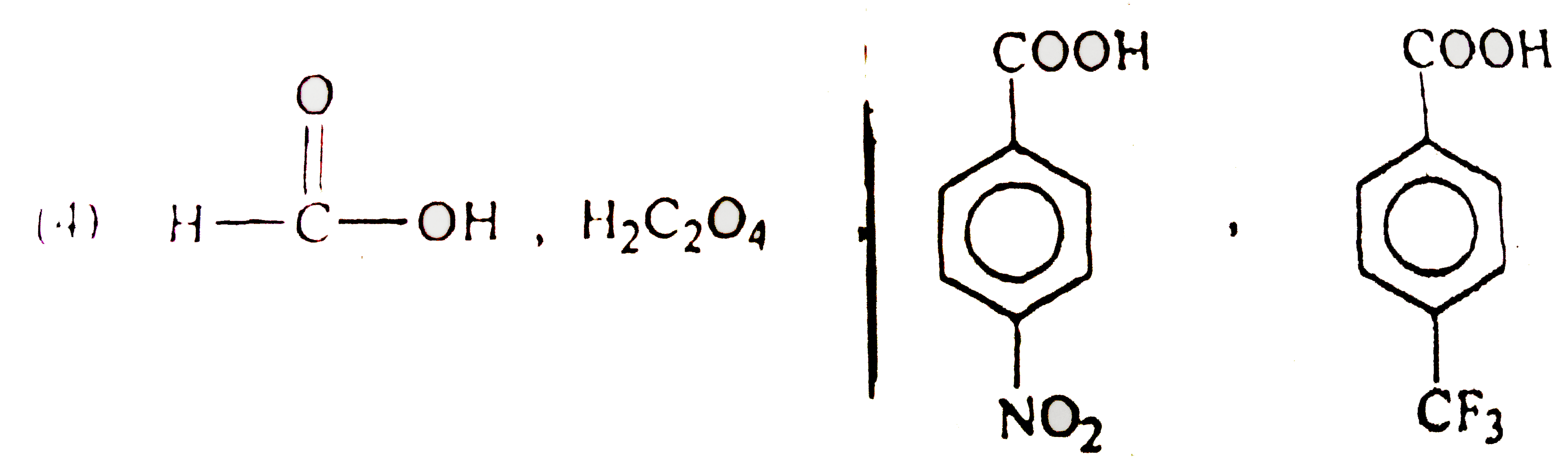
|
|
| 10. |
Find out no of compounds that gives positive iodoform test (either in cold or hot condition) (A) H_(3)C-underset(O)underset(||)(C)-CH_(2)-CH_(3) (B) I_(3)C-underset(O)underset(||)(C)-CH_(2)-CH_(3) (C) CH_(3)-underset(OH)underset(|)(C)-CH_(2)CH_(3) (D) CH_(2) l -underset(OH)underset(|)(CH)-CH_(2)CH_(3) (E) CH_(3)CH_(2)OH |
|
Answer» |
|
| 12. |
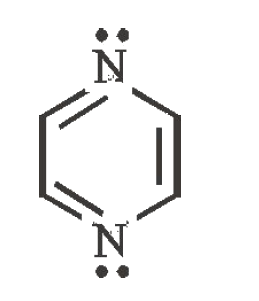
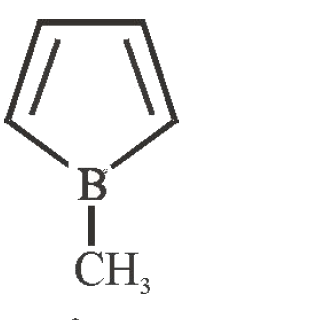
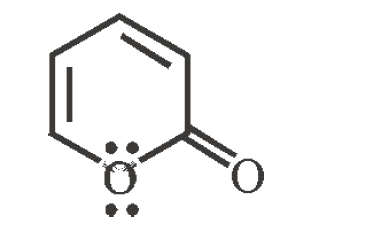
Find out number of aromatic compounds or ion from following . |
Answer» 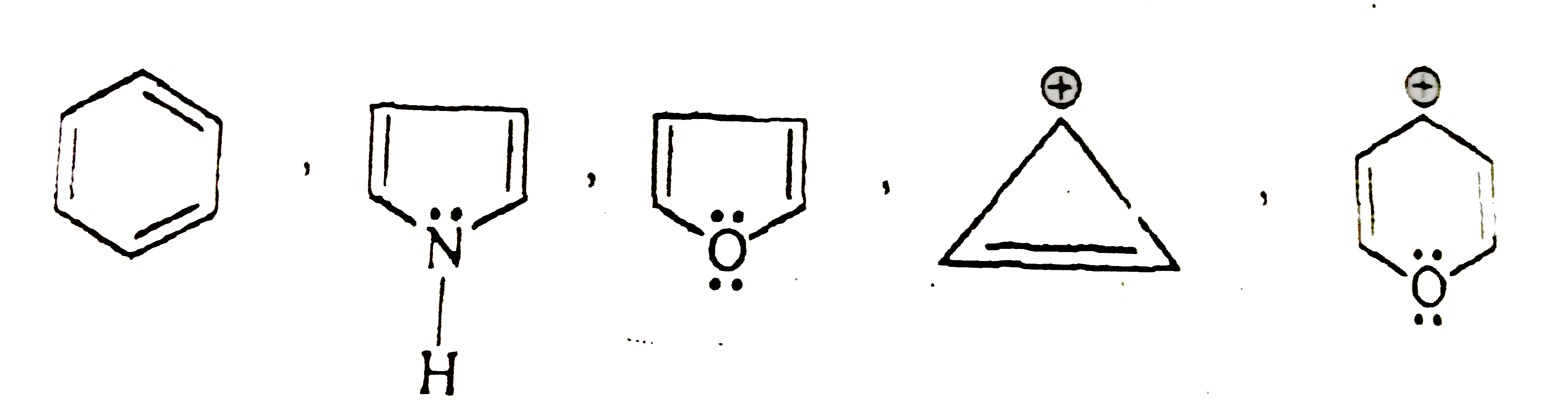
|
|
| 13. |
Find out number of benzylic hydrogen in |
|
Answer» |
|
| 14. |
Find out no of correct statements (A) N_(2)gtN (Ist ionization Energy) (B) O_(2)gtO (Ist Ionization Energy) (C) H_(2)gtH (Ist ionization Energy) (D) N_(2)^(+)gtN_(2)^(-) (Stability) (E) O_(2)gtO (Ist Electron affinity) (G) Na_(2)CO_(3)gtLi_(2)CO_(3) (Thermal stability) (H) NO of co-ordinate bond in P_(4)O_(10) is 4 (I) No of pi bond in P_(4)O_(8) is 2 |
|
Answer» INCORRECT statements `B,E,F` |
|
| 15. |
Find out normality of the solution prepasred by dissolving 9.8 gram H_(2)SO_(4) to 500 mL solution ? |
|
Answer» `4.0` W = 9.8 gram M = 98 gram/mole `E=("49 gram")/("eq. WT.")` Normality `(N)=(1000xx W)/(E xx V)` `= (1000xx9.8)/(49xx500)=0.4 N` |
|
| 16. |
Find out mole fraction of methanol in 5.2 m solution of methanol. |
|
Answer» |
|
| 17. |
Find out no of compound which has non zero Dipole moment |
Answer»  `A,B,C,D,E,F,H,I` have NONZERO dipole moment |
|
| 18. |
Find out mole fraction of glycerine, in solution of 46 gm of glycerine and 36 gm water. |
|
Answer» |
|
| 19. |
Find out molar conductivity of AgCl at infinite dilution. Given, Lamda_(m)^(alpha)=133.4(AgNO_(3)),Lamda_(m)^(alpha)=149.9(KCl), Lamda_(m)^(alpha)=144.9" S "cm^(2)mol^(-1)(KNO_(3)). |
|
Answer» 140 S `cm^(2)mol^(-1)` `=133.4+149.9-144.9` =138 S `cm^(2)mol^(-1)` |
|
| 20. |
Find out mlarity of solution on addition of 200 mL of water in 500 mL of 0.2 M solution. |
|
Answer» 0.501 M `THEREFORE M=(100)/(700)=0.1428 M` |
|
| 21. |
Find out molarity of NO_(3)^(-) ions in solution when mixing 2 litre 3 M AgNO_(3) solution with 3 litre 1 M BaCl_(2) solution. |
|
Answer» 1.2 M 3 litre of `1 M BaCl_(2)` solution has 3 moles of `BaCl_(2)`. `2AgNO_(3)+BaCl_(2)rarr Ba(NO_(3))_(2)+2AgCl` From above reaction, it is CLEAR that 6 moles of `AgNO_(3)` is reacted with 3 moles of `BaCl_(2)` and PRODUCE 3 moles of `Ba(NO_(3))_(2)`. So in 5 litre solution total 6 moles of `NO_(3)^(-)` ions is produced. `therefore` Molarity of `NO_(3)^(-)` ions `= (6)/(5)=1.2` |
|
| 22. |
Find out molarity of solution when 0.01 mole substance is dissolved in its 10 mL aqueous solutions. |
|
Answer» |
|
| 23. |
Find out missing compound in following reaction CO_(2) + ? underset(H_(3)O^(+)) overset("dry ether") to R - COOH |
|
Answer» `R-X` |
|
| 24. |
Find out major product of following reaction: |
|
Answer»
|
|
| 25. |
Find out final product of the following reactionButan-2-one + NH_(2) -OH to A overset([O])to B |
|
Answer»
|
|
| 26. |
Find out maximum number of geometrical isomers theoritically possible for an actaheral complex of formula [Pt(en)(NH_(3))_(2)Cl_(2)(en)^(+)] are |
| Answer» SOLUTION :For `[M(A-A)abcd]^(NPM)6` ISOMERS possible. | |
| 27. |
Find out in which option the order of reducing power is correct. |
|
Answer» `Cr^(3+) lt CL^(-) lt Mn^(2+) lt Cr` |
|
| 29. |
Find out final product of following reactions: |
|
Answer» |
|
| 30. |
Find out final product in the following reaction. CH_(3) - overset(overset(CH_(3))(|" "))(CH) - COOH overset(LiAiH_(4)" ")(rarr)A overset("PCC")(rarr)B overset((i)NH_(2)-NH_(2))underset( (ii) KOH)(rarr) C |
|
Answer» `CH_(3) - overset(overset(CH_(3))(|" "))(CH) - CH= NOH` |
|
| 31. |
Find out final product of following reactions: |
|
Answer» |
|
| 32. |
Find out final product in following reaction C_(2)H_(6) + Br_(2) overset(AlBr_(3)" ") (rarr) A overset( "KCN ") (rarr) B overset(SnCl_(2)+HCl " ")underset(H_(3)O^(+))(rarr) |
|
Answer» `CH_(3) - CH_(2)-CH_(3)` |
|
| 37. |
Find out correct statement/s. |
|
Answer» All chiral centers are stereogenic centers. |
|
| 38. |
Find out crystalline allotrophic form of sulphur? |
|
Answer» `GAMMA-` SULPHUR |
|
| 39. |
Find out correct statement regarding resonance energy : |
|
Answer» It is equal energy of RESONANCE HYBRID |
|
| 40. |
Find out correct sequence of reagents for following conversion: PH-overset(O)overset("||")C-OH rarrPh-overset(O)overset("||")C-H |
|
Answer» `PCl_(5),CH_(3)MgBr` |
|
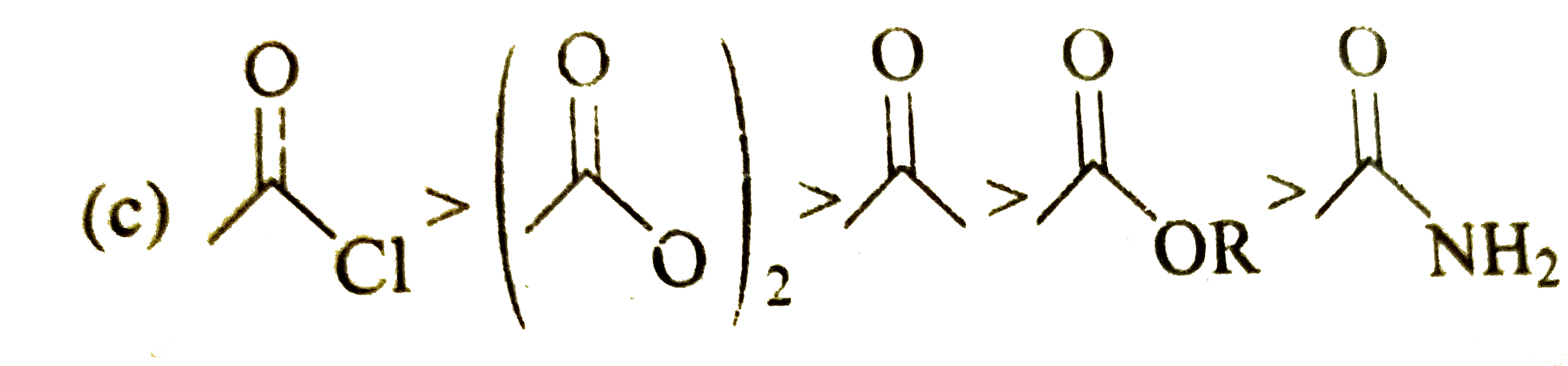
| 41. |
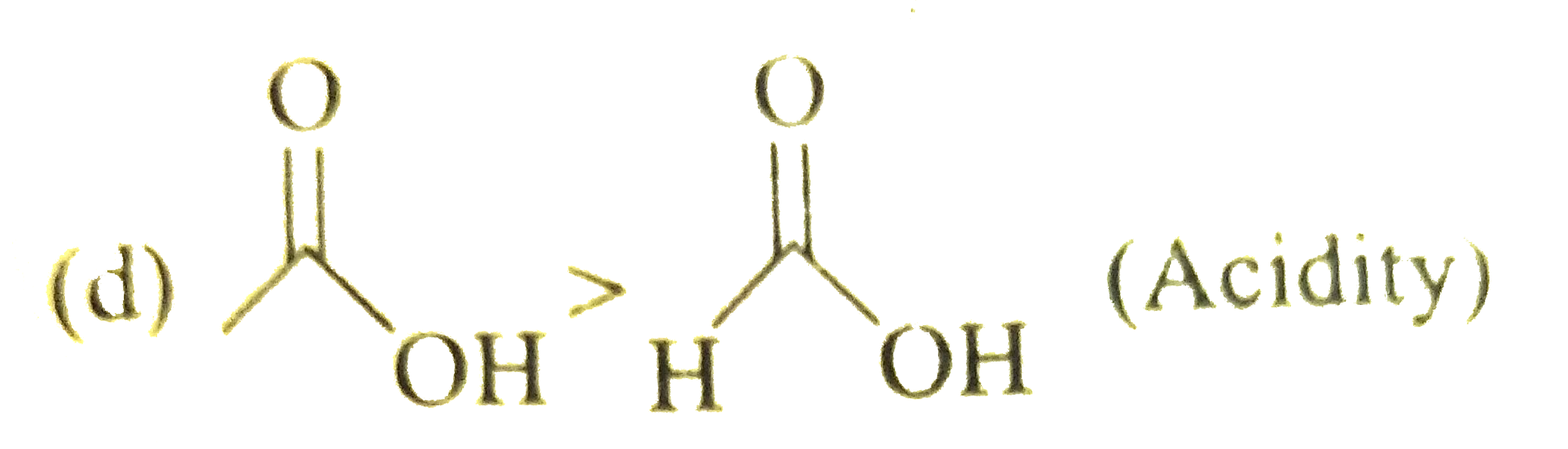
Find out correct orders : |
|
Answer»
|
|
| 42. |
Find out correct reducing agent in following conversion. CH_3-CH_2-CH_2-COOH to CH_3-CH_2-CH_2-CH_2-OH |
|
Answer» `H_2+Ni` |
|
| 43. |
Find out 'B' in the following reaction. C_(2)H_(6) overset(Cl_(2)) to Aoverset(CH_(3)-overset(CH_(3)) overset(|)(CH)-ONa) toB |
|
Answer»
|
|
| 44. |
Find out correct IUPAC name of complex compound |
|
Answer» Triamminetricyanidochromium(III)hexanitrito-N-irridate(III) Pentaamminecyanidochromium(III)hexanitrito-N-irridate(III). |
|
| 45. |
Find out correct combination of 'A' : |
|
Answer» `C_(2)H_(5)overset(Theta)O,Cl-overset(O)overset("||")C-OC_(2)H_(5)` |
|
| 46. |
Find out (B) in the following reaction C_3H_8+Br_2 overset(AlBr_3)to (A) overset(Aq. KOH)to (B) |
|
Answer» `CH_3-CH=CH_2` |
|
| 47. |
Find out anti aromatic compound among the following :- |
|
Answer»
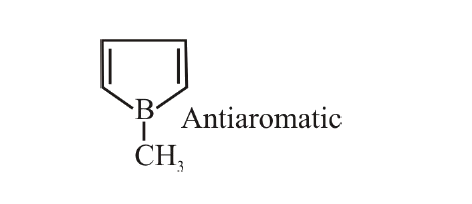
|
|
| 48. |
Find out 'A' in the followingreaction : CH_(3) - overset(NH_(2))overset(|)(CH) - CH_(3) overset(Zn + NH_(4)Cl)to ? |
|
Answer»
|
|
| 49. |
Find out (A) in the given reaction sequence: (A)overset(O_3//H_2O)rarr(B)overset(Delta)rarr2CH_3COOH+CO_2 |
|
Answer»
|
|
| 50. |
Find out A in the following reaction CH_(3) - CH = CH_(2) - NO_(2) overset(A) to CH_(3) - CHO + CH_(3) - CH_(2) - NO_(2) |
| Answer» Answer :B | |



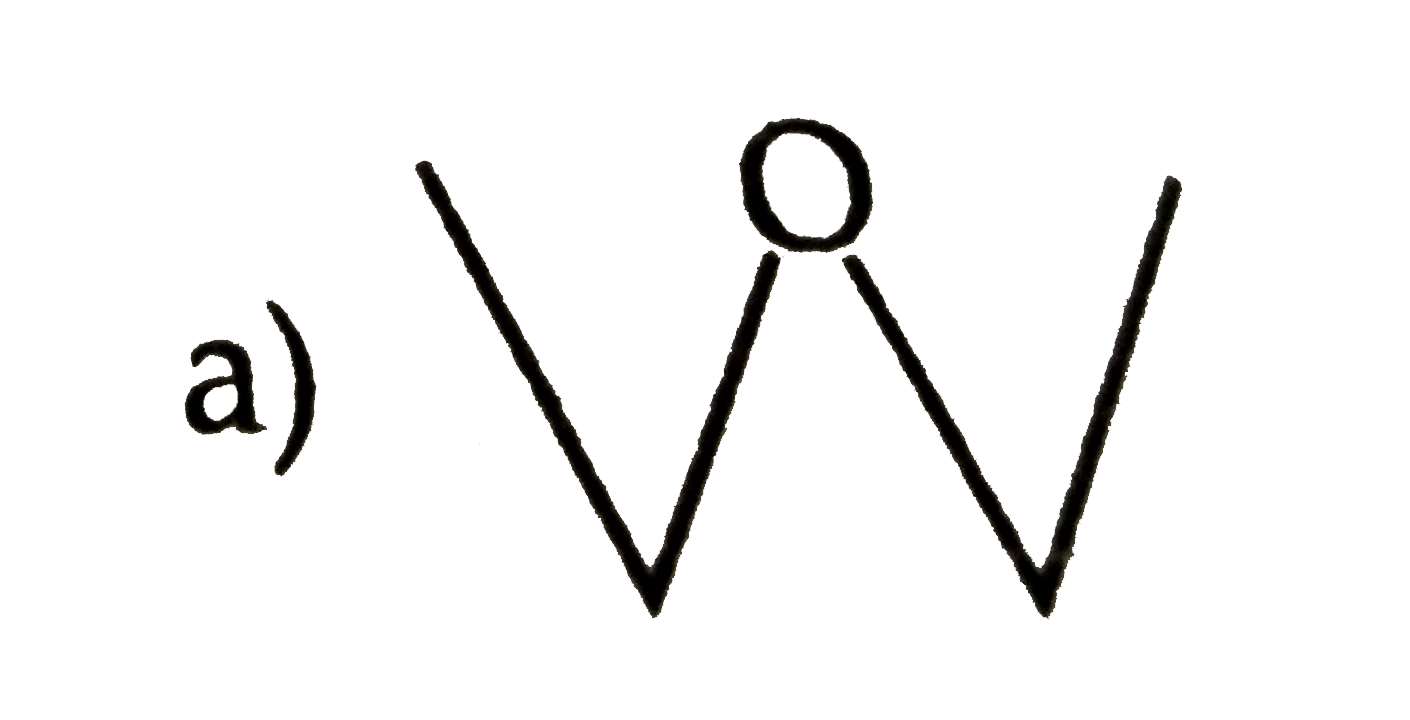
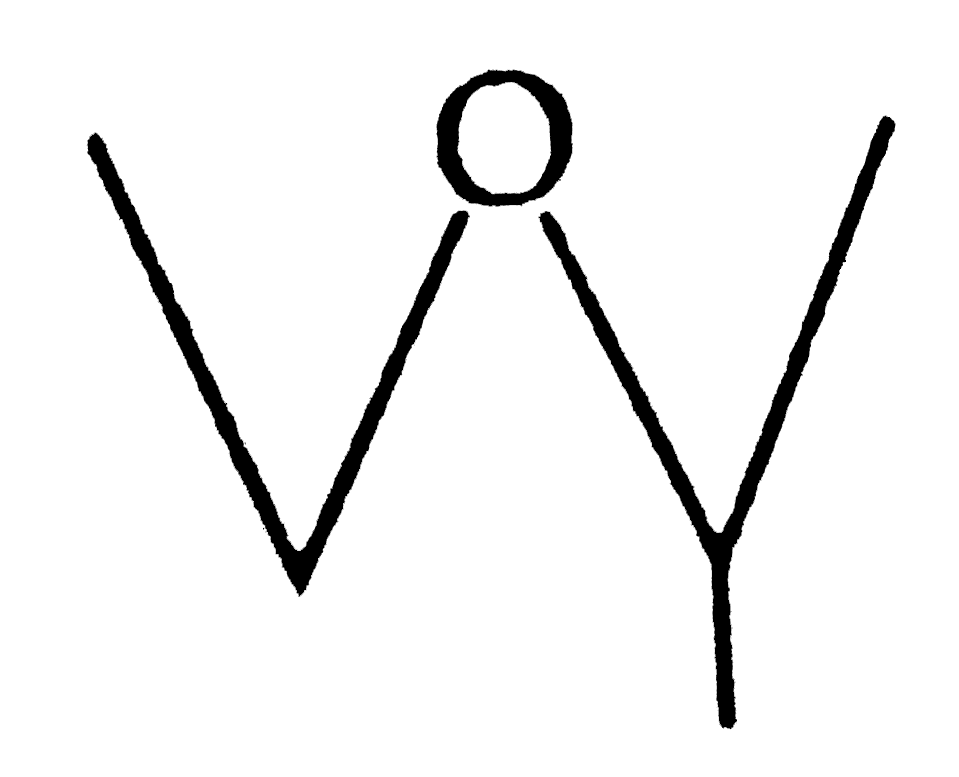
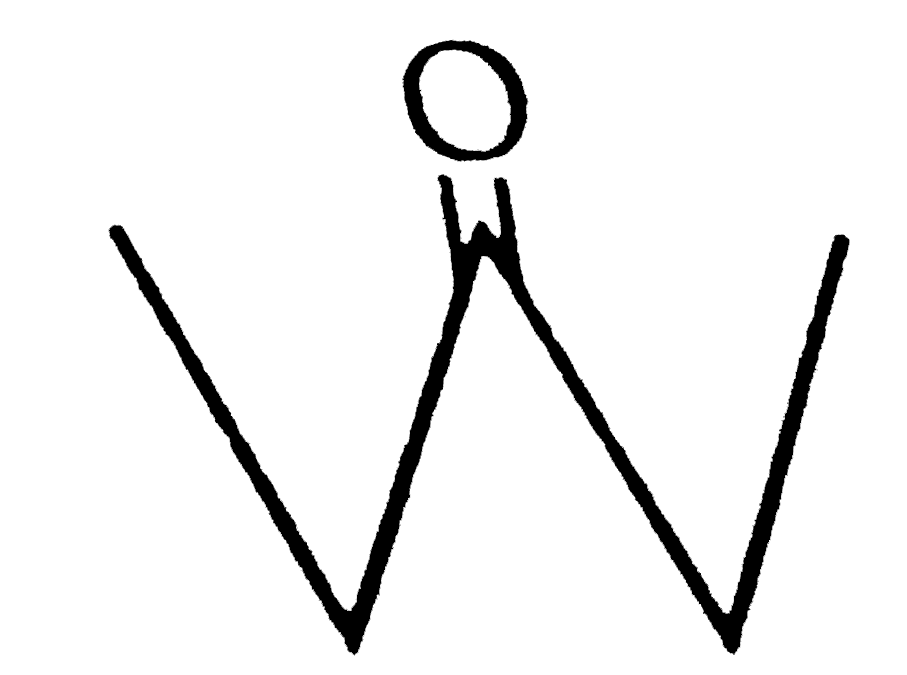
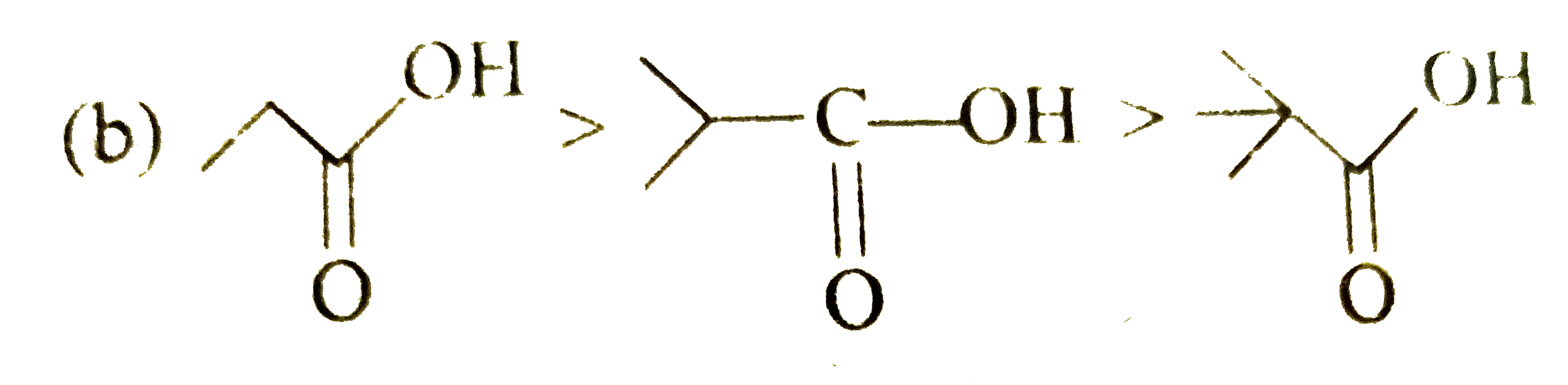 (Rate of esterification)
 (Rate of