Saved Bookmarks
This section includes 7 InterviewSolutions, each offering curated multiple-choice questions to sharpen your Current Affairs knowledge and support exam preparation. Choose a topic below to get started.
| 1. |
D -Glucose shows mutarotation because, |
|
Answer» it is dextrorotatory |
|
| 2. |
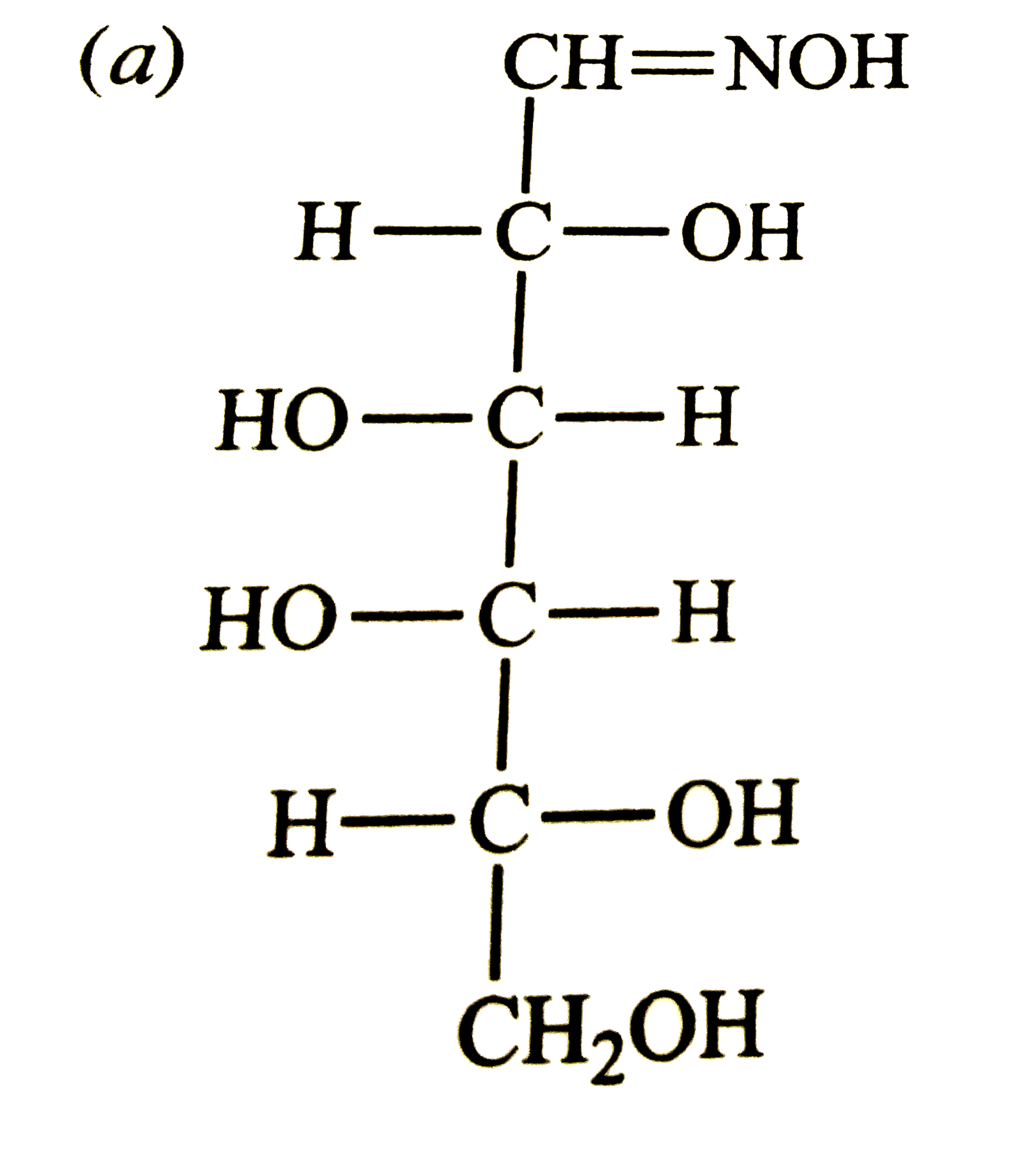
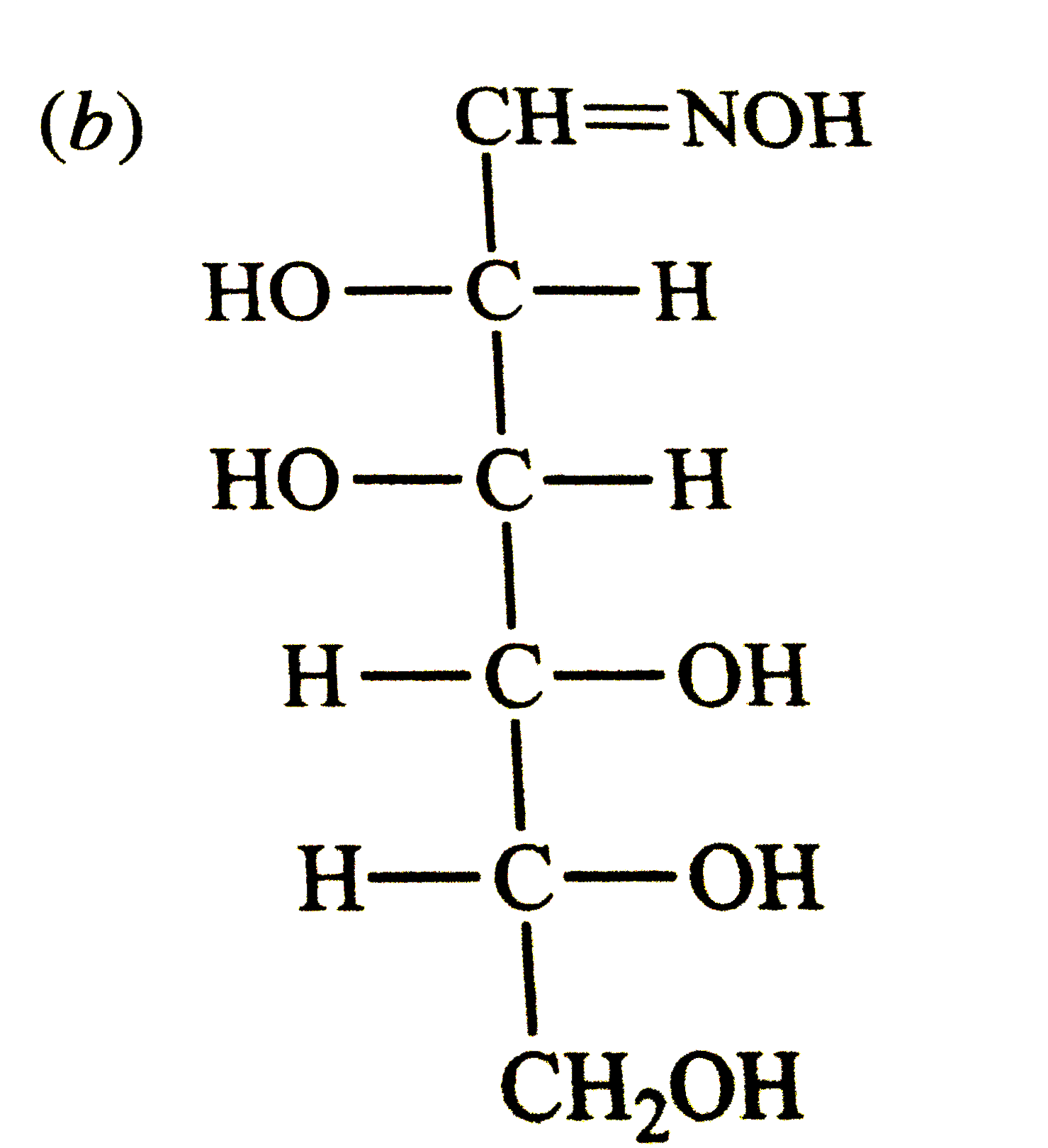
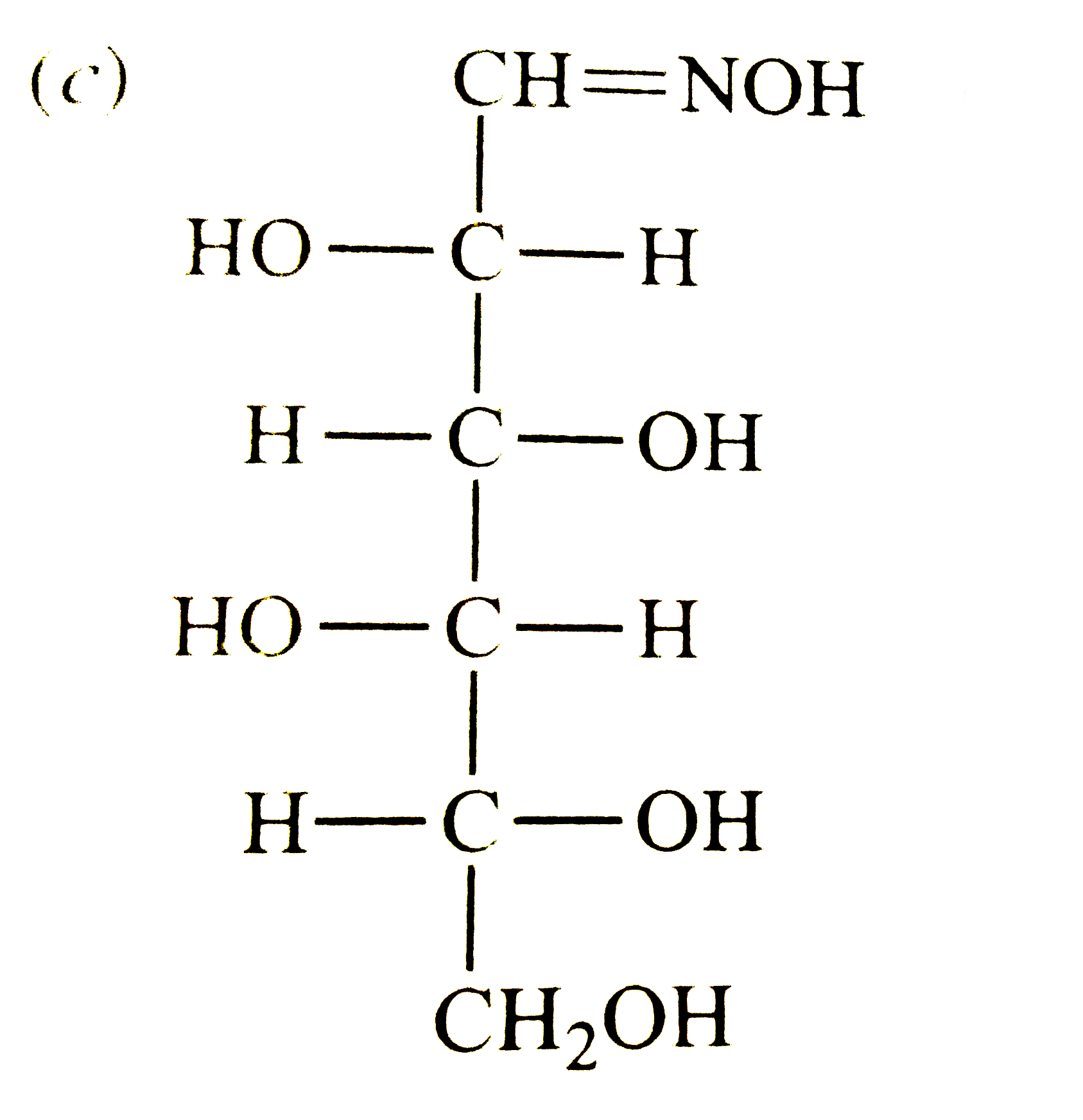
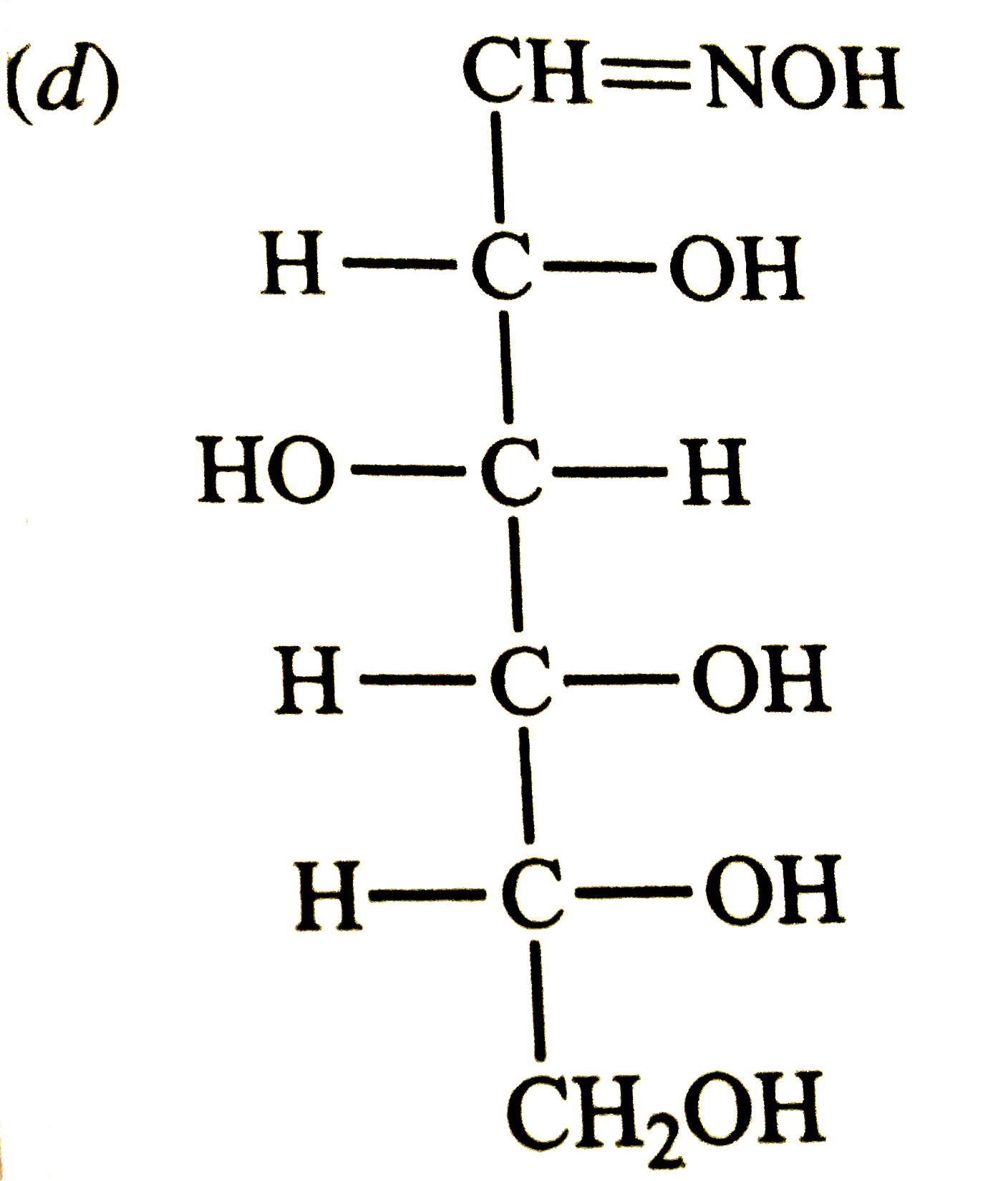
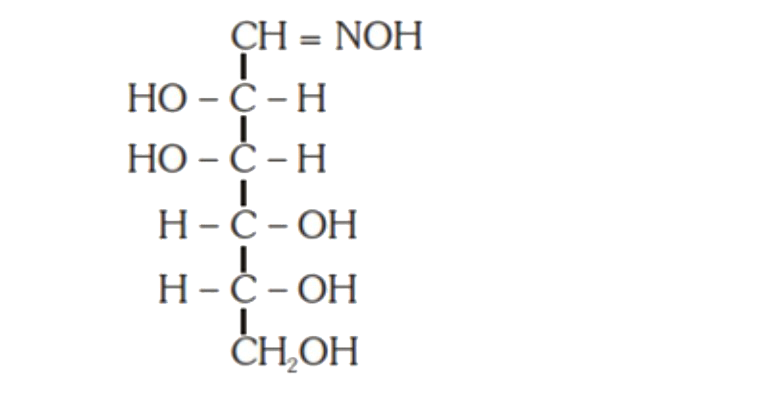
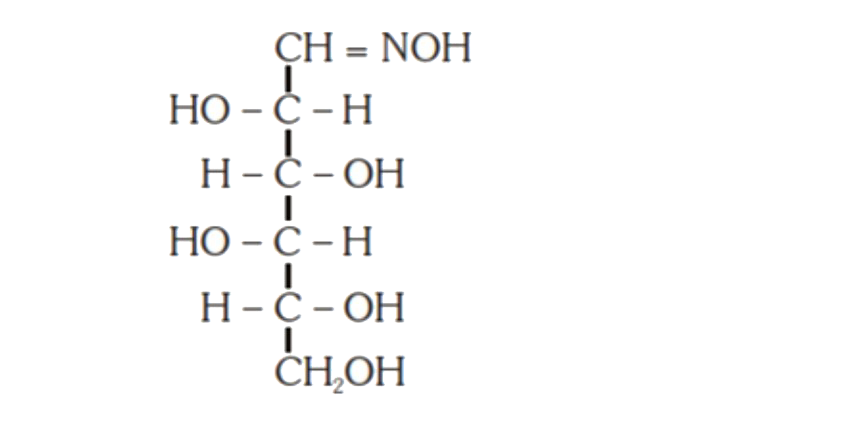
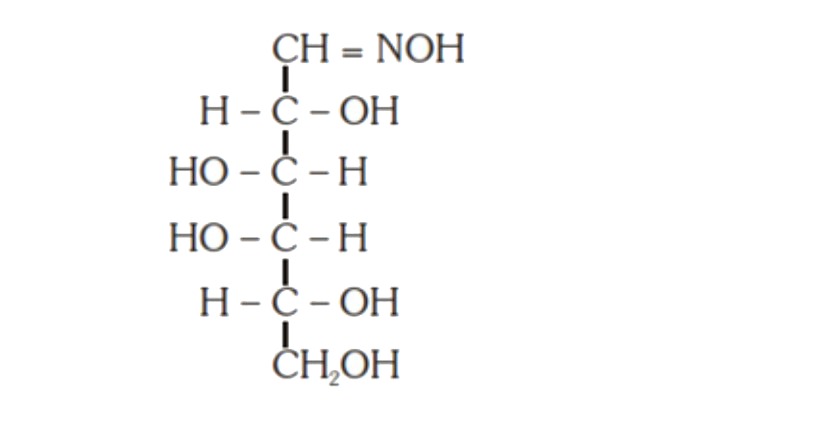
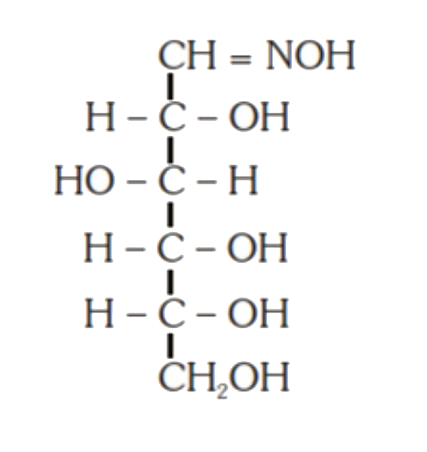
D(+) -glucose reacts with hydroxylamine and yields on oxime. The structure of the oxime would be |
|
Answer»
|
|
| 3. |
D-Glucose shows muta rotation between |
|
Answer» it is dextrarotatory |
|
| 4. |
D(+) glucose reacts with hydroxylamine and yields an oxime. The structure of the oxime would be |
|
Answer»
|
|
| 5. |
D(+)glucose reacts with hydroxylamine and yields an oxime. The structure of the oxime would be : |
|
Answer»
|
|
| 6. |
D-glucose overset("Reagent")rarr D-gluconic acid. This reagent can be : |
|
Answer» Schiff's reagent <BR>FEHLING solution |
|
| 7. |
D(+) - glucose overset(5(CH_(3)CO)_(2)O)to D(+) glucose pentaccetate. Whichof the followingstatementis trueabout theproduct ? |
|
Answer» It will reduce Tollens' reagent. 
|
|
| 8. |
D-Glucose and D-Galactose are …………………… |
|
Answer» C2 epimers D-Glucose and D-Galactose differs in the POSITION of -OH group at C4 only. |
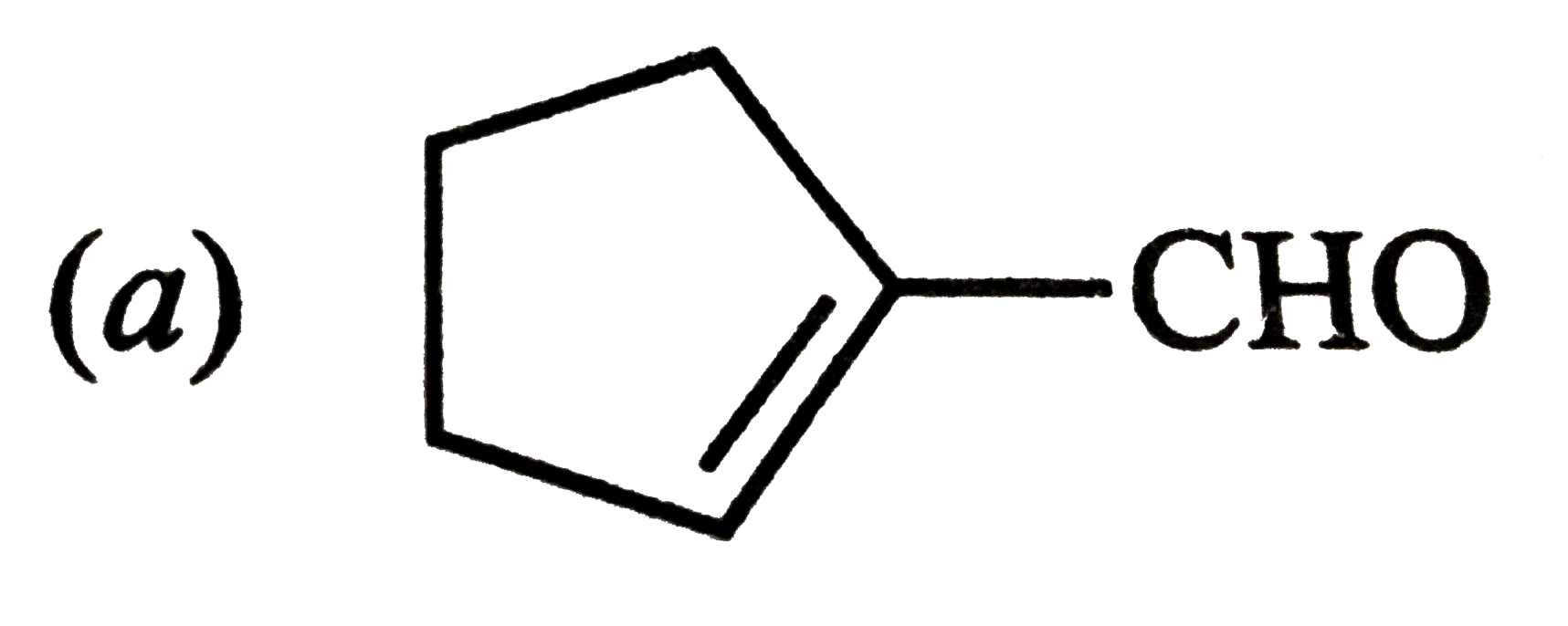
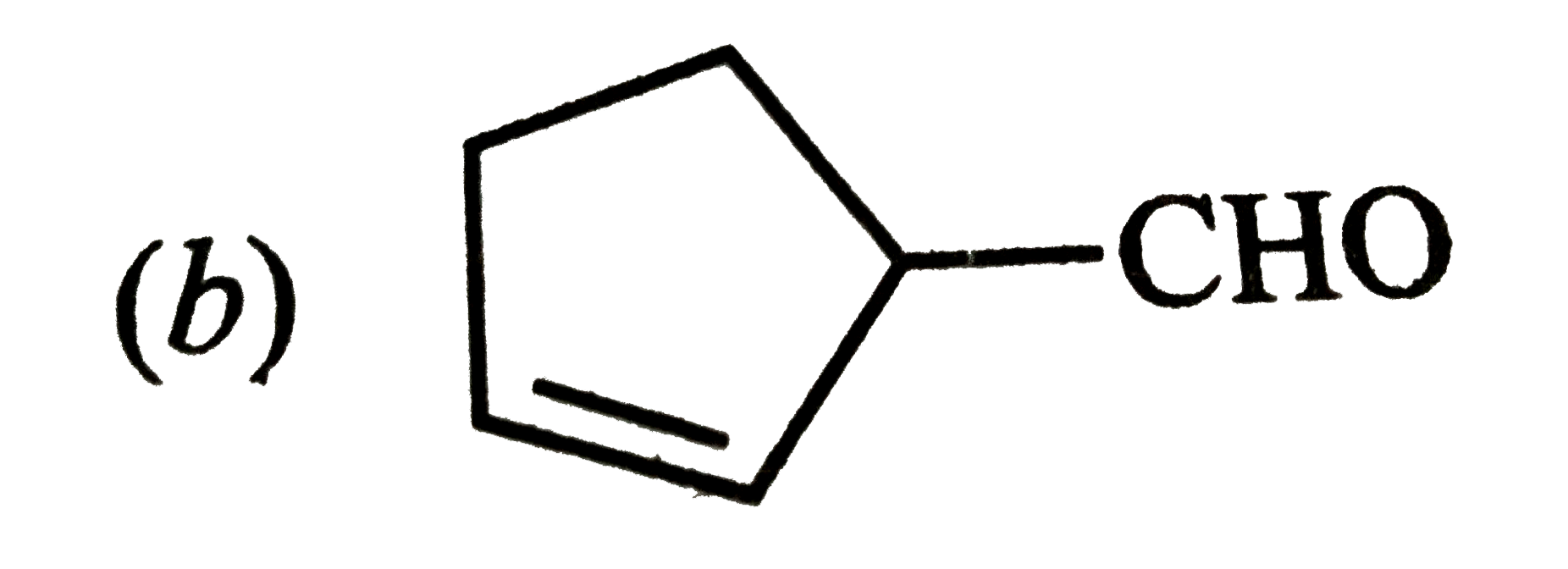
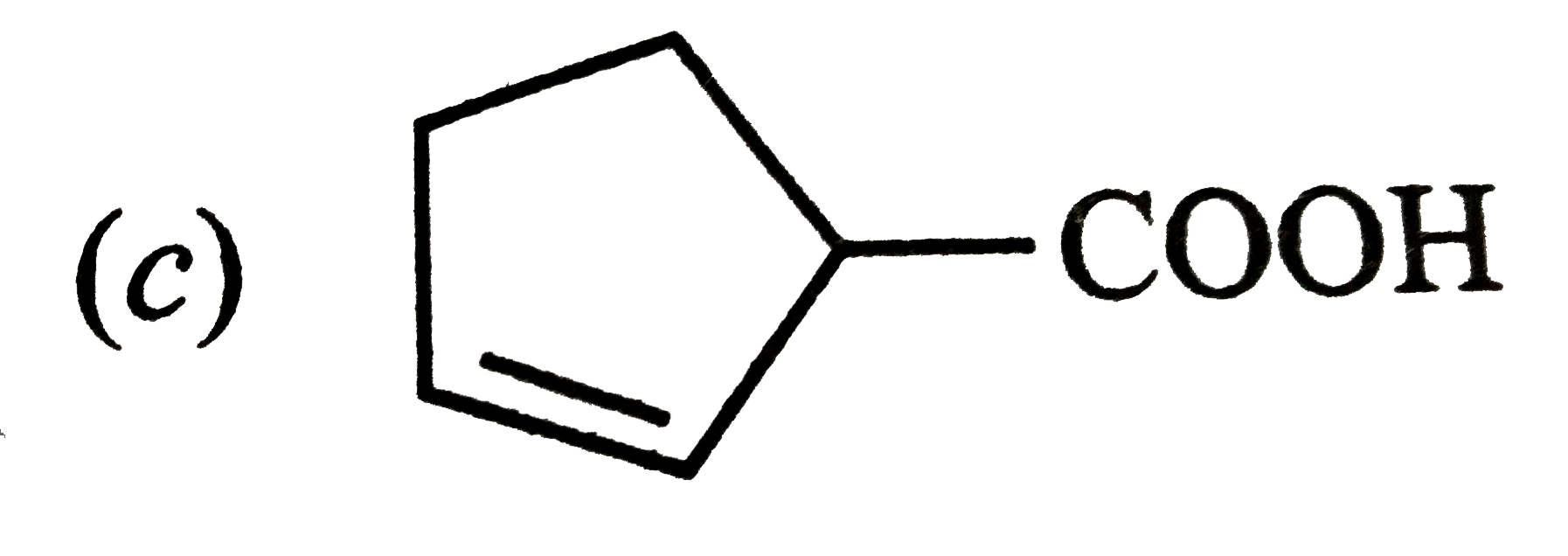
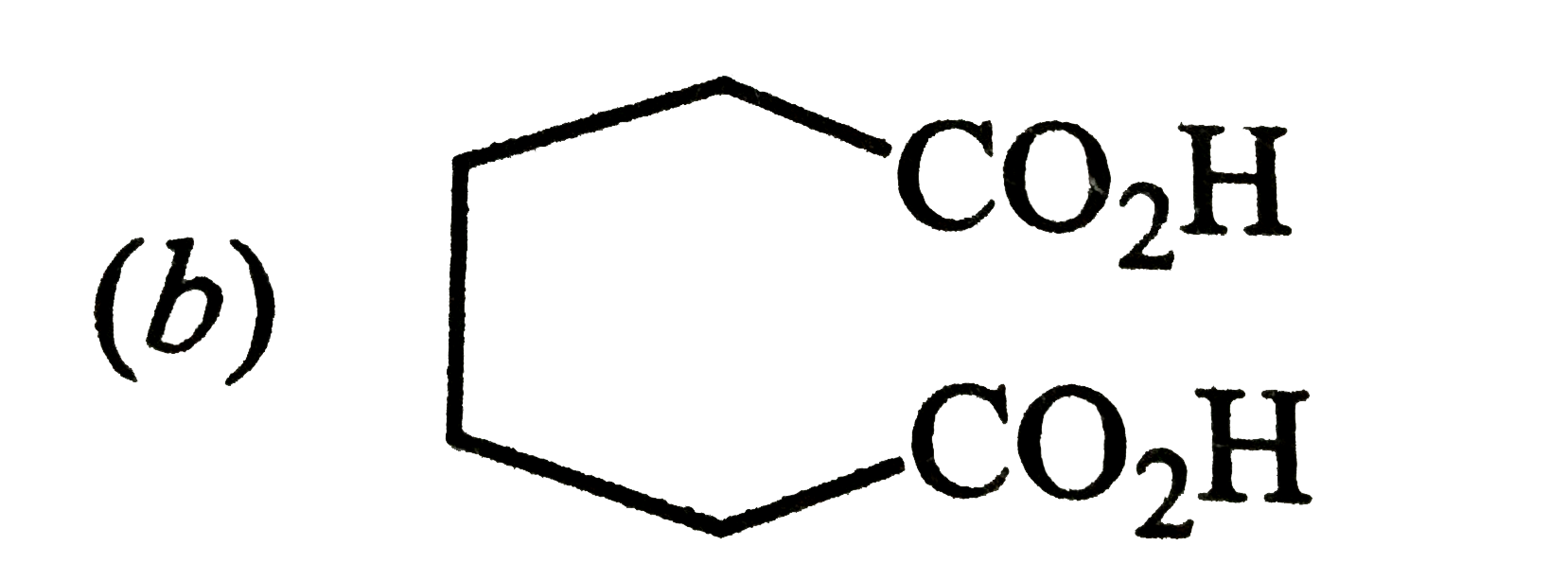
|
| 9. |
D-glucose & D-fructose can be differentiated by : |
|
Answer» FEHLING SOLUTION |
|
| 10. |
(d) Estimation of phosphorous: A known mass of compound is heated with fuming HNO_(3) or sodiumperoxide (Na_(2)O_(2)) in Carius tube which converts phosphorrous to H_(3)PO_(4) . Magnesia mixture (MgCl_(2) + NH_(4)Cl) is then added, which gives the precipitate of magnesium ammonium phosphate (MgNH_(4).PO_(4)) which on heatinggives magnesium pyrophosphate (Mg_(2)P_(2)O_(7)) , which is weighed. 0.124 gm of an organic compound containing phosphorus gave 0.222 gm of Mg_(2)P_(2)O_(7) by the usual analysis . Calculate the percentage of phosphorous in the compound (Mg=24, P=31) |
|
Answer» 25 |
|
| 11. |
(d) Estimation of phosphorous: A known mass of compound is heated with fuming HNO_(3) or sodiumperoxide (Na_(2)O_(2)) in Carius tube which converts phosphorrous to H_(3)PO_(4) . Magnesia mixture (MgCL_(2) + NH_(4)Cl) is then added, which gives the precipitate of magnesium ammonium phosphate (MgNH_(4).PO_(4)) which on heatinggives magnesium pyrophosphate (Mg_(2)P_(2)O_(7)) , which is weighed. An organic compound has 6.2 % of phosphorus. On sequence of reaction, the phosphorous present in 10 gm of organic compound is converted of Mg_(2)P_(2)O_(7) . Find the weight of Mg_(2)P_(2)O_(7) formed. |
|
Answer» 2.22 gm |
|
| 12. |
d-block elements readily form complexes. Give reason. |
|
Answer» Solution :(i) Transition elements (d-block elements) have a tendency to FORM coordination compounds (complexes) with a species that has an ability to donate an electron pair to form a coordinate covalent bond. (ii) Transition metal ions are small and highly CHARGED and they have vacant low ENERGY orbitals to accept an electron pair donated by other groups. Due to these properties, transition metals form large number of complexes. (iii) Examples: `[Fe(CN)_(6)]^(4-), [Co(NH_(3))]^(3+)` |
|
| 13. |
d-block elements of periodic table consists of |
| Answer» Answer :D | |
| 14. |
d-block elements generally form: |
|
Answer» COVALENT hydrides |
|
| 15. |
d-block elements form complex compounds, Give reason. |
|
Answer» Solution :(i) Transition metal ions have smaller SIZE and greater positive charge. Hence their polarizing power is high. POLARISING power `= ("charge")/("size")` DUE to high polarizing power, d-block metal ions can attract electrons of the ligands to form co ordinate bonds. (II) d-block metal ions have vacant d-orbitals that can overlap with the orbital of the ligands. |
|
| 16. |
D-block elements form co-ordination compounds. Give reasons. |
|
Answer» Solution : (a) SMALL size of metal ions (b) High IONIC charges (c) AVAILABILITY of d-orbitals |
|
| 17. |
d -block elements form alloys easily because they have |
|
Answer» same NUMBER of shells |
|
| 18. |
d-block elements can act as catalysts due to their ability to |
|
Answer» EXHIBIT variable oxidation STATES |
|
| 19. |
Name two important compounds of transition elements. |
| Answer» SOLUTION :`KMnO_4,K_2Cr_2O_7` | |
| 20. |
d- block elements belong to groups 3-12 in the periodic table, in which the d-orbitals are progressively filledWhat is misch-metal? |
| Answer» Solution :Misch METAL is an alloy of`95%` lanthanoids and` 5% `IRON and traces of S, C, CA and Al | |
| 21. |
Lanthanides and actinoids are f-block elementsWhat is the common oxidation state of lanthanoids? |
| Answer» Solution :The COMMON OXIDATION STATE of the metals OFTHE .ScZ series is `+2` | |
| 22. |
d-block elements are called transition elements. Justify this statement. |
|
Answer» SOLUTION :(i) d-block elements occupy the central position of the periodic table, between s and p block elements. (ii) Their PROPERTIES are transitional between HIGHLY reactive metals of s-block and elements of p-block which are MOSTLY non-metals. That is why d-block elements are called transitional elements. |
|
| 24. |
d-block elements are called ul("inner-transition elements.") |
|
Answer» REPRESENTATIVE ELEMENTS |
|
| 25. |
d-block elements are called |
| Answer» SOLUTION :TRANSITION | |
| 26. |
d- and l-forms of an optically active compound differ in_________. |
|
Answer» BOILING points |
|
| 27. |
d-block elements are also called........metals. |
| Answer» SOLUTION :TRANSITION | |
| 28. |
D-Alanine differs from L - Alanine with respect to |
|
Answer» configuration |
|
| 29. |
A solution of (+)-2-chloro-2-phenyl ethane in toluene racemises slowly in the presence of small amount of SbCl_(5), due to the formation of: |
|
Answer» Carbanion |
|
| 30. |
D-2-deoxyglucose and D-3-deoxyglucose differ in |
|
Answer» latter gives OSAZONE with phenyl hydrazine. |
|
| 31. |
Cytosine, Thymine and Uracil are similar with respect to |
|
Answer» `C=O` at 2nd POSITION in pyrimidine ring |
|
| 32. |
Cylindrical shape of an alkyne is due to |
|
Answer» THREE `sigma`-bonds |
|
| 34. |
Cyclopropane rearranges to form propene Delta to CH_(3) - CH = CH_(2) This follows first order kinetics . The rate constant is 2.714 xx 10^(-3) sec^(-1) . The initial concentration of cyclopropane is 0.29 M . What will be the concentration of cyclopropane after 100 sec . |
|
Answer» 0.035 M (a-x) is the concentration LEFT after 100 sec . `2.7 xx 10^(-3) = (2.303)/(100) "log" (0.29)/((a-x))` `IMPLIES (a - x) = 0.22 M`. |
|
| 35. |
Cyclopropane is one of the products in which of the following reaction(s)? |
|
Answer» `BrCH_2CH_2CH_2Br+Znrarr` |
|
| 36. |
Cyclopropane and oxygen at partial pressure of 170 and 570 torr respectively are mixed in a gas cylinder . The ratio of the number of moles of cyclopropane to the number of moles of oxygen is |
|
Answer» `0.190` `( 170)/( 570) = 0.30` |
|
| 37. |
Cyclopentyl bromide is reacted withNaI in dry acetone gives |
|
Answer» cylopentyl SODIUM iodide |
|
| 38. |
Cyclopentene on treatment with alkaline KMnO_4 gives |
|
Answer» Cyclopentanol 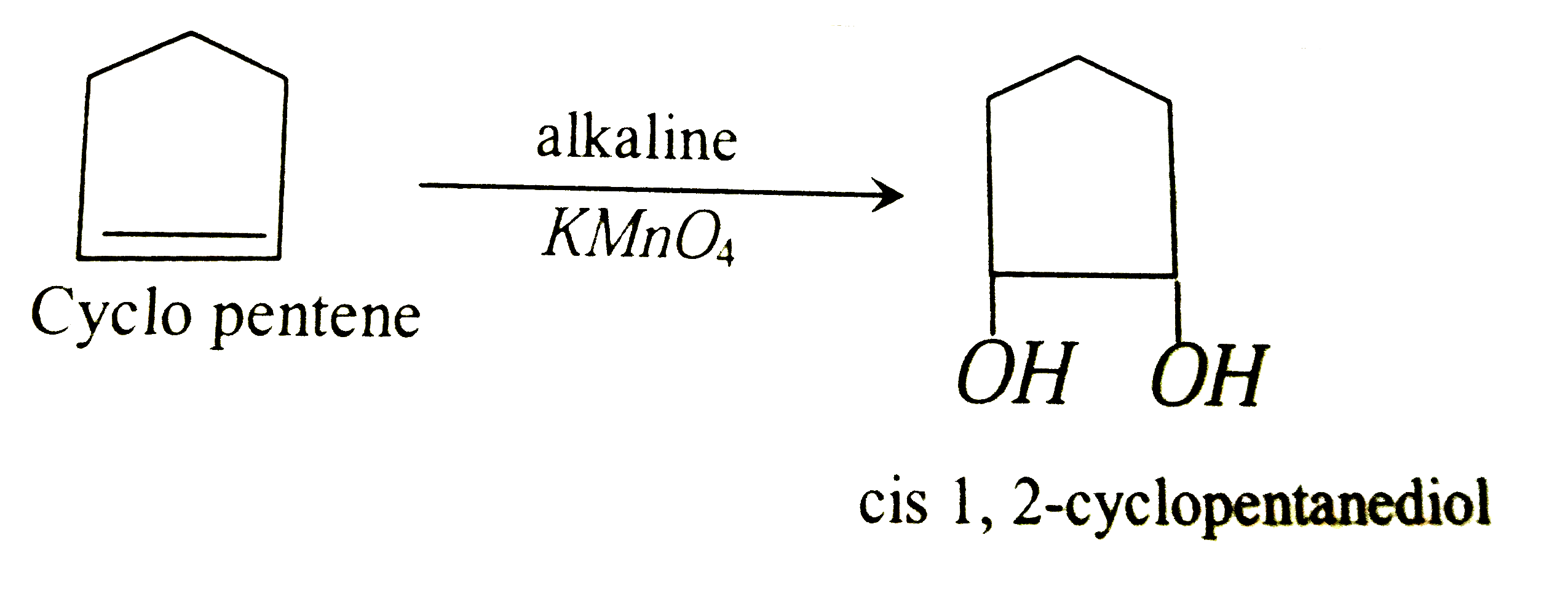
|
|
| 39. |
Cycloocta -1,3,5,7- tetrane (A), a non-armatic compound reacts with 2 molpotassium to from a stable compound (B) without producing. H_(2). Write the structure of (B) and explain the reason for its stability. |
Answer» SOLUTION :Potassium metal `(K)` GIVES two `oveline(e)'s` to the cylcoo-ctatertranceto from cycloctanetrenyl dianion, which has ``10 overline(e)'s` system, FOLLOWS `(4N + 2)` RULE`(n = 2)` assumes plannarity, and becomes aromatic and hence more stable. 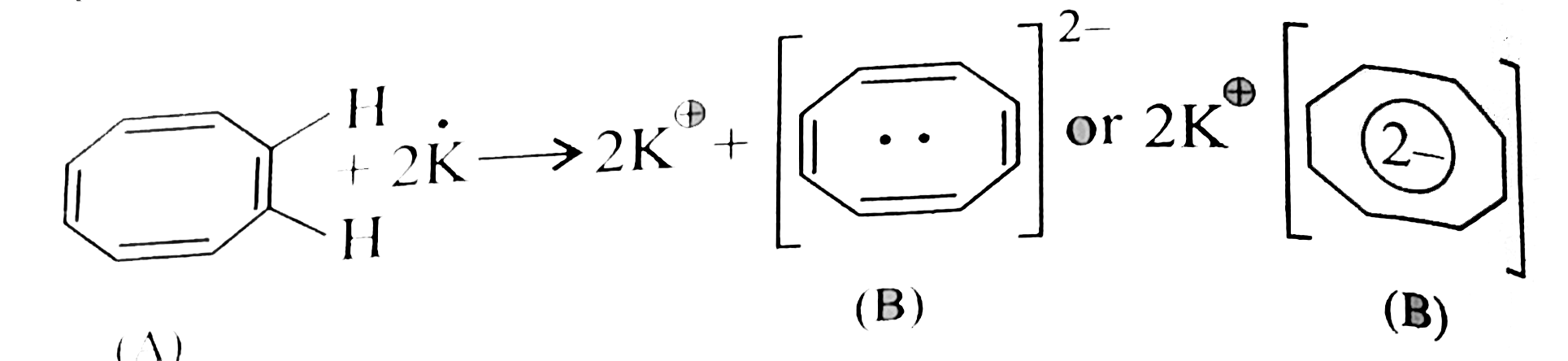
|
|
| 40. |
Cyclopentanol on reaction with NaH followed by CS_(2) and CH_(3)I produces a/an |
|
Answer» ketone 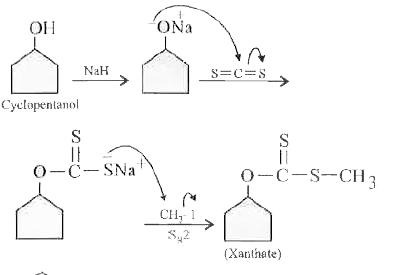
|
|
| 41. |
cyclohexeneunderset("Monohalogenetion ")overset(CI_2 //hv ) to Aoverset(alc KOH ) to B underset((2)Zn //H_2 O) overset( (1)O_3) toproducts. Thefinalproductin thereactionsequenceabove |
|
Answer» Butandial&GLYOXAL 
|
|
| 42. |
Cyclohexene to adipic acid |
Answer» SOLUTION :CYCLOHEXENE to ADIPIC ACID : 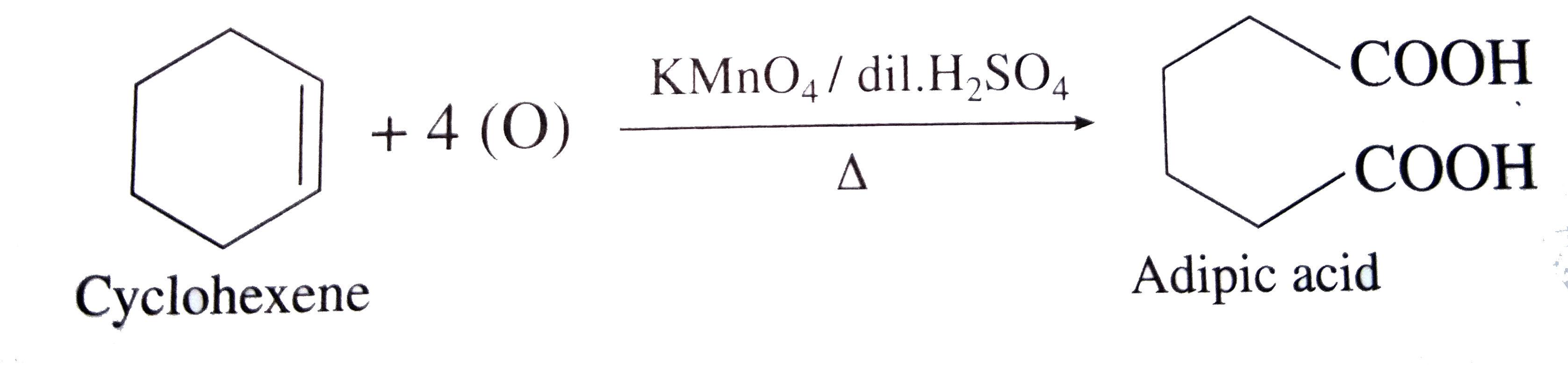
|
|
| 43. |
Cyclohexene reacts with cold dilute alkaline KMnO_4 to yield |
|
Answer» cis-1,2-cyclohexanediol |
|
| 44. |
Cyclohexene on reaction with OsO_4 followed by reaction with NaHSO_3 gives |
|
Answer» Cis-diol 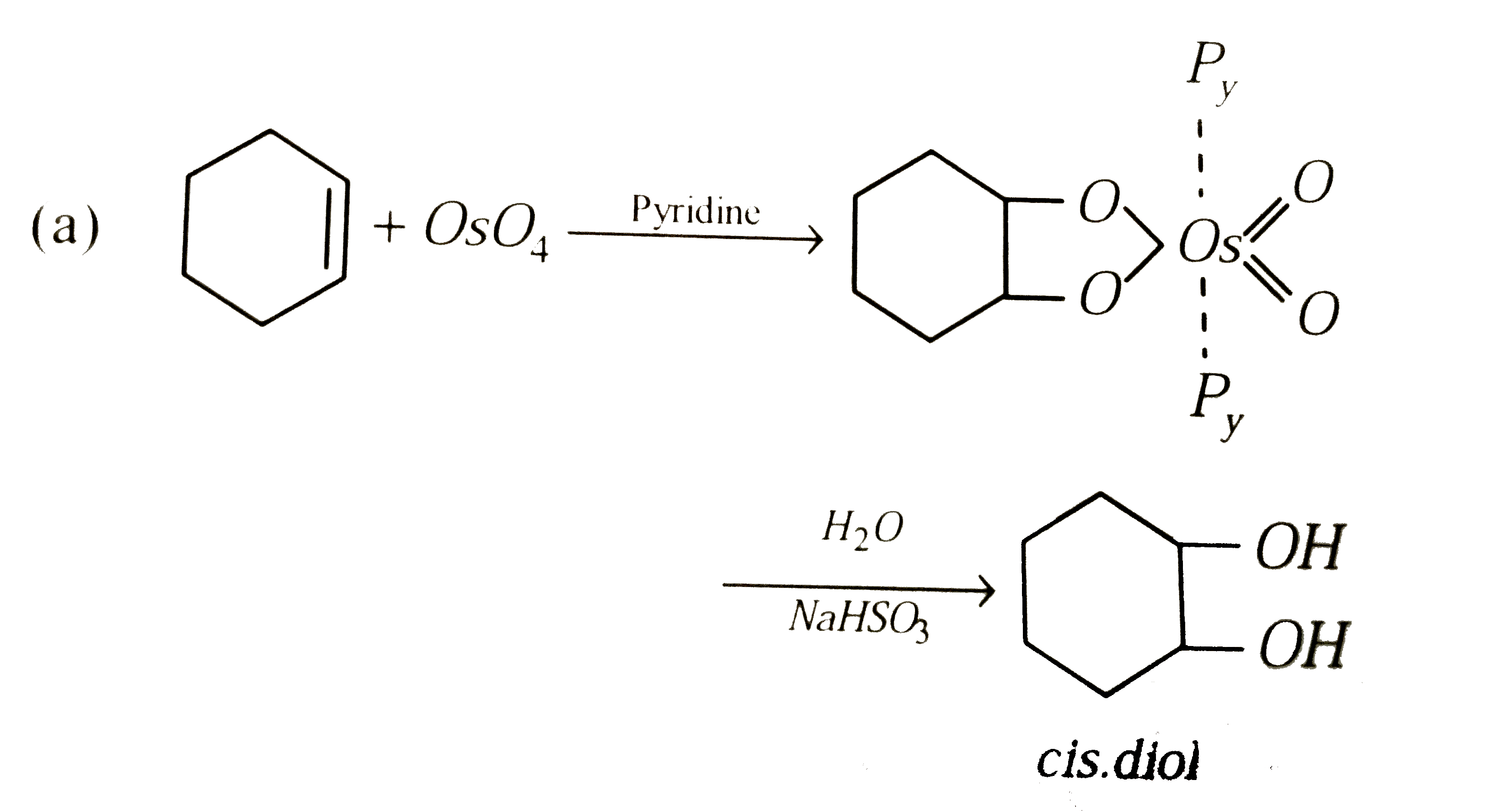
|
|
| 45. |
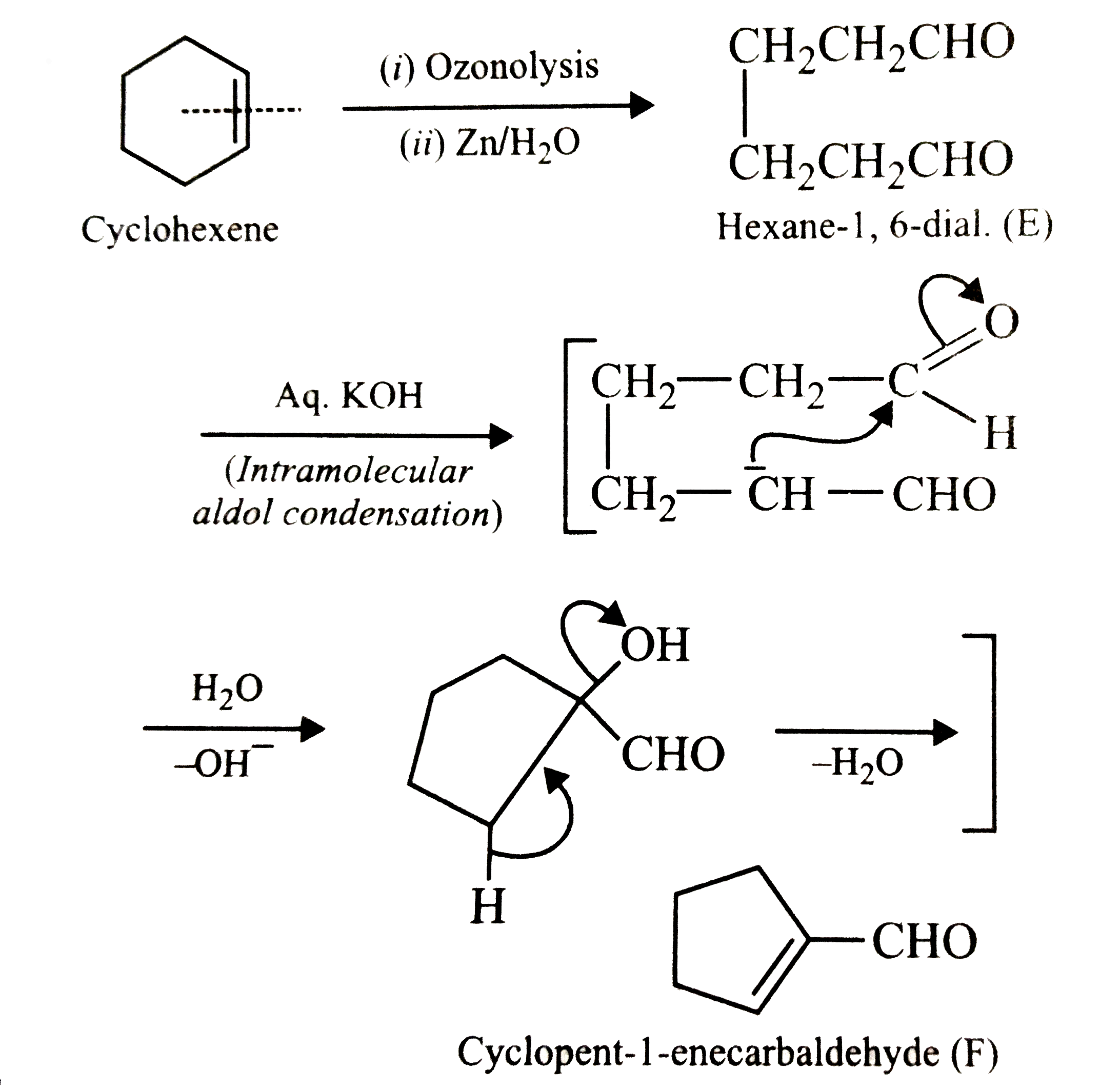
Cyclohexene on ozonolysis followed by reaction with zinc dust and water gives compound E. compound E on further treatment with aqueous KOH yields compound F. compound F is |
|
Answer»
|
|
| 46. |
Cyclohexene on ozonolysis followed by reaction with zinc dust and water gives compound E Compound E on further treatment with aqueous KOH yields compound F. Compound F is |
|
Answer»

|
|
| 47. |
Cyclohexene is best prepared from cyclohexanol by which of the following reagents: |
|
Answer» conc. `H_(3)PO_(4)` |
|
| 48. |
Cyclohexene is best prepared from cyclohexanol by which of the following ? |
|
Answer» `"CONC." H_(3)PO_(4)` |
|
| 49. |
Cyclohexanoyl chloride on reduction by poisoned catalyst gives |
|
Answer» benzaldehyde |
|