

Saved Bookmarks
This section includes 7 InterviewSolutions, each offering curated multiple-choice questions to sharpen your Current Affairs knowledge and support exam preparation. Choose a topic below to get started.
| 1. |
Complete the following chemical equation - HgCl_(2)+PH_(3)rarr |
|
Answer» <P> Solution :`3HgCl_(2)+2PH_(3)RARR Hg_(3)P_(2)+6HCL` |
|
| 2. |
Complete the following chemical equation : XeF_4 + H_2O rarr |
| Answer» SOLUTION :`6XeF_4 + 12H_2O RARR 4Xe + 2XeO_3 + 24HF + 3O_2` | |
| 3. |
Complete the following cheical equation : XeF_4 + H_2O rarr |
| Answer» SOLUTION :`6XeF_4 + 12H_2O RARR 4Xe + 2XeO_3 + 24HF + 3O_2` | |
| 4. |
Complete the following chain of reactions: |
Answer» SOLUTION :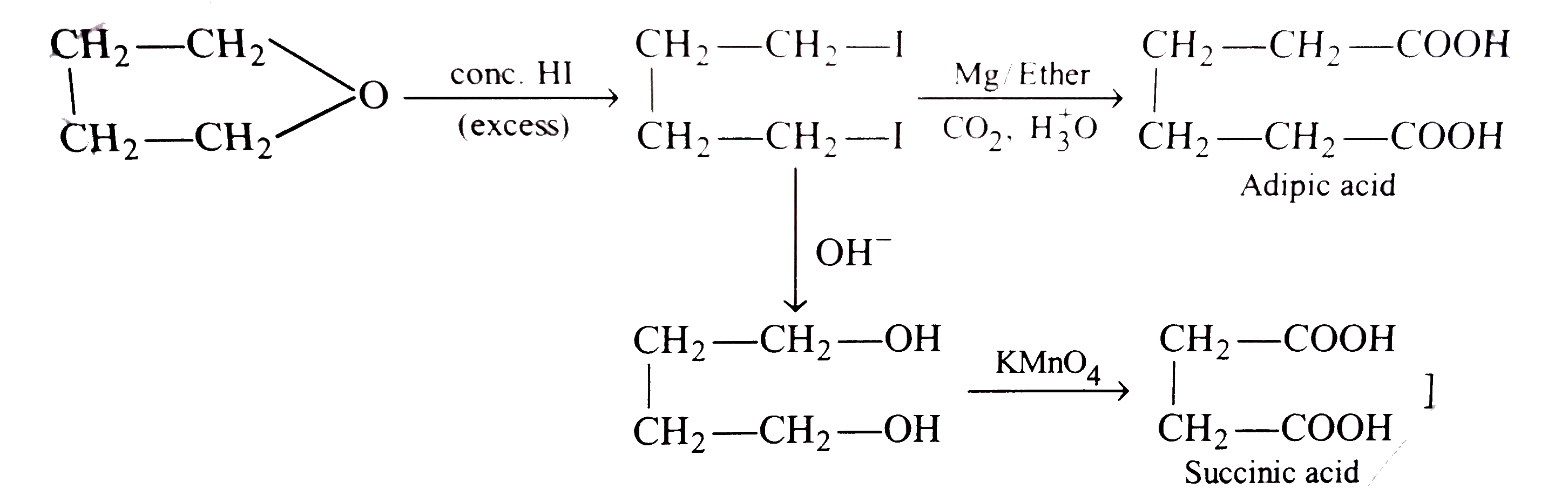
|
|
| 5. |
Complete the following CH_(3)COCH_(3) + HI overset("Red" P//423 K)rarr |
| Answer» SOLUTION :`CH_(3)CH_(2)CH_(3)` is FORMED. | |
| 6. |
Complete the following : CH_(3)Cl+ KCN to ? underset(H_(2))overset(Ni)to ? underset(?)overset(HNO_(2))larr |
|
Answer» Solution :`CH_(3)-Cl+KCN to CH_(3)CN+ KCl` `CH_(3)CN+H_(2) OVERSET(NI) to CH_(3)CH_(2)NH_(2)` `CH_(3)CH_(2)NH_(2) overset(HNO_(2))to CH_(3)CH_(2)OH+ N_(2)+H_(2)O` |
|
| 7. |
Complete the following: CH_3-C-=C-CH=CH-CH_3overset(NBS//hv)rarr(A)overset(H_2//Pd-BaSO_4)rarr(B)overset((i)O_3)underset((ii)H_2O //Zn)rarr(C)+(D)+(E) |
Answer» SOLUTION : Propargylic POSITION is more REACTIVE than alkylic position or NBS/hv. |
|
| 8. |
Ethers are generally non-reactive compound. One of the important reactions of ethers is the action of HI. Anisole overset(HI)rarr A+B Identify A and B. |
Answer» SOLUTION :
|
|
| 9. |
Complete the following by providing (A),(B),(C)and (D) : (i) CH_(3)CH_(2)CH_(2) OH overset(PBr)(to) (A) overset(alc.KOH)underset(Delta)(to) (B) overset(HBr)(to)(C) overset(NH_(3))(to) (D) (ii) CH_(3)CH_(2)CH_(2)I overset(alc.KOH)underset(Delta)(to)(A)overset(H^(+)//H_(2)O)(to) (B)overset(SOCI_(2))(to)(C) overset(H)underset(LiAIH_(4))(to) (D)(iii) CH_(3)CHBrCH_(3) overset(alc.KOH)underset(Delta)(to) (A) overset(HBr)underset("Peroxide")(to) (B) overset(Nal)underset("Acetone")(to) (C) overset(H)underset("Ether")(to) (iv) CH_(3)CH_(2)CH=CH_(2) overset(NBS)underset("Light")(to) (A) overset(alc. KOH)underset(Delta)(to)(B) overset(HBr)(to)(C) (v) CH_(3)CH_(2)MgBroverset(CH_(3)CHO //H_(2)O)(to) (A) overset(HBr)(to)(B) overset(alc.KOH)underset(Delta)(to)(C) (A) overset(NH_(3))(to) (B) overset(CHCI_(3)+KOH(alc.))(to)(C)overset(Na)underset(C_(2)H_(5)OH)(to) CH_(3)-underset(CH_(3))underset(|)CH-NHCH_(3) (viii) CH_(3)CH_(2)Br overset((i)(CH_(2))_(6)N_(4))underset((ii)H_(2)O //H^(+))(to) (A) overset(NaOH)(to)(B) overset((i)O_(3))underset((ii)Zn//HOH)(to)(A) +(C) overset(conc.NaOH)(to)(D) |
|
Answer» Solution :`(i)A CH_(3)CH_(2)CH_(2)BR , (B) CH_(2)CH=CH_(2),(C) CH_(3)CHBrCH_(3) , (D) CH_(3) CHNH_(2) CH_(3)` `(ii) (A) CH_(3)CH=CH_(2) ,(B) CH_(3)CHOHCH_(3) , (C ) CH_(3)CHCICH_(3) (D) CH_(3)CH_(2)CH_(3)` `(III) (A) CH_(3)CH=CH_(2) , (B) CH_(3)CH_(2)CH_(2)Br , (C)CH_(3)CH_(2)CH_(2) I , (D) CH_(3)CH_(2)CH_(2)Mgl.` `(iv) (A) CH_(3)CH(Br)CH=CH_(2) , (B) CH_(2) =CH-CH=CH_(2), (C)CH_(3)CH(Br)CH=CH_(2) " and " CH_(3)CH=CH-CH_(2)Br` `(A) CH_(3)CH_(2)CH(OH)CH_(3) , (B) CH_(3)CH_(2)CH(Br)CH_(3) , (C) CH_(3)CH=CHCH_(3)` `(v i) (A) CH_(3)-underset(CH_(3))underset(|)CH -CI , (B) CH_(3)-underset(CH_(3))underset(|)CH -NH_(2) , (C) CH_(3)-underset(CH_(3))underset(|)CH-NC` 
|
|
| 10. |
Complete the following by identifying (A) to (F). CuSO_(4)5H_(2)O overset(100^(@)C)(rarr) (A) overset(230^(@)C)(rarr) (B) overset(800^(@)C)(rarr)(C)+(D) |
|
Answer» |
|
| 11. |
Complete the following: b. |
Answer» SOLUTION :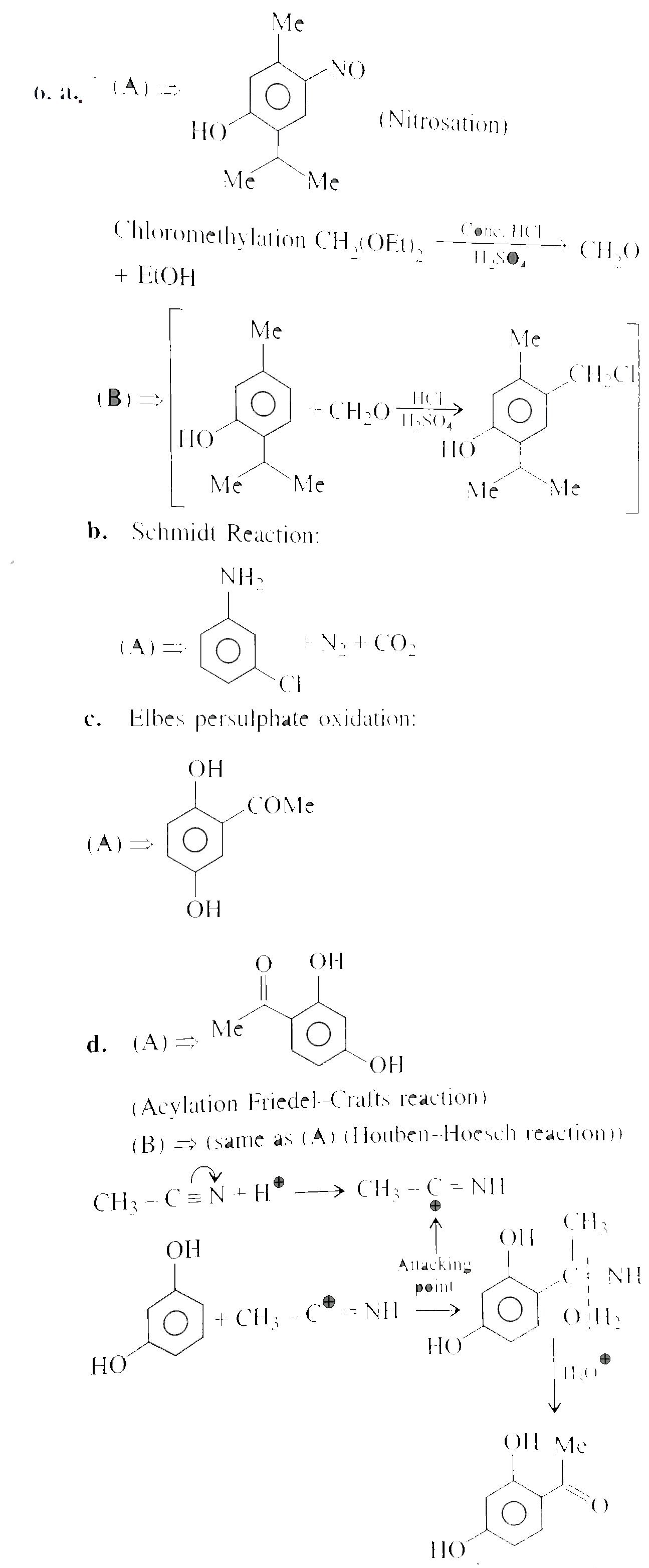
|
|
| 12. |
Complete the following as missing starting material , reagent or products : . |
Answer» SOLUTION :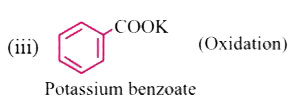 . .
|
|
| 13. |
Complete the following as missing starting material , reagent or products : . |
|
Answer» <P> Solution :`B_(2)H_(6)//THF,H_(2)O_(2)//OH^(-),P C C ` (HYDROBORATION). |
|
| 14. |
Complete the following as missing starting material , reagent or products : . |
Answer» SOLUTION :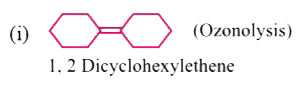 . .
|
|
| 15. |
Complete the following acid-base reactions and name the products: (i) CH_(3)CH_(2)CH_(2)NH_(2)+HCl to (ii) (C_(2)H_(5))_(3)N+HCl to |
Answer» SOLUTION :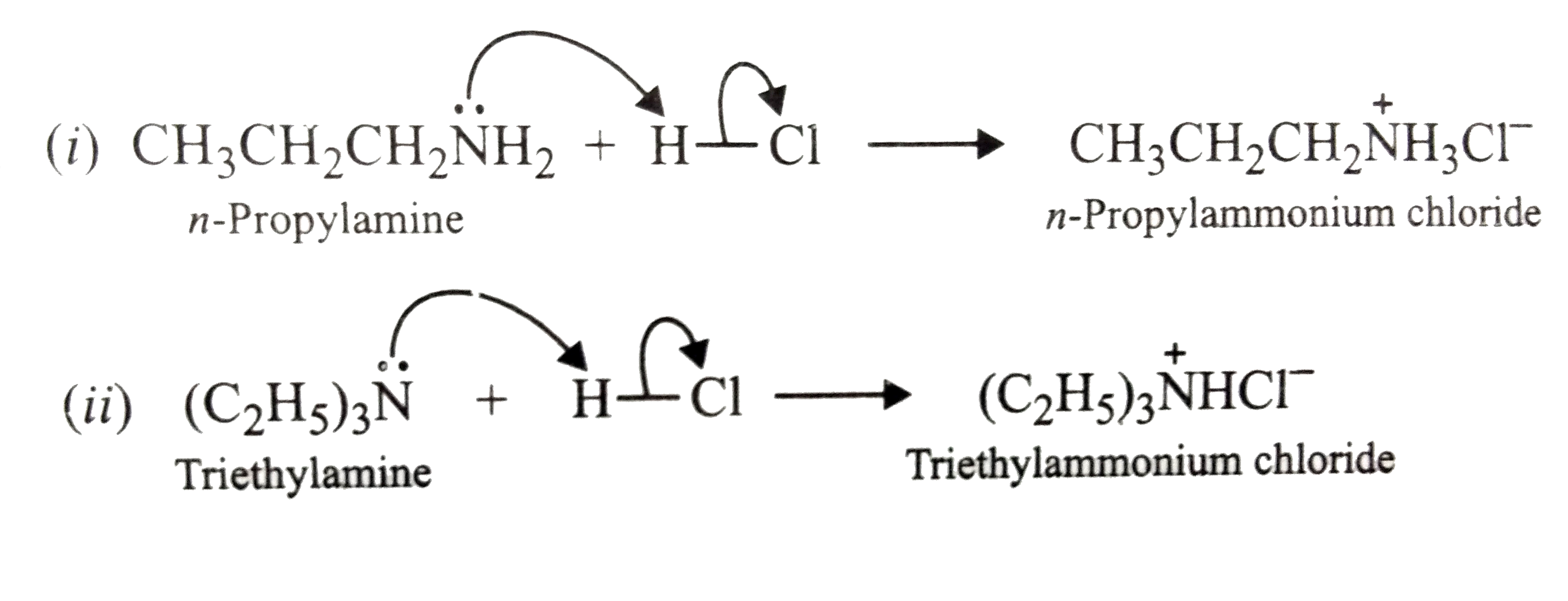
|
|
| 16. |
Complete the following acid-base reactions and name the products : (i) CH_(3)CH_(2)CH_(2)NH_(2)+HCl rarr"(ii) "(C_(2)H_(5))_(3)N+HCl rarr |
Answer» SOLUTION :
|
|
| 17. |
Complete the following acid-base reactions and name the products : (i) CH_(3)CH_(2)CH_(2)NH_(2) + HCI rightarrow (ii) (CH_(3)CH_(2))_(3)N + HCI rightarrow |
|
Answer» Solution :(i) `CH_(3)CH_(2)CH_(2)N^(+)HCI^(-1) `(n-propyl ammonium CHLORIDE) (ii)` (CH_(3)CH_(2))_(3)-N^(+) HCI^(-)rightarrow` (Triethyl ammonium chloride) |
|
| 18. |
Complete the following acid-base reactions and name the products CH_3CH_2CH_2NH_2+HCl rarr |
Answer» SOLUTION :
|
|
| 19. |
Complete the following acid-base reactions and name the products : CH_3CH_2 CH_2 NH_2 +HCl to |
| Answer» SOLUTION :`CH_3 CH_2 CH_2 NH_2+HClto UNDERSET("n-Propylammonium CHLORIDE ")(CH_3 CH_2 CH_2 OVERSET(+ )NH_3 CL^(-))` | |
| 20. |
Complete the following a. MnO_(4)^(2-)+ H^(+) to ? b. C_(6)H_(5)CH_(3)underset(KMnO_(4))overset("acidified")to ? c. MnO_(4)^(-)+ Fe^(2+) to ? d. KMnO_(4) underset("Red hot")overset(Delta)to ? e. Cr_(2)O_(7)^(2-)+ I^(-)+ H^(+) to ? f. Na_(2)Cr_(2)O_(7) + KCl to ? |
|
Answer» Solution :a.`underset(underset("ion")("Manganate"))(3MnO_(4)^(2-))+ underset(underset("medium")("Acid"))(4H^(+)) to underset(underset("ion")("Permanganate"))(2MnO_(4)^(-))+ underset(underset("dioxide")("Manganese"))(MnO_(2))+ H_(2)O` B. `underset("(Oxidation)")(underset("Toluene")(C_(6)H_(5)CH_(3))underset(KMnO_(4))overset("acidified")rarrunderset("Benzoic acid")(C_(6)H_(5)COOH))` c.`underset("(Oxidation)")(underset(underset("ion")("Permanganate"))(2MnO_(4)^(-))+ underset(underset("ion")("Ferrous"))(10 Fe^(2+)) + 16H^(+) to 2Mn^(2+)+ underset(underset("ion")("Ferric"))(10Fe^(3+))+ 8H_(2)O)` d. `underset(underset("Permanganate")("POTASSIUM"))(KMnO_(4)) underset("Red hot")overset(Delta)to underset(underset("Manganate")("Potassium"))(K_(2)MnO_(4))+ underset(underset("dioxide")("Manganese"))(MnO_(2))+ O_(2)` e. `underset("(oxidation)")(Cr_(2)O_(7)^(2-)+ underset("Iodine ion")(6 I^(-))+ 14H^(+) to 2Cr^(3+)+ underset("Iodine")(3I_(2))+7H_(2)O)` f. `underset("Sodium DICHROMATE")(Na_(2)Cr_(2)O_(7)) + 2KCl tounderset("Potassium dichromate")(K_(2)Cr_(2)O_(7))+ 2Nacl` |
|
| 21. |
Complete the following acid-base reactions and name the products :(C_2 H_5 )_3N +HCl to |
| Answer» SOLUTION :`(C_2 H_5)_3 N +HCl tounderset("Triethylammonium chloride ")((C_2 H_5)_3 OVERSET(+)(NHCl^(-))` | |
| 22. |
Complete the following acid-base reactions and name the products (C_2H_5)_3N+HCl rarr |
Answer» SOLUTION :
|
|
| 23. |
Complete the following acid-base reactions and name the products: (i)CH_(3)CH_(2)CH_(2)NH_(2)+HCl to""(ii)(C_(2)H_(5))_(3)N+HCl to |
| Answer» Solution :`(C_2 H_5)_3 N +HCL tounderset("Triethylammonium CHLORIDE ")((C_2 H_5)_3 overset(+)(NHCL^(-))` | |
| 24. |
Completethe following a . MnO_(4)^(2+)+ H^(+) to ? b . C_(6) H_(5) CH_(3)overset(" acidified" ) underset(KmnO_(4))(to) c .MnO_(40^(-))+ Fe^(2+)to ? d. KMnO_(4)underset( "Redhot" )overset( Delta )(to) e . Cr_(2) O_(7)^(2-)+ I^(-)H^(+) to ? F . Na_(2)Cr_(2)O^(+)KCI to |
|
Answer» Solution :`a . 3MnO_(4)^(2-) + 4H^(+) to ` `b.C_(6) H_(5)CH_(3) + 2KNnO_(4)underset("acidified ") overset(KMnO_(4))(to)` `c . MnO_(4) ^(-)+ 5Fe^(2+)overset( SH^(+))(to) 5Fe^(3+)+ Mn^(2+)+ 4H_(2) O` ` d. 2KMnO_(4)underset(" Red hot ")oveset(Delta )(to)K_(2) MnO_(4)+MnO_(2) +O_(2)` e.`Cr_(2) O_(7)^(2-)+ 6I^(-)14 H^(+) (to) ` `2 Cr^(3+)+ 3I^(2) +7H_(2) O` f`Na_(2) Cr_(2)O_(7) + 2KCIto K_(2) Cr_(2) O_(7) +2NaCI` |
|
| 25. |
Complete the following: a. b. c. d. e. f. (H) + (I) overset (Aq. KOH) rarr J g. h. PhH + C_(2)H_(5)CI overset (AICI_(3)) rarr A overset (NBS) rarr B overset (AIc. KOH) rarr C overset (ArCO_(3)H) rarr D overset (1. PhMgBr) underset (2. H_(3)O^(+)) rarr E |
Answer» Solution :a.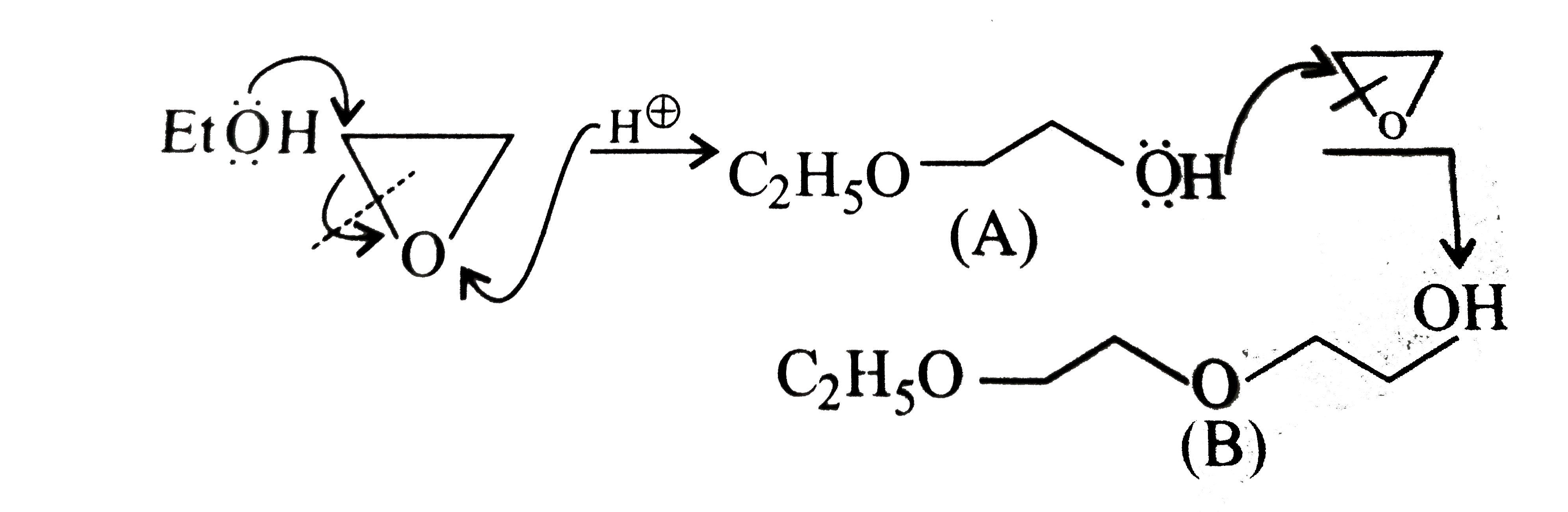 b. 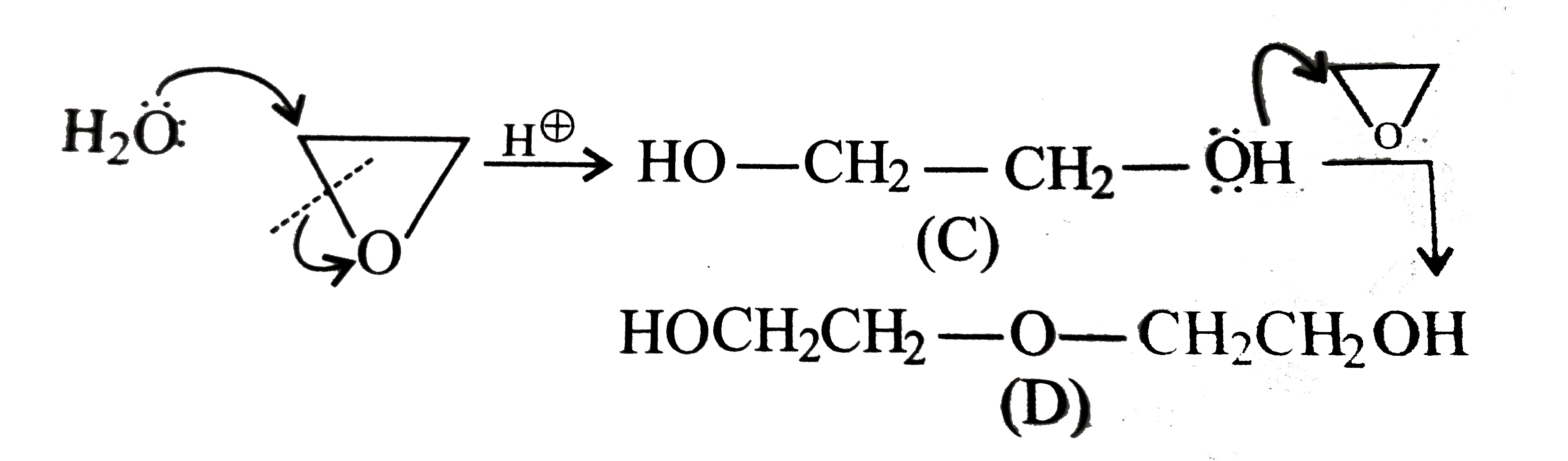 c. 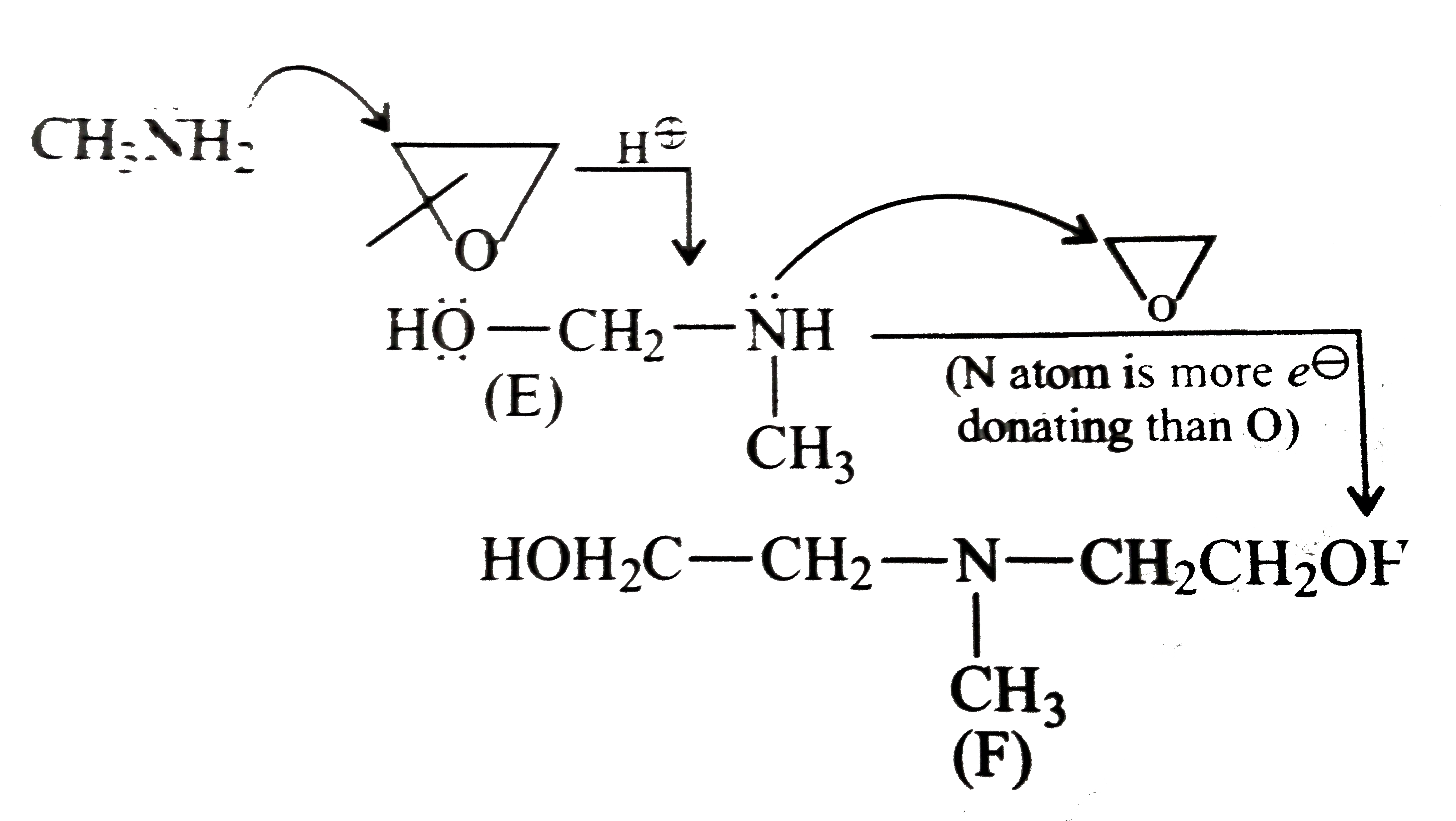 d. 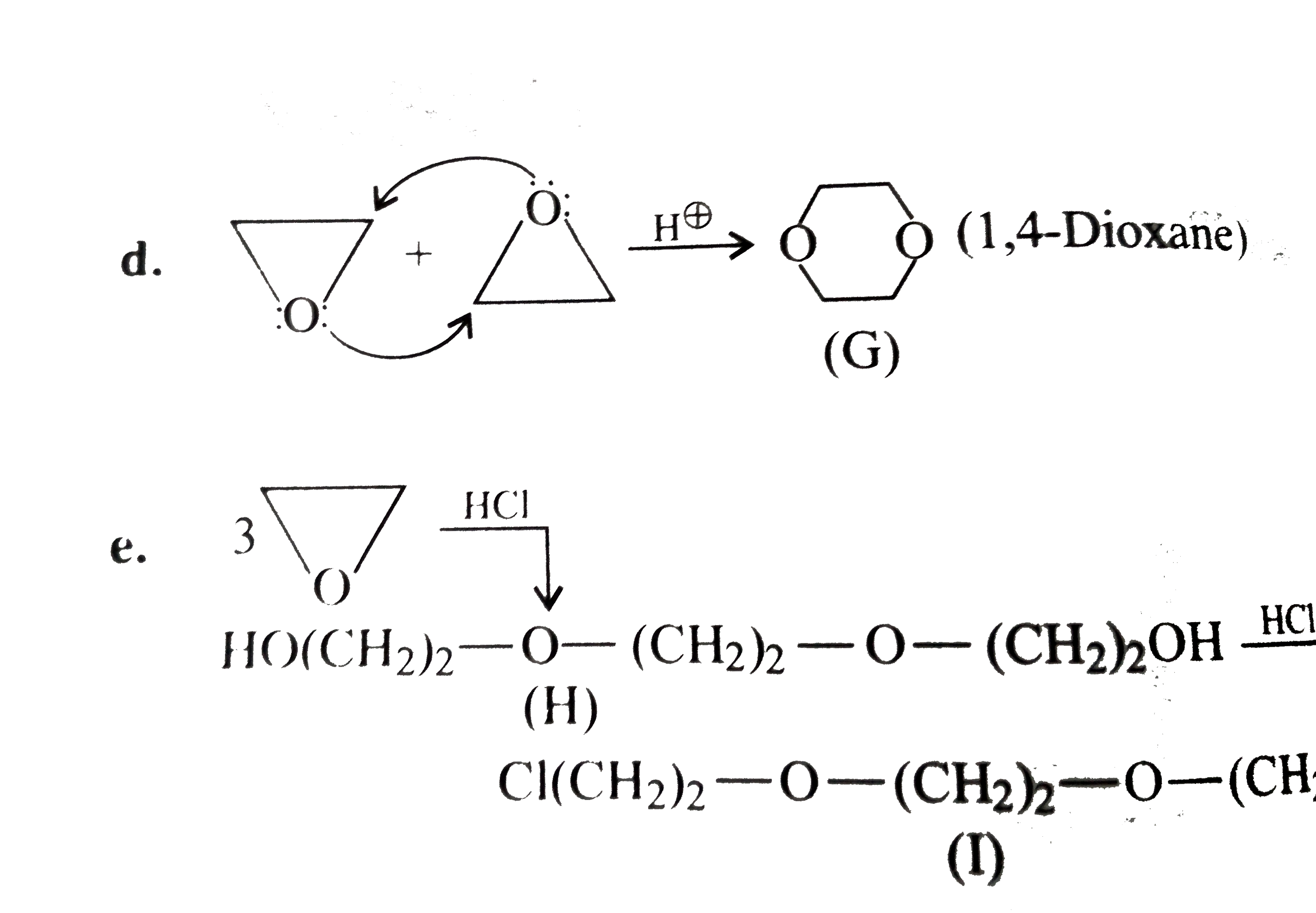 e. 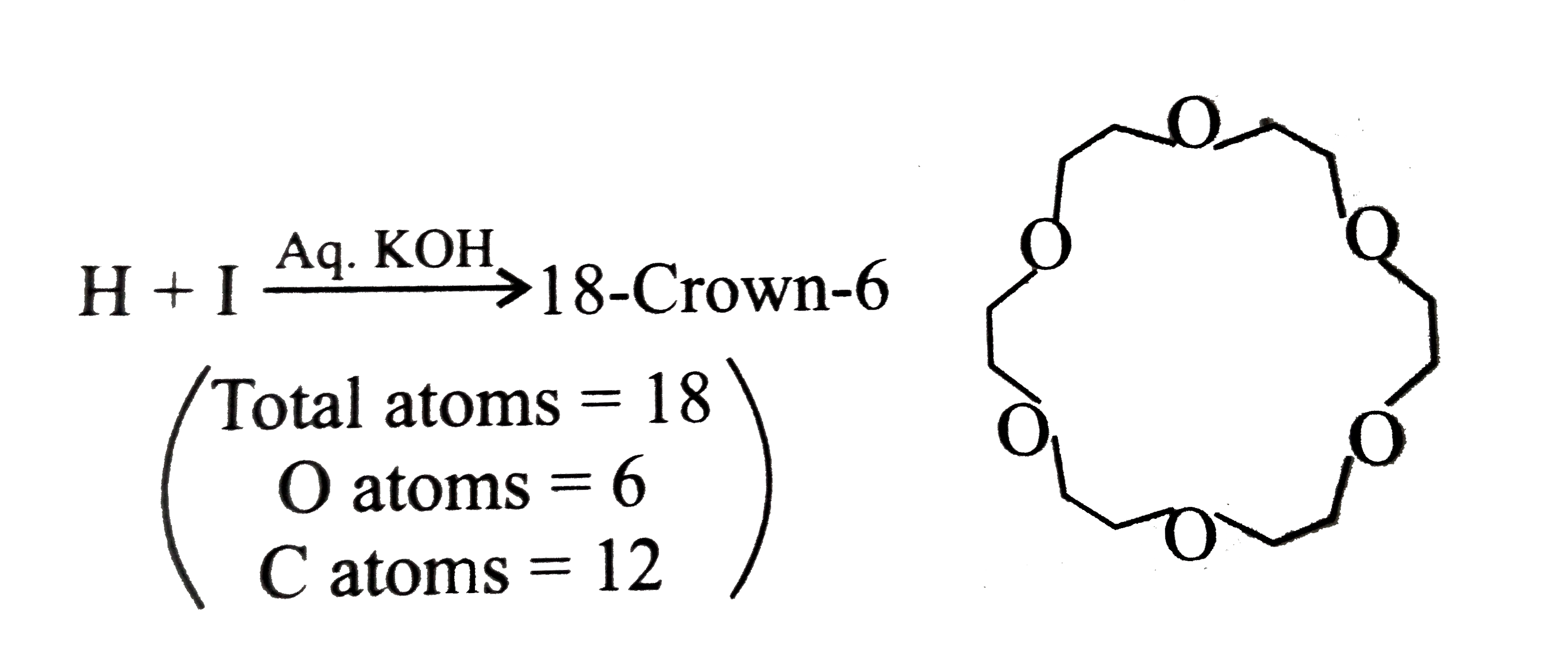 f.H + I `OVERSET (AQ. KOH) rarr` 18-Crown-6 (Total atoms = 18,O atoms = 6,C atoms = 12) 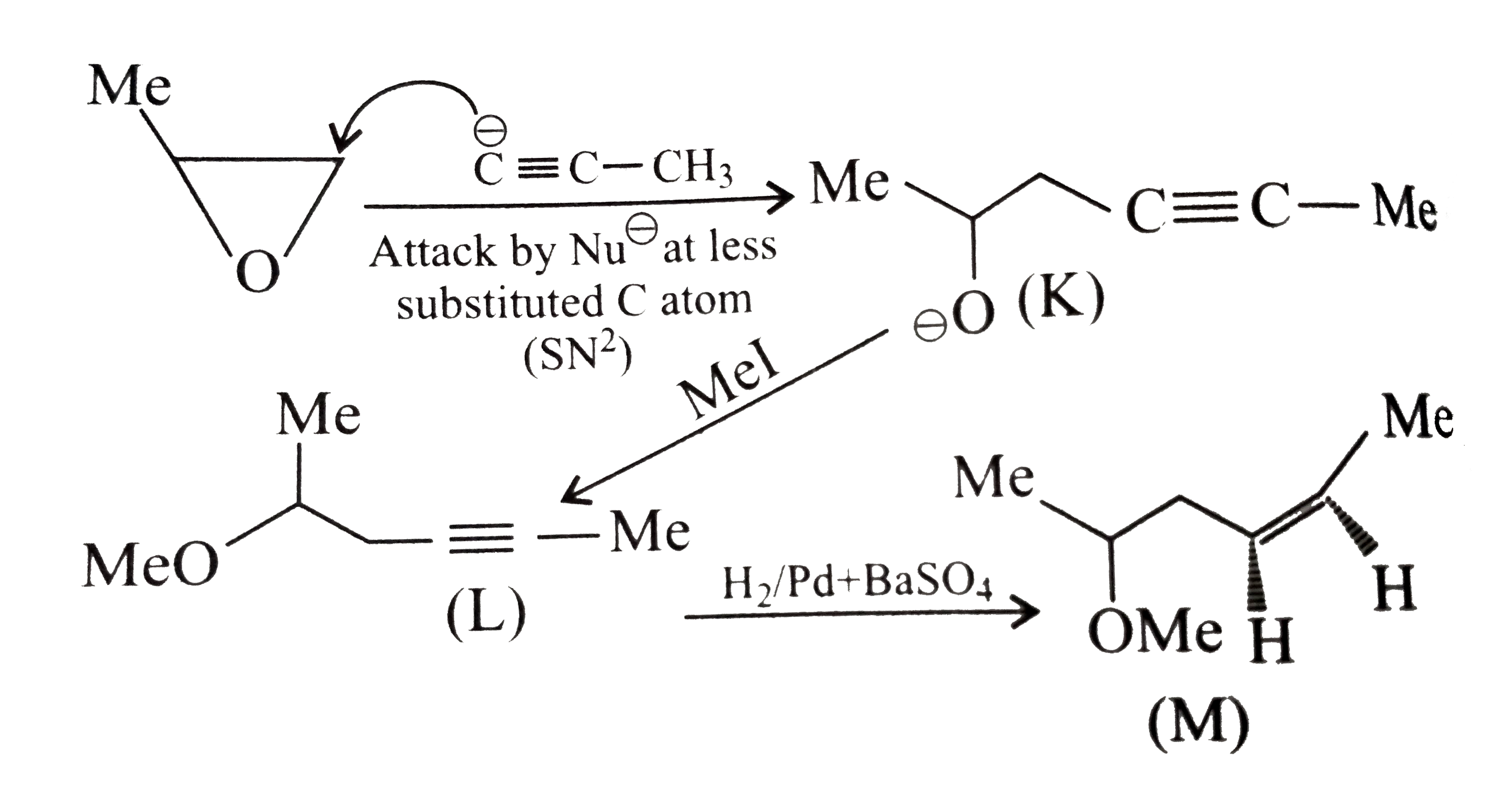 G. 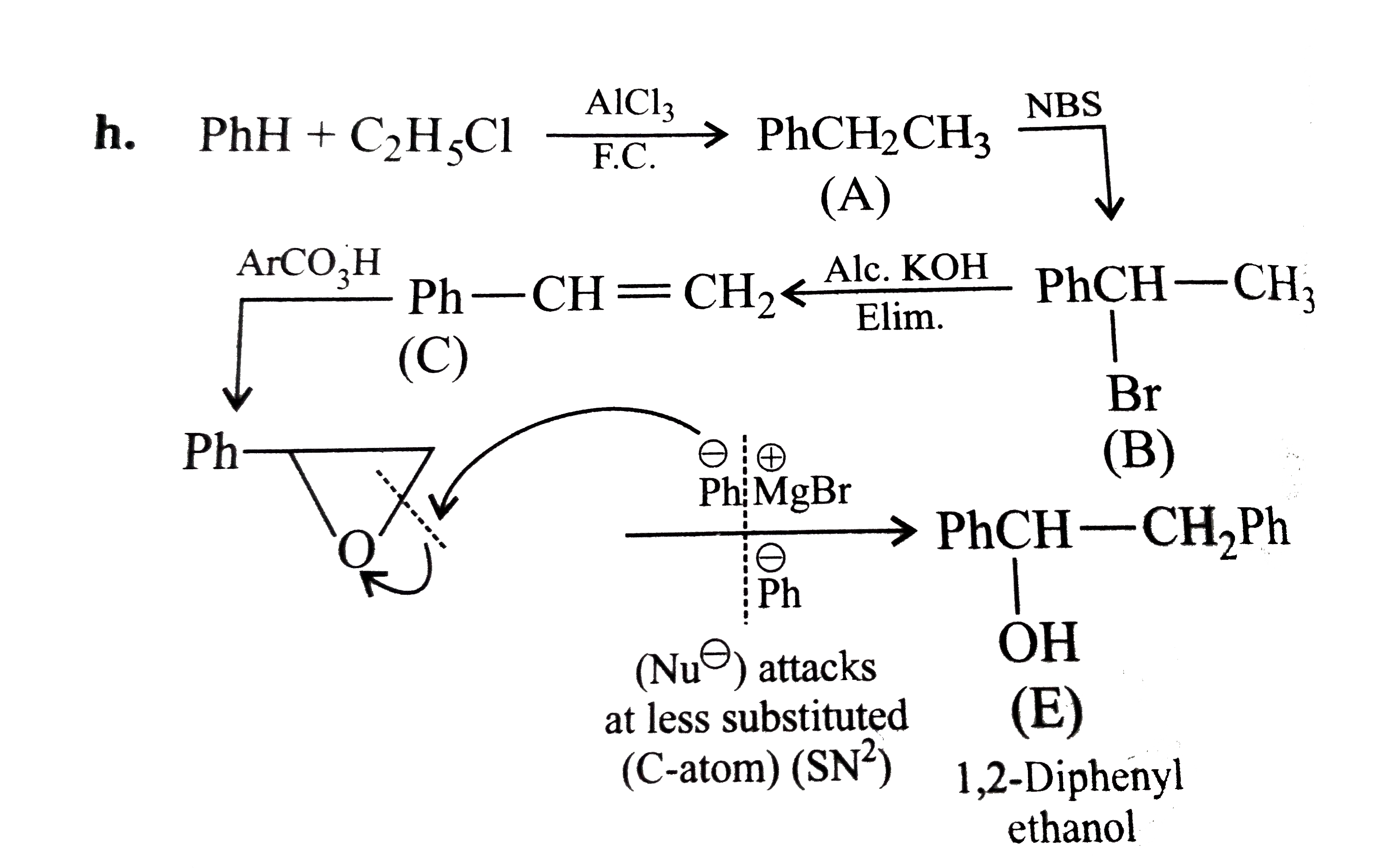
|
|
| 26. |
Complete the following : a. b. Give the products of the following by application of Hofmann's exhaustive methylation and elimination : . |
|
Answer» SOLUTION :` a. (##KSV_CHM_ORG_P2_C15_S01_012_S01.png" WIDTH="80%"> B. ` (##KSV_CHM_ORG_P2_C15_S01_012_S02#)` i. ` (##KSV_CHM_ORG_P2_C15_S01_012_S03.png" width="80%"> |
|
| 27. |
Complete the following: a. b. c. d. e. f. g. h. PhCHO + Cl_(2) overset("No catalyst")rarr(A) i. j. PhCHO+(C_(2)H_(5)CO)_(2)O overset(C_(2)H_(5)COONa)rarr A k. l. m. n. o. p. q. r. s. PhCOCH_(3)+SeO_(2)rarr (A) t. PhCH=CH-overset(O)overset(||)C-Ph+KCN overset(CH_(3)COOH)rarr (A) u. Ph-underset(CN)underset(|)CH-overset(O)overset(||)C-CH_(3) overset((i)H_(3)O^(o+))underset((ii)Delta)rarr (A) v. w. Ph-overset(OH)overset(|)underset(Ph)underset(|)C-CH_(2)NH_(2) overset(HNO_(2))rarr (A) overset("Oxidation")rarr (B) x. PhCOPh+KOH rarr (A)+(B) y. z. |
Answer» Solution :a. 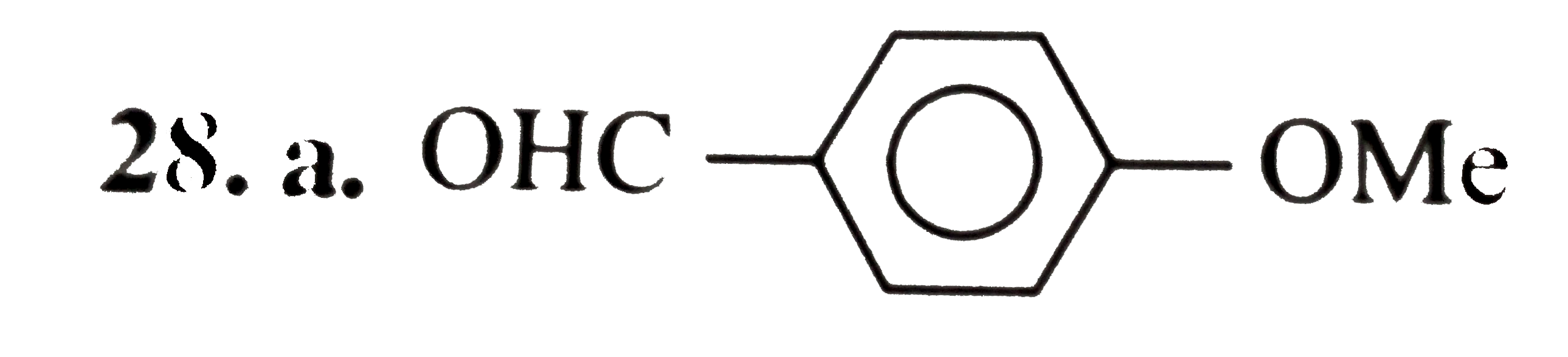 b. 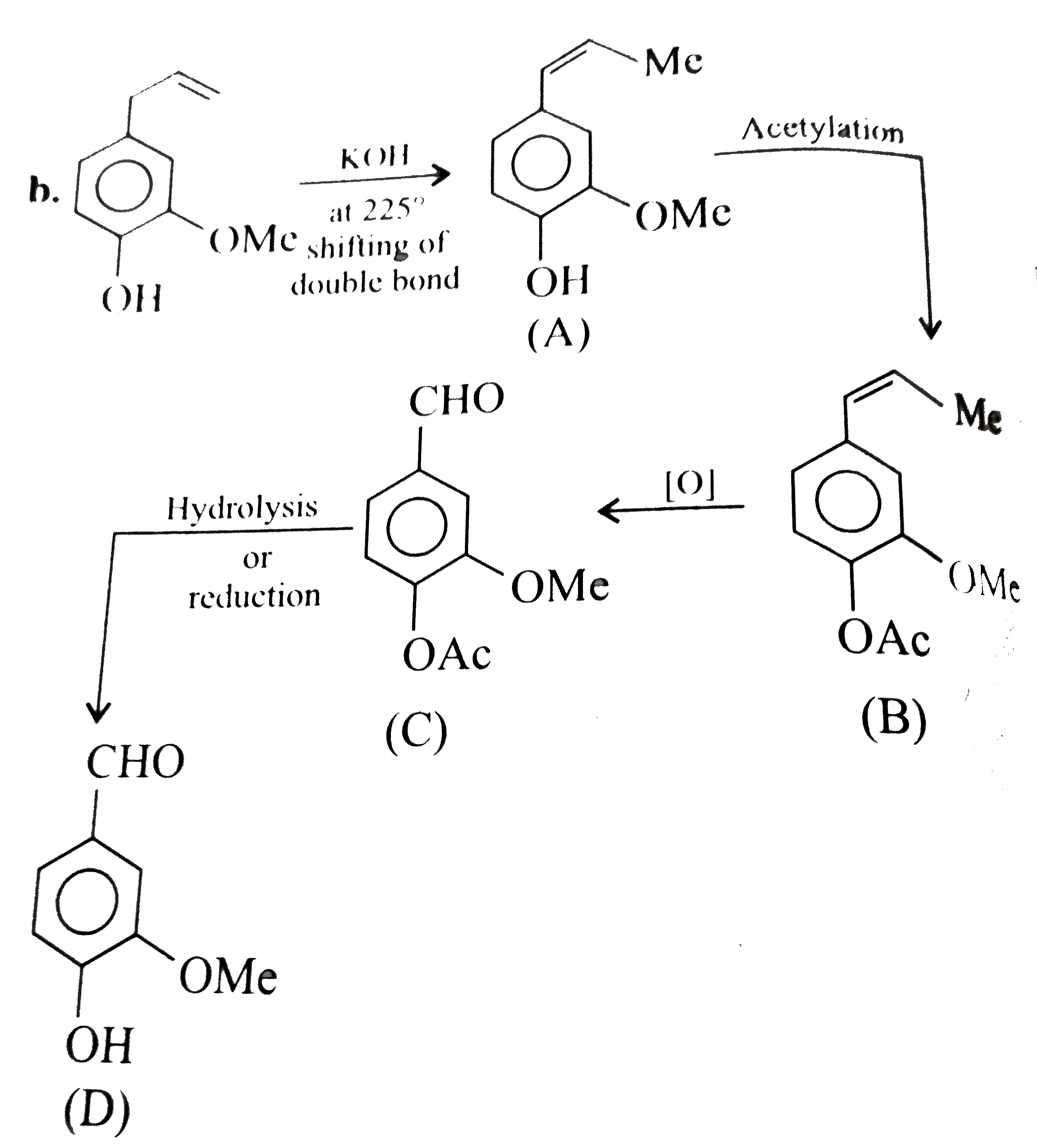 C. 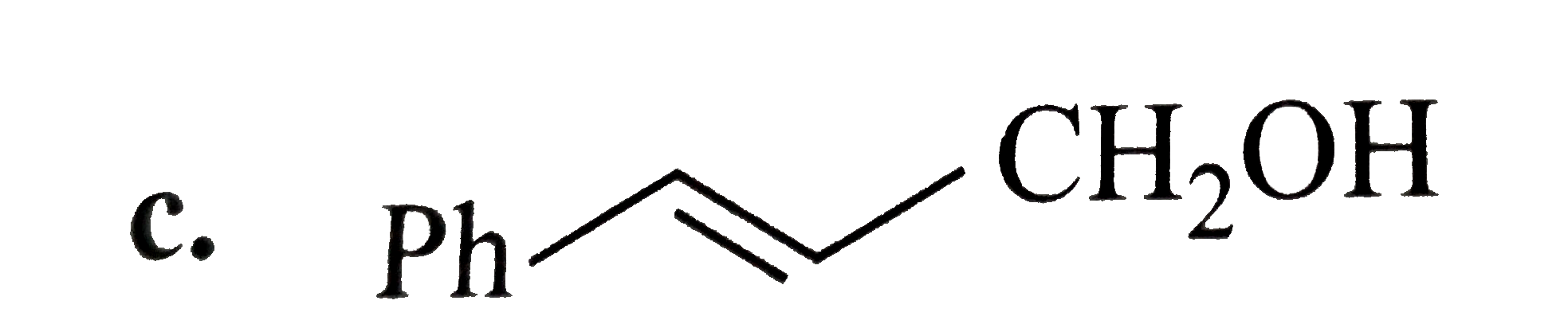 d. It involves 1,4-addition followed by tautomerisation. 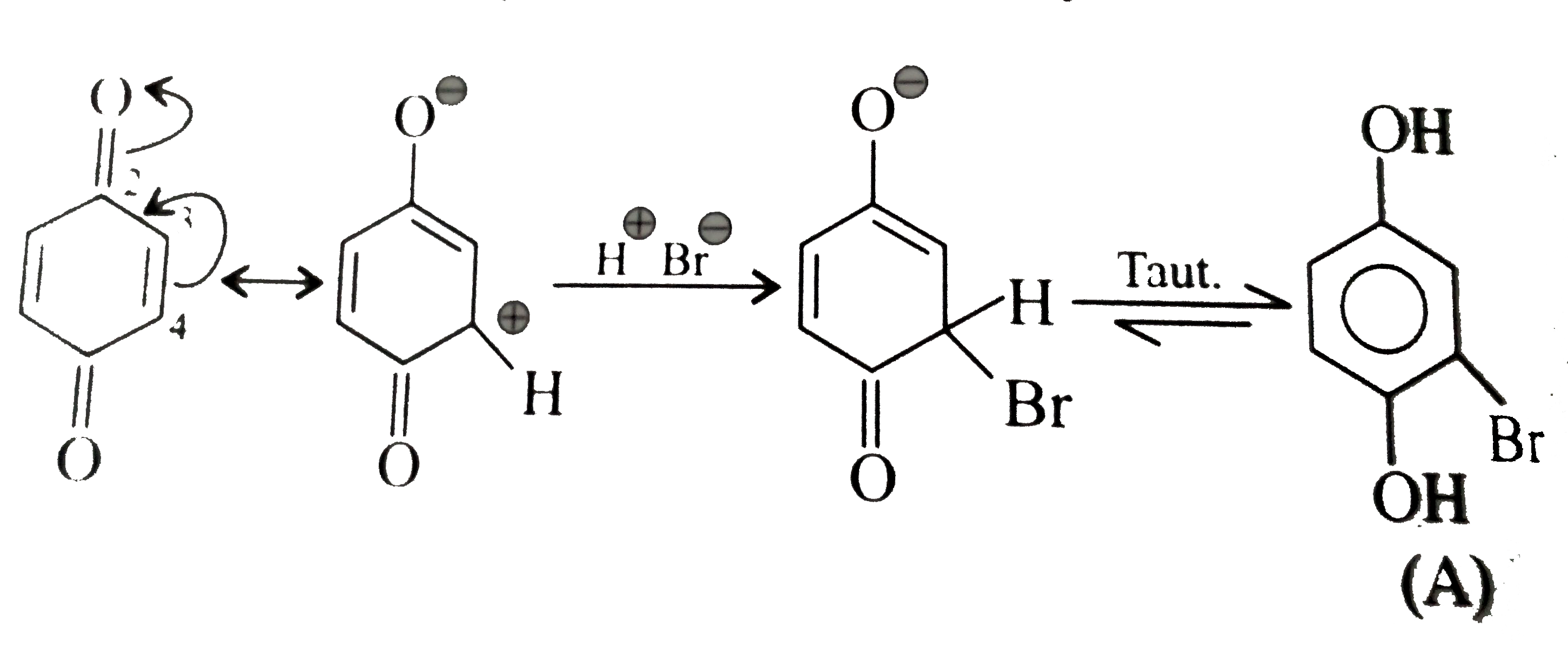 e. 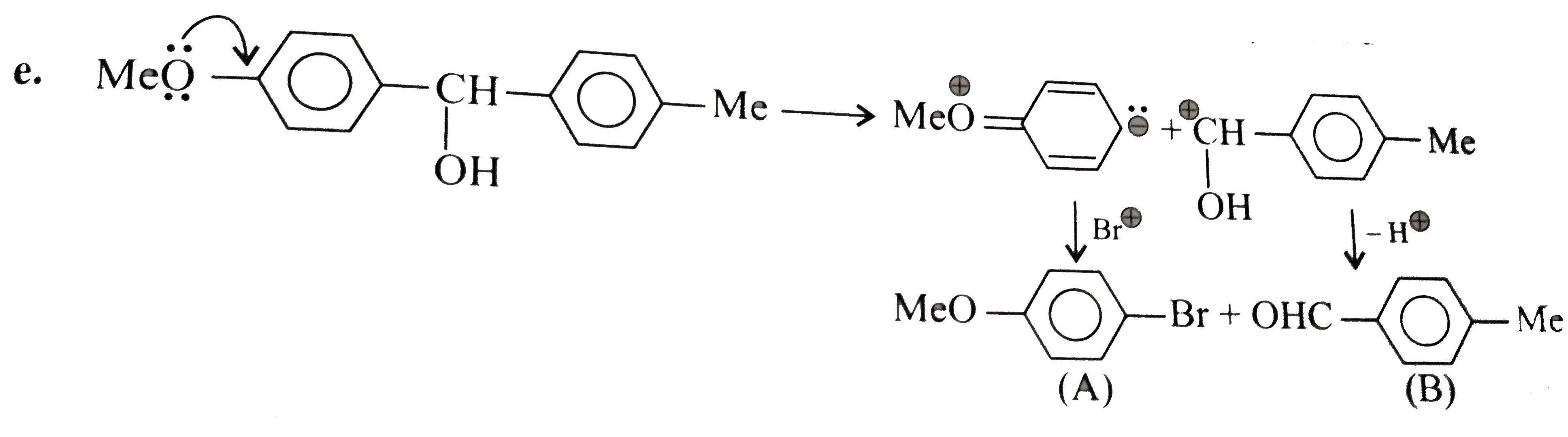 f. 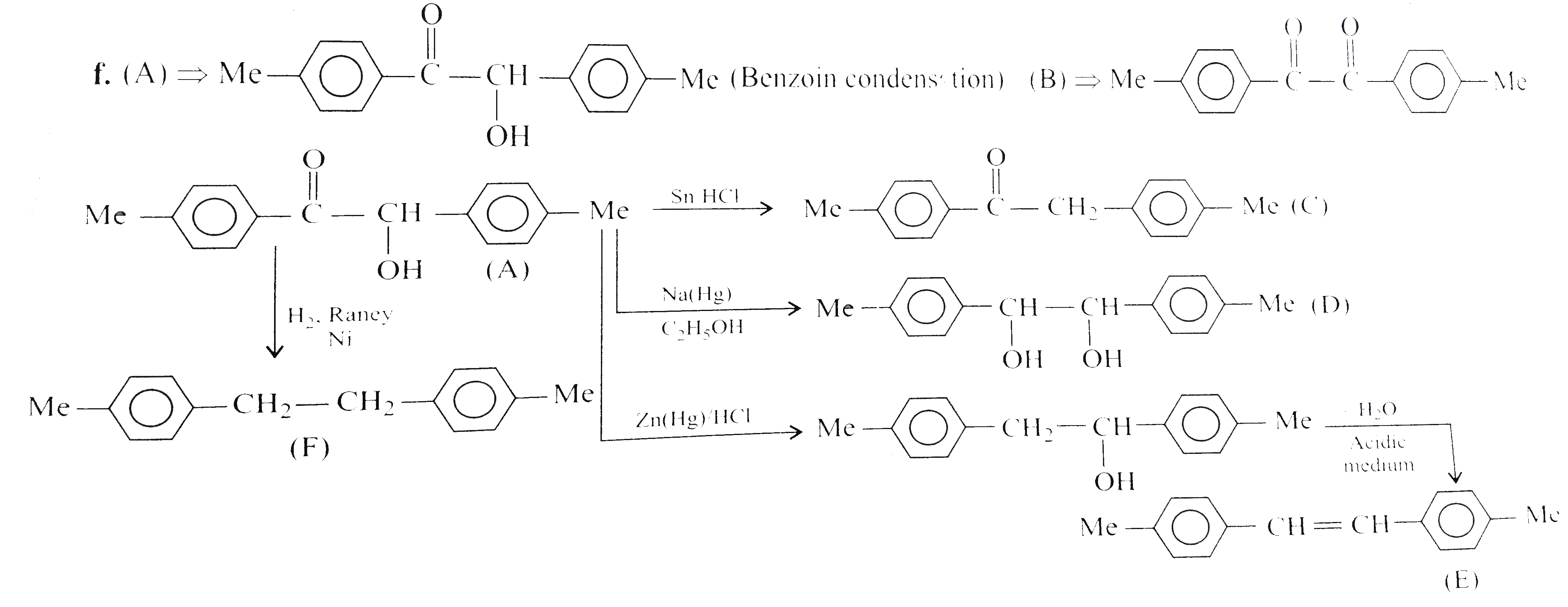 g. 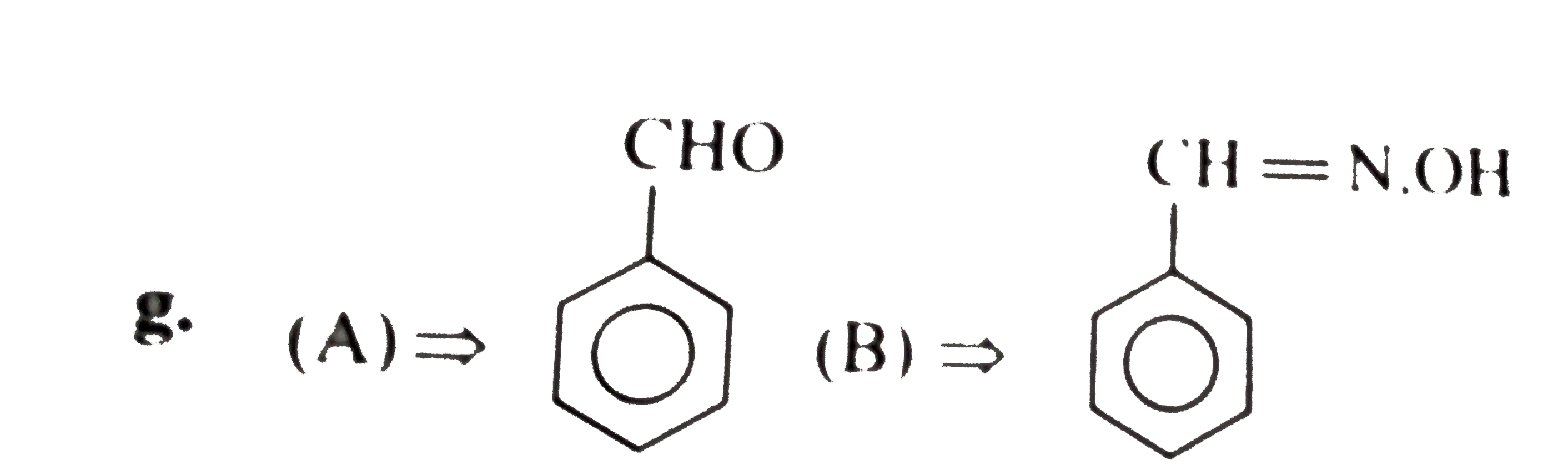 h. `A implies PhCOCI` i. 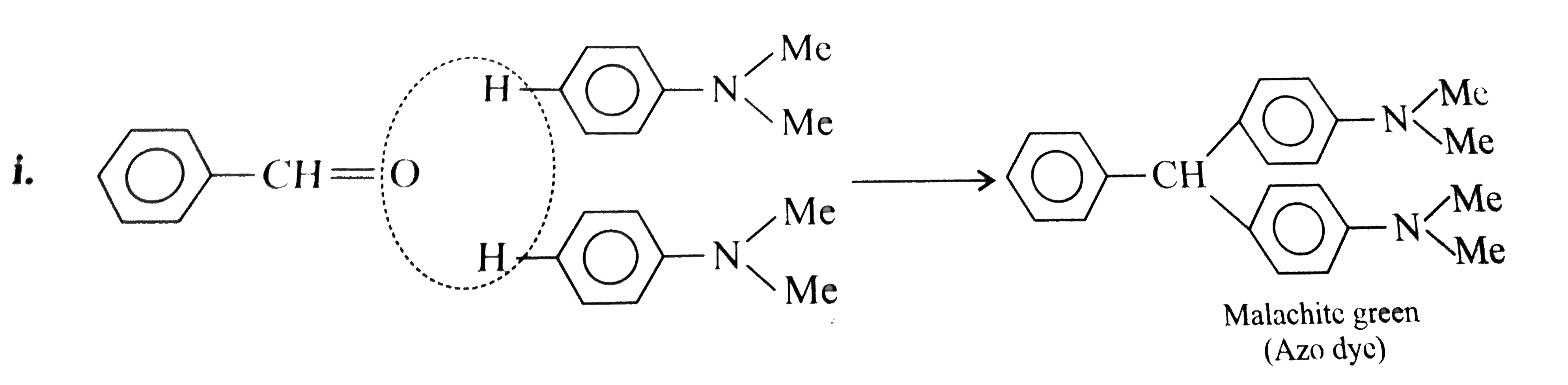 j. Perkin reaction:  k.  l. Reimer-Tiemann reaction:  m.  n.  o.  p.  `(B) rArrunderset(("Pinacol) (Benzopinacol"))(Ph-underset(OH)underset(|)overset(Ph)overset(|)(C)-underset(OH)underset(|)overset(Ph)overset(|)(C)-Ph)` Q. Cross Cannizzaro reaction:  (B) `implies HCOOK` R. Fridel-Crafts reaction: Acetylation `(ZnCI_(2)+HCI)` (Lewis acid).  s. `SeO_(2)` oxidises active methylene group to carbonyl group. `[(A) implies PhCOCHO)]` t. `CH_(3)COOH+KCN rarr HCN+CN_(3)COOK`. The nucleophilic 1,4-addition takes place.  u.  v. Fries MIGRATION of isopropyl group:  w.  x. (A) `implies PhCOOK, (B) implies`  y.  z. Intermolecular Cannizzaro reaction:  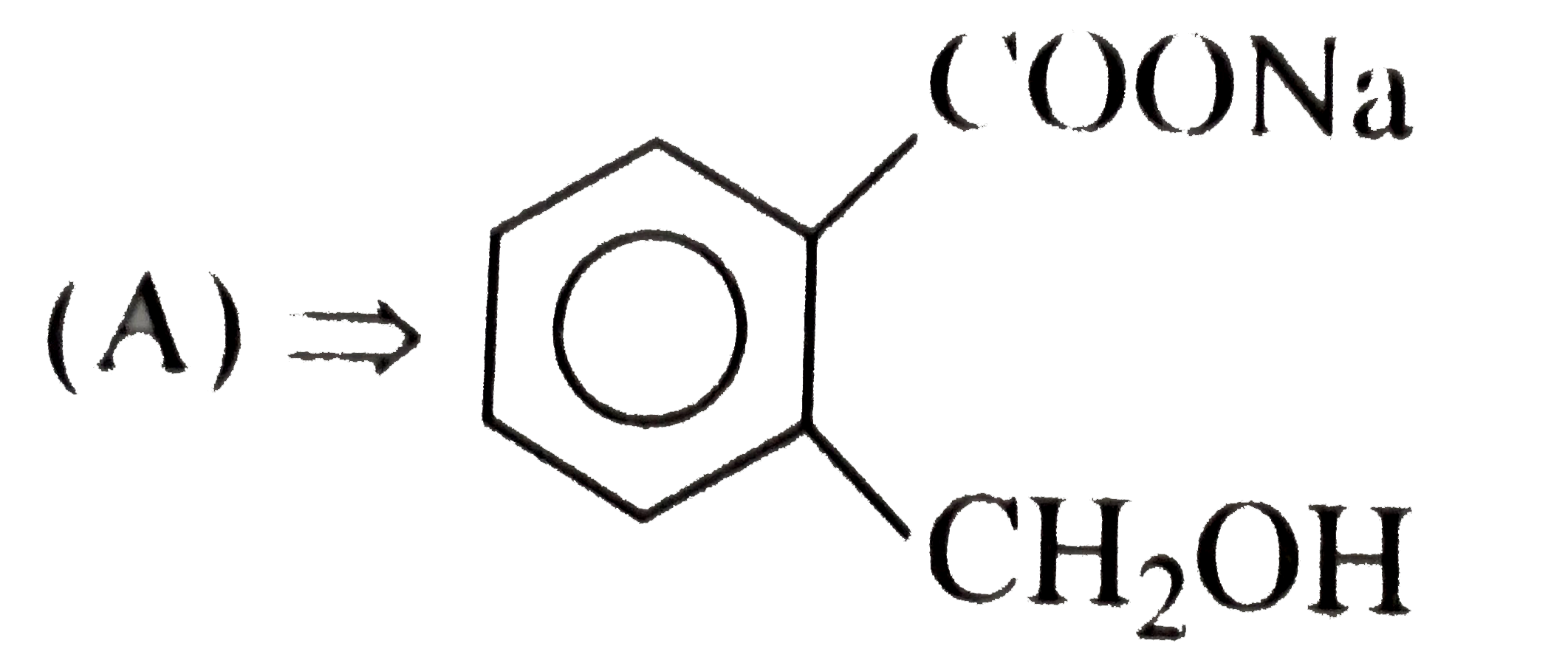
|
|
| 28. |
Complete the following: |
Answer» SOLUTION :
|
|
| 29. |
Complete the following: |
Answer» SOLUTION :
|
|
| 30. |
Complete the following: |
Answer» SOLUTION :
|
|
| 31. |
Complete the following : (1)._(7)N^(14)+ ._(2)He^(4)rarr ._(8)O^(17) + ......"", (2)._(92)U^(235)+ ._(0)n^(1)rarr ._(55)A^(142) +. _(37)B^(92)+ ...... (3)._(29)Cu^(53)rarr ._(28)Ni ^(53) + ......, |
|
Answer» Solution : (1)`._(7)N^(14)+ ._(2)He^(4)rarr ._(8)O^(17) + ._(1)H^(1) ""`, (2)`._(92)U^(235)+ ._(0)n^(1)rarr ._(55)A^(142) +. _(37)B^(92)+ 2 ._(0)n^(1)` (3)`._(29)Cu^(53)rarr ._(28)Ni ^(53) + ._(+1)e^(0) `, |
|
| 32. |
Complete the following: 2MnO_(4)^(-) (aq) + 5H_(2)O_(2)(aq) rarr 2Mn^(2+) + 8 H_(2)O+ ..... |
| Answer» Solution :`2MnO_(4)^(-)+ 5H_(2)O_(2)(aq)+6H^(+) rarr 2MN^(2+) + 8 H_(2)O+ 5O_(2)` | |
| 33. |
Complete the following: |
|
Answer» Solution :`(B)IMPLIES Me (C-=C)_(3) CHOHCH=CH_(2)`, `(C )implies Me (C-=C)_(3)CH=CHCH_(2)OH`. `NaBH_(4)` reduces only `(CO)` group and the resulting alcohol undergoes ALLYLIC rearrangement to give a more stable alcohol (in which there is increased coniugating), e.g., `Me(C-=C)_(3) CHOHCH=CH_(2)` `{:darr{:((i),H^(o+),,,),((ii),-H_(2)O,,,):}` 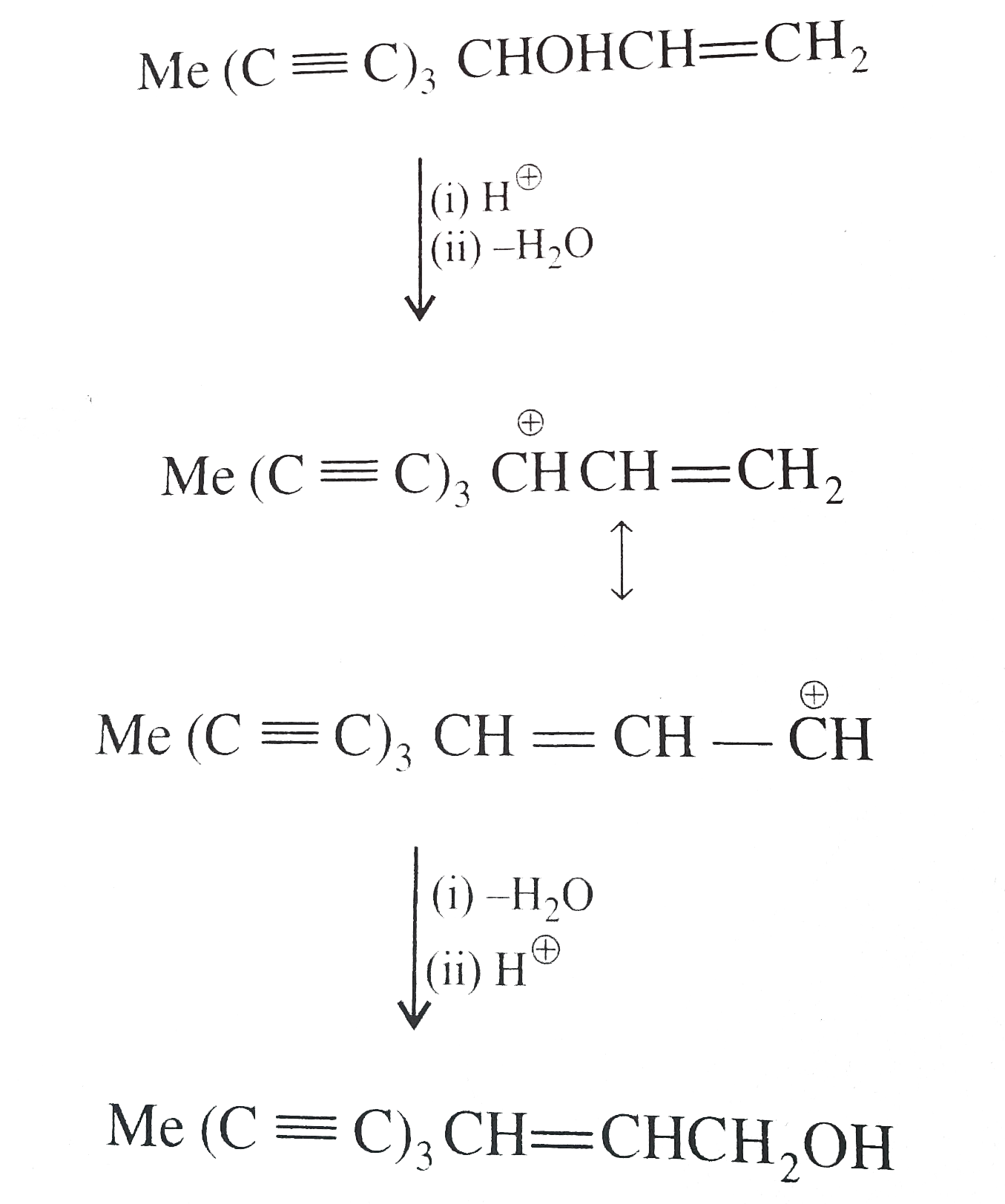 b. Under these conditions, the `(C=C)` bond is reduced preferenitally. 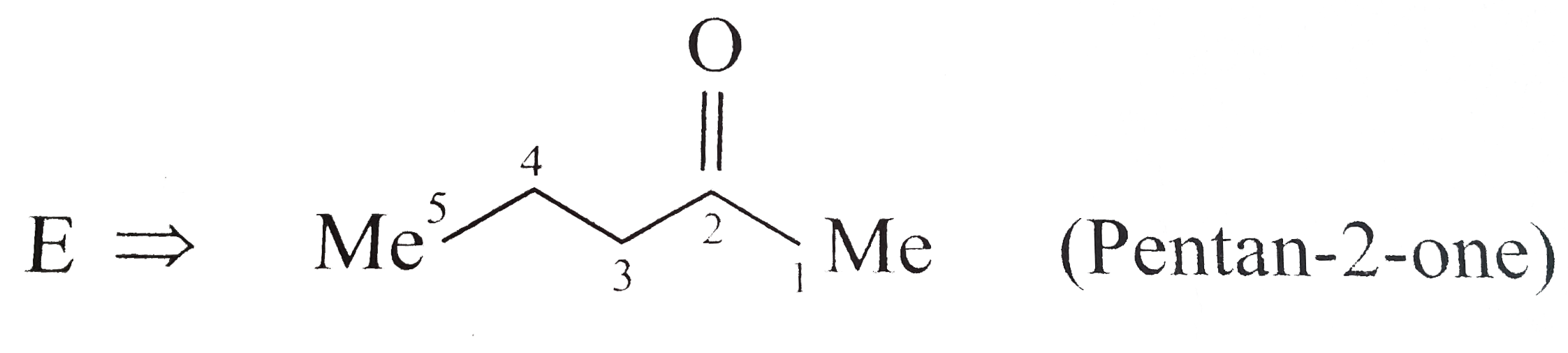 c. Ni is an extremely efficient catalyst for the hydrogenation and reduces both `(C=C)` bond to 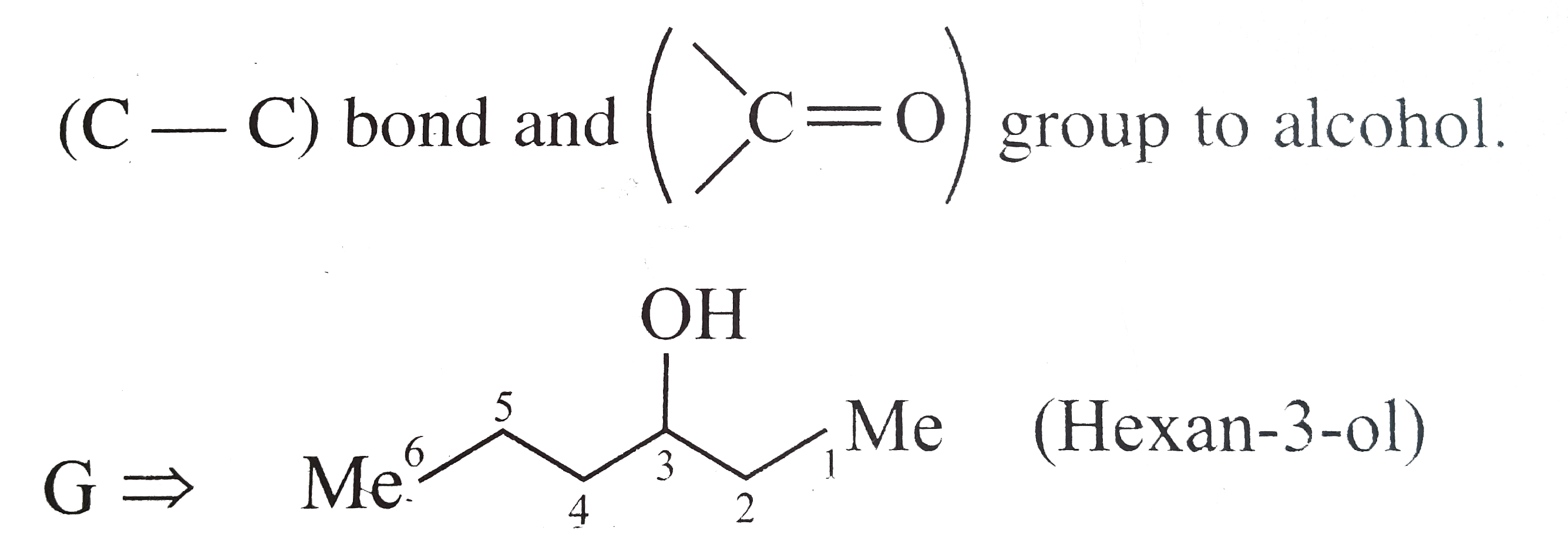 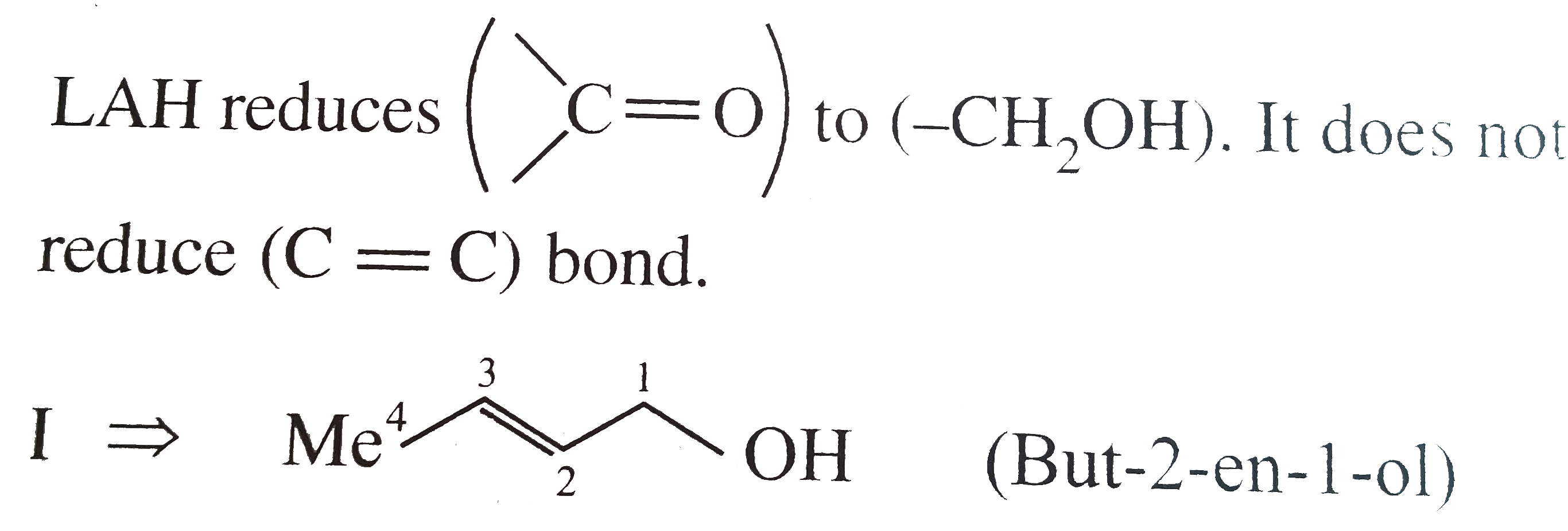 e. LAH reduces 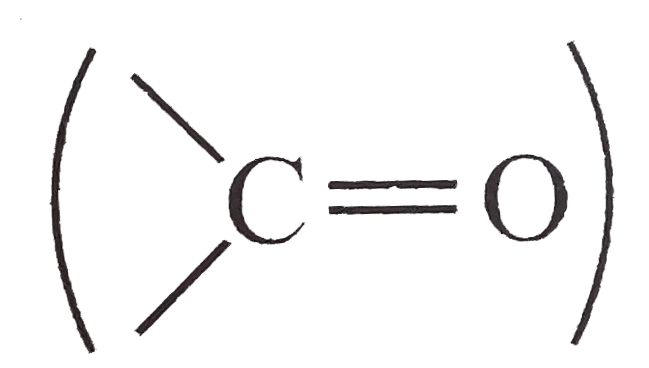 to `(-CH_(2)OH)` and also reduces `(C=C)` bond when the `(PH)` group is attached to the beta-position of the `(C=C)` bond. 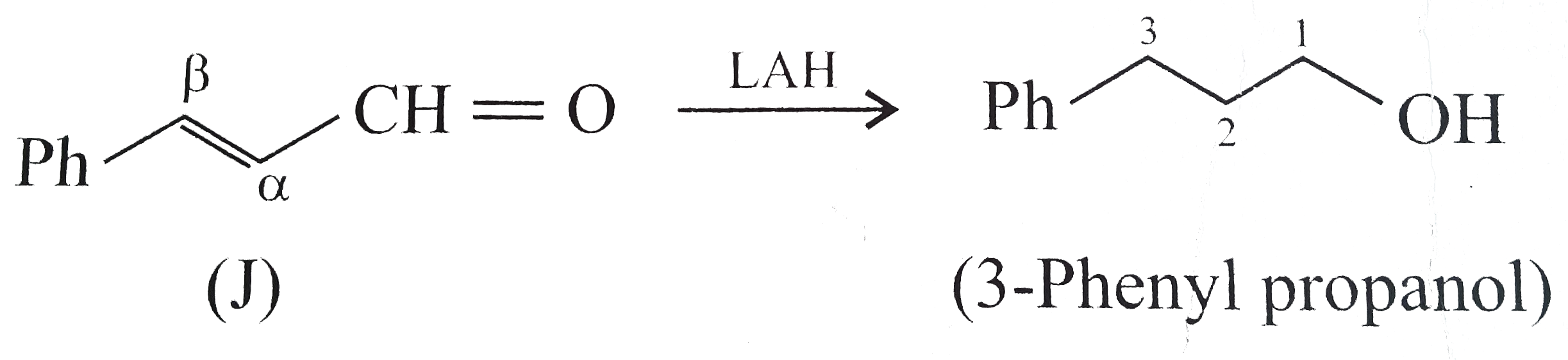 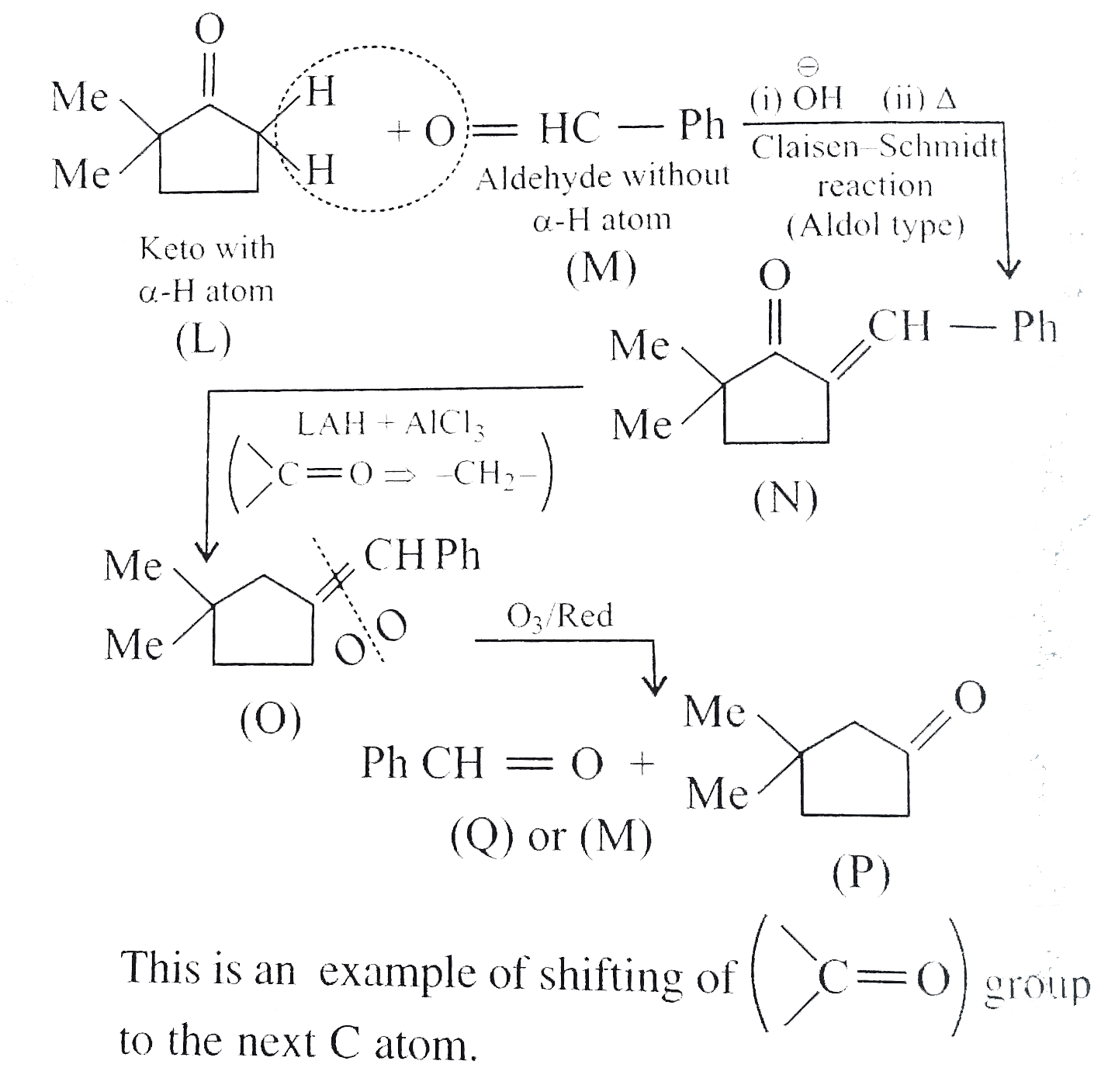
|
|
| 34. |
Complete the following 2HCHO + NaOH rarr CH_(3)CHO + H_(3) overset(Pd//BaSO_(4))rarr |
| Answer» SOLUTION :(i) `CH_(3)OH + HCOONA` , (II) `CH_(3)OH` | |
| 35. |
Complete the following : |
|
Answer» |
|
| 36. |
Complete the following - |
|
Answer» |
|
| 37. |
Complete the following : . |
Answer» SOLUTION : . .
|
|
| 38. |
Complete the following . |
Answer» SOLUTION : . .
|
|
| 39. |
Complete the following : . |
Answer» SOLUTION : . .
|
|
| 40. |
Complete the following : . |
Answer» SOLUTION :` (##KSV_CHM_ORG_P2_C15_E01_017_S01.png" width="80%">`(HNO_(2)` is WRITTEN as `O=N-OH,CH_(3)` is active group, LIKE aldol)  . .
|
|
| 41. |
Complete the following : |
|
Answer» Solution :a.(B) is `1^(@)` alcohol, with 3C, and G.R. CONTAINS 2C-, so (I) is `(CH_(2) = O)` (METHANAL). b.(B) is `1^(@)` alcohol with 3C, and GR. Contains 1C, so (II) is 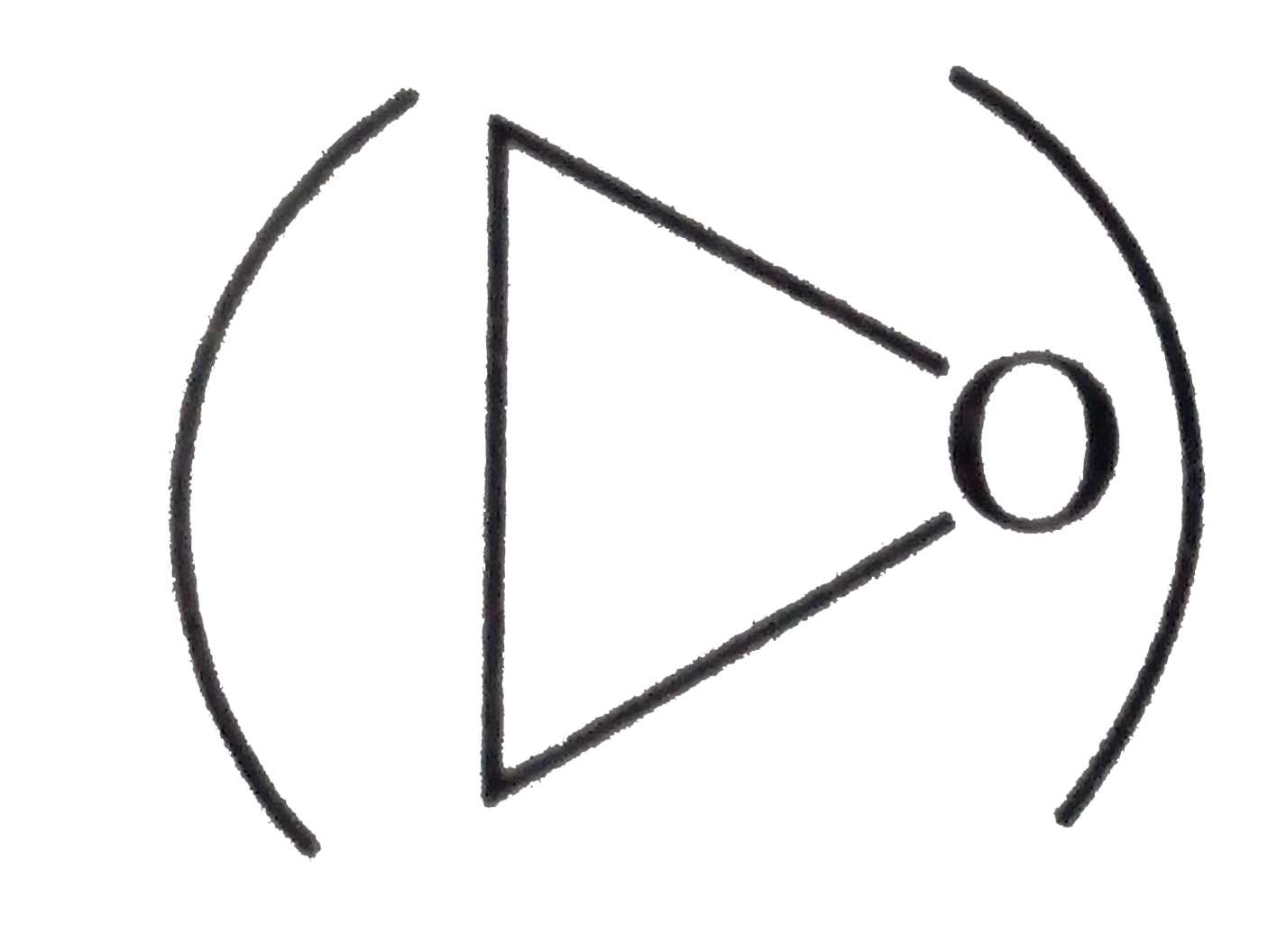 (ethylene oxide). (ethylene oxide). c.(D) is `3^(@)` alcohol with 6C, and GR. contains IC, so (III) is ketone with 5C. So (III) is `overset ((Me--CH_(2)--CH_(2)--CO--Me)) underset (54321)` (prntan-2-one) or `MeCH_(2)CH_(2)COMe`. d.(F) is `1^(@)` alcohol with 1C more than GR. (E), so (IV) is `(CH_(2) = Q)` (methanal). e. (H) is `1^(@)` alcohol with 5C, and GR. contains 3C, so (V) is 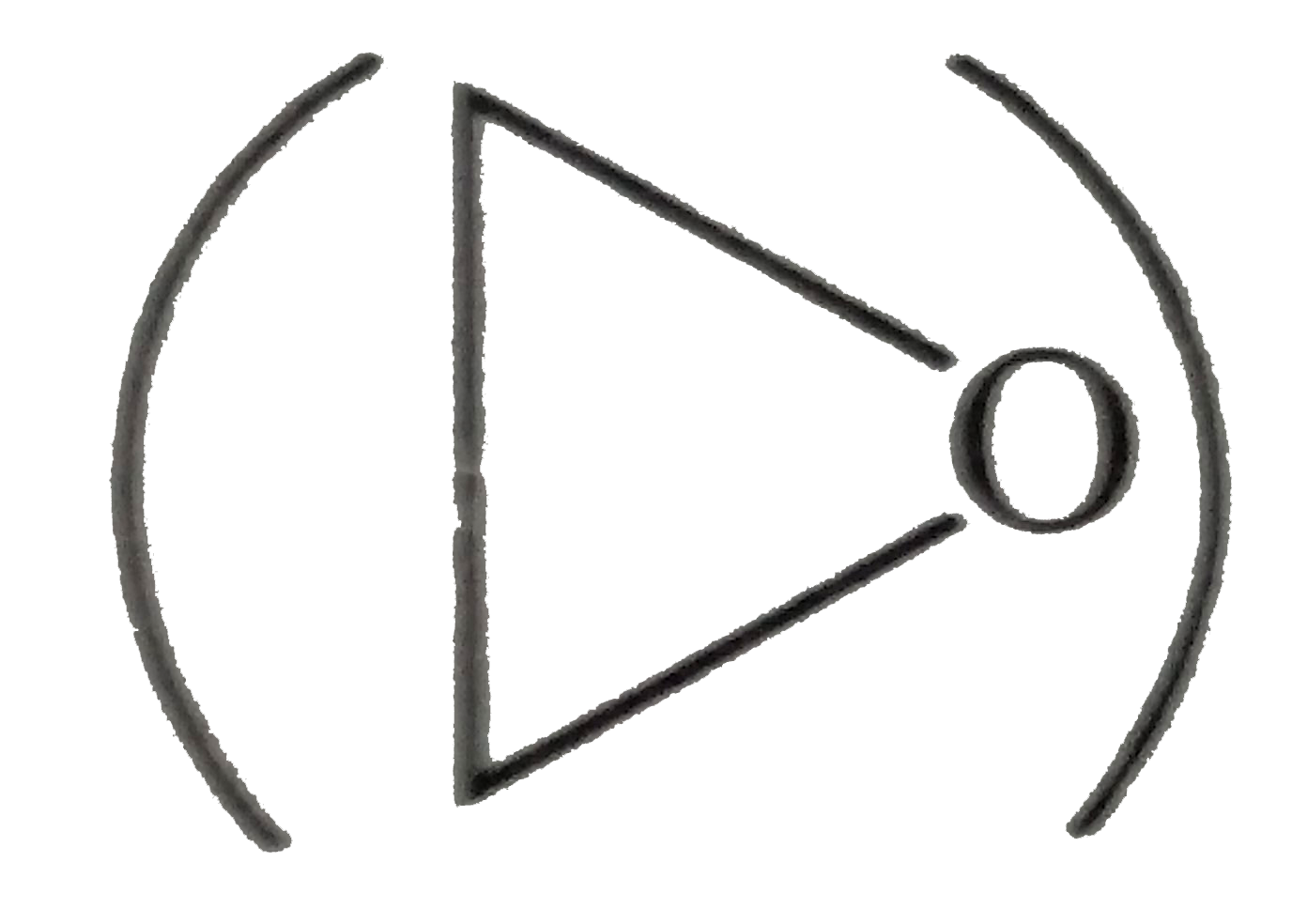 (ethylene oxide). (ethylene oxide). f.(H) is `1^(@)` alcohol with 5C, and G.R. contains 4C, so (VI) `(CH_(2) = O)` (methanal or formaldehyde). |
|
| 42. |
Complete the follosing: . |
Answer» SOLUTION :
|
|
| 43. |
Complete the following equations: CH_3COONaunderset(Delta)overset(NaOH . CaO)to |
| Answer» SOLUTION :`CH_(3)COONA underset(DELTA)overset(NaOH&CaO)toCH_(4)+Na_(2)CO_(3)` | |
| 45. |
Complete the equation : [Fe(H_(2)O)_(6)]^(2+)+NO rarr |
| Answer» Solution :`[FE(H_(2)O)_(6)]^(2+)+NOrarr[Fe UNDERSET("Dark brown")((H_(2)O)_(5))NO]^(2+)+H_(2)O` | |
| 46. |
Complete the equation : [Fe(H_(2)O)_(6)]^(2+) + NO rarr |
|
Answer» Solution :NO reduces `FE^(2+)` to `Fe^(+)` and itself gets oxidised to nitrosonium ion `(NO^(+))`. The two SPECIES then combine to form a brown complex. `[Fe(H_(2)O)_(6)]^(2+)(aq) + NO(g) RARR underset(("Brown complex"))underset("Pentaaquanitrosonium IRON (I)")([Fe^(+)(H_(2)O)_(5)NO^(+)](aq)) + H_(2)O(l)` |
|
| 47. |
Complete the equation : CH_3CH_2Br +KOHrarr _____+H_2O + _____. |
| Answer» SOLUTION :`CH_2=CH_2` , KBR | |
| 48. |
Complete the equation and name the reaction: R-overset(O)overset(||)C-CH_(3)overset(NaOH)rarr |
|
Answer» SOLUTION :`R-overset(O)overset(||)C-CH_(3)+NaOC l rarr R-overset(O)overset(||)C-ON a+CH_(3)Cl_(3)` This reaction is known as HALO form reaction. Aldehydes and ketones having at least one methyl keto group are oxidised by sodium hypohalite to sodium SALTS of carboxylic acids with one carbon atom less than that of the PARENT compound. The methyl group is converted to haloform. This reaction is called haloform reaction. |
|
| 49. |
Complete the equation |
Answer» SOLUTION :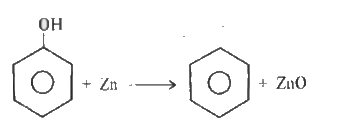
|
|
| 50. |
Complete the equation. |
Answer» SOLUTION :
|
|