Saved Bookmarks
This section includes 7 InterviewSolutions, each offering curated multiple-choice questions to sharpen your Current Affairs knowledge and support exam preparation. Choose a topic below to get started.
| 1. |
Maximum value ( n + l + m )for an unpaired electron in excited state of chlorine ""_(71) Cl is |
|
Answer» 28 |
|
| 2. |
Maximum possible hydrogen bonds are present in |
|
Answer» `3.6^(13)` Helix |
|
| 3. |
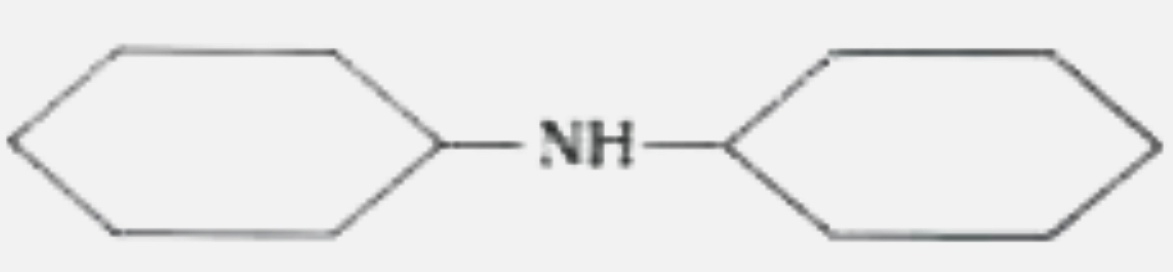
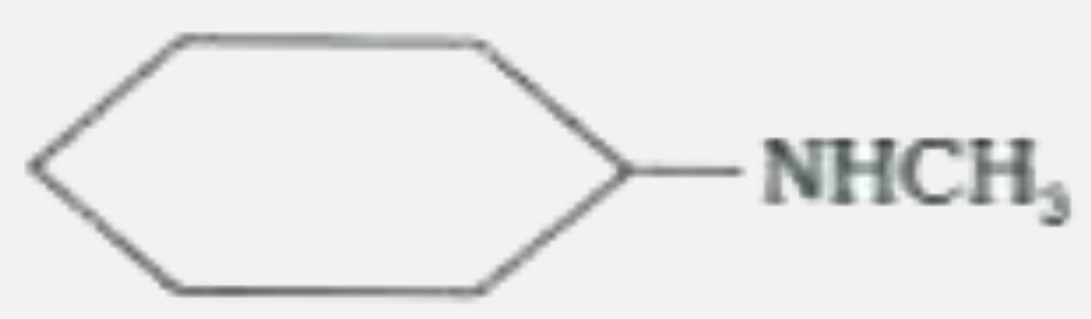
Maximum pK_(b) value is of |
|
Answer» `(CH_(3))_(2)NH`  is least basic and THEREFORE has maximum value of `pK_(b)`. is least basic and THEREFORE has maximum value of `pK_(b)`.
|
|
| 4. |
Maximum percentage of available Cl_(2) as per formula CaOCl_(2). H_(2)O is x xx 7. Where the value of 'x' ? |
|
Answer» |
|
| 5. |
Maximum paramagnetism in 3d -series shown by : |
|
Answer» Mn |
|
| 6. |
Maximum paramagnetism in 3d series is shown by |
|
Answer» Mn |
|
| 7. |
Maximum P-O-P linkage present in :- |
|
Answer» `P_(4)O_(6)` 
|
|
| 11. |
Maximum number of unpaired electrons are present in…. |
|
Answer» `Gd^(3+)` |
|
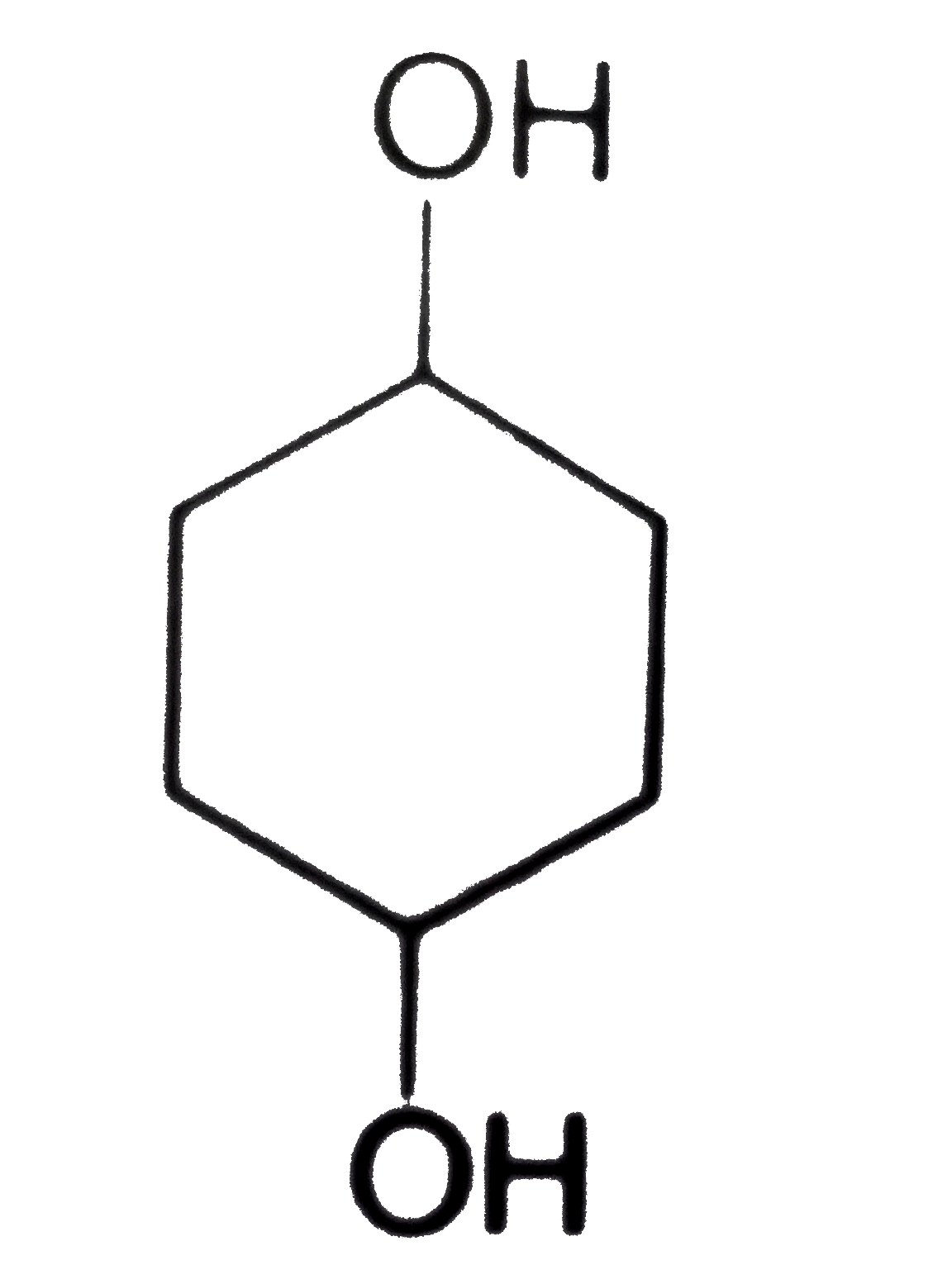
| 13. |
Maximum number of oxygen molecules bond around a heamoglobin is (are) |
Answer» 
|
|
| 14. |
Maximum number of moles of Ac_(2)O consumed by reactant (A) is : |
Answer» 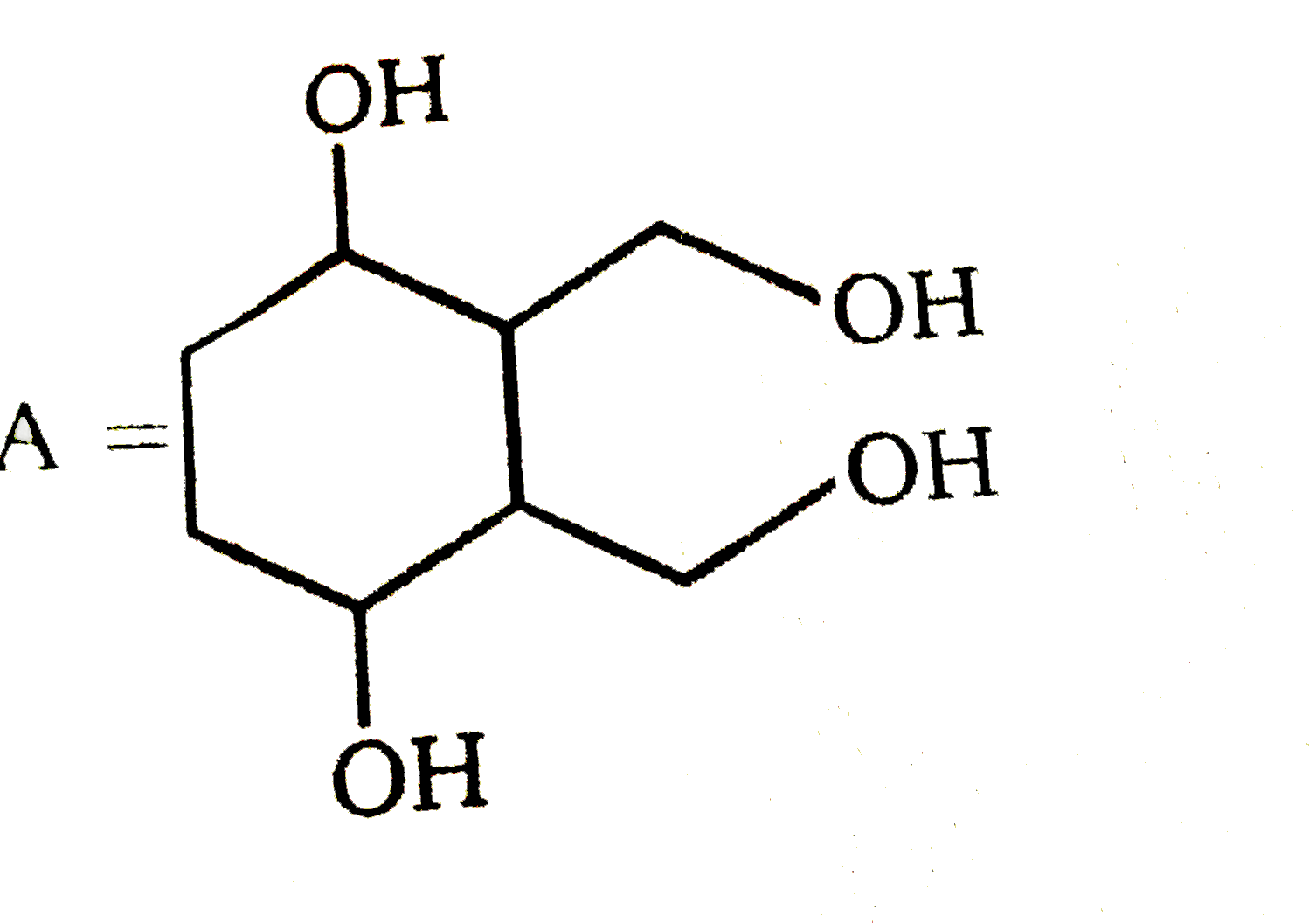 No. of ALCOHOL = No. of moles of `Ac_(2)O` CONSUMED. `=4` |
|
| 15. |
Maximum number of oxidation states of the transition metals is derived from the following configuration: |
|
Answer» NS ELECTRONS |
|
| 17. |
Maximum number of molecules of CH_(3)I that can react with a molecule of CH_(3)NH_(2) are |
|
Answer» 3 |
|
| 18. |
Maximum number of isomers of alkene C_(4)H_(8) are |
|
Answer» 2 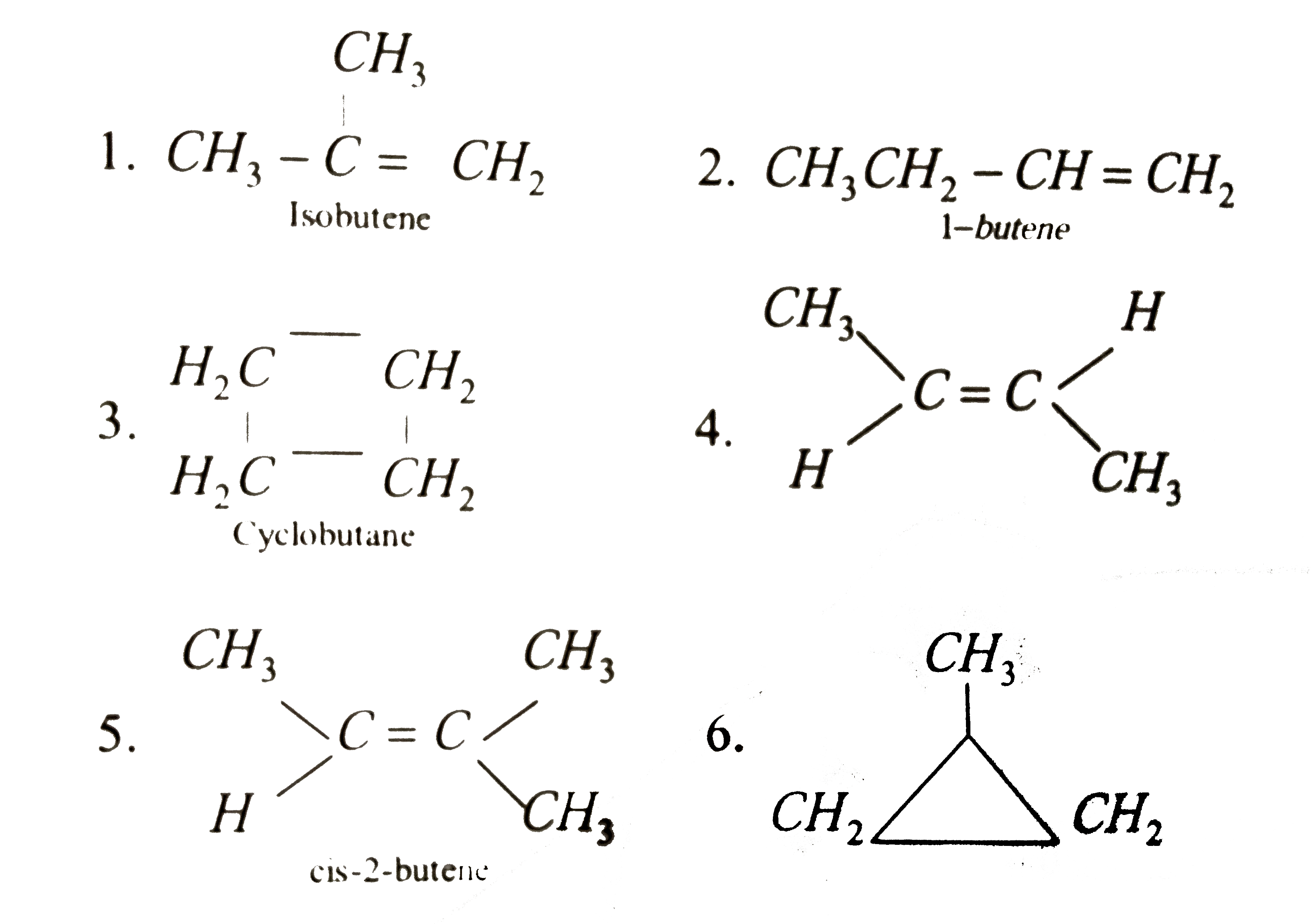
|
|
| 19. |
Maximum number of lone pair electrons present in the molecules among the following : |
|
Answer» `XeF_(2)` |
|
| 20. |
Maximum number of mole of oxygen gas that can be obtained by the electrolytic decomposition of 90 g of water will be |
|
Answer» 1 |
|
| 21. |
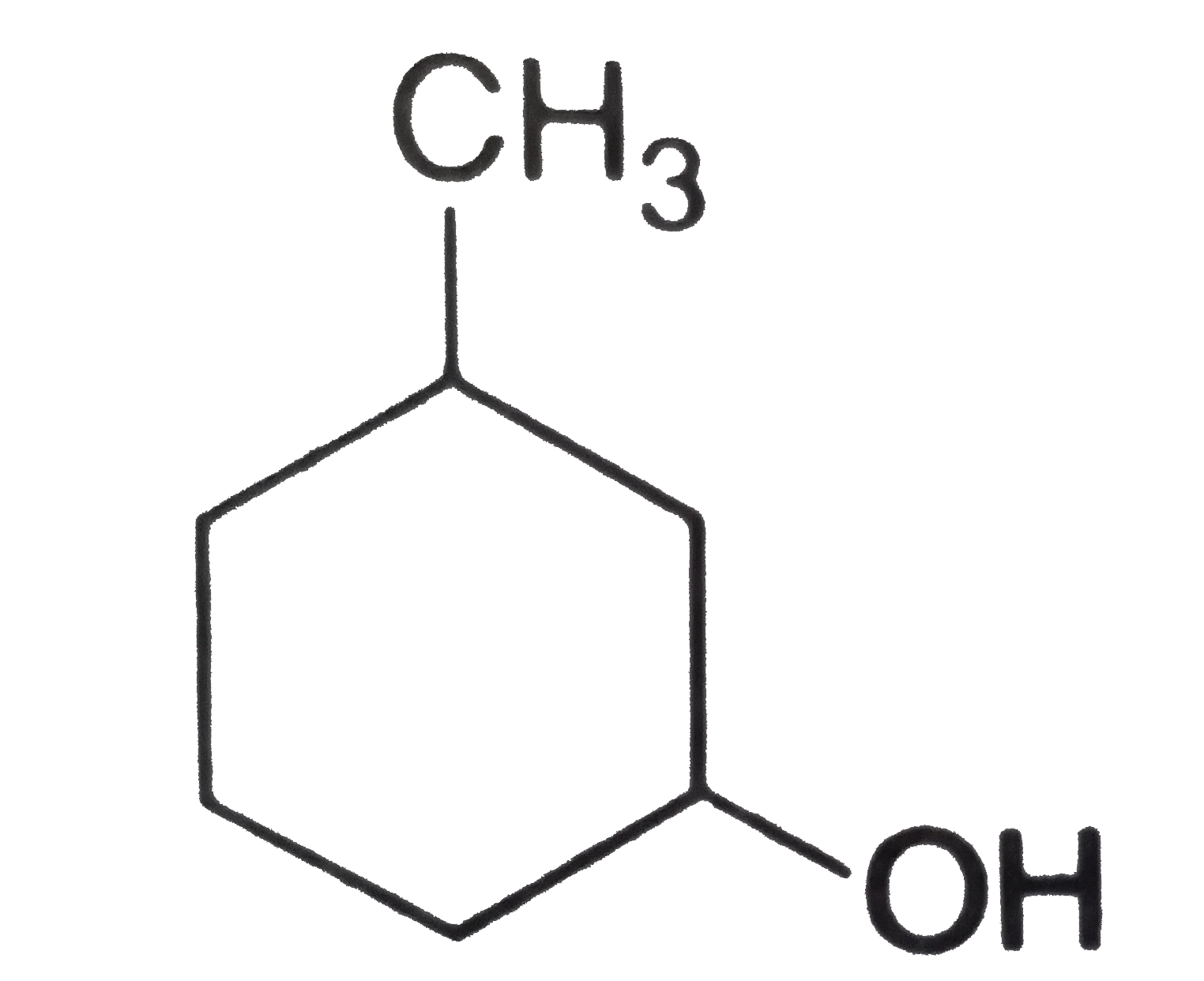
Maximum number of isomers formed when is treated with N-Bromo succinamide is |
|
Answer» 1 |
|
| 22. |
Maximum number of identical bond length are present in |
|
Answer» `SF_(6)` |
|
| 23. |
Maximum number of isomers for an alkene with molecular formula, C_(4)H_(8) is: |
|
Answer» 5 |
|
| 24. |
Maximum number of ionisation energies possible for a carbon atom is :- |
|
Answer» 1 total IP=6. |
|
| 25. |
Maximum number of hydrogen bonding in H_(2)O is |
|
Answer» 1 |
|
| 26. |
Maximum number of electrons which can be accommodated in a g subshell is: |
|
Answer» 14 |
|
| 27. |
Maximum number of electronsthat can beaccommodatedin the subshellwithazimuthalquantumnumberl=4, is |
|
Answer» 10 `THEREFORE"no of " E^(-)= 2(2l+1)` `=2(2xx4+1)=18e^(-)` |
|
| 28. |
Maximum number of electrons present in "N" shell is: |
|
Answer» 18 |
|
| 29. |
Maximum number of electrons in a subshell with l=3 and n=4 is |
|
Answer» 12 4f SUBSHELL has 14 ELECTRONS. |
|
| 30. |
Maximum number of dative bonds that can be formed by EDTA |
|
Answer» |
|
| 31. |
Maximum number of atoms which are in the same plane in [Ni(CO)_(4)] : |
|
Answer» 3 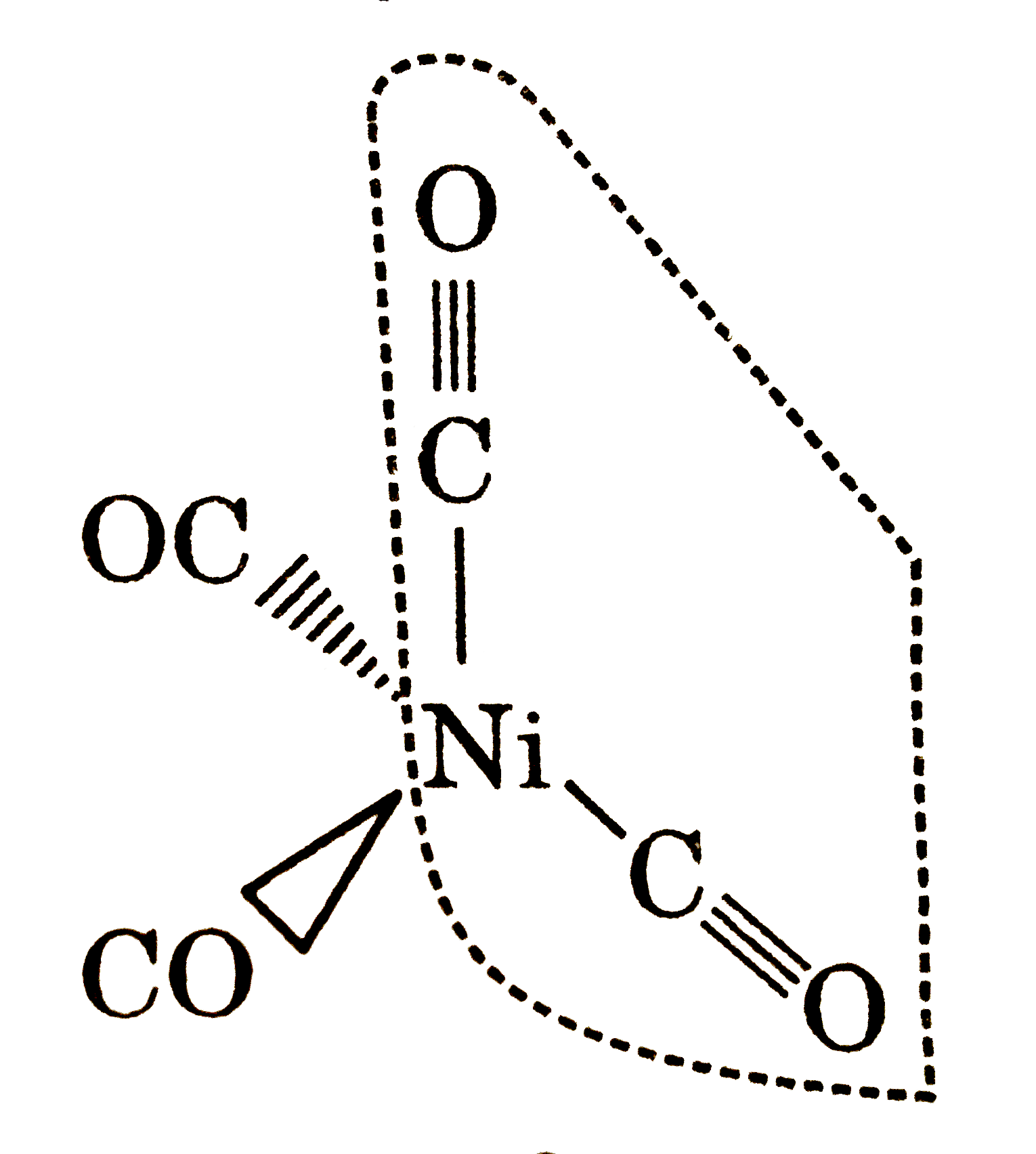
|
|
| 32. |
Maximum number of bonds in |
|
Answer» `CO_(2)` |
|
| 33. |
Maximum number of atoms present in one interhalogen atom. |
|
Answer» |
|
| 34. |
Maximum mass of sucrose C_(12)H_(22)O_(11) produced by mixing 84 gm of carbon , 12 gm of hydrogen and 56 lit. O_(2) at 1 atm & 273K according to given reaction, is C(s) + H_(2)(g) + O_(2) (g) to C_(12)H_(22)O_(11)(s) |
|
Answer» 138.5 |
|
| 36. |
Maximum group valancy of halogens with respect to oxygen is : |
|
Answer» One |
|
| 37. |
Maximum ferromagnetism is found in: |
|
Answer» Fe |
|
| 38. |
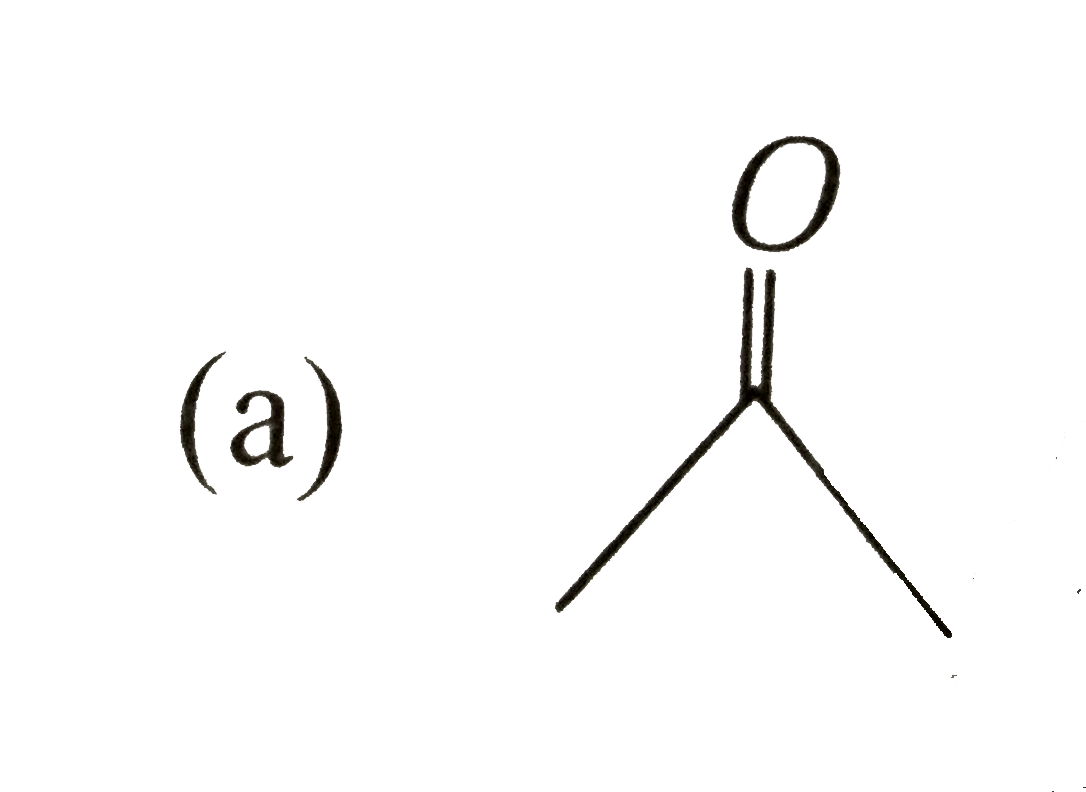
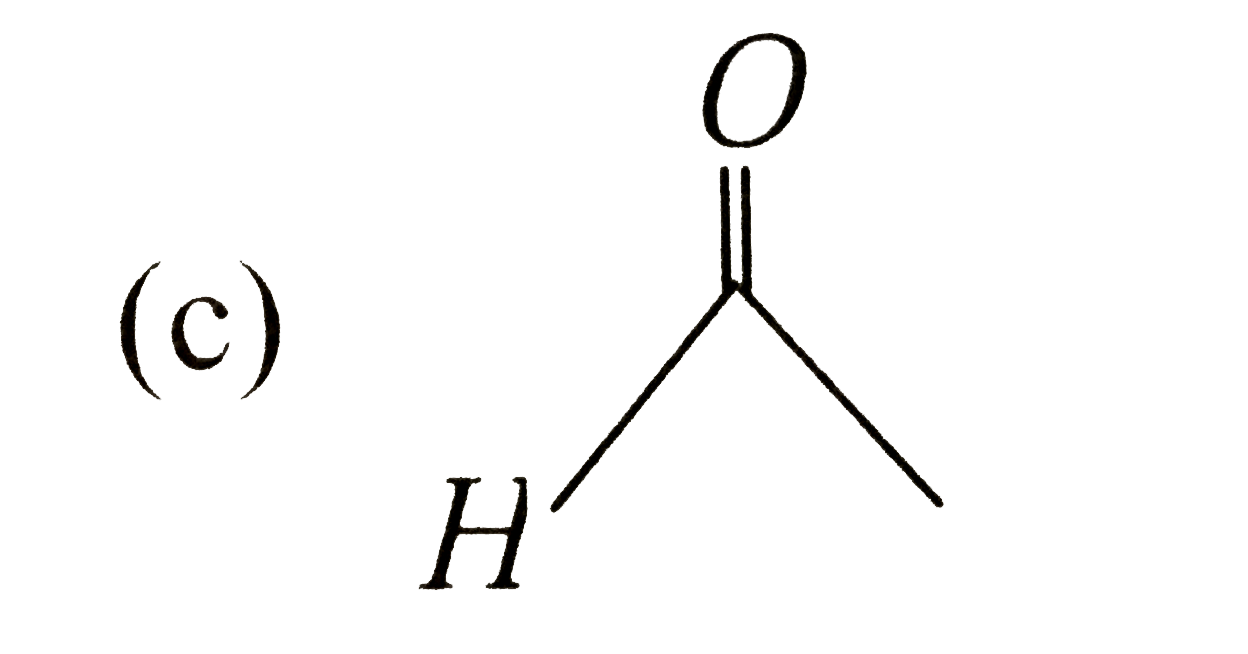
Maximum enolisation takes place in: |
|
Answer» `CH_(3)COCH_(3)` 
|
|
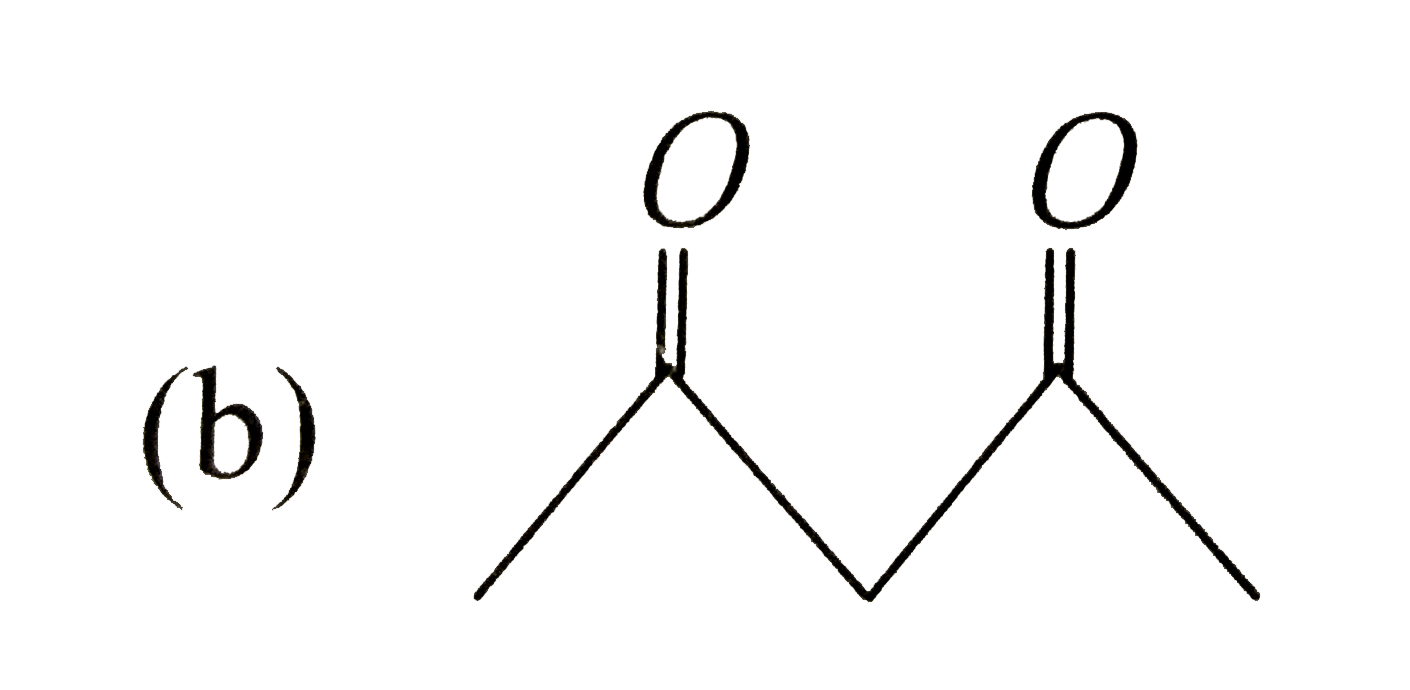
| 39. |
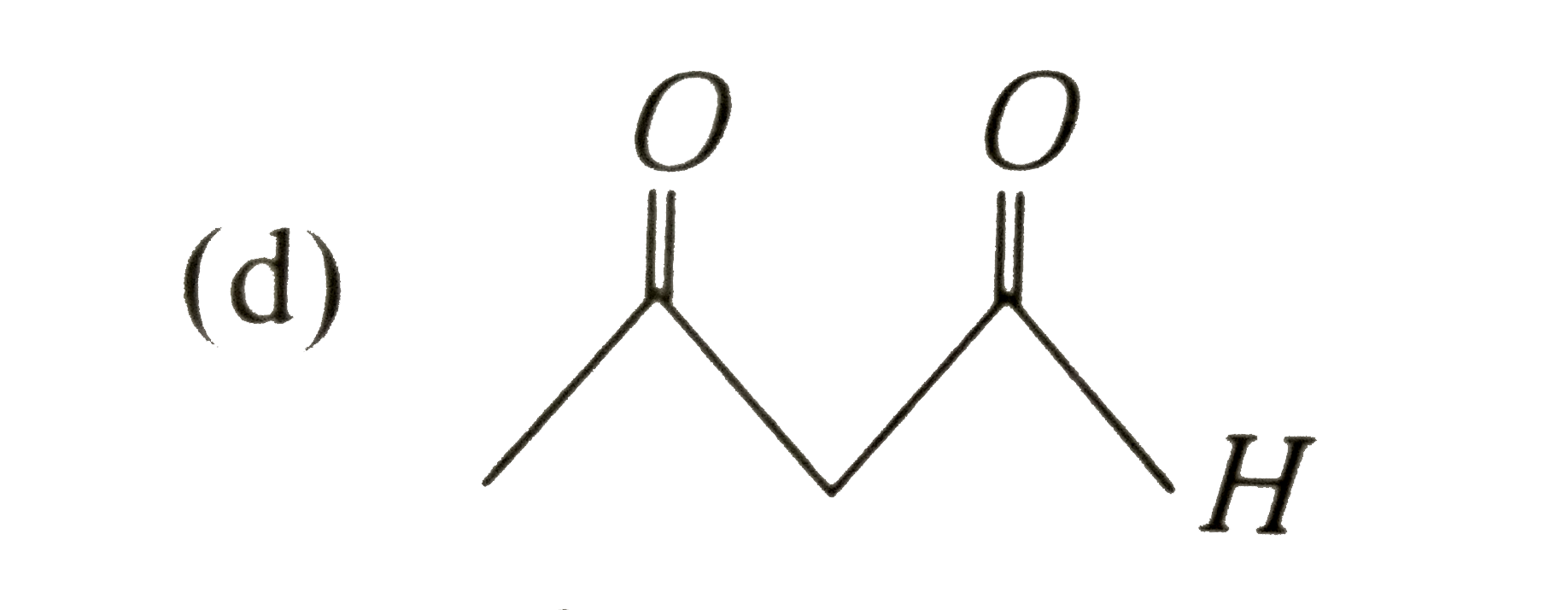
Maximum enol content is in |
|
Answer»
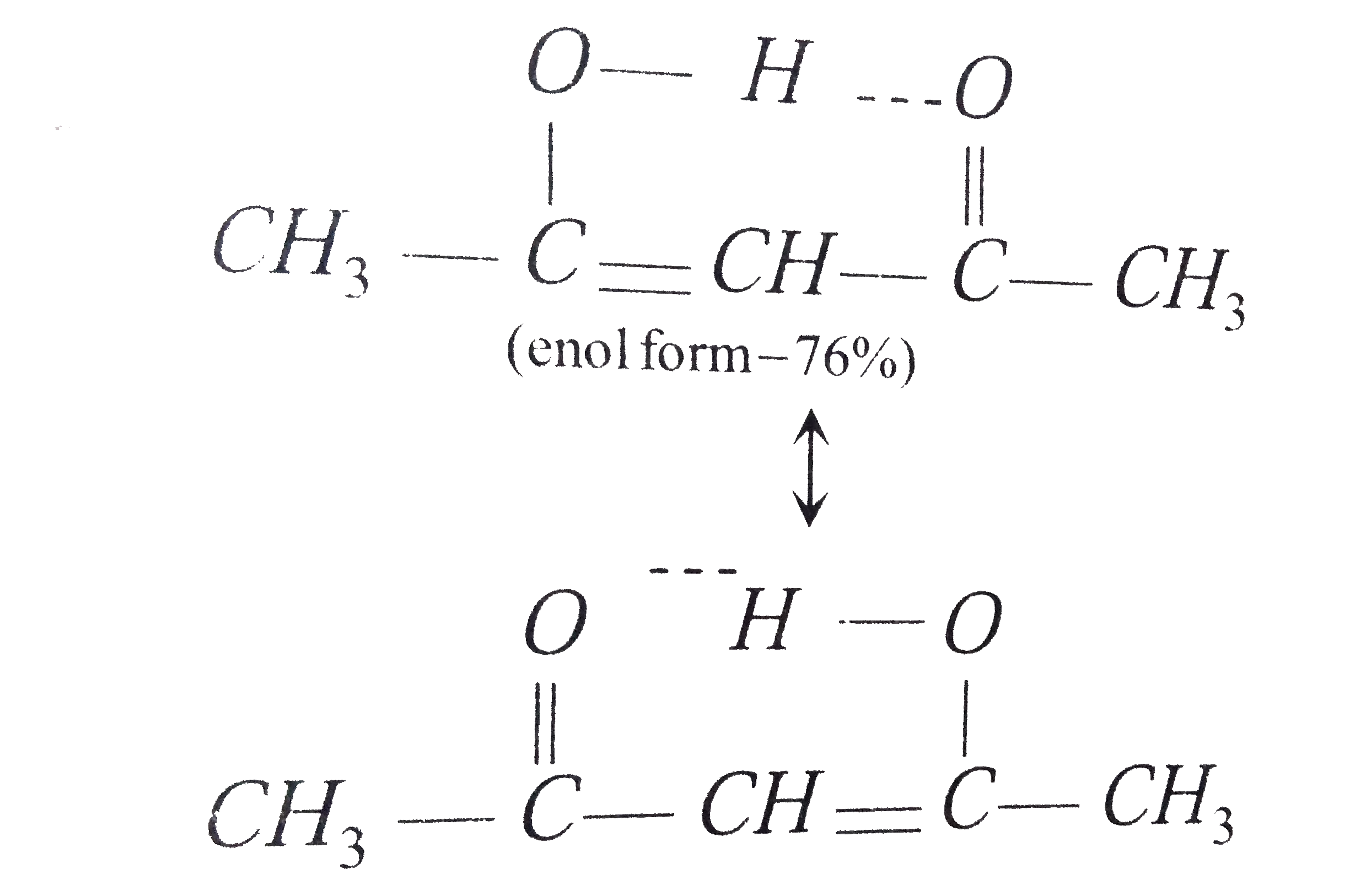 In acetyl acetone, the enol form is stabilised by H BONDING, hence it has more enol content than others. |
|
| 40. |
Maximum entropy will be in which of the following |
|
Answer» Ice |
|
| 42. |
Maximum depression in freezing point is caused by |
|
Answer» `Na_(2)SO_(4)` |
|
| 43. |
Maximum covalent character is shown by ______ |
|
Answer» `PCl_(3)` |
|
| 44. |
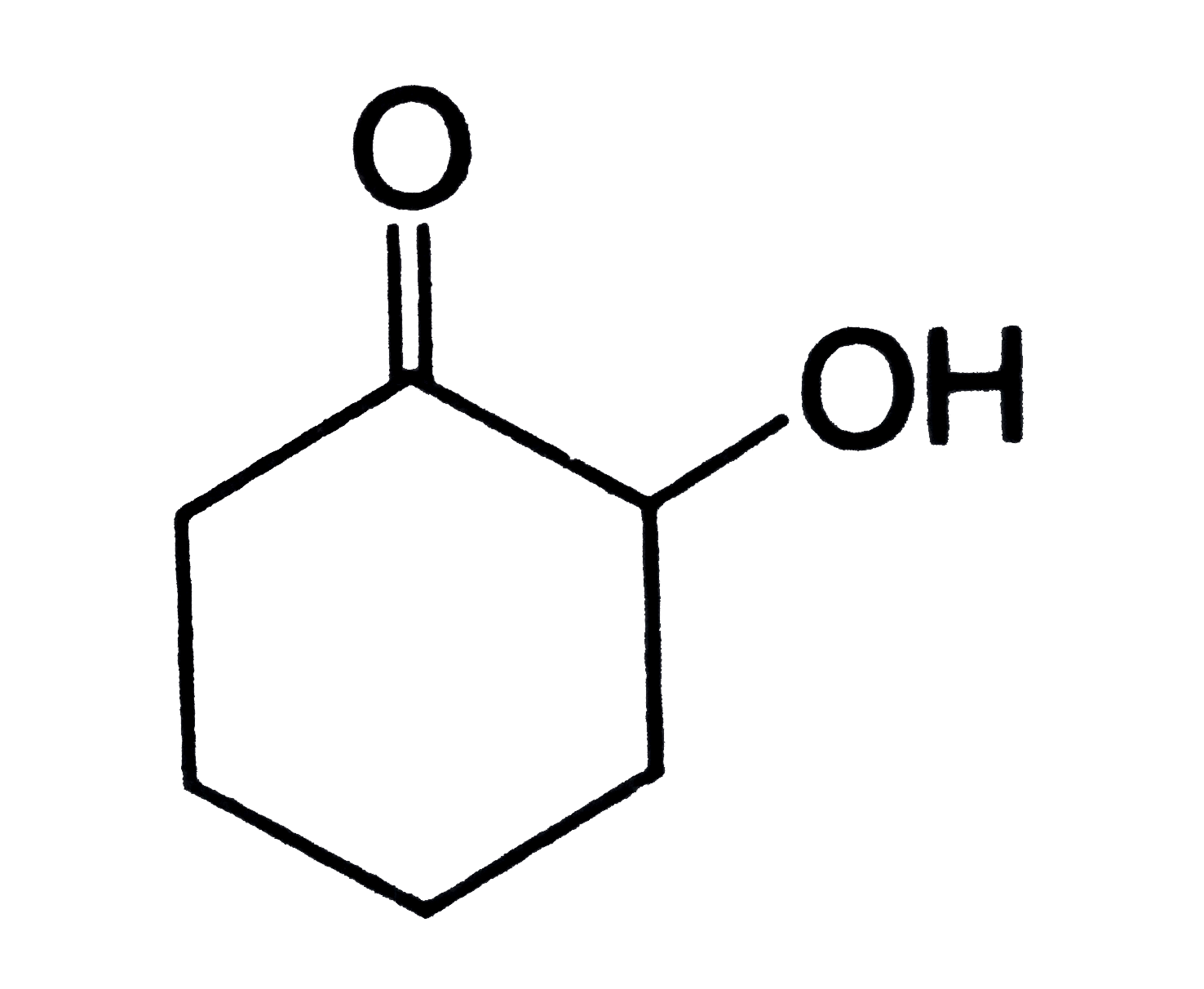
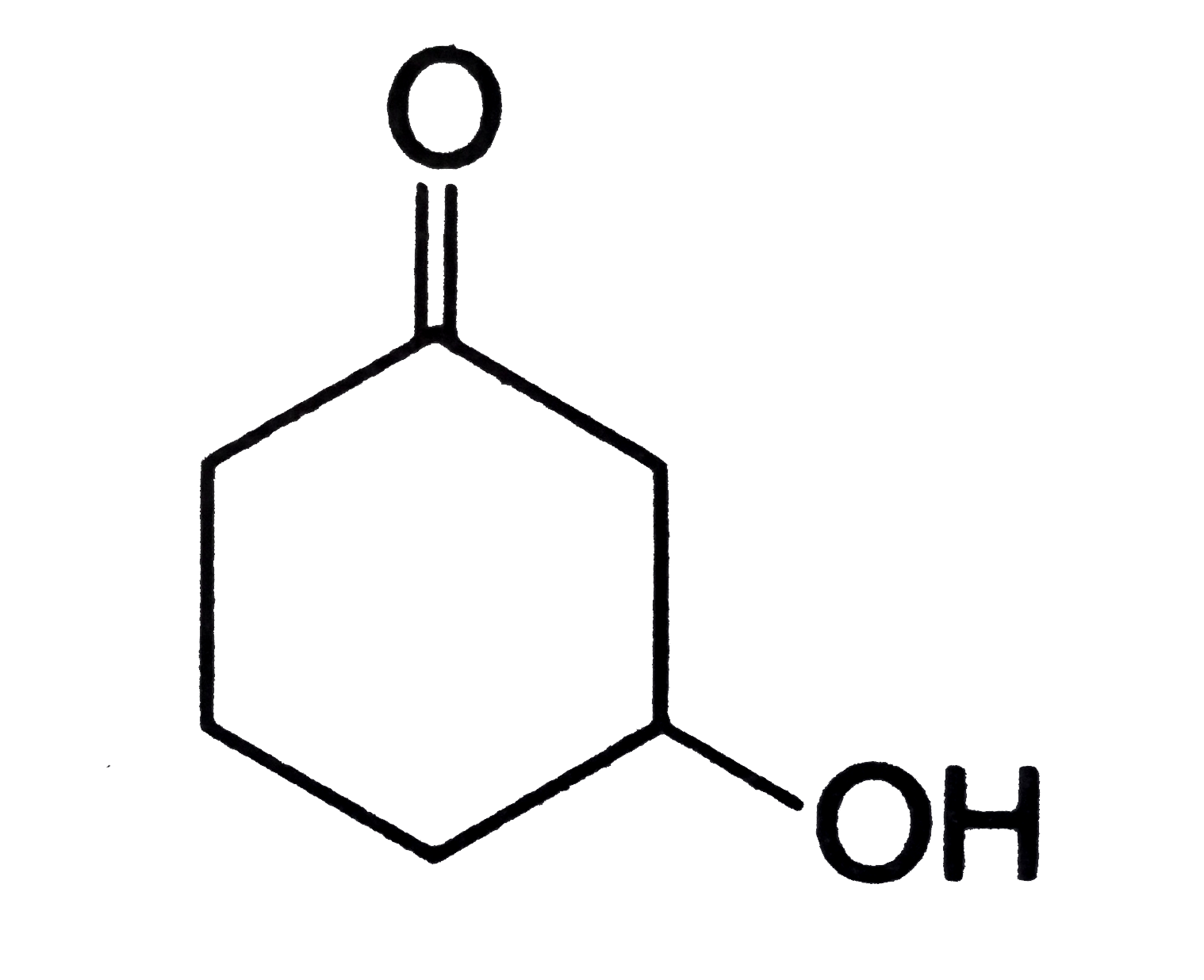
Maximum dehydration takes place in |
|
Answer»

|
|
| 45. |
Maximum covalency of sulphur is : |
|
Answer» 2 |
|
| 46. |
Maximum covalency of oxygen is 4. Why? |
| Answer» Solution :VALENCE shell electronic CONFIGURATION of `O` `2s^2p^4`. Due to ABSENCE of d-orbitals in its valence shell, maximum covalency of oxygen is 4. | |
| 47. |
Maximum covalency of nitrogen is ____ |
|
Answer» 3 |
|
| 48. |
Maximum covalency of nitrogen is |
|
Answer» 3 |
|
| 49. |
Maximum covalency of nitrogen is ...... . |
|
Answer» 3 |
|
| 50. |
Maximum covalency of nitrogen is four. Explain. |
| Answer» Solution :NITROGEN has no VALENCE d-orbitals. Excitation of 2S electron to 3s orbital is difficult. Hence nitrogen does not form five bonds. `N(Z=7):[He] 2s^(2)2p^(1)2p^(1) 2p^(1)`. Nitrogen can form three covalent bonds and one dative bond as in `NH_(4)^(+)` or in `C_(6)H_(5)NH_(3)^(+)` IONS. Its maximum covalency is four. | |