

Saved Bookmarks
This section includes 7 InterviewSolutions, each offering curated multiple-choice questions to sharpen your Current Affairs knowledge and support exam preparation. Choose a topic below to get started.
| 1. |
In thegivenreaction , CH_(3)- overset(O)overset(||)C-C_(2)H_(5)overset([x])to CH_(3)-CH_(2)-C_(2)H_(5) X will be : |
| Answer» Answer :D | |
| 2. |
In the given reaction: CH_(3)-underset(CH_(3))underset(|)CH=CH-CH_(2)-Br+HOH//NaOHto[X] as major product will be: |
|
Answer» `H_(3)C-UNDERSET(CH_(3))underset(|)overset(OH)overset(|)C-CH_(2)-CH_(2)-BR` |
|
| 3. |
In the given reaction CH_(3)-CH_(2)-underset(NaOH)underset(||)(C)-CH_(3)underset((H_(2)O //H^(+)),Delta)overset(H_(2)SO_(4))to(A)+(B) A and B are: |
|
Answer» `CH_(3)COOH and C_(2)H_(5)NH_(2)` |
|
| 4. |
Intheextractionbyelectrolysisofbrine. ............. |
|
Answer» oxidation of` Cl^(-) `ionto chlorinegas occurs |
|
| 5. |
In the experiment set up for the measurement of EMF of a half cell using a reference electrode and a salt bridge. When the salt bridge is removed, the voltage |
|
Answer» Does not change |
|
| 6. |
In the given reaction CH_(3)-cH_(2)COOHoverset((i)CH_(3)Li" (excess)"(ii)H_(3)O^(o+))rarr [X] [X] will be |
|
Answer» `CH_(3)-cH_(2)COOLi` |
|
| 7. |
In the experiment on elecro-osmosis, in which of the following the level of the dispersion medium will fall on the cathode side ? |
|
Answer» GOLD sol |
|
| 8. |
In the given reaction: CH_3-CH_2-COOH underset((ii) Br_2,C Cl_4//Delta)overset((i) AgNO_3)to [X]. [X] will be |
|
Answer» ethyl bromide |
|
| 9. |
In the excess of air, the major oxides formed by Li, Na and K are Li_(2)O, Na_(2)O_(2)and KO_(2) respectively. Arrange all the given oxides in the decreasing order of their stability. |
|
Answer» `Li_(2)O gt Na_(2)O_(2)gt KO_(2)` |
|
| 10. |
In the given reaction CH_(2)-cH_(2)-overset(O)overset(||)C-CH_(2)COOC_(2)H_(5)overset([X])rarr (A) overset((i)LiAlH_(4))underset((ii)H_(2)O //H^(o+))rarr CH_(3)-CH_(2)-overset(O)overset(||)C-CH_(2)-CH_(2)OH+C_(2)H_(5)OH [X] will be |
|
Answer» `HCHO` |
|
| 11. |
In the estimation of sulphur, organic compound on treating with conc. HNO_(3) is converted to |
|
Answer» `SO_(2)` `S + H_(2)O + 3O UNDERSET(HNO_(3)) overset(Delta)rarrH_(2)SO_(4)`. |
|
| 12. |
In the estimation of sulphur by carius methode 0.480g of organic compound give 0.699g of Barium sulphate. The percentage of sulphur in the compound is (Atomic masses , Ba=137, S=32, O=16) |
| Answer» Answer :C | |
| 13. |
In the estimation of sulphur by Carius method, 0.480g of an organic compound gives 0.699g of barium sulphate. The percentage of sulphur in this compound is [Atomic masses : Ba=137, S=32, O=16] |
|
Answer» Solution :Percentage of `S=(32)/(233)xx("Mass of"BaSO_(4)"formed")/("Mass of compound taken")xx100` `=(32)/(233)xx(0.699)/(0.480)xx100=20%` |
|
| 14. |
In the given reaction C_6H_5-underset(O)underset(||)C-CH_3overset(NH_2OH//H^(o+))rarr[X]overset(Na//C_2H_5OH)rarr[Y] [Y] willbe |
|
Answer» `C_6H_5-UNDERSET(CH_3)underset(|)(CH)-NH_2` |
|
| 15. |
In the estimation of nitrogen by Kjeldahl's method, 2.8 gm of an organic compound required 20 millimole of H_(2)SO_(4) for the complete neutralization of NH_(3) gas evolved. The percentage of nitrogen in the sample is: |
|
Answer» 0.2 |
|
| 16. |
In the estimation of nitrogen by Duma 's method 1.18 g of an organic compound gave 224 mL of N_2 at NTP. The percentage of nitrogen in the compound is about : |
|
Answer» 20 |
|
| 17. |
In the given reaction A+3B to 2C, the rate of formation of C is 2.5xx10^(-4)mol L^(-1)s^(-1). Calculate the (i) rate of reaction, and (ii) rate of disapperance of B. |
|
Answer» Solution :Rate of REACTION `=-([Delta A])/(Delta t)=-(1)/(3)([Delta B])/(Delta t)=(1)/(2)([Delta C])/(Delta t)` Rate of FORMATION of `C=([Delta C])/(Delta t)=2.5xx10^(-4)MOL L^(-1)s^(-1)` `:."""Rate of reaction"=(1)/(2)([Delta C])/(Delta t)=(1)/(2)xx2.5xx10^(-4)mol L^(-1)s^(-1)=1.25xx10^(-4)mol L^(-1)s^(-1)` and Rate of disapperance of `B=([Delta B])/(Delta t)=(3)/(2)([Delta C])/(Delta t)=(3)/(2)xx2.5xx10^(-4)mol L^(-1)s^(-1)` `=3.75xx10^(-4)mol L^(-1)s^(-1)` |
|
| 18. |
In the given reaction [C_6H_5-CH_2-CH_2-overset(o+)(N)(CH_3)_2-CH_2-CH_3]overset(Theta)(OH)overset(Delta)rarr (X) as major product will be |
|
Answer» `C_6H_5-CH=CH_2` |
|
| 19. |
In the estimation of nitrogen by Duma 's method 0.59 g to organic compound gave 112 mL nitrogen at NTP .The percentage of nitrogen in the compound is about : |
|
Answer» 23.7 |
|
| 20. |
In the estimation of chlorine in a given compound, it was found that 0.0811g of a compound gave 0.2368g of silver chloride. Calculate the percentage of chlorine in the given compound.(Ag= 108, Cl= 35.5) |
|
Answer» Solution :Moles of Cl in AgCl `= 1 xx` MOLE of AgCl `=(0.2368)/(143.5)` (AgCl= 143.5) Weight of CHLORINE `= (0.2368)/(143.5)xx 35.5` 0.0586g PERCENTAGE of Cl in the compound `= (0.0586)/(0.0811) xx 100` = 72.27% |
|
| 21. |
In the given reaction C_6 H_5 CHO + X underset((ii) HOH//NH_4 Cl)overset((i)Zn)to C_6 H_5 -overset(OH)overset(|)CH-CH_2-COOC_2 H_5. [X]will be |
|
Answer» `CH_3-COOC_2 H_5` |
|
| 22. |
In the esterfication C_(2)H_(5)OH(1) + CH_(3)COOH(1)hArrCH_(3)COOC_(2)H_(5)(l)+H_(2)O(l) an equimolar mixture of alcohol and acid taken initially yields under equilibrium, the water with mole fraction = 0.333. Calculate the equilibrium constant. |
|
Answer» |
|
| 23. |
In the given reaction 2X_((g))+Y_((g))iff2Z_((g))+80kcal, which combination of pressure and temperature will give the highest yield of Z at equilibrium? |
|
Answer» 1000 atm and `200^(@)C` |
|
| 24. |
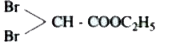
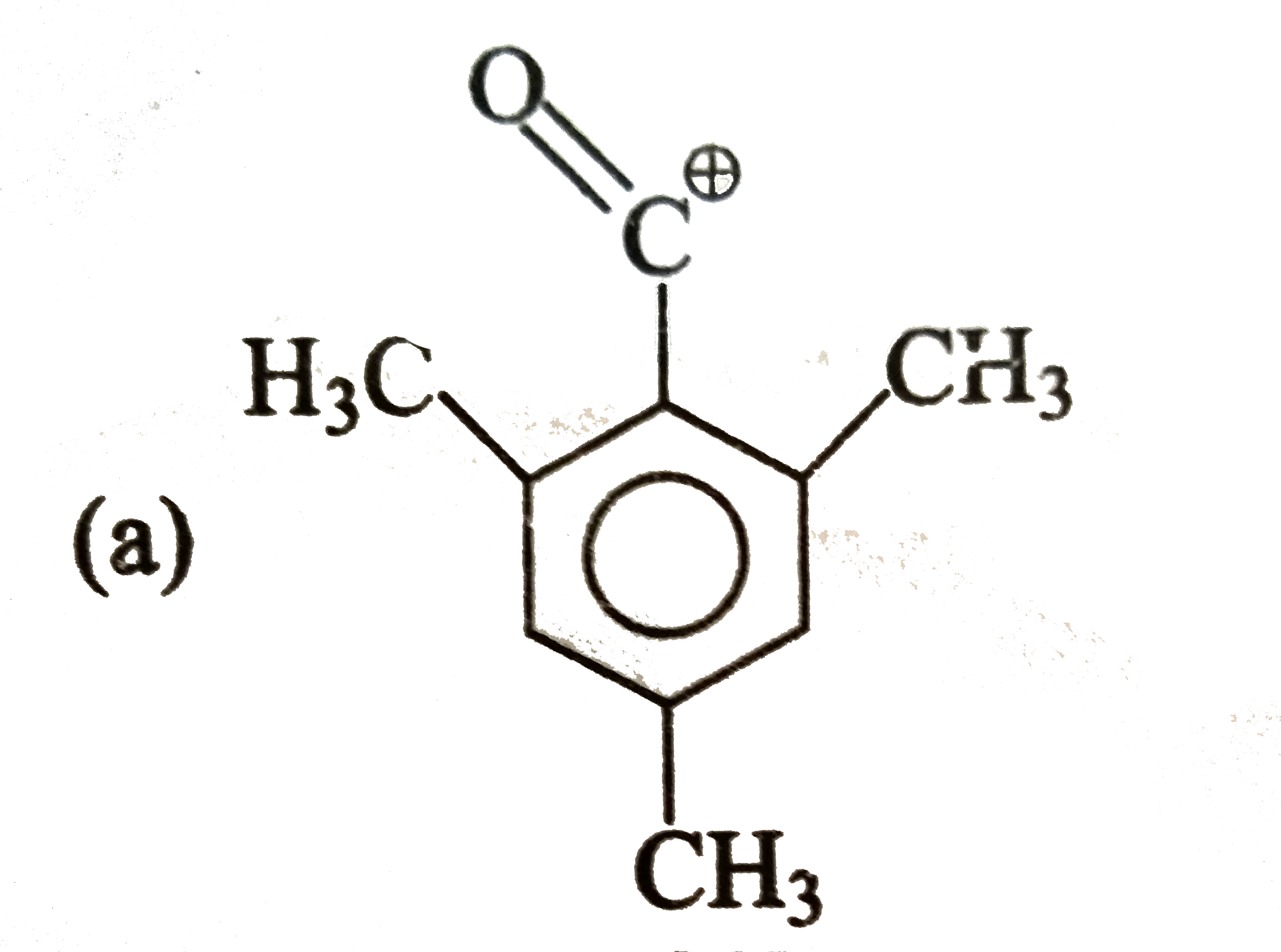
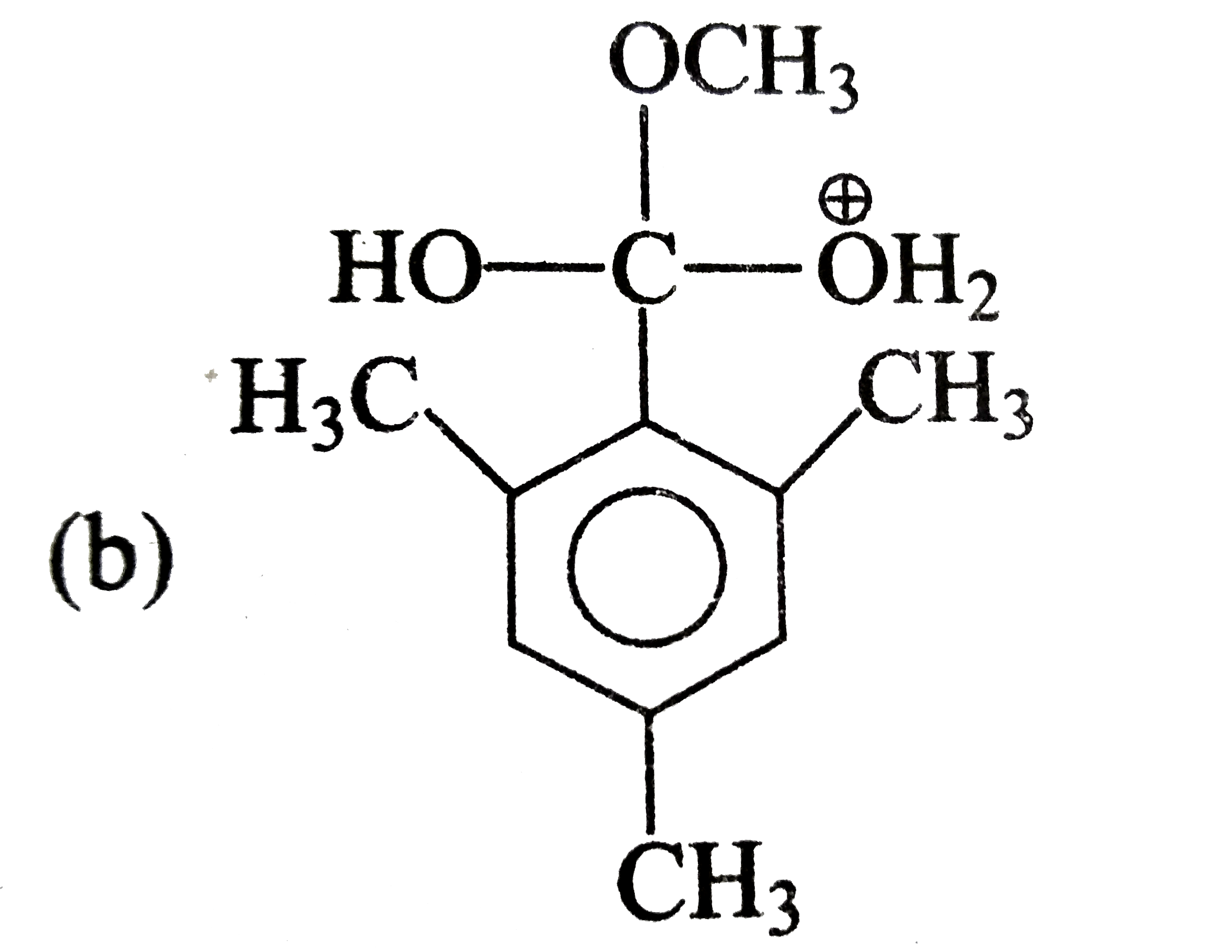
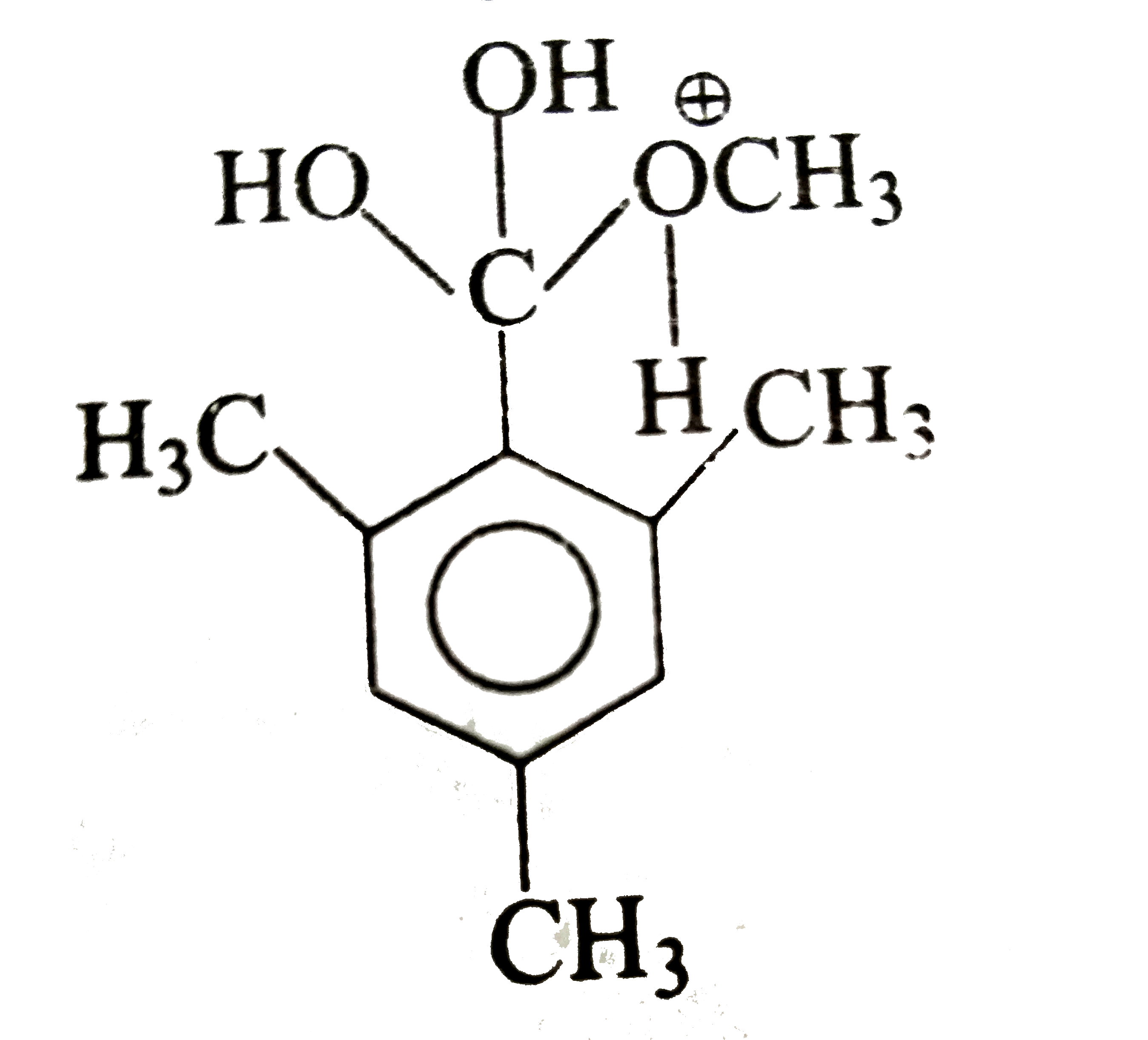
In the esterificaiton reaction: Which of the following is formed as an intermediate ? |
|
Answer»
|
|
| 25. |
In the given reaction ._(92)U^(235) overset(-alpha)rarr (A) overset(-beta)rarr (B) overset(-beta)rarr (C) isotopes are |
|
Answer» A and C (i) `._(92 -2)A^(235-4) = ._(90)A^(231)` (ii) `._(90)A^(231) overset(-beta)rarr ._((90 +1))B^((231)) = ._(91)B^(231)` (III) `._(91)B^(231) overset(-beta)rarr ._((91 +1))C^(231) = ._(92)C^(231)` Isotopes are `._(92)U^(235) and C` |
|
| 26. |
In the equilibrium SO_2CI(g) hArr SO_2(g) +CI_2(g) at 2000 k and 10 atm pressure , % CI_2 =% SO_2=40 (byvolume) then |
|
Answer» `K_c=0.1 MOL "It"^(-1)` |
|
| 27. |
In the given oxides of chromium, the oxide with higher ionic character and the oxide with higher basic nature respectively are: (i) CrO (ii) CrO_(3) (iii) Cr_(2)O_(3) (iv) CrO_(2) |
|
Answer» `CrO_(3) and CRO` |
|
| 28. |
In the equlibrium N_(2)+2H_(2)hArr2NH_(3)+22 kcal, the formation of ammonia is fovoured by |
|
Answer» INCREASING the PRESSURE |
|
| 29. |
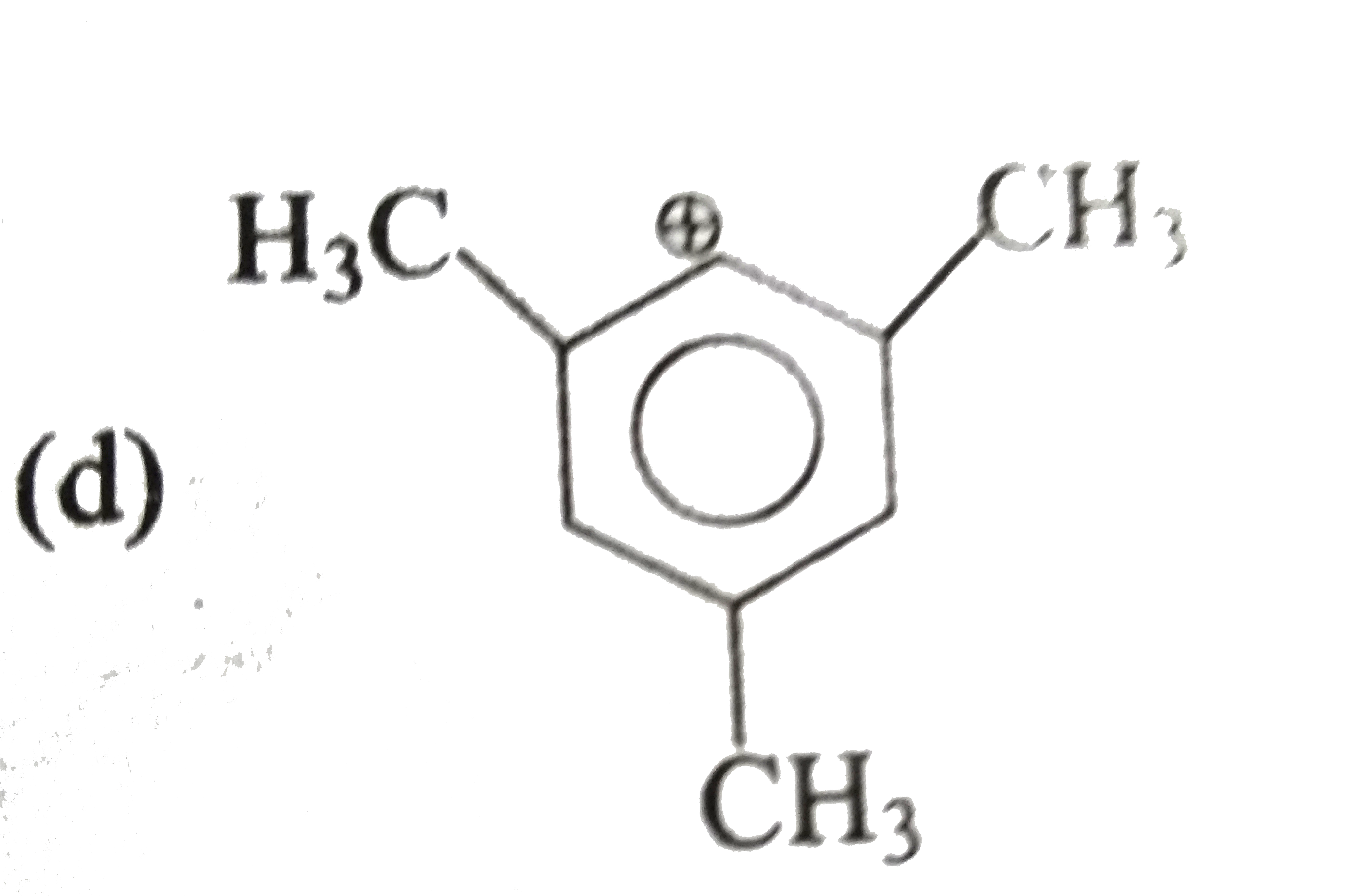
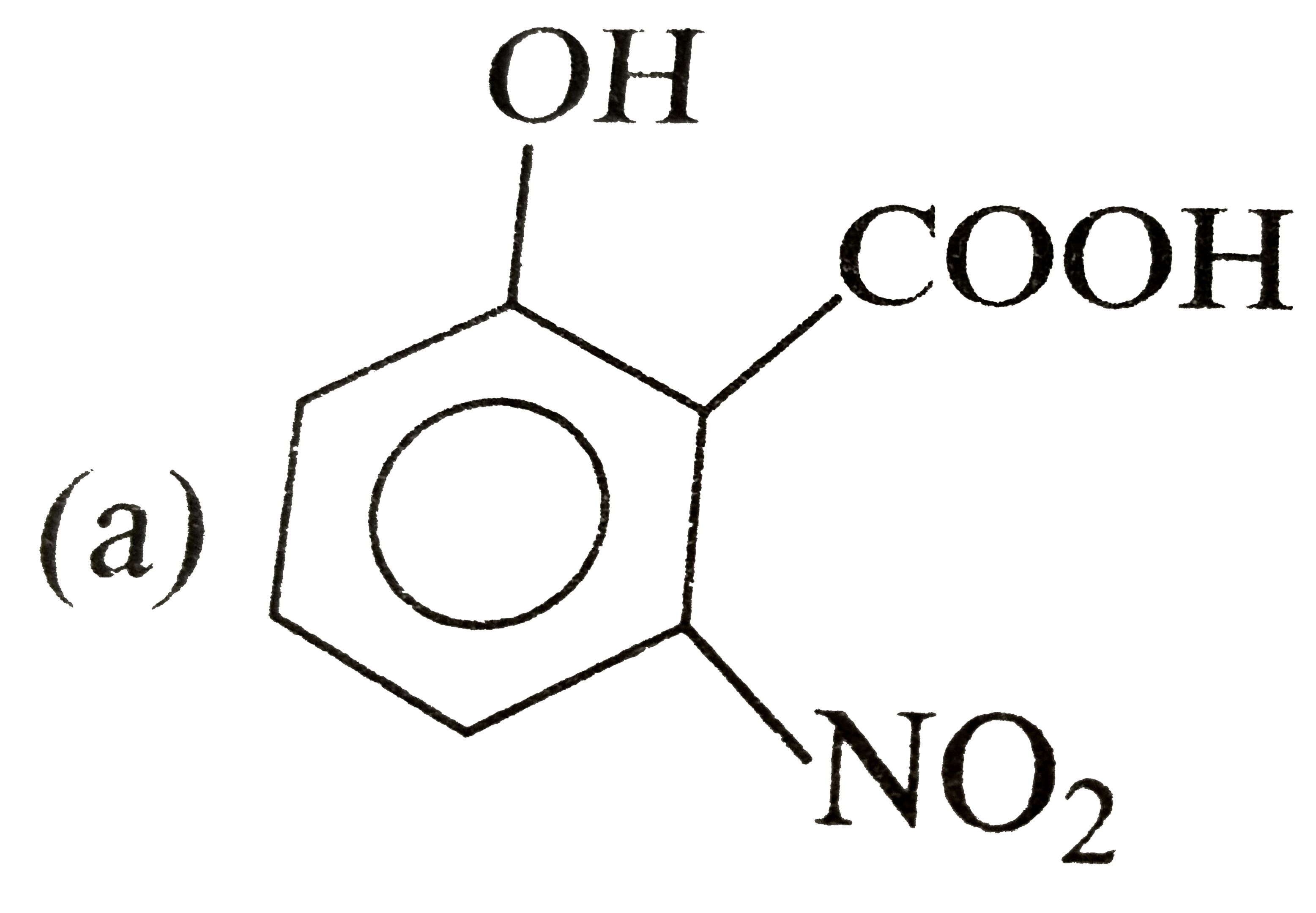
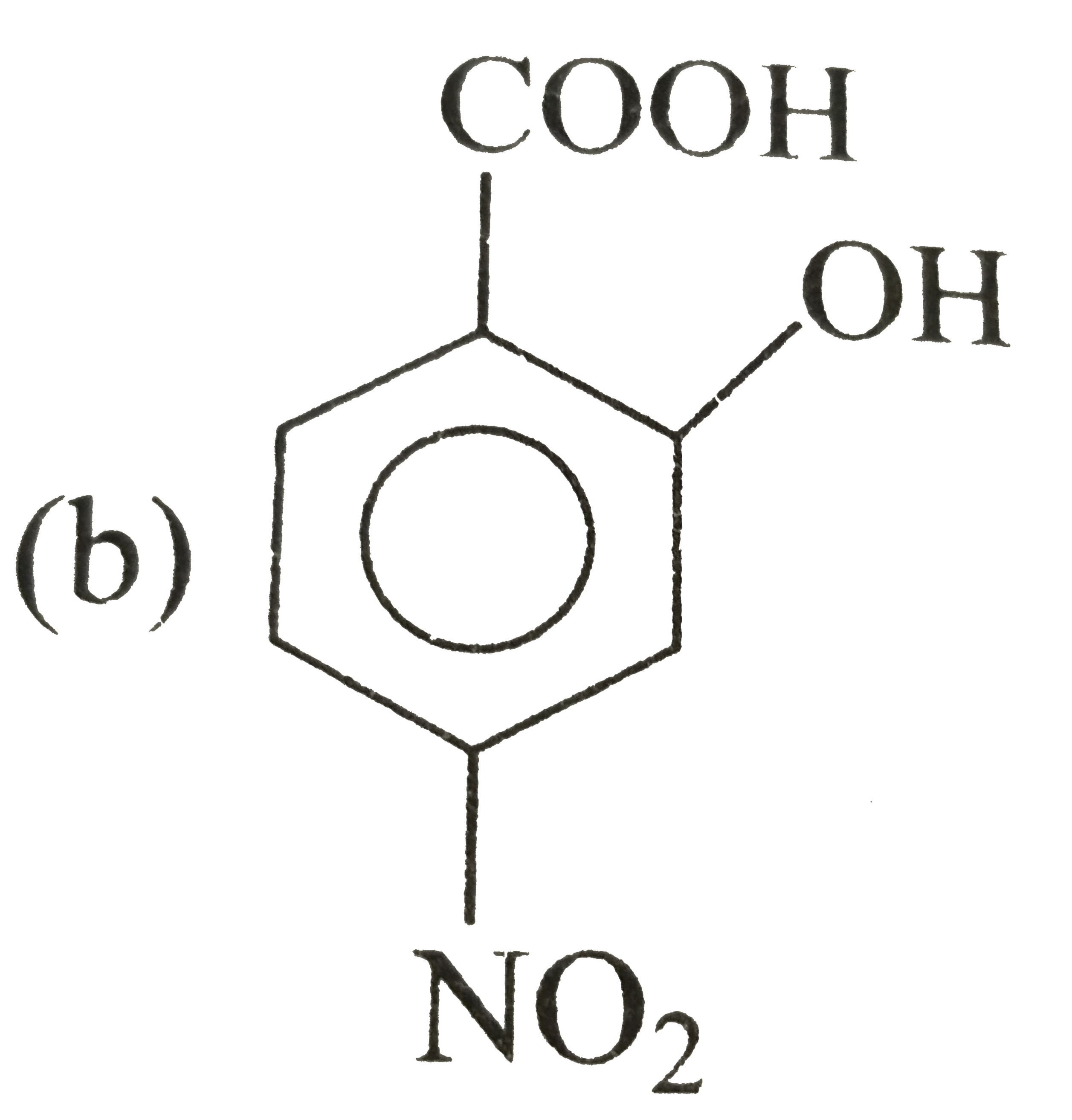
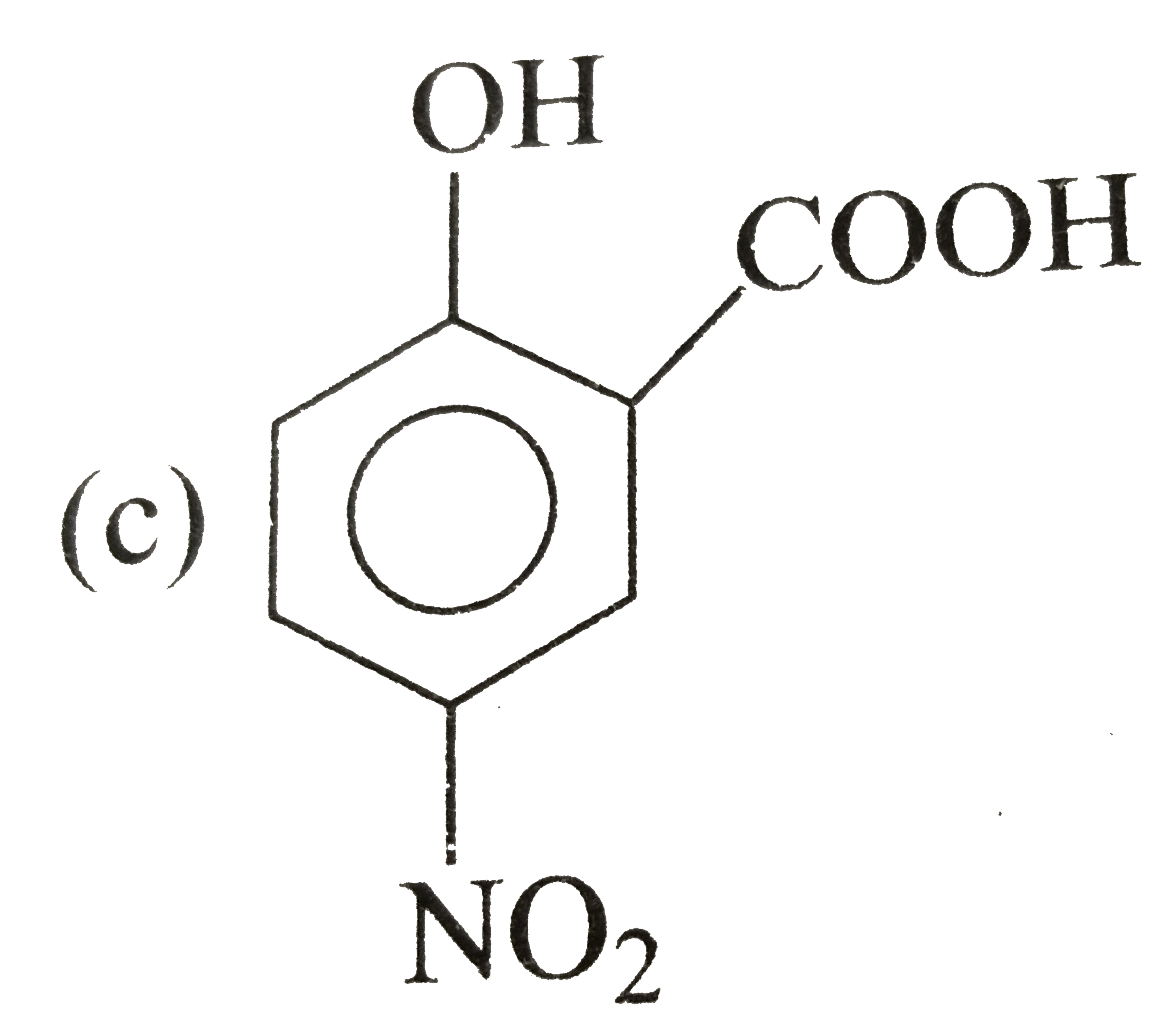
In the given reaction |
|
Answer»
|
|
| 30. |
In the equlibriumAB hArr A+B, if the equlibrium concentration of A is doubled, the equlibrium concentratio of B would become |
|
Answer» TWICE |
|
| 31. |
In the given reaction , |
|
Answer» A POSITIONAL isomer of X 
|
|
| 32. |
In the equilibrium reaction A+BhArrC+D, the activation energy for the forward reaction is 25 kcals "mole"^(-1) and that of backward reaction is 15 kcals "mole"^(-1). Which one of the following statements is correct? |
|
Answer» it is an EXOTHERMIC process |
|
| 33. |
In the given isotherm select the incorrect statement? |
|
Answer» <P>`x//m prop P^(1//n)` along `OA` |
|
| 34. |
In the equilibrium N_(2)+3H_(2)hArr2NH_(3), the maximum yield of ammonia will be obtained with the process having |
|
Answer» LOW PRESSURE and HIGH TEMPERATURE |
|
| 35. |
In the equilibrium, H_(2)+I_(2)iff2HI, if at a given temperature the concentrations of the reactants are increased, the value of the equilibrium constant, K_(c), will |
|
Answer» increase |
|
| 36. |
In the given following complex compound / ions, how many exist in enantiomeric form ? [Pt(NH_(3))_(3)Cl_(3)]^(+)""[Co(NH_(3))_(2)(H_(2)O)_(2)Cl_(2)]^(+) [Cr(H_(2)O)_(3)BrClI],""[Pt(en)_(2)Cl_(2)]^(2+), [Cr(bipy)_(2)BrCl]^(+),""[Fe(edta)]^(-) |
|
Answer» `[Pt(en)_(2)Cl_(2)]^(2+), "" [Cr(bipy)_(2)BRCL]^(+)`, `[Fe(EDTA)]^(-)` |
|
| 37. |
In the given irreversible reaction, H_2O+HCl to H_3O^++Cl^- the species that acts as Bronsted base is |
| Answer» ANSWER :A | |
| 38. |
in the given equation 4Fe(s)+3O_(2)(g) to 2Fe_(2)O_(3)(s) the entropy change is =-549.4 JK^(-1) mol^(-1)at 298 K (Delta_rH^(-)=-1648 xx10^(3)Jmol^(-1)).the above reactions is |
|
Answer» spontaneous `DeltaS_(surr)=(Delta_(r)H^(THETA))/T ` ( atconstant pressure) `-(-1648xx10^(3)Jmol^(-1))/(298K) ` ` 5530JK ^(-1) MOL^(-1)` `Delta_(r)S("TOTAL")=5530+(-549.4)` `4980.6 JK^(-1)mol^(-1)` Hence , the abouve REACTION is spontaneous. |
|
| 39. |
In the given energy graph for cyclohexane, the point "B" represent. |
|
Answer» CHAIR conformation |
|
| 40. |
In the equilibrium H_(2)+I_(2)hArr2HI the number of moles of H_(2),I_(2) and HI are 1,2,3 moles respectively. Total pressure of the reaction mixture is 60 atm. Calculate the partial pressures of H_(2),I_(2) and HI in the mixture. |
|
Answer» |
|
| 41. |
In the given conformation , ifC_(2) is rotated aboutC_(2)-C_(3)bond anticlockwise by an angle of 120^(@)then the conformation obtained is |
|
Answer» FULLY ECLIPSED CONFORMATION |
|
| 42. |
In the equilibrium H_(2) + I_(2) hArr 2HI , if at a given temperature the concentration of the reactants are increased , the value of equilibrium constant , K_(c) , will be - |
|
Answer» Increase |
|
| 43. |
In the given E_2 reaction CH_3-overset(F)(CH)-CH_2-CH_3 + CH_3-CH_2 -overset(o.)(O) overset(CH_3-CH_2OH)(rarr)CH_3-underset(("major product"))(CH_2-CH)=CH_2 + underset(("minor product"))(rarr)CH_3-CH=CH-CH_3 The transition state has |
|
Answer» carbanion-like CHARACTER |
|
| 45. |
In the equilibrium CH_(3)COOH + HF hArr CH_(3)COOH_(2)^(+) + F^(-) |
|
Answer» `F^(-)` is the conjugate acid of `CH_(3)COOH` |
|
| 46. |
In the general electronic configuration (n-2)^f(1-14) (n-1)^d(0-1) ns^2,if the value of n=7,the configuration will be of |
|
Answer» Lanthanoids |
|
| 47. |
In the given sequence HOCH_2-CHOH-CH_2OH overset(Br_2//H_2O)(rarr)A + B overset(dil.NaOH)(rarr)(X), X is |
|
Answer» GLYCERALDEHYDE |
|
| 48. |
In the geometry of a complex compound, the molecule is trigonal bipyramidal. What is the hybridisation of the central atom ? |
| Answer» SOLUTION :`DSP^(3)` or `SP^(3)d` HYBRIDISATION. | |
| 49. |
In the equilibrium, 2AhArrB+C, the equilibrium concentrations of A.B and C at 300K are 3xx10^(-4)M, 1xx10^(-4)M and 4.5xx10^(-4)M respectively. Thte vlue of K_(c) for the above equilibrium at 300 K is |
|
Answer» `0.5` `2AhArrB+C` `K_(c)=([B][C])/([A]^(2))` `where [B]=1XX10^(-4)M,[C]=4.5xx10^(-4)M and [A]=3XX10^(-4)M` Then `k_(c)=((1xx10^(-4))(4.5xx10^(-4)))/((3xx10^(-4))^(2))=(4.5)/(9)=0.5` |
|
| 50. |
In the equiliberium 2SO_2 (g) + O_2 (g) ⇌2SO_3, the partial pressure of SO_2 , O_2 AND SO_3 are 0.662, 0.101 and 0.331 atm respectively. What should be the partiaal pressure of oxygen so that the equiliberium of SO_2 and SO_3 are equal ? |
|
Answer» 0.4 atm |
|
 `</p>Answer :C)