Saved Bookmarks
This section includes 7 InterviewSolutions, each offering curated multiple-choice questions to sharpen your Current Affairs knowledge and support exam preparation. Choose a topic below to get started.
| 1. |
In theextraction of copper fromitssulphideore,themetalisfinallyobtainedbythereduction of cuprousoxidewith |
|
Answer» carbonmonoxide |
|
| 2. |
In the given reaction the total number of products obtained are ……. |
Answer» SOLUTION :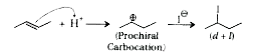
|
|
| 3. |
In the extraction of copper from its sulphide ore, the metal is finally obtained by tbe reduction of cuprous oxide with : |
|
Answer» Copper (I) SULPHIDE `(Cu_(2)S)` `2Cu_(2)O+Cu_(2)S to 6Cu+SO_(2)` |
|
| 4. |
ROH + HX to RX + H_(2)O In the above reaction , the reactivity of different alcohols is : |
|
Answer» PRIMARY `GT` SECONDARY `gt` TERTIARY |
|
| 5. |
In the extraction of copper from its sulphide ore, the metal is formed by the reduction of Cu_2O with |
|
Answer» COPPER (I) SULPHIDE `(Cu_2S)` `Cu_2S+2Cu_2O RARR 6Cu +SO_2` |
|
| 6. |
In the given reaction, the product (Z) is ……. underset("Ethanol")(CH_(3)CH_(2)OH)overset(" Excess ")underset(Cl_(2))rarr overset(Ca(OH)_(2))rarr (Z) |
|
Answer» `C Cl_(3)CH=O` |
|
| 7. |
In the extraction of copper from irts sulphide ore, the metal is finally obtained by the reduction of cuprous oxide with |
|
Answer» Cooper (I) sulphide `(Cu_(2)S)` |
|
| 8. |
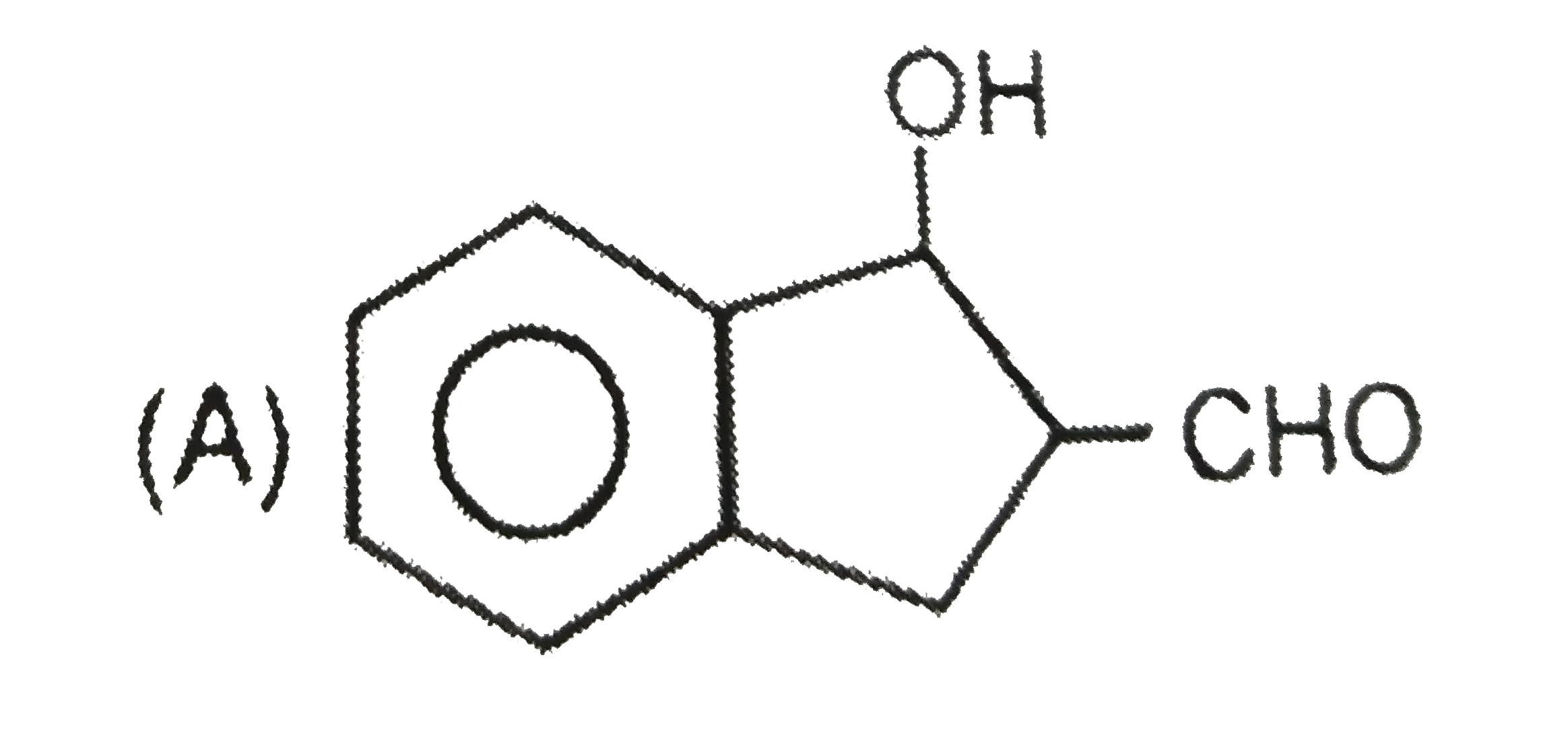
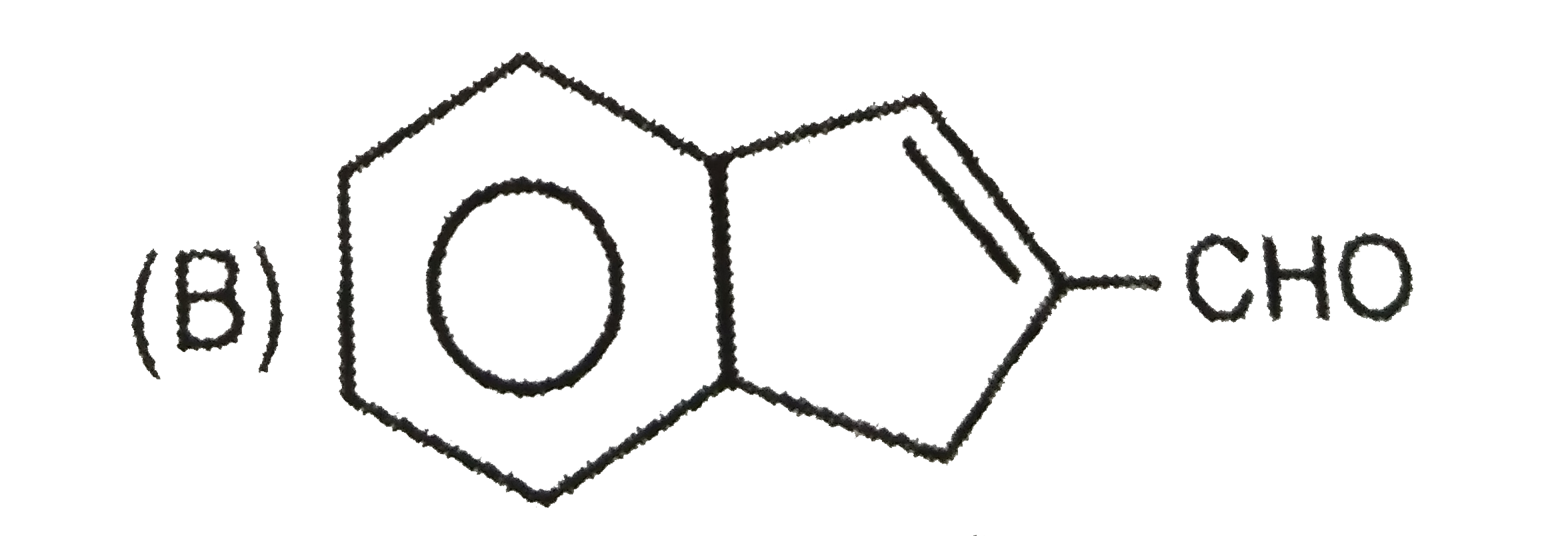
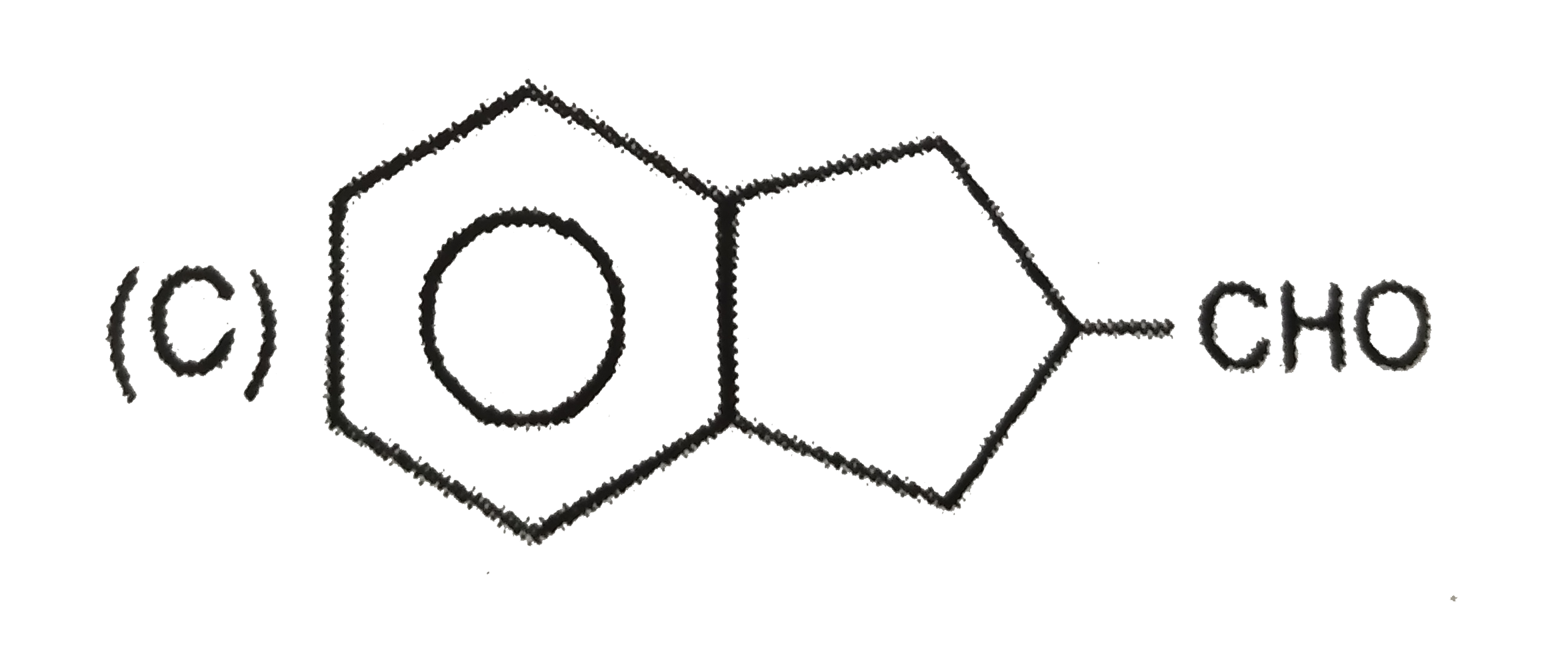
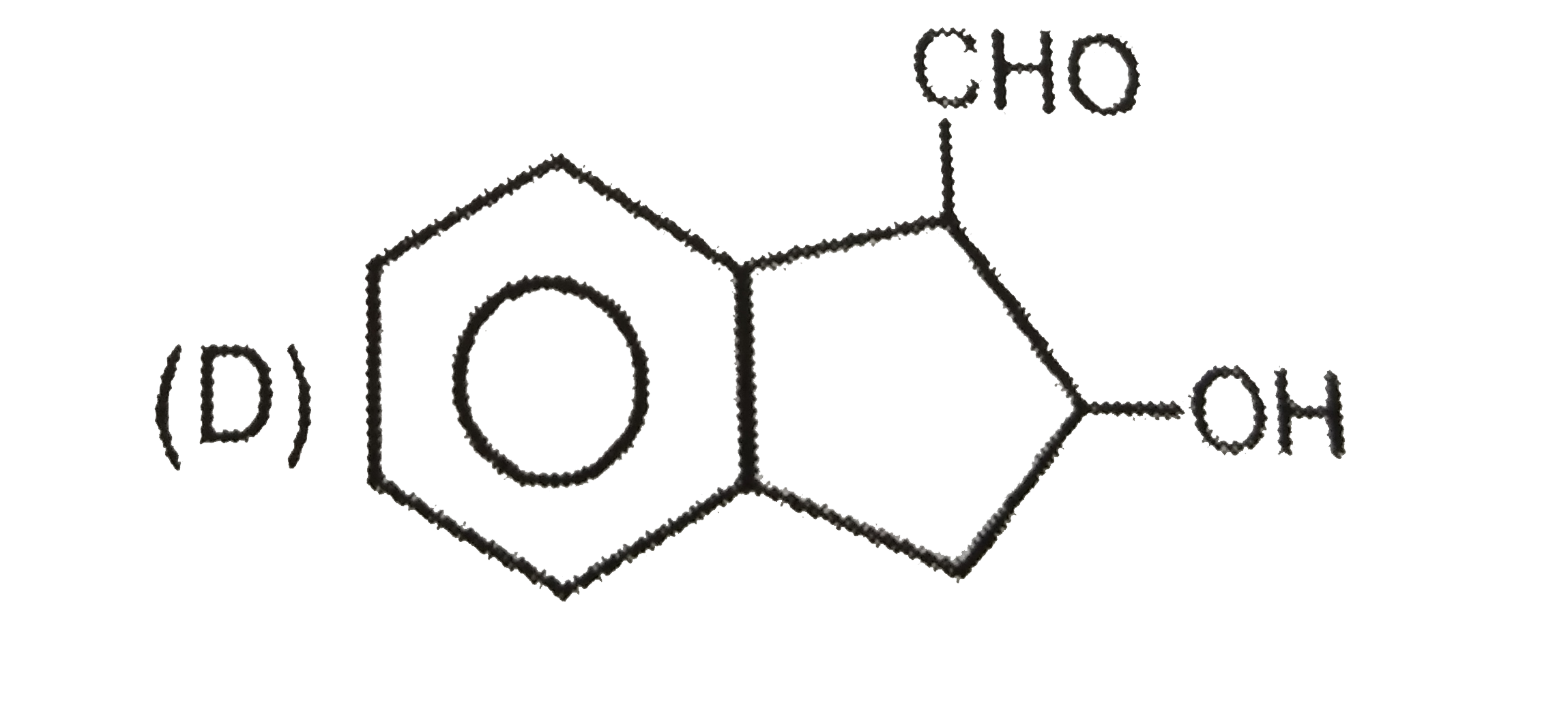
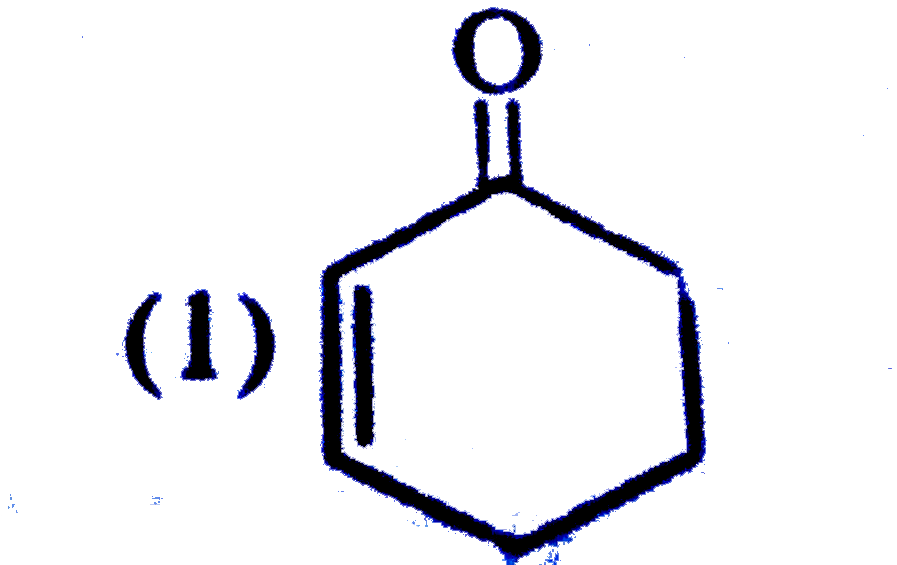
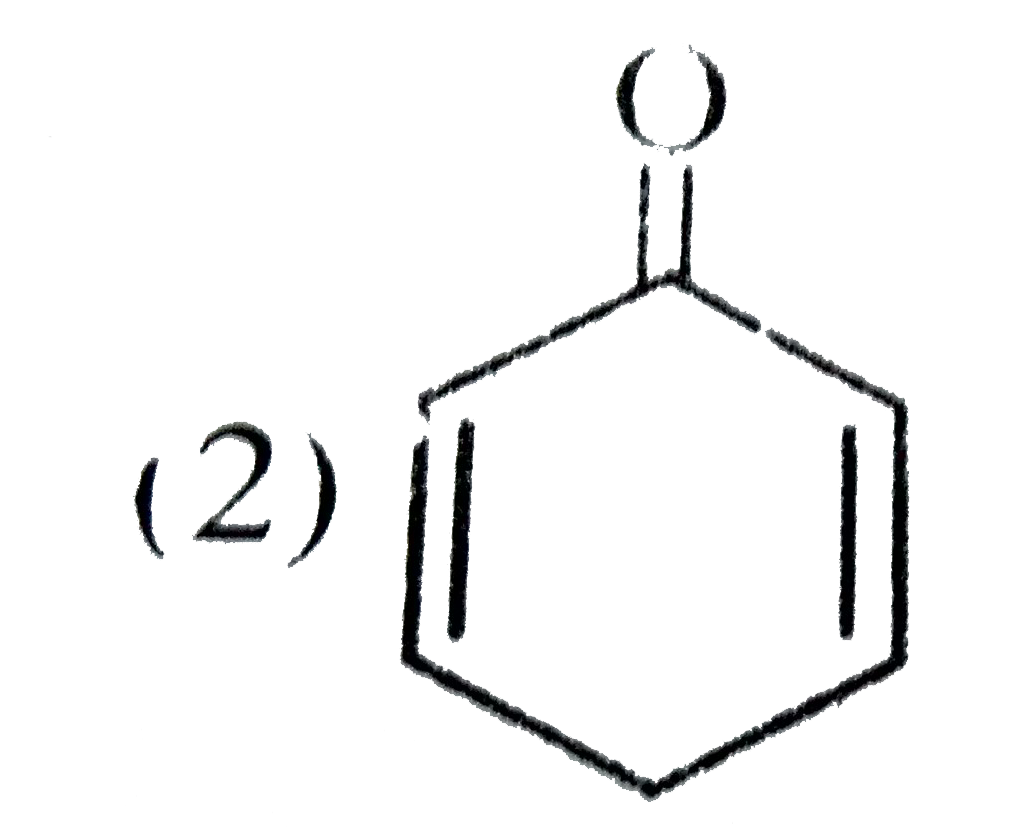
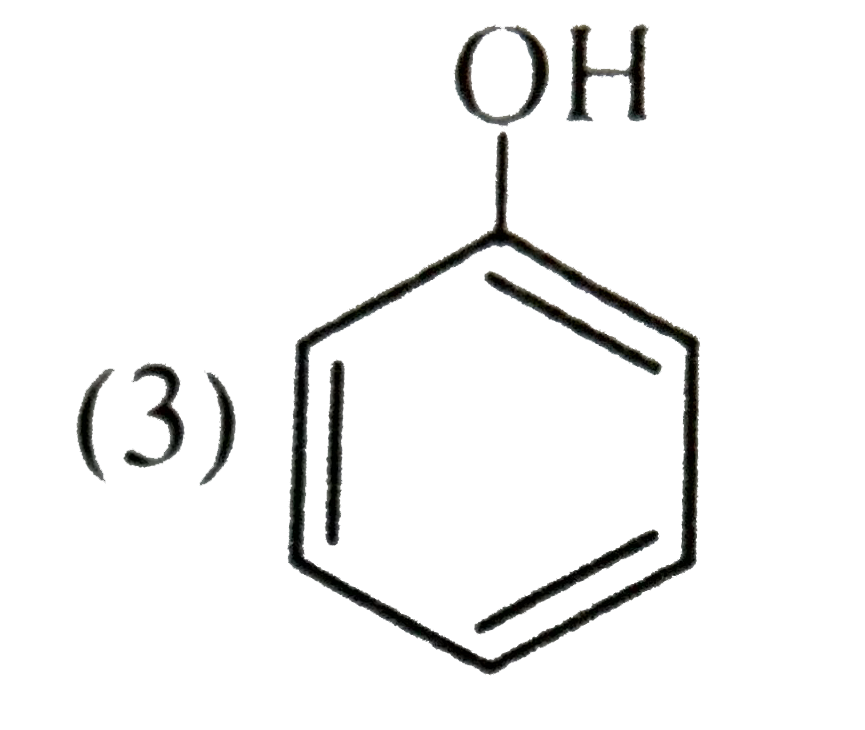
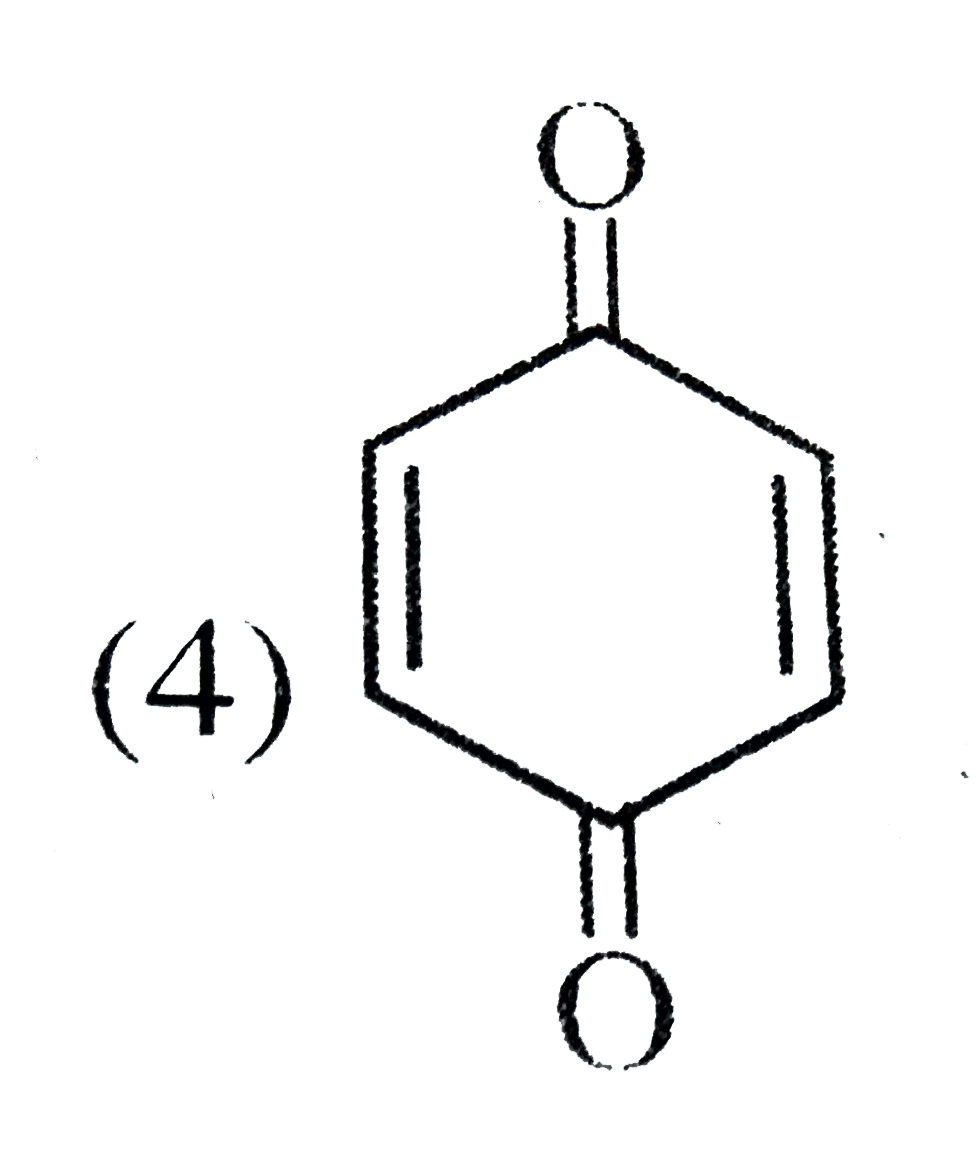
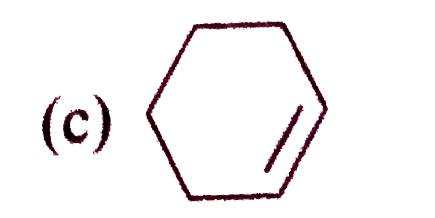
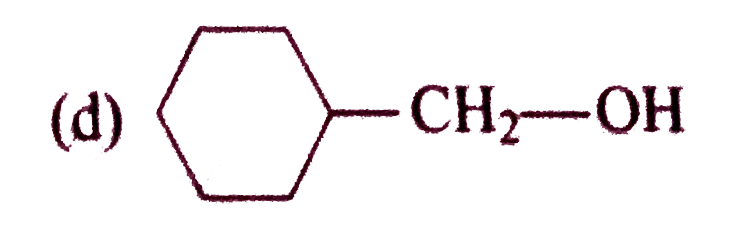
In the given reaction, the possible structure of compound (X) is (X) overset("conc." H_(2)SO_(4))(to) |
|
Answer»

|
|
| 9. |
In the extraction of copper from its sulphide ore, metal is finally obtained by the oxidation of cuprous sulphide with .......... |
|
Answer» `CO` `2Cu_2O + Cu_2S to 6Cu + SO_2` |
|
| 10. |
In the given reaction, the oxide of sodium is ........[{:(4Na+O_(2) rarr 2Na_(2)O),(Na_(2)O+H_(2)O rarr 2NaOH):}] |
|
Answer» Acidic |
|
| 11. |
In the given reaction , the number of isomeric products formed is - underset(("Racemic mixture"))(CH_3CHClCOOH)+underset(("Optically pure d-isomer"))(CH_3CHDOH)overset(H^(+))toEster |
|
Answer» 1 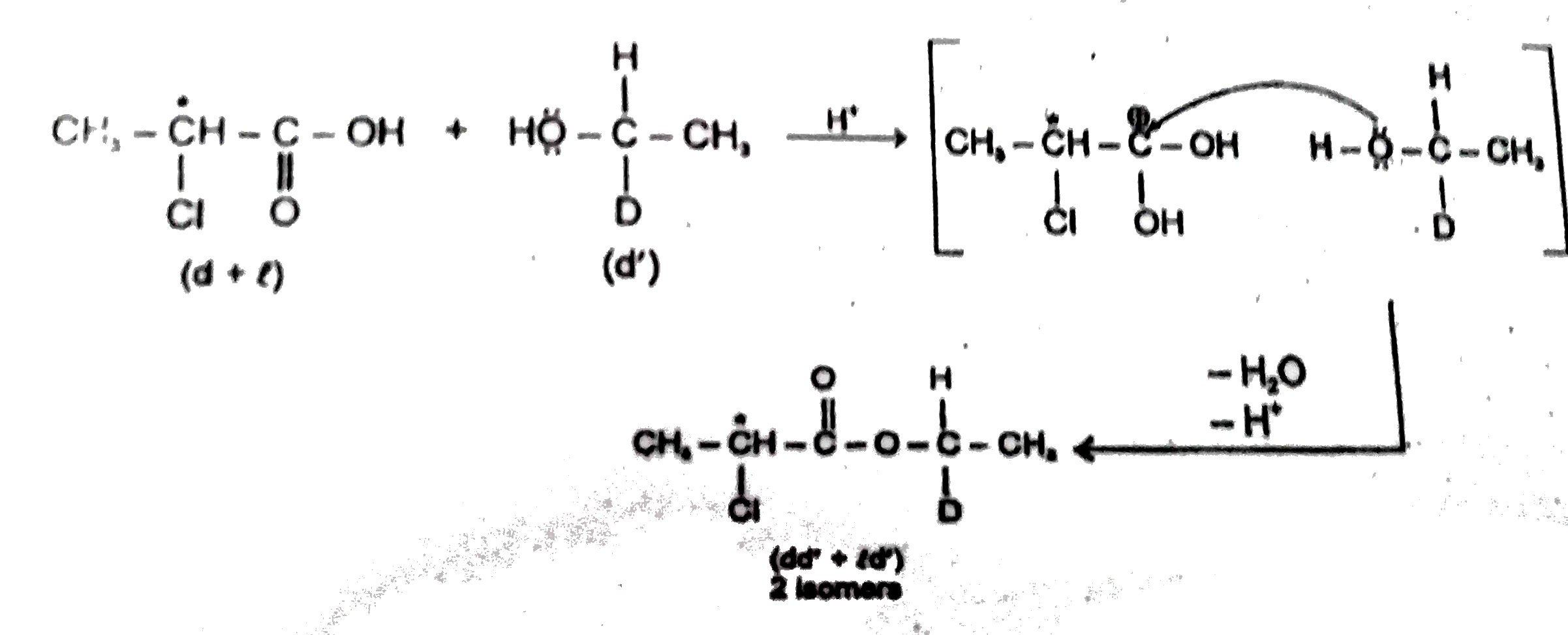
|
|
| 12. |
In the extraction of copper from copper pyrites, iron is removed as: |
|
Answer» `FeSO_4` |
|
| 13. |
In the given reaction sequence, Y is |
|
Answer» PHENYL glyoxal 
|
|
| 14. |
In the extraction of copper,explain the smelting process. |
|
Answer» Solution :(i) In this method, a flux (a chemical substance that forms an easily fusible slag with gangue) and a reducing agent such as carbon, carbon monoxide (or) aluminium is added to the concentrated ore and the mixture is melted by heating at an elevated temperature (above the melting point of the metal) in smelting furnace. (ii) For example the oxide of iron can be reduced by carbon monoxide as follows : `Fe_(2)O_(3(s)) + 3CO_((g)) rarr 2Fe_((s)) + 3CO_(2(g)) UARR` (iii) In this EXTRACTION, a basic flux, limestone (CaO) is used. Since the silica gangue present in the ore is acidic in nature, the limestone combines with it to form calcium silicate (slag). `underset("Flux")(CaO_((s))) + underset("Gangue")(SiO_(2(s))) rarr underset("Slag")(CaSiO_(3(s)))` (iv) In the extraction of copper from copper pyrites the concentrated ore is heated in a reverberatory furnace after mixing with silica, an acidic flux. (v) The ferrous oxide formed due to melting is basic in nature and it combines with silica to form ferrous silicate (slag). (vi) The remaining metal sulphides `Cu_(2)S` and FeS are mutually soluble and form a copper MATTE. `2CuFeS_(2(s)) + O_(2(g)) rarr 2FeS_((l)) + Cu_(2)S_((l)) + SO_(2(g))` `2FeS_((l)) + 3O_(2(g)) rarr 2FeO_((l)) + 2SO_(2(g))` `underset("Flux")(FeO_((s))) + underset("Gangue")(SiO_(2(s))) rarr underset("Slag")(FeSiO_(3(s)))` (vii) The matter is separated from the slag and fed to the converting furnace. (VIII) During conversion, the FeS present in the matte is first oxidised to FeO. (ix) This is removed by slag formation with silica. (x) The remaining copper sulphide is further oxidised to its oxide which is subsequently converted to metallic copper. `2Cu_(2)S_((l.s)) + 3O_(2(g)) rarr 2Cu_(2)O_((l.s)) + 2SO_(2(g))` `2Cu_(2)O_((l)) + Cu_(2)S_((l)) rarr 6Cu_((l)) + SO_(2(g))` (xi) The metallic copper is solidified and it has blistered appearance due to evolution of `SO_(2)` gas formed in this process. This copper is called blistered copper. |
|
| 15. |
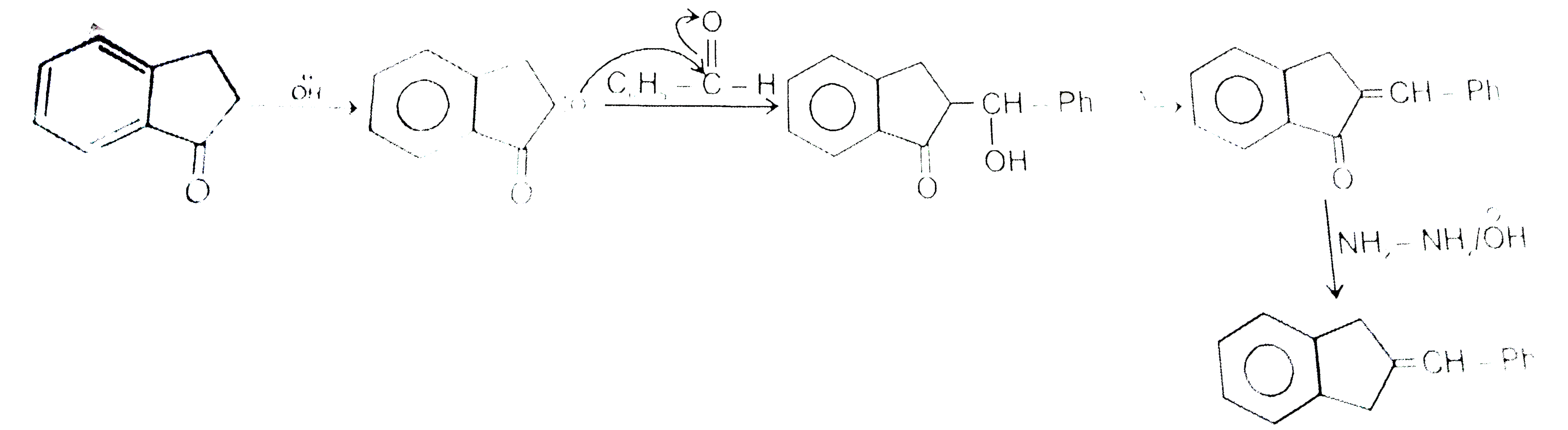
In the given reaction sequence Product (y) will be |
|
Answer»
|
|
| 16. |
In the extraction of chlorine from brine ....... |
|
Answer» `DeltaG^@` for the overall reaction is negative. Using `DeltaG^@ = -nFE_("(cell)")^@`, we GET `E^@ = -2.2 V`. |
|
| 17. |
In the extraction of chlorine by electrolysis of brine |
|
Answer» oxidation of `Cl^(-)` ION to chlorine gas occurs. |
|
| 19. |
In the extraction of chlorine by electrolysis of brine...... |
|
Answer» oxidation of` CI^(-)` ion to chlorine gas occurs. |
|
| 20. |
In the given reaction R-overset(O)overset("||")C-OHoverset((X))rarrR-overset(O)overset("||")C-O-CH_(3) (X) will be: |
|
Answer» `CH_(2)N_(2)` |
|
| 21. |
Intheextractionofchlorinefrombrine........... . |
|
Answer» ` DELTAG ^(@)`for the overallreactionisnegative |
|
| 22. |
In the extraction of aluminium , the function of cryolite is to: |
|
Answer» LOWER the MELTING POINT of alumia |
|
| 23. |
In the given reaction sequence: (B) will be: |
|
Answer»

|
|
| 24. |
In the given reaction RCN underset((ii)H_2O //H^+)overset((i)RMgX)rarr(X), (X) will be |
|
Answer» Aldehyde |
|
| 25. |
In the extraction of aluminium metal , one of the process is summarised as follows : Which of the following entrie correctly summarises reagents , electrodes & products of the process ? |
|
Answer» `{:( I , II , III , IV , V) , ((a) NaOH , [Al(OH)_(4)] , HF , Na_(3)AlF_(6) , "Cathode"):}` |
|
| 26. |
In the extraction of aluminium the electrolyte is |
|
Answer» Fused cryolite with FELDSPAR |
|
| 27. |
In the extraction of aluminium metal, one of the process is summarised as follows : |
|
Answer» `{:(" "I,II,III," "IV," "V),(NaOH,Al^(3+),HF,Na_(3)AlF_(6),"Cathode"):}` |
|
| 28. |
In the extraction of aluminium from alumina by electrolysis, cryolite is added to |
|
Answer» LOWER the MELTING point of alumina |
|
| 29. |
In the extraction of aluminium by Hall-Heroult process, purified Al_(2)O_(3) is mixed with CaF_(2) to |
|
Answer» lower the MELTING point of `Al_(2)O_(3)` |
|
| 30. |
In the extraction of aluminium by Hall-Heroult process, purified Al_2O_3 is mixed with CaF_2 to... |
|
Answer» Lower the MELTING point of `Al_2O_3`. |
|
| 31. |
In theextractionofaluminiumbyHall -Heroultprocess,purifiedAl _2 O _ 3ismixedwithCaF _ 2to |
|
Answer» lower themelting point of` Al _2 O_ 3 ` |
|
| 32. |
In the extraction of Aluminium by electrolysis overall cell reaction |
| Answer» SOLUTION :`2Al_2O_3+3Cto4Al+3CO_2` | |
| 33. |
In the given reaction : Product (B) is : |
|
Answer»
|
|
| 34. |
In the extraction of Aluminium by electrolysis Role of cryolite |
| Answer» SOLUTION :INCREASE ELECTRICAL CONDUCTIVITY of BONDS | |
| 35. |
In the given reaction, product, A formed is (AAK_MCP_37_NEET_CHE_E37_027_Q01) |
|
Answer» Laevorotatory |
|
| 36. |
In the given reaction Product (P) will be |
|
Answer»

|
|
| 37. |
In the given reaction: P_4 + NaOH + H_2O rarr PH_3 + NaH_2PO_2 |
|
Answer» <P>P is REDUCED only |
|
| 38. |
In the extraction of Aluminium by electrolysis Give the composition of electolyte used |
| Answer» SOLUTION :MOLTEN `Al_2O_3+Na_3AlF_6//CaF_2` | |
| 39. |
IntheextractionofAl,impurealuminaisdissolvedin conc. NaOH toformsodiumtoformsodiumaluminateandleavingimpuritiesbehind. Whatis the name of thisprocess ? |
|
Answer» Solution : ` UNDERSET ("Alumina")(Al_2O_3) +underset ("(conc.)")(2NaOH) +3 H_2Oto underset ("Sod.Metaluminate") (2Na[AL(OH)_4] ` Thisprocessiscalledleaching. |
|
| 40. |
In the given reaction maximum yield is obtained when (X) is: C_(6)H_(5)COOC_(2)H_(5)+(X)underset((ii)H^(+))overset((i)C_(2)H_(5)Ona)tobeta-ketoester |
|
Answer» `CH_(3)-underset(CH_(3))underset(|)"CH"-COOC_(2)H_(5)` |
|
| 41. |
In the extraction of Al, impure Al_(2)O_(3) is dissolved in conc. NaOH to form sodium aluminate and leaving impurities behind. What is the name of this process? |
| Answer» Solution :This is called leaching. `Al_(2)O_(3)` dissolves in conc. NAOH to form sodium aluminate. It is FILTERED to remove impurities. | |
| 43. |
In the given reaction N_(2)+O_(2)hArr 2NO, equilbrium means that |
|
Answer» CONCENTRATION of reactants is CHANGING where as concentration of PRODUCTS is CONSTANT |
|
| 44. |
In the extraction of Aluminimum by electrolysis. i. Give the composition of electrolyte used ii. Overall cell reaction iii. Role of cryolite |
|
Answer» SOLUTION :i. `"Molten "Al_(2)O_(3)+Na_(3)AlF_(6)|CaF_(2)` ii. `2Al_(2)O_(3)+3C RARR 4Al+3CO_(2)` iii. To DECREASE melting point of alumina. |
|
| 45. |
In the given reaction how many products are expected. undersetDeltaoverset(CH_3OH)to |
Answer» 
|
|
| 46. |
In the extraction of Ag and Au using a KCN solution, cyanide ions react with metal ions. Metal acts as |
|
Answer» An oxidizingagent |
|
| 47. |
In the given reaction, FeC_(2) O_(4) + KMnO_(4) overset( H^(+))(rarr) Fe^(3+) + CO_(2) + Mn^(2+), if the equivalents of Fe^(3+) are 'a', then equivalent of FeC_(2) O_(4) will be |
|
Answer» a |
|
| 48. |
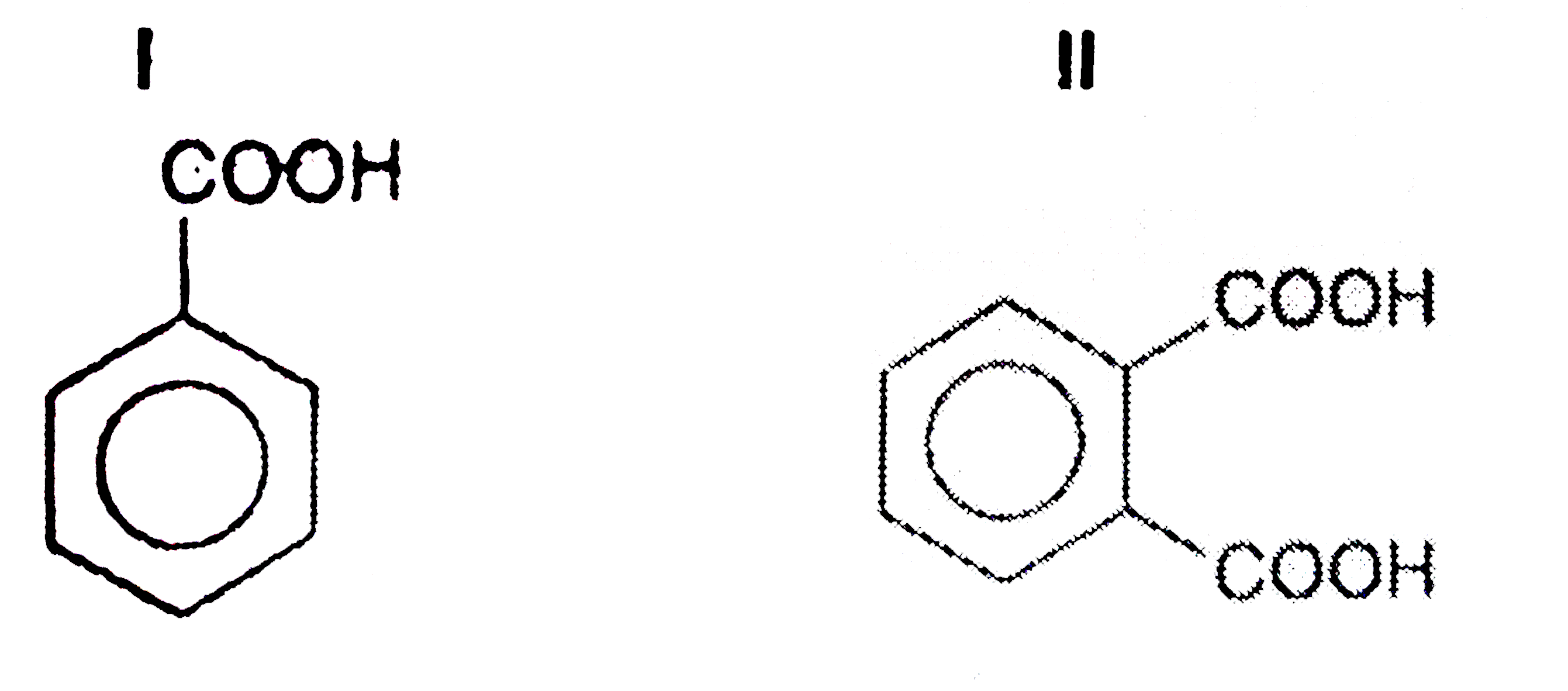
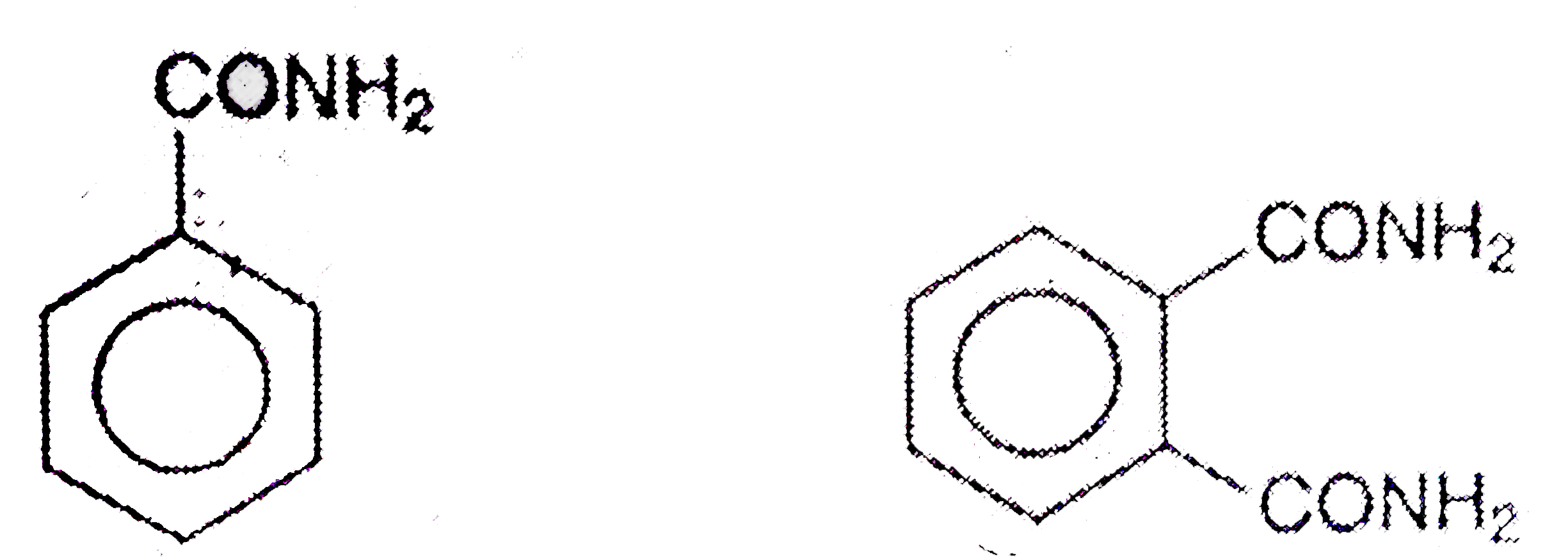
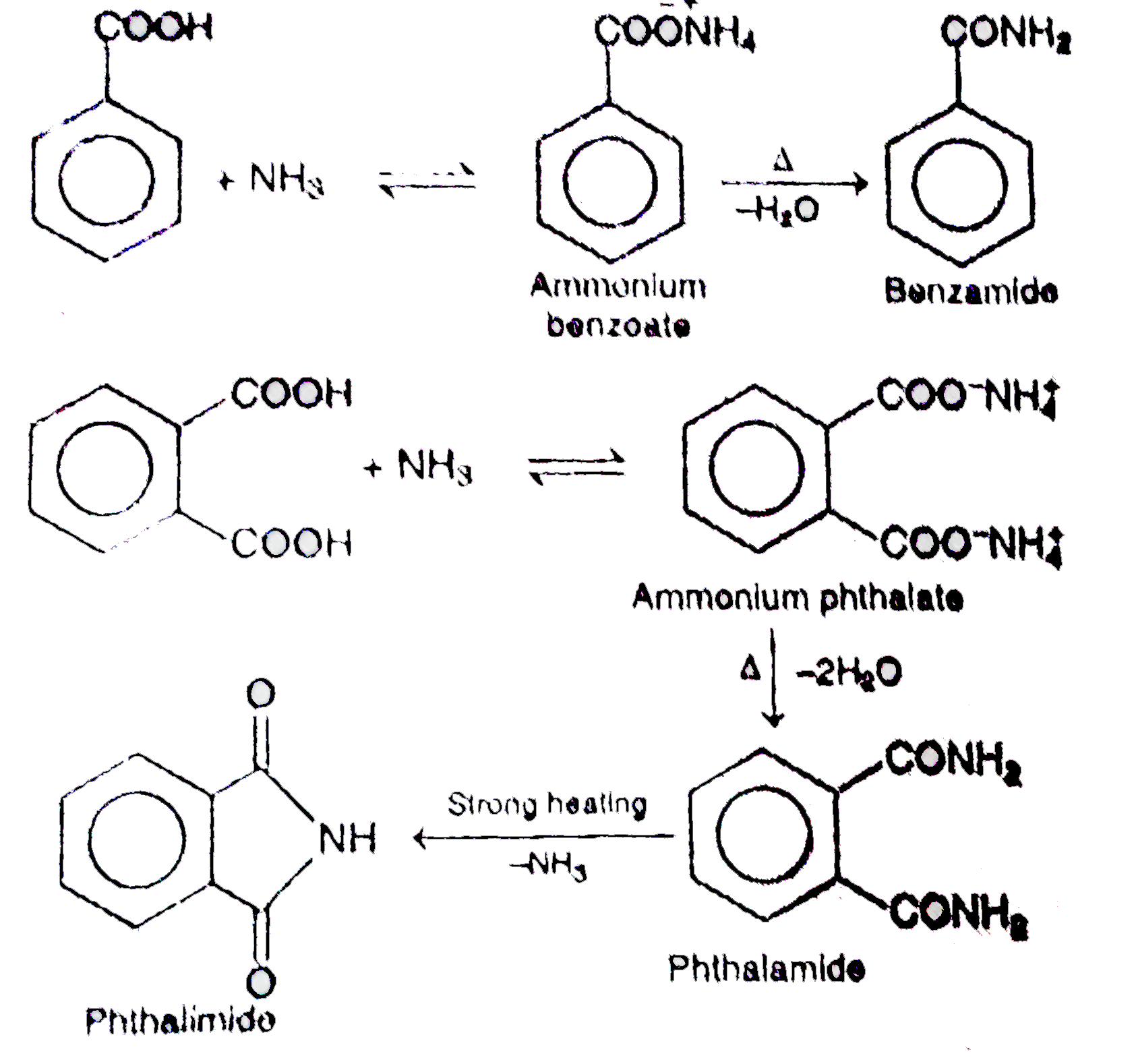
In the given reaction Identify I and II for the above reaction and choose the correct option. |
|
Answer»
|
|
| 49. |
In the explosive amatol, TNT is mixed with |
|
Answer» AMMONIUM citrate |
|
| 50. |
In the given reaction CH_(3)-underset(OT)underset(|)(CH)-CH_(2)-CH_(2) -underset(OTs)underset(|)(CH)-CH_(3)underset((ii)"KOH")overset((i)overset(Ө)(S)H("one equivalent"))rarr[X] Will be : |
|
Answer» `CH_(3)-overset(OTS)overset(|)(CH)-CH_(2)-CH_(2)-oversetoverset(Ө)(S)overset(|)(CH)-CH_(3)` |
|