Saved Bookmarks
This section includes 7 InterviewSolutions, each offering curated multiple-choice questions to sharpen your Current Affairs knowledge and support exam preparation. Choose a topic below to get started.
| 1. |
Give the IUPAC names of : (i) CH_(3)-underset(OCH_(3))underset(|)(CH)-underset(O)underset(||)(C)-underset(CH_(3))underset(|)(CH)-OCH_(2)CH_(3) (ii) CH_(3)-CO-underset(C_(2)H_(3))underset(|)(CH)-CH_(2)-CH_(2)-Cl |
|
Answer» SOLUTION :(i) 2-ethoxy-4-methoxy-3-pentanone (II) 3-ethyl-5-chloro-2-pentanone. |
|
| 2. |
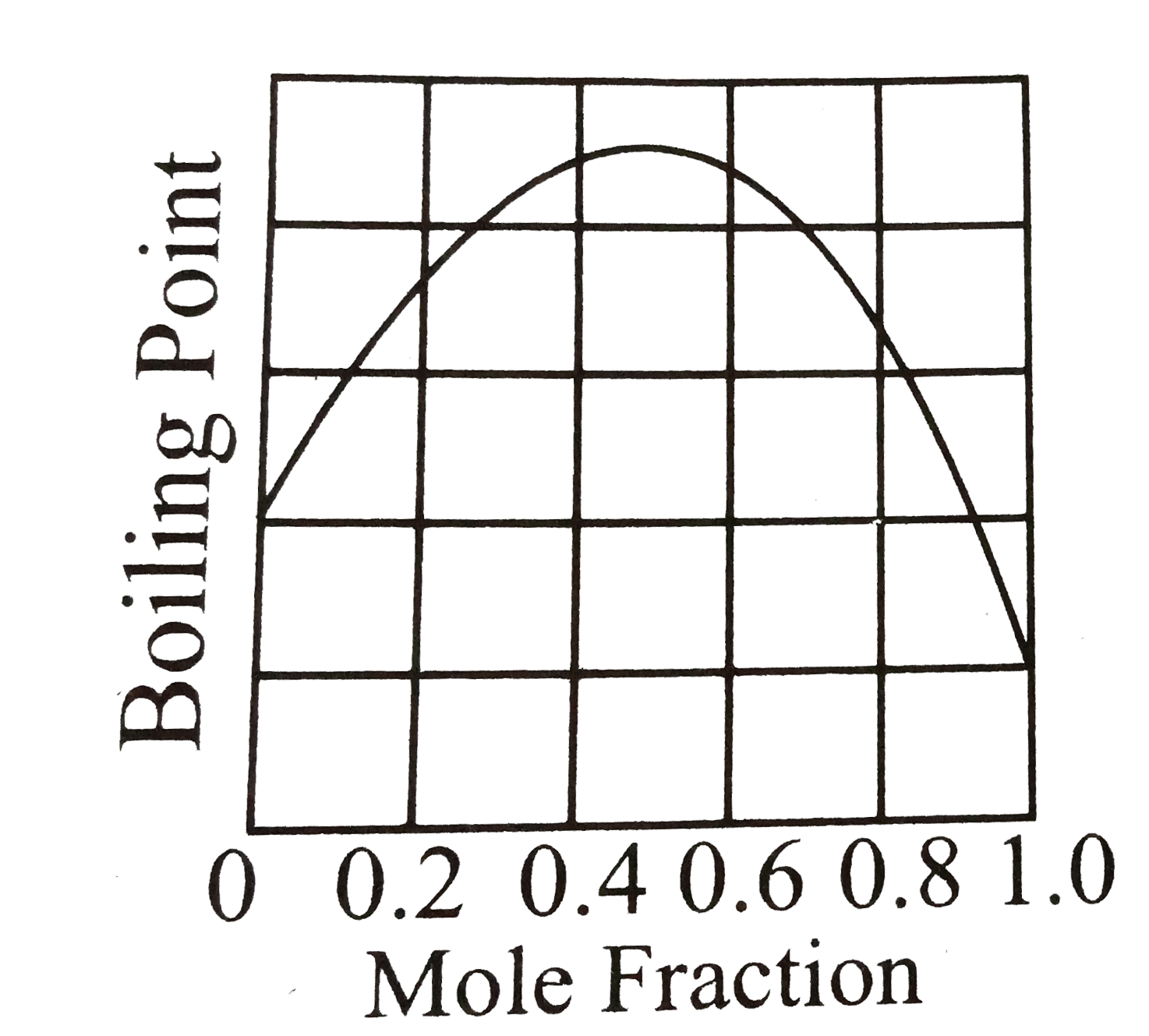
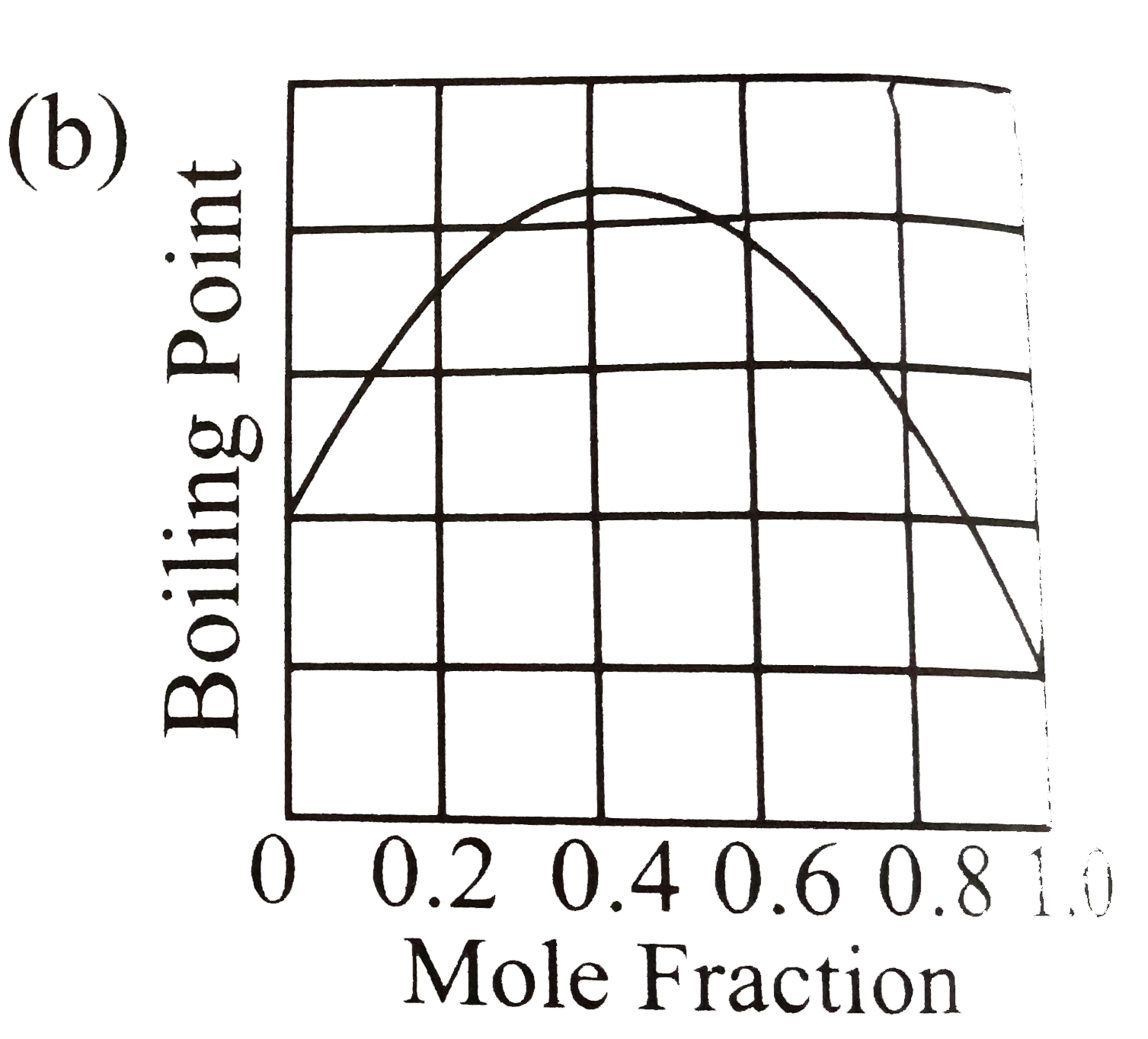
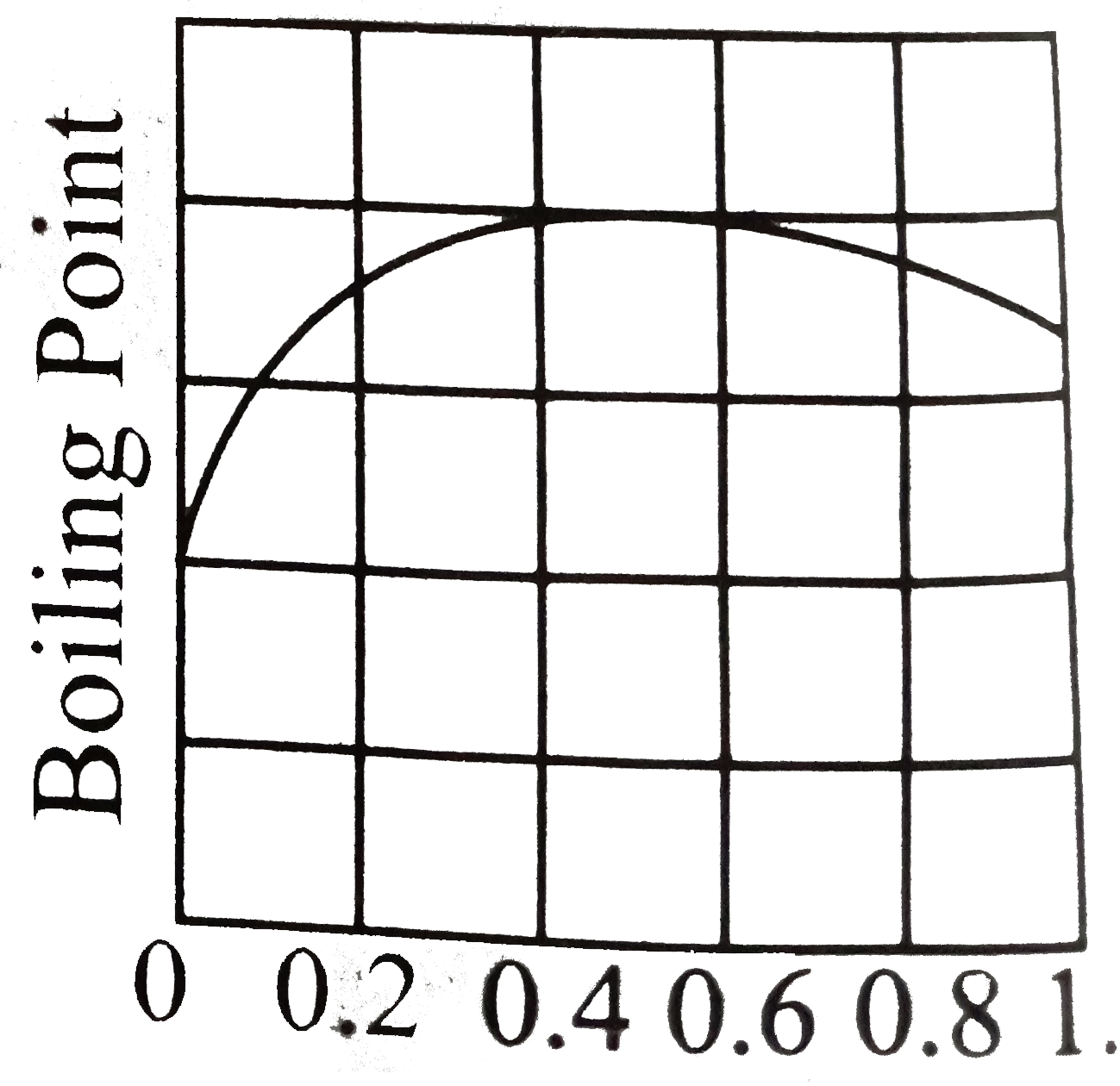
Given P-x curve for a non ideal liquid mixture (fig.) Identify the correct T-x curve for the same mixture. |
|
Answer»
|
|
| 3. |
Given one test of differentiate [Co(NH_(3))_(5)Cl]SO_(4) and [Co(NH_(3))_(5)SO_(4)]Cl. |
|
Answer» Solution :`(a) [Co(NH_(3))_(5)Cl]SO_(4) to [Co(NH_(3))_(5)Cl]^(+2)+SO_(4)^(2-)` `(b) [Co(NH_(3))_(5)SO_(4)]Cl to [Co(NH_(3))_(5)SO_(4)]^(-)+Cl^(-)` `(i)` Aqueous solution of `(a)` gives sulphate ion. When an addition of `BaCl_(2)` solution `(a)` gives WHITE precipitate of `BaSO_(4)` . But `(b)` does not give any precipitate. `(ii)` Aqueous solution of `(b)` gives chloride ion. When an addition of `AgNO_(3)` solution `(b)` gives curdy white precipitate of `AGCL`. But `(a)` does not give any precipitate. |
|
| 4. |
Give the IUPAC names of: (i) Diacetone alcohol (ii) Crotonaldehyde. |
| Answer» SOLUTION :(i) 4-Hydroxy-4-methylpentan-2-one (II) But-2-en-1-al. | |
| 5. |
Give the IUPAC names of (i) CH_(3)-underset(OCH_(3))underset(|)(CH)-underset(O)underset(|)(C)-underset(CH_(3))underset(|)(CH)-OCH_(2)CH_(3) (ii) CH_(3)-CO-underset(C_(2)H_(5))underset(|)(CH)-CH_(2)-CH_(2)-Cl |
|
Answer» SOLUTION :(i) 2-ethoxy-4-methoxy-3-pentanone (II) 3-ethyl-5-chloro-2-pentanone. |
|
| 6. |
given NO(g)+O_(3)(g)toNO_(2)(g)+O_(2)(g)""DeltaH=198.9kJ//mol O_(3)(g)to3//2O_(2)(g) "" DeltaH=-142.3 kj//mol O_(2)(g)to2O(g) "" DeltaH=+495.0 kj//mol The entalpy change (DeltaH) for the following reaction is NO(g) + O (g) to NO_(2) (g) |
|
Answer» `-304.1 kJ//mol` `O_(3)to3/2O_(2)(G)DeltaH=-142.3 "Kj//mole"` `O_(2)to2O_(2)(g)DeltaH=+495.0 "K J//mole"` `DeltaH "of" NO+O(g)toNO_(2)(g)` ` "for this"i-ii-(III)/2` `198.9-(-142.3)-(495)/2` 304.1 " KJ//mole"` |
|
| 7. |
Give one example each of zero order and first order reactions: |
|
Answer» Solution :`2NH_(3)(g) underset("pt-catalyst")overset(1130K/"pressure")to N_(2)(g) + 3H_(2)(g)` (ZERO order) `H_(2)O_(2) to H_(2)O(g) + 1//2 O_(2)(g)` (FIRST Order) |
|
| 8. |
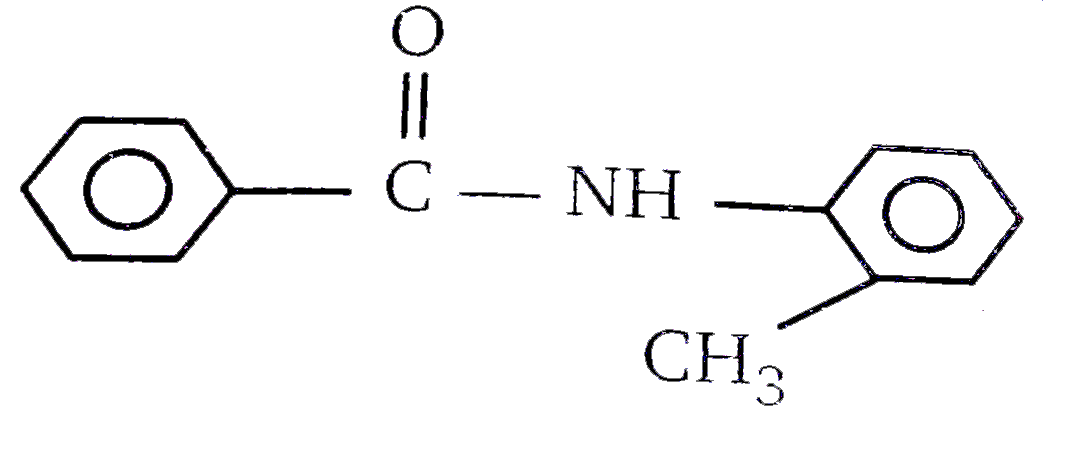
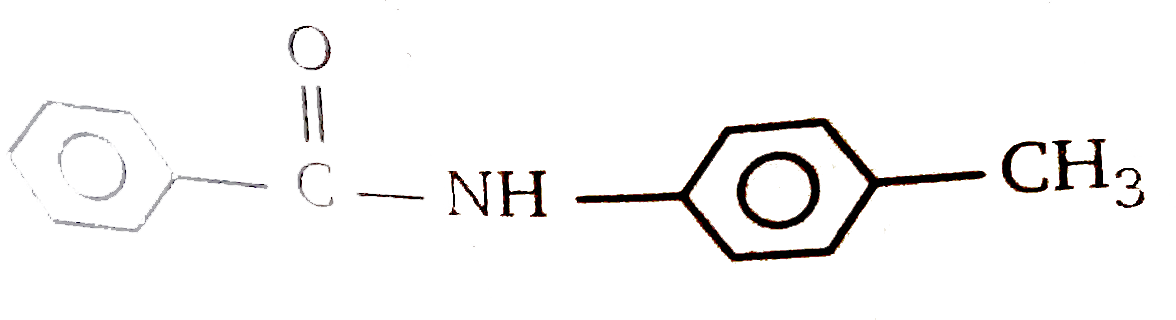
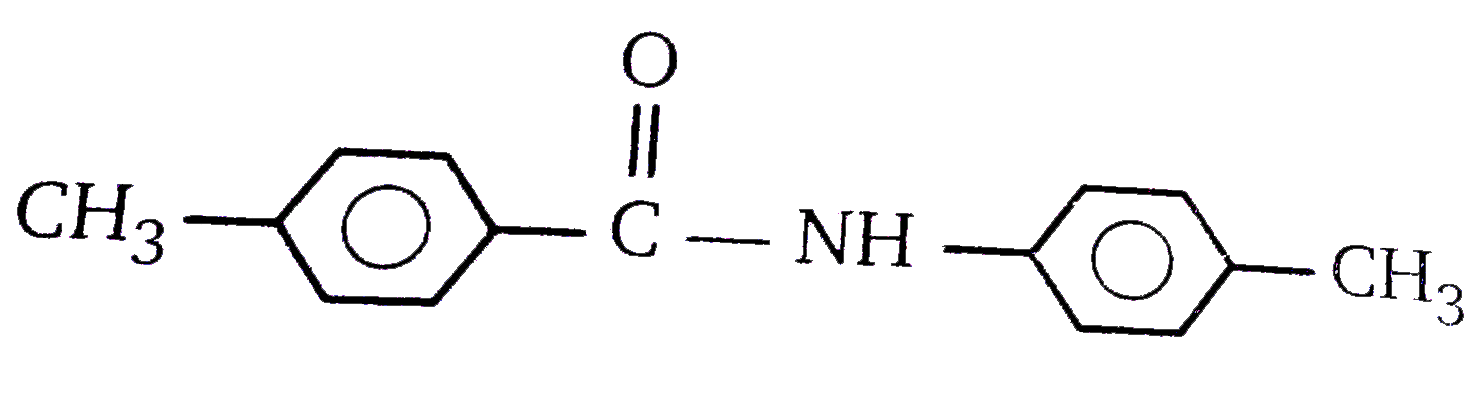
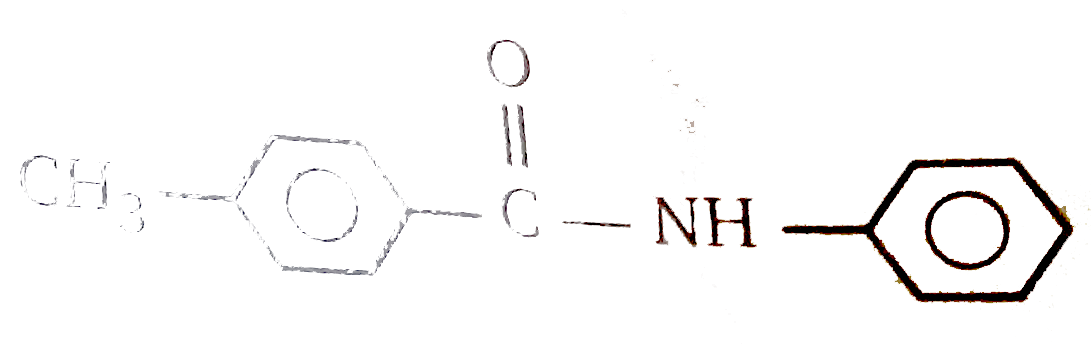
Give the IUPAC names for the following : (i) Crotonaldehyde (ii) Methyl n-propyl ketone (iii) Phenyl acetaldehyde. |
Answer» SOLUTION :
|
|
| 9. |
Give the IUPAC names for the following ethers : |
Answer» SOLUTION :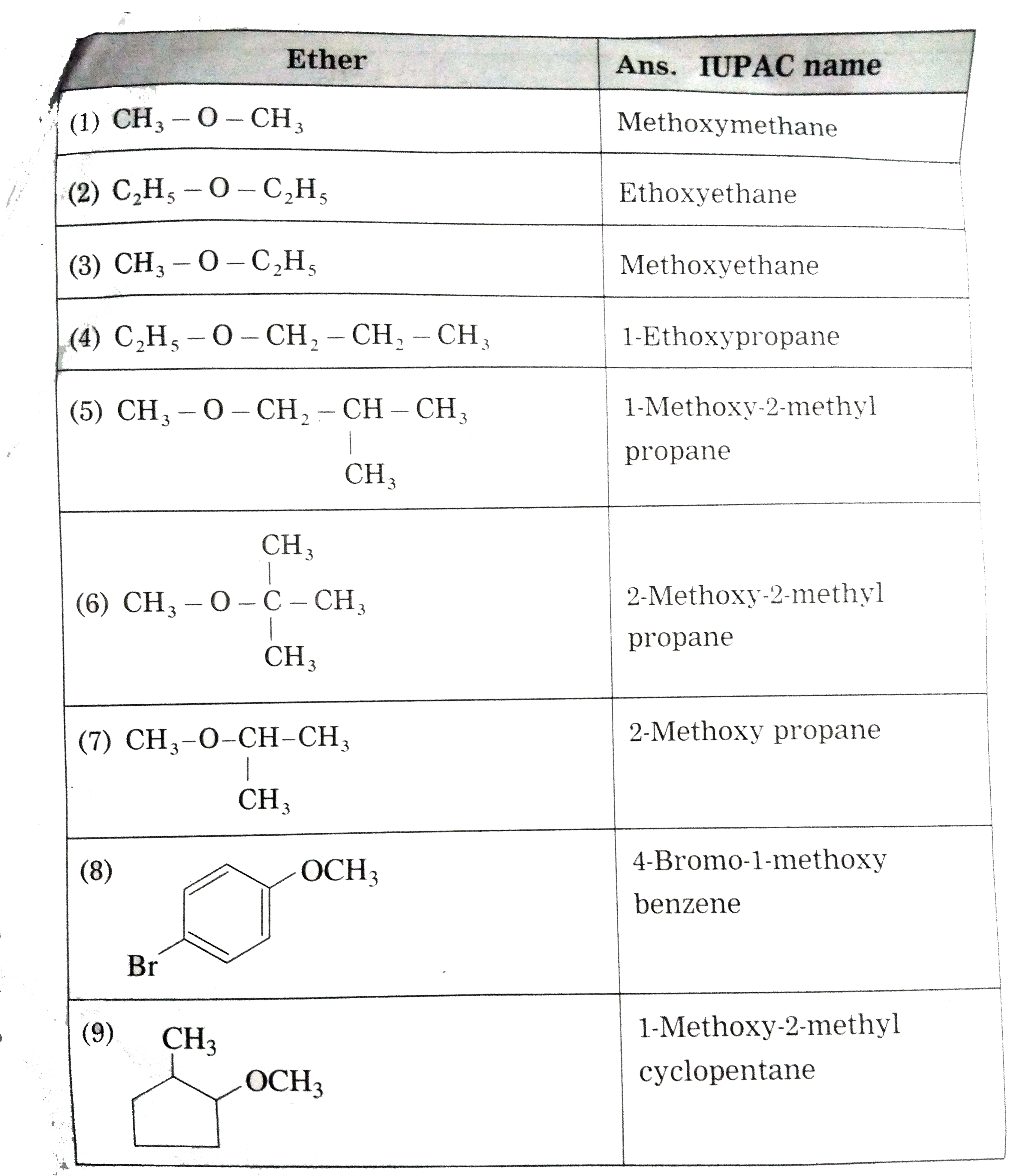
|
|
| 10. |
Given one method for the preparation of ketone from alcohol. |
|
Answer» SOLUTION :Secondary alcohols are oxidised to KETONES by chromic anhydride `(CrO_(3))` `R-underset(OH)underset(|)(CH)-R^(1)-overset(CrO_(3))(to)R-underset(O)underset(||)(C)-R^(1)` `CH_(3)-underset(OH)underset(|)(CH)-C_(2)H_(5)overset(CrO_(3))(to)CH_(3)-overset(O)overset(||)(C)-C_(2)H_(5)` |
|
| 11. |
Give the IUPAC names for the following amines. |
Answer» SOLUTION :
|
|
| 12. |
Given,NH_(3(g))+3Cl_(2(g))iffNCl_(3(g))+3HCl_((g)),-DeltaH_(1)N_(2(g))+3H_(2(g))iff2NH_(3(g)),-DeltaH_(2)H_(2(g))+Cl_(2(g))iff2HCl_((g)),DeltaH_(3)The heat of formation of NCl_(3(g)) in the terms of DeltaH_(1), DeltaH_(2) and DeltaH_(3) is |
|
Answer» `DeltaH_(f)=-DeltaH_(1)+(DeltaH_(2))/(2)-(3)/(2)DeltaH_(3)` Multiply Eq. (ii) by 1/2 and add to Eq. (i), Eq. (III) by 3/2 and subtract from Eq. (i), we get `DeltaH_(f)=-DeltaH_(l)-(DeltaH_(2))/(2)-[+(3)/(2)DeltaH_(3)]` `=-DeltaH_(l)-(DeltaH_(2))/(2)-(3)/(2)DeltaH_(3)` |
|
| 13. |
Give the IUPAC names for the following alcohols : |
Answer» SOLUTION :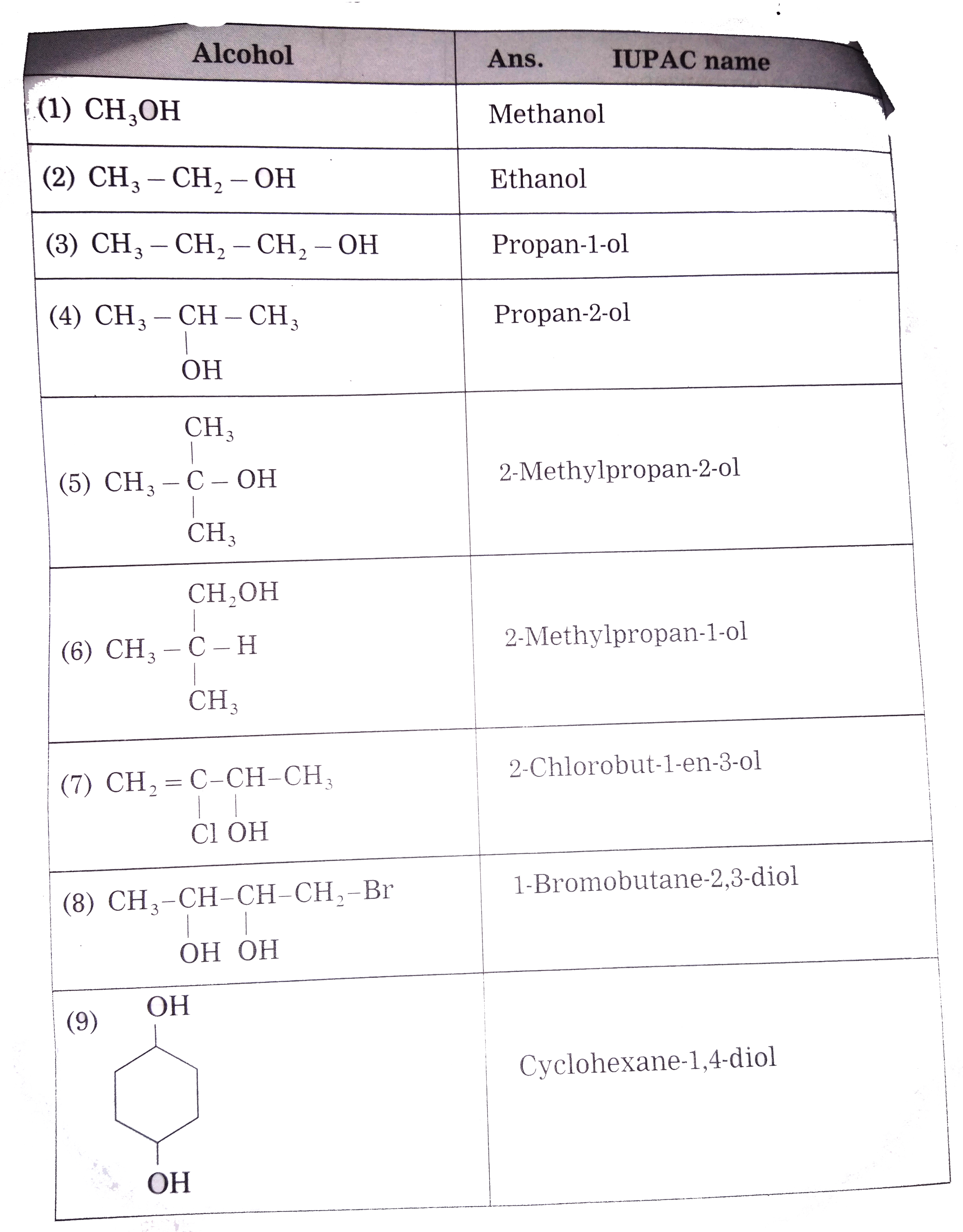 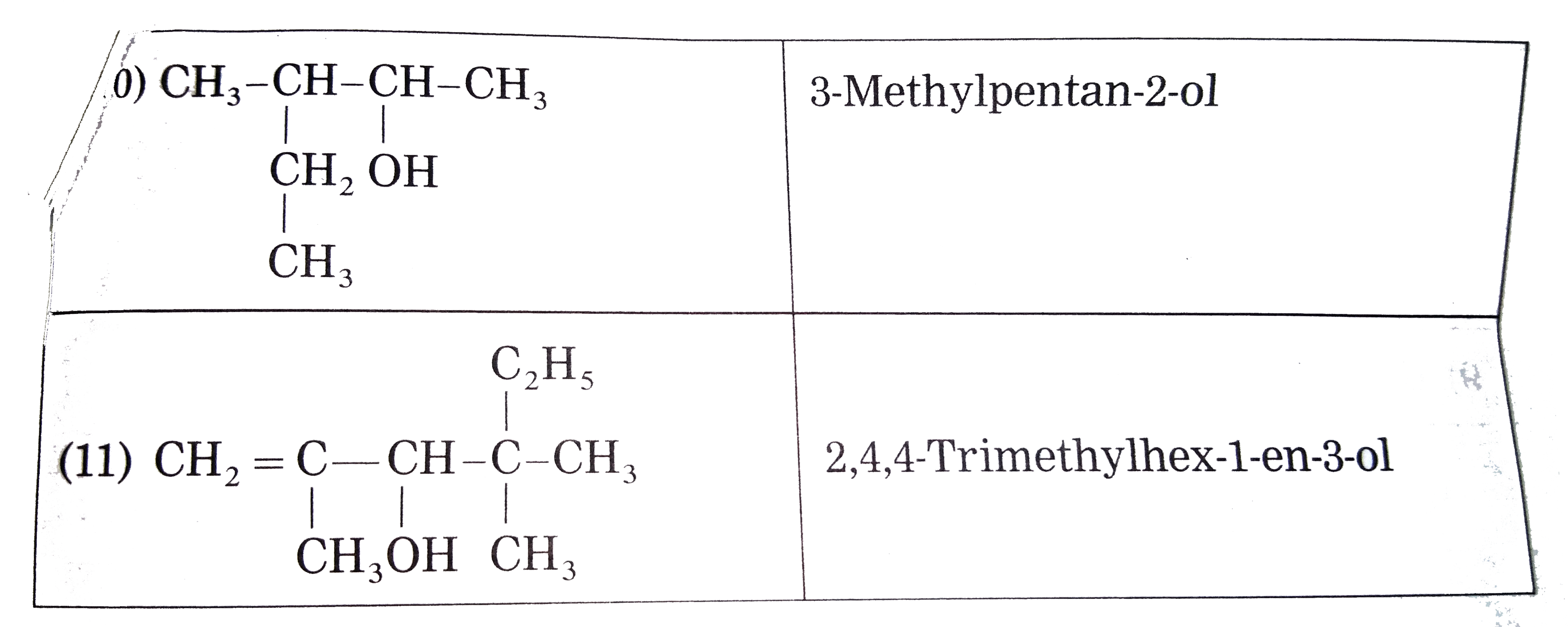
|
|
| 14. |
Given, NH_(3)(g) + 3Cl_(2)(g) NCl_(3)(g) + 3HCl, -DeltaH_(1) N_(2)(g) + Cl_(2)(g) to 2NH_(3)(g),-DeltaH_(2) H_(2)(g) + Cl_(2)(g) to 2HCl_(g),-DeltaH_(3) The heat of formation of NCl_(3)(g) in the terms of DeltaH_(1), DeltaH_(2) and DeltaH_(3) is |
|
Answer» `Delta_(r)H = -DeltaH_(1) + (DeltaH_(2))/2 -3/2 DeltaH_(3)` |
|
| 16. |
Given , NH_3(g)+3Cl_2(g)⇌NCl_3(g)+3HCl(g),-triangleH_1 N_2(g)+3H_2(g)⇌2NH_3(g), triangleH_2 H_2(g)+Cl_2(g)⇌2HCl(g),+triangleH_3 The heat of formation of NCl_3(g) in the terms of triangleH_1, triangleH_2 and triangle_3 is: |
|
Answer» `triangleH_f=-triangleH_1+triangle_2/2-3/2triangleH_3` |
|
| 17. |
Given molar conductivity of an infinite dilution: wedge_(m)^(@) for Ba(OH)_(2)=517.6Omega^(-1)cm^(2)mol^(-1). wedge_(m)^(@) for BaCl_(2)=240.6Omega^(-1)cm^(2)mol^(-1),wedge_(m)^(@) for NH_(4)Cl=129.8Omega^(-1)cm^(2)mol^(-1). Calculate wedge_(m)^(@) for NH_(4)OH. |
|
Answer» `wedge_(m)^(@)(BaCl_(2))=lamda_(Ba^(2+))^(@)+2lamda_(Cl^(-))^(@)` . . . (ii) `wedge_(m)^(@)(NH_(4)Cl)=lamda_(NH_(4)^(+))^(@)+lamda_(Cl^(-))^(@)` . . . (iii) `wedge_(m)^(@)(NH_(4)OH)=lamda_(NH_(4)^(+))^(@)+lamda_(OH^(-))^(@)+lamda_(OH^(-))^(@)=(1)/(2)eqn.(i)+eqn.(iii)-(1)/(2)` `=(1)/(2)xx517.6+129.8-(1)/(2)xx240.6=268.3Omega^(-1)cm^(2)MOL^(-1)` |
|
| 18. |
Given N_(2)(g)+3H_(2)(g)=2NH_(3)(g),DeltaH^(0)=-22 kcal. The standard enthalpy of formation of NH_(3) gas is |
|
Answer» `-11 KCAL //"MOLE"` |
|
| 19. |
Give the IUPAC name of the product obtained when phenol is oxidized by chromic acid (Na_(2)Cr_(2)O_(7)+ "Conc." H_(2)SO_(4)) |
|
Answer» Cyclohexa-2,5-diene-1,4-dione |
|
| 20. |
Given N_2(g)+3H_2(g)=2NH_3(g), triangleH^@=-22kcal. The standard enthalpy of formation of NH_3 gas is: |
|
Answer» `-11 kcal/mol` |
|
| 21. |
Give the IUPAC name of [Ti(H_(2)O)_(6)]^(3+). Draw cis and trans isomers of [Pt(NH_(3))_(2)Cl_(2)]. |
Answer» SOLUTION :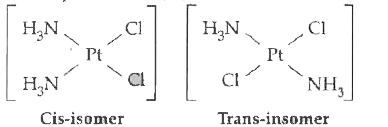
|
|
| 22. |
Give the IUPAC name of the product formed when : (1) 2 -Methyl-1-bromopropane is treated with sodium in the presence of dry ether. (ii) 1-Methyl cyclohexene is treated with HI. (iii) Chloroethane is treated with silver nitrite. |
|
Answer» SOLUTION :`(i) 2CH_(3) - overset(CH_(3))overset(|)(CH) - CH_(2)BR + 2NA overset("Ether")to underset("2,5-Dimethylhexane")(CH_(3) - overset(CH_(3))overset(|)(CH) - CH_(2) - CH_(2) - overset(CH_(3))overset(|)(CH) - CH_(3))` (ii)  (III) `CH_(3)CH_(2)Cl overset(AgNO_(2))to underset("Nitroethane")(CH_(3)CH_(2)NO_(2))` |
|
| 23. |
Given: Mass of electron =9.11xx10^(-31)kg Plank's constant =6.626xx10^(-34)Js The uncertaintly involved in the measurement of velocity with in a distance of 0.1Å is |
|
Answer» `5.79xx10^(7)MS^(-1)` `Deltav=h/(4 pi m Deltax)` `=(6.626xx10^(-34))/(4xx3.14xx9.11xx10^(-31)xx10^(-11))` `=5.79xx10^(6)ms^(-1)` |
|
| 24. |
Give the IUPAC name of the only aldehyde which undergoes iodoform test. |
|
Answer» Solution :ETHANAL `(CH_(3)CHO)` CONTAINS the grouping `CH_(3)CO-` and hence undergoes iodorom test and gives yellow ppt. of iodoform `(CHI_(3))` on treatment with `I_(2)//NAOH`. `underset("Ethanal")(CH_(3)CHO) overset(I_(2)//NaOH) to underset("Iodoform")(CHI_(3))+ underset("Sod. FORMATE")(HCOONa)`. |
|
| 25. |
Given IUPAC names of the following structures . |
|
Answer» SOLUTION :(i) 3-Bromo -4- methylheptane (ii) 1,1,1,- Trichlorobut -2- ene 3- Bromocyclopropene |
|
| 26. |
Give the IUPAC name of the following compounds : H_(2)C=CH-underset(OH)underset("|")"CH"-CH_(2)-CH_(2)-CH_(3) |
| Answer» Solution :`underset("Hex-1-en-3-ol")(H_(2)overset(1)C=overset(2)CH-underset(OH)underset("|")overset("3")"CH"-overset(4)CH_(2)-overset(5)CH_(2)-overset(6)CH_(3))` | |
| 27. |
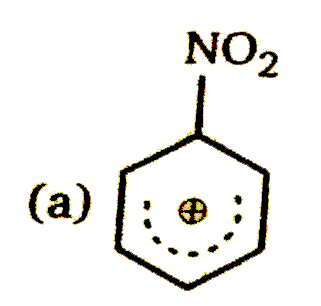
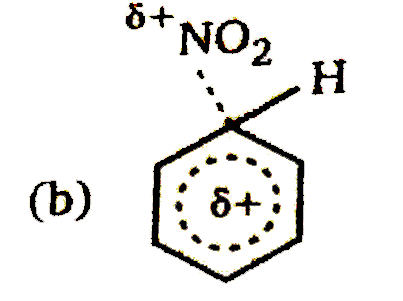
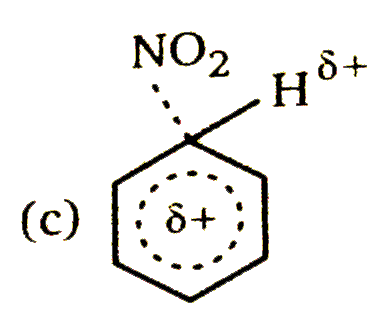
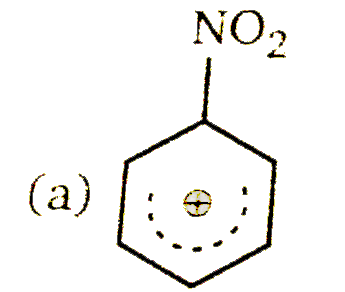
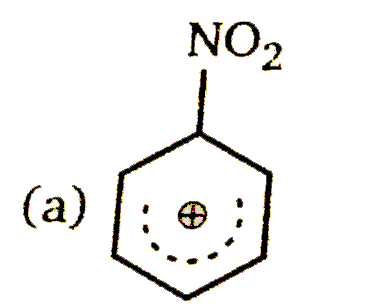
Given is the energy profile diagram of nitration of benzene using mixed acid. (HNO_(3) + H_(2)SO_(4)) Identify (x) in above reaction: |
|
Answer»
|
|
| 28. |
Give the IUPAC name of the following compound.overset(CH_(3)-N-CH_(3))overset(|)(CH_(3)) |
|
Answer» SOLUTION :`OVERSET(CH_(3)-N-CH_(3))overset(|)(CH_(3))` N,N - DIMETHYLMETHANAMINE |
|
| 29. |
Given is the energy profile diagram of nitration of benzene using mixed acid. (HNO_(3) + H_(2)SO_(4)) Identify T. S_(1) in the above reaction. |
|
Answer»
|
|
| 30. |
Give the IUPAC name of the following compounds : (CH_(3))_(3)-C-underset(O)underset(||)C-COOH |
|
Answer» Solution :IUPAC name of the compound is `UNDERSET("3, 3 - dimethyl-2- oxobutanoic ACID")((CH_(3))_(3)-overset(3)C-underset(O)underset(||)overset(2)C-overset(1)COOH)` |
|
| 31. |
Given is the energy profile diagram of nitration of benzene using mixed acid. (HNO_(3) + H_(2)SO_(4)) Identify T.S_(2) in the above reaction. |
|
Answer»
|
|
| 32. |
Give the IUPAC name of the following compounds : CH_(3)-underset(CH_(3))underset("|")"C "=underset(Br)underset(|)C-CH_(2)OH |
| Answer» Solution :`underset("2-Bromo-3-methylbut-2-en-1-ol")(overset(4)CH_(3)-overset("3")underset(CH_(3))underset("|")"C "=overset(2)underset(Br)underset(|)C-overset(1)CH_(2)OH)` | |
| 33. |
Give the IUPAC name of the following compounds. CH_(3)-overset(S)overset(||)(C)-CH_(2)-COOH |
|
Answer» 3-Thiabutanoic ACID |
|
| 34. |
Give the IUPAC name of the following compound : CH_(2) = underset(CH_(3))underset(|)C- CH_(2) Br |
| Answer» Solution :`UNDERSET("3-Bromo -2-methyl - PROP -1-ene") (CH_(2)=underset(CH_(3))underset(|)C - CH_(2) Br)` | |
| 35. |
Given is mechanism of Beakmann rearrangement. Which of the following reagent cannot used in Beckmann rearrangement ? |
|
Answer» TsOH |
|
| 36. |
Given is mechanism of Beakmann rearrangement. Rate determining steo=p in Beckmann rearrangement : |
|
Answer» I |
|
| 37. |
Give the IUPAC name of the following compound. |
|
Answer» |
|
| 38. |
Given is mechanism of Beakmann rearrangement. Product (A) of the above reaction is : |
|
Answer»
|
|
| 40. |
Given is mechanism of Beakmann rearrangement. On treatment H_(2)SO_(4) followerd by hydrolysisin acidic medium above compound gives. |
|
Answer» `CH_(3)-CO_(2)H,Ph-NH_(2)` 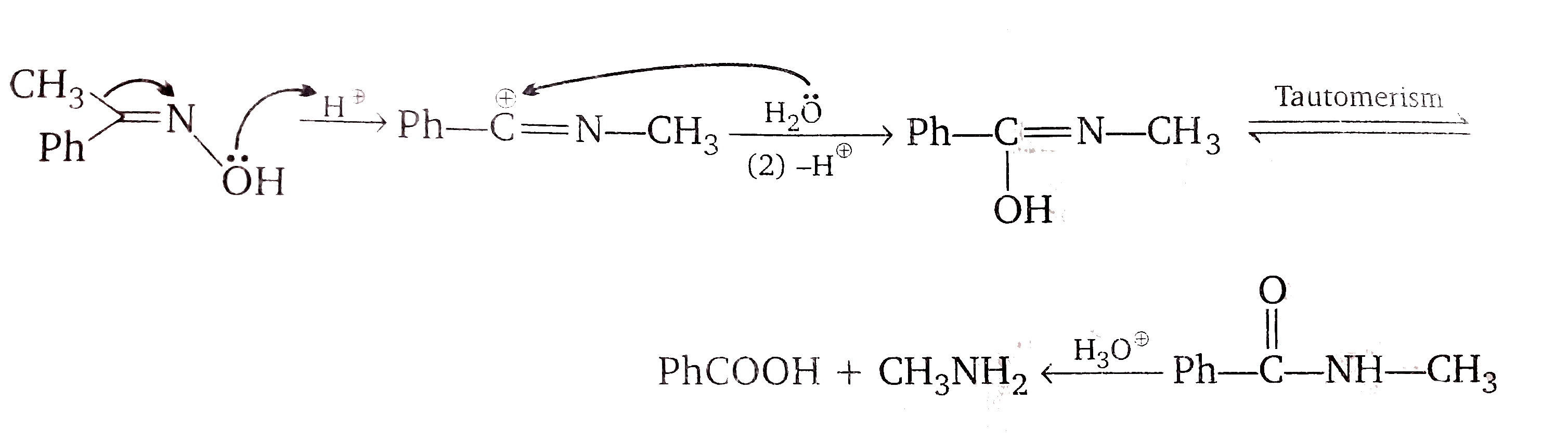
|
|
| 41. |
Give the IUPAC name of the compound CH_(3)-CH_(2)-CH=CH-CHO. |
| Answer» SOLUTION :Pent-2-enal | |
| 42. |
Given : (i)MnO_(4)^(-)+8H^++5e^(-)toMn^(2+)+4H_2O , E^0=x_1V (ii)MnO_(2)+4H^++2e^(-)toMn^(2+)+2H_2O , E^0=x_2V Find E^(@) for the following reaction : MnO_(4)^(-)+4H^++3e^(-)toMnO^(2)+2H_2O |
|
Answer» `x_(2)-x_(1)` `DeltaG_3^@=DeltaG_1^@-DeltaG_2^@ , " " DeltaG_3^@=2x_2F-5x_1F` `therefore X=(5x_1-2x_2)/3` |
|
| 43. |
Give the IUPAC name of the compound given below: CH_(3)- underset(Cl)underset(|)CH- CH_(2)- CH_(2)- underset(OH)underset(|)CH-CH_(3) |
|
Answer» 2-Chloro-5-hydroxyhexane |
|
| 44. |
Given: (i) Cu^(2+)+2e^(-)toCu,""E^(o)=0.337V (ii) Cu^(2+)+e^(-)toCu^(+),""E^(o)=0.153V Electrode potential, E^(o) for the reaction, Cu^(+)+e^(-)toCu, will be |
|
Answer» 0.52 V For, `Cu^(2+)+2e^(-)toCu,DeltaG_(1)^(@)=-2F(0.337)`. . . . (i) `Cu^(2+)+e^(-)toCu^(+),DeltaG_(2)^(@)=-F(0.153)` . . . (ii) Subtracting (ii) from (i), `Cu^(+)+e^(-)toCu` `DeltaG^(@)=-0.674F+0.153F`. . . (iii) `nFE^(@)=-0.521F` `because`For (iii), n=1, `thereforeE^(@)=0.521V`. |
|
| 45. |
Give the IUPAC name of the complex ["CO"("NH"_(3))_(4)"Cl"_(2)]^(+). Write geometrical isomers for this complex. |
| Answer» SOLUTION :Tetraamminedichlorido COBALT (III) ION. | |
| 46. |
Given HF+ H_2O overset(K_a)rarr H_3O^+ + F^- F^- +H_2O overset(K_b) HF + OH^- Which relation is correct? |
|
Answer» `K_b=K_w` |
|
| 47. |
Give the IUPAC name of (NH_(4)MCo(ONO)_(6)]. |
| Answer» SOLUTION :AMMONIUM hexanitrito-O-cobaltate(IL!). | |
| 48. |
Given {:(HF+H_(2)O overset(K_(a))rarrH_(3)O^(+) + F^(-)),(F^(-) + H_(2)O overset(K_(b))rarr HF + OH^(-)):} Which of the following reaction is correct |
|
Answer» `K_(b) = K_(w)` `K_(b) = ([HF][OH^(-)])/([F^(-)])` From (i) and (ii), `K_(a)K_(b) = [H_(3)O^(+)][OH^(-)] = K_(w)` (IONIC product of WATER). |
|
| 49. |
given H_(2)O(l) to H^(+)(aq) + OH^(-)(aq),DeltaH= 57.32 kJ H_(2)(g) + 1/2O_(2)(g) to H_(2)O(l),DeltaH =-286.02 kJ then , calculate the enthalpy of formation of OH^(-) at 25^(@)C |
|
Answer» `-228.8kJ` `H_(2)(g)+1/2O_(2)(g) to H_(2)O(l),DELTAH=-286.20 kJ` `DeltaH_(r)= DeltaH_(t)[H_(2)O(l)]-DeltaH_(t)[H_(2)(g))]-1/2 DeltaH_(t)[O_(2)(g)] ` ` DeltaH_(t)(H_(2)O(l))=-286.20` now consdier the ionisation of `H_(2)O` `H_(2)O(l) to H^(+)(aq)+ OH^(-)(aq), DeltaH = 57.32KJ H_(2)O(l) to H^(+)(aq)+ OH^(-)(aq), DeltaH = 57.32KJ` |
|
| 50. |
Given : H_(2)(g) + (1)/(2) O_(2)(g) = H_(2)O(g) + q_(1) H_(2)(g) + (1)/(2) O_(2)(g) = H_(2)O(l) + q_(2) The enthalpy of vaporisation of water is equal to |
|
Answer» `q_(1) + q_(2)` (ii) `H_(2)(g) + ½ O _(2) (g) rarr H_(2) O (L) + q_ (2)` SUBTRACT EQ. (ii) from eq. (i). `H_(2)O(l) rarr H_(2)O(g) + q_(1) - q_(2)` :. `DELTA H = -(q_(1) - q_(2)) = q_(2) - q_(1)` |
|