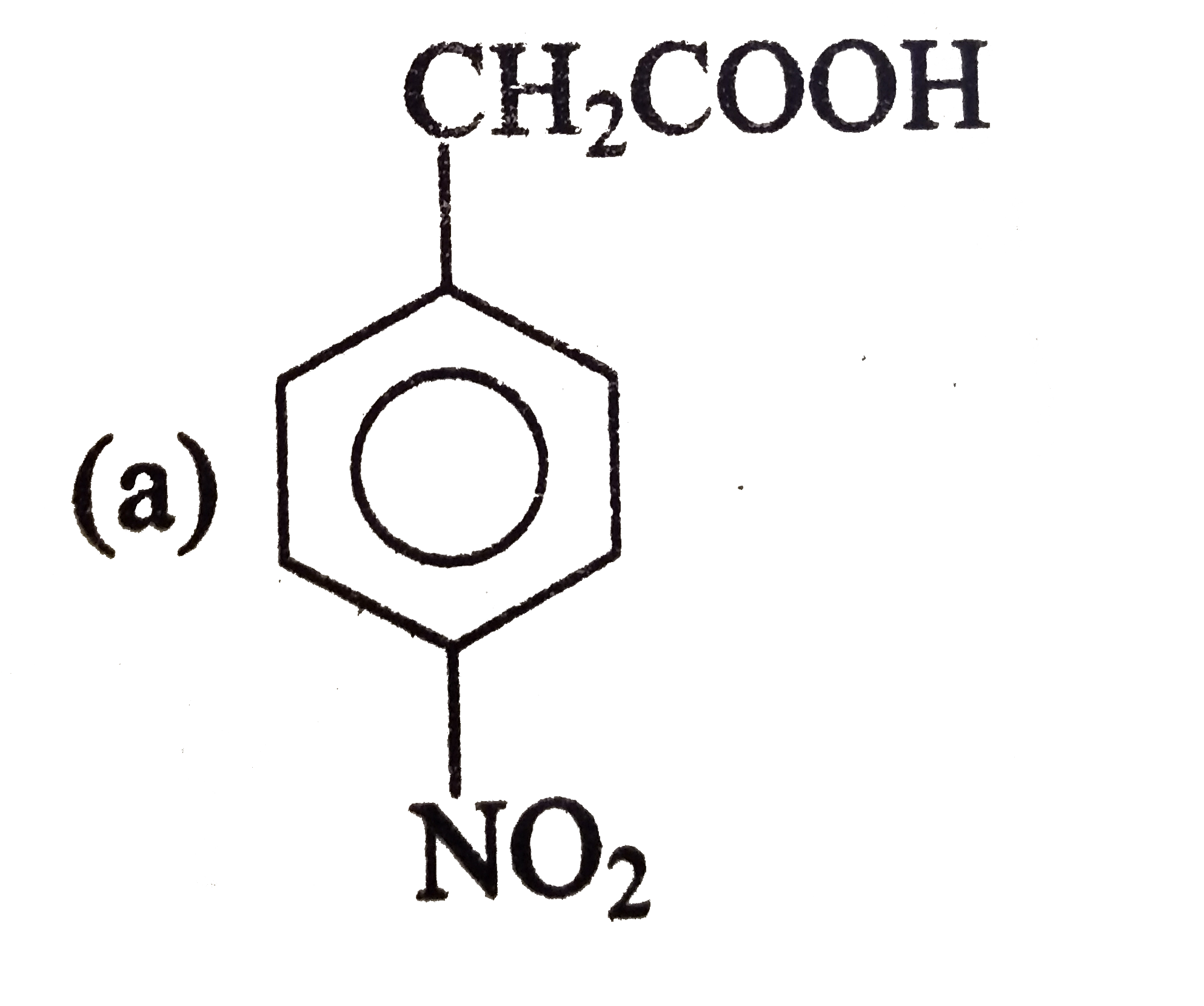
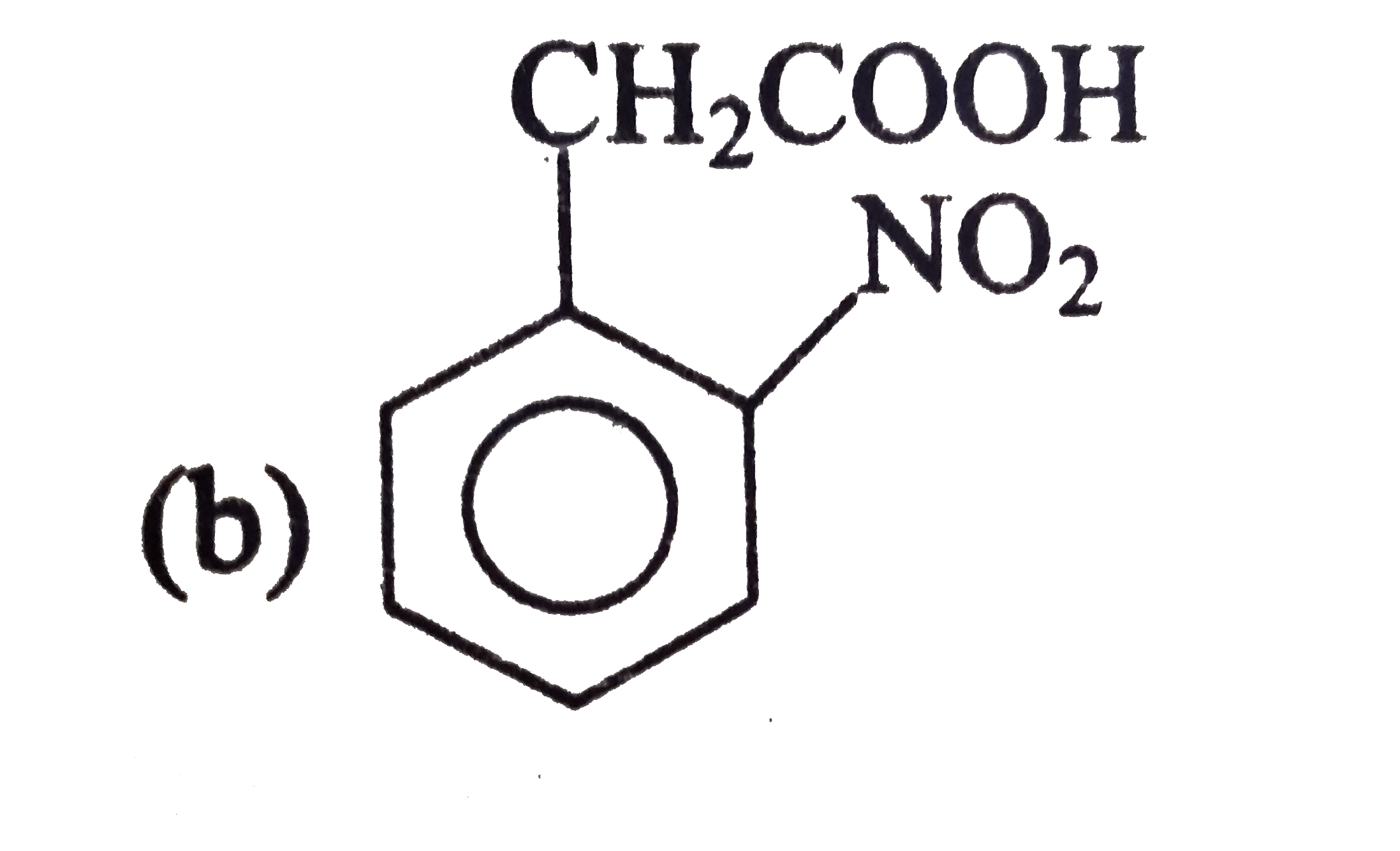
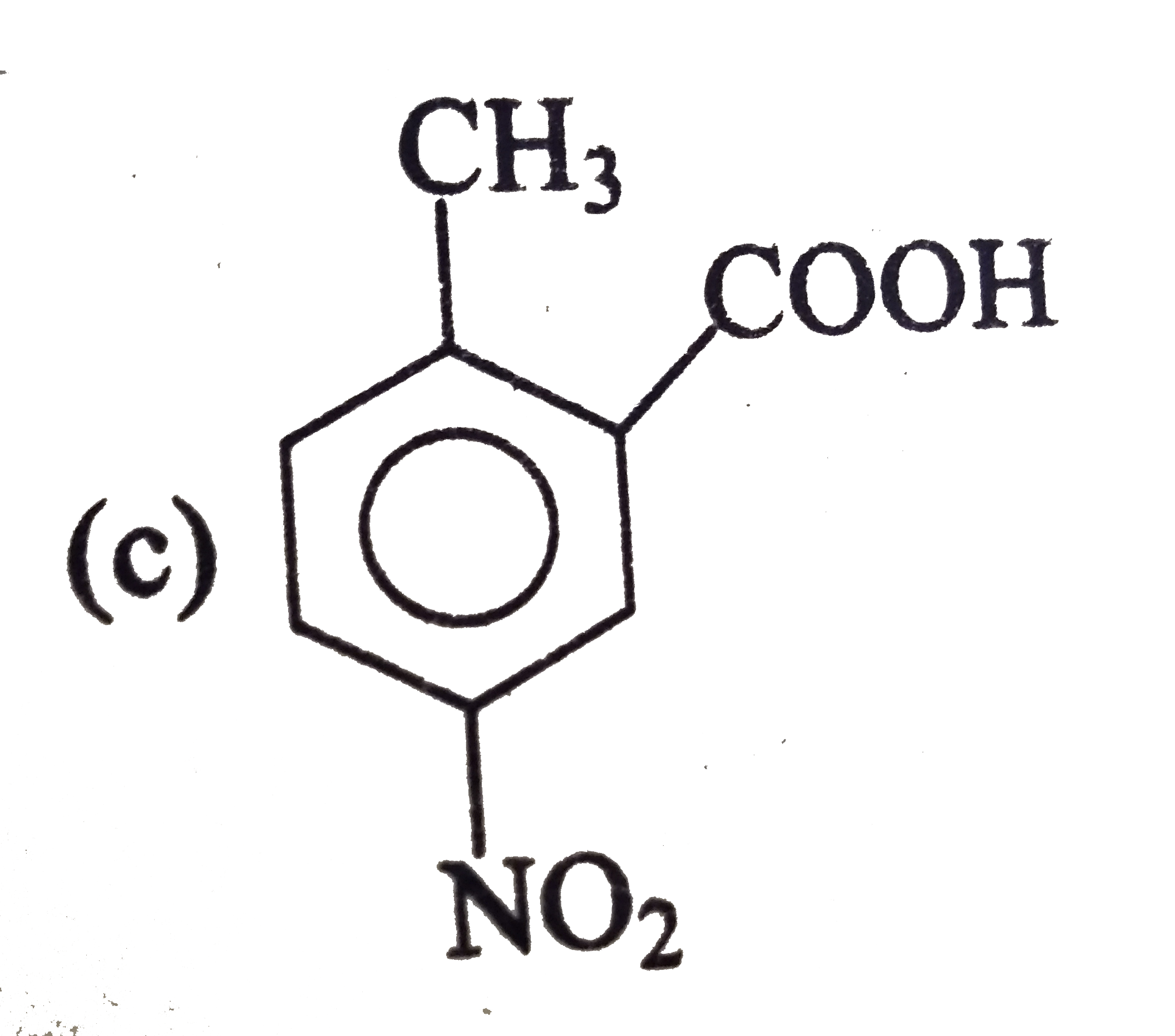
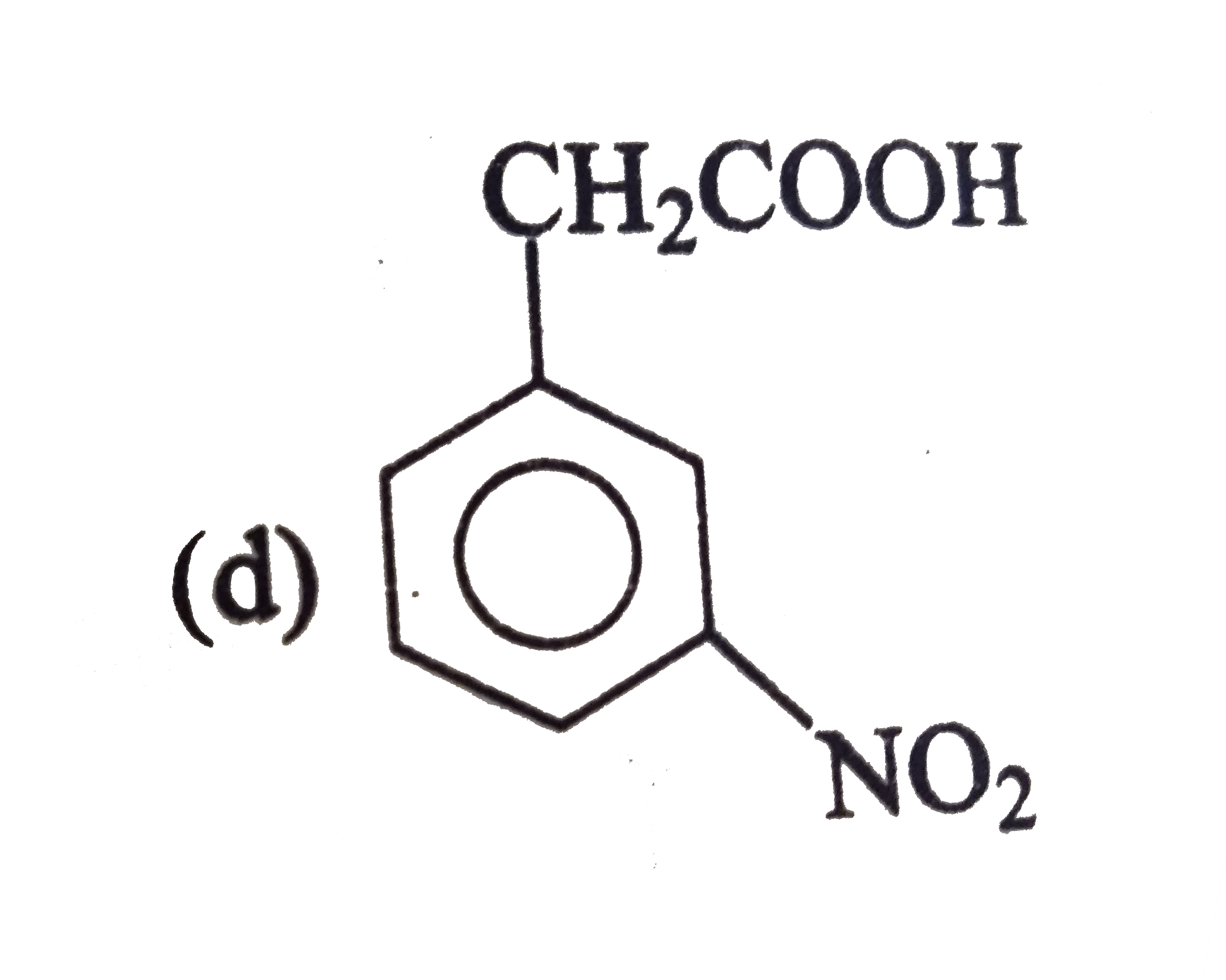
Saved Bookmarks
This section includes 7 InterviewSolutions, each offering curated multiple-choice questions to sharpen your Current Affairs knowledge and support exam preparation. Choose a topic below to get started.
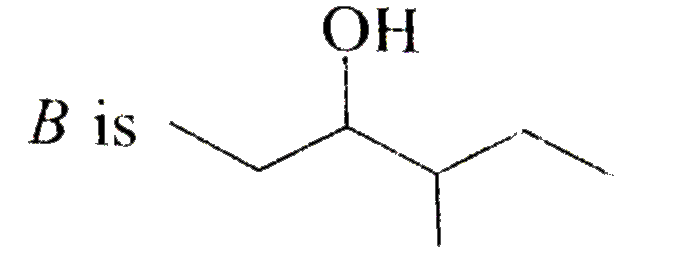
| 1. |
Compound (A) is heatedwith KCN produces butyronitrile. The compound (A) is |
|
Answer» n-PROPYL alcohol `CH_(3)-CH_(2)-CH_(2)-Cl+KCN to CH_(3)-CH_(2)-CH_(2)-CN+KCl` |
|
| 2. |
Compound A is heated with alcoholic potash gives (CH_(3))_(2)C=CH-CH_(3). The compound A is |
|
Answer» t-pentyl alcohol |
|
| 3. |
Compound 'A' is an unstable pale blue solution of an acidic oxide. 'A' decolourises bromine water as well as acidified permanganate. 'A' oxidises stannous chloride in hydrochloric acid solutions. Predict the acid 'A' and its unhydride. |
|
Answer» |
|
| 4. |
Compound A is an optically active alcohol. Treatment with oxidising agent converts it to a ketone B. In a separate reaction A is treatment with PBr_(3), converting it into C. C on reaction with Mg is added to B to yield. Identify the correct option. |
|
Answer» A is 2-butanol. |
|
| 5. |
Compound A is acidic in reaction , having the molecular formula , C_(4) H_(8) O_(3) , is oxidized with mild oxidizing agents to give B which is unstable , syrupy substance , it easily produces , C , C_(3) H_(6) O and carbon dioxide . On heating A alone yields D , C_(4) H_(6) O_(2) an acid neutralization equivalent of 104 . what are A , B, C and D ? Give their structural formulae too. |
|
Answer» Solution :Compound A has molecular formula `C_(4) H_(8) O_(3)` as it ACIDIC in reaction . So , it should have -COOH group .The REMAINING group `C_(3) H_(7) O` contains oxygen . The product D , having formula `C_(3) H_(5) COOH` , an unsaturated acid obtained by heating compound A `beta` - hydroxy substituted acids YIELD substituted acids on heating. Hence , A should be `beta` - hydroxy substitued acid i.e. `(A) =CH_(3)- overset(OH)overset(|)(C)H - CH_(2) - COOH` (A) on oxidation with mild oxidizing reagents will give `CH_(3) - overset(OH)overset(|)(C)H - CH_(2) - COOH overset("Oxidation")(to) CH_(2) - overset(O)overset(||)(C) - CH_(2) - COOH` B is keto substituted acid , hence , on further decomposition it will ELIMINATE `CO_(2)` to give `CH_(3) - overset(O)overset(||)(C)- CH_(2) - COOHoverset(-CO_(2))(to) underset((C) "ACETONE")(CH_(3) COCH_(3))` |
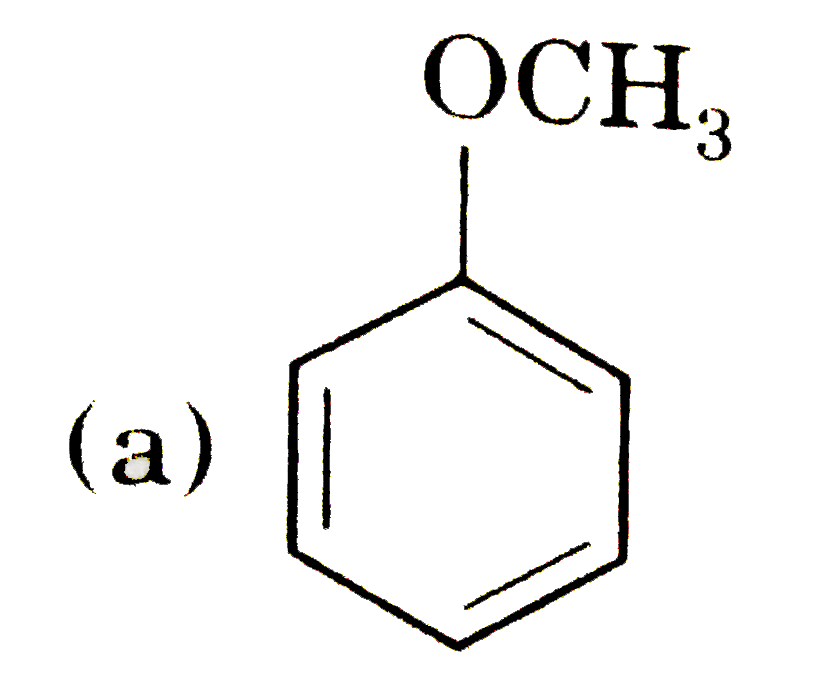
|
| 6. |
compound a is a light green crystalline solid. It gives the following tests (i) It dissolves in dilute sulphuric acid. No gas is produced. (ii) A drop of KMnO_(4) is added to the above solution. The pink colour disappears. (iii) Compound A is heated strongly. Gases B and C, with pungent smell, come out. A brown residue D is left behind. (iv) The gas mixture (B and C) is passed into a dichromate solution. The solution turns green. (v) The green solution forms step (iv) gives a white precipitate E with a solution of barium nitrate. (vi) Residue D from step (iii) is heated on charcoal in a reducing flame. It gives a magnetic substance. Name the compound A, B, C, D and E. |
| Answer» | |
| 7. |
Compound (A) is a light greencrystalline solid it givesthe following tests i. Ifdissolves indilute sulphuricacid .Nogas is produced ii A dropof MnO_(4) is addedto the abovesolution .The pinkcolour disappears iii Compound (A) is heated atrongly green (B) and (C )withpungentsmellcame out .A brown residue (D) islrftbehind iv The gas mixture [(B) and (C)] is passed into a dichromatesolution .THe solutionturms green THe greensolutionfrom step (iv) gives a whiteprecipitate (E ) with a solutionof bariumnitrate vi . Residue (D) from (v) is heatedon charcoalinreducingflameitgives amagneticsubstance Identify the compound (A) to (E ) |
|
Answer» |
|
| 8. |
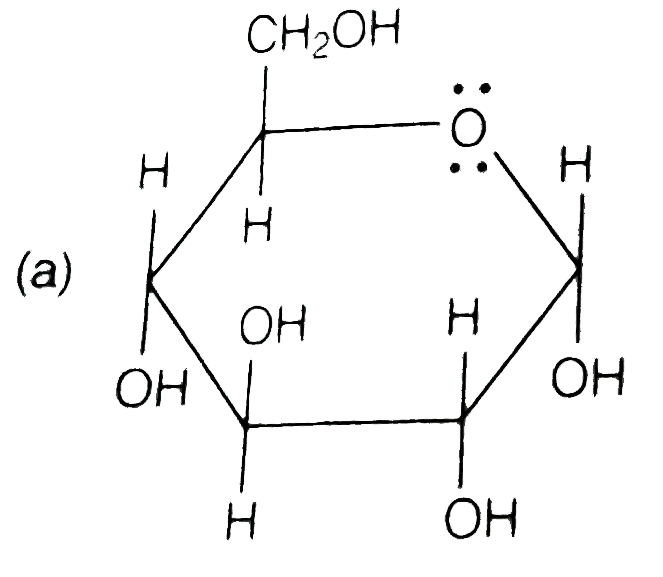
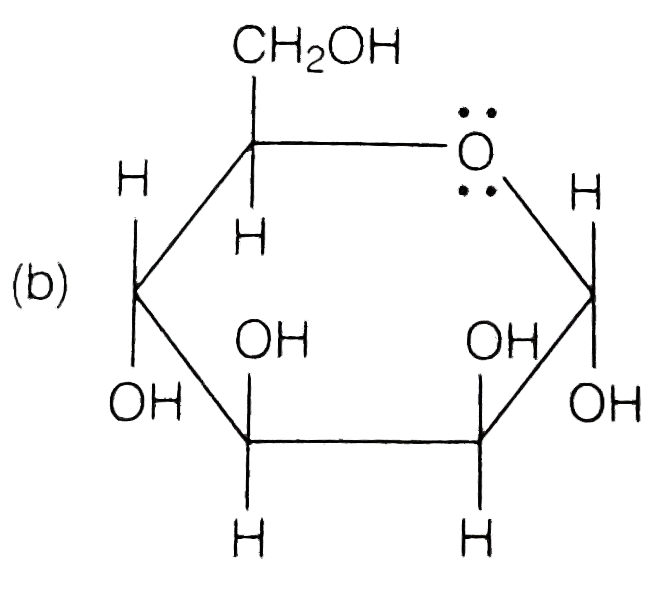
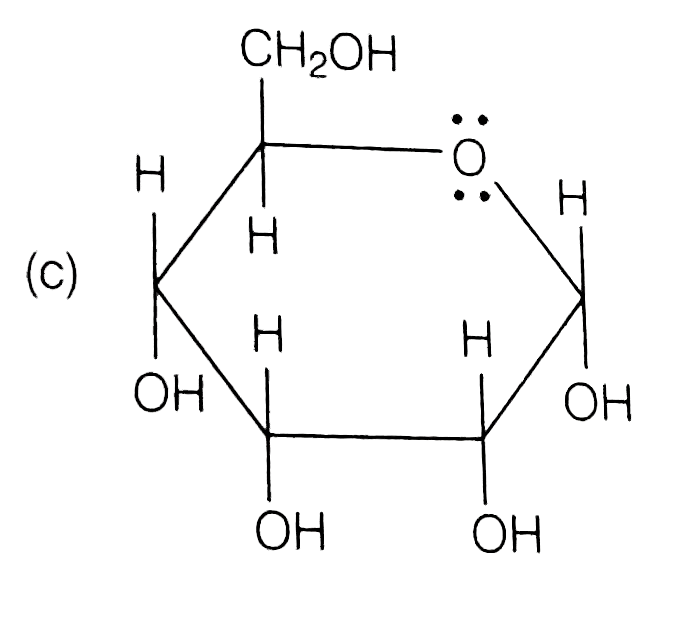
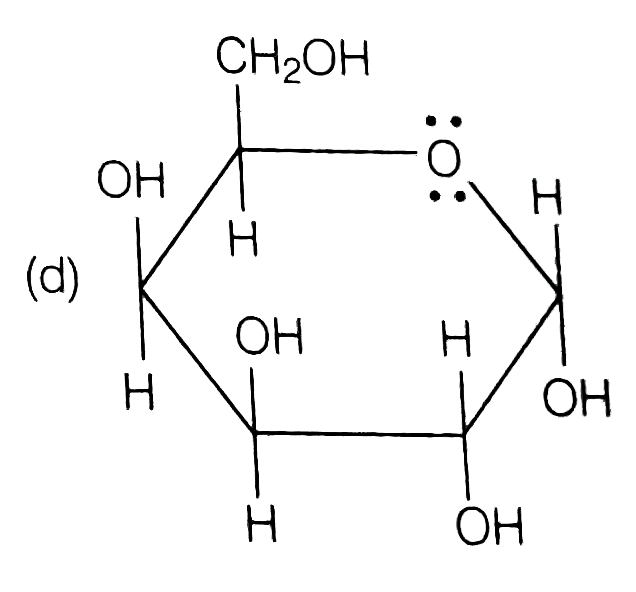
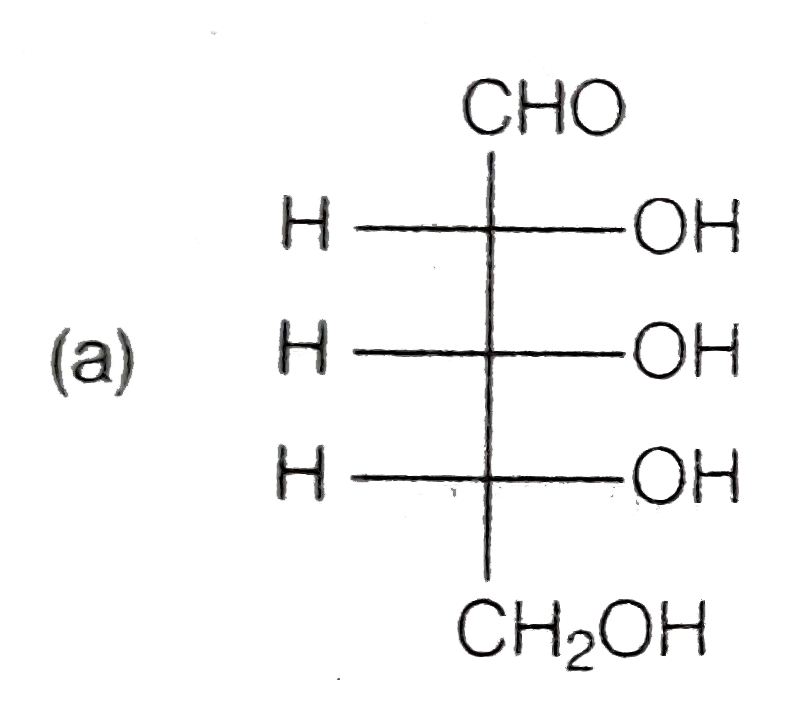
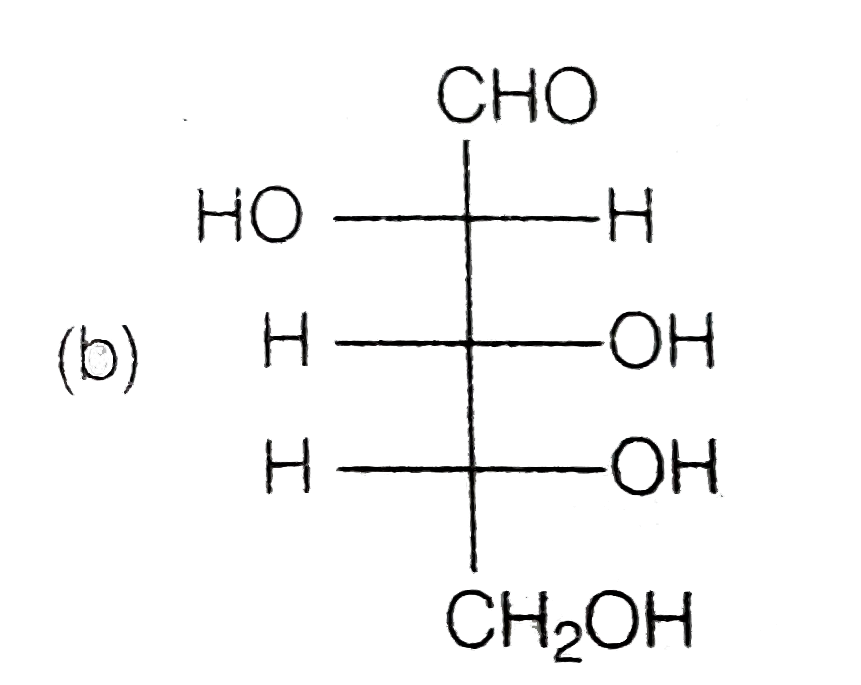
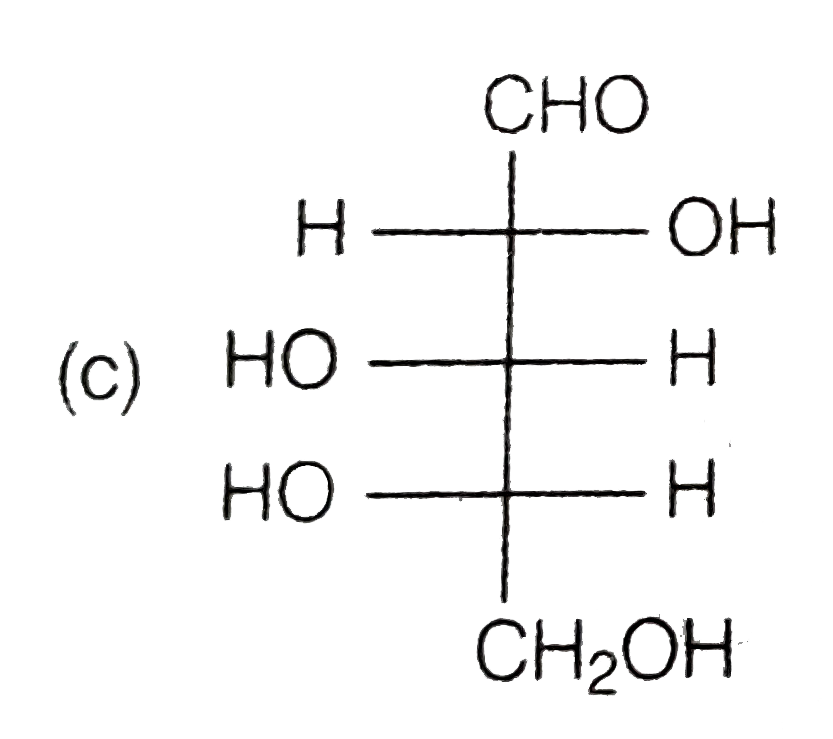
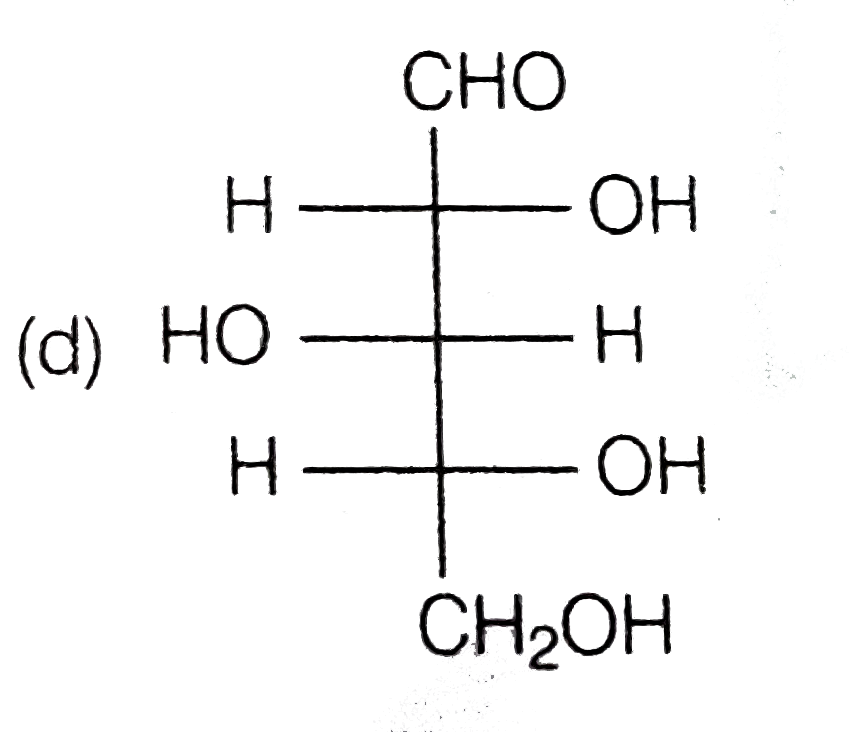
Compound A is a D-aldopentose that on oxidation with dilute NHO_(3) give optically active aldaric acid B. On Kiliani-Fisher chain extension shown below. A is converted into C and D-glucose underset(("An aldopentose"))(A) underset(H_(2)O)overset(HCN)(rarr) underset(BaSO_(4))overset(H_(3)//Pd)(rarr) C+D-"Glucose" Answer the following three questions based on the above information. Which of the following represents the alpha (alpha) anomer of C ? |
|
Answer»
|
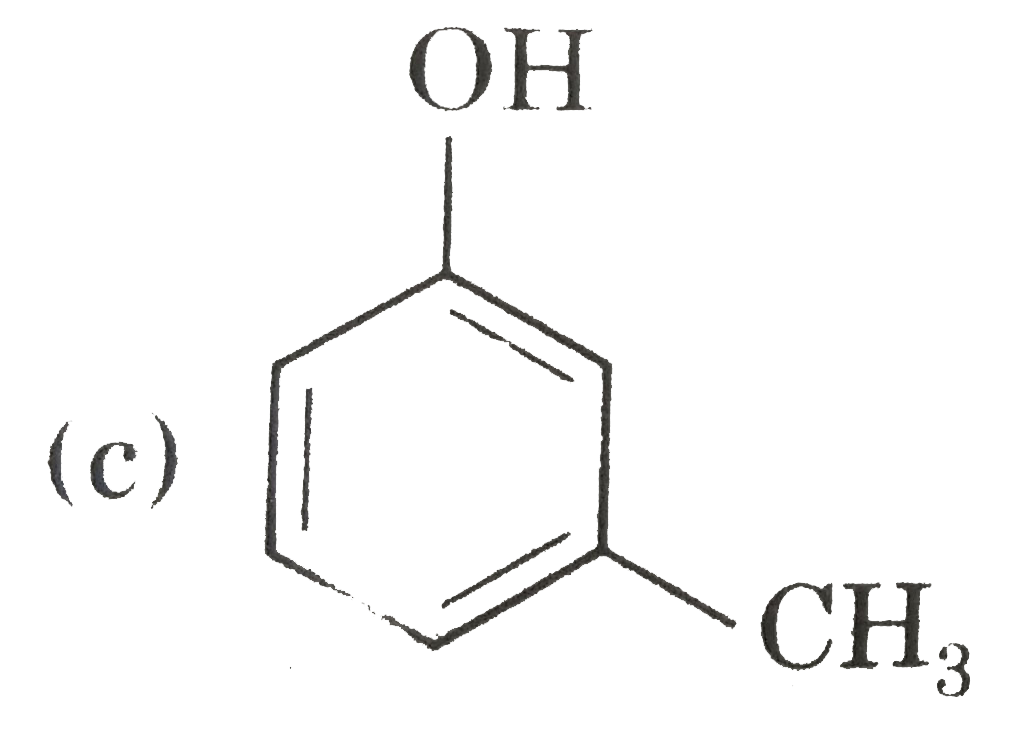
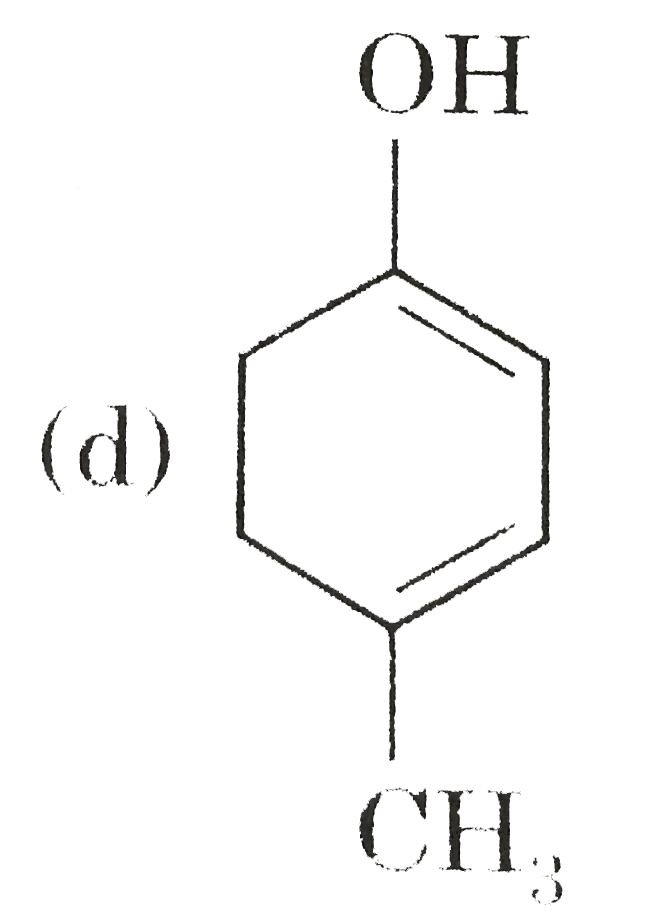
|
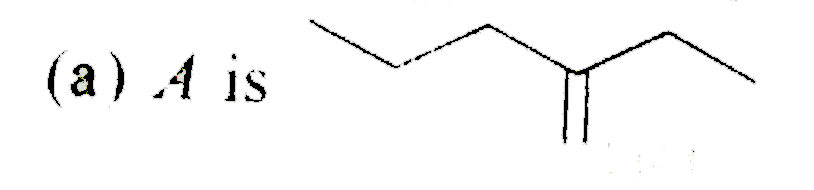
| 9. |
Compound A is a D-aldopentose that on oxidation with dilute NHO_(3) give optically active aldaric acid B. On Kiliani-Fisher chain extension shown below. A is converted into C and D-glucose underset(("An aldopentose"))(A) underset(H_(2)O)overset(HCN)(rarr) underset(BaSO_(4))overset(H_(3)//Pd)(rarr) C+D-"Glucose" Answer the following three questions based on the above information. Which of the following is not true regarding C and D-glucose ? |
|
Answer» Both will FORM same OSAZONE on treatment with EXCESS of phenyl hydrazone |
|
| 10. |
Compound A is a D-aldopentose that on oxidation with dilute NHO_(3) give optically active aldaric acid B. On Kiliani-Fisher chain extension shown below. A is converted into C and D-glucose underset(("An aldopentose"))(A) underset(H_(2)O)overset(HCN)(rarr) underset(BaSO_(4))overset(H_(3)//Pd)(rarr) C+D-"Glucose" Answer the following three questions based on the above information. Which of the following on oxidatiobn with dilute HNO_(3) will produce an enantiomer of B ? |
|
Answer»
|
|
| 12. |
Compound A in the following raction is CH_(3)-Cl+A rarr CH_(3)-CH_(2) -COOCH_(3)overset(H_(3)O^(+)" ")(rarr)CH_(3)-CH_(2)-COOH+CH_(3)-OH |
|
Answer» `CH_(3)-CH_(2)-OH` |
|
| 13. |
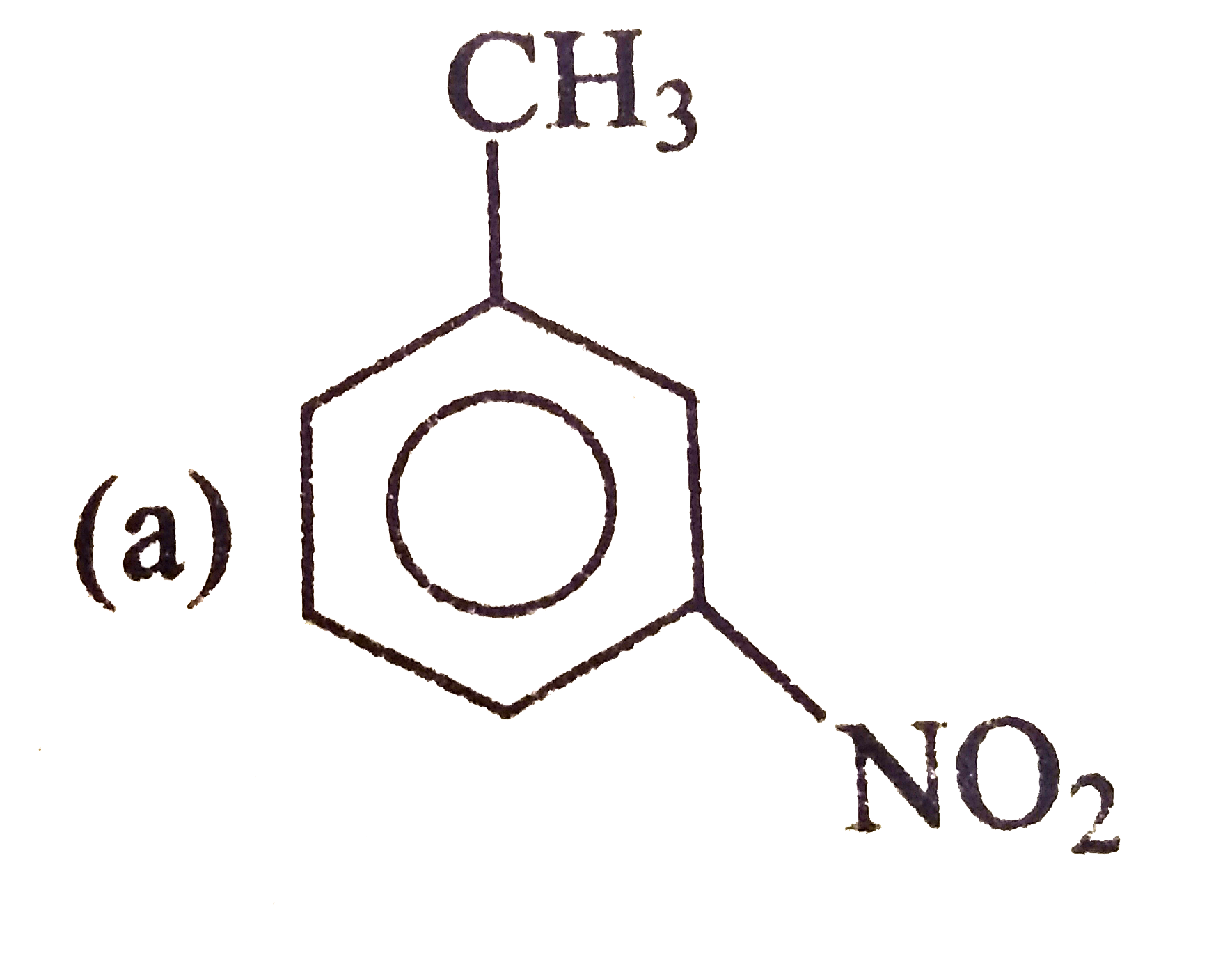
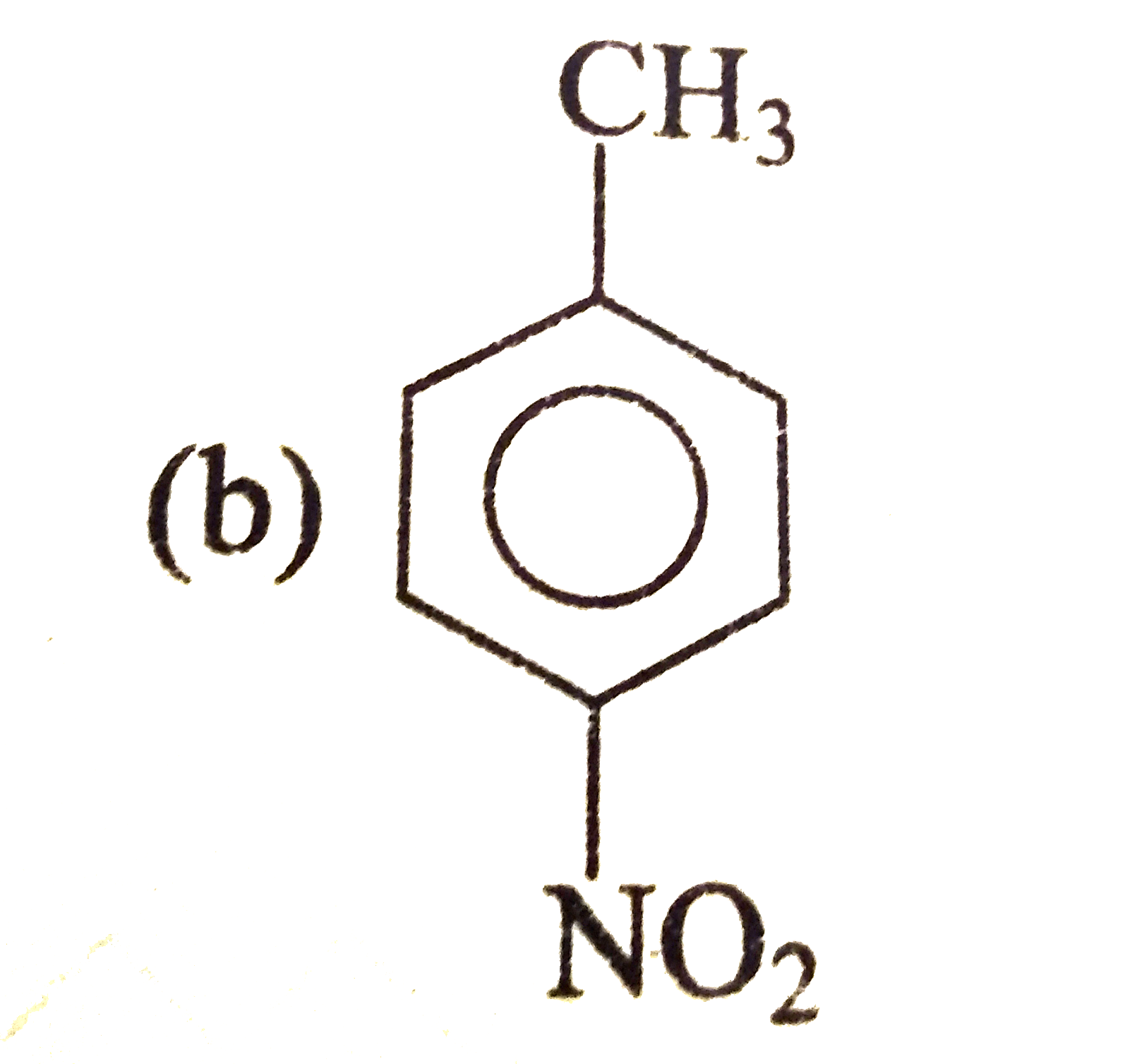
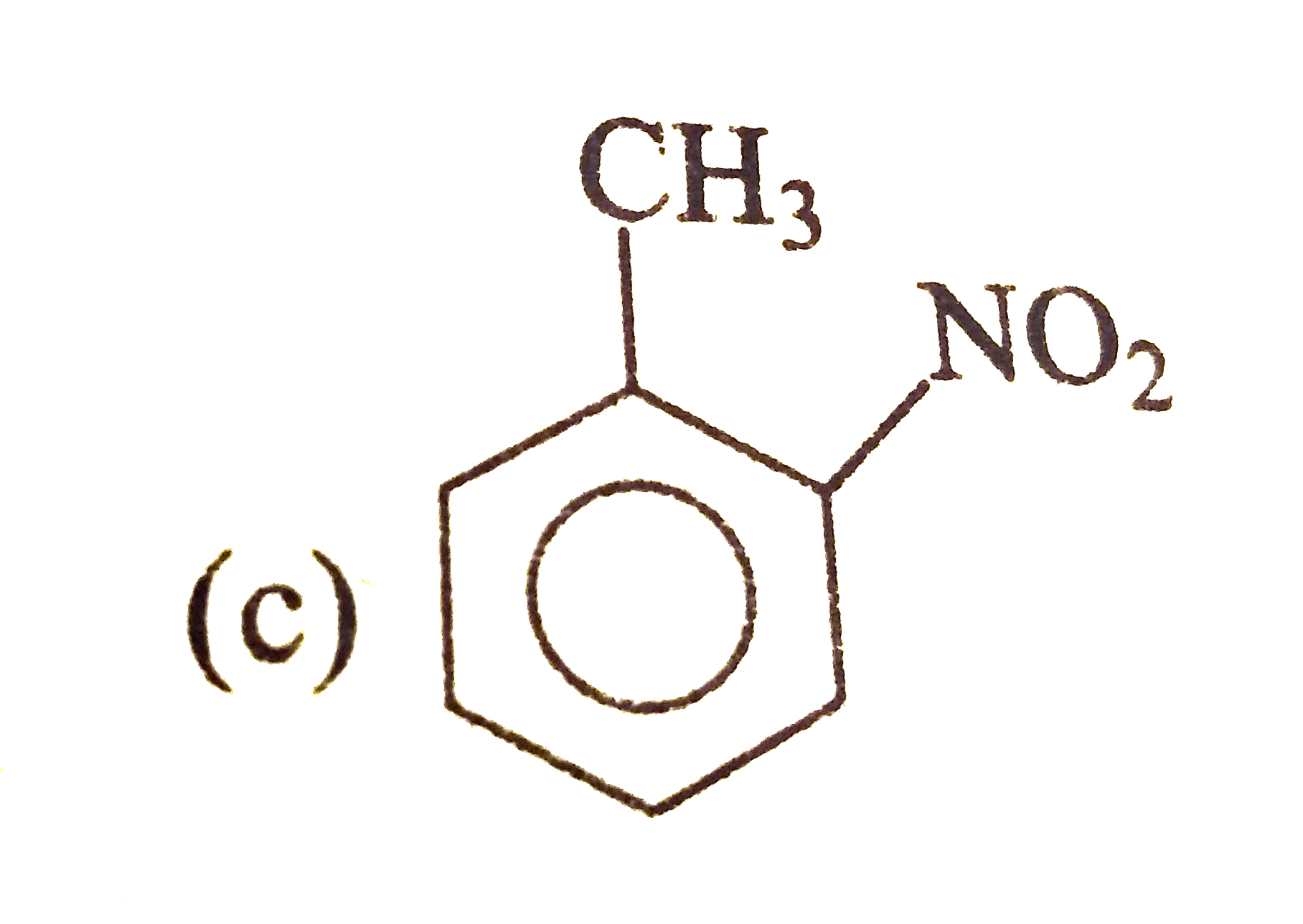
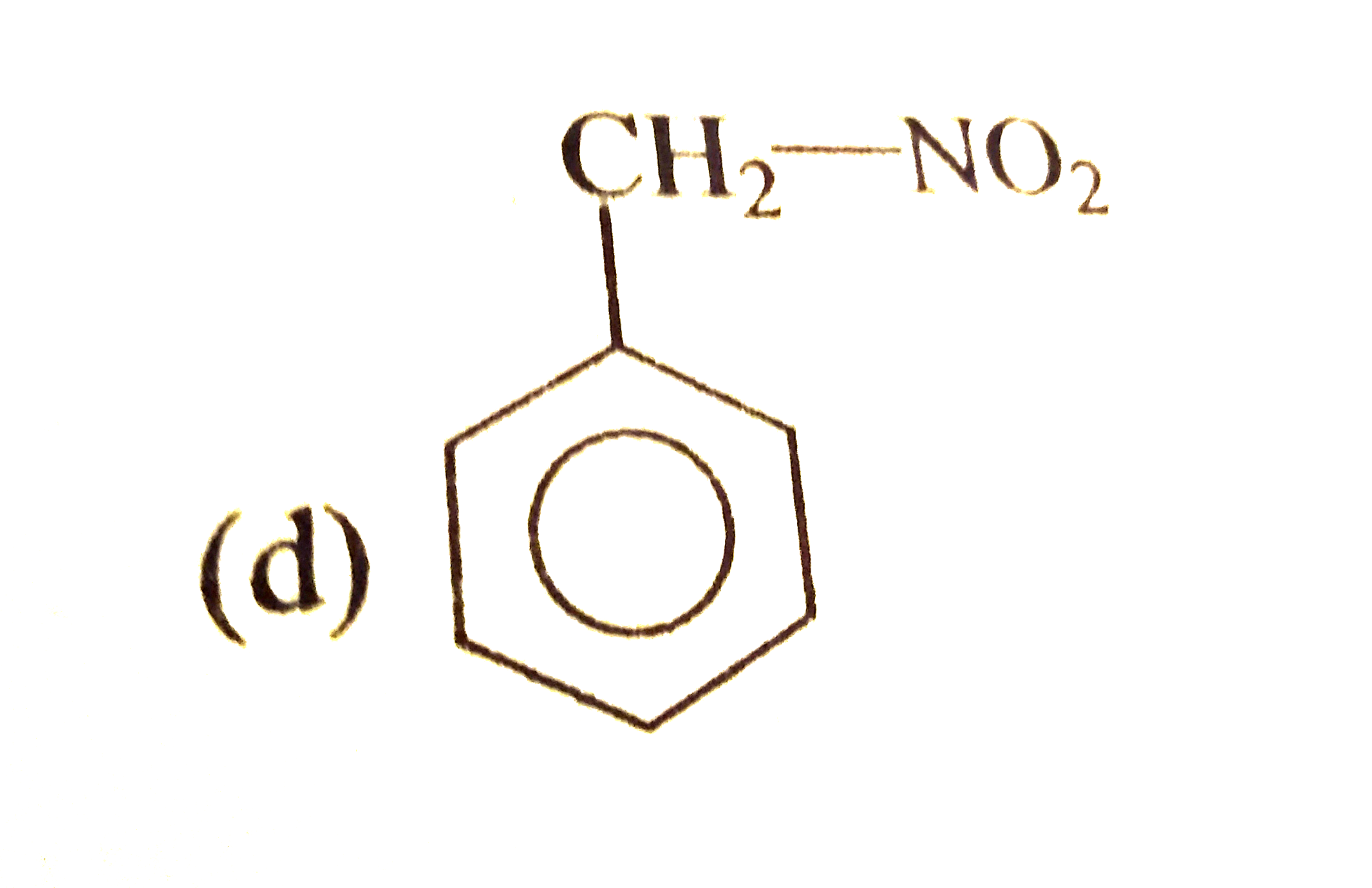
Compound A having molecular formula C_(7)H_(7)NO_(2) can undergo reduction with Sn+HCl treatement of A with KMnO_(4) gives a compound B (C_(7)H_(5)NO_(4)) which has lower boiling point compared to its other isomer. B when treated with SOCl_(2) produces C. C when treated with CH_(2)N_(2) produces D of molecular formula C_(8)H_(5)N_(3)O_(3) D when treated with Ag//H_(2)O produces E. Find out structure of E : |
|
Answer»
|
|
| 14. |
Compound A having the molecular formula C_(2)H_(4)O reduces Tollen's reagent. A on treatment with HCN followed by hydrolysis gives the compound B with molecular formula C_(3)H_(6)O_(3). Compound B on oxidation by Fenton's reagent gives the compound C with the molecular formula C_(3)H_(4)O_(3). Find A, B and C. Explain the reactions. |
|
Answer» Solution :(i) Compound (A) reduces Tollen's reagent. So it must be an aldehyde. From the MOLECULAR formula (A) is identified as `CH_(3)CHO` Acetaldehyde. `underset((A))(CH_(3)CHO)+underset("Tollen's reagentSilver mirror")(Ag_(2)Oto2Ag+CH_(3)COOH)` (ii) Acetaldehyde ontreatment with HCN followed byhydrolysis give lactic acid compound (B). `underset((A))(CH_(3)-underset(O)underset(||)(C)-H)+HCNtoCH_(3)-underset(OH)underset(|)OVERSET(H)overset(|)(C)-CNoverset(HCN)tounderset((B))(CH_(3)-underset(OH)underset(|)overset(H)overset(|)(C)-COOH)` (iii) Lactic acid on oxidation with Fenton's reagent gives pyruvic acid as compound (C). `CH_(3)-underset(OH)underset(|)(CH)-COOHunderset(FeSO_(4)//H_(2)O_(2))overset((O))tounderset((C))(CH_(3)-underset(O)underset(||)(C)-COOH)+H_(2)O` 
|
|
| 15. |
Compound A i.e. an aromatic hydrocarbon of molecular mass 78 g mol^(-1) is treated with compound 'B' with molecular mass 78.5 g mol^(-1) in the presence of anhydrous AlCl_(3)to give compound 'C' . Compound 'C' gives positive test but shows negative results with Fehling solution, Tollen's reagent and Schiff reagent . Identify compound A and B. |
|
Answer»
|
|
| 16. |
Compound A having molecular formula C_(7)H_(7)NO_(2) can undergo reduction with Sn+HCl treatement of A with KMnO_(4) gives a compound B (C_(7)H_(5)NO_(4)) which has lower boiling point compared to its other isomer. B when treated with SOCl_(2) produces C. C when treated with CH_(2)N_(2) produces D of molecular formula C_(8)H_(5)N_(3)O_(3) D when treated with Ag//H_(2)O produces E. Find out structure of A : |
|
Answer»
|
|
| 17. |
Compound A having molecular formula C_(7)H_(7)NO_(2) can undergo reduction with Sn+HCl treatement of A with KMnO_(4) gives a compound B (C_(7)H_(5)NO_(4)) which has lower boiling point compared to its other isomer. B when treated with SOCl_(2) produces C. C when treated with CH_(2)N_(2) produces D of molecular formula C_(8)H_(5)N_(3)O_(3) D when treated with Ag//H_(2)O produces E. Find out structure of C : |
|
Answer»
|
|
| 18. |
Compound (A), having an empirical fomrula C_(7)H_(8), is chlorinated in sunlight to give a product (B), Which on hydrolysis gives a compound (C).(C) gives a positive test with Tollens reagen and with sodium, acetate and acetic anhydride gives an acid (D) , with equivalent weight 148.15 . Identify (A),(B) (C) and (D)adn explain the reactions involved. |
Answer» SOLUTION :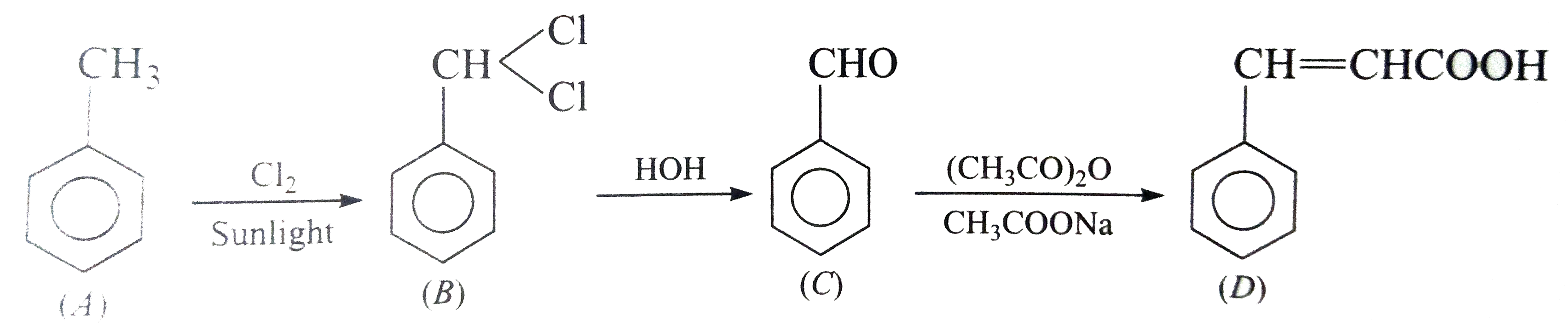
|
|
| 19. |
Compound 'A' has molecular formula C_(5)H_(10)O reduce Tollen's reagent on oxidation givesmonocarboxylicacidwithsame nubmerof carbon atoms .Thecompound 'A' is |
|
Answer» `CH_(3)COCH(CH_(3))_(2)` |
|
| 20. |
Compound (A) has a neutralization equivalent of 116. It forms a semicarbazone or phenyl hydrazone, and gives positive iodoform test. Compound (A) gives n-pentane. What are (A), (B) and (C)? |
|
Answer» Solution :(i) Since (A) forms semicarbazone and phenyl hydrazone, hence it has a gt C=O group. As it ALSO gives iodoform test hence it contains `H_(3)C-overset(O)overset(||)(C)-` group in its molecule. (ii) The NEUTRALIZATION equivalent of (A) is 116, it is also contain a -COOH group. its formula can be deduced as followes `116-H_(3)C-overset(O)overset(||)(C)-+-COOH=116-(43+45)=28` The value 28 corresponding to two methyl groups. 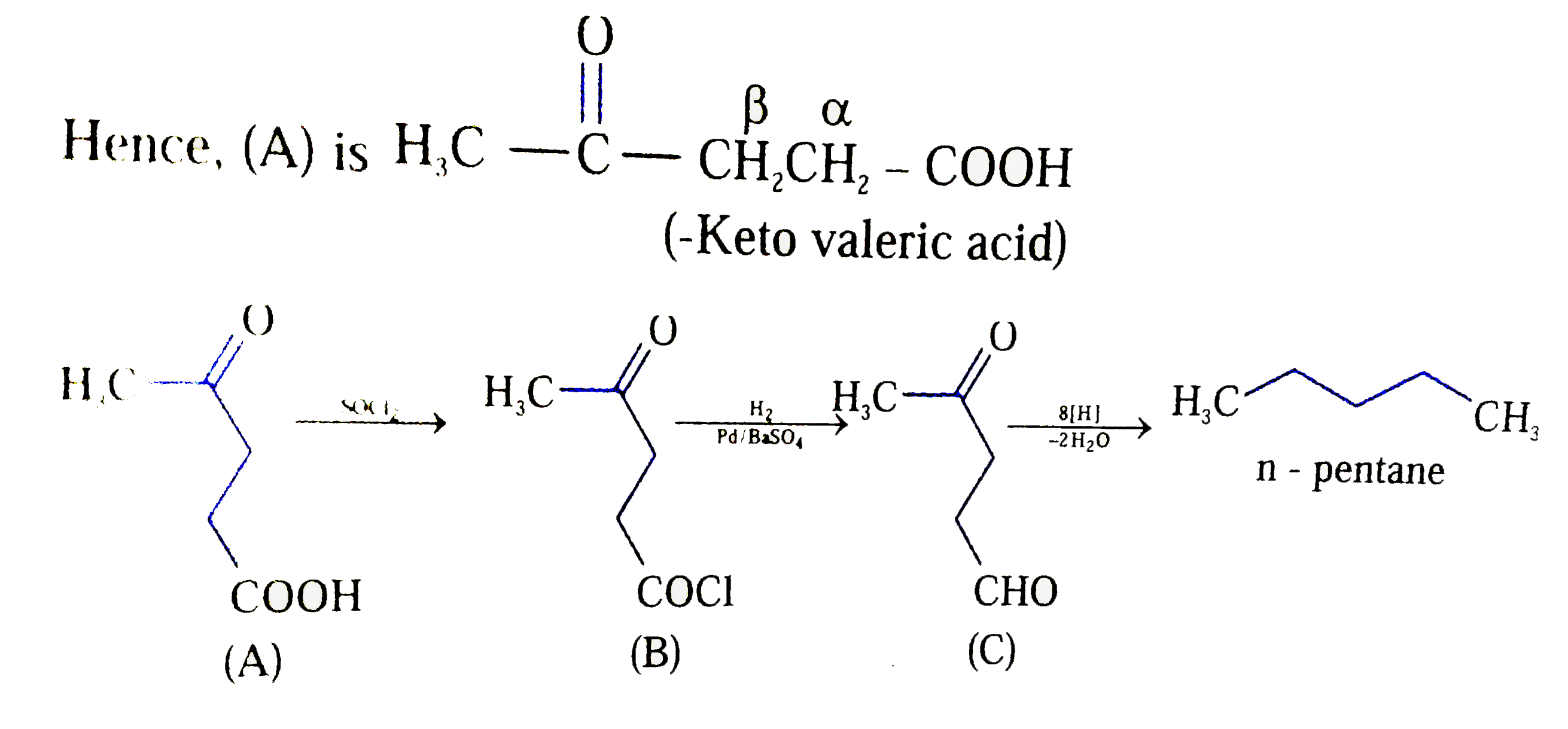
|
|
| 21. |
Compound (A) gives positive Lucas test in 5 minutes. When 6g of (A) is treated with Na metal, 1120mL of H_(2) is evolved at STP. Assuming (A) to contain one atom of oxygen per molecule, write the structural formula of (A) |
| Answer» SOLUTION :`[CH_(3).CH(OH).CH_(3)]` | |
| 22. |
Compound A gives blue colour solution with excess of NH_(4)OH, it gives chocolate brown colour with K_(4)[Fe(CN)_(6)]. Complex A is : |
|
Answer» `CuSO_(4)` |
|
| 23. |
Compound 'A' gives and precipitate with Cu_(2)Cl_(2)//NH_(4)OH solution and decolourises bromine water. The compound 'A' can be : |
|
Answer» `CH_(2)=CH-UNDERSET(O)underset(||)(C )-CH_(3)` |
|
| 24. |
Compound A (ester ) reacts with LiAlH_4 gives B and C. Compound B on oxidation gives acetic acid and compound C on oxidation gives formic acid. The compound 'A' is |
|
Answer» `C_2H_5-COOCH_3` |
|
| 25. |
Compound (A) contains Cl in its structure and Cl has uninegative and unipositive carge in compound (A). On long standing, compound (A) undergoes auto oxidation and form (B) and ( C), but in presence of CoCl_(2) catalyst it forms B and D. B is also produced when compound (A) reacts with H_(2)S gas. Which of the following statements are correct about (A)? |
|
Answer» It is a powerful bleaching AGENT, bleaching action is due to oxidation |
|
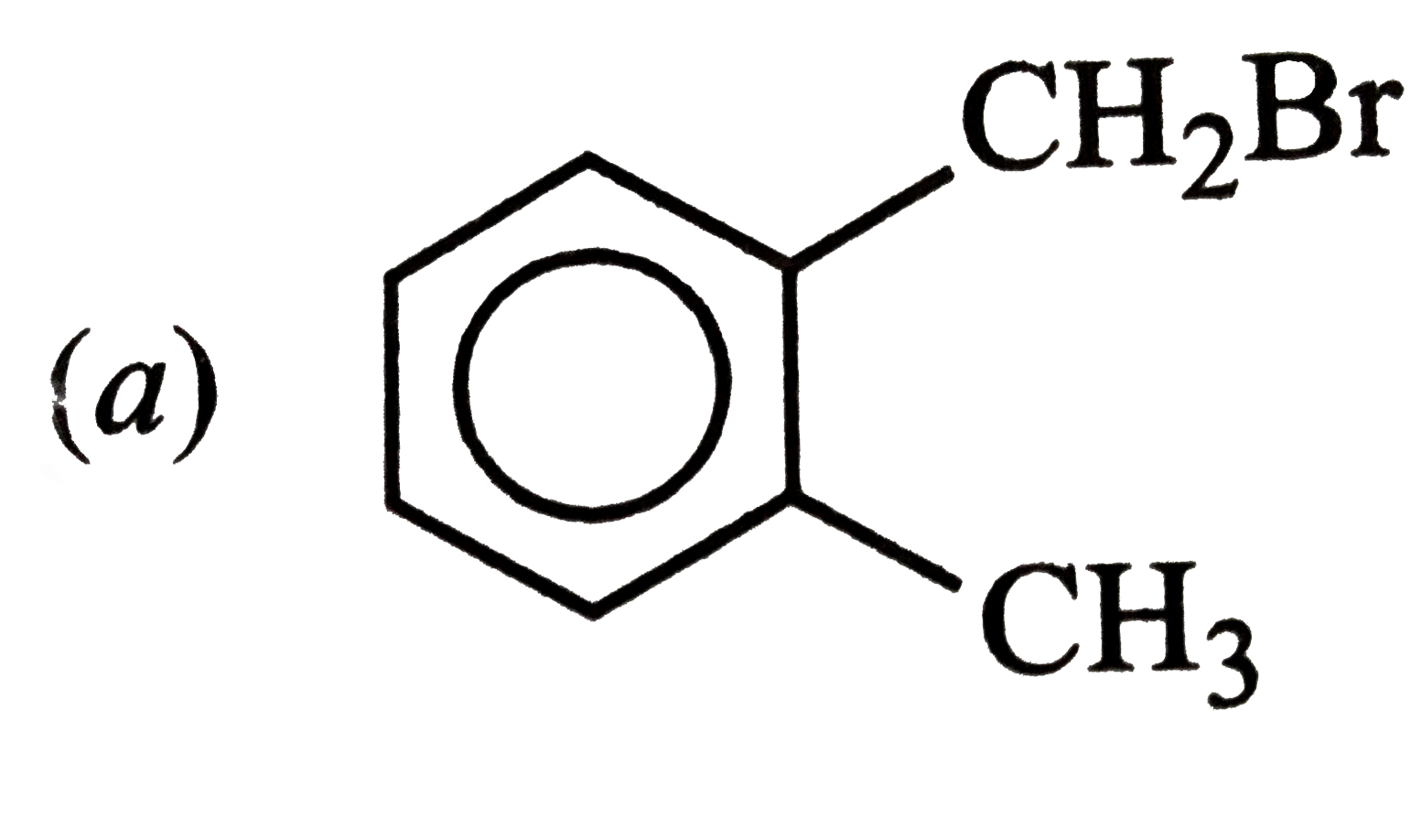
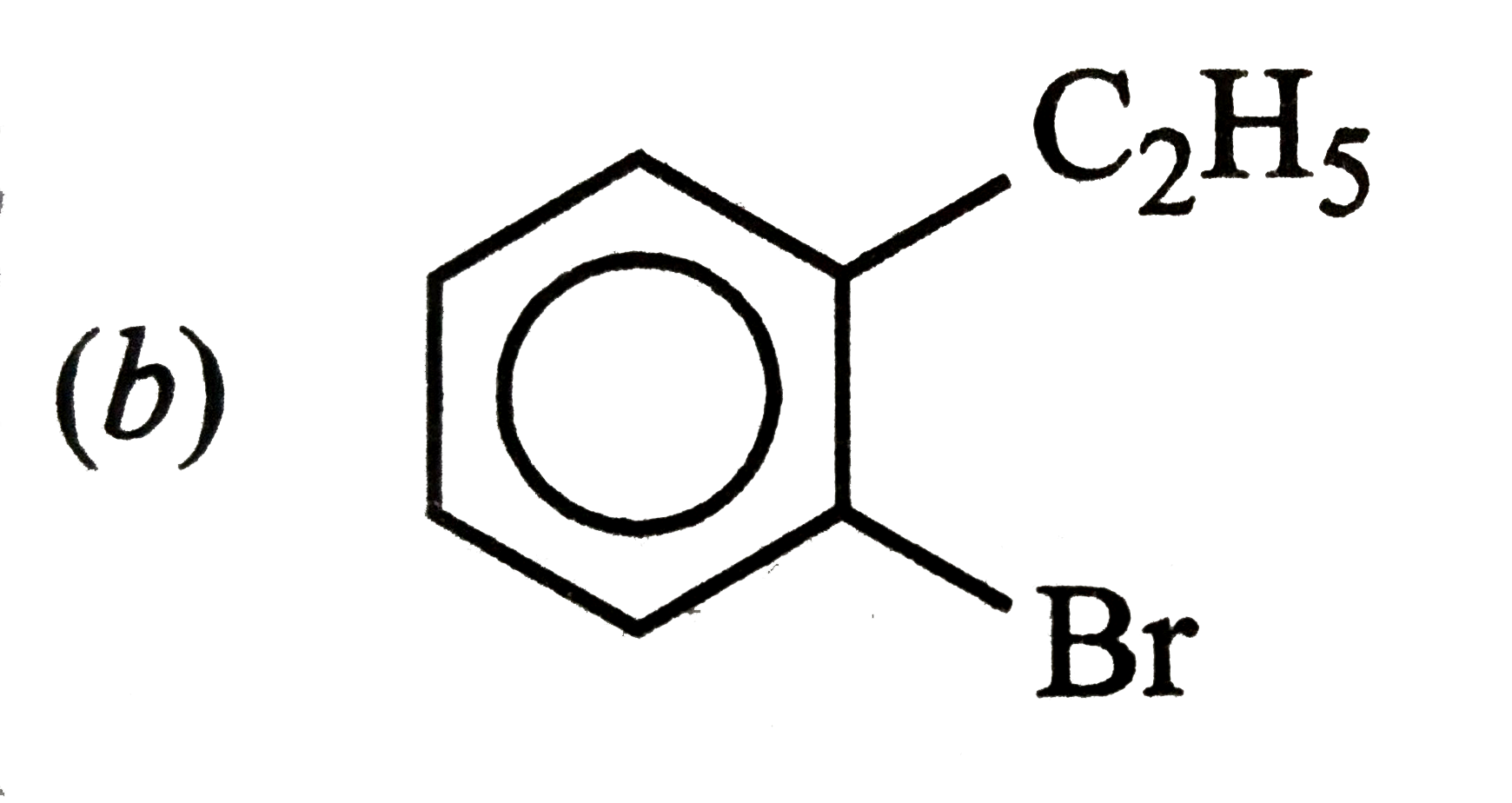
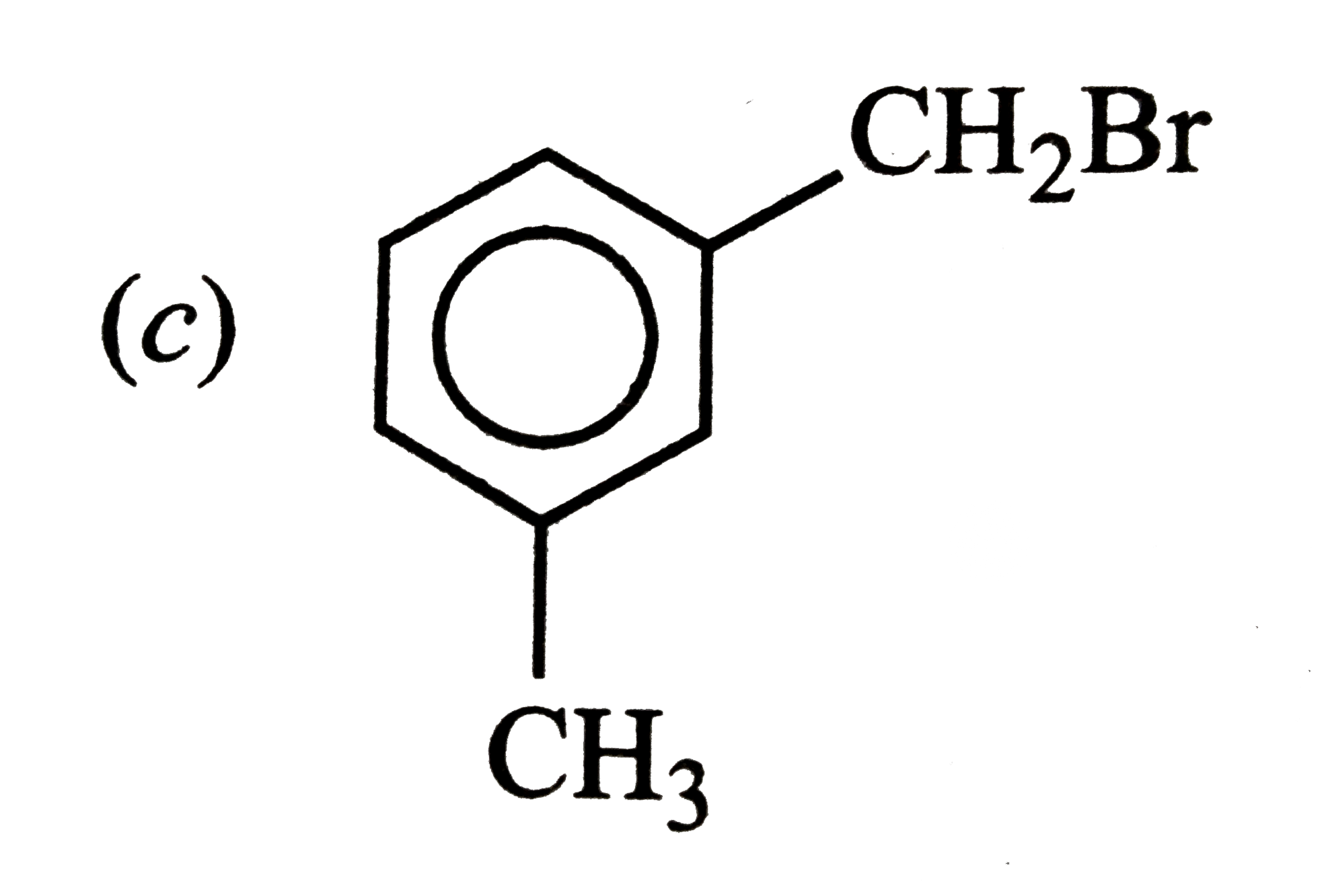
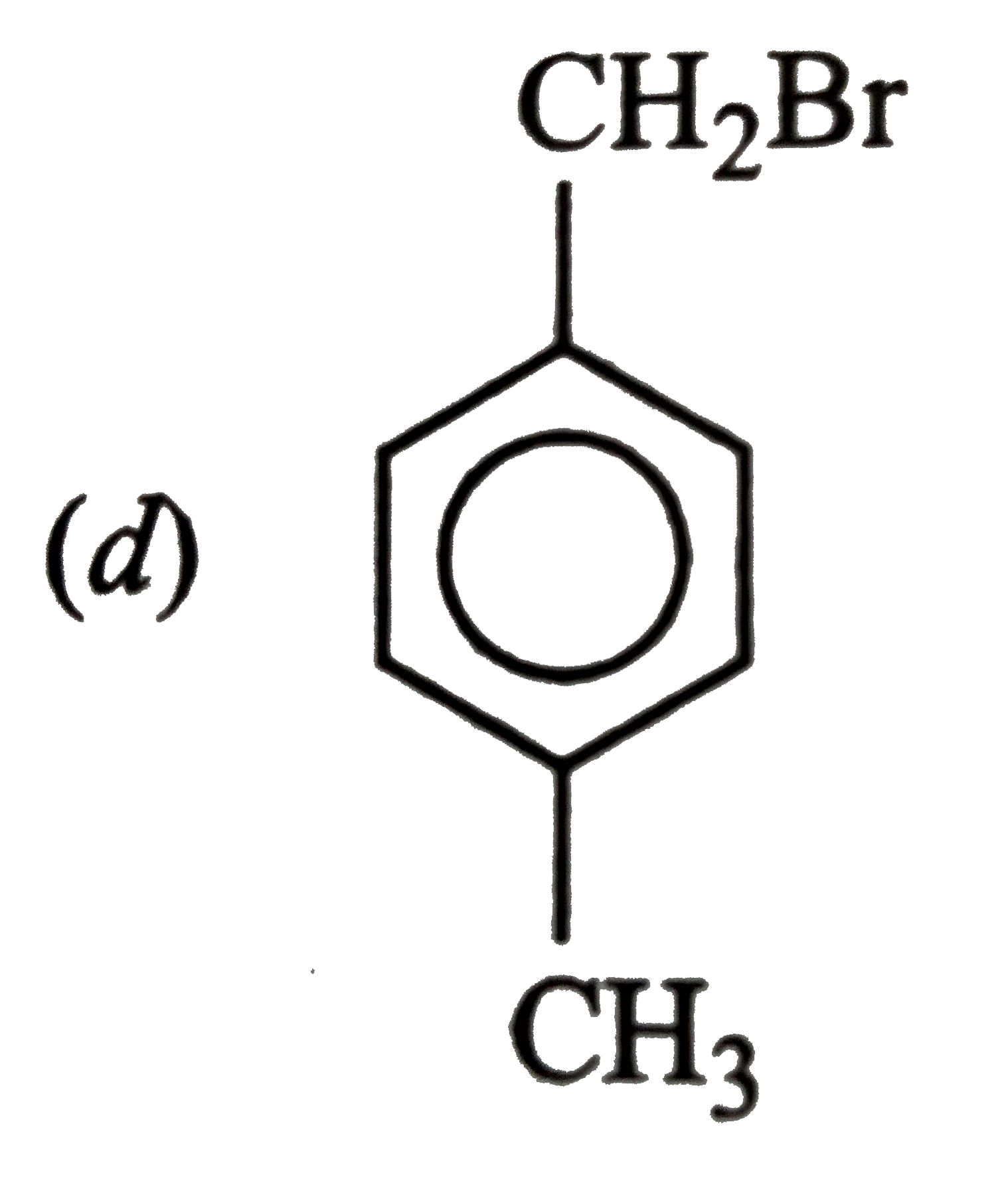
| 26. |
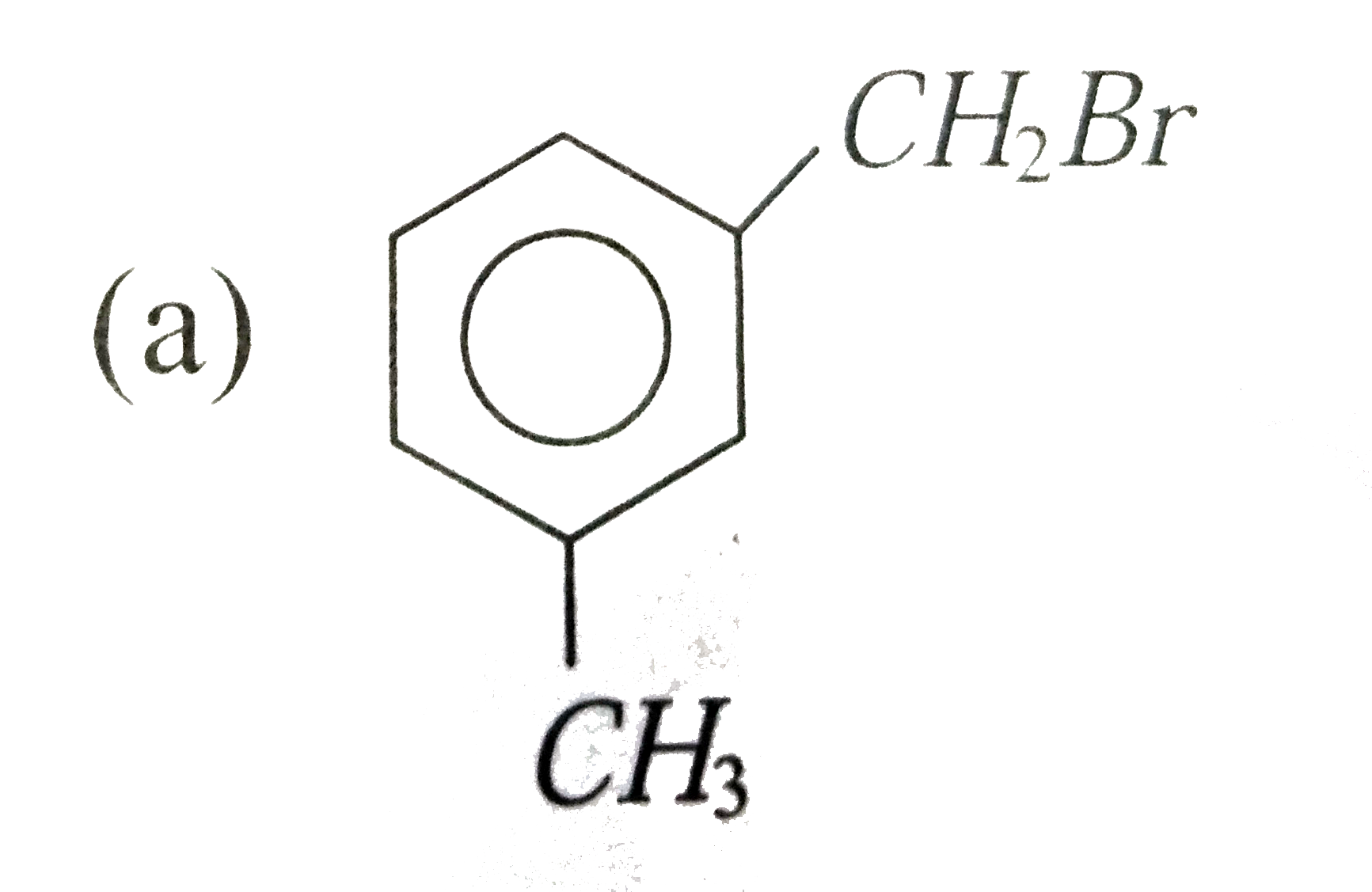
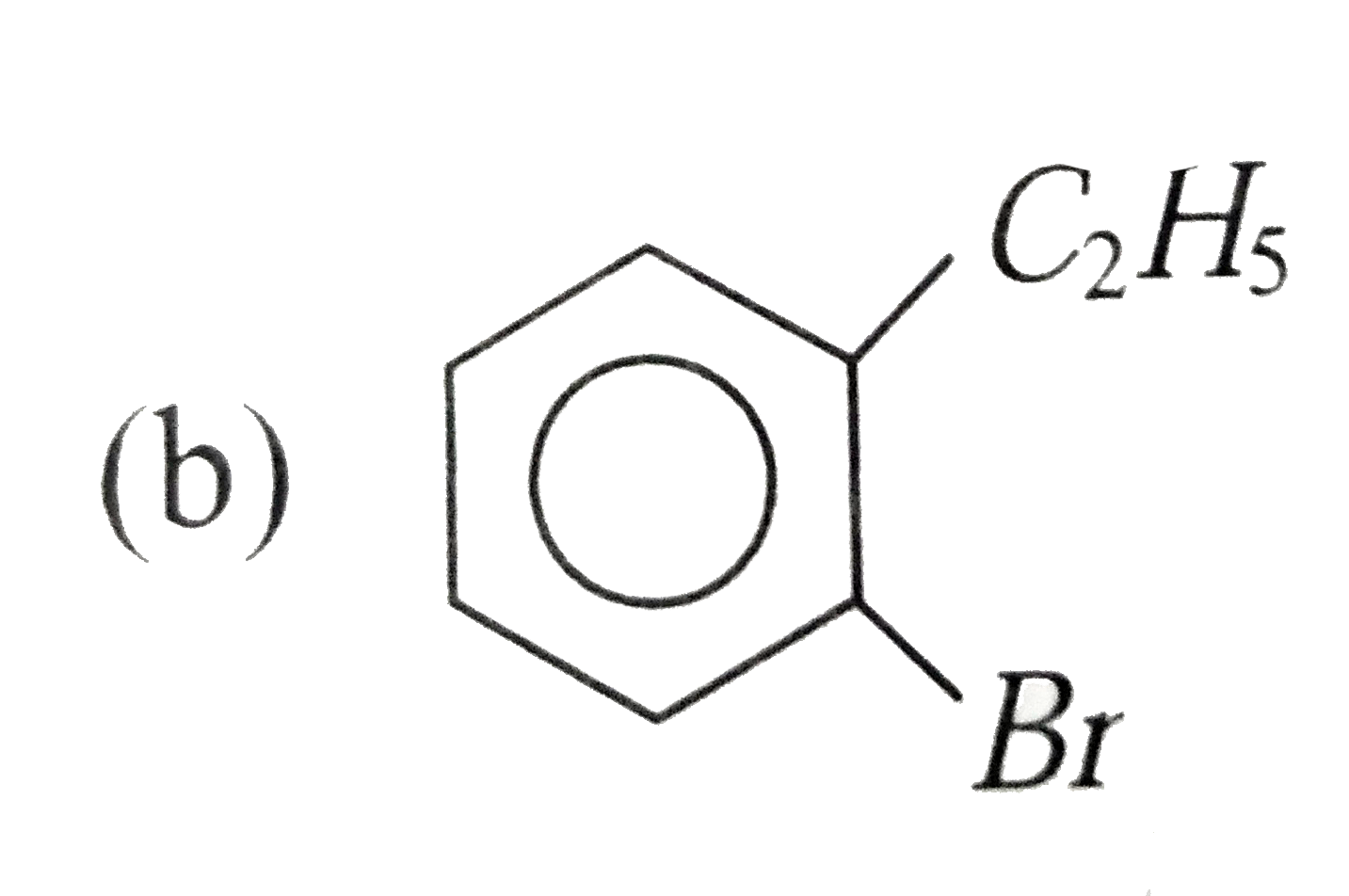
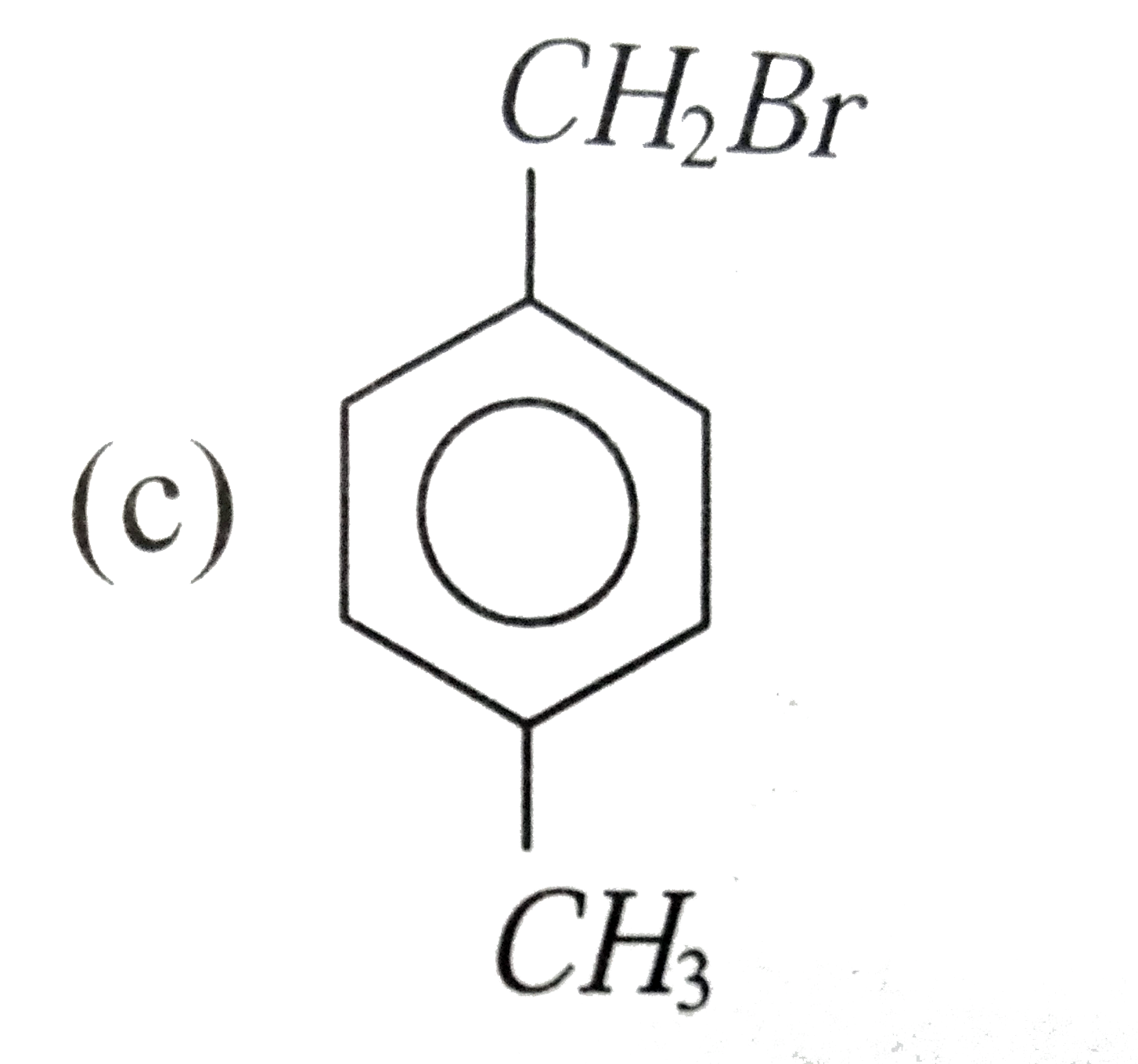
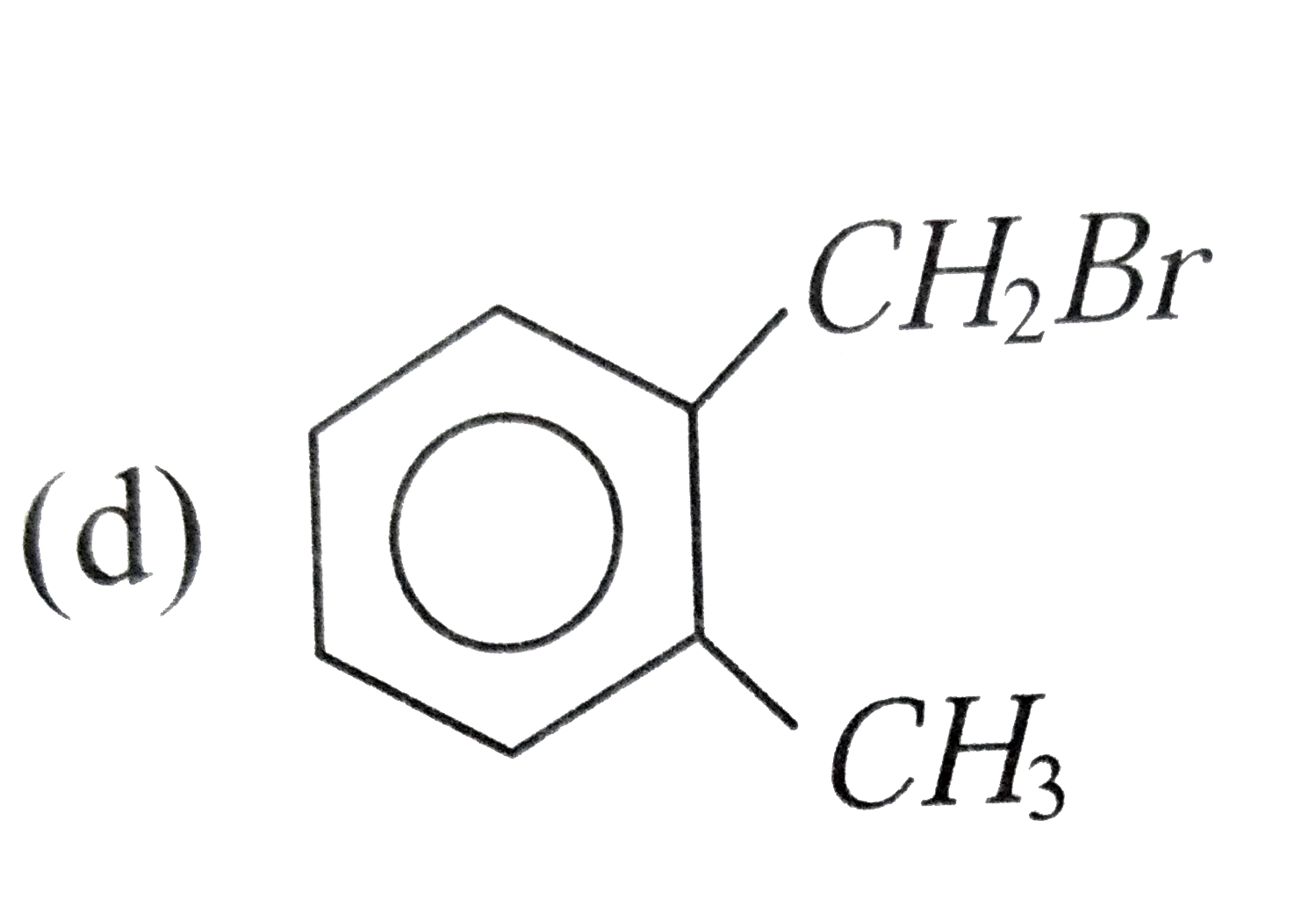
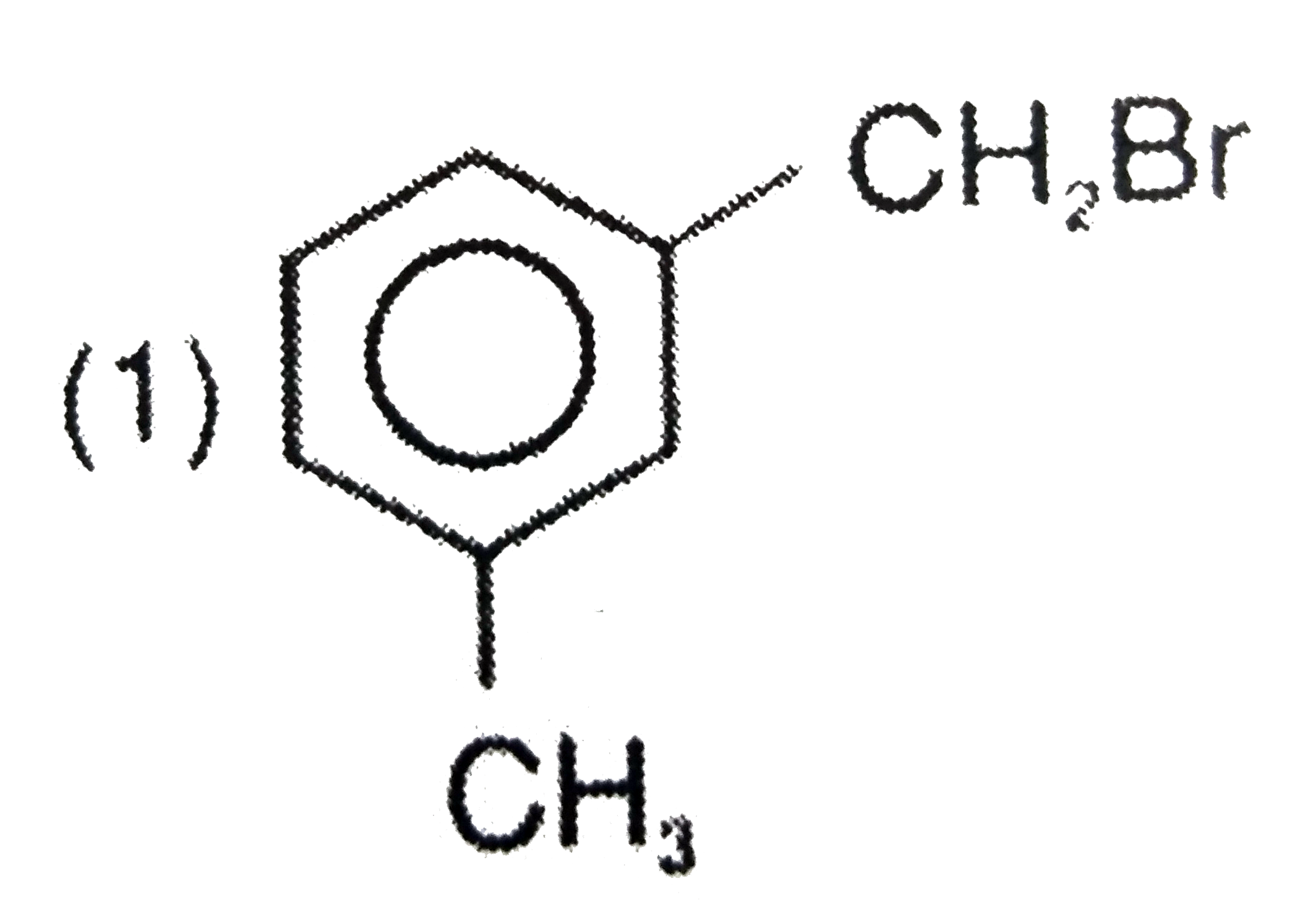
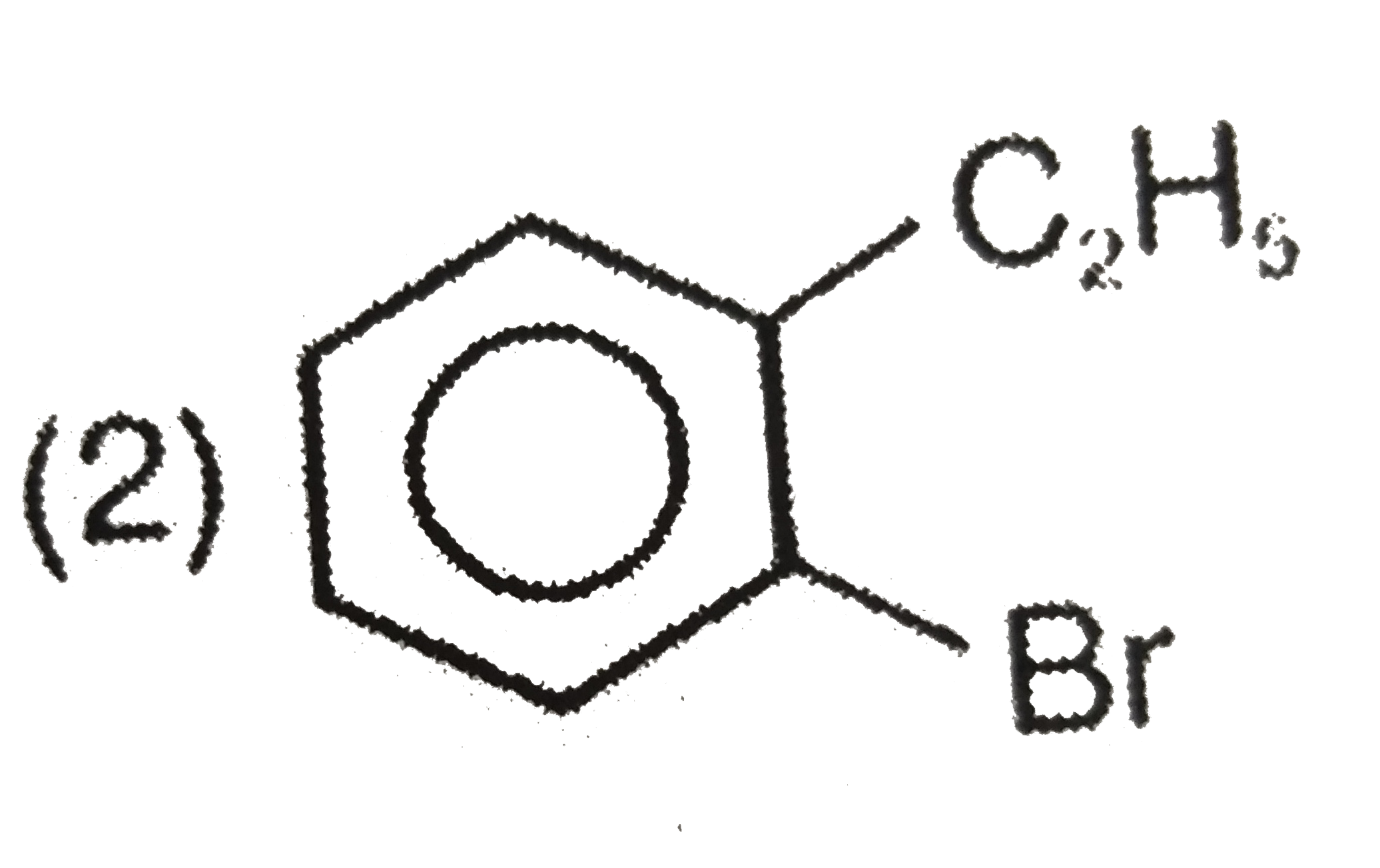
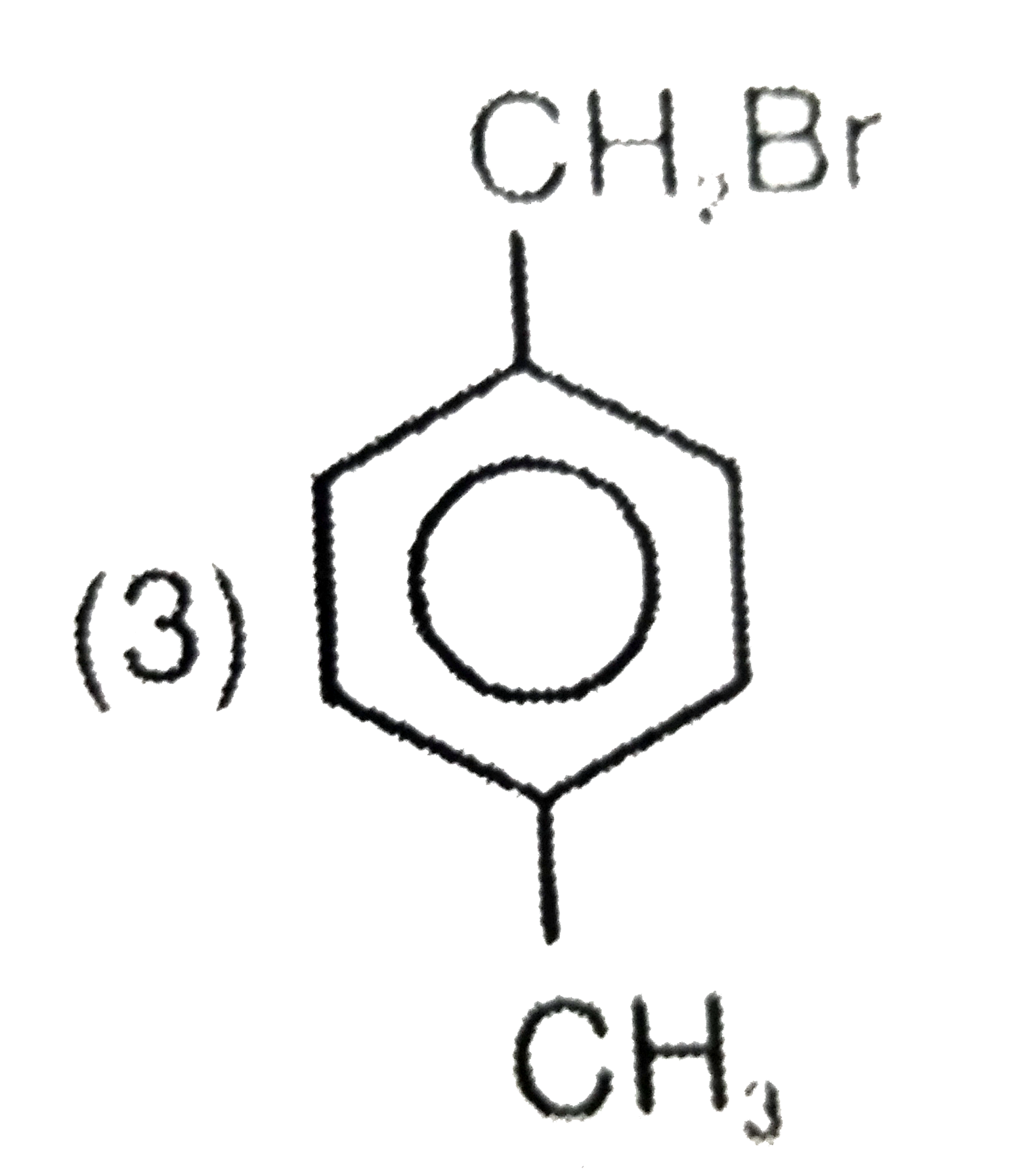
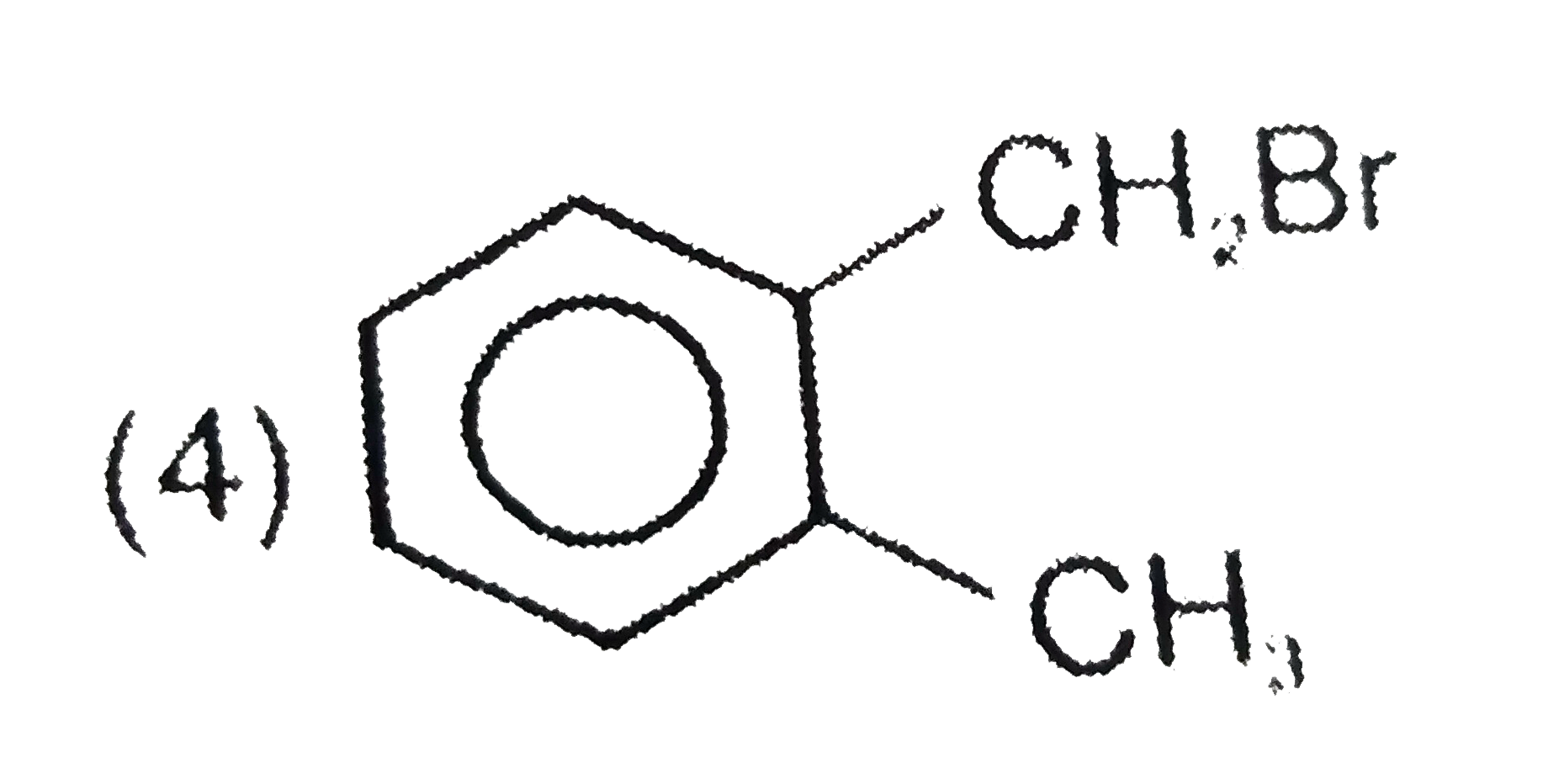
Compound (A) C_(8)H_(9)Br gives light yellow precipitate when warmed with alcoholic AgNO_(3) solution. Oxidation of (A) gives (B). C_(8)H_(6)O_(4). The compound (B) easily forms an anhydride on heating. The compound (A) is: |
|
Answer»
 . . SINCE on warming (A) with ALCOHOLIC `AgNO_(3)`, a light y ellow precipitate is FORMED Br atom must be a part of side CHAIN and is not directly attached to the ring. Since the ACID [B] forms an anhydride upon heating. it must have two -COOH groups present at the ortho position in the ring.t his shows that the compound [A] is represented as (a). |
|
| 27. |
Compound (A), C_(8)H_(9)Br gives a white precipitate when warmed with alcoholic AgNO_(3). Oxidation of (A) gives an acid (B), C_(8)H_(6)O_(4) (B) easily forms anhydride on heating. Identify the compound (A) |
|
Answer»

|
|
| 28. |
Compound (A), C_(8)H_(9)Br, gives a white precipitate when warmed with alcoholic AgNO_(3). Oxidation of (A) gives an acid (B), C_(8)H_(6)O_(4). (B) easily forms anhydride on heating. Identify the compound (A). |
|
Answer»
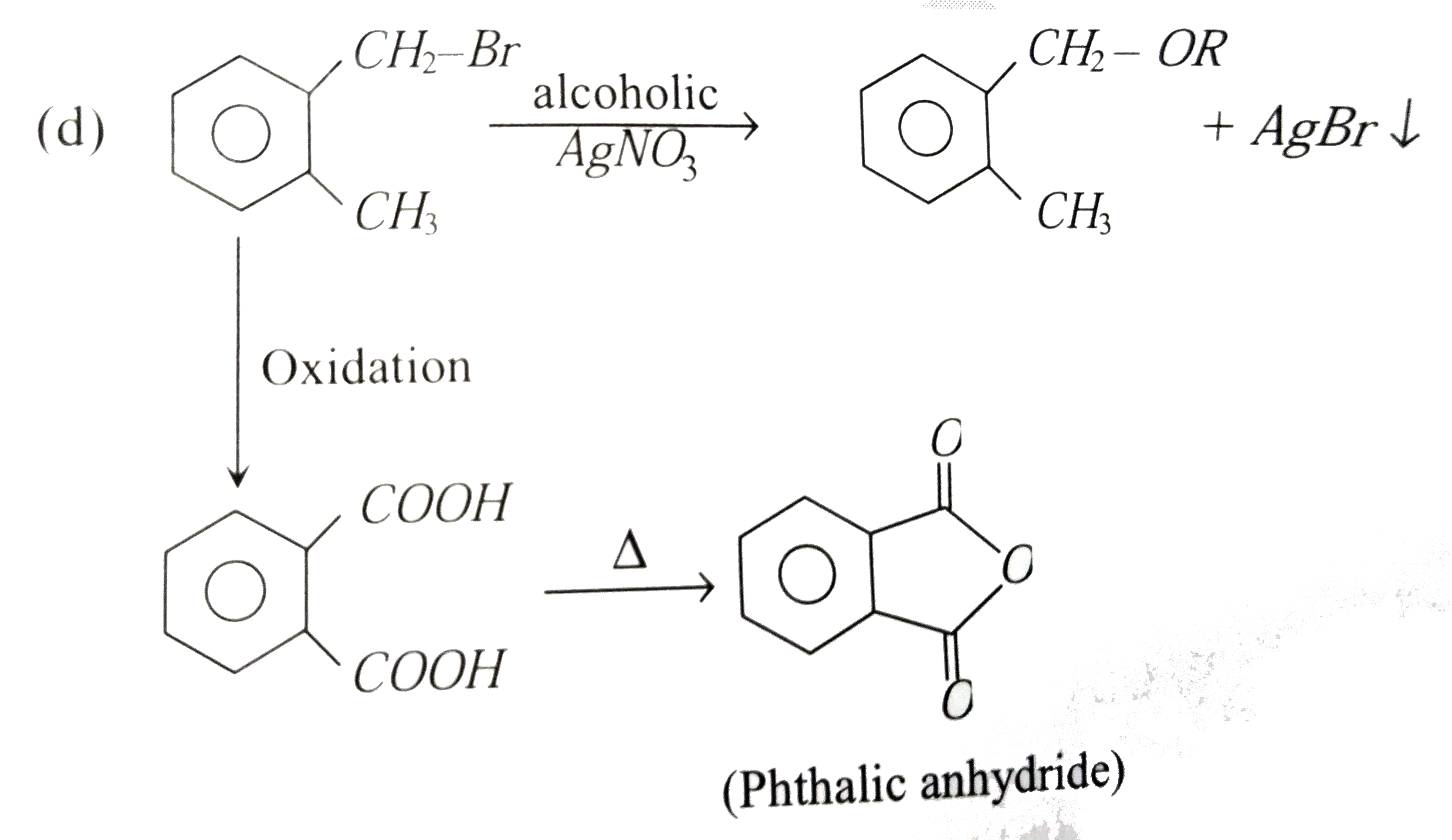
|
|
| 29. |
Compound (A) C_(8)H_(9)Br, gives a white precipitate when warmed with alcoholic AgNO_(3). Oxidation of (A) gives an acid (B),C_(8)H_(6)O_(4). (B) easily forms anhydride on heating. Identify the compound (A) |
|
Answer»
|
|
| 30. |
Compound (A), C_(8)H_(9)Br, gives a white precipitate when warmed with alcoholic AgNO_(3) . Oxidation of (A) gives an acid (B), C_(8)H_(6)O_(4) . (B) easily forms anhydride on heating. identify the compound (A). |
|
Answer»
|
|
| 31. |
Compound (A) C_(8)H_(9)Br gives a white precipitate when warmed with alcoholic AgNO_(3). Oxidation of A gives an acid (B) C_(8)H_(6)O_(4), which easily forms anhydride on heating. The compound (A) is- |
|
Answer»

|
|
| 32. |
Compound (A), C_(8)H_(9)Br, gives a white precipitate when warmed with alcoholic AgNO_(3). Oxidation of (A) gives an acid (B) C_(8)H_(6)O_(4). (B) easily forms anhydribe on heating. Identify the compound (A). |
|
Answer»

|
|
| 33. |
Compound (A), C_(8)H_(9)Br, gives a light yellow precipitate when warmed with alcoholic AgNO_(3). Oxidation of (A) gives an acid (B), C_(8)H_(6)O_(4). (B) easily forms anhydride on heating. Identify the compound (A). |
|
Answer»
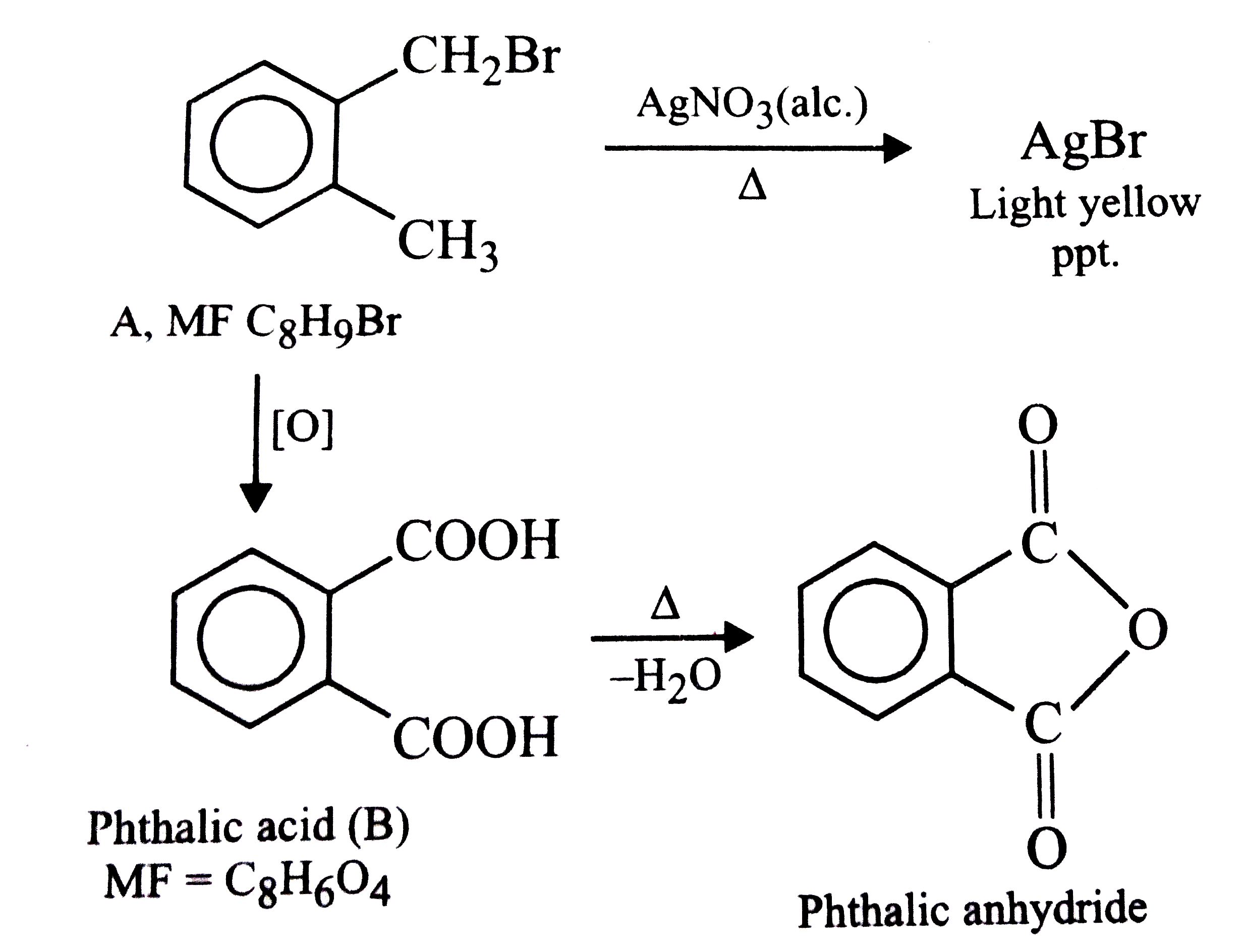
|
|
| 34. |
Compound (A) C_(8)H_(6)O_(2) on treatment with aq. NaOH followed by acidification gives (B) C_(8)H_(8)O_(3) which on oxidation gives benzoice acid only : |
|
Answer»
|
|
| 35. |
Compound (A), C_(8)H_(6)NOBr, is optically active. Reduction of (A) gives (B) which reacts with nitrouos acid to form (C), dihydric alcohol. Benzene sulphonyl chloride reacts with (B) to give a product soluble in NaOH. Hydrolysis of (A) gives (D) which is an optically active acid. (A) does not give any precipitate with aqueous AgNO_(3) . Controlled oxidation of (A) gives monobromo benzoic acid. Compound (A) on reaction with Br_(2)//Fe gives only one compound. Identify (A), (B), (C), and (D). |
|
Answer» <P> Solution :i.DU in A = `((2n_(C) + 2) - (n_(H)+n_(X) - n_(N))/(2)``= ((8xx2+2) - (6+1-1))/(2)` `= 6^(@)` ii. SIX DU and `(C:H~~1:1)` suggest a benzene ring (4 DU) and 2 DU (for `C-=N`) group, since (A) on HYDROLYSIS gives acid. iii. Reactions can be summarised as follows: 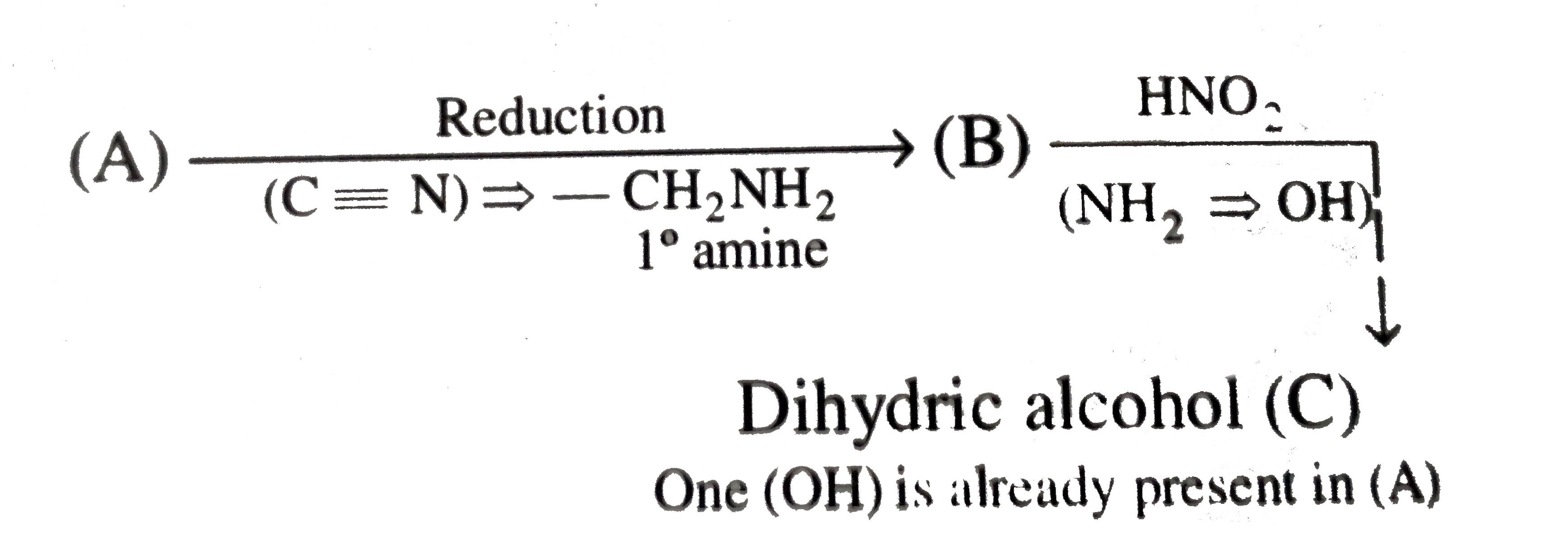 iv.So, (A) is a hydroxy compound with `(C-=N)` group and benzene. v.(A) `overset (AgNO_(3)) rarr` No ppt. It suggests BR in the benzene ring. vi.(A) `overset ([O]) rarr` 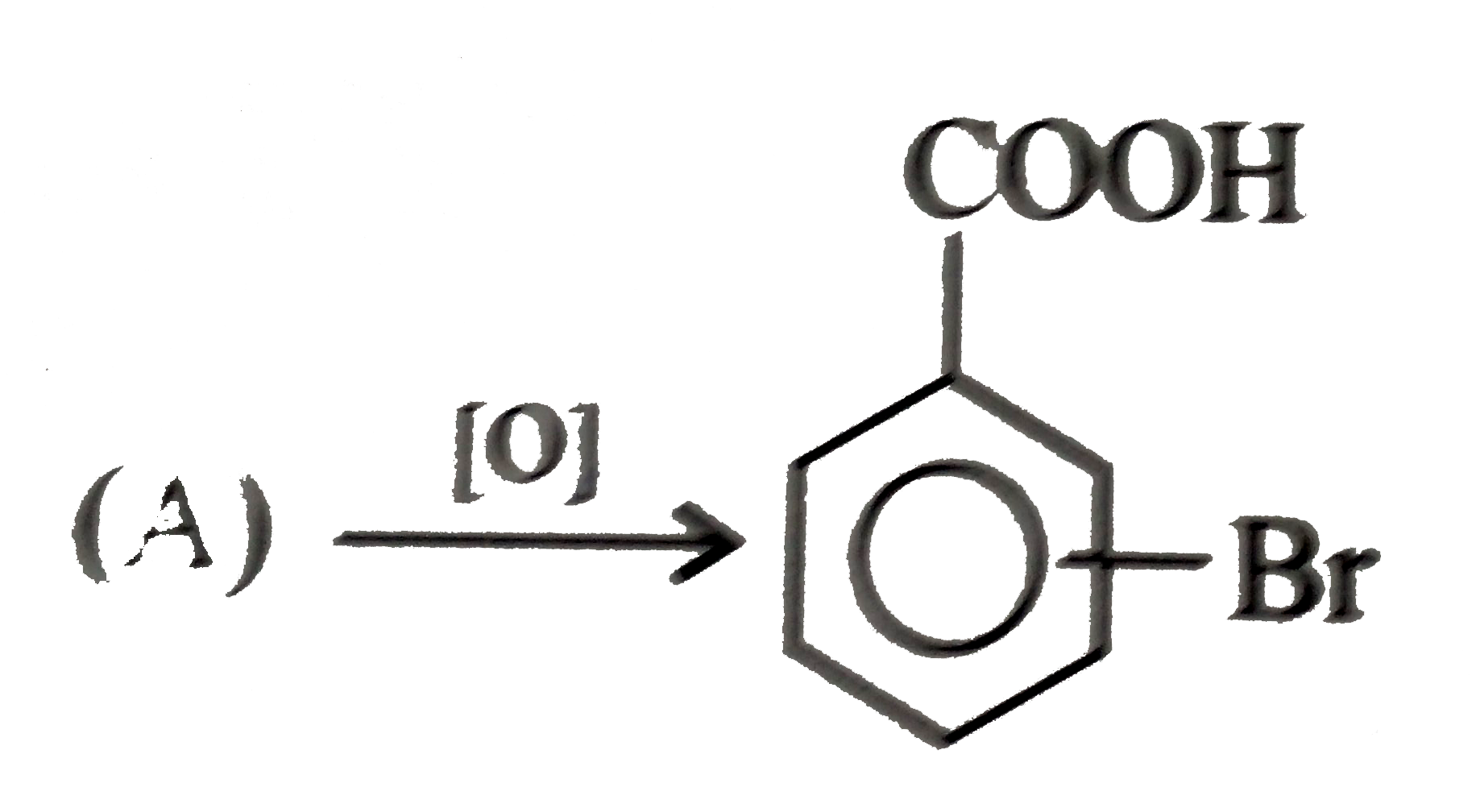 (Monobromo benzoic acid) (Br can br o-, m- or p- w.r.t. `(--COOH)` gp.) (Monobromo benzoic acid) (Br can br o-, m- or p- w.r.t. `(--COOH)` gp.) vii. `overset (Br_(2)//Fe) rarr` Gives only one PRODUCT, it suggests thatBr is present in para-position, (OMP = 231). viii. Since, (A) is chiral, so the possible structure of (A) is: 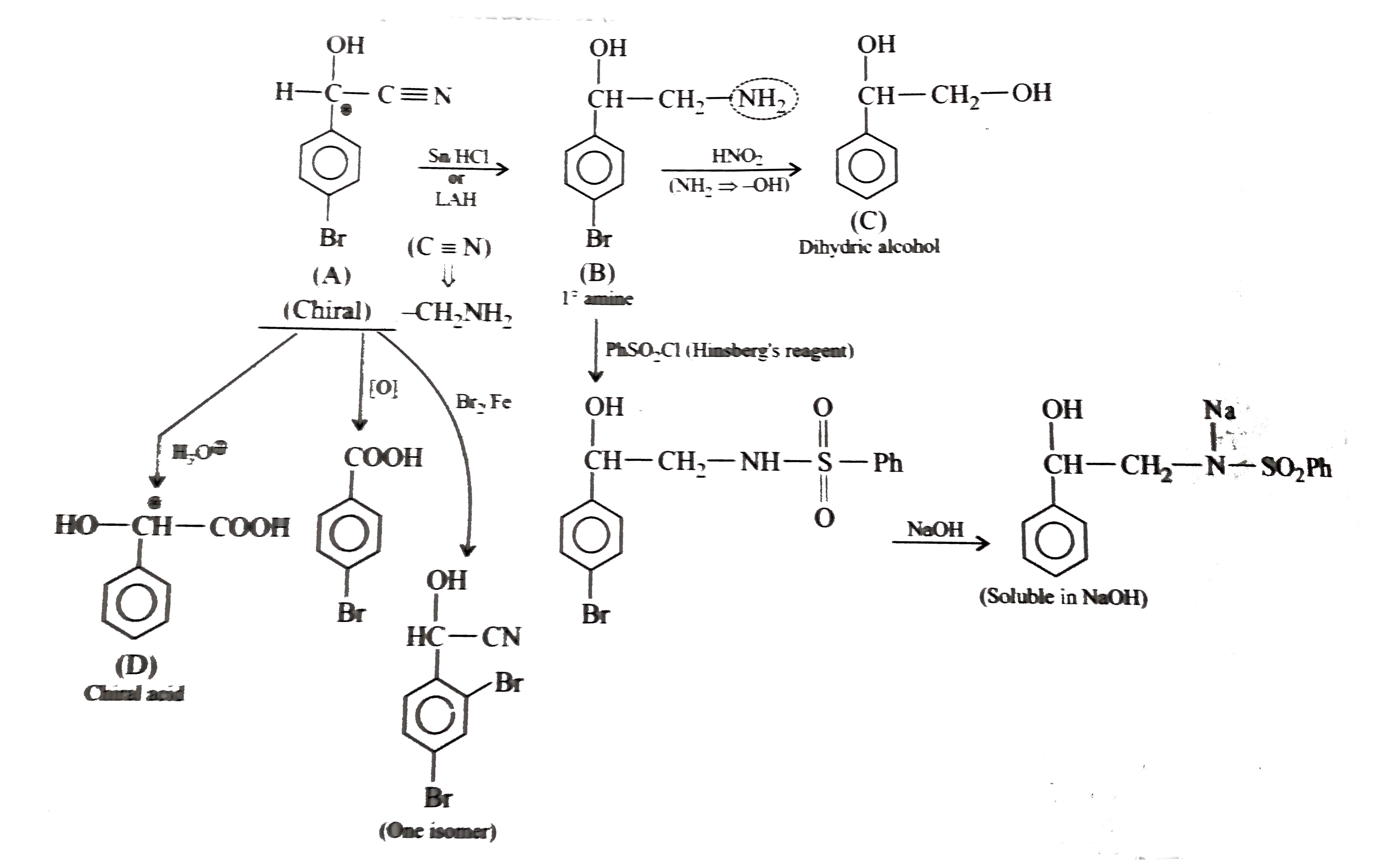
|
|
| 36. |
Compound A,C_(8)H_(10)O, is found to react with NaOI (produced by reacting Y with NaOH) and yields a yellow precipitate with characteristic smell. A and Y are respectively |
|
Answer»
`CH_(3)-UNDERSET(O)underset(||)C` or `CH_(3)-underset(OH)underset(|)CH-` GROUP 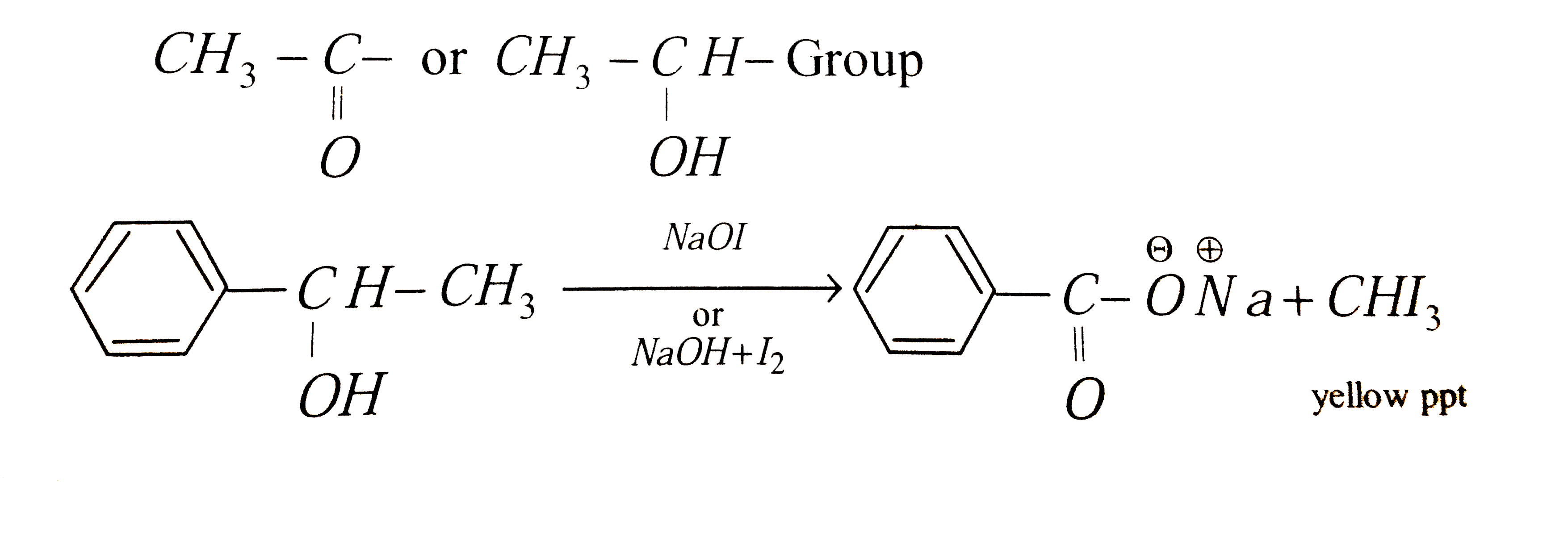
|
|
| 37. |
Compound A, C_8H_10Ois found to react with NaOI (produced by reacting Y with NaOH) and yields a yellow precipitate with characteristic smell. A and Y are respectively |
|
Answer»
|
|
| 38. |
Compound A, C_(8)H_(10)O is found to react with NaOI (produced by reacting Y with NaOH) and yields a yellow precipitate with characteristic smell. A and Y are respectively. |
|
Answer»
`2NaOH+I_(2)RARR NaOI+NaO+H_(2)O` 
|
|
| 39. |
Compound A, C_(8)H_(10)O , is found to react with NaOH (produced by reactingY with NaOH) and yields a yellow precipitate with characteristic smell. A and Y are respectively- |
|
Answer»
|
|
| 40. |
Compound A (C_(7)H_(8)O) is insoluble in water , dilute HCL and aqueous NaHCO_(3) it dissolves is dilute NaOH. When A is treated with Br_(2) water it is converted into a compound C_(7)H_(5)Obr_(3) reapidly . The structure of A is : |
|
Answer»
|
|
| 41. |
Compound (A), C_(7)H_(14) discharges Br_(2) in C Cl_(4) and reacts with (CH_(3)COO)_(2) Hg in THF-H_(2)O followed by reduction with NaBH_(4) to produce a resolvable compound (B). (A) undergoes reductive ozonolysis to give the same compound obtained by oxidation of 3 - hexanol (C ). Identify (A), (B) and (C ). |
|
Answer» Solution :`H_(3)C-CH_(2)-overset(OH)overset(|)(CH)-CH_(2)-CH_(2)-CH_(3)overset([O])rarrH_(3)C-CH_(2)-overset(O)overset(||)(C)-CH_(2)-CH_(2)-CH_(3)` The compound (A) would be following alkene. `H_(2)C=UNDERSET(H_(2)C-CH_(3))underset(|)(C)-CH_(2)-CH_(2)-CH_(3)underset((ii)ZN)overset((i)O_(3))rarrO=underset(H_(2)C-CH_(3))underset(|)(C)-CH_(2)-CH_(2)-CH_(3)` 
|
|
| 42. |
Compound A (C_(6)H_(6)O) gives violet colouration with neutral FeCl_(3) with CO at 400 K/4 to 7 atm followed by acidification with HCl gives B (C_(7)H_(6)O). Also, gives violet colouration with neutral FeCl_(3) and gives effervescence with NaHCO_(3) solution. Compound A reacts with NH_(3) at 473 K in the presence of anhydrous ZnCl_(2) to give compound C (C_(6)H_(7)N) which undergoes carbylamine test. Identify A, B, C and explain the reactions. |
Answer» Solution :(i) Compound A `(C_(6)H_(6)O)` gives violet COLOURATION with neutral `FeCl_(3)` with `CO_(2)` at 400 K/ 4 to 7 ATM followed by acidification with HCl gives B `(C_(7)H_(6)O_(3))`.  (ii) Compound A reacts with `NH_(3)` at 473 K in the PRESENCE of anhydrous `ZnCl_(2)` to give compound C `(C_(6)H_(7)N)` which undergoes carbylamine test. `underset((A)) (C_(6)H_(5)OH) + NH_(3) overset(ZnCl_(2)//473 K) to underset((C))(C_(6)H_(5)NH_(2)) + H_(2)O` 
|
|
| 43. |
Compound A (C_(7)H_(14)) decolouries Br_(2) in C Cl_(4) and reacts with Hg(Oac)_(2) followed by ruduction with NaBH_(4) to produce a resolvable compound B.A undergoes redutive ozonolysis to give as one of the compound |
|
Answer»
|
|
| 44. |
Compound (A) C_(6)H_(12)O_(2) on reduction with LiAlH_(4) yields two compounds B and C. The compound (B) on oxidation gave (D) which on treatment with aqueous alkali and subsequent heating furnished E. The latter on catalytic hydrogenation gave (C). Compound (D) on oxidation gave monobasic acid (molecular formula weight = 60). Deduce the structure of (A), (B), (C), (D) and (E). |
|
Answer» Solution :E is MONOBASIC acid `(RCOOH)` having molecular weight 60 and it is formed from D on oxidation. So E must be acetic acid and D must be acetaldehyde. (B) on oxidation gives `CH_(3)CHO`. So (B) must be alcohol `(CH_(3)CH_(2)OH)`. Acetaldehyde (D) on treating with aqueous alkali `(NaOH)` gives aldol which on heating gives 2-butenal (E). `underset((D))(CH_(3)CHO)overset(NaOH)rarr underset("aldol")(CH_(3)CHOHCH_(2)CHO)overset("heat")underset(-H_(2)O)rarr underset("2 - butenal (E)")(CH_(3)-CH=CHCHO` Compound E on CATALYTIC hydrogenation gives butyl alcohol. `CH_(3)-CH=CHCHOoverset(H_(2))rarr underset("1 - butanol (C)")(CH_(3)CH_(2)-CH_(2)-CH_(2)OH)` Hence compound (A) must be an ester. Ester (A) on reduction with `LiAlH_(4)` yields two alcohols (B) and (C). A is ethyl butyrate `CH_(3)CH_(2)CH_(2)COOCH_(2)CH_(3)overset(LiAlH_(4))rarr underset((B))underset("ethyl alcohol")(CH_(3)CH_(2)OH)+underset((C))underset("butyl alcohol")(CH_(3)CH_(2)CH_(2)CH_(2)OH)` ‘A’ can also be `CH_(3)CO-O-CH_(2)CH_(2)CH_(2)CH_(3)`. This STRUCTURE will be answering all the above REACTIONS. |
|
| 45. |
Compound (A) C_(6)H_(12)O_(2) on reduction with LiAlH_(4) yields two compounds B and C. The compound (B) on oxidation gave ( D), which on treatment with aqueous alkali and subsequent heating furnished E. The latter on catalytic hydrogenation gave ( C). Compound (D) on oxidation gave monobasic acid (molecular formula weight =60). Deduce the structure of (A), (B), (C), (D) and (E). |
|
Answer» Solution :(i) E is MONOBASIC ACID (RCOOH) having molecular weight 6 and it is formed from D on oxidation. So E must be acetic acid and D must be acetaldehyde. (ii) (B) on oxidation gives `CH_(3)CHO`. So (B) must be alcohol `CH_(3)CH_(2)OH`. (iii) Acetaldehyde (D) on treating with aqueous alkali (NaOH) gives aldol which on heating gies 2-butenal (E). `CH_(3) -CHO overset(NaOH) to underset("Aldol")(CH_(3)CHOHCH_(2)CHO overset("heat")underset(-H_(2)O) to CH_(3)-underset("2-Butenal"(E))(CH = CH) CHO` (iv) Compound E on cattalytic hydrogenation gives butyl alcohol. `CH_(3)-CH=CHCHO overset(H_(2)) to CH_(3)CH_(2)-CH_(2)-underset("1-Butanol")(OH` (v) Hence compound (A) must be an ester. Ester (A) on reduction with `LiAlH_(4)` yeilds two alcohols (B) and (C). (A) is ethyl butyrate. `CH_(3)CH_(2)CH_(2)COOCH_(2)CH_(3) overset(LiAlH_(4)) to underset("Butyl alcohol")(CH_(3)CH_(2)OH) + underset("Ethyl alcohol")(CH_(3)CH_(2)CH_(2)CH_(2)OH)` 'A' can also be `CH_(3)COOCH_(2C) H_(2)CH_(2)CH_(3)`. This structure will be answering all the above reactions. |
|
| 46. |
Compound A (C_6H_11Cl) , decolourise bromine in "CCI"_4, Catalytic reduction of A gave 2-methyl, 3-Chloro pentane. A on reaction with alc.KOH gave B as only product. B on ozonolysis gave HCHO, undersetoverset(|)(CHO)(CHO) and CH_3COCH_3 . Follow the sequence of reactions and answer the following questionsNumber of stereoisomers of compound A is |
|
Answer» three  optically ACTIVE d & 1 FORMS i.e., 2 optically ACTIVE d & 1 FORMS i.e., 2
|
|
| 47. |
Compound A (C_6H_11Cl) , decolourise bromine in "CCI"_4, Catalytic reduction of A gave 2-methyl, 3-Chloro pentane. A on reaction with alc.KOH gave B as only product. B on ozonolysis gave HCHO, undersetoverset(|)(CHO)(CHO) and CH_3COCH_3 . Follow the sequence of reactions and answer the following questions The structure of 'B' is |
|
Answer» `CH_2= CH - CH = oversetunderset(|)(CH_3) (C )- CH_3`  
|
|
| 48. |
Compound A (C_6H_11Cl) , decolourise bromine in "CCI"_4, Catalytic reduction of A gave 2-methyl, 3-Chloro pentane. A on reaction with alc.KOH gave B as only product. B on ozonolysis gave HCHO, undersetoverset(|)(CHO)(CHO) and CH_3COCH_3 . Follow the sequence of reactions and answer the following questionsWhich of the following is the structure of ‘A’ |
|
Answer»
 
|
|
| 49. |
Compound (A) C_(5)H_(5)O_(2) liberated carbon dioxide on reaction with sodium bicarbonate. It exists in two forms neither of which is optically active. It yields compound (B) C_(5)H_(10)O_(2) on hydrogenation. Compound (B) can be separated into two enantiomorphs Write the structural formulae of (A) and (B) giving reason |
Answer» SOLUTION :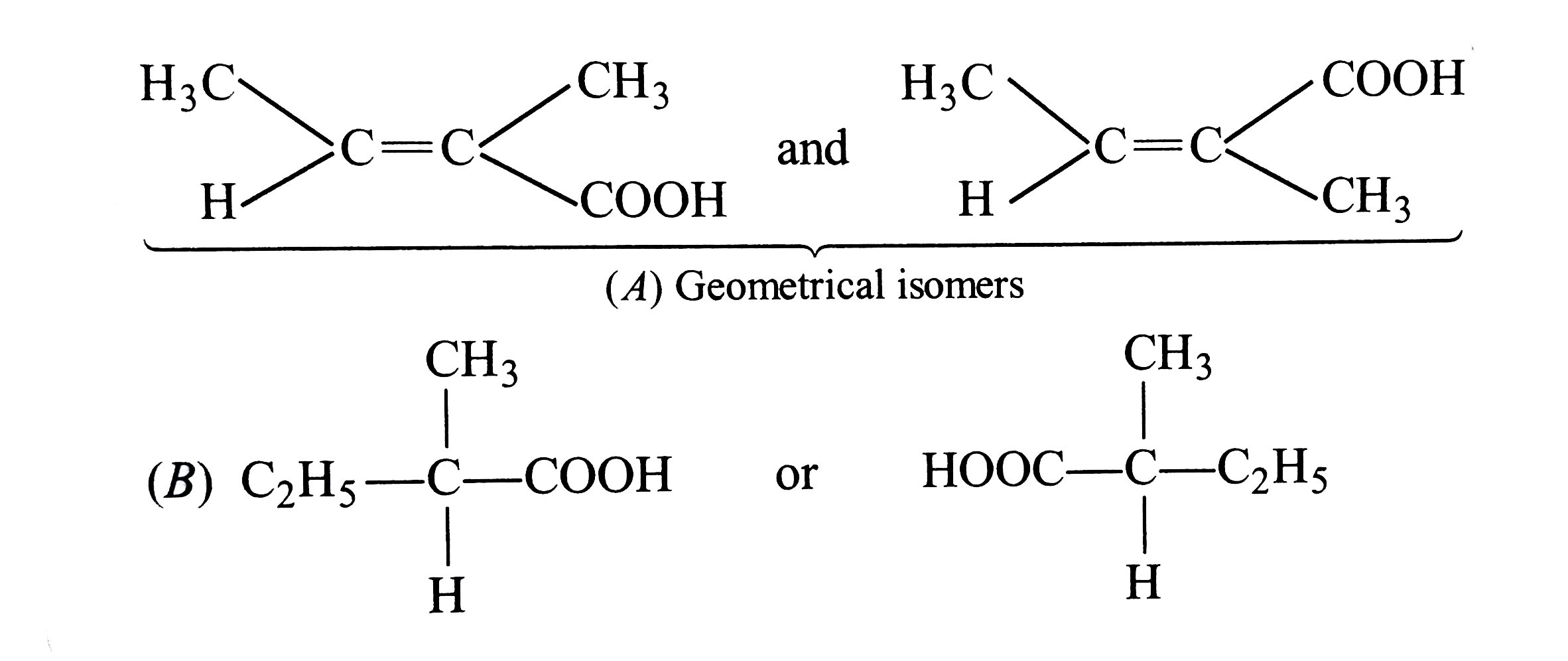
|
|
| 50. |
Compound (A), C_(5)H_(11)NO is not soluble in cold dilute alkaline or acidic solutions. When (A) is refluxed in NaOH solution , a gas (B) is evolved and a salt (C) is formed. Acetyl chloride reacts with (B) to give (D) C_(4)H_(9)NO. (B) reacts with HNO_(2) to give a yellow oil (E ). Give the structures of (A) to (E ) with reason. |
Answer» Solution :The given informations in the question CLEARLY indicates that the compound (A) is SUBSTITUTED AMIDE because it is not only insoluble in alkaline but also in acid solution. REACTIONS involved may be given as, 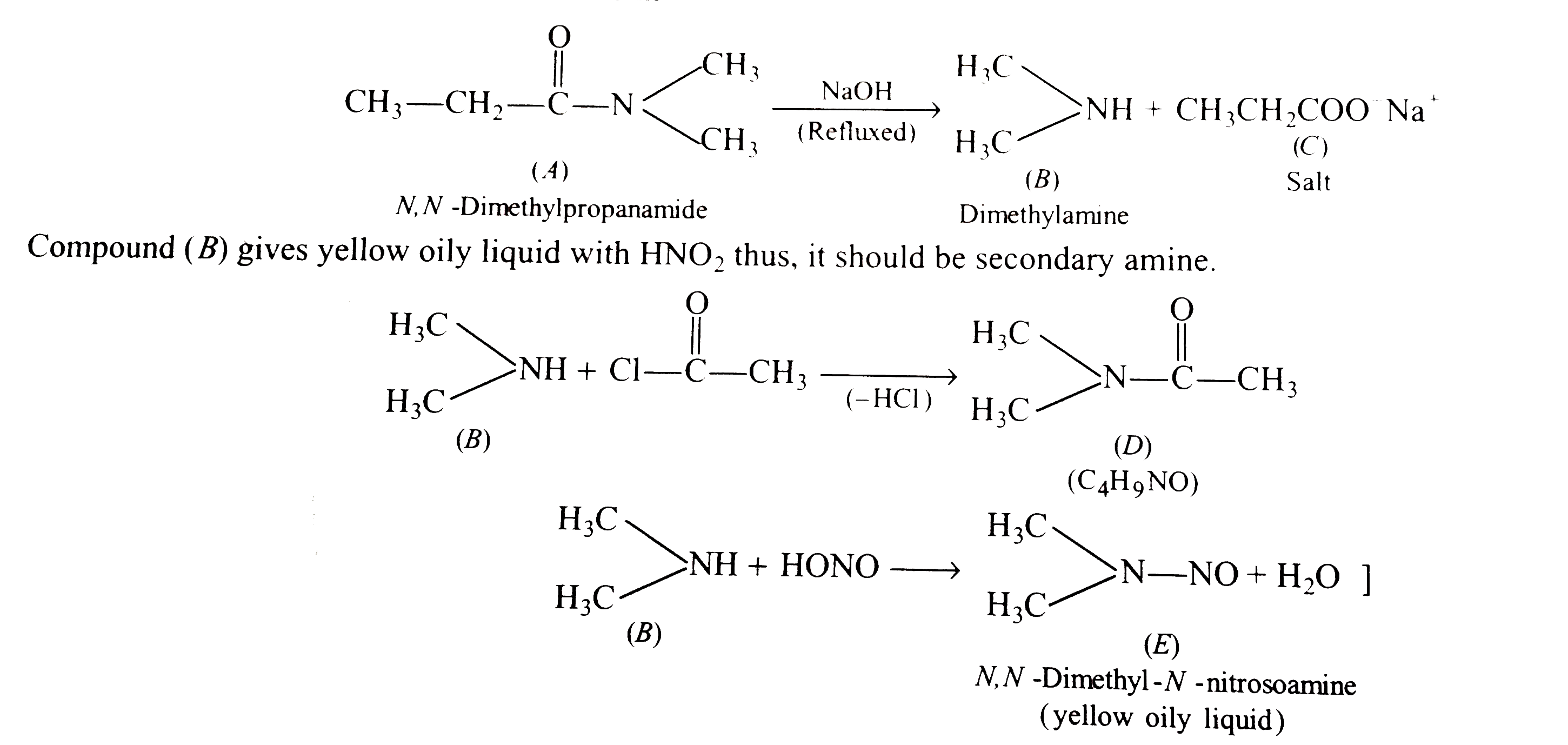
|
|