Saved Bookmarks
This section includes 7 InterviewSolutions, each offering curated multiple-choice questions to sharpen your Current Affairs knowledge and support exam preparation. Choose a topic below to get started.
| 1. |
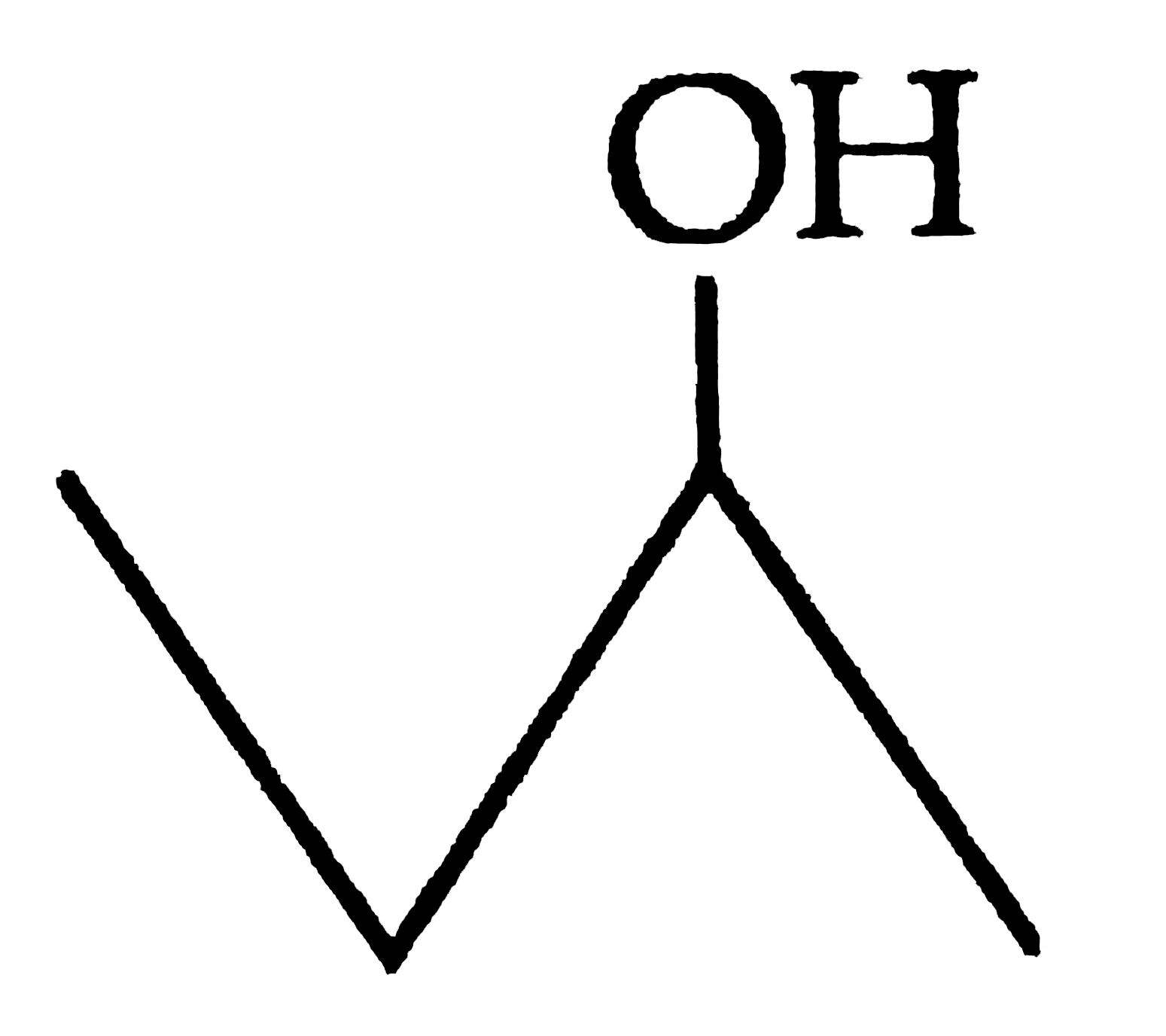
Compound (A) C_(5)H_(10)O forms a phenyl hydrogen and gives negative Tollen's and iodoform tests. Compound (A) on reduction gives n-pentane. The compound (A) is |
|
Answer» `CH_(3)CH_(2)CH_(2)CH_(2)OVERSET(O)overset(||)(C)-H` |
|
| 2. |
Compound A, C_5H_(10)O, forms a phenyl hyrazone, given negative Tollen's and iodoform tests and is reduced to n - pentane. What is the compound , A ? |
| Answer» Solution :Compound A FORMS hydrazone, so it is a CARBONYL compound. It is a ketone as it does not REDUCE Tollens reagent. The ketone does not have methyl group as it does not respond to iodoform test. Thus, the compound is pentanone-3. The STRUCTURE of the compound is `CH_(3)CH_(2)COCH_(2)CH_(3)`. | |
| 3. |
Compound (A) C_(5)H_(10)O forms a phenyl hydrazone and gives negative Tollen's and iodoform tests. Compound (A) on reduction gives n-pentane. Compound (A) is : |
|
Answer» `CH_(3)CH_(2)CH_(2)CH_(2)-overset(O)overset(||)(C ) - H` |
|
| 4. |
Compound (A) C_5H_10O Forms a phenyl hydrazone and gives nagitevTollen's and iodoform test.COMPOUND (A) on reduction gives n- pentane.Compound (A) is : |
|
Answer» A PRIMARY alcohol |
|
| 5. |
Compound (A) C_5H_10O Forms a phenyl hydrazone and gives nagitevTollen.s and iodoform test.COMPOUND (A) on reduction gives n- pentane.Compound (A) is : |
|
Answer» A PRIMARY alcohol |
|
| 6. |
Compound (A) C_5 H_8 O_2 liberated CO_2 on reaction with sodium bicarbonate. It exists in two forms neither of which is optically active. It yielded compound (B), C_5 H_(10) O_2 on hydrogenation. Compound (B) can be separated into enantimorphs. Write structures of (A) and (B). |
Answer» SOLUTION :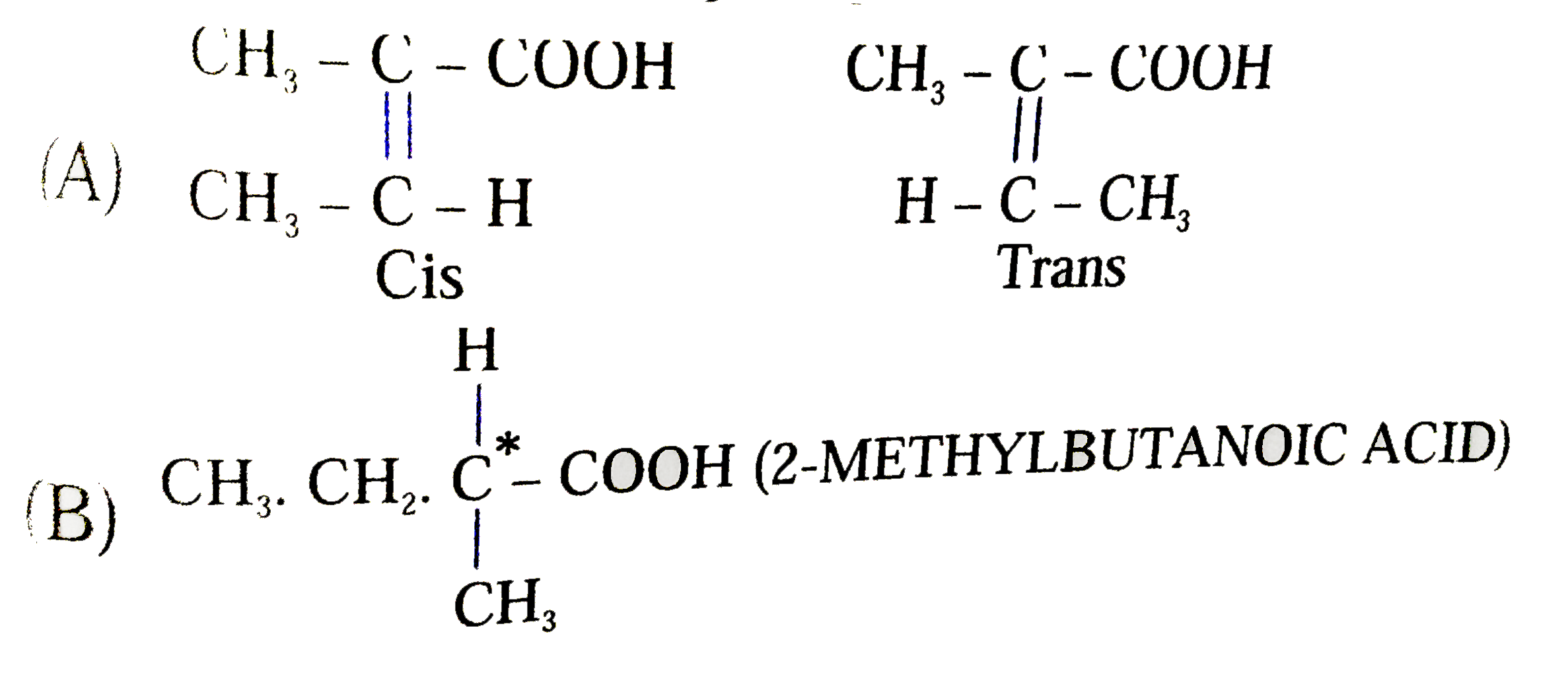
|
|
| 7. |
Compound A, C_(3)H_(10)O_(s), gives a tetraacetate with (CH_(3),CO)_(2),O, and oxidation of A with Br_(2)-H_(2)O gives an acid, C_(5)H_(10)O_(6). Reduction of 'A' with HI gives iso-pentane. There are two possible structures for compound 'A' which can be distinguished by using |
|
Answer» `HIO_(4)` 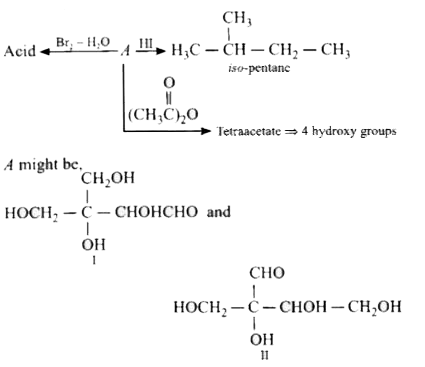 I FROMS DIPHENYL (osazonederivative). II does not . |
|
| 8. |
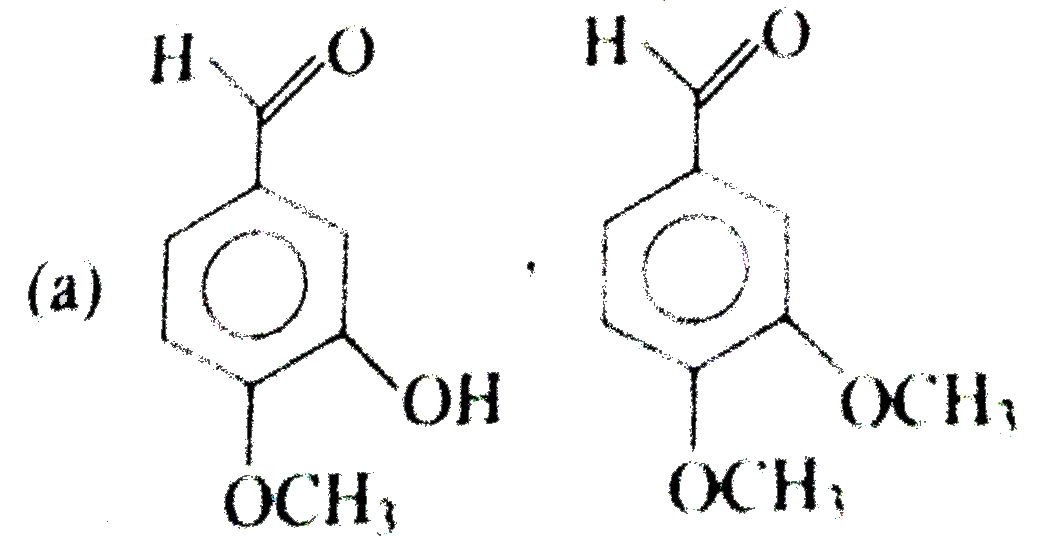
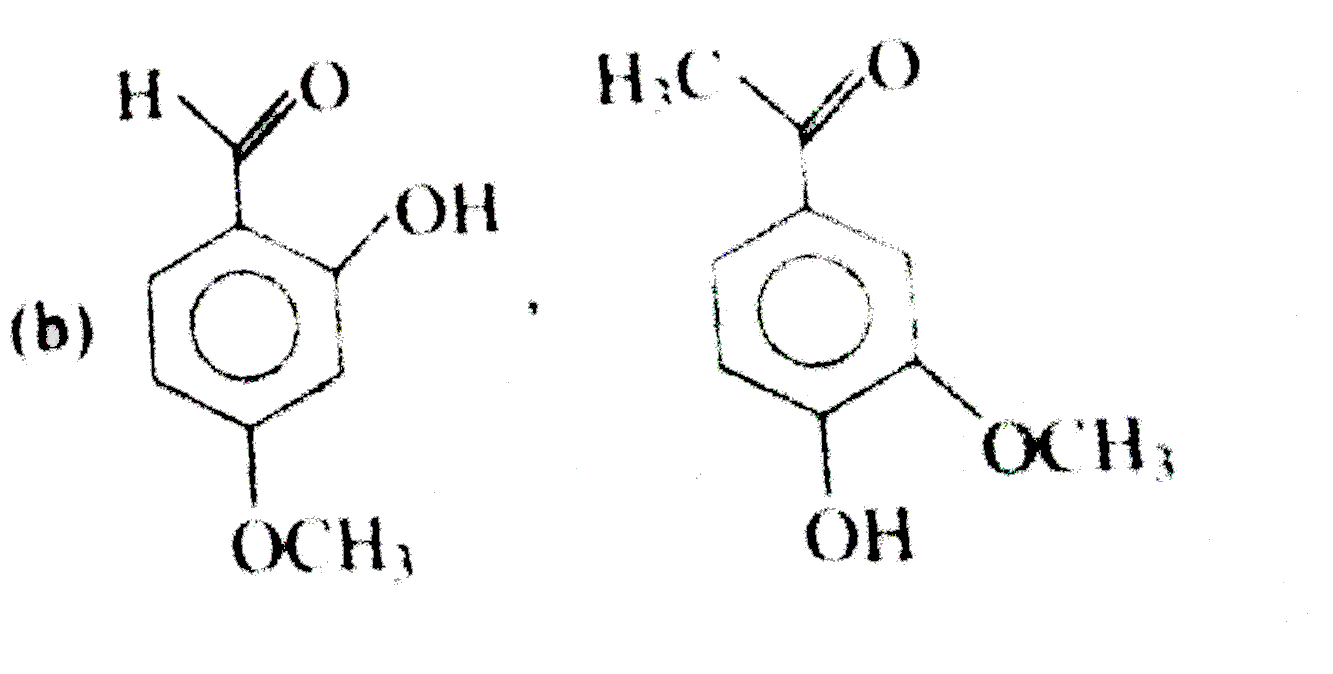
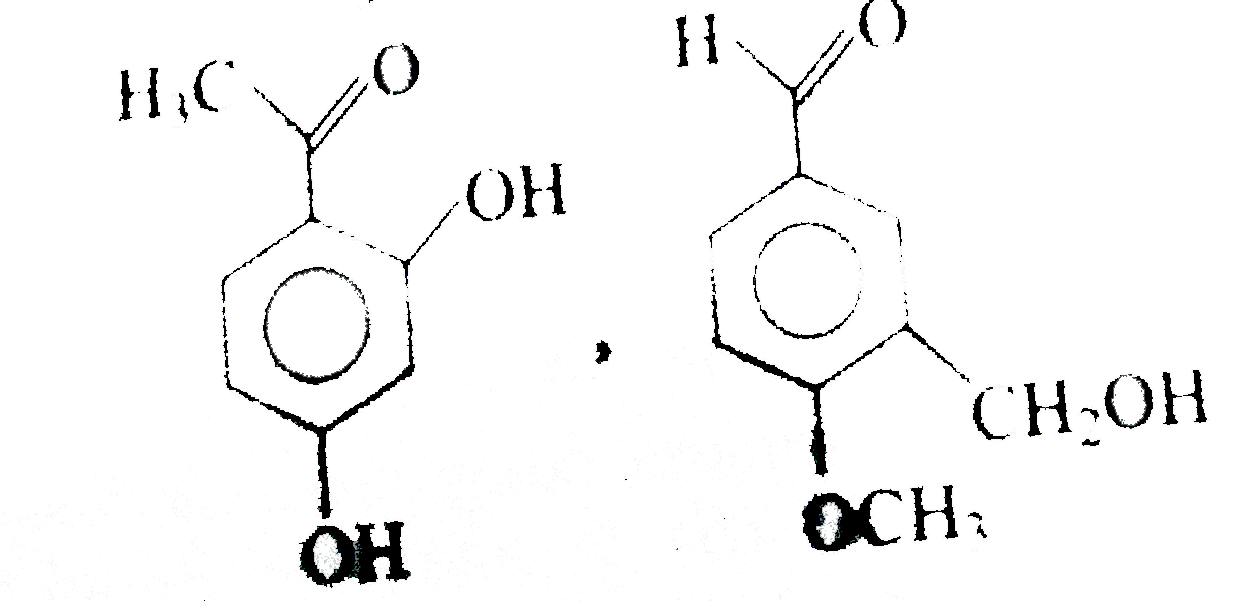
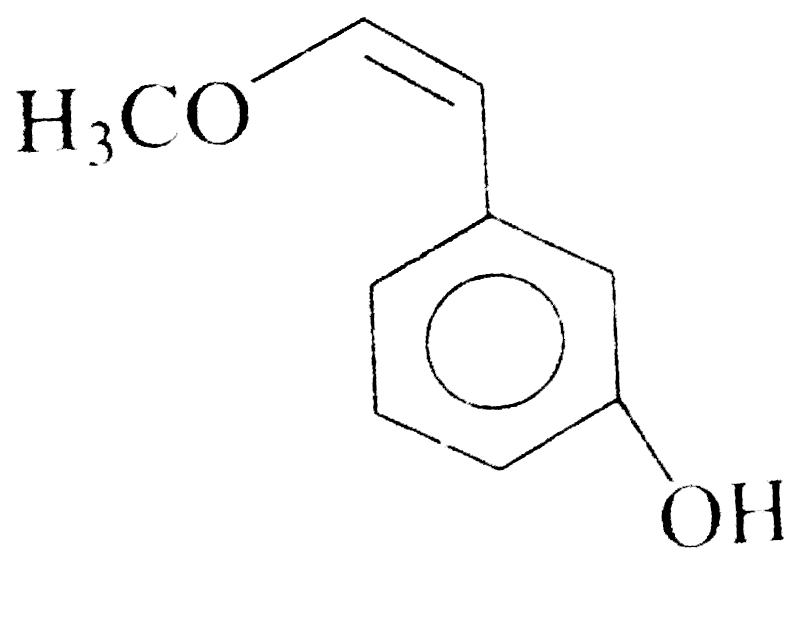
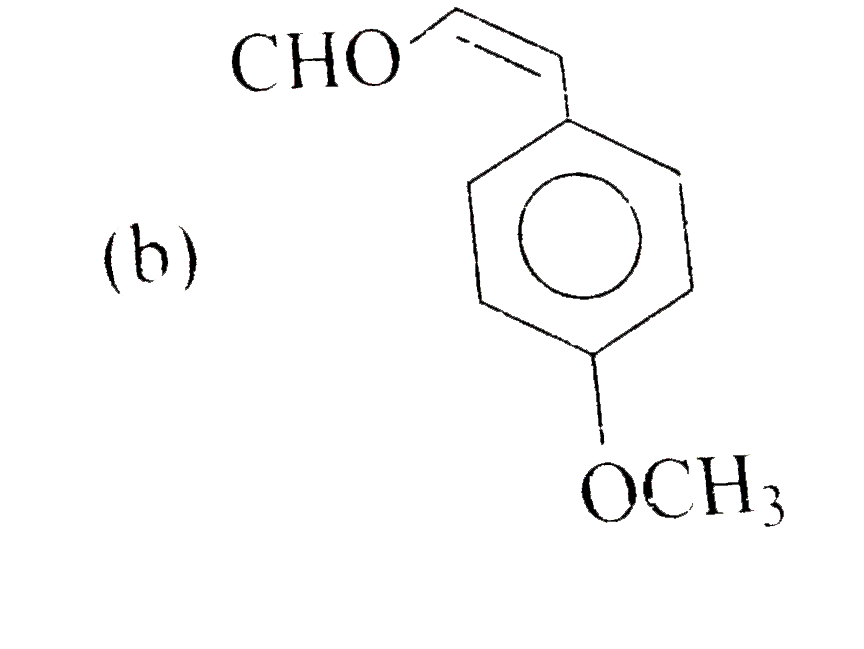
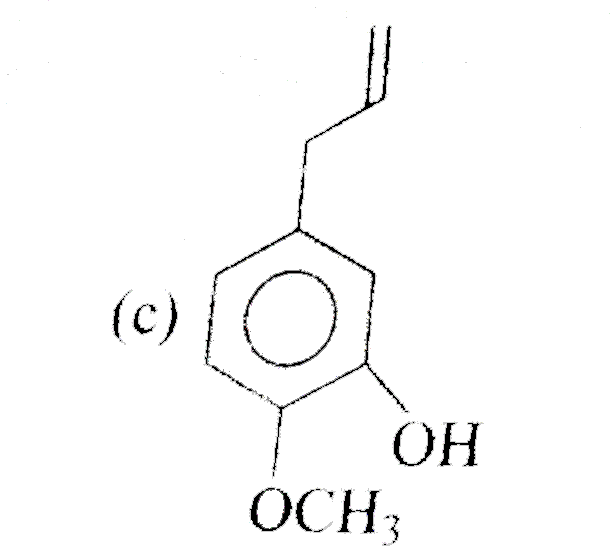
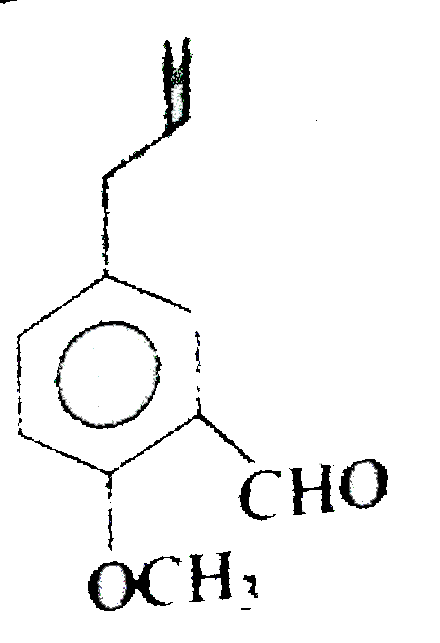
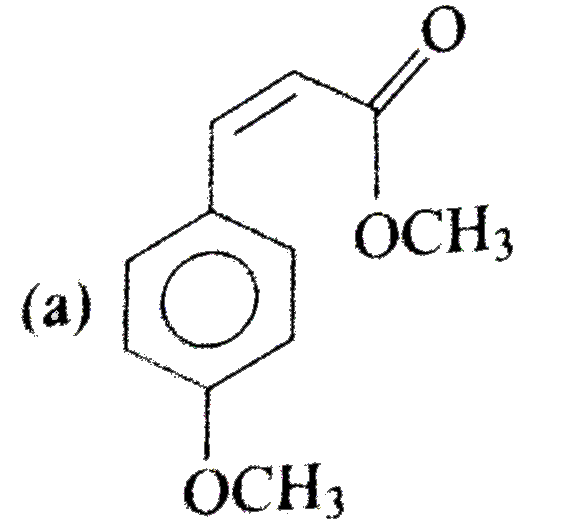
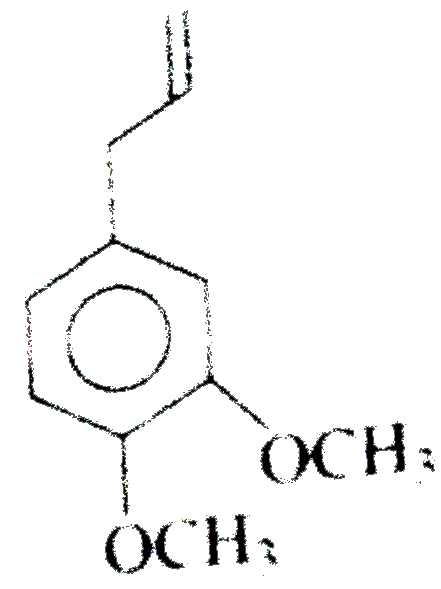
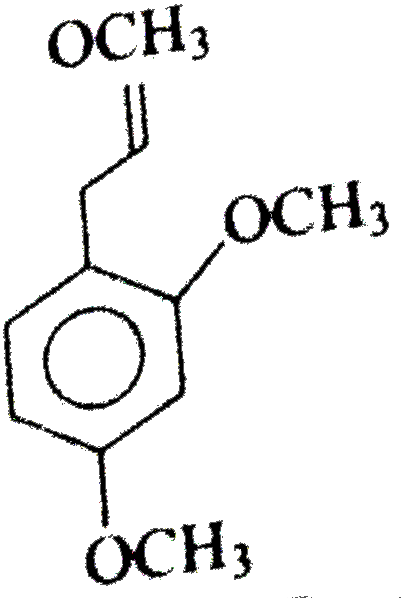
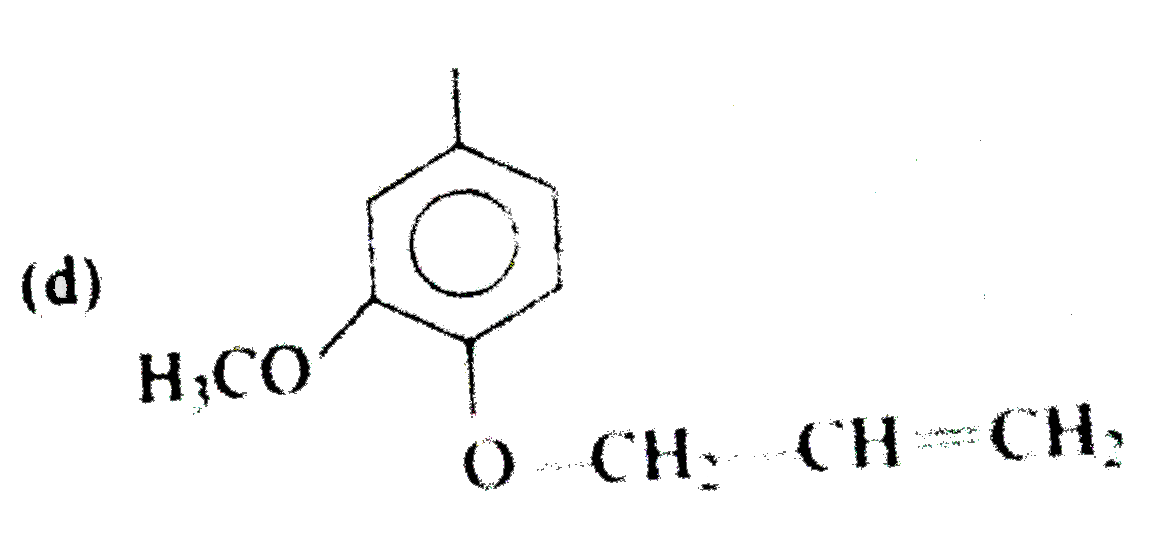
Compound (A) C_(10)H_(22)0_(2) is insoluble in aq. NaOH bu not is NaHCO_(3). Treatment of (A) with DMSO (CH_(3)-overset(S)overset(||)(S)-CH_(3)) in alkali give (B) C_(11)H_(14)O_(2). Treatment of (A) with strong alkali alone give an isomeric compound (C). When (A) is reflux with HI, CH_(3)I is obtained, compound (B) is insoluble in alkali and decolurises Br_(2)//C Cl_(4). (B) on treating with strong base gives (D), an isomer of (B). Ozonolysis (C) of gives (E), C_(8)H_(8)O and isomer of vanilline. Ozolysis of (D) gives (F) C_(9)H_(10)O_(3), which is identical with product of methylation of vanilline (4-hydroxy-3-methoxy benzaldehyde). Compound (E) and (F) are respectively: |
|
Answer»
|
|
| 9. |
Compound (A) C_(10)H_(22)0_(2) is insoluble in aq. NaOH bu not is NaHCO_(3). Treatment of (A) with DMSO (CH_(3)-overset(S)overset(||)(S)-CH_(3)) in alkali give (B) C_(11)H_(14)O_(2). Treatment of (A) with strong alkali alone give an isomeric compound (C). When (A) is reflux with HI, CH_(3)I is obtained, compound (B) is insoluble in alkali and decolurises Br_(2)//C Cl_(4). (B) on treating with strong base gives (D), an isomer of (B). Ozonolysis (C) of gives (E), C_(8)H_(8)O and isomer of vanilline. Ozolysis of (D) gives (F) C_(9)H_(10)O_(3), which is identical with product of methylation of vanilline (4-hydroxy-3-methoxy benzaldehyde). Structure of compound (A) is: |
|
Answer»
|
|
| 10. |
Compound (A) C_(10)H_(22)0_(2) is insoluble in aq. NaOH bu not is NaHCO_(3). Treatment of (A) with DMSO (CH_(3)-overset(S)overset(||)(S)-CH_(3)) in alkali give (B) C_(11)H_(14)O_(2). Treatment of (A) with strong alkali alone give an isomeric compound (C). When (A) is reflux with HI, CH_(3)I is obtained, compound (B) is insoluble in alkali and decolurises Br_(2)//C Cl_(4). (B) on treating with strong base gives (D), an isomer of (B). Ozonolysis (C) of gives (E), C_(8)H_(8)O and isomer of vanilline. Ozolysis of (D) gives (F) C_(9)H_(10)O_(3), which is identical with product of methylation of vanilline (4-hydroxy-3-methoxy benzaldehyde). Compound (B) is: |
|
Answer»
|
|
| 11. |
Compound (A), C_(10)H_(12)O gives off hydrogen on treatment with sodium metal and decolourises Br_(2) in C Cl_(4) to give (B), C_(10)H_(12)OBr. (A) on treatment with I_(2) in NaOH gives iodoform and an acid (C) after acidification. Give the structure of (A) to (C) and also of all geometrical and optical isomers of (A). Answer the following based on the above. Which of the following statements regarding A are incorrect ? |
|
Answer» In the presence of acidic MEDIUM AFORMS a 5 membred ring. |
|
| 12. |
Compound (A), C_(10)H_(12)O gives off hydrogen on treatment with sodium metal and decolourises Br_(2) in C Cl_(4) to give (B), C_(10)H_(12)OBr. (A) on treatment with I_(2) in NaOH gives iodoform and an acid (C) after acidification. Give the structure of (A) to (C) and also of all geometrical and optical isomers of (A). Answer the following based on the above. Compound B is |
|
Answer»
|
|
| 13. |
Compound (A), C_(10)H_(12)O gives off hydrogen on treatment with sodium metal and decolourises Br_(2) in C Cl_(4) to give (B), C_(10)H_(12)OBr. (A) on treatment with I_(2) in NaOH gives iodoform and an acid (C) after acidification. Give the structure of (A) to (C) and also of all geometrical and optical isomers of (A). Answer the following based on the above. Compound A is |
|
Answer»
|
|
| 14. |
Compound 'A' (C_(10)H_(12)O) evolves H_(2) gas with Na metal. It reacts with Br_(2) // C CI_(4) to give B( C_(10)H_(12)Br_(2)O) with I_(2)//NaOH it forms iodoform and acid C[C_(9)H_(8)O_(2)]. A has geometrical and optical isomers. The structure of A and C should be. |
|
Answer»
C = C and `C -= C` groups decolourise `Br_(2) // C Cl_(4)`, `A=C_(6)H_(5)-CH=CH-overset(OH)overset(|)CH-CH_(3)` Compound `C(C_(9)H_(8)O_(2))`, `A overset(I_(2)+NaOH)to Ph-CH=CH-COOH+CHI_(3)` |
|
| 15. |
Compound A an hydrohalogenation gives B, which is treated with alc. KCN and followed by acid hydrolysis gives 2- methyl butanoic acid. The compound A will be |
|
Answer»
|
|
| 16. |
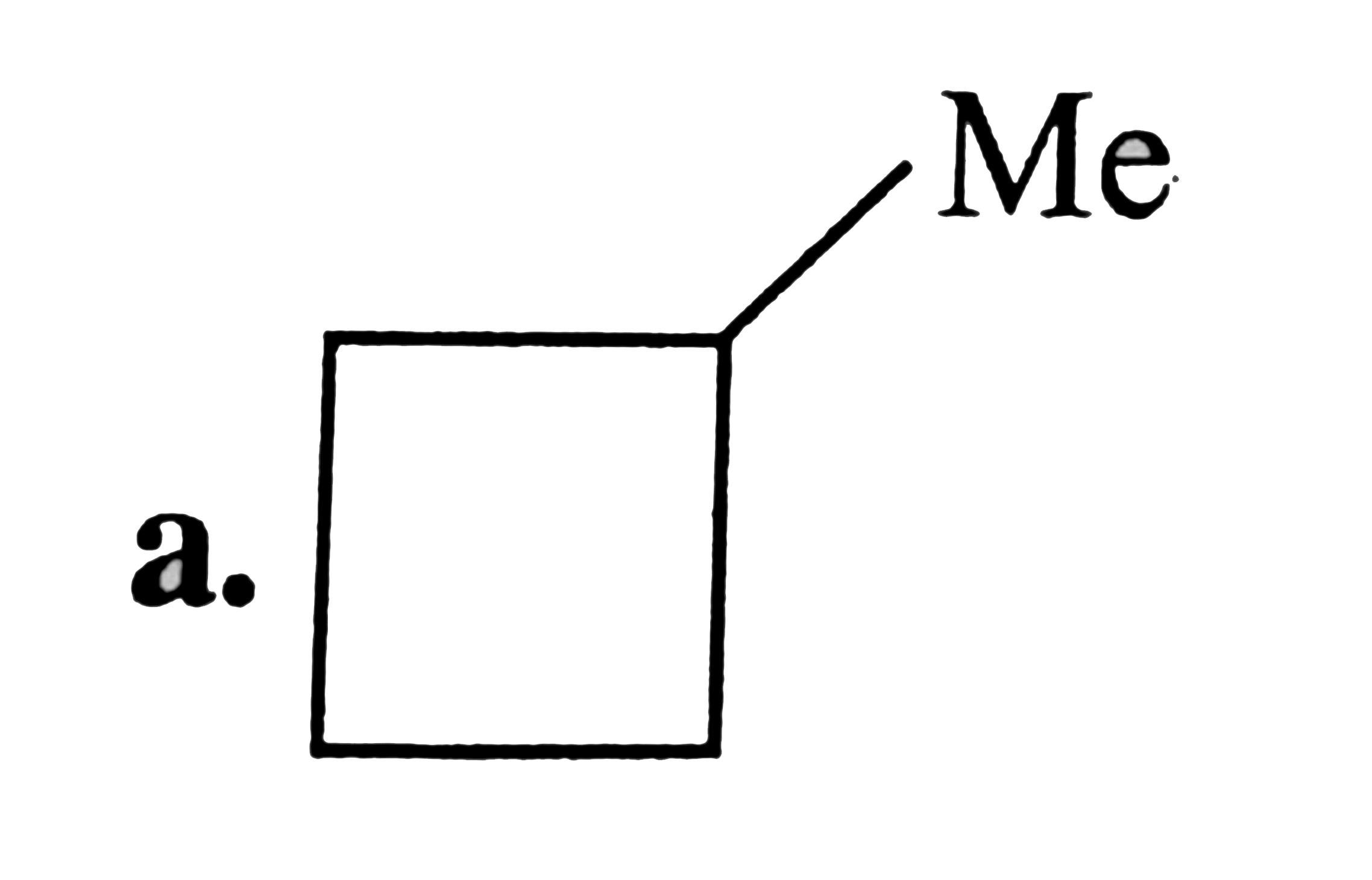
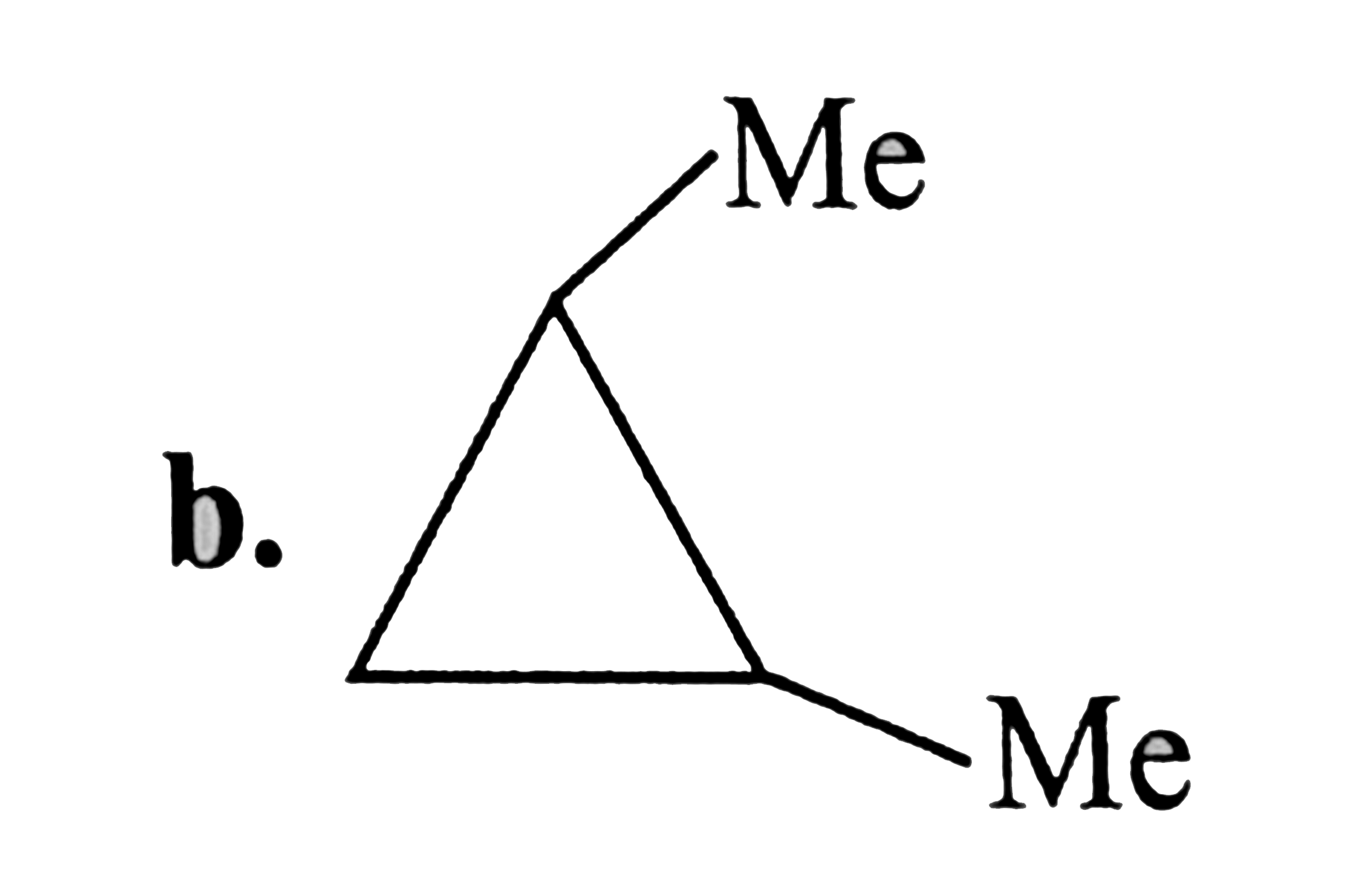
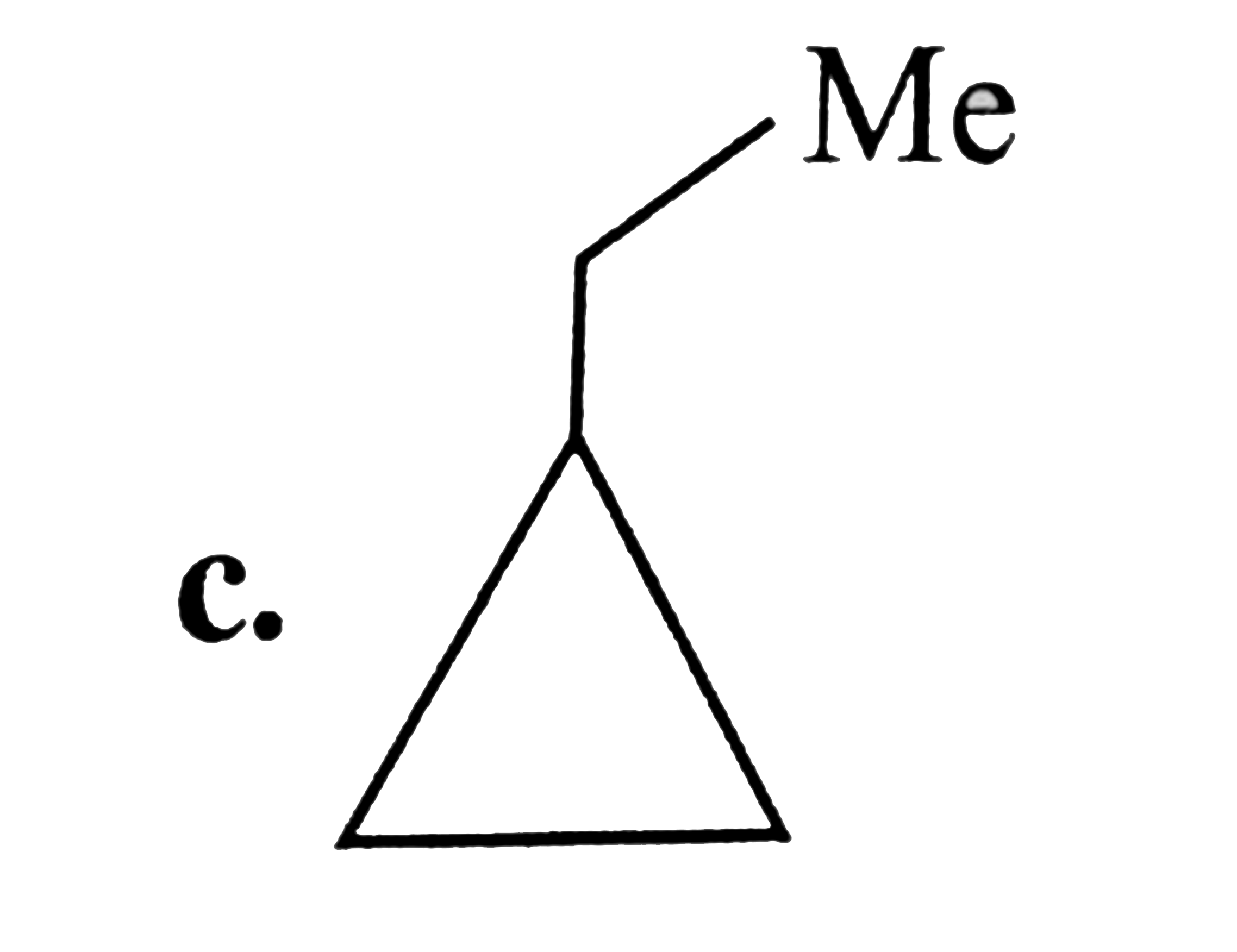
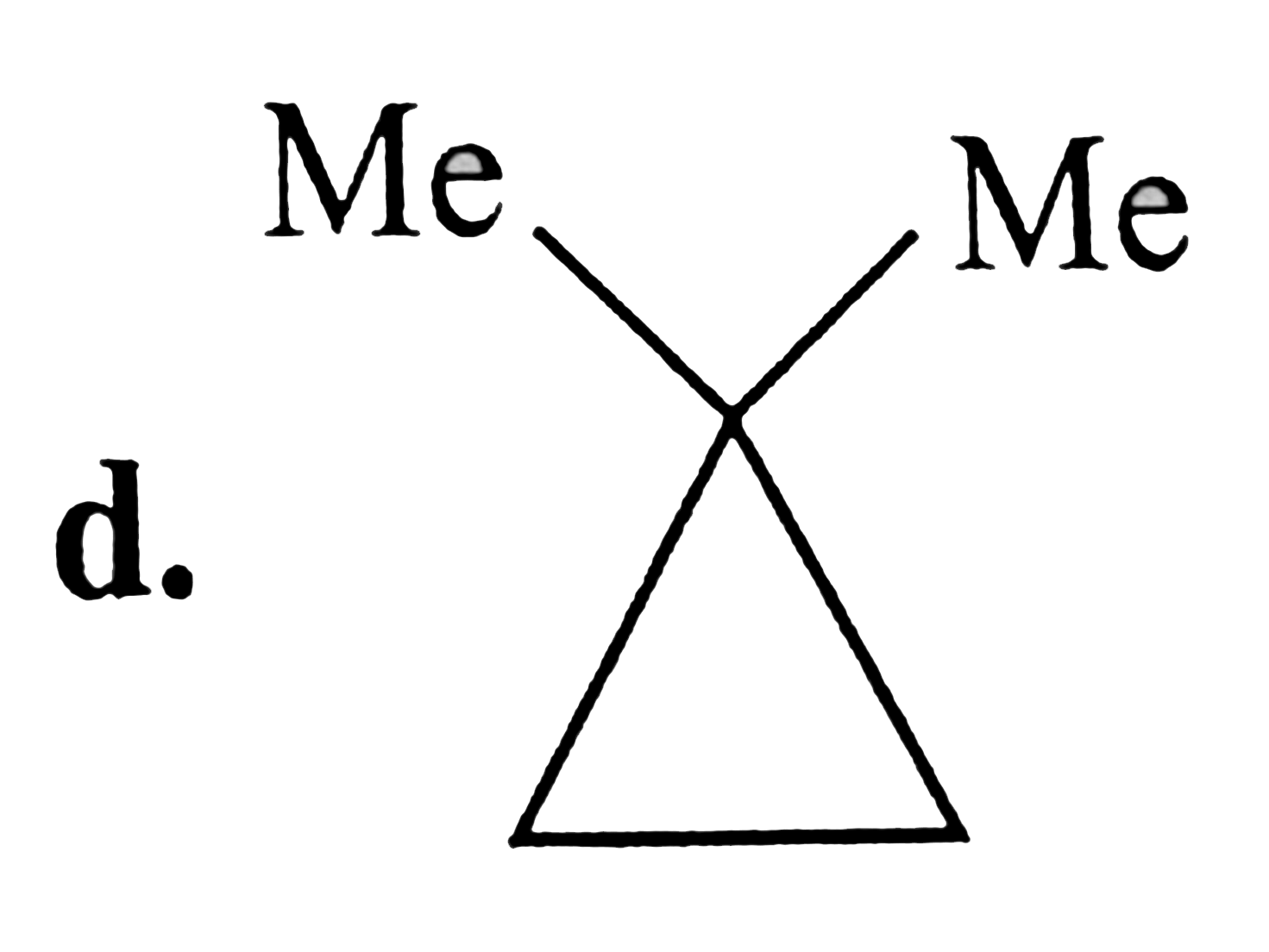
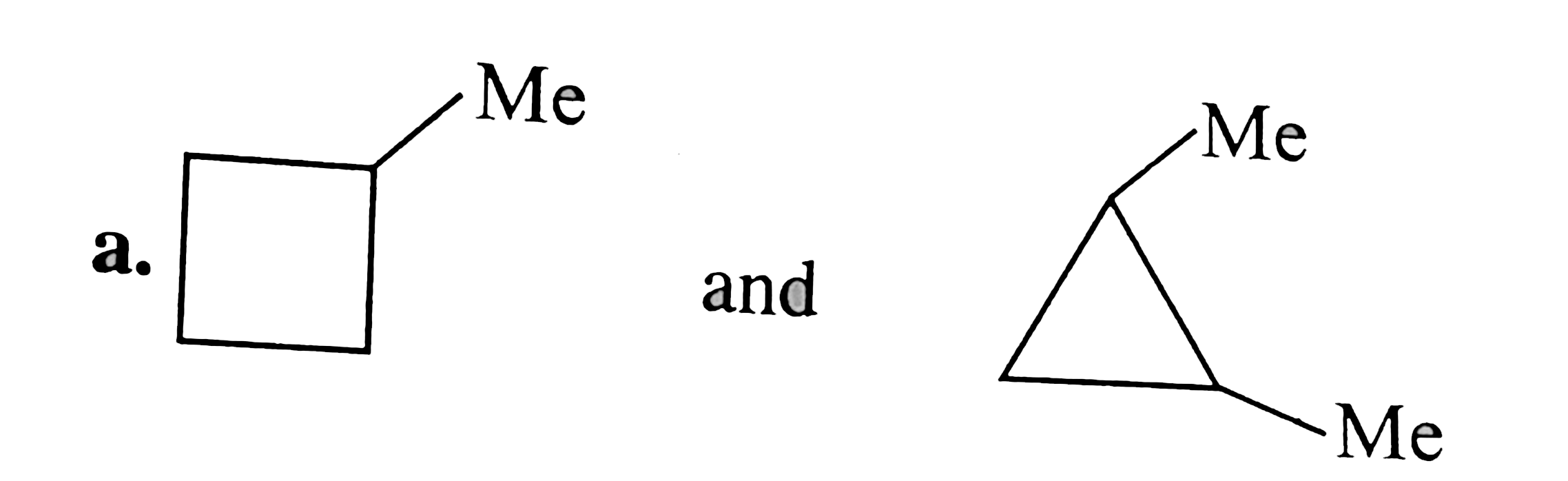
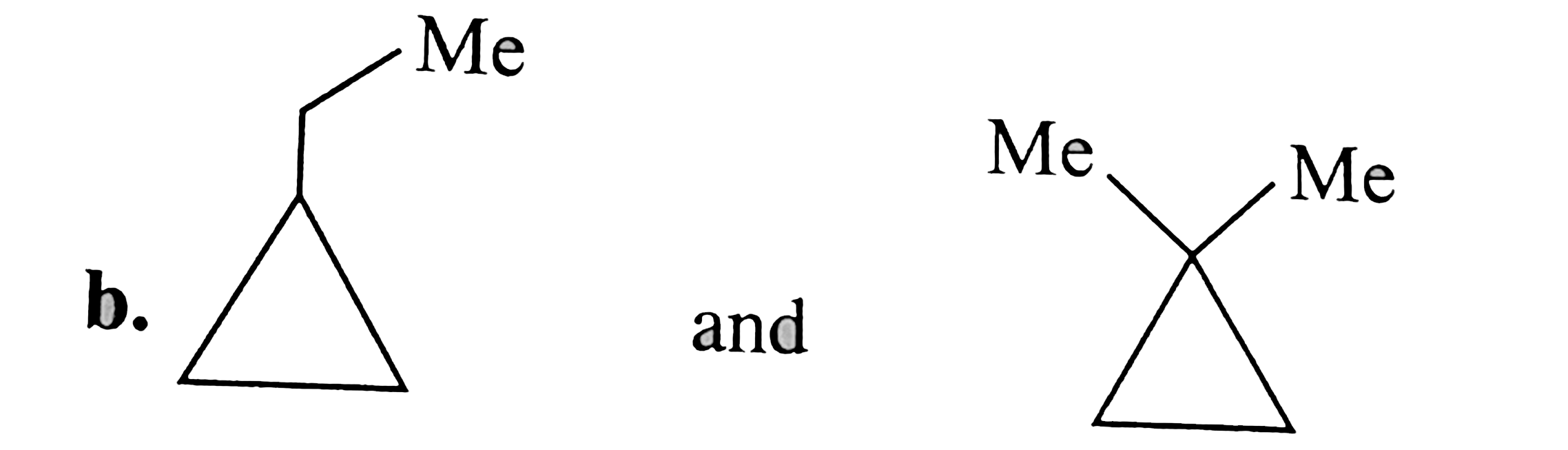
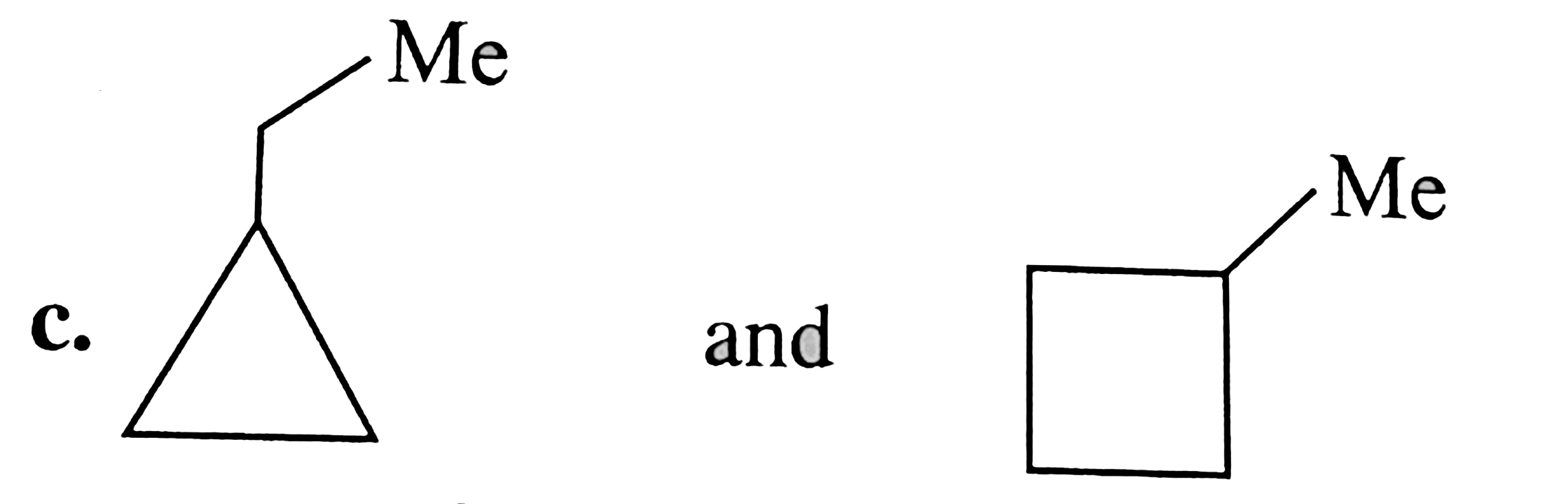
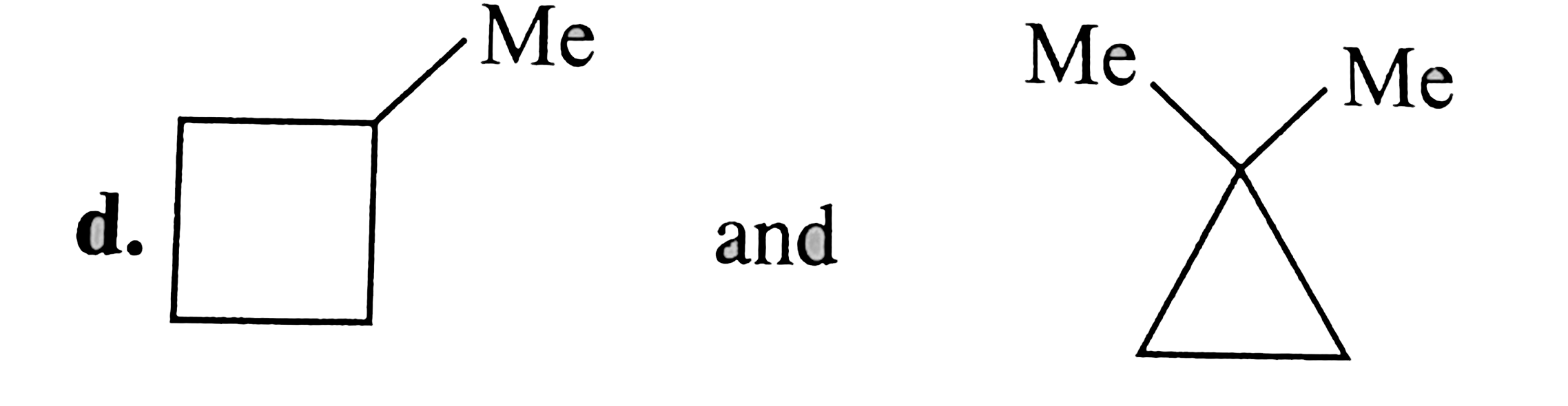
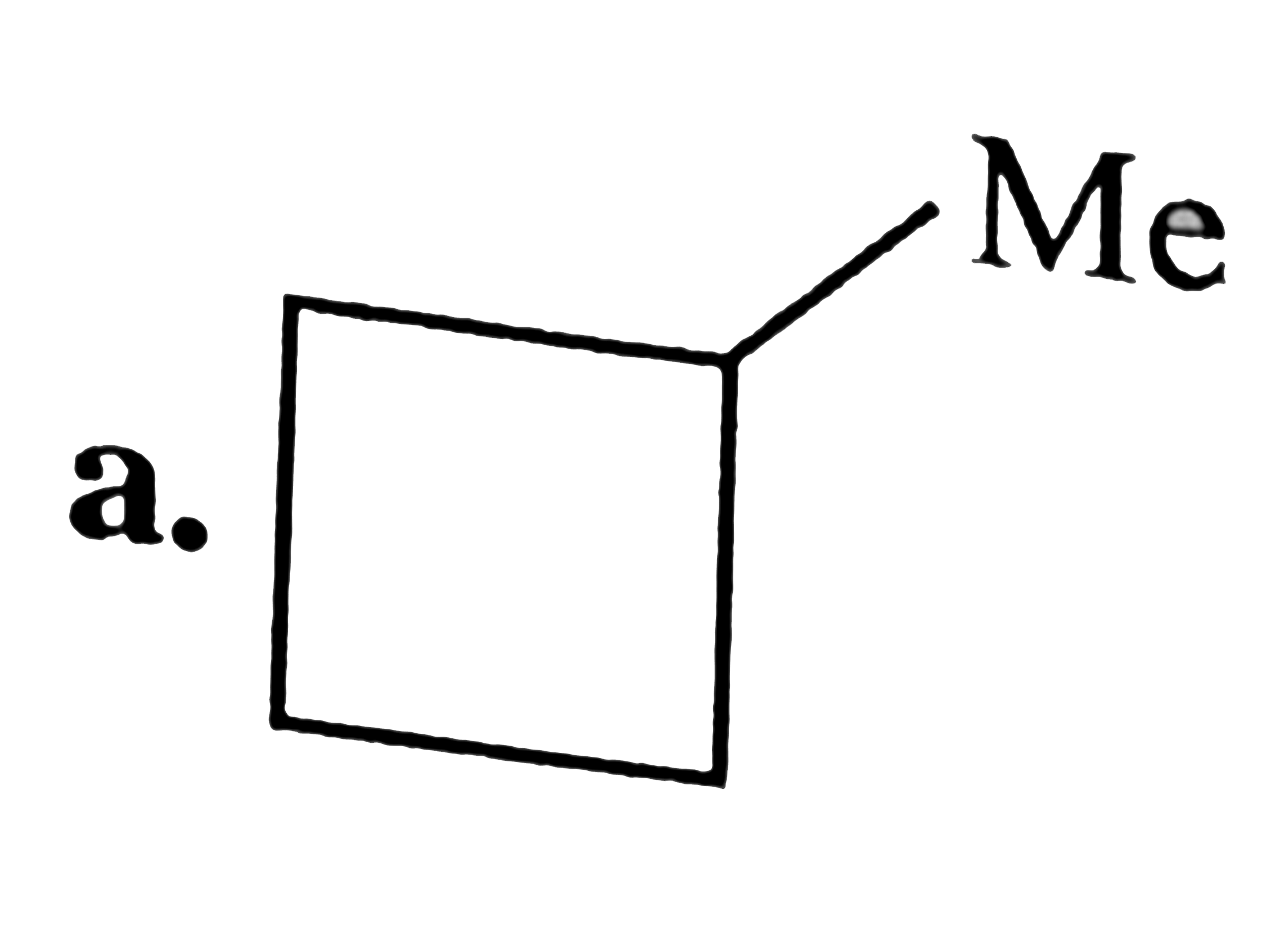
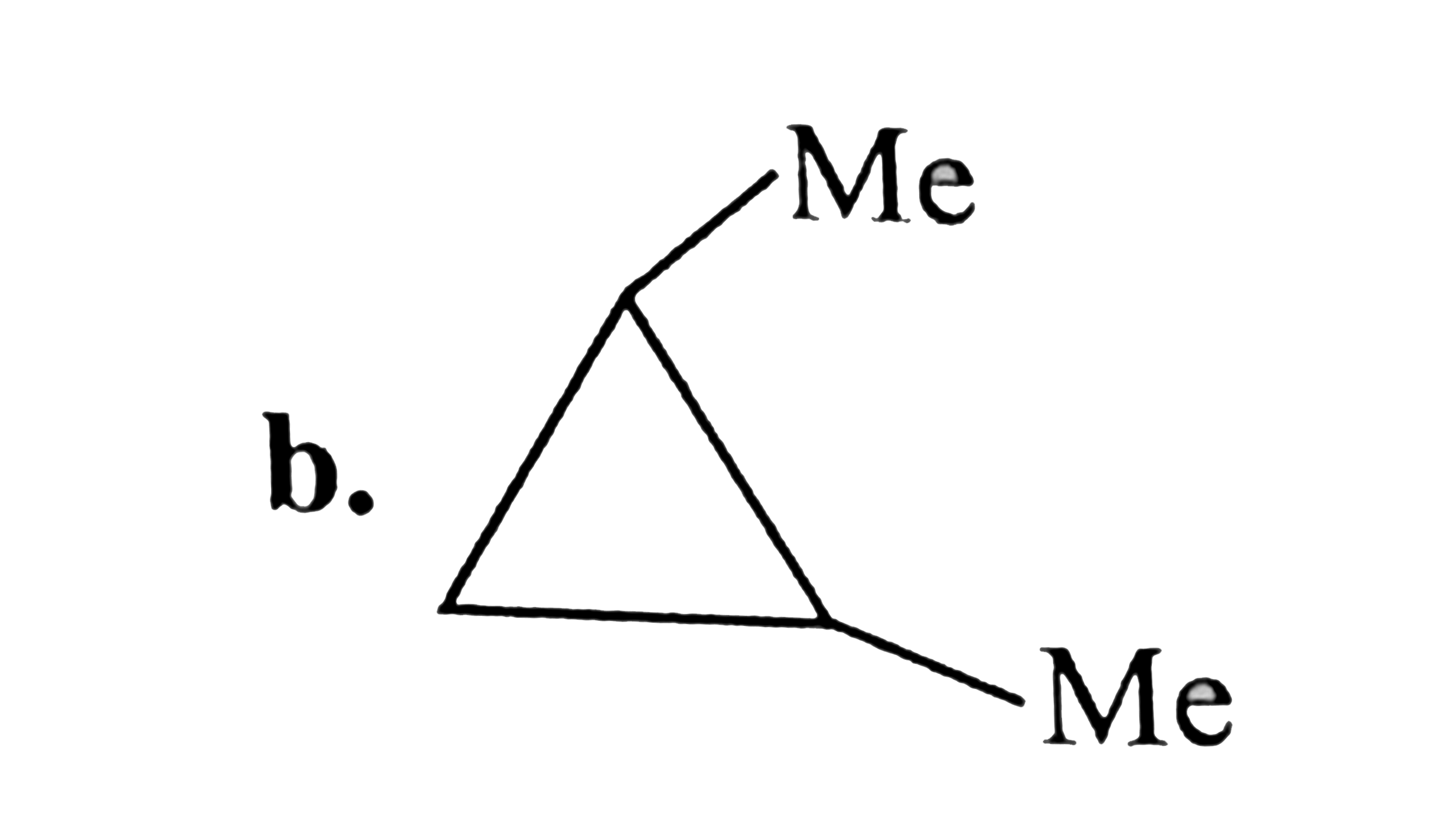
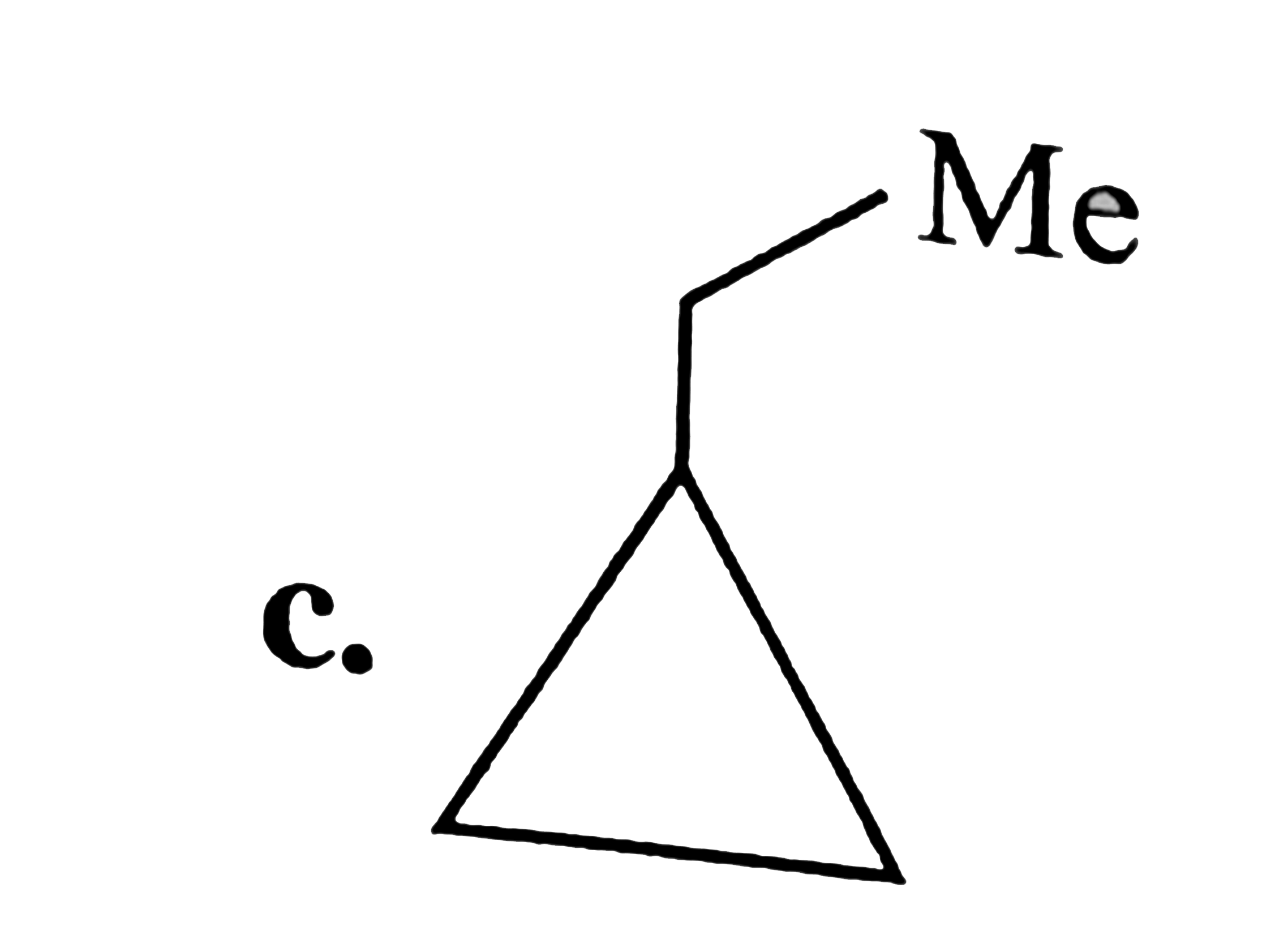
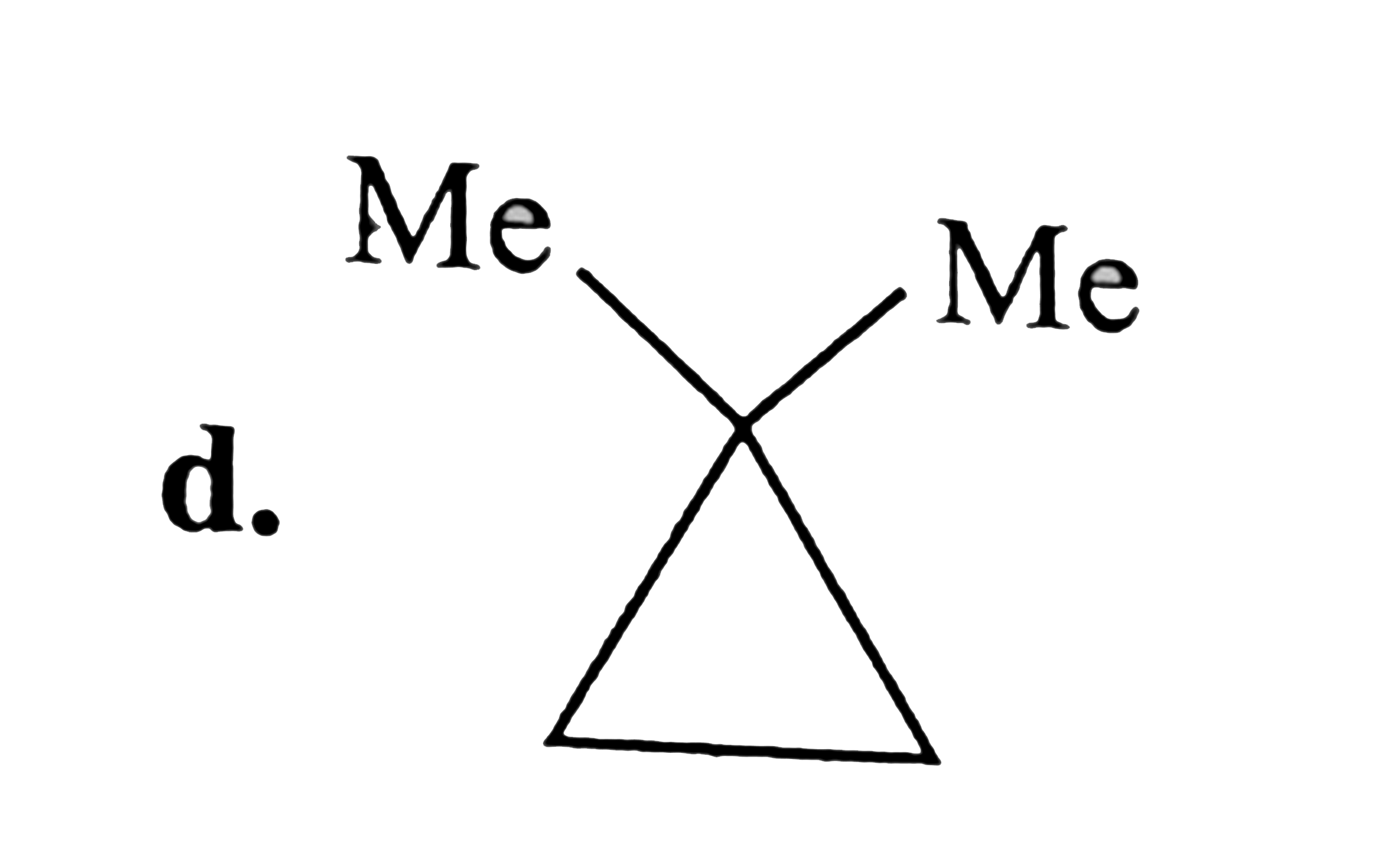
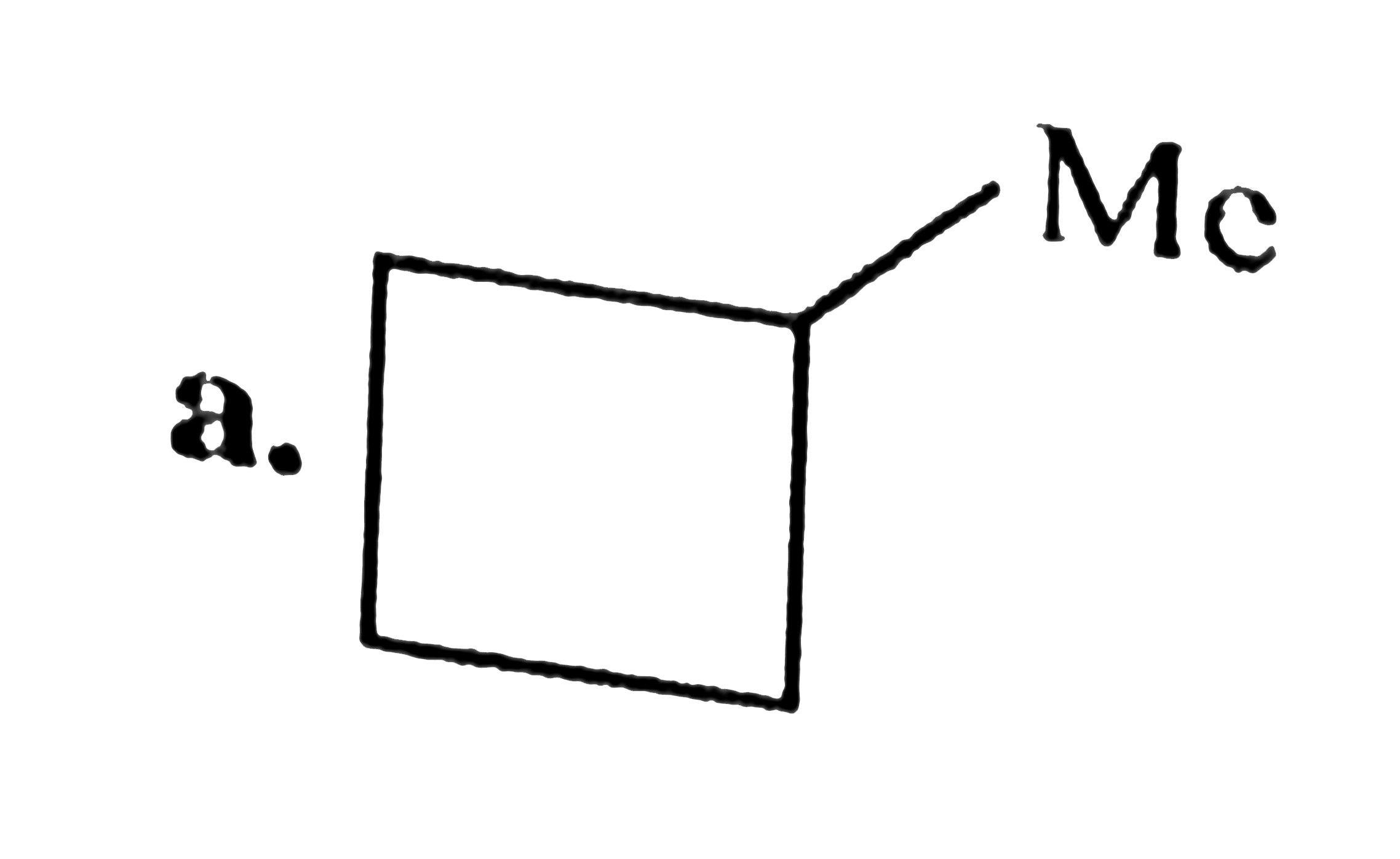
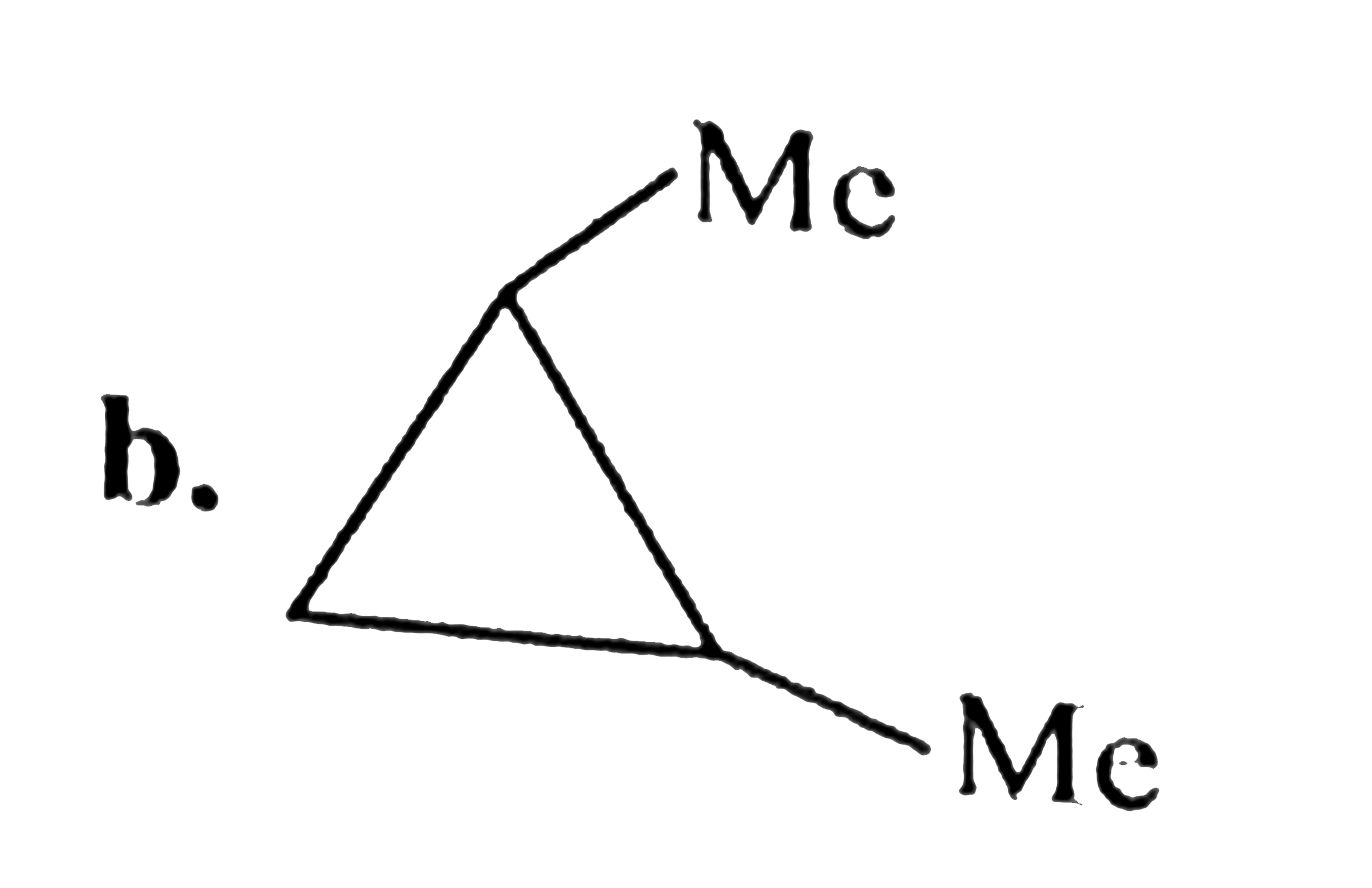
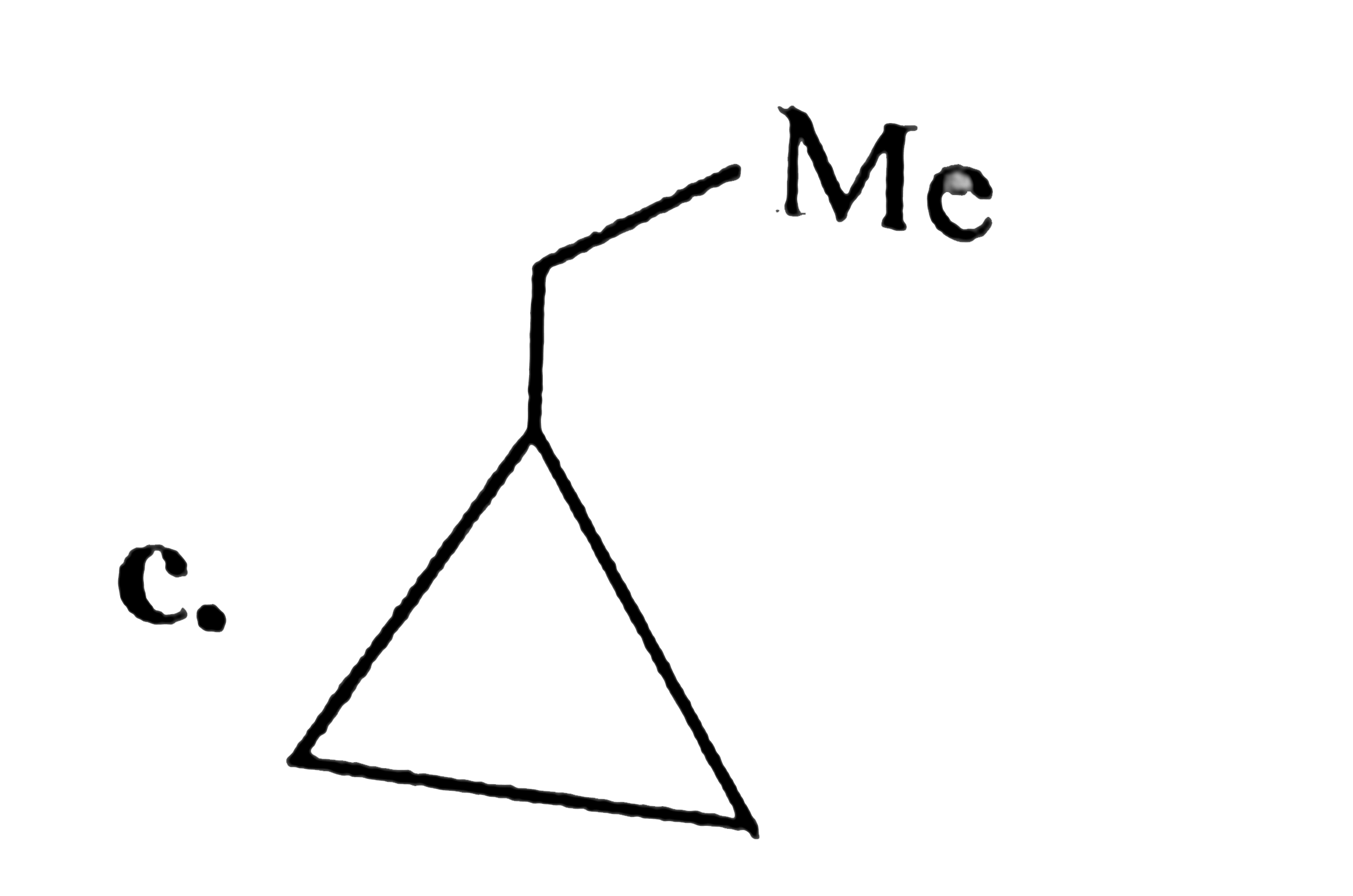
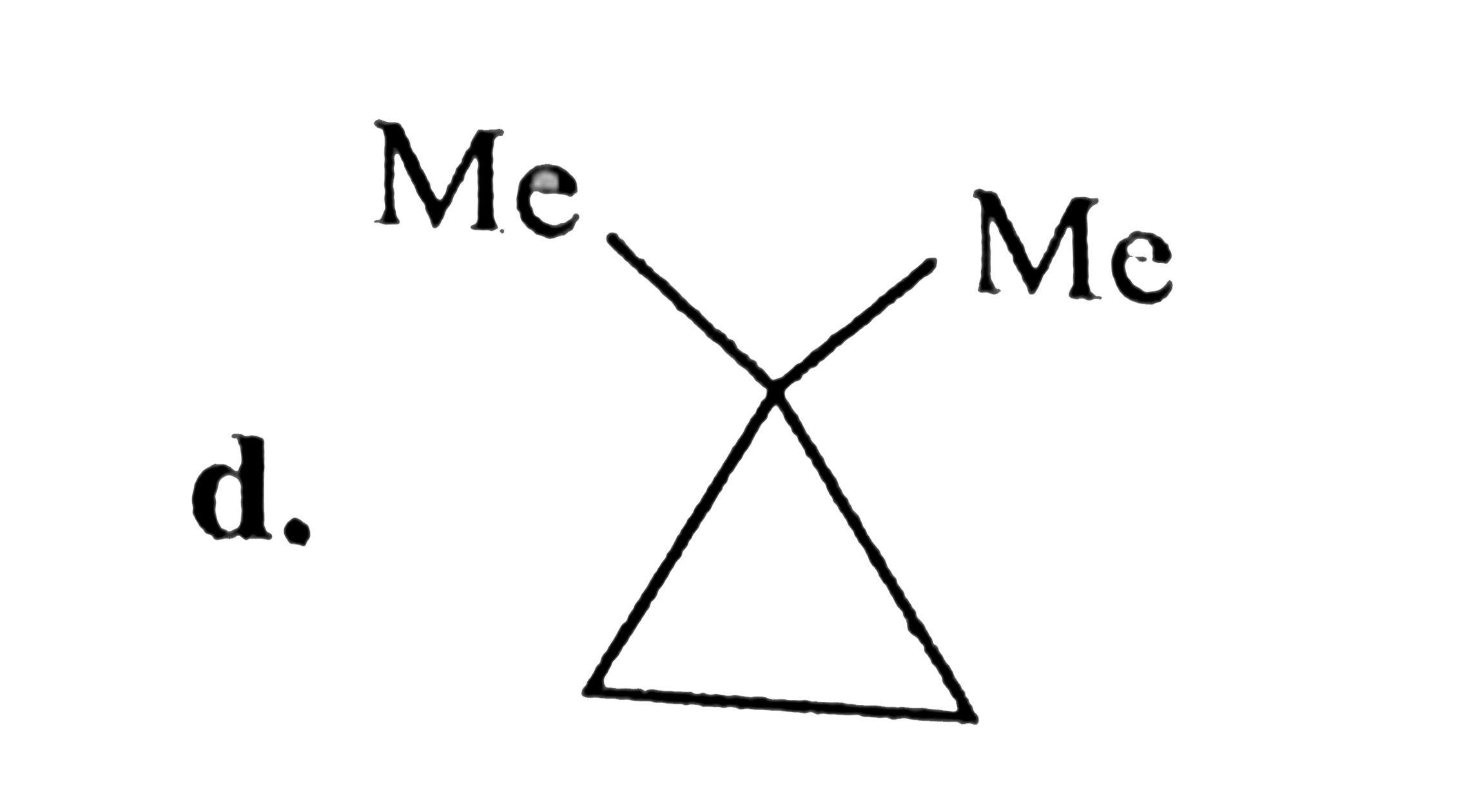
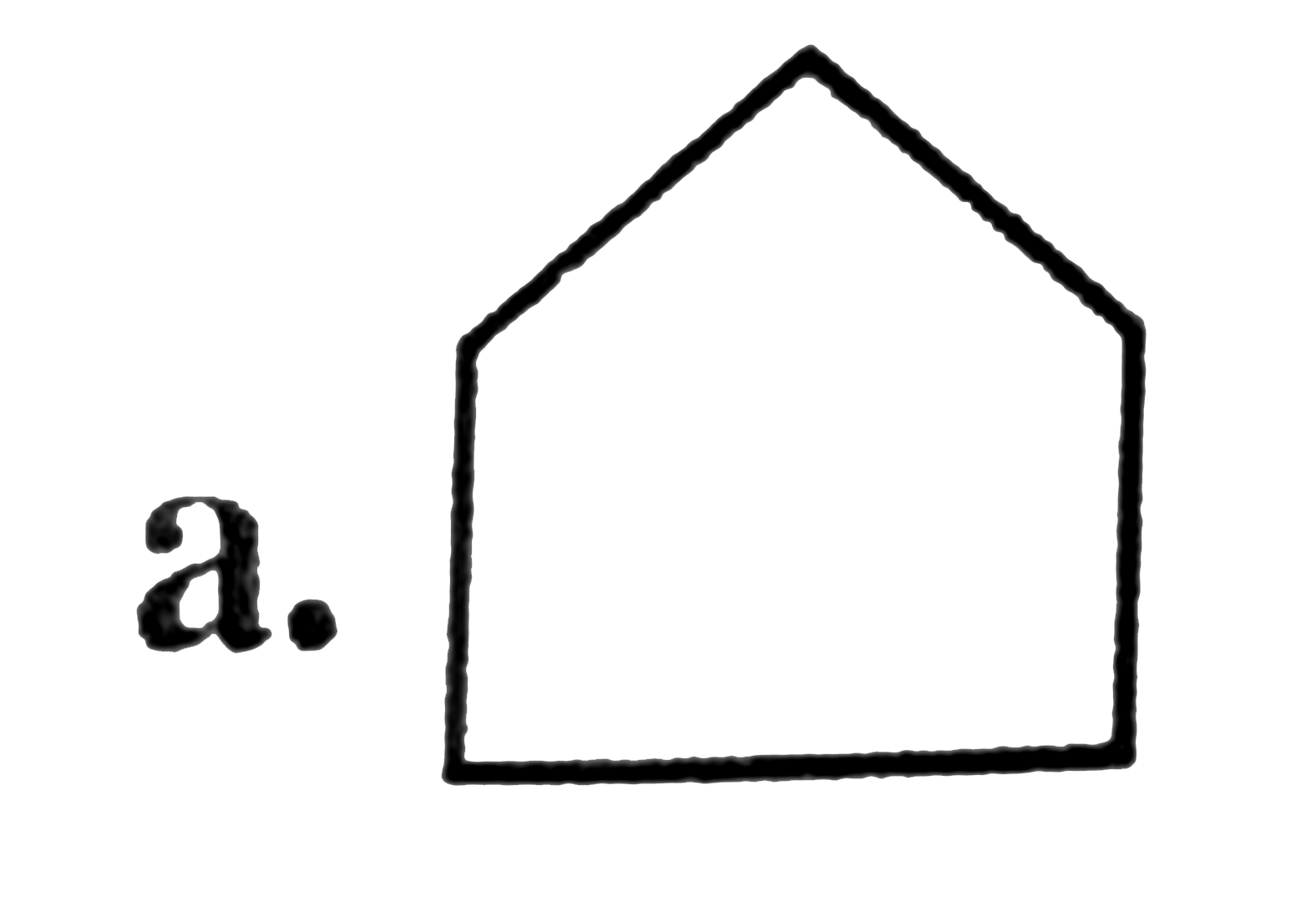
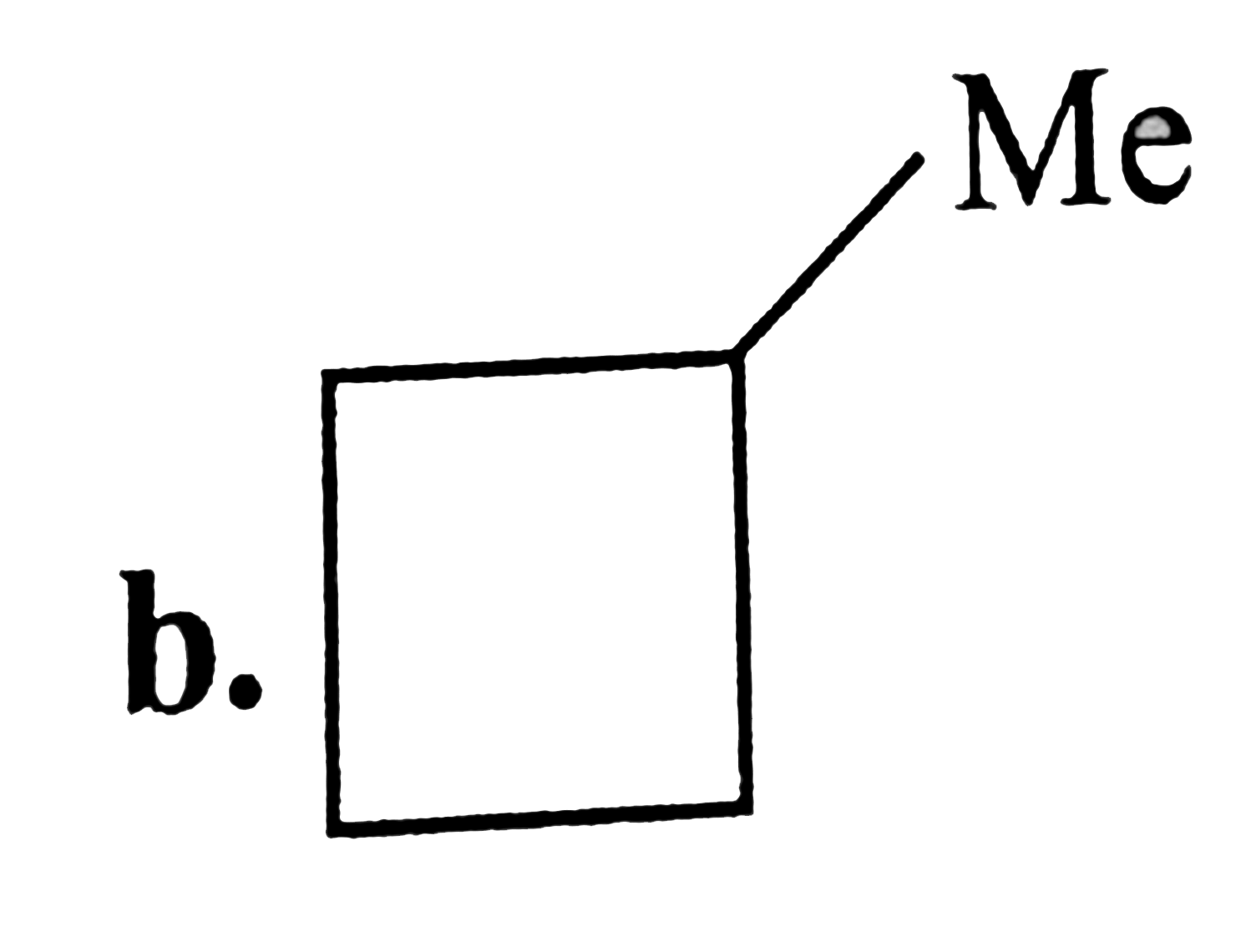
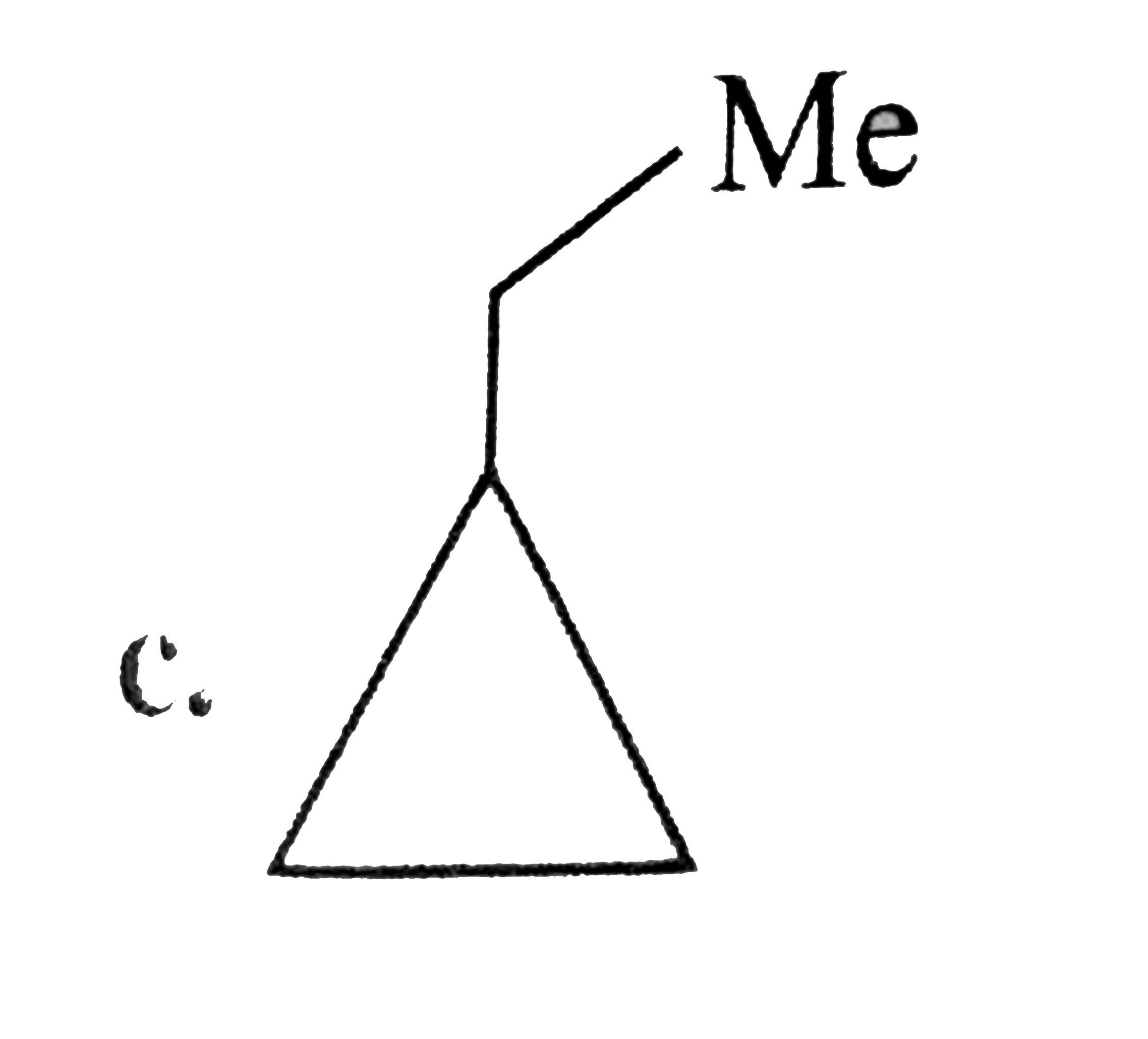
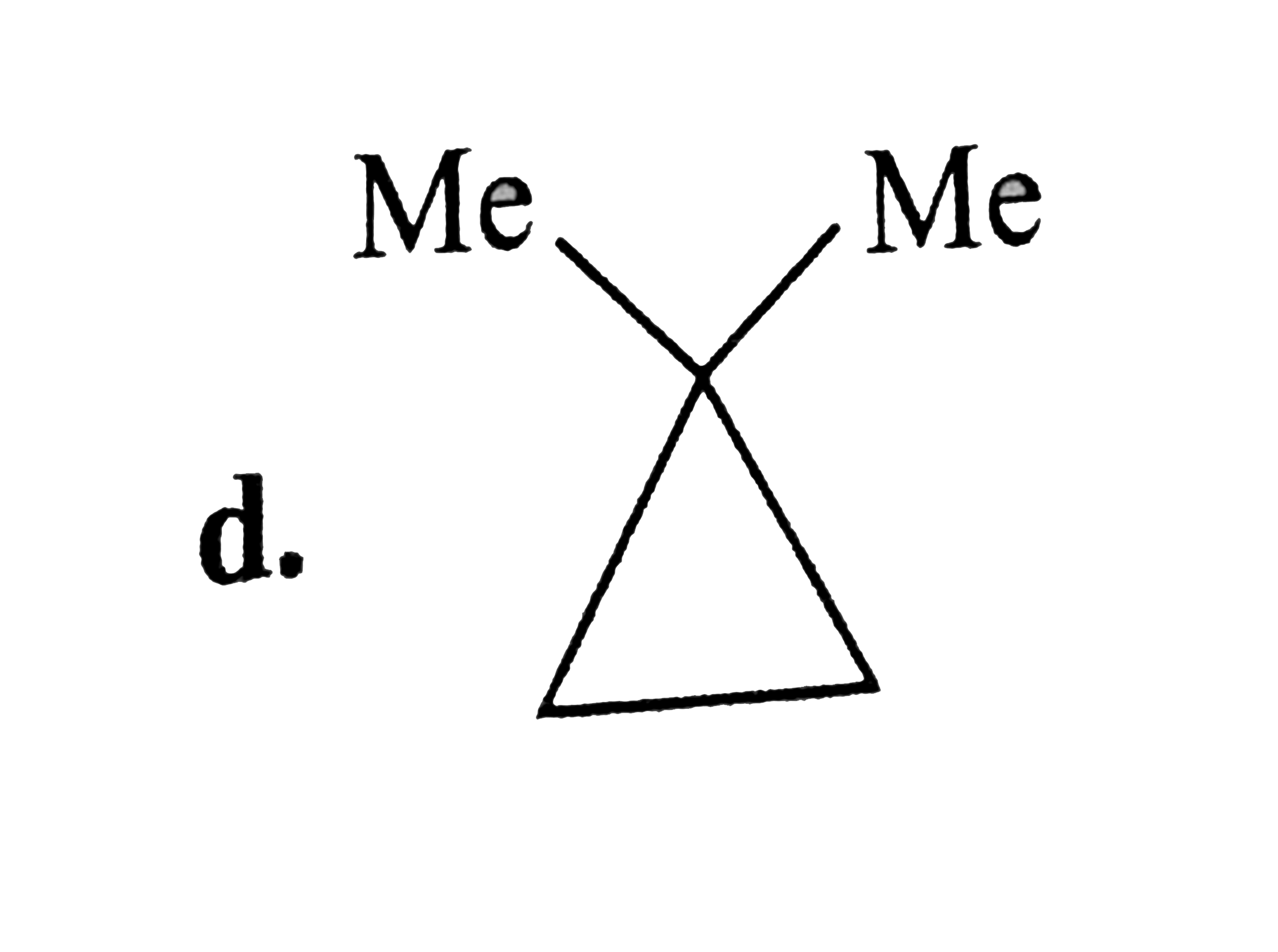
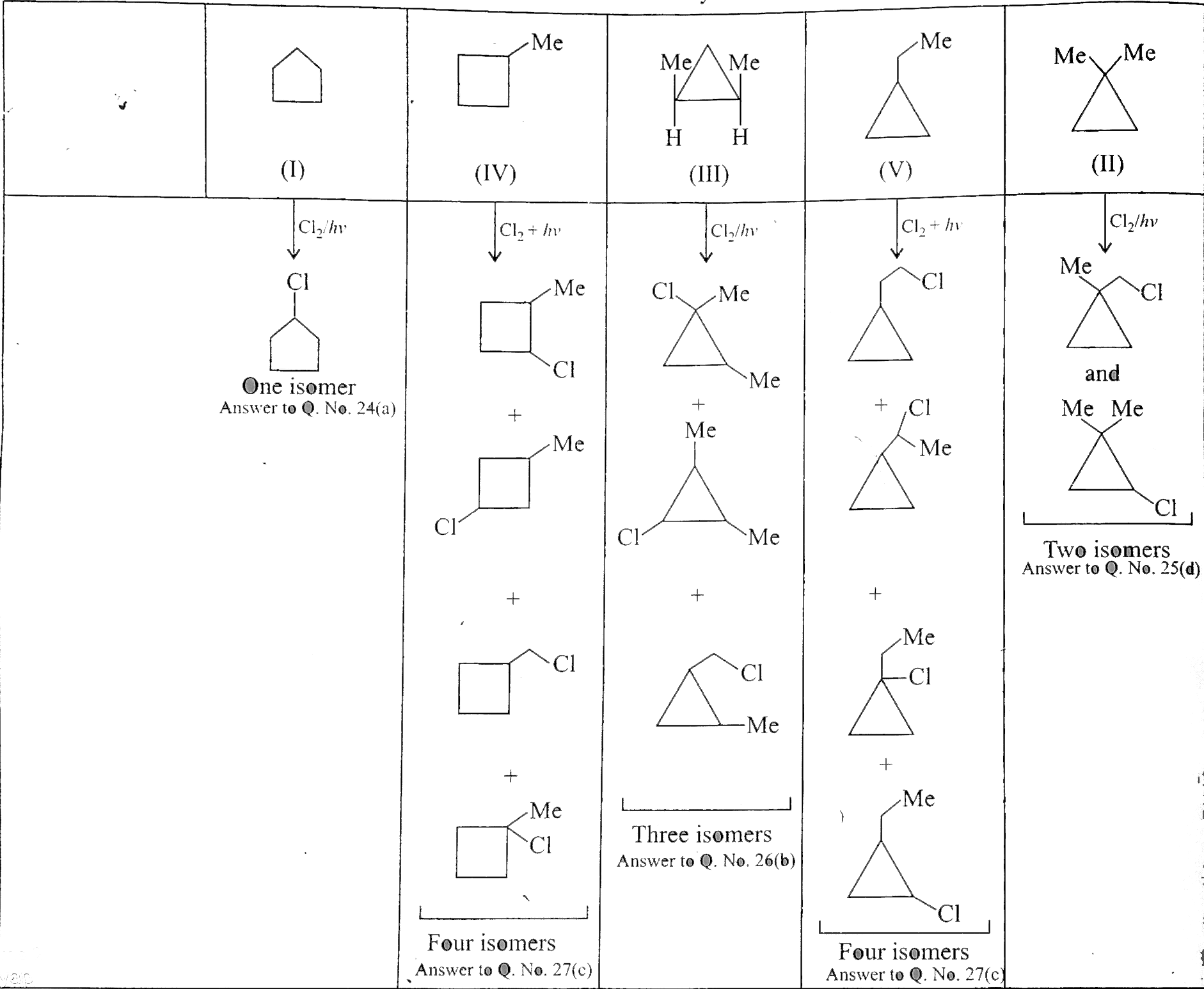
Compound (A), an alkene with molecule formula (C_(5)H_(10)) exists in various strictures. On mononcholorination and dichlorination, it again shows variousstructures andstreoisomers. The total number of stereoisomerism shown by isomer in Q.No 26 is: |
Answer» Solution :Since compound `(A)` has `1 D.U` and is an ALKANE, so it should be cyclic. The number of cyclic isomers of `(A)` is fice. 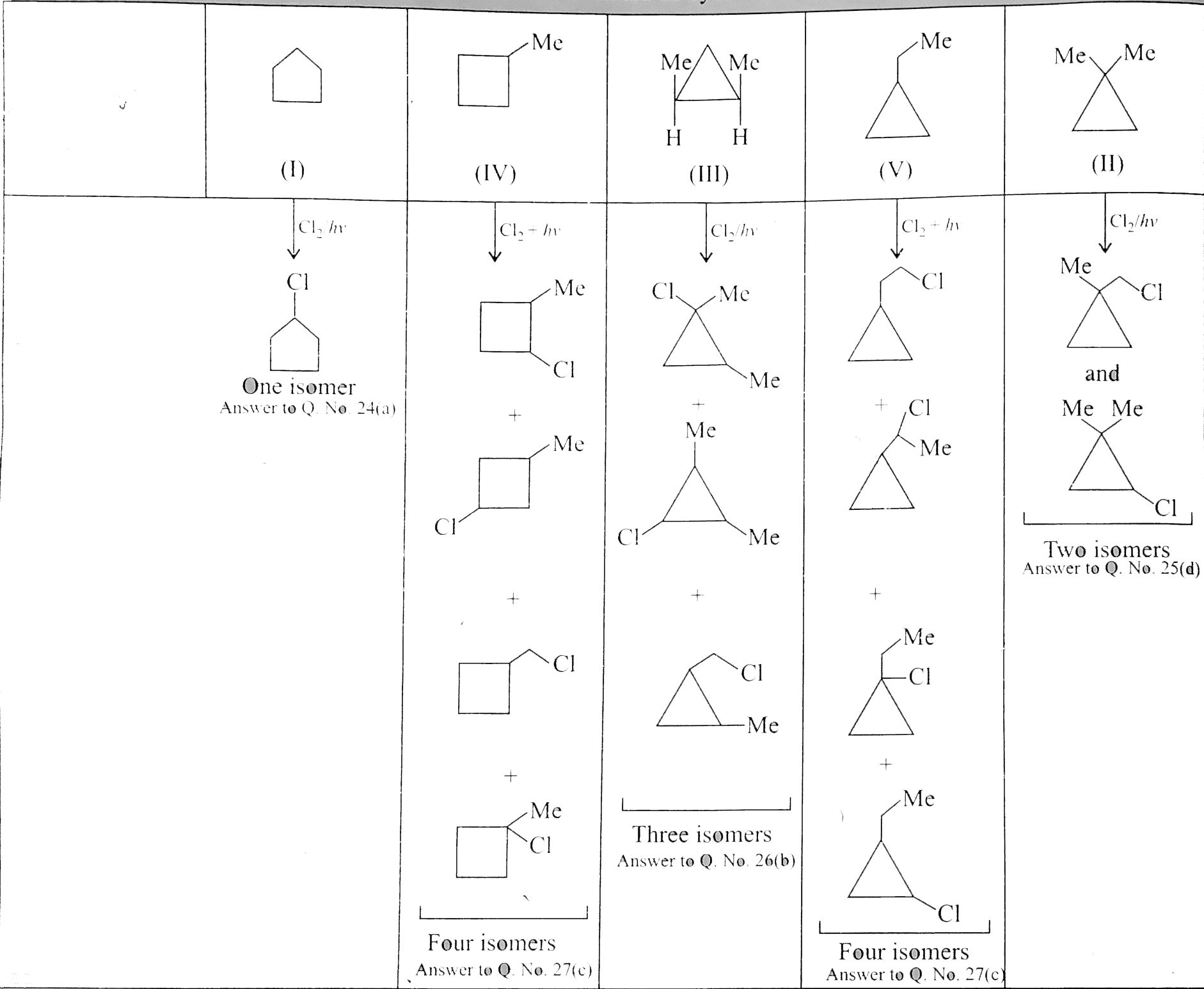 TOTAL number of steoroisomers shown by `(III) = 3`. |
|
| 17. |
Compound (A), an alkene with molecule formula (C_(5)H_(10)) exists in various strictures. On mononcholorination and dichlorination, it again shows variousstructures andstreoisomers. Whichisomer of (A) shows styereoisomerism ? |
|
Answer»
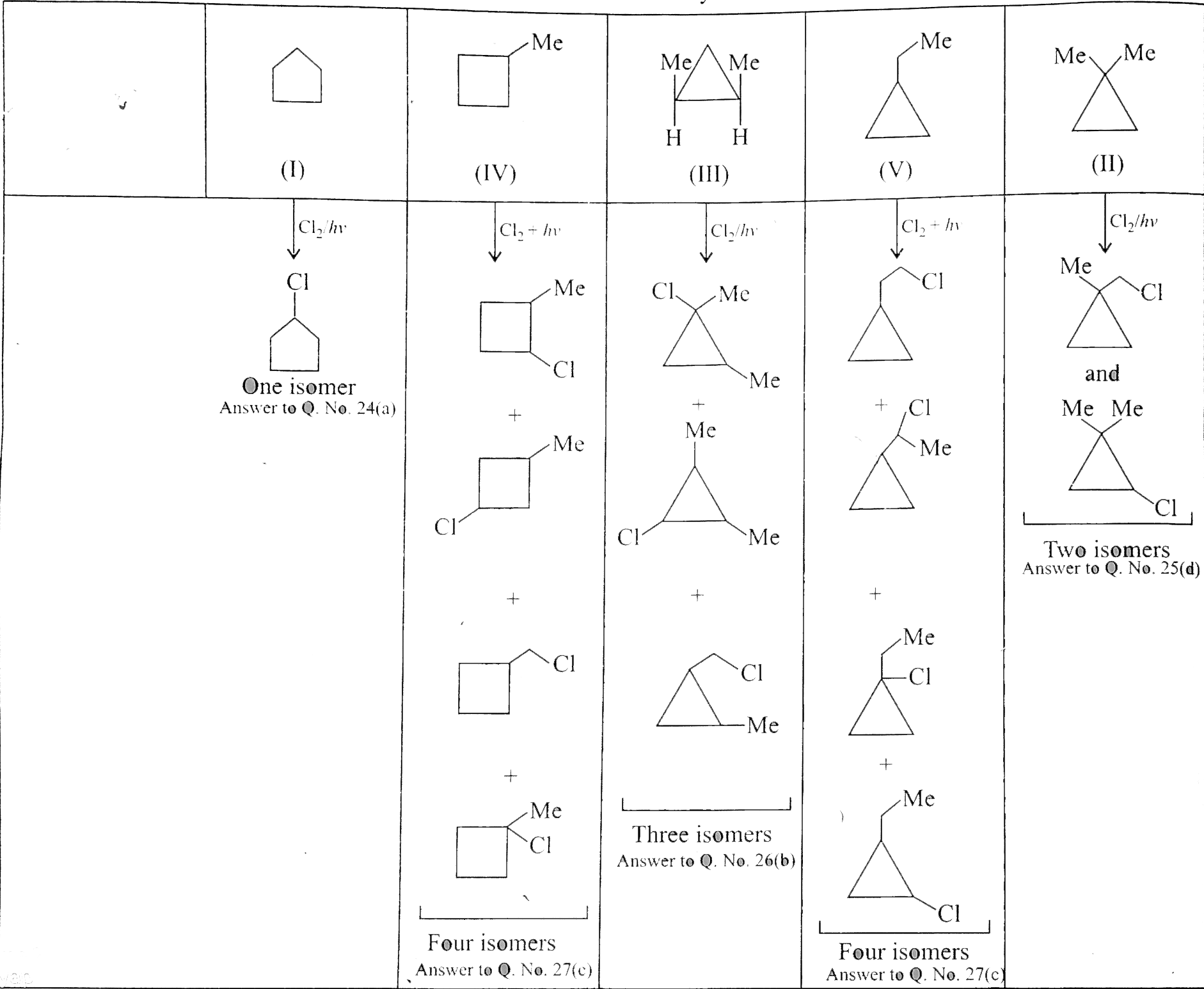 Isomer `(III)` shows both geometrical and OPTICAL isomners. 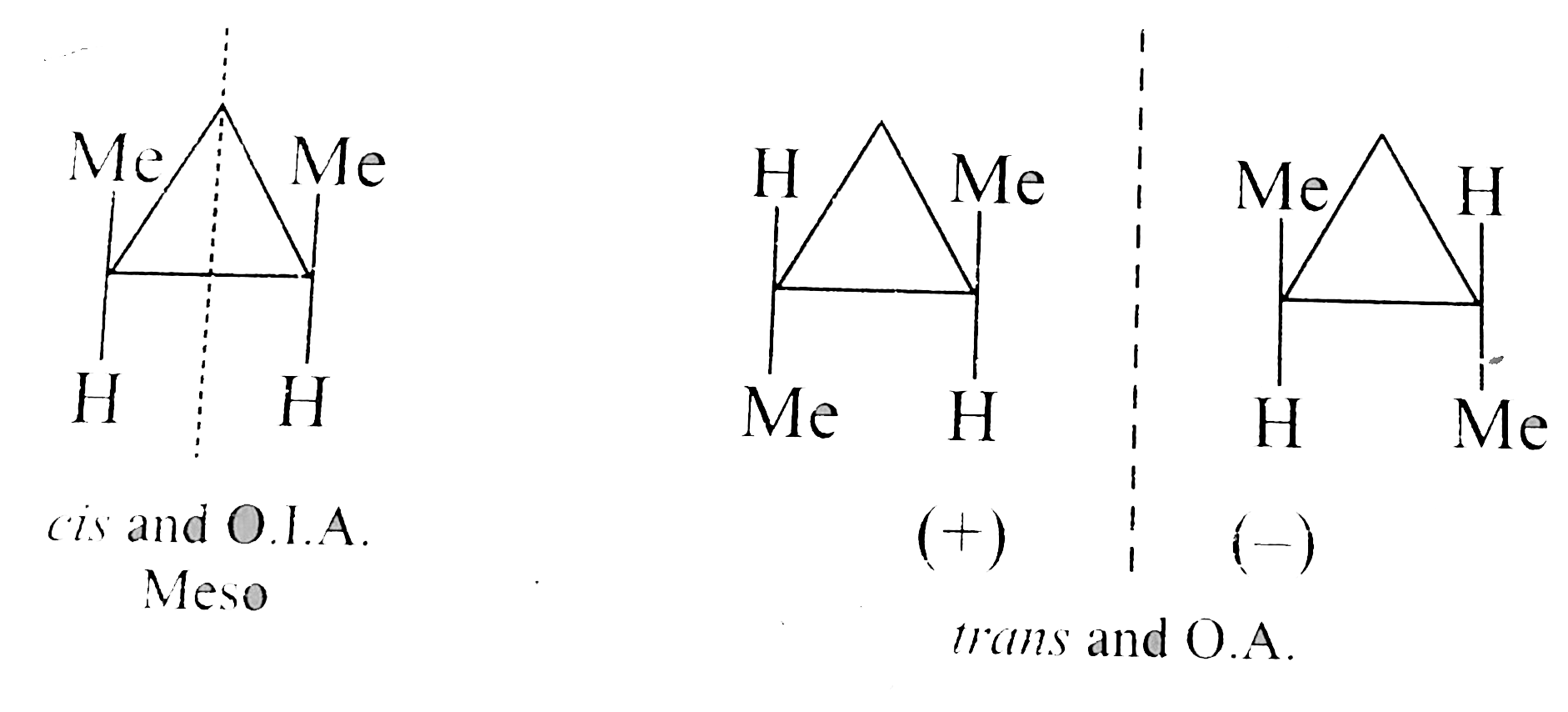
|
|
| 18. |
Compound (A), an alkene with molecule formula (C_(5)H_(10)) exists in various strictures. On mononcholorination and dichlorination, it again shows variousstructures andstreoisomers. Two isomers (IV) and (V) on monochlorination give four products. The isomers (IV) and (V) are: |
|
Answer»
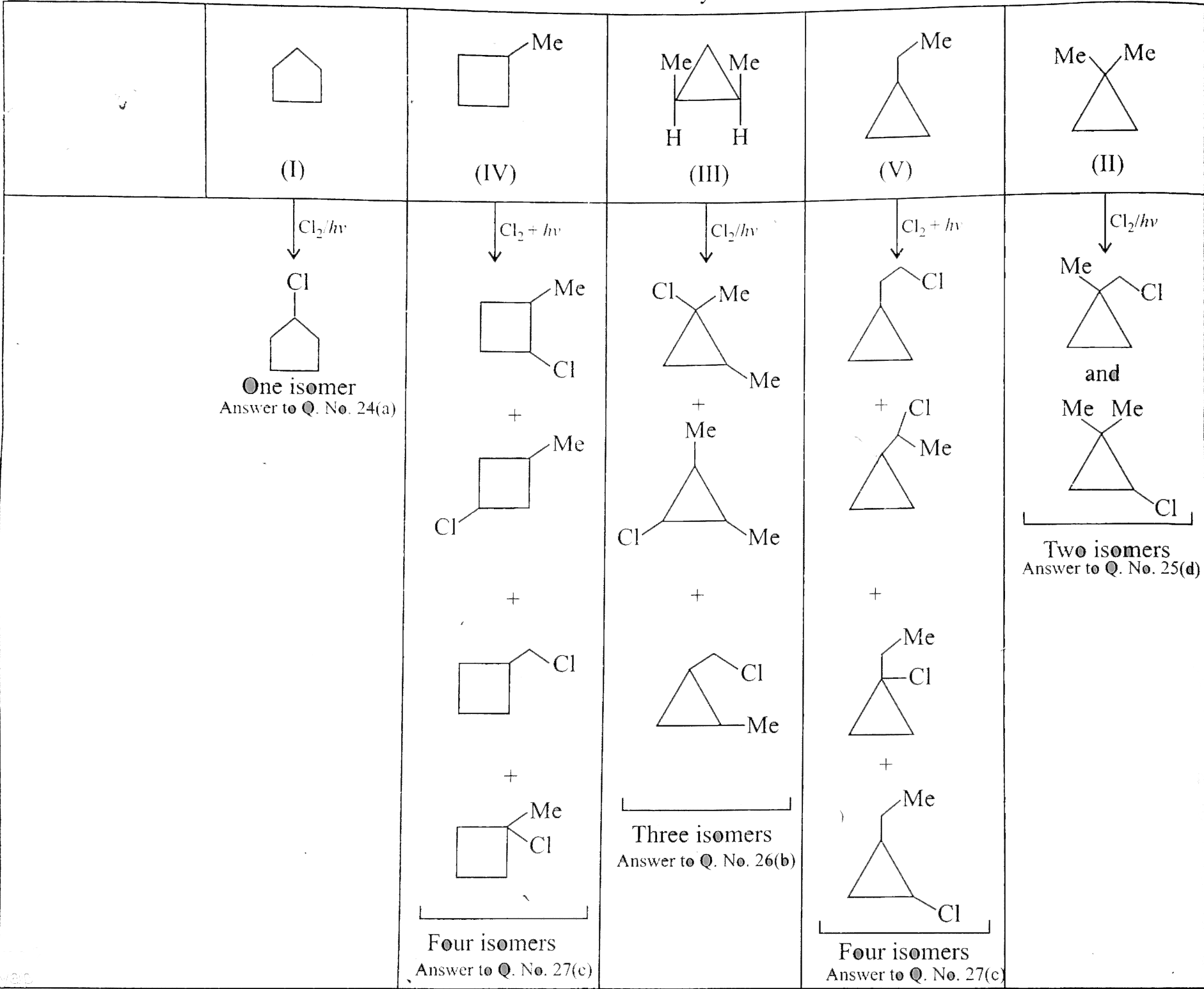
|
|
| 19. |
Compound (A), an alkene with molecule formula (C_(5)H_(10)) exists in various strictures. On mononcholorination and dichlorination, it again shows variousstructures andstreoisomers. Isomer (III) on monochlorination gives three products. The isomer (III) is: |
|
Answer»
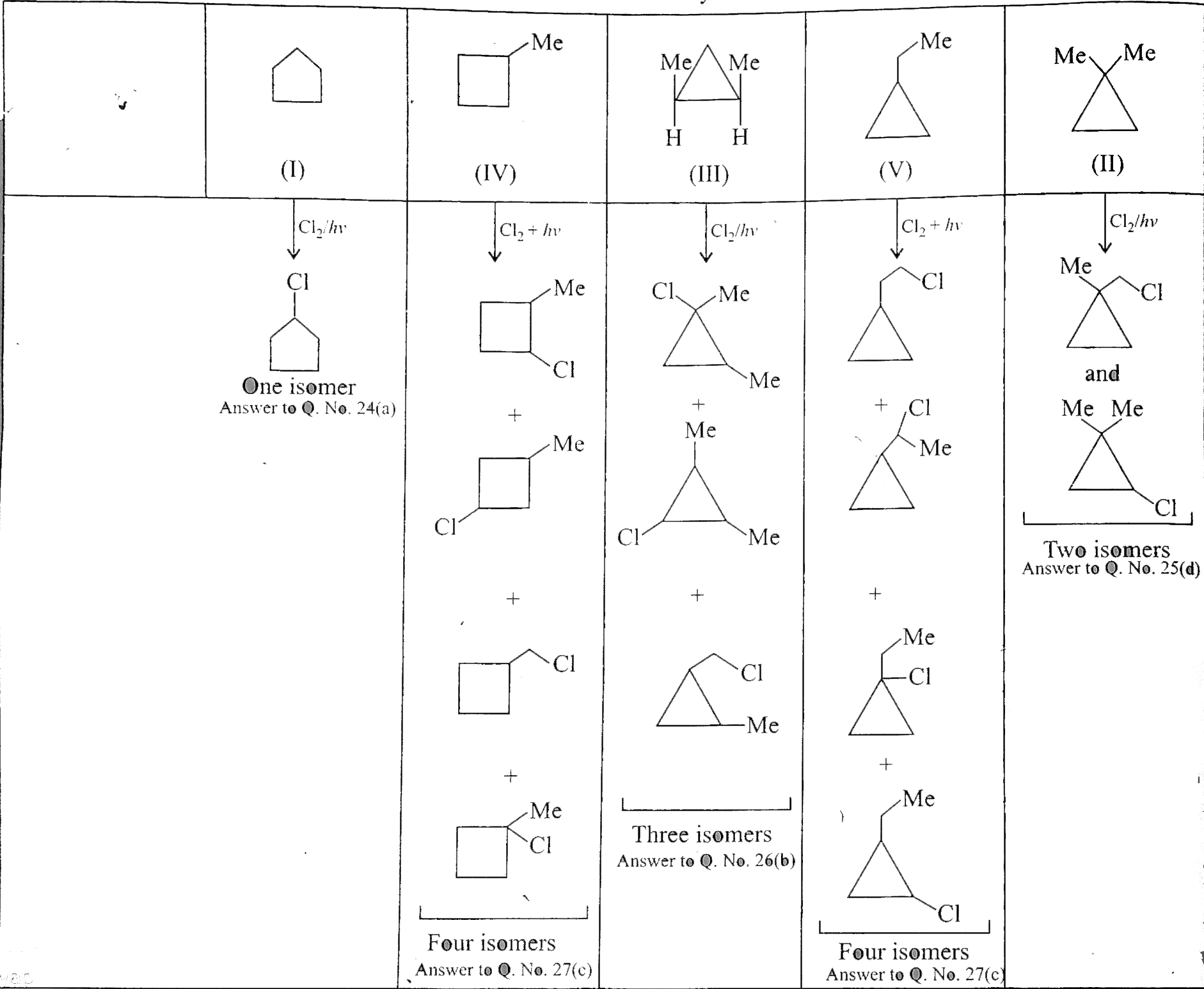
|
|
| 20. |
Compound (A), an alkene with molecule formula (C_(5)H_(10)) exists in various strictures. On mononcholorination and dichlorination, it again shows variousstructures andstreoisomers. Another isomer (II) on monochlorination gives two products. The isomer (II) is: |
|
Answer»
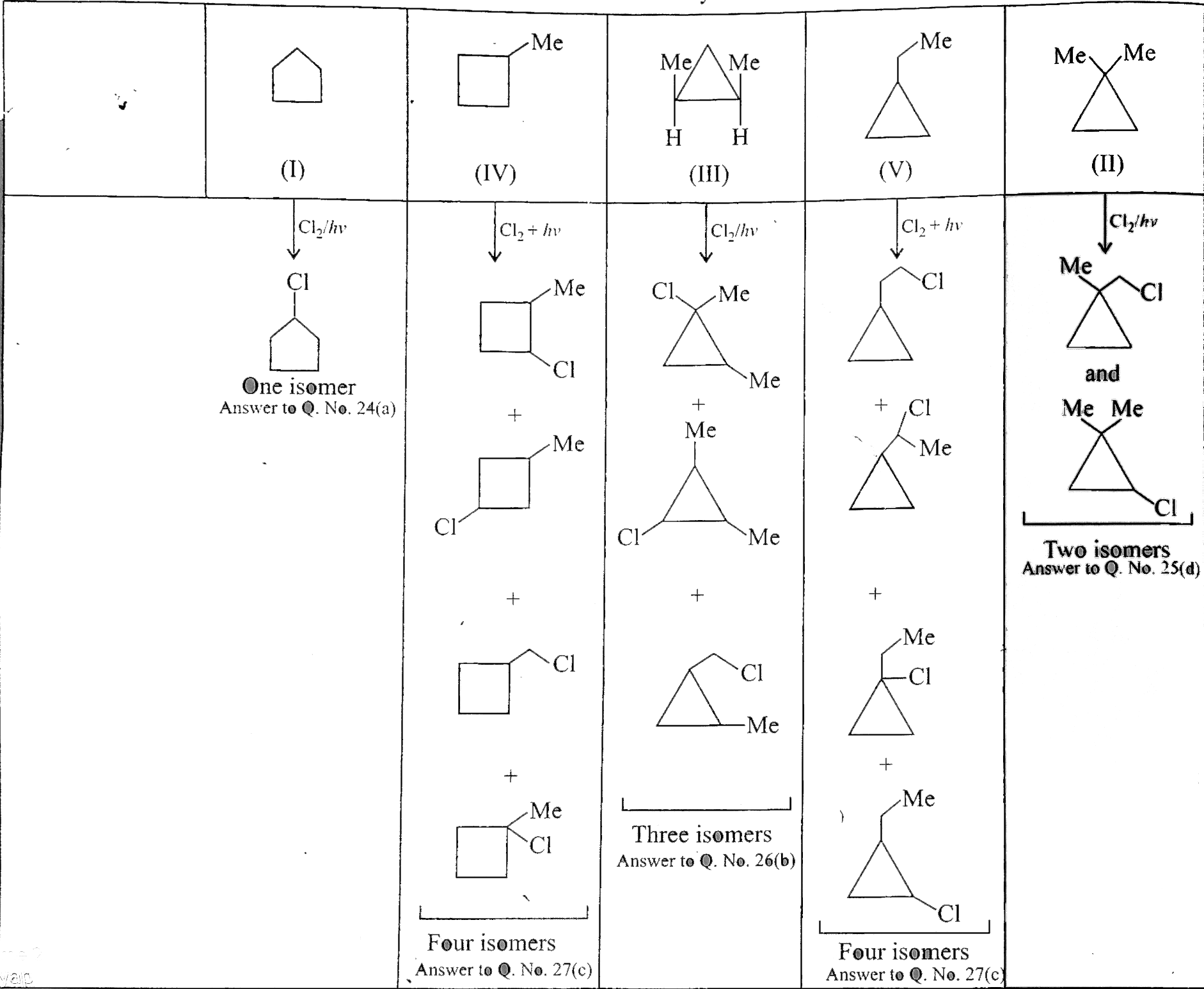
|
|
| 21. |
Compound (A), an alkene with molecule formula (C_(5)H_(10)) exists in various strictures. On mononcholorination and dichlorination, it again shows variousstructures andstreoisomers. One of the cyclic isomers of (A) on monochlorination gives one product. The isomer (I) is: |
|
Answer»
|
|
| 22. |
Compound (A), an alkene with molecule formula (C_(5)H_(10)) exists in various strictures. On mononcholorination and dichlorination, it again shows variousstructures andstreoisomers. |
Answer» Solution :Since COMPOUND `(A)` has `1 D.U` and is an alkane, so it should be cyclic. The number of cyclic isomers of `(A)` is fice. 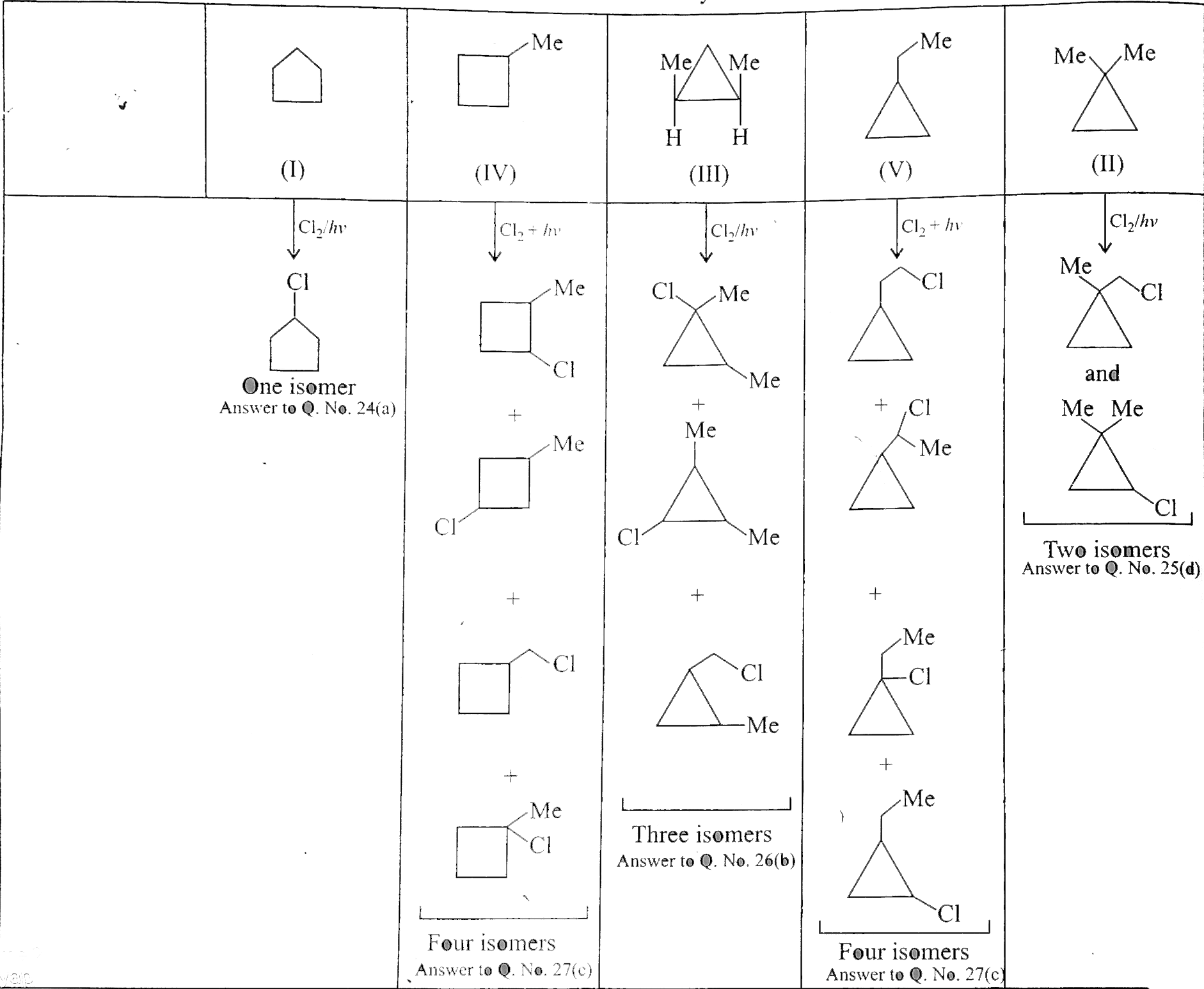 Total number of cyclic STRUCTURES including steroisomers for `(A) = 7`. |
|
| 23. |
Composition of Ziegler-Natta catalyst is |
|
Answer» `(Et_(3))_(3) AL* TiCl_(2)` |
|
| 24. |
Composition of urotropine is _____. |
| Answer» SOLUTION :`(CH_2)_6N_4` | |
| 25. |
Composition of sample wurtzite is Fe_(0.93)O_(1.0). What percentage of iron is present in the form of Fe(III) ? |
|
Answer» No. of `Fe^(2+)` ions in the compound = 0.93 – x For electrical neutrality, total positive charge on cations = Total NEGATIVE charge on anions. `:.` 2 (0.93 - x) + 3X = 2 or 1.86 +x=2 or x=0.14 `:.` Percentage of `Fe^(3+)` ions = (0.14)/(0.93)XX 100 = 15.05%` |
|
| 26. |
Composition of glass is |
|
Answer» silica, LIME, NaCl |
|
| 27. |
Composition of copper matte is20% Cu + 80%Cu_2S and FeS. Is it true or false? |
| Answer» SOLUTION :`50%.CU + 50% Cu_2S` and FES | |
| 30. |
Composition of Brass is : |
|
Answer» Cu(60%) - Zn(40%) |
|
| 31. |
Composition of borax (Tincal) is |
|
Answer» `Na_2B_(4)O_(7).4H_(2)O` |
|
| 32. |
Composition ofAzurite mineral of |
|
Answer» `CuCO_(3)CUO` |
|
| 33. |
Composition of bleaching powder is |
|
Answer» `Ca(OCl)_2. CaCl_2. Ca(OH)_2. H_2O` |
|
| 34. |
Composition of a sample of Wustite is Fe_(0-93)O_(1-0). What percentage of iron is present in the form of Fe (III)? |
|
Answer» Solution :`Fe_(0.93) O_(1-0)` is non-stoichiometric is a mixture of `Fe^(2+)` and `Fe^(3+)` ions. LET atoms of`Fe^(3+)`ions are present in the compound. This means that x`Fe^(3+)` ions have been replaced by`Fe^(2+)` ions. No. of `Fe^(2+)` ions = 0.93 - x For electrical neutrality, Positive charge on the compound = NEGATIVE charge on the compound 2 (0.93 - x) + 3x = 2 1.86 + x = 2 x = 0.14 age of `Fe^(3+)` ions = `(0.14)/(0.93) XX 100` = 15.05 |
|
| 35. |
Components of gaseous mixture useful for sea divers |
|
Answer» `O_2` and He |
|
| 36. |
Components of buffer solution are 0.1 M HCN and 0.2 M NaCN. What is the pH of the solution |
|
Answer» 9.61 `= 9.30 + log[(0.2)/(0.1)] = 9.30 + 0.3010 = 9.6`. |
|
| 37. |
Components of alloy 'Invar' are |
|
Answer» STEEL and chromium |
|
| 38. |
Components of a binary mixture of two liquids A and B were being separated by distillation. After some time separation of components stopped and composition of vapour phase became same as that of liquid phase. Both the components started coming in the distillate.Explain why this happened. |
| Answer» Solution :SINCE both the components are appearing in the DISTILLATE and COMPOSITION of liquid and vapour is same, this SHOWS that liquids have formed azeotropic mixture and hence cannot be SEPARATED at this stage by fractional distillation. | |
| 39. |
Components of a binary mixture of two liquids A and B were being separated by distillation. After some time separation of components stopped and composition of vapour phase became same as that of liquid phase. Both the components started coming in the distillate. Explain why this happened. |
| Answer» Solution :SINCE both the components are appearing in the distillate and composition of liquid and vapour is same, this SHOWS that liquids have formed azeotropic mixture and hence cannot be separated under these CONDITIONS. | |
| 40. |
Components of a non-idea) binary solution cannot be completely separated by fracti.o.nal distillation. Why? |
| Answer» SOLUTION :It FORMS AZEOTROPIC MAXTURE. | |
| 41. |
Components, Aand B, respectively of an ideal binary solution. If X_A represents the mole fraction of component A, the total pressure of the solution will be : |
|
Answer» `p_A + x_A (p_B - p_A)` |
|
| 42. |
Complte the following reaction equation (ii) |
Answer» SOLUTION :
|
|
| 43. |
{:("Complex","Type"),((A)CoCl_(3).3NH_(3),(i)"Anionic complex"),((B)Na_(2)ZnCl_(4),(ii)"Cationic complex"),((C)PtCl_(4).5NH_(3),(iii)"Neutral complex"):} The correct match is |
|
Answer» A - II, B-iii, C-i |
|
| 44. |
Complexes with halide ligands are generally: |
| Answer» Answer :A | |
| 45. |
Complexes with CN^- ligands are usually: |
| Answer» Answer :B | |
| 46. |
Complexes in which the metal atom or ion is linked to only one type of ligands are called …… whereas those in which metal atom is linked to more than one type of ligands are called …… . |
| Answer» SOLUTION :homoleptic, HETEROLEPTIC | |
| 47. |
Complexes with bidentate ligands are called: |
|
Answer» Ligands |
|
| 48. |
Complexes given below show: |
|
Answer» OPTICAL isomerism |
|
| 49. |
Complexes formed in the following methods are: (I) Mond's process for purification of nickel (II) Removal of unreacted AgBr from photographic plate (III) Removal of lead poisoning from the body |
|
Answer» `{:(I,II,III),(Ni(CO)_(4),[Ag(CN)_(2)]^(-),[Pb(EDTA)]^(2-)):}` (II) REMOVAL of unreacted AgBr from photographic PLATE-`[Ag(S_(2)O_(3))_(2)]^(3-)` (III) Removal of lead poisoning from body-`[Pb(EDTA)]^(2-)`. |
|