Saved Bookmarks
This section includes 7 InterviewSolutions, each offering curated multiple-choice questions to sharpen your Current Affairs knowledge and support exam preparation. Choose a topic below to get started.
| 1. |
Benzene is oxidised by H_2O_2 in presence of FeSO_4 to : |
|
Answer» PHENOL |
|
| 4. |
Benzene is obtained by |
|
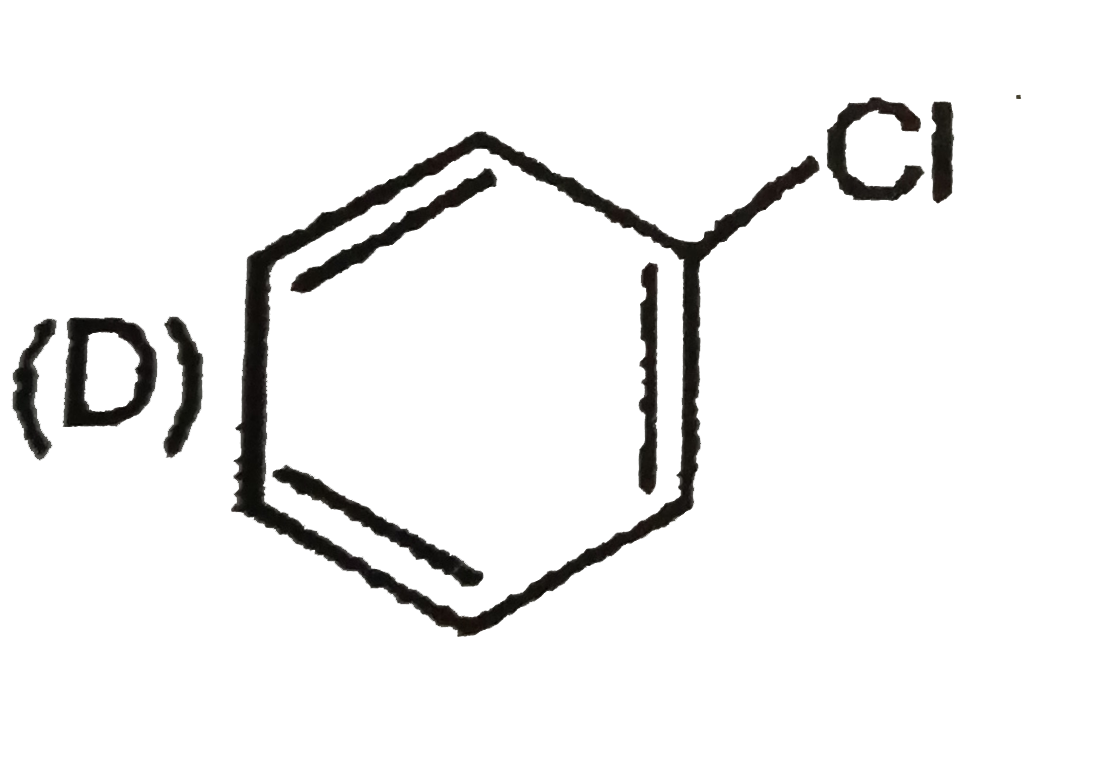
Answer» SUBSTITUTION of THREE ACETYLENE MOLECULES 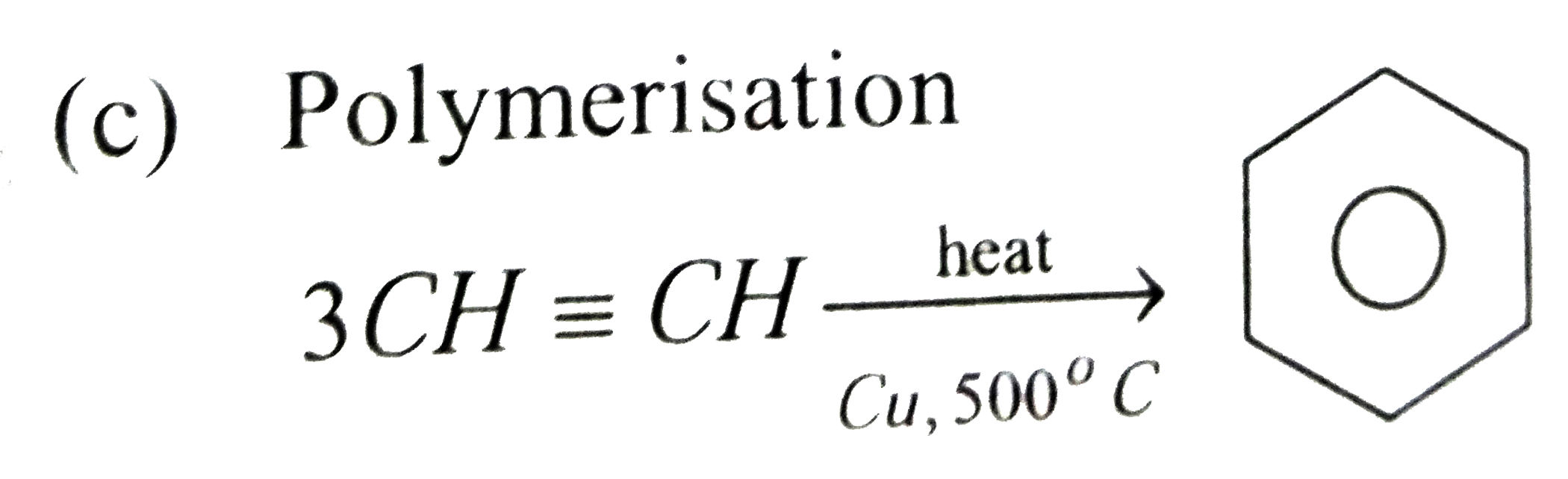
|
|
| 5. |
Benzene is converted to toluene by |
|
Answer» Friedal CRAFT's reaction |
|
| 7. |
How will you bring about the following conversions : (i) Ethanol of acetone (ii) Benzene to acetophenone (iii) Benzoic acid to benzaldehyde. |
Answer» SOLUTION :BENZENE into acetophenone (Friedel-Craft's ACYLATION) : 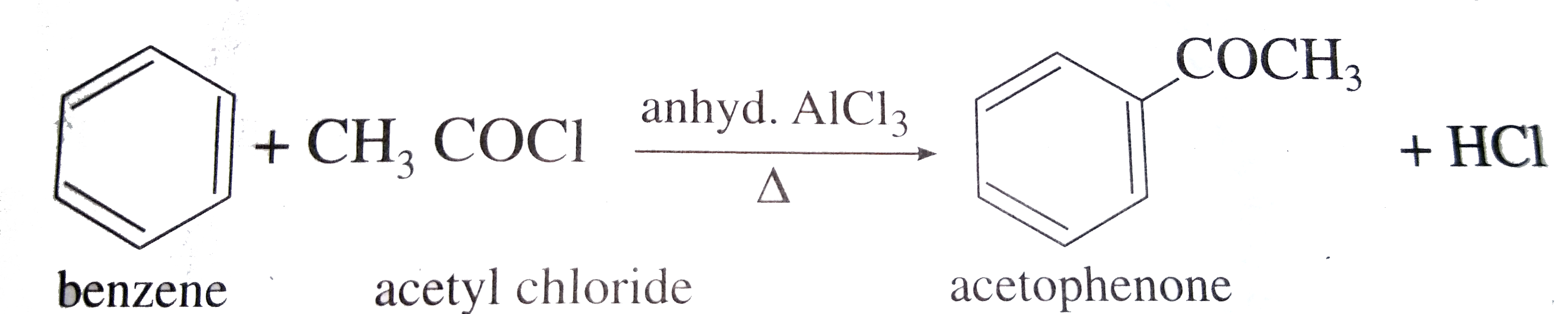 This REACTION is known as Friedel-Craft's acylation. |
|
| 8. |
Benzene hexachloride is used as |
|
Answer» Dye |
|
| 9. |
Benzene hexachloride (BHC) is used as:- |
|
Answer» Dye |
|
| 10. |
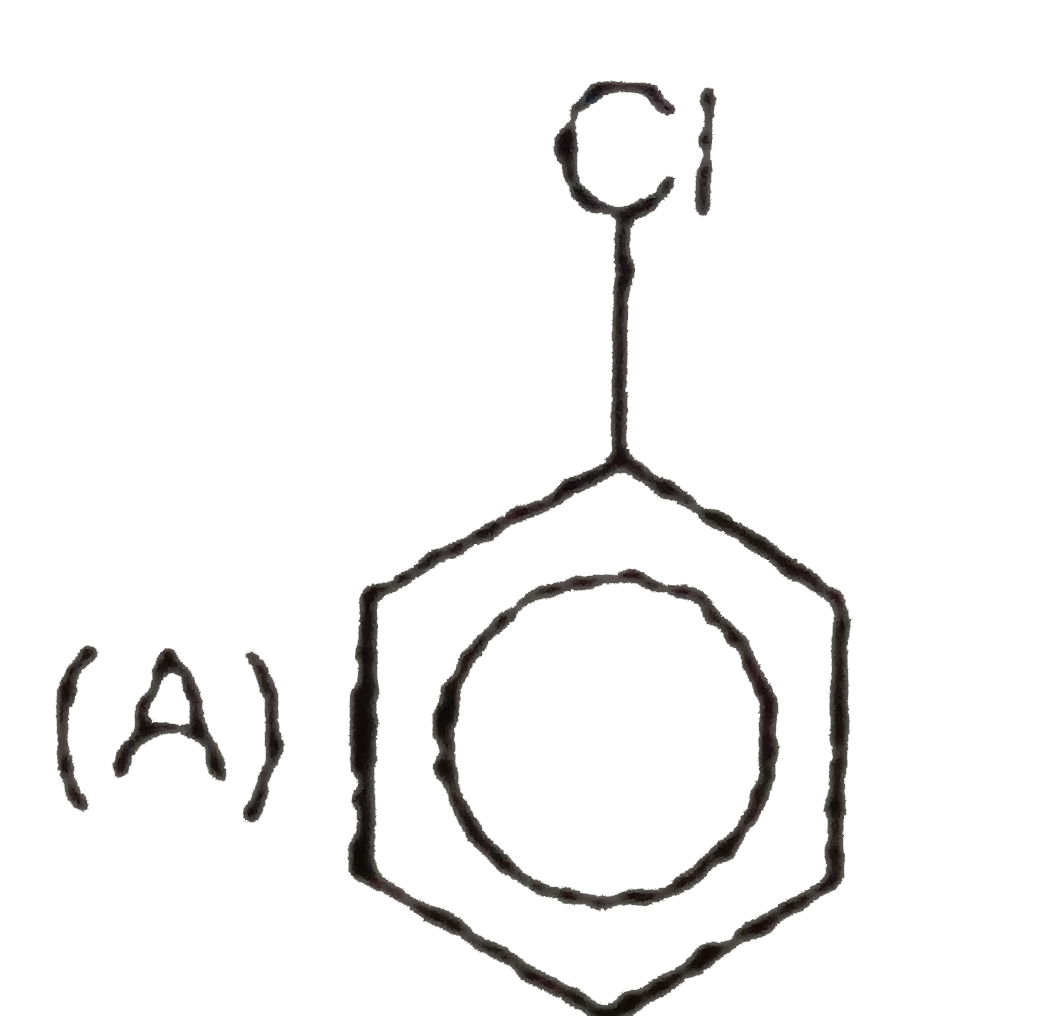
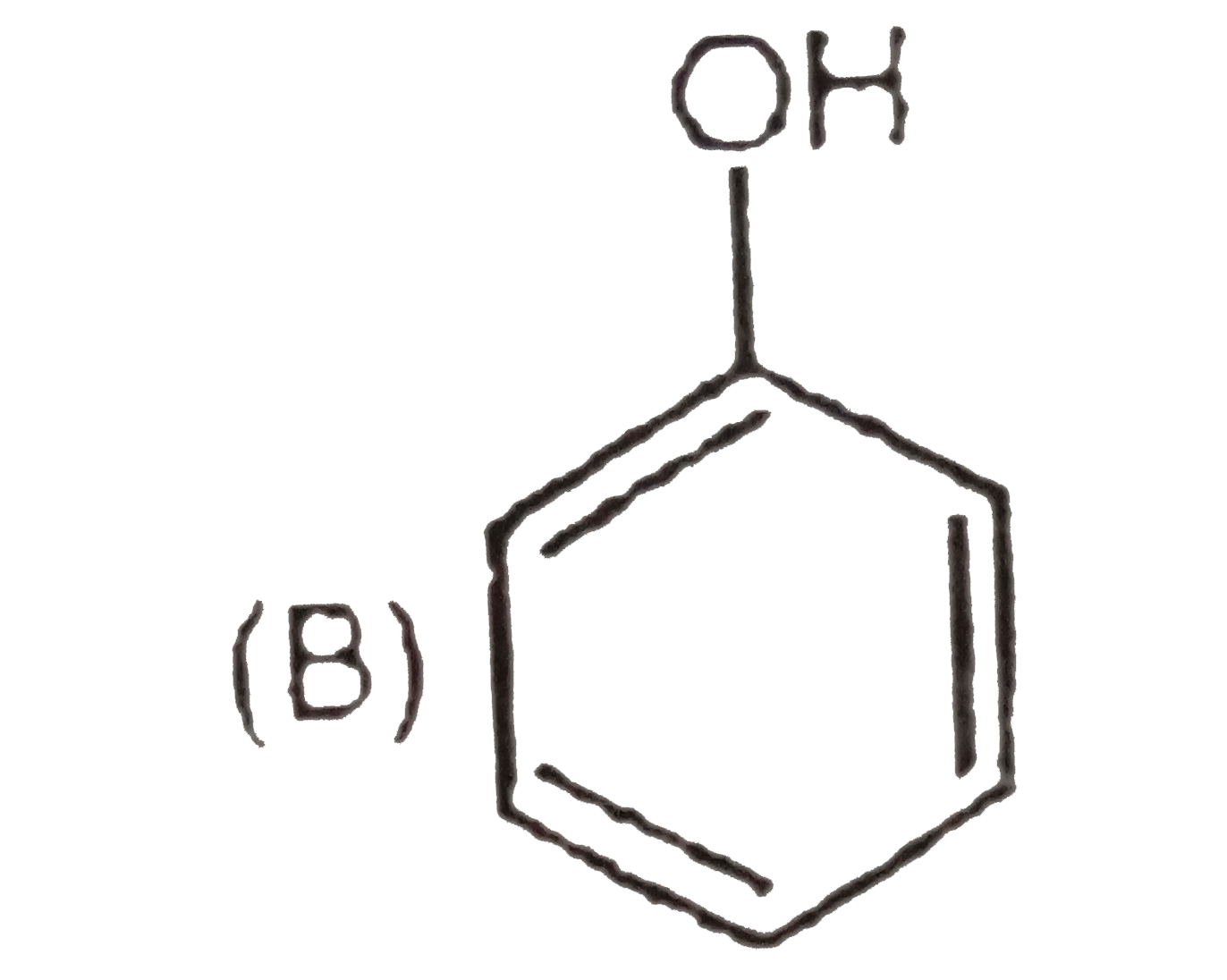
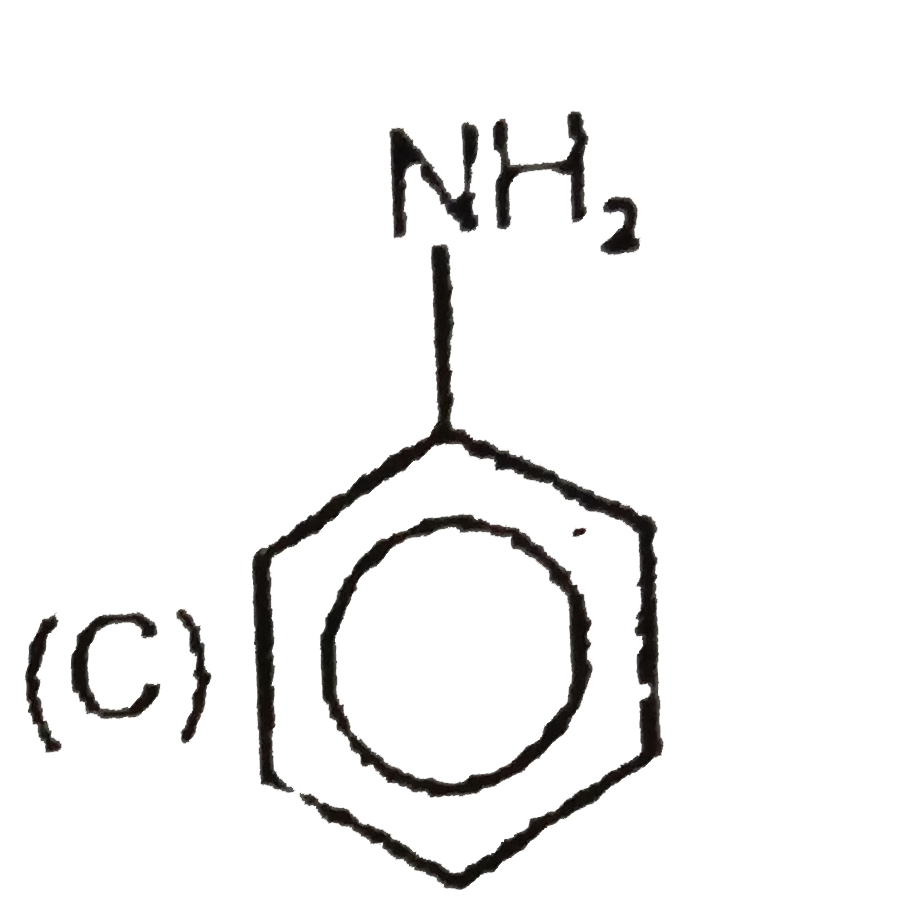
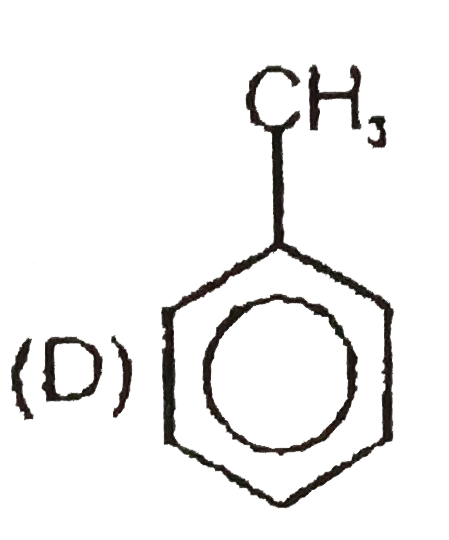
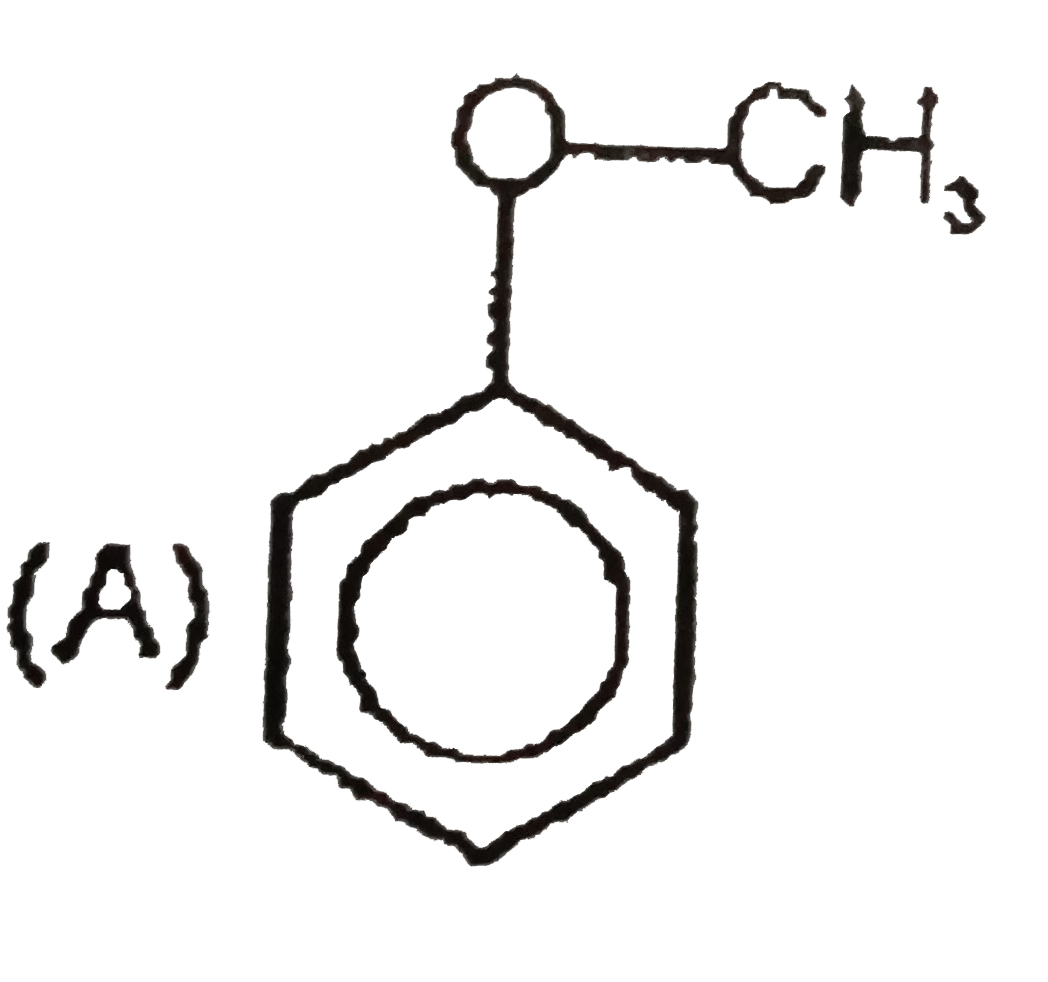
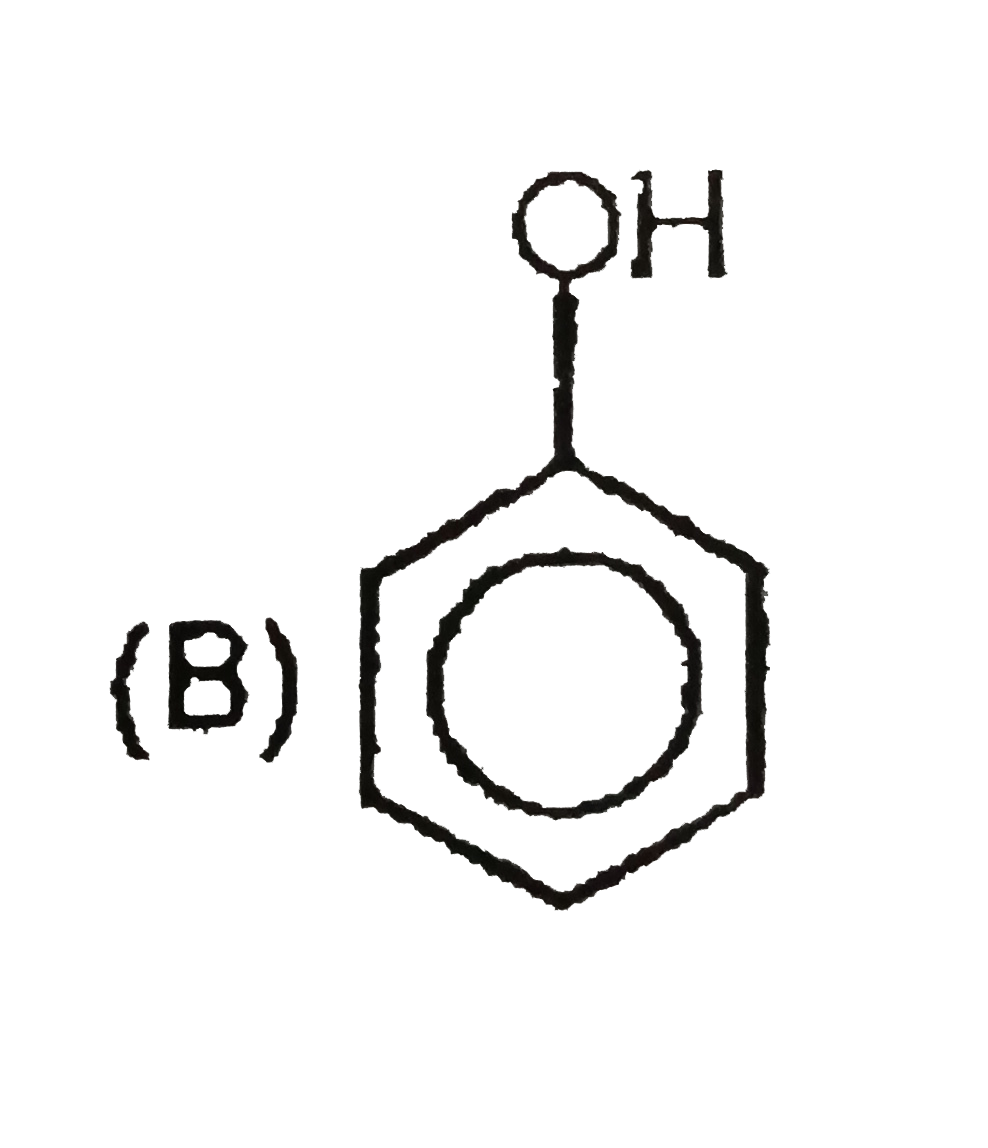
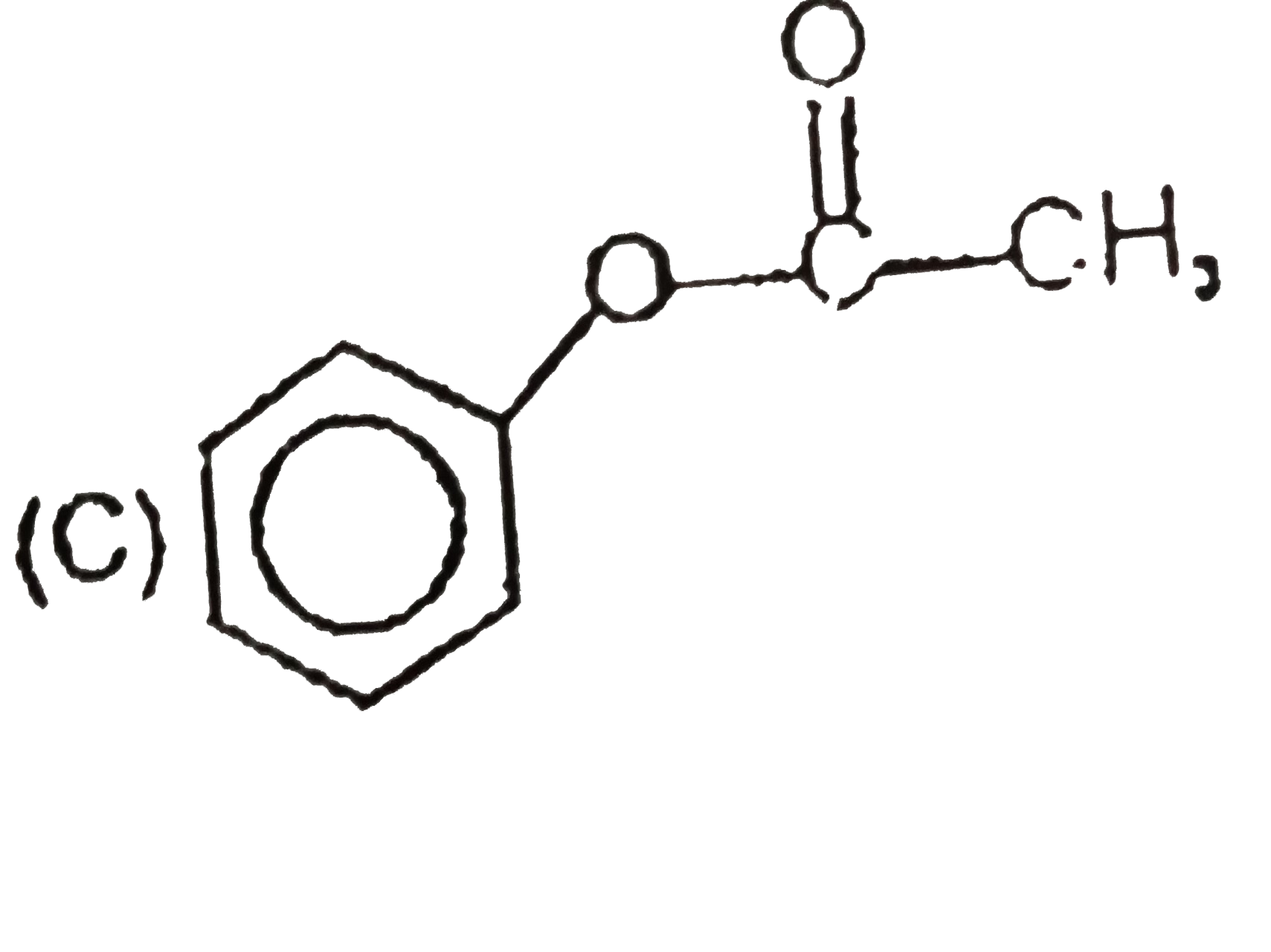
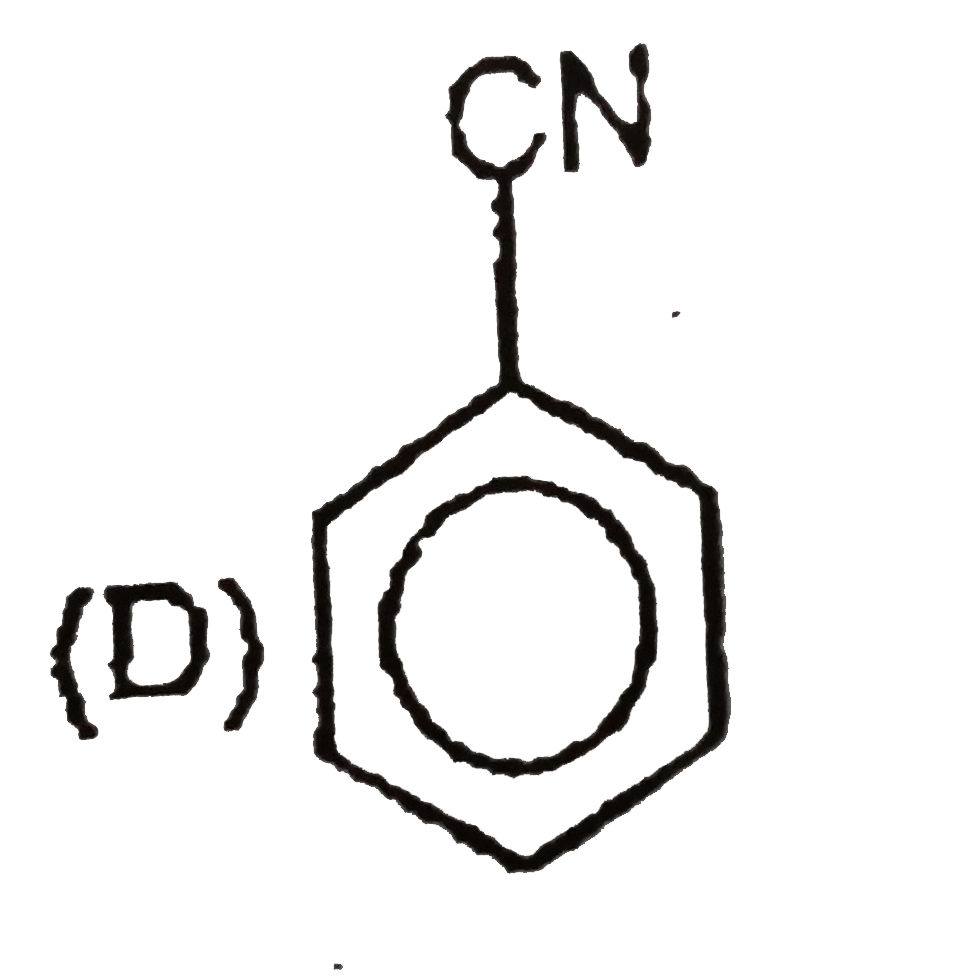
Benzene has six pi electrons delocalized in sex p-orbitals that overlap above and below the plane of the ring. These loosely held pi electrons make the benzene ring e^(-) rich and so it reacts with electrophiles. Benzene follows huckel's rule so it is specially stable. Reactions that keep the aromatic ring intact are therefore favoured. Which of the following is less reactive than benzene in electrophilic aromatic substitution |
|
Answer» <P> |
|
| 11. |
Benzene has six pi electrons delocalized in sex p-orbitals that overlap above and below the plane of the ring. These loosely held pi electrons make the benzene ring e^(-) rich and so it reacts with electrophiles. Benzene follows huckel's rule so it is specially stable. Reactions that keep the aromatic ring intact are therefore favoured. Which of the following will decrease the e^(-) density from the ring in electrophilic aromatic substitution |
|
Answer»
|
|
| 12. |
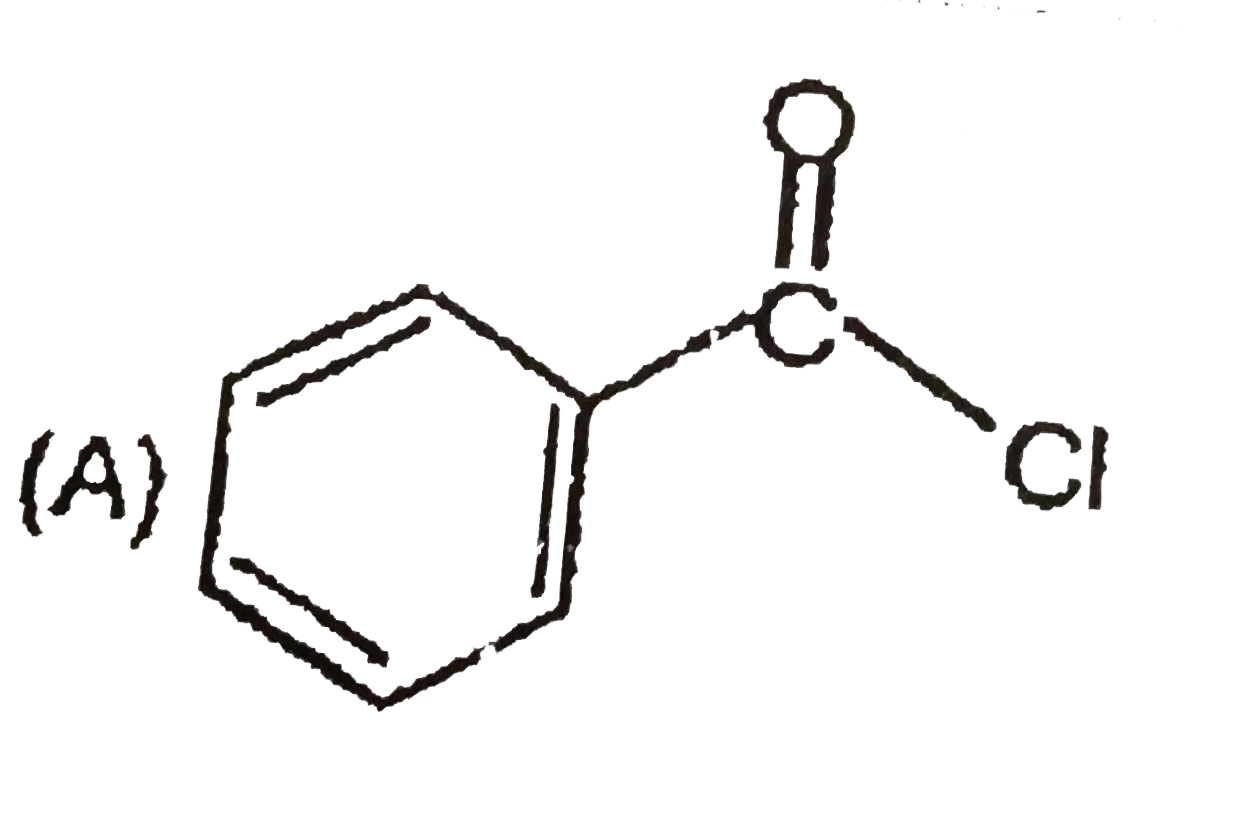
Benzene has six pi electrons delocalized in sex p-orbitals that overlap above and below the plane of the ring. These loosely held pi electrons make the benzene ring e^(-) rich and so it reacts with electrophiles. Benzene follows huckel's rule so it is specially stable. Reactions that keep the aromatic ring intact are therefore favoured. What acid chloride would be needed to prepare the following ketones from benzene using Friedel-Crafts acylation. |
|
Answer»
Total moles = 2.8 at equilibrium `K_(C )=(0.8xx0.8)/(1.2)((1)/(2))^(1)=(4)/(15)=0.267` |
|
| 13. |
Benzene does not undergo addition reactions easily because : |
|
Answer» it has a CYCLIC STRUCTURE |
|
| 14. |
Benzene does not form addition compound because |
|
Answer» it has RING structure |
|
| 16. |
Benzene diazoniumchorideon acid hydrolysis gives |
|
Answer» benzene |
|
| 17. |
Benzene diazonium fluoro borate on heating to dryness yields |
|
Answer» Fluorobenzene |
|
| 18. |
Benzene diazonium chloride with phenol ti give : |
|
Answer» p-hydroxy azobenzene |
|
| 20. |
Benzene diazonium chloride when reduced with sodium sulphite yields |
|
Answer» Chlorobenzene |
|
| 22. |
Benzene diazonium chloride reacts with hypophosphorus acid to give : |
|
Answer» Phenol 
|
|
| 23. |
Benzene diazonium chloride react with phenol to give |
|
Answer» <P>Diazobenzene |
|
| 25. |
Benzene diazonium chloride on treatment with KCN in the presence of copper powder gives : |
|
Answer» BENZANILIDE |
|
| 26. |
Benzene diazonium chloride on treatment with KCN in presence of Cu powder gives |
|
Answer» benzene |
|
| 27. |
How does benzene diazonium chloride react with : Water |
| Answer» Answer :D | |
| 28. |
T/F - Benzene diazonium chloride on warming with water gives benzyl alcohol. |
| Answer» Answer :D | |
| 29. |
How does benzene diazonium chloride react with : Phenol |
|
Answer» <P>DIPHENYL ETHER |
|
| 30. |
Benzene diazonium chloride on reaction with phenol in weakly basic medium gives |
|
Answer» DIPHENYL ETHER 
|
|
| 31. |
Benzene diazonium chloride on reaction with phenol in weakly basic medium gives : |
|
Answer» DIPHENYL ether |
|
| 32. |
Benzene diazonium chloride on reaction with KCN in the presence of CuCN yields X. X on hydrolysis yields Y. Y can also be obatained from |
|
Answer» Toluene by the ACTION of `Cl_(2)//FeCl_(3)` |
|
| 33. |
Benzene diazonium chloride on reaction with phenol in weakly basic medium gives……………………. . |
| Answer» Solution :P-hydroxy azo benzene | |
| 34. |
Benzene diazonium chloride on heating with very dilute H_(2)SO_(4) gives |
|
Answer» Benzene sulphonic acid 
|
|
| 35. |
Benzene diazonium chloride on boiling with dilute H_(2)SO_(4) gives |
|
Answer» Cresol |
|
| 36. |
Benzene diazonium chloride is converted in to iodobenzene by use of |
| Answer» Answer :A | |
| 37. |
Benzene diazoniumchloride is reacted with KI gives |
|
Answer» iodobenzene |
|
| 38. |
Benzene diazonium chloride is converted into phenol by |
|
Answer» oxidation |
|
| 39. |
Benzene diazonium chloride in aqueous solution decomposes according to the equation C_6H_5N_2Cl rarrC_6H_5Cl+N_2 . Starting with an initial concentration of 10 "g L"^(-1),the volume of N_2 gas obtained at 50^@C at different intervals of time was found to be as under : {:(t(min):,6,12,18,24,30,oo),("Vol. of "N_2(ml):,19.3,32.6,41.3,46.5,50.4,58.3):} Show that the above reaction follows the first order kinetics. What is the value of the rate constant ? |
|
Answer» Solution :For a FIRST order reaction `k=(2.303)/tlog.(a)/((a-x))` `k=2.303/tlog.(V_oo)/(V_oo-V_t)` In this case, `V_oo=58.3` ml The value of k at DIFFERENT time can be CALCULATED as FOLLOWS :  Since the value of k comes out to the nearly constant , the given reaction is of the first order. The mean value of `k=0.0674 "min"^(-1)`. |
|
| 40. |
Benzene diazonium chloride in aqueous solution decomposes according to the equation C^(6)H^(5)N^(2)Cl rarr C_(6)H_(5)Cl+N_(2) Starting with an initial concentration of 10 g L^(-1), the volume of N_(2) gas obtained at 50^(@)C at different intervals of time was found to be as under : {:("t (min)":,6,12,18,24,30,oo),("Vol. of "N_(2) (ml):,19.3,32.6,41.3,46.5,50.4,58.3):} Show that the above reaction follows the first order kinetic. What is the value of the rate constant ? |
|
Answer» Solution :For a FIRST order REACTION `k=(2.303)/(t)"log"([A_(0)])/([A])` `k=(2.303)/(t)"log"(V_(oo))/(V_(oo)-V_(1))` In the PRESENT case, `V_(oo) = 58.3 ml`. The value of k at different time can be calculated as FOLLOWS. 
|
|
| 41. |
Benzene diazonium chloride forms orange red dye with |
|
Answer» Phenol |
|
| 42. |
Benzene diazonium chloride forms orange red dye with : |
|
Answer» PHENOL |
|
| 43. |
Benzene diazonium chloride can be converted into benzene on treatment with |
|
Answer» `H_(3)PO_(3)` `C_(6)H_(5)N_(2)Cl+H_(3)PO_(2)+H_(2)O overset(Cu^(+))rarr C_(6)H_(6)+N_(2)+HCl+H_(3)PO_(3)` |
|
| 44. |
Benzene carbaldehyde is reacted with concentrated NaOH solution to give the products A and B. The product A can be used food preservative and the product B is an aromatic hydroxy compound where OH group is linked to sp^3 hybridised carbon atom next to Benzene ring. The products A and B are respectively, |
|
Answer» SODIUM benzoate and phenol  This is CANNIZZARO REACTION where one molecule gets reduced to alcohol and other gets oxidised to sodium salt of carboxylic acid . Sodium benzoate is used as a fodd preservative . |
|
| 45. |
Benzene carbaldehyde is reacted with concentrated NaOH solution to give the products A and B. The product A can be used food preservative and the product B is an aromatic hydroxy compound where OH group is linked to sp^(3) hybridised carbon atom next to Benzene ring. The products A and B are respectively. |
|
Answer» Sodium benzoate and phenol |
|
| 46. |
Benzene diazonium chloride (A) decoposes into chlorobenzene (B) and N_(2) (g) in first order reaction. Volumes of N_(2) collected after 5 min and at the complete decomposition of A are 10 mL. and 50mL respectively. The are constant for the reaction is |
|
Answer» `0.446"MIN"^(-1)` |
|
| 47. |
Benzene carbaldehyde is reacted with concentratedNaOH solution, to give the products 'A' and 'B'. The prodcut 'B' is an aromatic hydroxy compounds where OH group in linked to sp^(3) hybridised carbon atom next to benzene ring. The products 'A' and 'B' are respectibvely: |
|
Answer» SODIUM BENZOATE and phenol |
|
| 49. |
Benzene can be obtained in the reaction |
|
Answer» ETHENE +1,3-butadiene |
|
| 50. |
Benzene can be obtained by heating either benzoic acid with X or phenol with Y.X and Y are respectively |
|
Answer» Zinc dust and SODA LIME `C_6H_5OH+underset"(y)""Zn"overset"DISTILL"to C_6H_6+ZnO` |
|