Saved Bookmarks
This section includes 7 InterviewSolutions, each offering curated multiple-choice questions to sharpen your Current Affairs knowledge and support exam preparation. Choose a topic below to get started.
| 1. |
The compound that will not give idoform on treatment with alkali and iodine is : |
|
Answer» NACL |
|
| 2. |
The compound that will not form iodoform on treatment with alkali and iodine is |
|
Answer» acetone Hence, ( C ) is the correct answer. |
|
| 3. |
The compound that will not be stable to exhibit stereoisomerism is :1 |
|
Answer» 1,2-Dibromocyclopropane |
|
| 4. |
The compound that will have a permanent dipole moment among the following is |
|
Answer» I 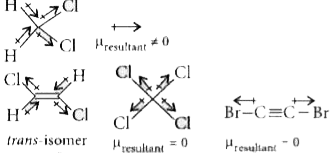
|
|
| 5. |
The compound that will have a permanent dipole moment among the following is- |
|
Answer»
 `C Cl_(4) and C_(2)Br_(2)` are symmetrical MOLECULES. HENCE in `C Cl_(4)`, the resultant of two C-Cl bond moments CANCEL the resultant of other two C-Cl bond MOMENT. Again, in `C_(2)Br_(2)`, two C-Br bond moments cancel out each other. In case of trans-dichloroethane, two C-Cl bond moments are cancelled by each other. Again, two C-H bond moments are cancelled by each other. In `CH_(2)Cl`, the resultant of two CCl bond moments is reinforced by resultant of two C-H bond moments. Therefore `CH_(2)Cl_(2)` (dipole moment = 1.62D) has permanent dipole moment. |
|
| 6. |
The compound that will have a permanent dipole moment among the following |
|
Answer» I  All other COMPOUND have `mu=0` |
|
| 7. |
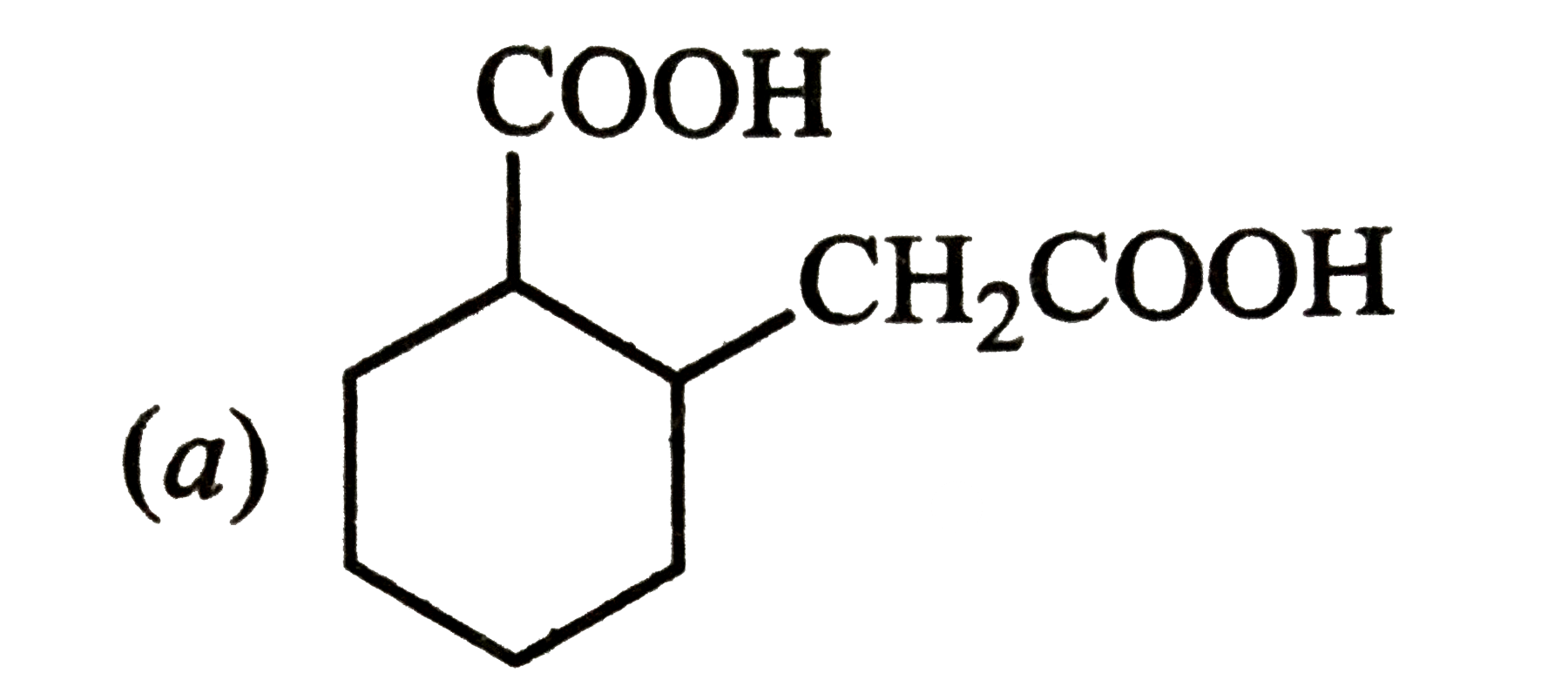
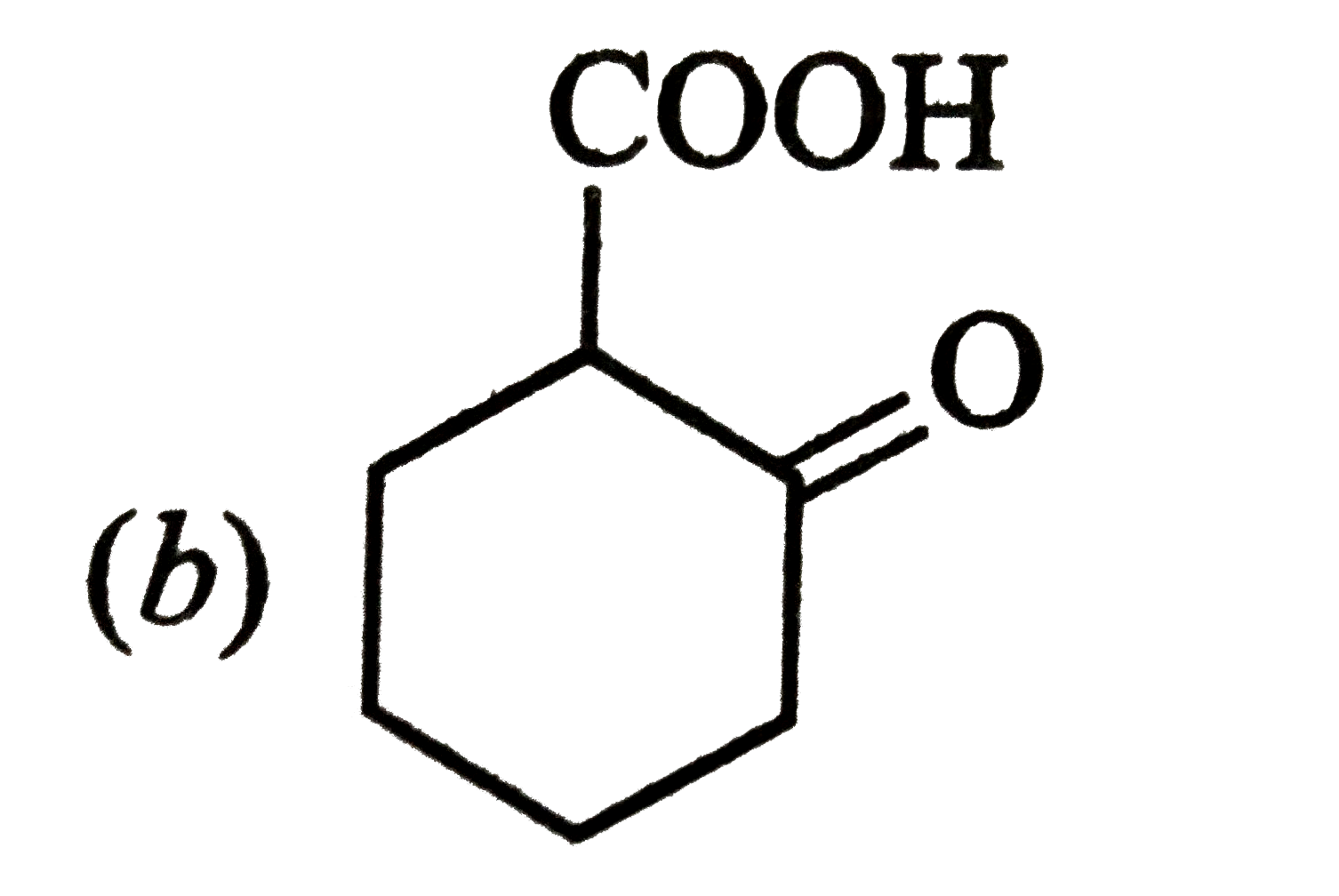
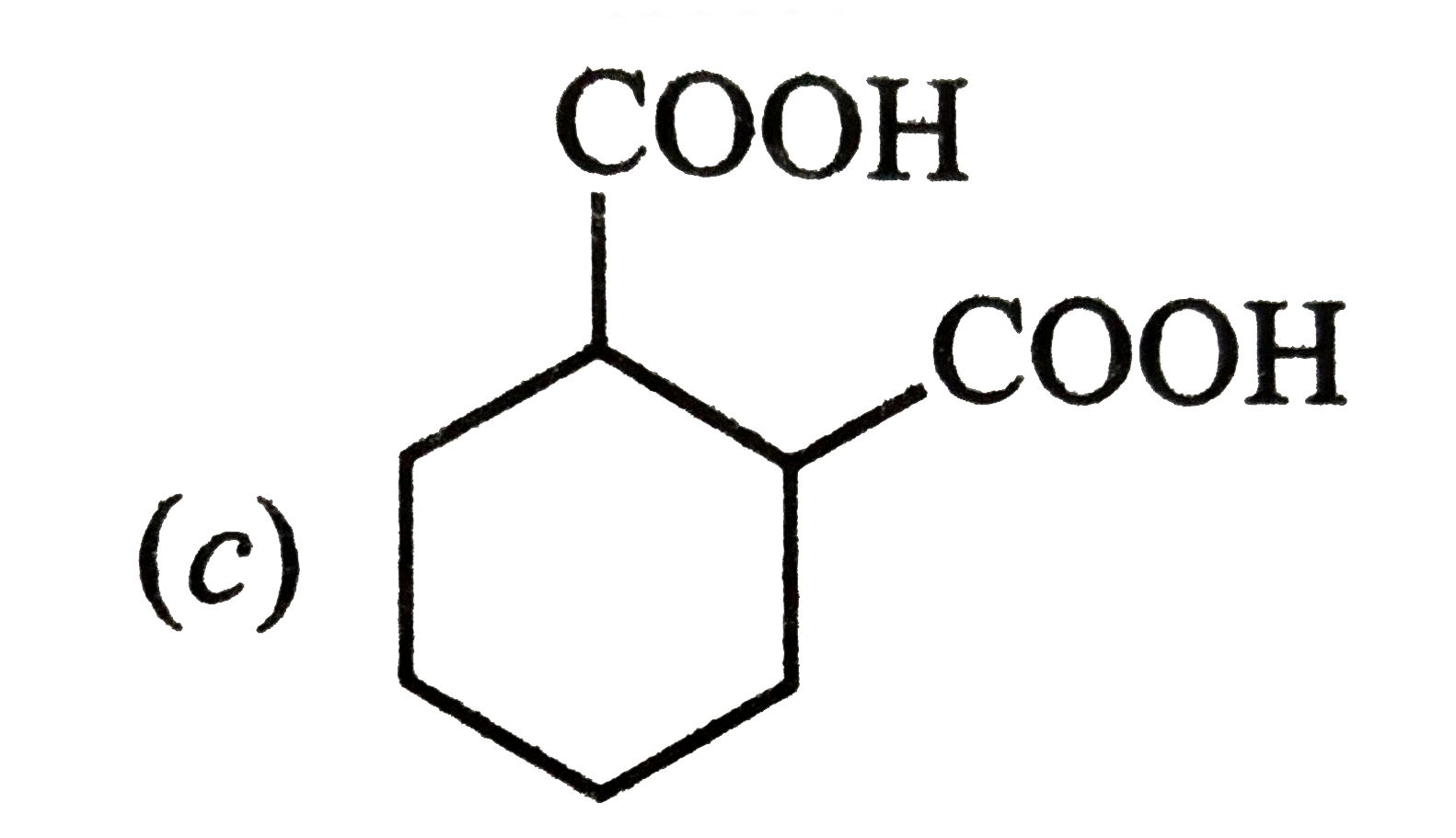
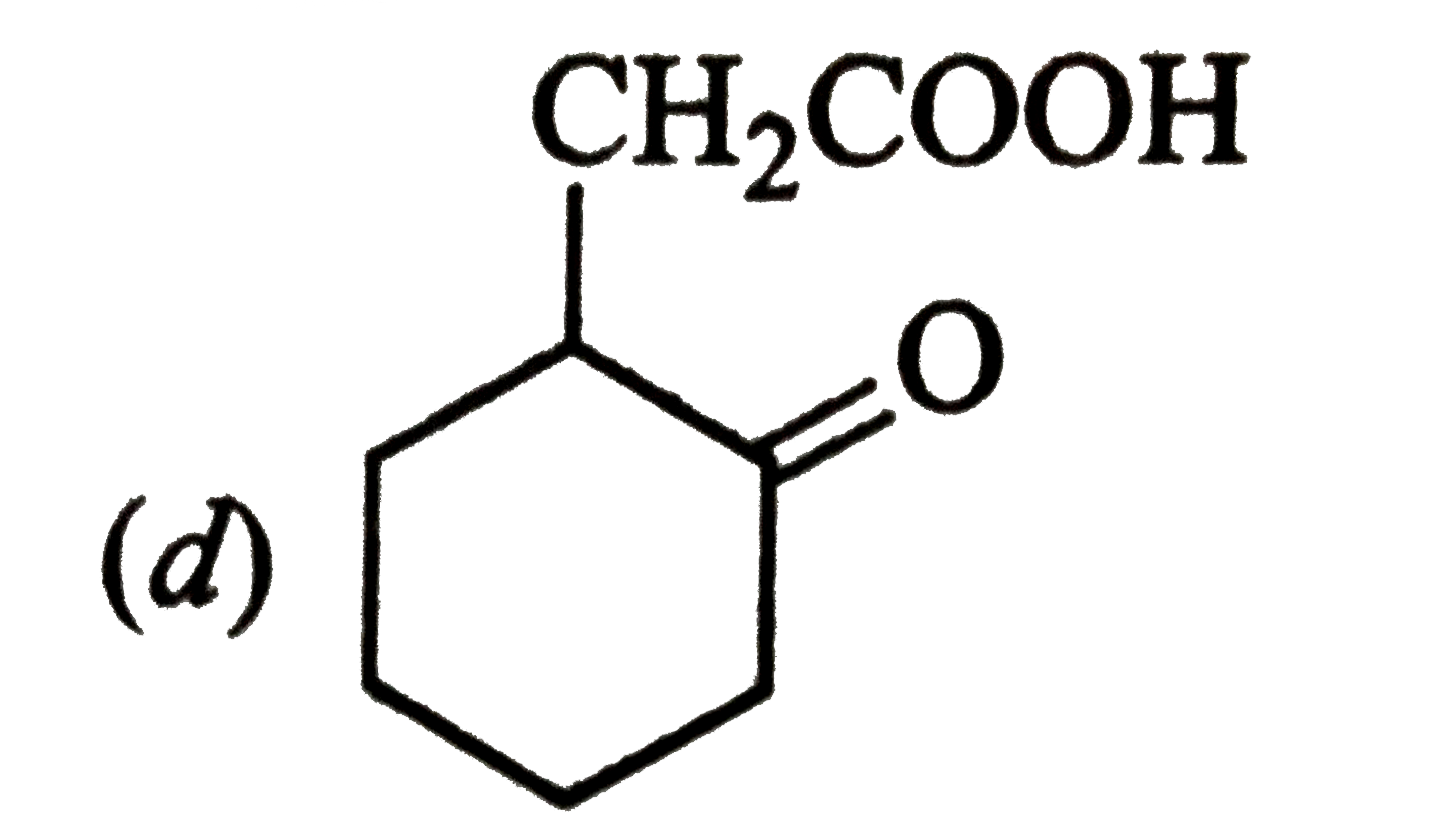
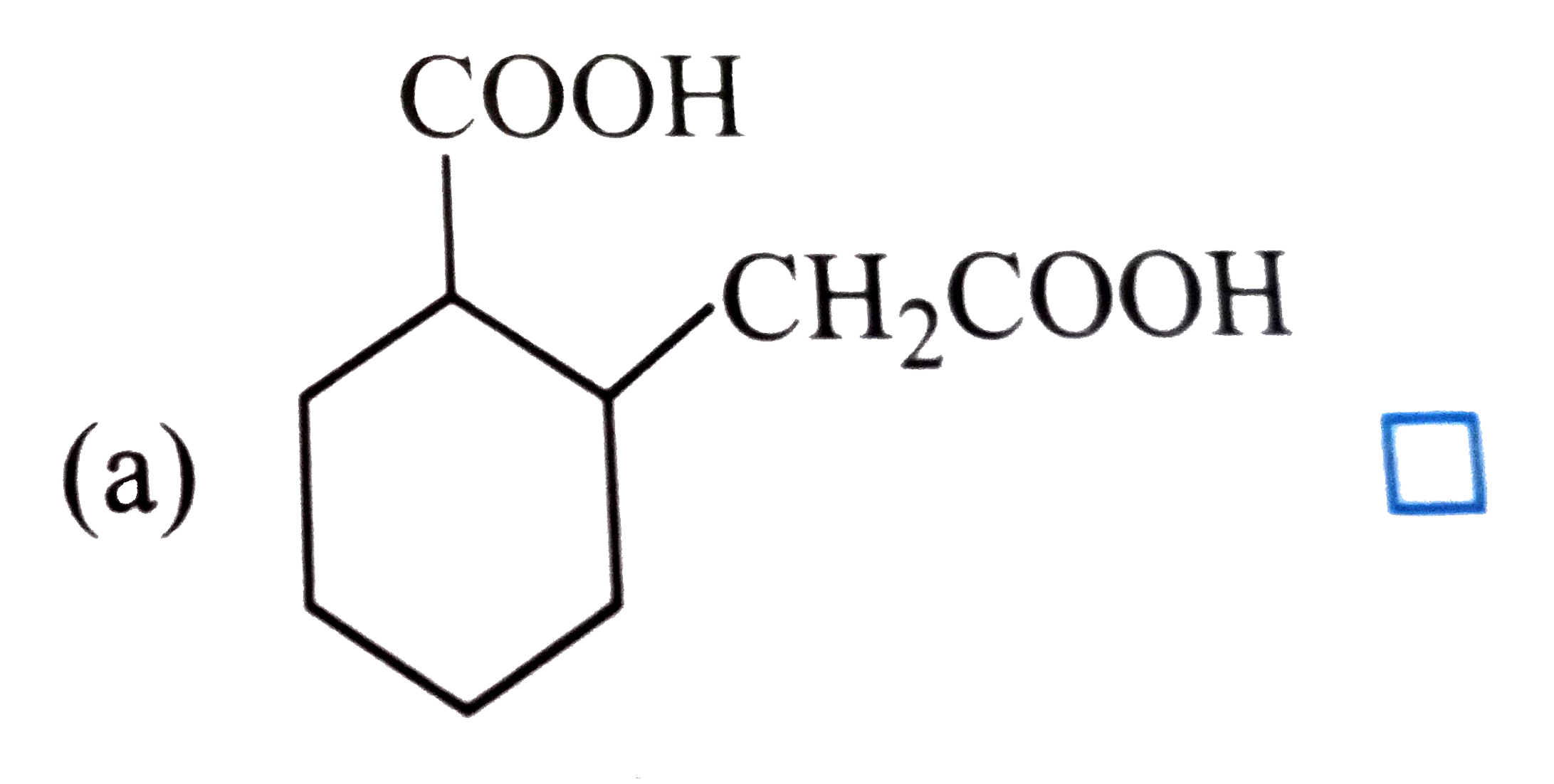
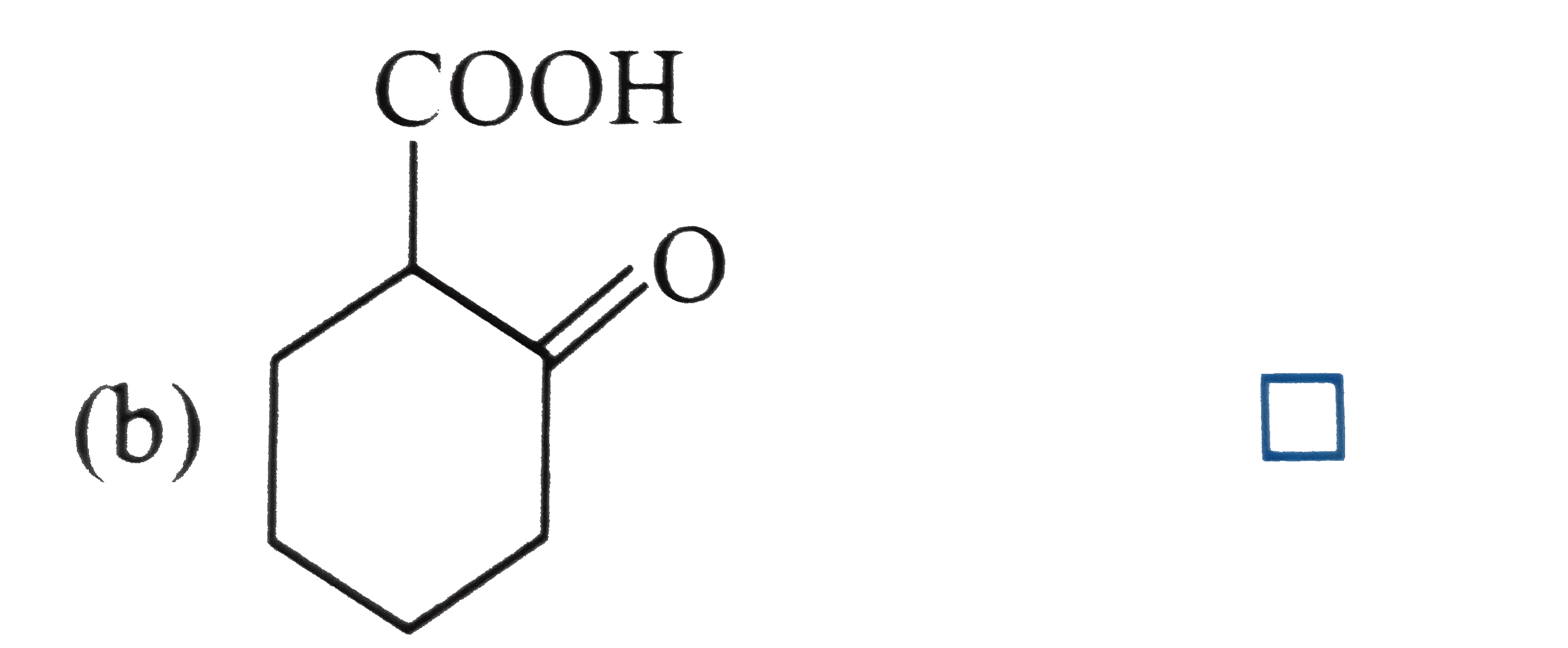
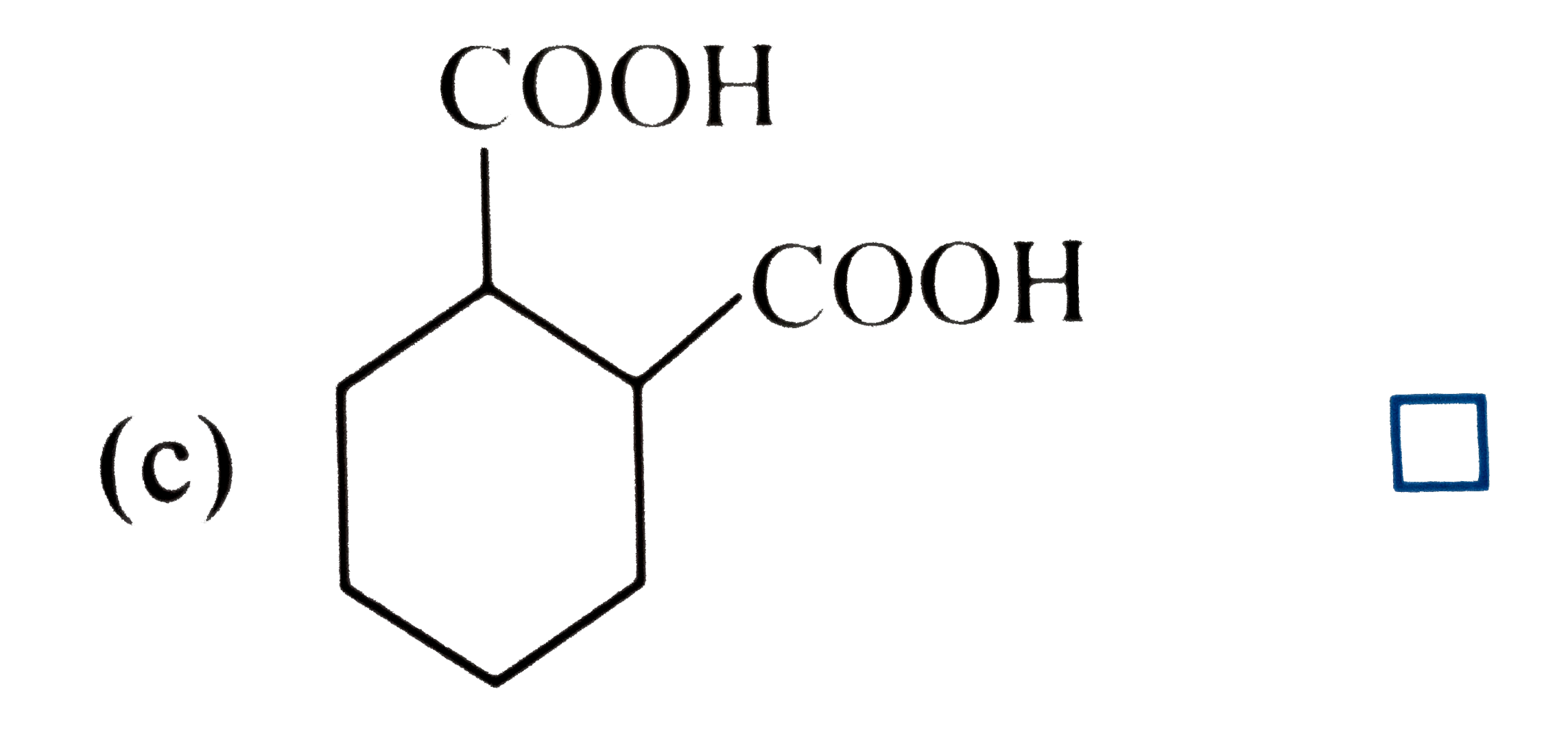
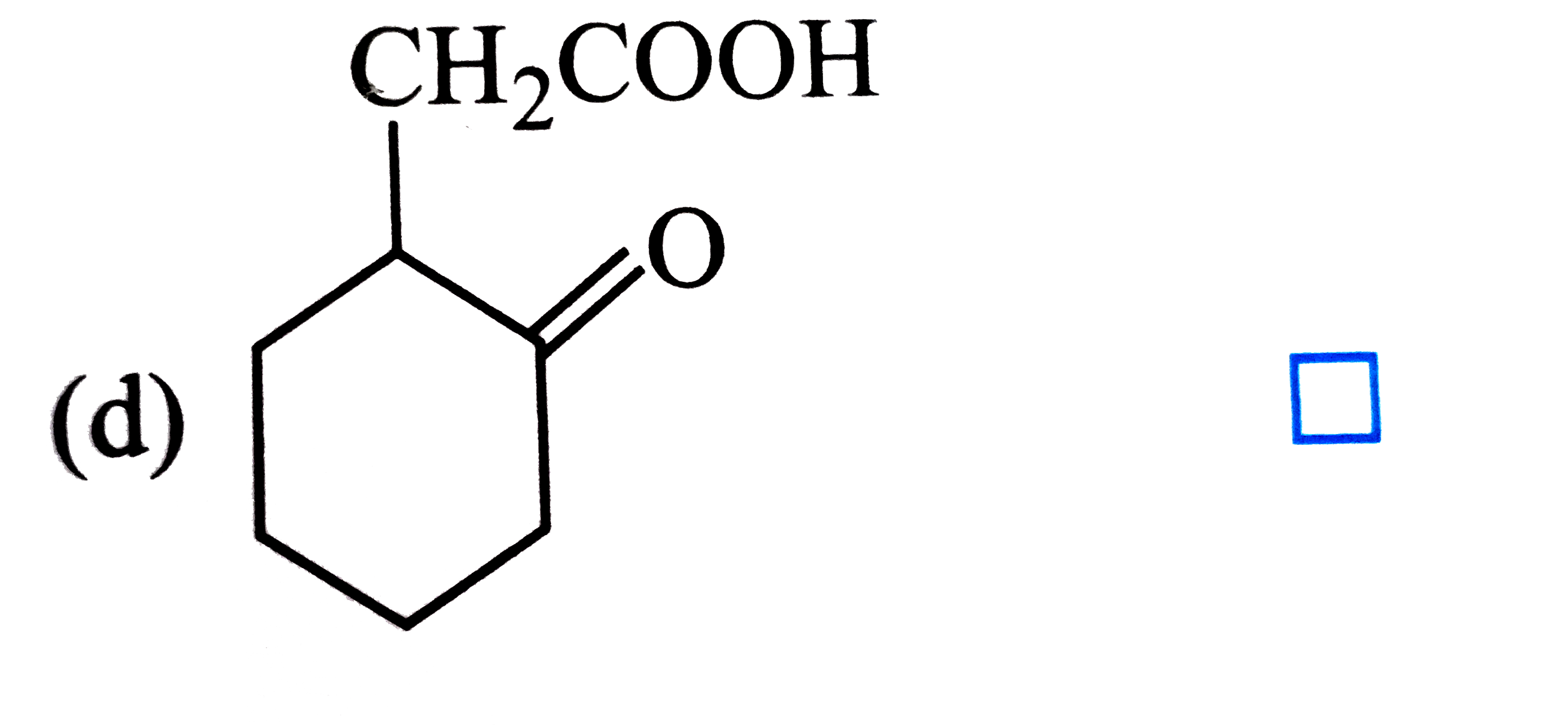
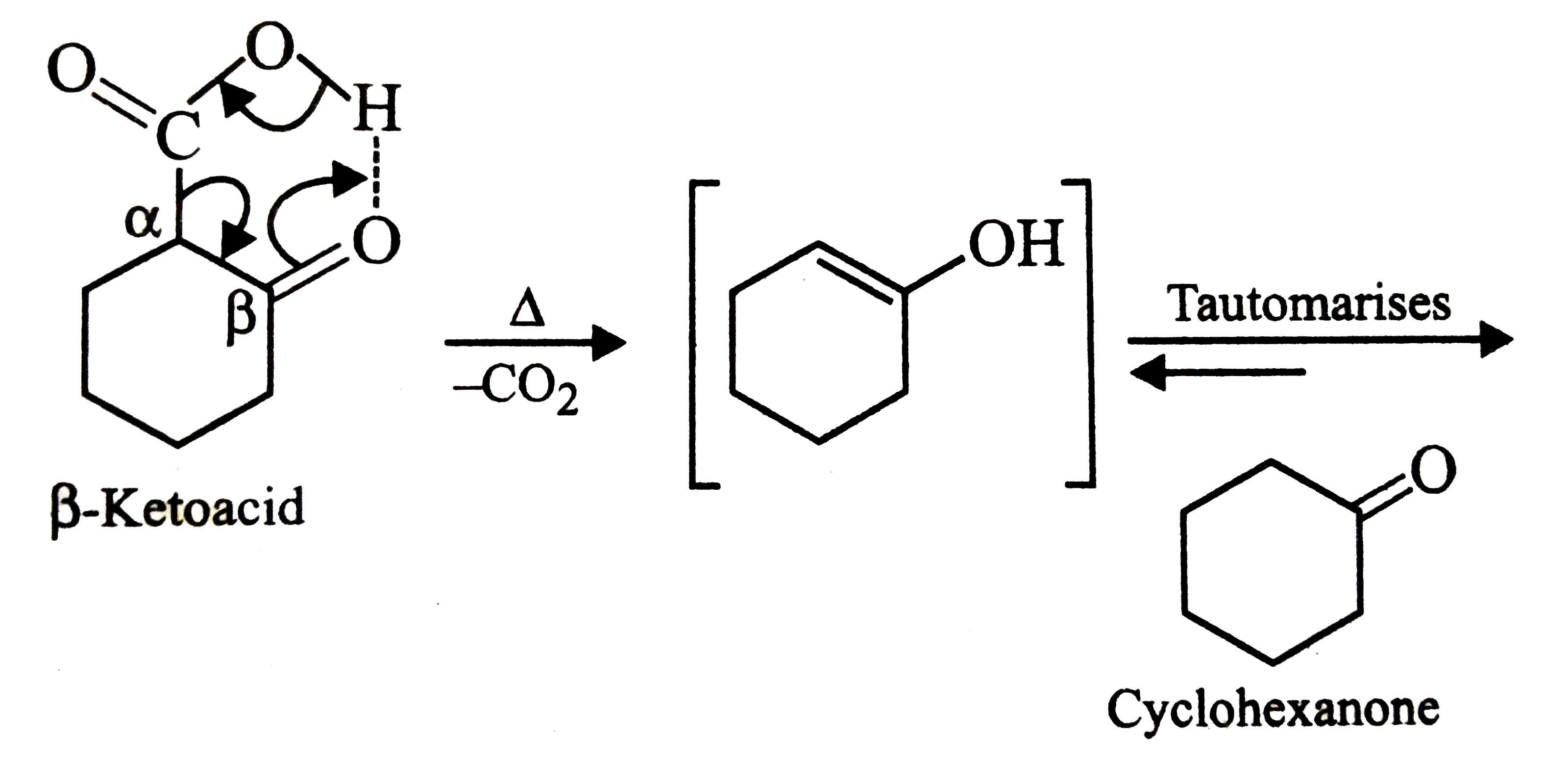
The compound that undergoes decarboxylation most readily under mild conditions is |
|
Answer»
|
|
| 8. |
The compound that undergoes dehydration very easily is |
|
Answer» 2-methylpropan-2-ol |
|
| 9. |
The compound that undergoes decaboxylation most readily under mild condition is : |
|
Answer»
|
|
| 10. |
the compound that readily undergoes decarboxylation is |
|
Answer» `HOOC-(CH_(2))_(4)-COOH` |
|
| 11. |
The compound that reacts with CH_(3)MgBr to yield methane as one of the products is |
|
Answer» `CH_(3)CHO` |
|
| 12. |
The compound that neither forms semicarbazone nor oxime is |
|
Answer» HCHO |
|
| 13. |
The compound that is used in nuclear reactors as protective shields and controls rods is …………… |
|
Answer» MEAL borides |
|
| 14. |
The compound that reacts the fastest with sodium methoxide is |
|
Answer»
|
|
| 15. |
The compound that is used in nuclear reactors as protective shields and control rods is |
|
Answer» METAL borides |
|
| 16. |
The compound that is not a Lewis acid is |
|
Answer» `BF_(3)` |
|
| 18. |
The compound that is most reactive towards electrophilic nitration is |
|
Answer» toluene |
|
| 19. |
The compoundthat ismost reactivetowardselectrophilic nitration is |
|
Answer» TOLUENE |
|
| 20. |
The compound that is most reactive towards electrophilic nitration is : |
|
Answer» TOLUENE |
|
| 21. |
The compound that is most difficult to protonate is |
|
Answer»
|
|
| 22. |
The compound that is most difficult to protonate is ….. |
|
Answer»
|
|
| 23. |
The compound that is explosive in dry state |
|
Answer» `XeO_3` |
|
| 24. |
The compound that has the highest dipole moment is |
|
Answer» cis-1, 2-dichloroethene |
|
| 25. |
The compound that is chiral |
|
Answer» 3-Methyl-3-hexane |
|
| 26. |
The compound that has the higest ionic character associated with the X-Cl bond is : |
|
Answer» `PCl_(5)` |
|
| 27. |
The compound that gives a lactone on heating is |
|
Answer» pentanedioic ACID |
|
| 28. |
The compound that gives chlorine like smell is: |
|
Answer» `CHCl_3` |
|
| 29. |
The compound that exhibits geometricalisomerism is |
|
Answer» `C_2H_5Br` |
|
| 30. |
The compound that exhibit geometrical isomerism is |
|
Answer» `[PT(EN)Cl_(2)]` |
|
| 31. |
The compound that does not undergo Cannizaro reaction is: |
|
Answer» Formaldehyde |
|
| 32. |
The compound that does not show tautomerism is………… |
|
Answer» nitrobenzene |
|
| 33. |
The compound that does not respond to haloform reaction is |
|
Answer» `C_5H_11 CHOHCH_3` |
|
| 34. |
The compound that does not produce nitrogen gas upon thermal decomposition is : |
|
Answer» `(NH_(2))_(2)SO_(4)` `(NH_(4))_(2)SO_(4) overset("heat")to 2NH_(3)+H_(2)SO_(4)` `(NH_(4))_(2)Cr_(2)O_(7) overset("heat") to N_(2)+4H_(2)O + Cr_(2)O_(3)` `(NH_(4))_(2)NO_(2) overset("heat")to N_(2)+2H_(2)O` `Ba(N_(3))_(2) overset("heat") to Ba+3N_(2)` |
|
| 35. |
The compound that does not react with sodium is |
|
Answer» `CH_3OCH_3` |
|
| 36. |
The compound that does NOT liberate CO_(2), on treatment with aqueous sodium bicarbonate solution, is |
|
Answer» Benzoic ACID |
|
| 37. |
The compuond that does no liberate CO_(2) on treatment with aqueous sodium bicarbonate solution is : |
|
Answer» BENZOIC acid |
|
| 38. |
The compound that does not gives a blue colour in Lassaigne's test N is : |
|
Answer» `C_(6)H_(5)-NH_(2)` |
|
| 39. |
The compound that does not liberate CO_(2) gas on treatment with aqueous NaHCO_(3) solution is:- |
|
Answer» Binzoic acid |
|
| 40. |
The compound that does not give a blue colour in Lassaigne's test is |
|
Answer» `C_(6)H_(5)-NH_(2)` |
|
| 42. |
The compound that des not undergo Cannizzaro reaction is |
|
Answer» formaldehyde |
|
| 43. |
The compound that decolourises alk. KMnO_(4) is |
| Answer» Answer :C | |
| 44. |
The compound that causes general antirepressant action on the central nervous system belong to the class of "………" |
|
Answer» analgesics Tranquilisers are a class of chemical compounds USED for the treatment of STRESS, and mild or evenseverse mentaldiseases. Hisamine is a substance which on release produce hypersensitivity to DUST, some drugs etc (i.e., allergy). Antihistamines arethe drugs which interfere with the natural actionof histamine by competing with histamine for binding sites of receptor where histamine exerts its effect. They are anti-allergy drugs. |
|
| 45. |
The compound that causes general antidepresseant action on the central nervous system belongs to the class of |
|
Answer» analgesics |
|
| 46. |
The compound that causes general antidepressant action on the central nervous system belongs to the class of |
|
Answer» analgesics |
|
| 47. |
The compound that causes general antidepressant action on the central nervous system belongs to the class of ........ |
|
Answer» ANALGESICS |
|
| 48. |
The compound that causes general antidepressantaction on the central nervous system belongs to the class of |
|
Answer» ANALGESICS |
|
| 49. |
The compound that causes general antidepressant action on the central nervous system belongs to the class of ________ |
|
Answer» ANALGESICS |
|
| 50. |
The compound that causes general anti depressant action on the central nervous system belongs to the class of... |
|
Answer» analgesics |
|