Saved Bookmarks
This section includes 7 InterviewSolutions, each offering curated multiple-choice questions to sharpen your Current Affairs knowledge and support exam preparation. Choose a topic below to get started.
| 1. |
In the preparation of dextron one of the raw material is lactic acid another is |
|
Answer» GLYCOLIC ACID |
|
| 2. |
In the preparation of compounds of Xe, Bartlett had taken O_(2)^(+) PtF_(6)^(-) is a base compound. This is because ............ |
|
Answer» Both `O_(2)`and XE have same size. |
|
| 3. |
In the preparation of chlorobenzene from aniline, the most suitable reagent is |
|
Answer» Chlorine in the PRESENCE of ultraviolet light 
|
|
| 4. |
In the preparation of compounds of Xe, Bartlett had taken O_(2)^(+) PtF_(6)^(-) as a base compound. This is because |
|
Answer» both `O_(2)` and Xe have same SIZE |
|
| 5. |
In the preparation of compounds of Xe, Bartlett had taken O_(2)^(+) Pt F_(6)^(-)as a base compound. This is because |
|
Answer» both `O_2` and Xe have same size |
|
| 6. |
In the preparation of compounds of Xe, Bartlett had taken O_(2)^(+)PtF_(6)^(-) as a base compound. This is because |
|
Answer» both `O_2` and XE have same size |
|
| 7. |
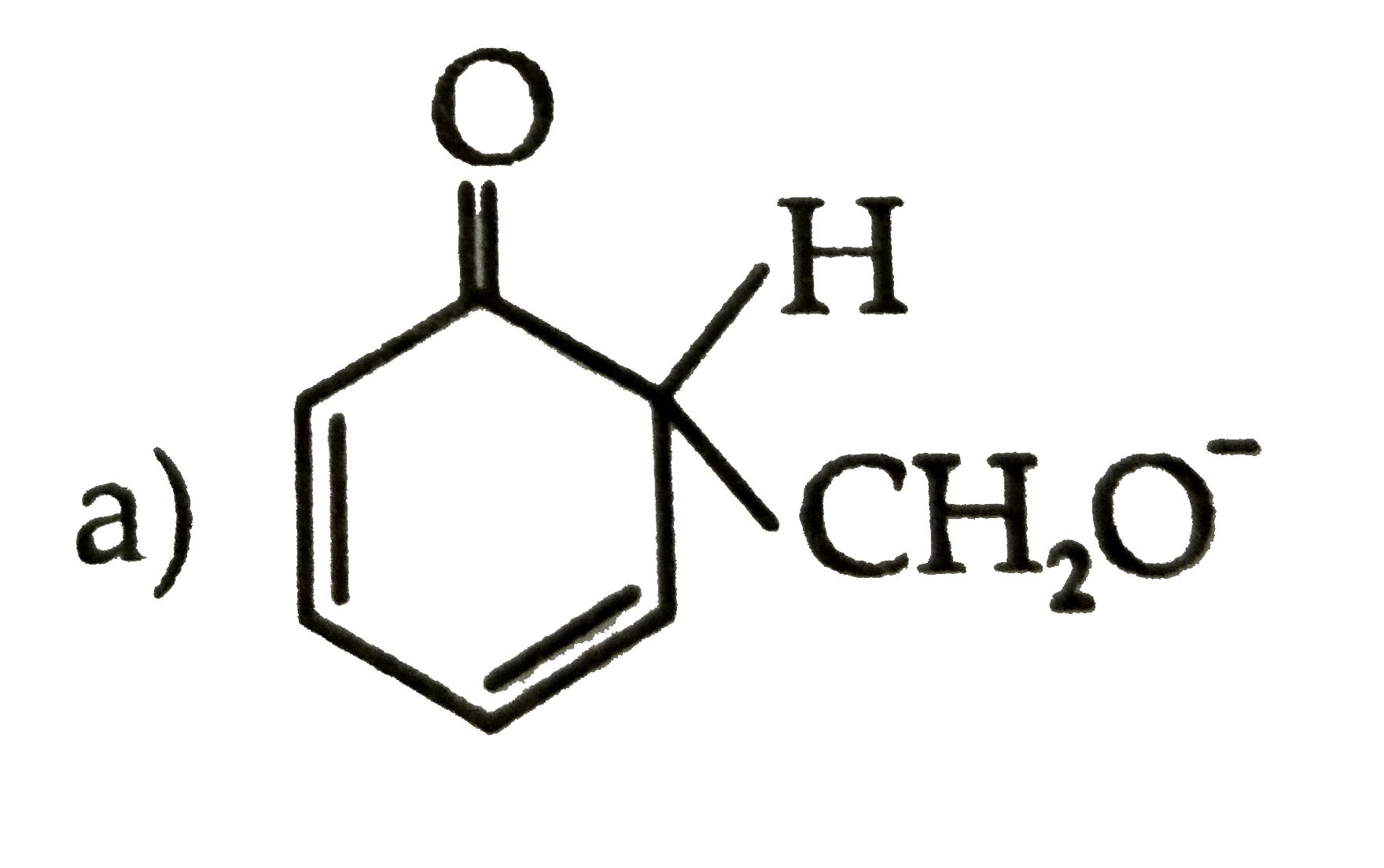
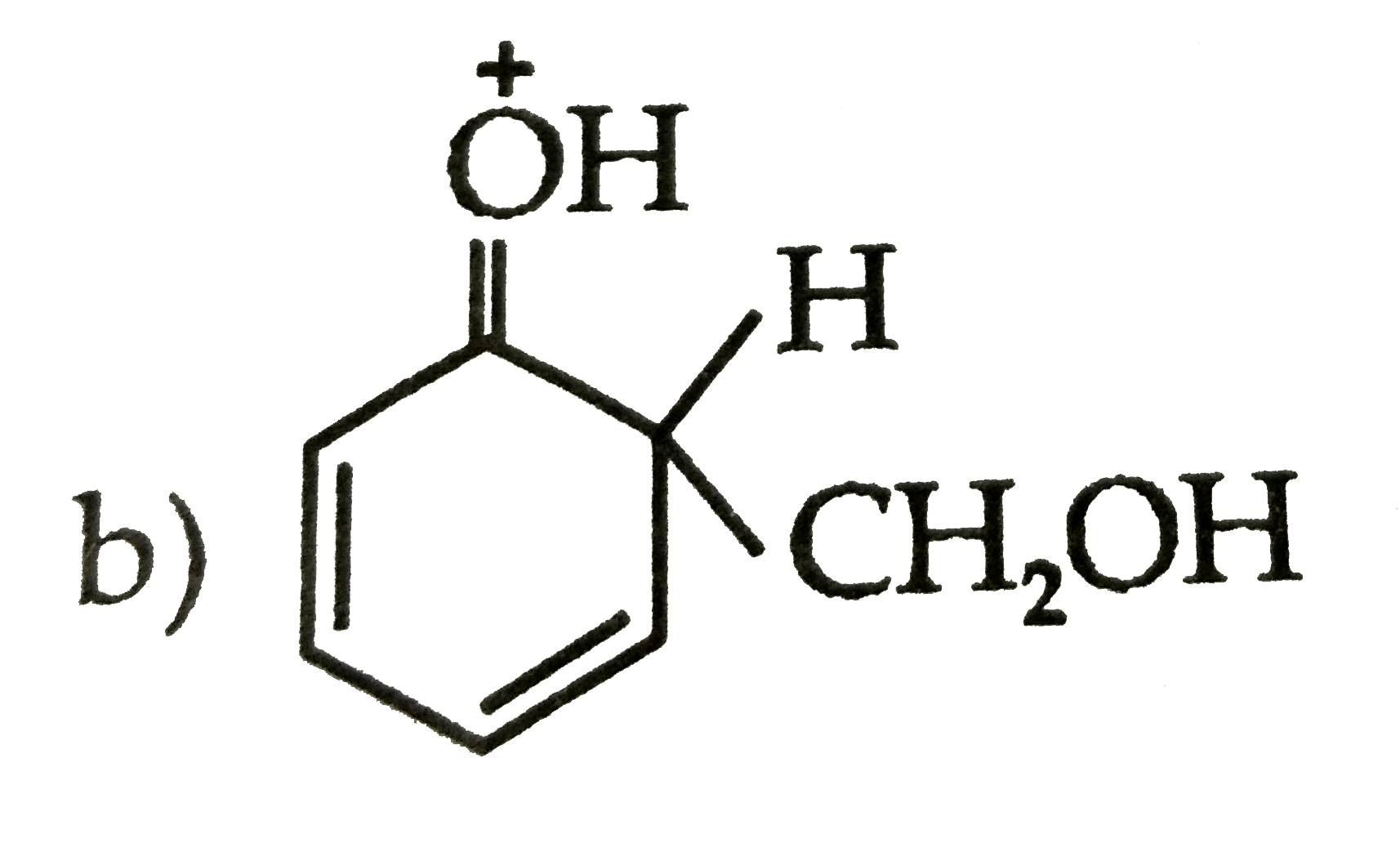
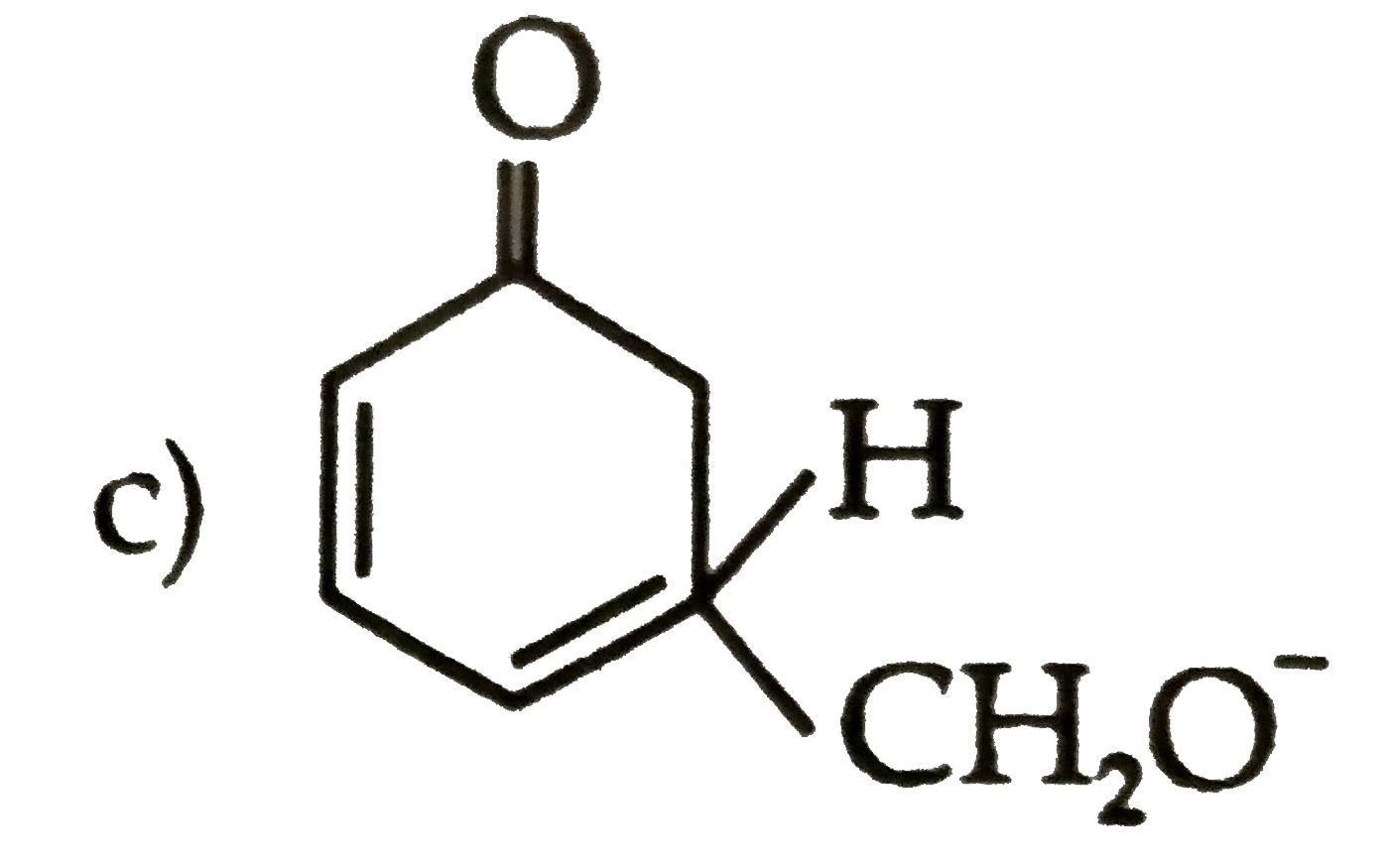
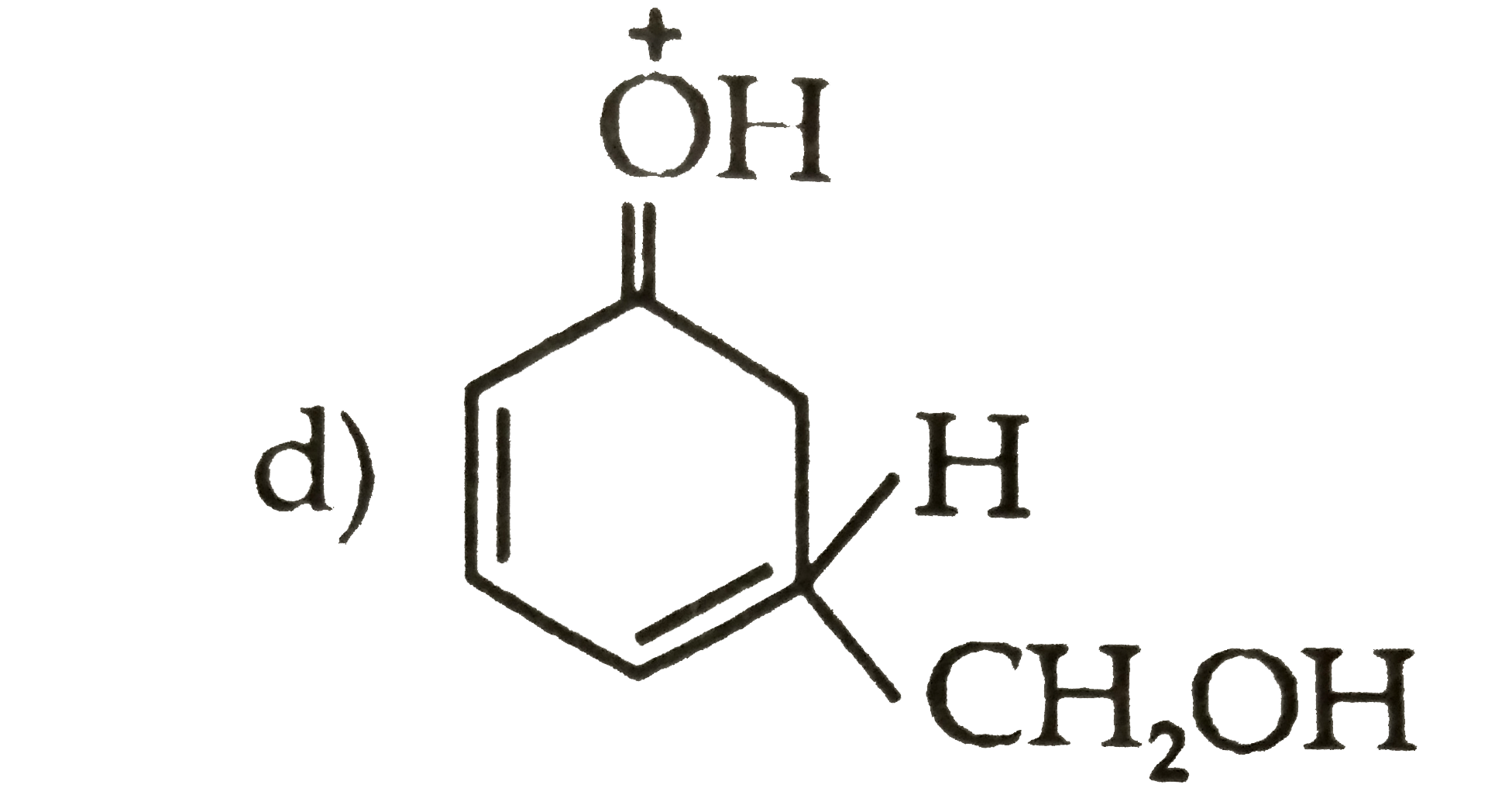
In the preparation of bakelite polymer by using base catalyst , the intermediate species formed from phenol and formaldehyde is |
|
Answer»
|
|
| 8. |
In the preparation of aromatic ether one of the reactant is sodium phenoxide, another ts |
|
Answer» R-OH |
|
| 9. |
In the preparation of chlorine from HCI,MnO_2 act as : |
|
Answer» REDUCING agent |
|
| 10. |
In the preparation of amines by Gabriel phthalimide synthesis the second product that is obtained is |
|
Answer» phthalimide |
|
| 11. |
In the preparation of amorphous silicon, HF acid is used to remove |
|
Answer» Mg |
|
| 12. |
In the preparation of an ester the commonly used dehydrating agent is : |
|
Answer» Phosphorus pentoxide |
|
| 13. |
In the preparation of an ester , the commonly used dehydrating agent is : |
|
Answer» PHOSPHORUS pentoxide |
|
| 14. |
In the preparation of alkyl halide from alkene and halogen which of the following reaction is involved |
|
Answer» FREE radical substitution |
|
| 15. |
In the preparation of alkanes from hydrogenation ofalkenes and alkynes. Finely divided catalysts are used which of the following statement(s) is/are correct regarding these catalysts (i) Platinum and palladium catalyse the reaction at room temperature. (ii) Nickel catalyse the reaction at relatively higher temperature and pressure. (iii)Platinum and palladium catalyse the reaction at higher temperature. |
|
Answer» I and iii |
|
| 16. |
In the preparation of acetic acid from acetaldehyde the catalyst used in …… |
| Answer» SOLUTION :Rh/Ir COMPLEX | |
| 17. |
In the preparation of alkanes, a concentrated aqueous solution of sodium or potassium salts of saturated carboxylic acid are subjected to |
|
Answer» HYDROLYSIS |
|
| 18. |
In the preparaiton of O_2 from KClO_3, MnO_2 acts as |
|
Answer» Activator |
|
| 19. |
In the precipitation of the iron group in qualitative analysis, amonium chloride is added before adding ammonium hydroxide to |
|
Answer» DECREASE concentration of `OH^(-)` ions V and VI group hydroxides as 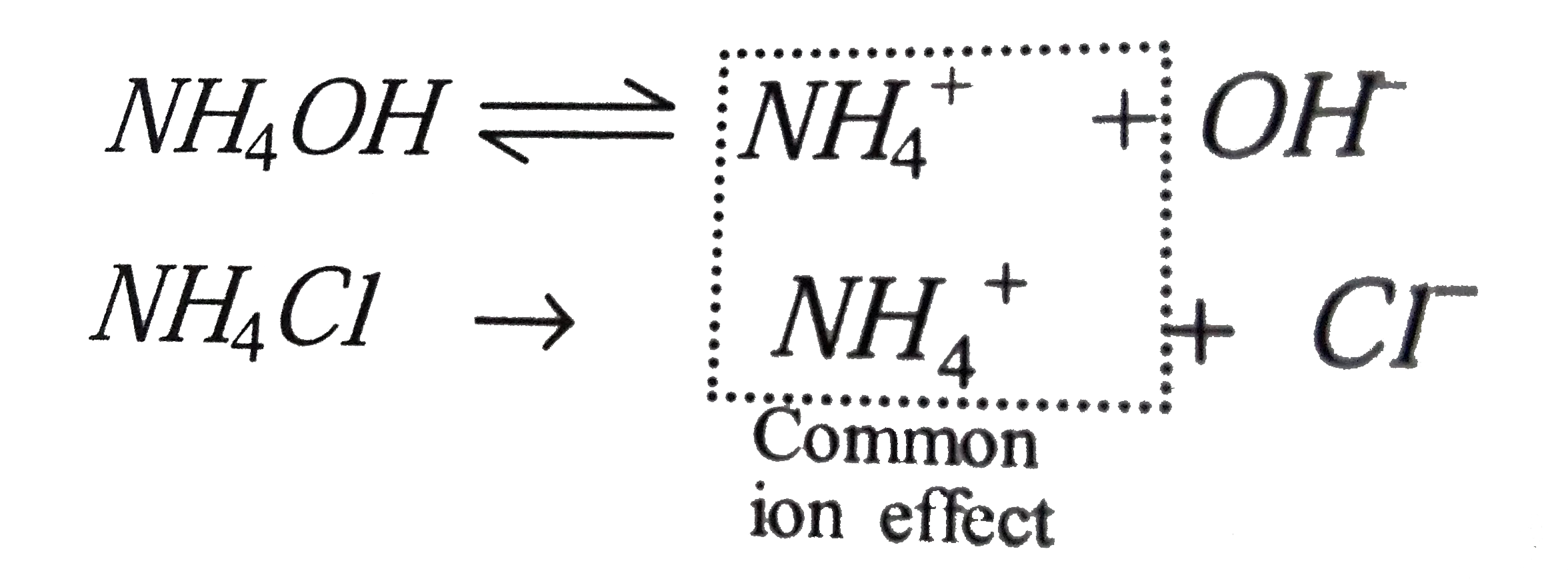
|
|
| 20. |
In the precipitation of soap, which can be used insteadof NaCl |
| Answer» Answer :C | |
| 21. |
In the precipitation of iron group in qualitative analysis, NH_4Cl is added before the addition of NH_4OH: |
|
Answer» To prevent the interference of phosphate |
|
| 22. |
In the precipitation of group III in qualitative analysis ammonium chloride is added before adding NH_4OH to : |
|
Answer» decrease the concentration of `OH^(-)` |
|
| 23. |
In the precipitate of the iron groupin qualitativev anlysis ammonium chloride is added before adding ammonium hydroxide to |
|
Answer» Decreases CONCENTRATION of `OH^(Θ)` ions |
|
| 24. |
In the potential energy curve for the formation of H_2molecule as a function of internuclear distance of H atoms, what happens at the minimum in the curve? |
|
Answer» net FORCE of attraction EQUALS to of force repulsion |
|
| 25. |
In the plot of molar conductivity (^ m) vs square root of concentration (c^(1//2)) following curves are obtained for two electrolytes A and B : Answer the following: (i) Predict the nature of electrolytes A and B. (ii) What happens on extrapolation of ^ m to concentration approaching zero for electrolytes A and B? |
|
Answer» SOLUTION :(i) A strong electrolyte, B-Weak electrolyte (ii) ^° m for weak ELECTROLYTES cannot be OBTAINED by EXTRAPOLATION while ^° m for strong electrolytes can be obtained as INTERCEPT. |
|
| 26. |
In the polymerization of acrylonitrile, most commonly used initiator is |
| Answer» Answer :B | |
| 27. |
In the plot of concentration of reactant versus time, the tangent at any instant of time has a ……………. Slope (positive or negative or zero). |
|
Answer» |
|
| 28. |
In the Pidgeon process, Mg is produced by: |
|
Answer» electrolysis of fused `MgCI_(2)` |
|
| 29. |
In the periodic table, the highest ionisation enthalpies are for: |
|
Answer» Halogen |
|
| 30. |
In the periodic table, metallic chracter of the elements shows one of the following trend: |
|
Answer» Decreases DOWNN the GROUP and increases across the period |
|
| 31. |
In the periodic table metals usually used as catalysts belong to |
|
Answer» f-block |
|
| 32. |
In the periodic table in going down in fluorine group: |
|
Answer» IONIC RADIUS increases |
|
| 33. |
In the periodic table going down in fluorine group: |
|
Answer» IONIC RADIUS increases |
|
| 34. |
In the pair, (CH_(3))_(3)C Cl and CH_(3)Cl, CH_(3)Cl will react faster in S_(N)2 reaction with OH^(-). Explain. |
|
Answer» Solution :In `S_(N)2` reactions, reactivity depends upon the steric hindrance. In `(CH_(3))_(3)C CL`, the `ALPHA`-carbon carrying the Cl atom is attached to three `CH_(3)` groups but in `CH_(3)-Cl`, the carbon carrying the Cl atom is attached to three hydrogen atoms. since `CH_(3)` group is MUCH bigger than H-atoms, therefore, `(CH_(3))_(3)C Cl` suffers GREATER steric hindrance to nucleophilic attack by `OH^(-)` than `CH_(3)Cl` and hence `CH_(3)Cl` will react faster than `(CH_(3))_(3)C Cl` in `S_(N)2` reaction with `OH^(-)`. `underset("Methyl chloride (carbon carrying Cl atom is attached to three small H-atoms, no steric hindrance, more reactive)")(CH_(3)-Cl)""underset("tert-Butyl chloridee (Carbon carrying Cl atom is attached to three bigger "CH_(3)" groups, more steric hindrance, less reactive)")((CH_(3))_(3)C-Cl)` |
|
| 35. |
In the oxyacids of phosphorous the hybridisation of phosphorous is |
|
Answer» `SP^3` |
|
| 36. |
In the oxyacids of chlorine Cl-O bond contains: |
|
Answer» `dpi-dpi` BONDING |
|
| 37. |
In the oxidation of Cu, then reaction which taken place in bessemer converter is |
|
Answer» `2CuFeS_(2)+O_(2)rarr Cu_(2)S+FeS+SO_(2)` |
|
| 38. |
In the oxidation of N_(2)H_(4) "to"N_2equivalent weight of N_(2)H_(4)would be........ |
|
Answer» EQUIVALENT weight = `{:(""GMW),(bar"change in oxidation "),("state for one"),("formula unit"):}=cancel(32)/cancel(4)=8, :. "EQ. wt of "N_(2)H_(4)=8`` |
|
| 39. |
In the oxidation of ferric oxalate [Fe_2(C_2O_4)_3] to carbondioxide, if 18F of electricity is required how many moles of ferric oxalate is oxidized |
|
Answer» ` +3 "" +4` `6F to 1 " mole " , 18 F to N = ? , n = 18//6 = 3 ` moles |
|
| 40. |
In the octahedral crystal field, there is splitting of d orbitals. Which of the following d orbitals constitute the higher energy e_(g) set of orbitals. |
|
Answer» `d_(xy), d_(xy)` |
|
| 41. |
In the octahedral complexes, if the (n-1)d orbitals are involved in hybridisation, they are called..............and..........complexes. |
|
Answer» |
|
| 42. |
In the nucleotide namely adenosine-5'-tri phosphate, the sequence of linkages among N(base), C(sugar) and P(phosphate) is |
|
Answer» `C-P-N-P-P` |
|
| 43. |
In the nuclear transmutation. ""_(4)^(9)Be + X to ""_(4)^(8)Be + Y (X, Y) is (are) |
|
Answer» <P>`(GAMMA, n)` `""_(4)^(9)Be + underset((X))(""_(1)^(1)p) to ""_(4)^(8)Be + underset((Y))(""_(1)^(2)D)` |
|
| 44. |
In the nuclear transmutation : ._(4)^(9) Be + X rarr _(4) ^(8) Be +Y (X,Y) is (are) |
|
Answer» `(gamma, n)` `4+b=4+d` gamma`- ""_(0)^(0)gamma` `9+a=8+C`, deutorium `-""_(1)^(2)D` proton `-""_(1)^(1)p` |
|
| 45. |
In the nuclear reaction ._(92)U^(238) rarr ._(82)Pb^(206), the number of alpha and beta particles decayed are |
|
Answer» `4 alpha, 3 beta` Number of `beta`- particles `= 2XX 8 - 92 + 82 = 6` |
|
| 46. |
In the nuclear reactions the speed of the neutrons is slowed down by |
|
Answer» HEAVY WATER |
|
| 47. |
In the nuclear transmutation ._(4)^(9)Be + X rarr ._(4)^(8)Be + Y (X, Y) is (are) |
|
Answer» <P>`(GAMMA, N)` If X is `._(0)gamma^(0)` then Y is `._(0)n^(1)` If X is `._(1)p^(1)` then Y is `._(1)D^(2)` |
|
| 48. |
In the nuclear reaction , ""_(92)^(235)U to _(82)^(207)Pb, the number of alpha and beta- particles lost would be |
|
Answer» `8,4` `235=207+4ximpliesx=7` `92=82+2x-y` or `y=4` |
|
| 49. |
In the nuclear reaction : ""_(84)^(215)Po""overset(-alpha)toPboverset(-alpha)toBioverset(-beta)toPo, the mass number of product is : |
|
Answer» 84 |
|
| 50. |
In the nuclear fission ._(1)H^(2) + ._(1)H^(2) rarr ._(2)He^(4) the masses of ._(1)H^(2) and ._(2)he^(4) are 2.014 mu and 4.003 mu respectively. The energy released/atom of helium formed is ....MeV |
|
Answer» 16.76 1 amu `~~ 936 MeV` `E = 0.025 xx 936` E per nucleon `= (93.6)/(4) = 23.4MeV` |
|