Saved Bookmarks
This section includes 7 InterviewSolutions, each offering curated multiple-choice questions to sharpen your Current Affairs knowledge and support exam preparation. Choose a topic below to get started.
| 1. |
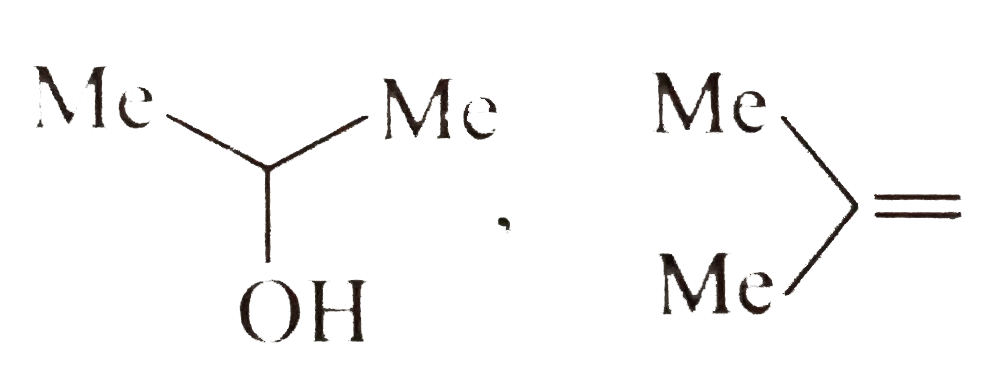
Identify the unknown products among the following : |
|
Answer» |
|
| 2. |
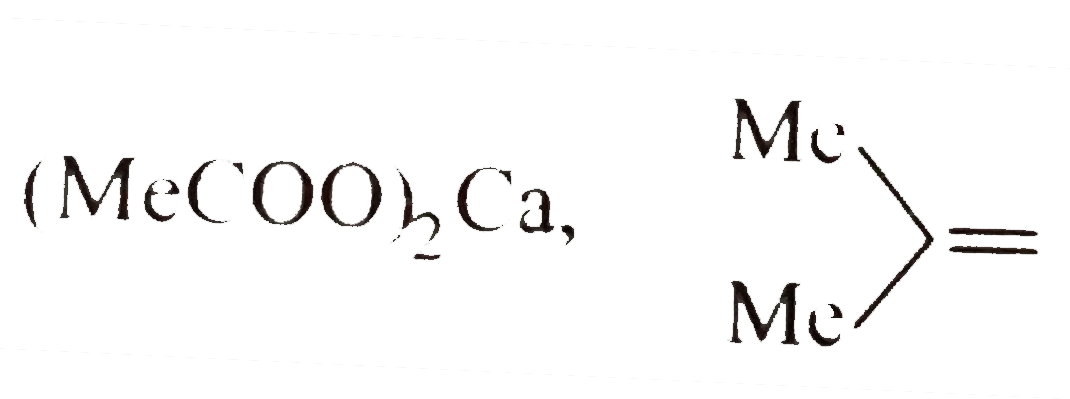
Identify the unknown compounds |
Answer» SOLUTION :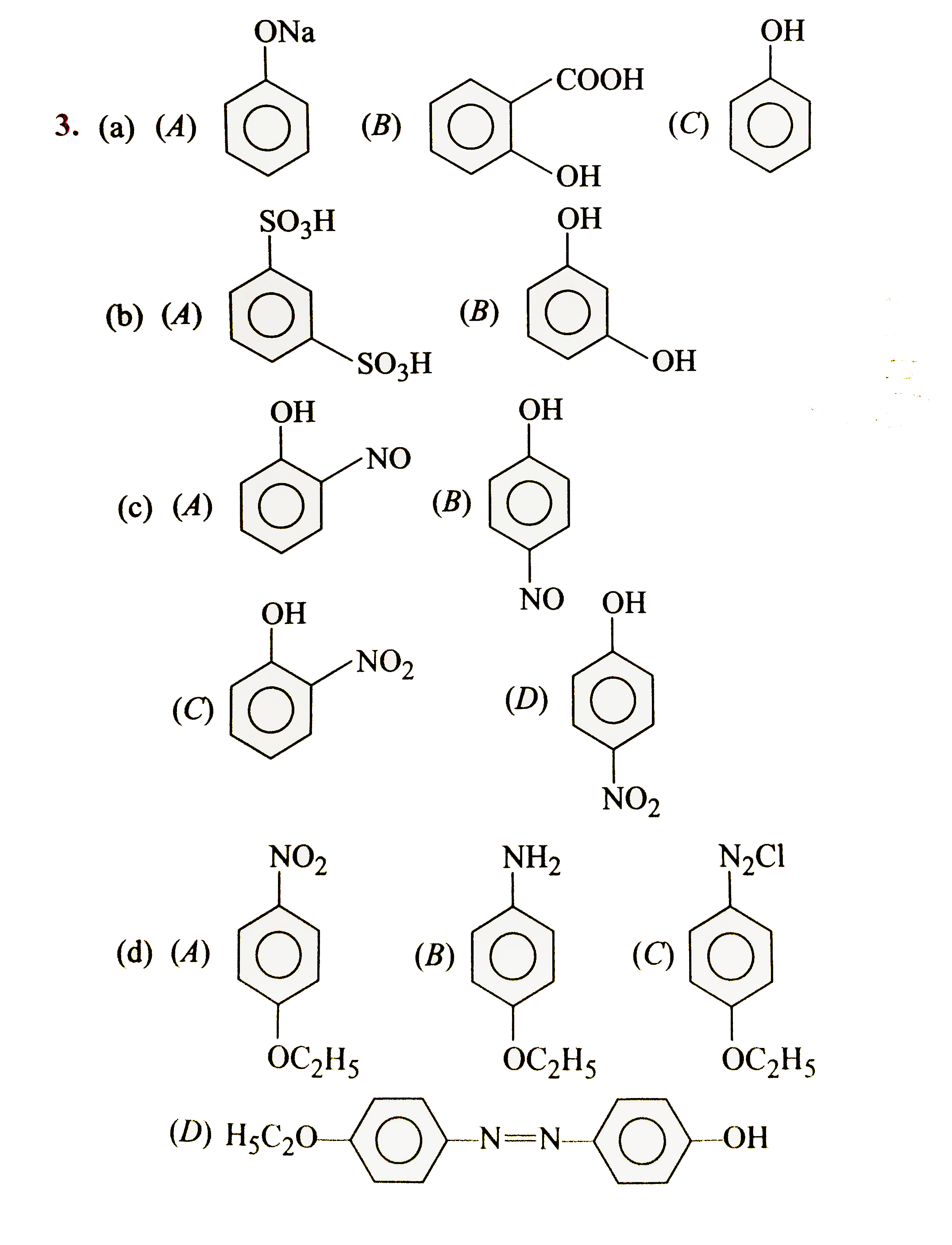 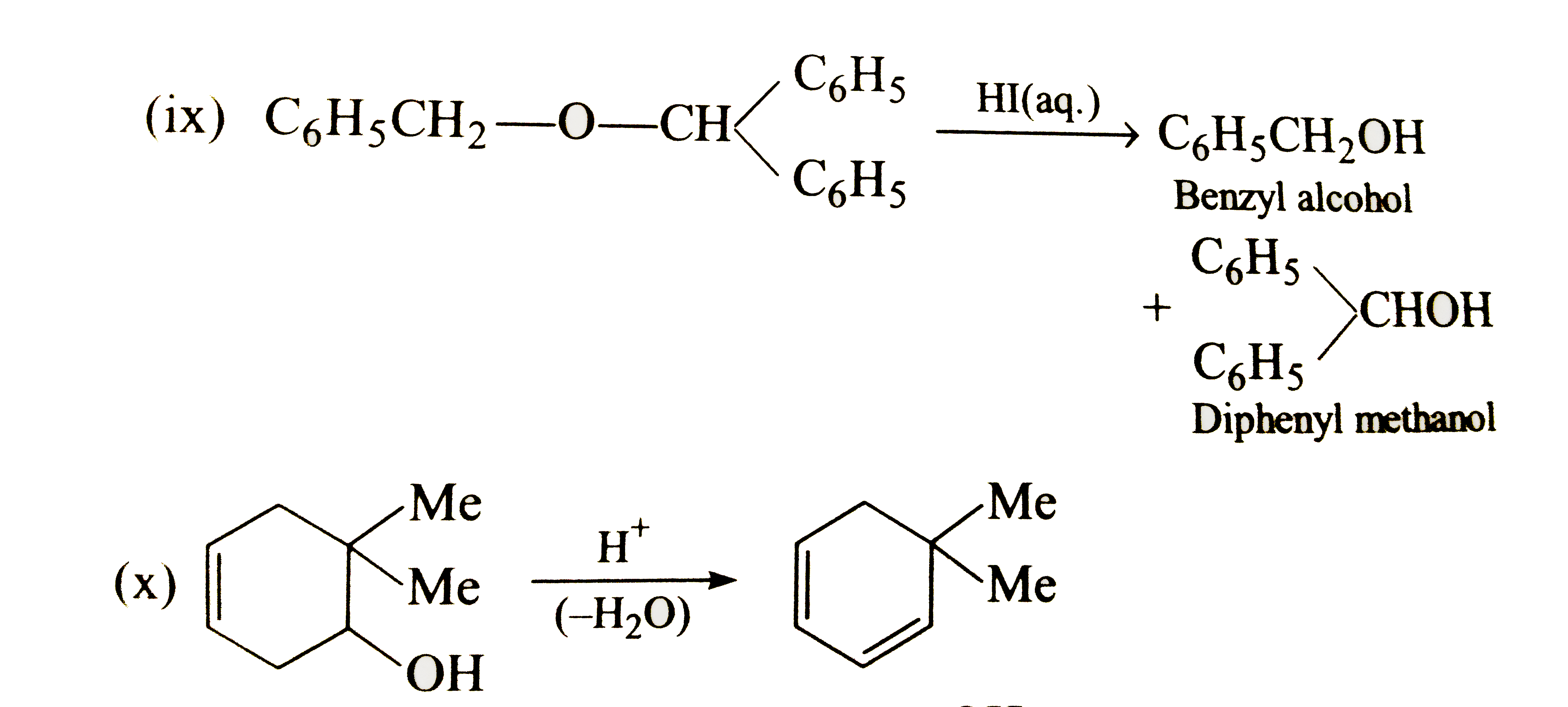 
|
|
| 3. |
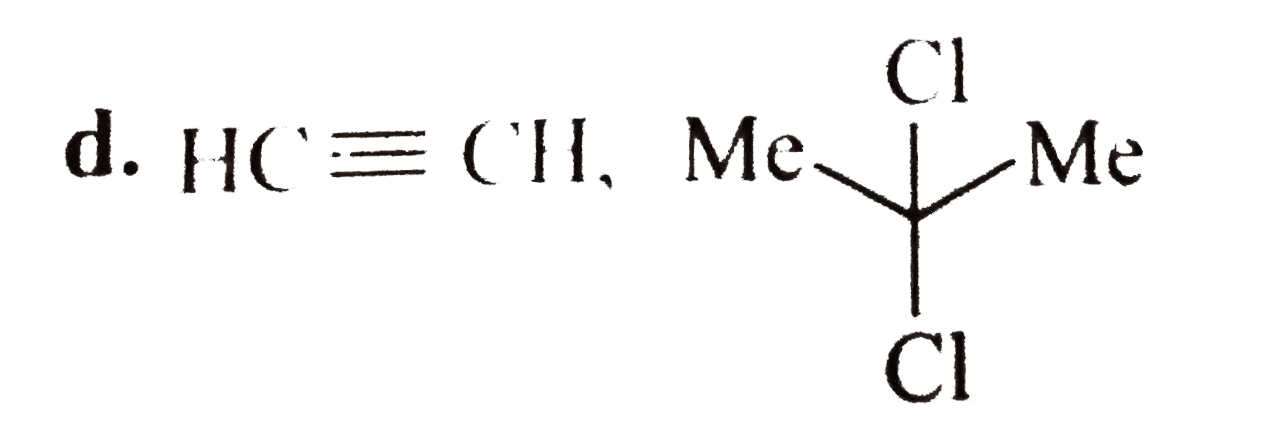
Identify the unknown compounds. |
Answer» SOLUTION :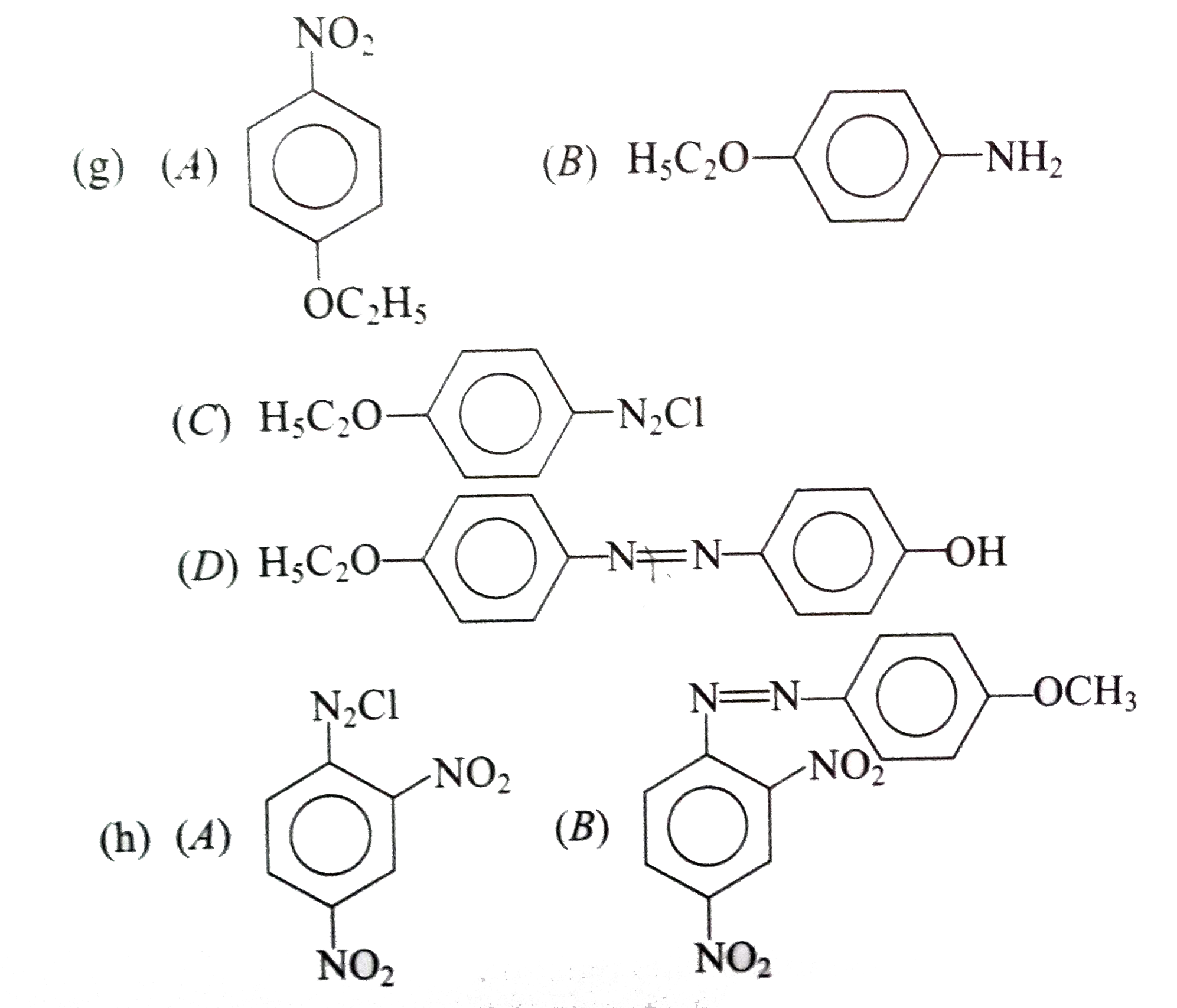
|
|
| 4. |
Identify the type of polymer (i) -A -A -A-A-A-A- (ii) -A-B-B-A-A-A-B-A- |
|
Answer» (i) Homopolymer, (ii) Copolymer |
|
| 6. |
Identify the type of polymer. -A-B-B-A-A-A-B-A- |
| Answer» Solution :It is a copolymer since its REPEATING STRUCTURAL UNIT is DERIVED from TWO types of monomers units, i.e., A and B. | |
| 7. |
Identify the type of polymer - A - B - B- A- A- A- B - A - |
| Answer» SOLUTION :Have the GIVEN POLYMER is copolymer as it CONTAINS more than one type of monomer units. | |
| 8. |
Identify the type of polymer. -A-A-A-A-A- |
| Answer» SOLUTION :It is a HOMOPOLYMER SINCE is repeating structural UNIT is derived from only type of monomers UNITS , i.e., A. | |
| 9. |
Identify the type of polymer - A - A - A - A - A - A - |
| Answer» SOLUTION :These given polymer is HOMOPOLYMER and it contains only TYPE of MONOMER units. i.e., only A monomer units. | |
| 10. |
Identify the type of isomerism in the following compounds : (i) [Co(NH_(3))_(4)Cl_(2)]6^(+) |
| Answer» SOLUTION :CIS - TRANS ISOMERISM | |
| 11. |
Identify the type of bond character between Ni" and "CO lidgand in [Ni(CO)_(4)] : |
|
Answer» `SIGMA` character only |
|
| 12. |
Identify the two power blocs by emphasising their role during the Cuban missile crisis. |
|
Answer» Solution :The two power blocs by emphasising their role during the Cuban missile crisis. The Eastern bloc and the WESTERN bloc-WARSAW and the NATO were competitive blocs Two power blocs came into existence after the Second World War. The United States of AMERICA and Soviet Russia BECAME two Superpowers. During the Cuban Missile Crisis, leaders of the U.S. and the Soviet Union engaged in a tense, 13-day political and military standoff in October 1962 over the INSTALLATION of nuclear-armed Soviet missiles on Cuba Face off Cuba and then arena of cold war where there was negotiated settlement between Kennedy and Khrushchev Turkeydismantling negotiated. USA obliged. |
|
| 13. |
Identify the true statement. |
|
Answer» Among the oxides MNO, `Mn_2O_3, MnO_2 and Mn_2O_7` , the last one is most acidic (B)It is factual. |
|
| 14. |
Identify the true ones |
|
Answer» Daniel CELL is a reversible cell b) `Pb_((s)) + Pbo_(2(s)) + 2H_2 So_(4(AQ)) underset("charging")overset("working")iff 2PbSo_(4(s)) + 2H_(2(L)o)` reversible |
|
| 15. |
Identify the thermo setting plastic? |
| Answer» Solution :melamine | |
| 16. |
Identify the substances (A) through (D) in a sequence. Comment on K_(a) values of (B) and (C ). |
Answer» Solution :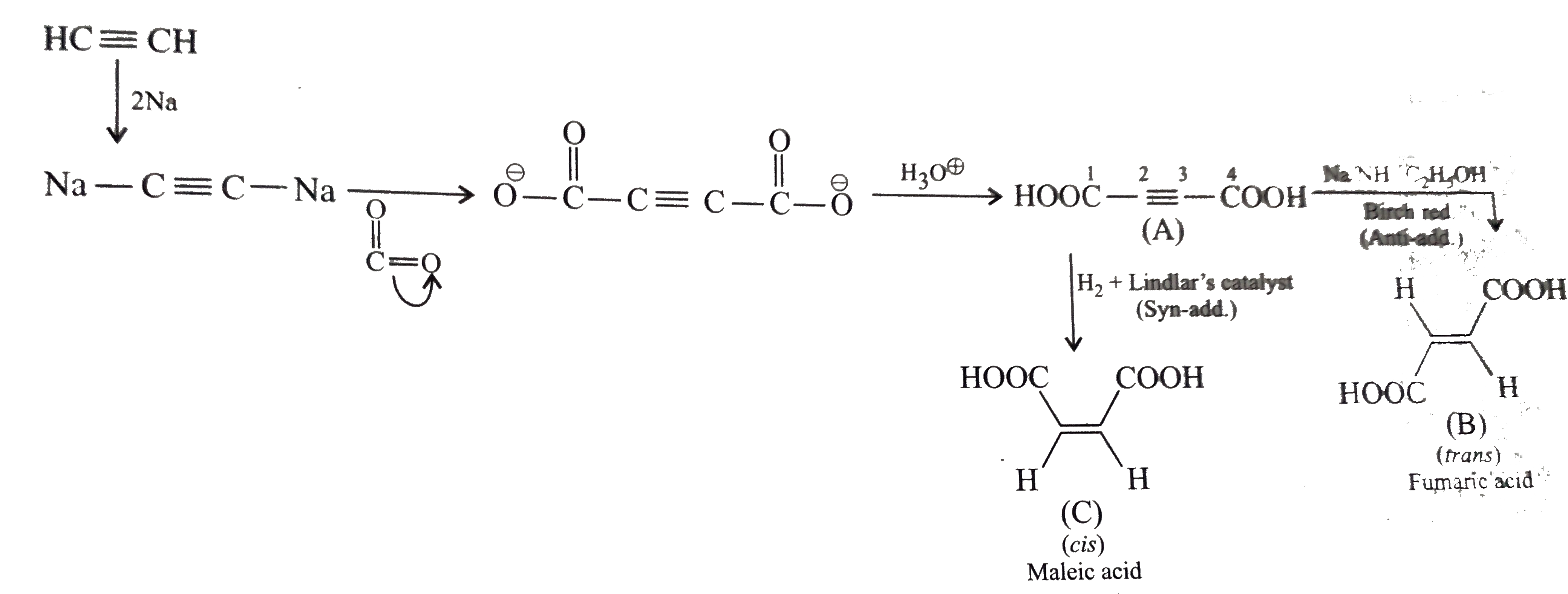 `K_(a_(1))` of (C) is greater than `K_(a_(1))` of B. (Maleic ACID is STRONG than fumaric acid.) `K_(a_(2))` of (B) is greater than `K_(a_(2)` of (C). |
|
| 17. |
Identify the substance which shows frenkel defect. |
|
Answer» nacl |
|
| 18. |
Identify the structure of (X) |
|
Answer»
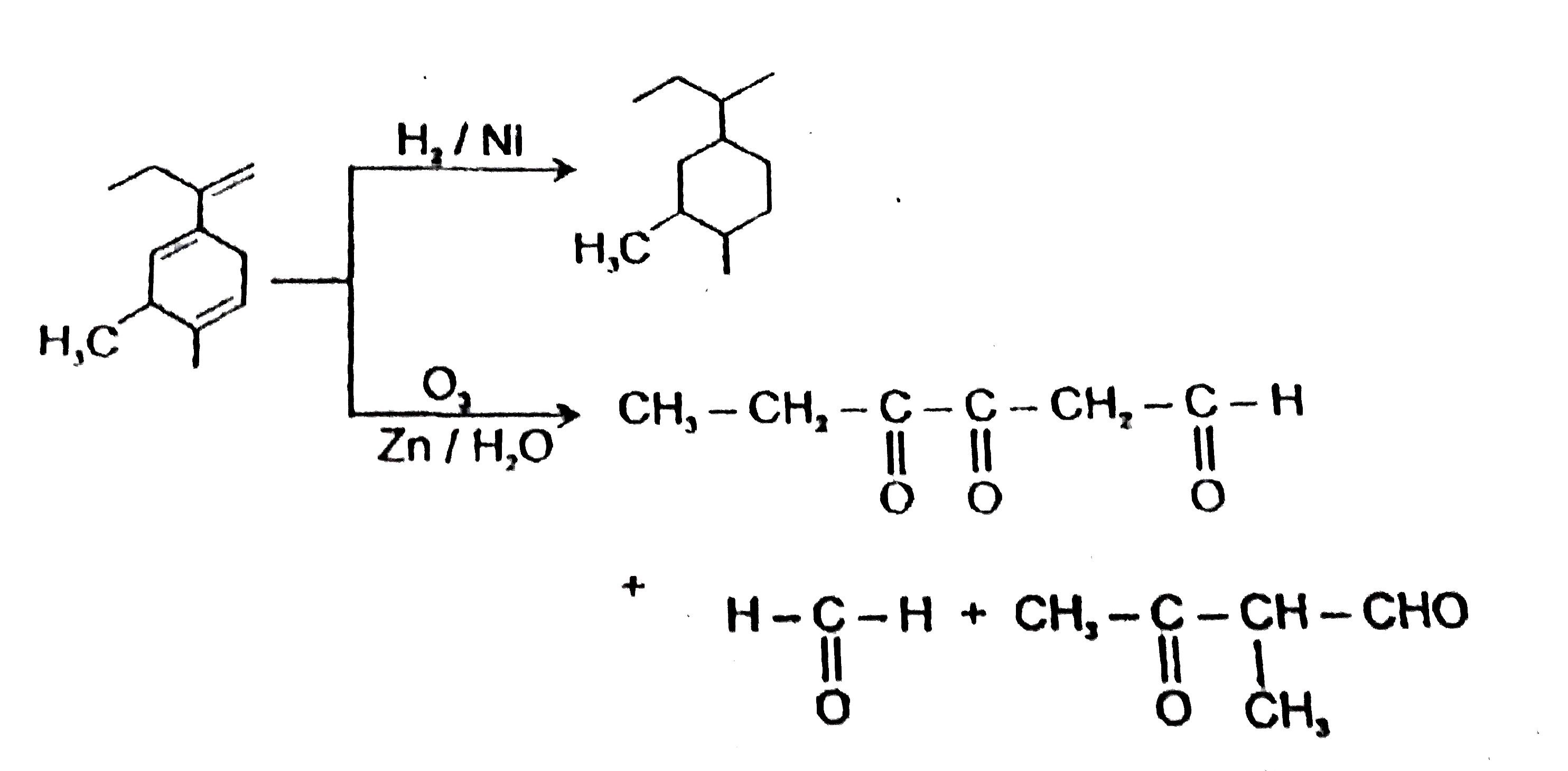
|
|
| 19. |
Identify the structure of the major products A,B, C and D formed in the following sequence of reactions |
|
Answer» |
|
| 20. |
Identify the structure of X : |
|
Answer» |
|
| 21. |
Identify the structure of P : |
|
Answer» |
|
| 22. |
Identify the structure of amine. |
|
Answer» |
|
| 23. |
Identify the strongest acid amongst the following |
|
Answer» chlroacetic ACID |
|
| 24. |
Identify the stronger base in each of the following pairs : (i) CH_(3)-overset(O)overset(||)C-NH_(2) or CH_(3)NH_(2) (ii) |
|
Answer» |
|
| 25. |
Identify the stronger acid among the following: Butanol-1, butan-2-ol, isobutyl alcohol and tert-butyl alcohol. Give Reason. |
Answer» SOLUTION : Butan-1-ol is stronger acid. The CONJUGATE base of this alcohol is more STABLE.
|
|
| 26. |
Identify the statement which is correct w.r.t. surface phenomenon. |
|
Answer» Osmotic pressure of rubber sol will be same as that of sucrose SOLUTION having same mass mixed in same mass of `H_(2)O` |
|
| 27. |
Identify the statement which is not correct regarding copper sulphate |
|
Answer» It REACTS with `KI` to give iodine |
|
| 28. |
Identify the statement that is not correct as far as structure of diborane is concene |
|
Answer» There are two briddging atoms and four TERMINAL HYDROGEN atoms in diborane |
|
| 29. |
Identifythe set of reagents X and Y in the following set of transformations : CH_(3)CH_(2)CH_(2)Br overset(X) rarr "Product" overset(Y)rarrunderset(Br)underset("|")(CH_(3)CHCH_(3)) |
|
Answer» `X =` dilute aqueous NAOH, `20^(@)C`, 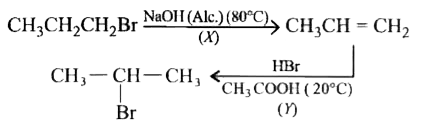
|
|
| 30. |
Identify the set of reagents/reaction conditions X ad Y in the following set of tranformation CH_(3)-CH_(2)-CH_(2)Broverset(X)to"Product"overset(Y)toCH_(3)-underset(Br)underset(|)(C)H-CH_(3) |
|
Answer» X=dilute AQUEOUS NaOH, `20^(@)C,Y=HBr//`acetic ACID, `20^(@)C` |
|
| 31. |
Identify the set of reagent/reaction conditions 'X' and 'Y' in the following set of transformation: CH_(3)-CH_(2)-CH_(2)Br overset("X")to"Product"overset(Y)to CH_(3)-underset(Br)underset(|)(C)H-CH_(3)X=dil. Aqueous NaOH, 20^(@)C, Y=HBr/acetic acid, 20^(@)C. |
|
Answer» X=dil. Aquous NaOH, `20^(@)C,Y=Br_(2)//CHCl_(3),0^(@)C`41 |
|
| 32. |
Identify the set of elements which do not exhibit multiple oxidation states |
|
Answer» SC, Ti |
|
| 33. |
Identify the set from the following which connot form acetone in a single-step reaction. |
|
Answer» a. 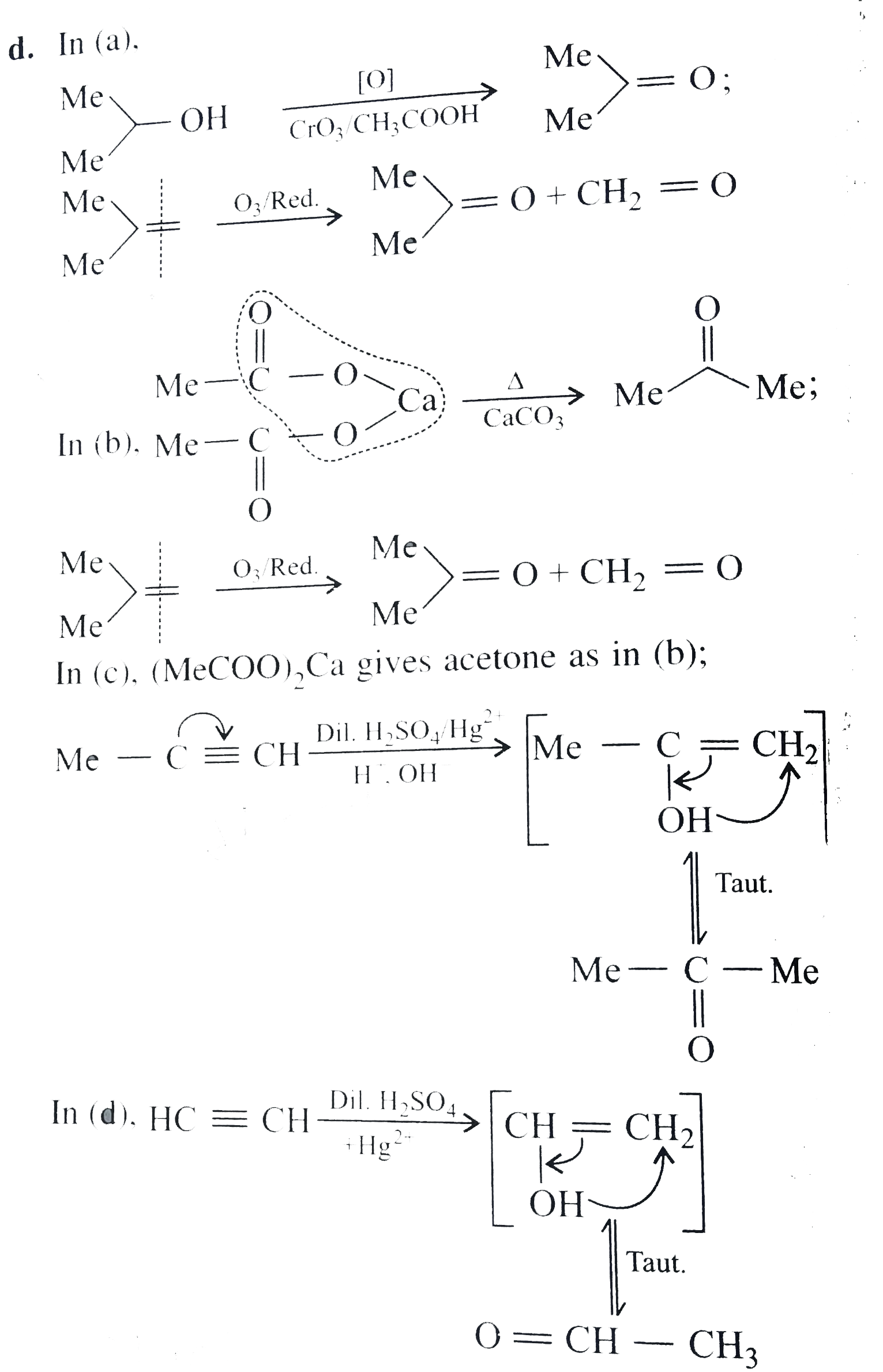
|
|
| 34. |
Identify the relation between them :- CH_3-underset(NH_2)underset|CH-CHOand CH_3-CH_2-NH-CHO |
|
Answer» P.I. |
|
| 35. |
Identify the relation between molecules given in Newman and Fischer projections. |
|
Answer» identical. |
|
| 37. |
Identify the reagents X and Y are ............ |
|
Answer» `X = MgCl_2 "" Y = CH_3CH = CH_2` |
|
| 38. |
Identify the reagent which can differentiate the given pair compounds . (a) Acetone and ethanol (b) Phenol and 1- propanol (c ) 1-butyne and2-butyne (d) (1) NaOH,I_(2)(2) Tollen's reagent (3) Fehling solution(4) Hinsberg's reagent (5) Neutral FeCl_(3)(6)2,4-DNP (7) NaHCO_(3)(8)Schiff's reagent [Hint : If pair (a) is differentiate by 1, (b) by 2, (c ) by 3 and (d) by 4 then fill 1234 in OMR sheet.] |
|
Answer» ETHANOL`overset(2,4DNP)rarr` no colour (B) phenol`overset(FeCl_(3))rarr`purple colour 1-propanol`overset(FeCl_(3))rarr`no colour (c ) `me-CH_(2)-C-=Choverset("Tollen's reagent")rarr` dirty WHITE PPT. `Me-C-=C-Meoverset("Tollen's reagent")rarr`no ppt (d) 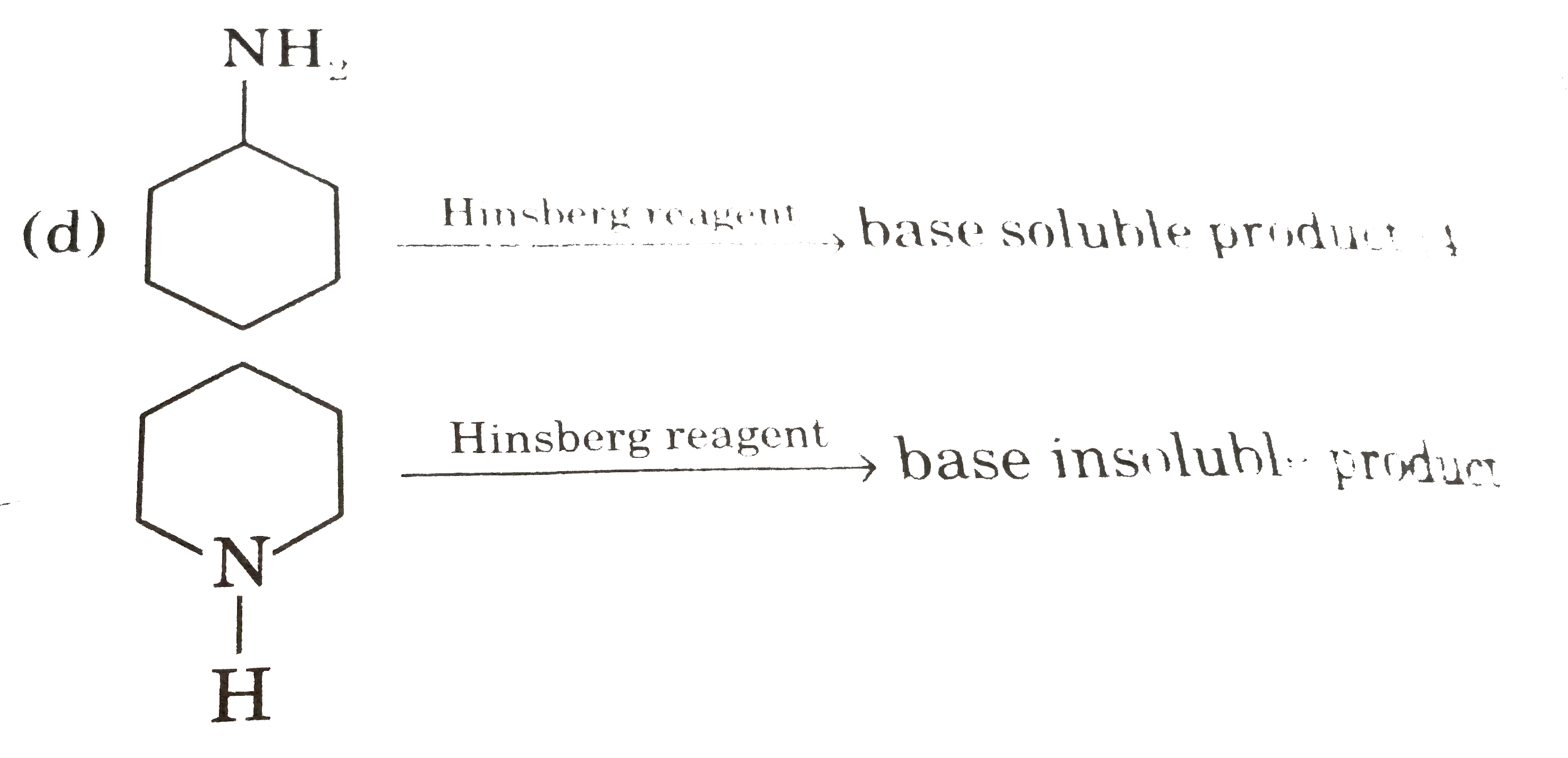
|
|
| 39. |
Identify the reagent that can be used to detect phosphate radical |
|
Answer» NEUTRAL `FeCl_(3)` |
|
| 40. |
Identify the reaction which is used to obtain beta-hydroxyketone |
|
Answer» CROSSED ALDOL condensation |
|
| 41. |
Identify the reactions that includes inhibtors in the reactions mixture. |
|
Answer» `N_2+3H_2underset(Mo)OVERSET(FE)to 2NH_3` |
|
| 42. |
Identify the reaction that doesn't take place during the smelting process of copper extraction |
|
Answer» `2FeS+3O_(2)rarr2FeO+2SO_(2)uarr` |
|
| 43. |
Identify the reaction that does not take place in blast furnace |
|
Answer» `2Fe_(2)O_(3) + 3C rarr 4Fe + 3CO_(2)` |
|
| 44. |
Identify the reaction order if the unit of rate constant is s^(-1). |
|
Answer» zero order REACTION |
|
| 45. |
Identify thereaction thatdoes notplace inablastfurnace : |
|
Answer» `2Fe_2 O _3+3 C to4 Fe+3 CO_ 2 ` |
|
| 46. |
Identify the reaction that does not take place in a blast furnace. |
|
Answer» `2Fe_2O_3 + 3C to 4Fe + 3CO_2` |
|
| 47. |
Identify the reaction that does not take place ina blast furnace. |
|
Answer» `2Fe_(2)O_(3)+3Cto4Fe+3CO_(2)` |
|
| 48. |
Identify the reaction order from each of the following rate constant. (i)K=2.3xx10^(-5)L mol^(-1) s^(-1) (ii)K=3xx10^(-4) s^(-1) |
|
Answer» SOLUTION :(i)The unit of second order RATE constant is I.`mol^(-1) s^(-1)`, therefore `k=2.3xx10^(-5) S^(-1)` represents a second order reaction . (II)The unit of FIRST order rate constant is `S^(-1)` therefore `k=3xx10^(-4)S^(-1)` represents a first order reaction. |
|
| 49. |
Identify the reaction order from the following rate constant: k=2.3xx10^(-5)" L mol"^(-1)s^(-1) |
| Answer» SOLUTION :SECOND ORDER REACTION. | |