Saved Bookmarks
This section includes 7 InterviewSolutions, each offering curated multiple-choice questions to sharpen your Current Affairs knowledge and support exam preparation. Choose a topic below to get started.
| 1. |
Explain the terms with example : Homopolymer |
| Answer» Solution :A POLYMER made from IDENTICAL repeating UNIT of one monomer is called homopolymer. Examples : POLYTHENE, PVC, Nylon - 6. | |
| 2. |
Homolytic fission of C-C bond in ethane gives an intermediate in which carbon is….hybridised: |
|
Answer» `SP^3` |
|
| 3. |
Homolytic fission of C-C bond in ethane gives an intermediate in which carbon is |
|
Answer» `sp^(3)` hybridised FRE radicals is formed which is `sp^(2)`-hybridized. 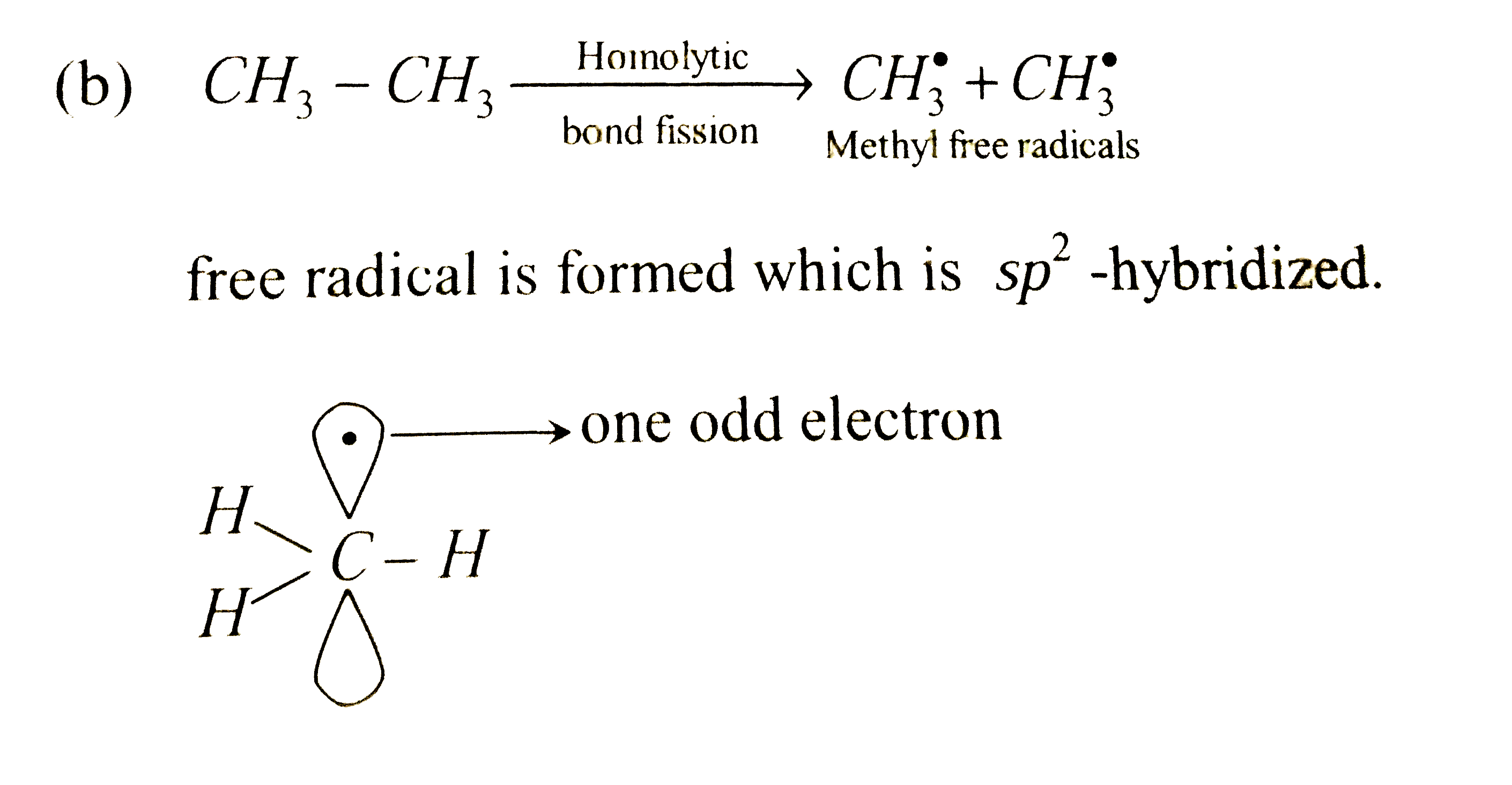
|
|
| 4. |
Homologous compounds have: |
|
Answer» Same CHEMICAL properties |
|
| 5. |
Homolytic and heterolytic bond dissociation energies are |
|
Answer» Same |
|
| 6. |
H.O.M.O(Highest Occupied Molecular Orbital ) of CO molecular is : |
|
Answer» Non-bonding M.O. with SLIGHT antiboding character |
|
| 7. |
Homogeneous mixture of camphor in N_(2) is an example of |
|
Answer» GAS solute - Solid SOLVENT |
|
| 8. |
Homogeneous mixing and compressibility both result from the fact that the molecules are far apart in gases. Mixing occurs because individual gaseous molecules have little interaction with their neighbours and, assuming that no reaction takes place, the chemical identities of those neighbours are irrelevant. Compressibility is possible in gases because only about 0.1% of the volume of a typical gas is taken up by the molecules themselves under normal circumstances, the remaining 99.9% is empty space. Assume molecules are spherical of radius 1A . Volume occupied by molecules in one mole of a gas at NTP is : |
|
Answer» `2.52 m^(3)` |
|
| 9. |
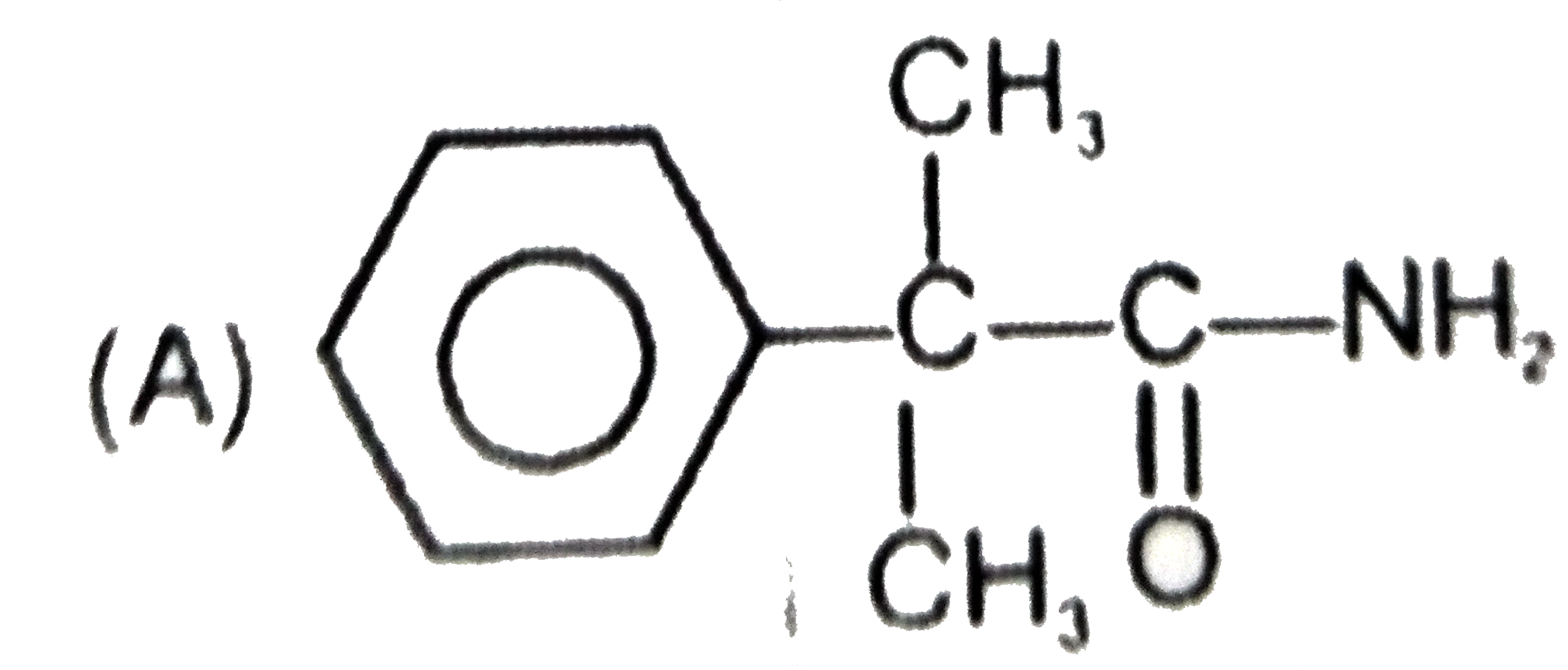
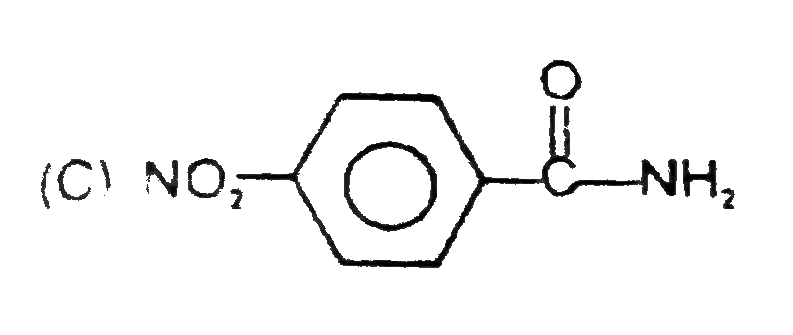
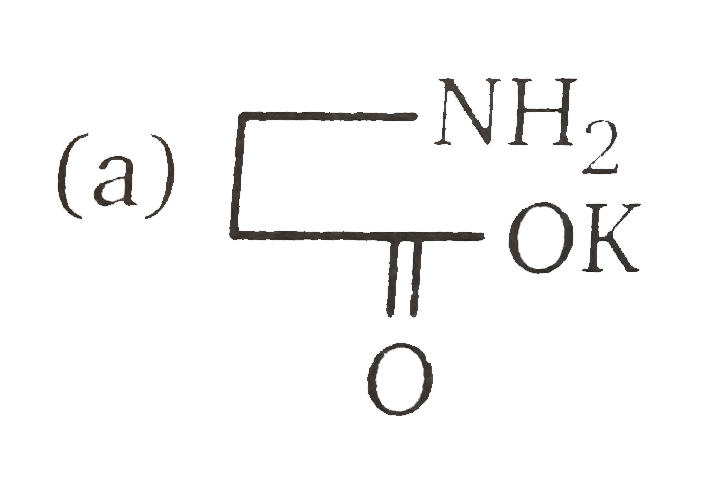
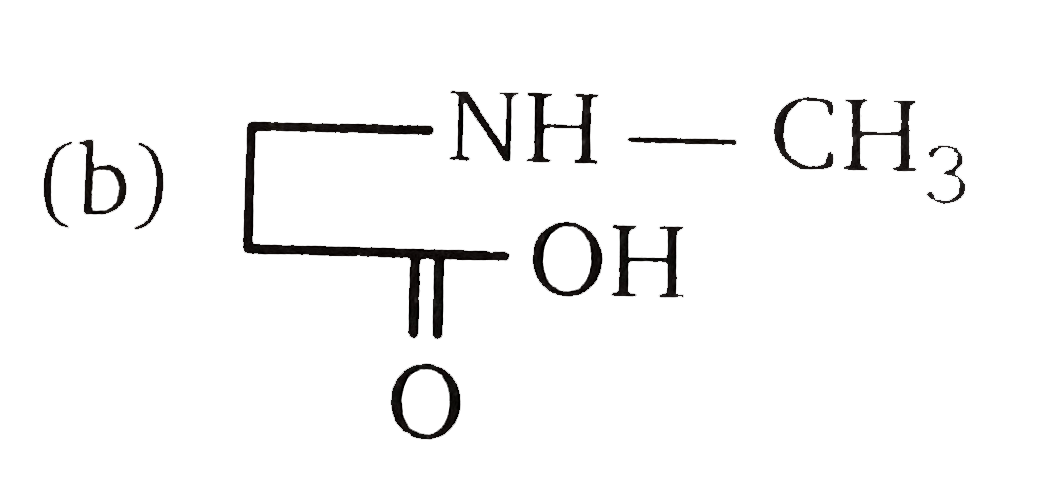
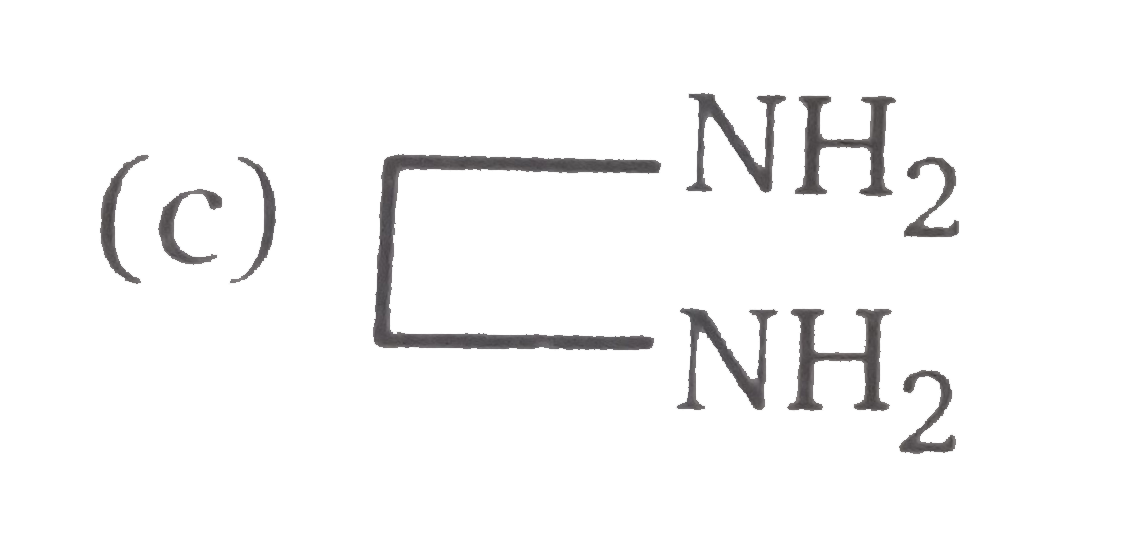
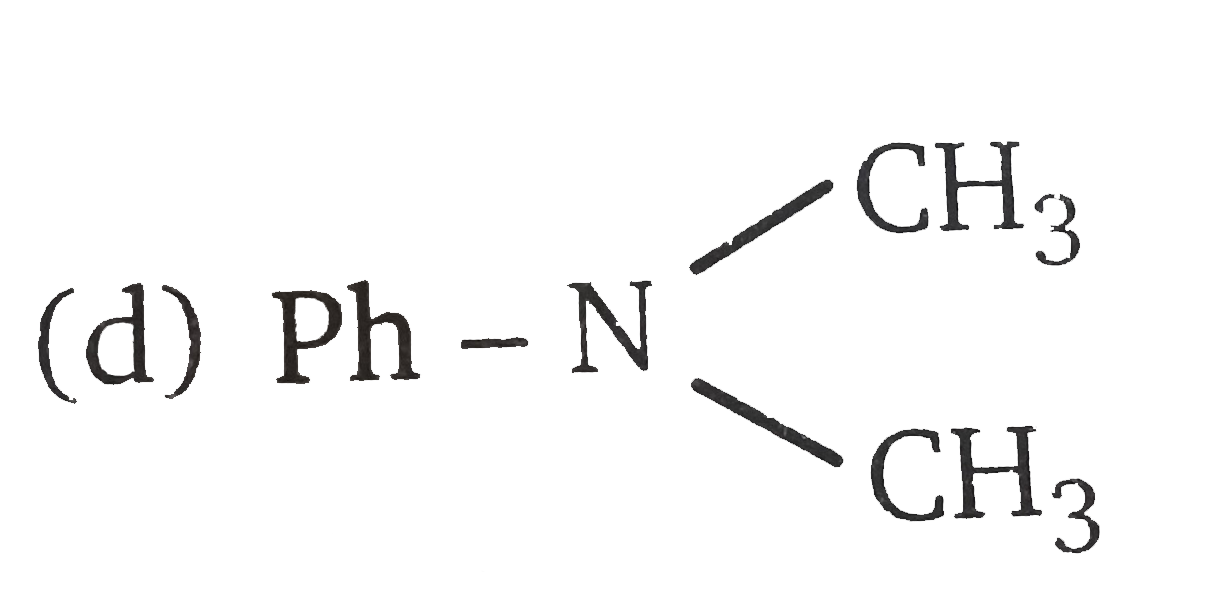
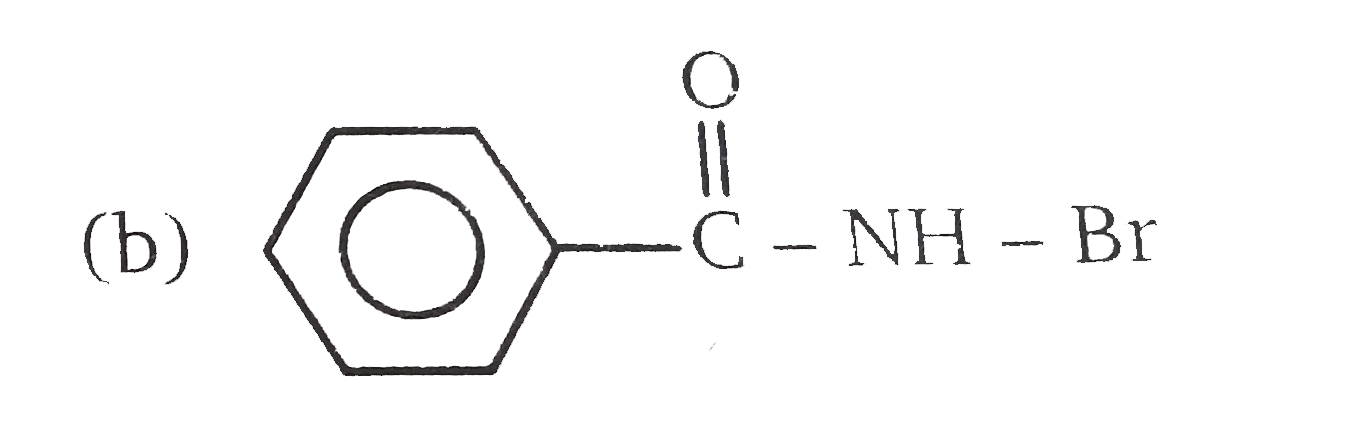
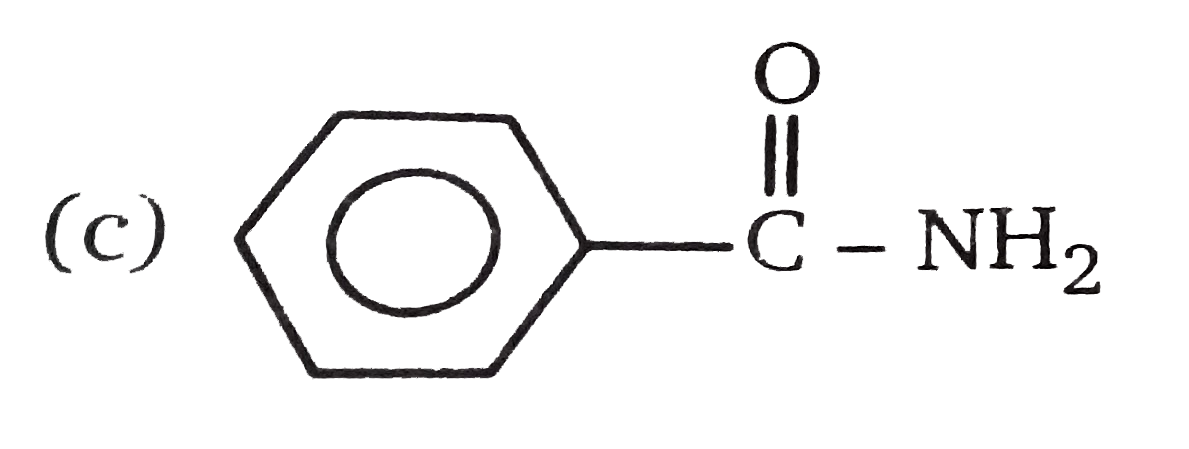
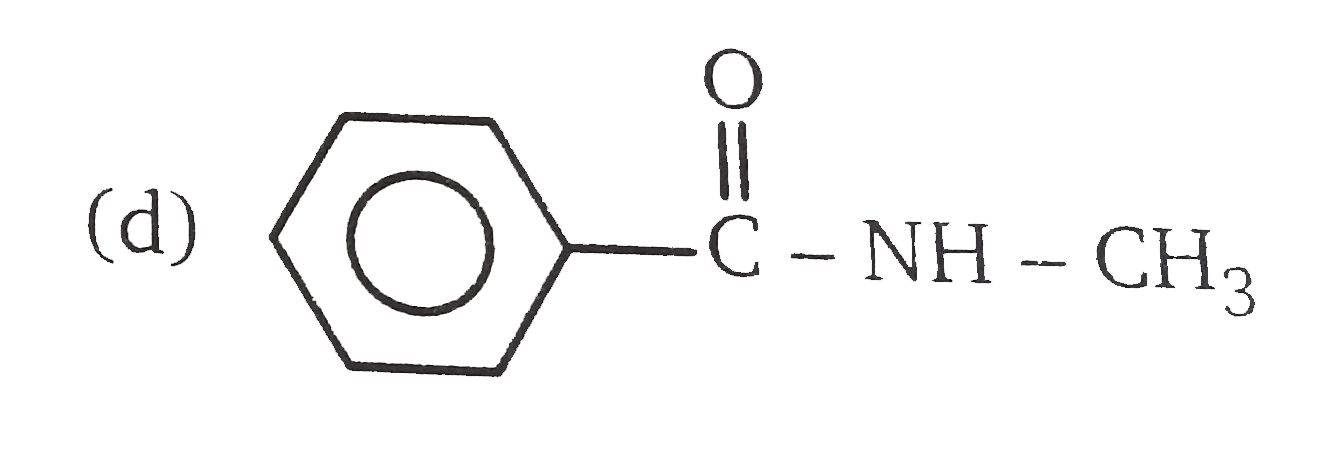
Hofmann rearrangement In the Hofmann rearrangement an unsubstituted amide is treated with sodium hydroxide and bromide to give a primary amine that has one carbon lesser than starting amide. In the migrating group is chiral then is configuration is retained. Electron releasing effects in the migrating group increases reactivity of Hofmann rearrangement. Which of the following compounds (s) cannot give Hofmann rearrangement : |
|
Answer»
|
|
| 10. |
Hofmann's bromamide reaction is to convert |
|
Answer» acid to alcohol |
|
| 11. |
Homogeneous system among the following is |
|
Answer» milk |
|
| 12. |
Hofmann's hypobromite reaction affords a method of : |
|
Answer» Preparing a TERTIARY AMINE |
|
| 13. |
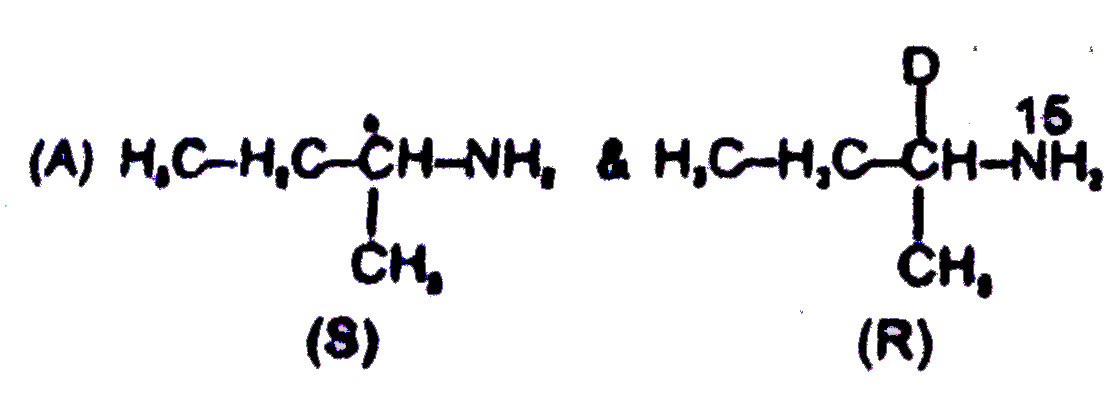
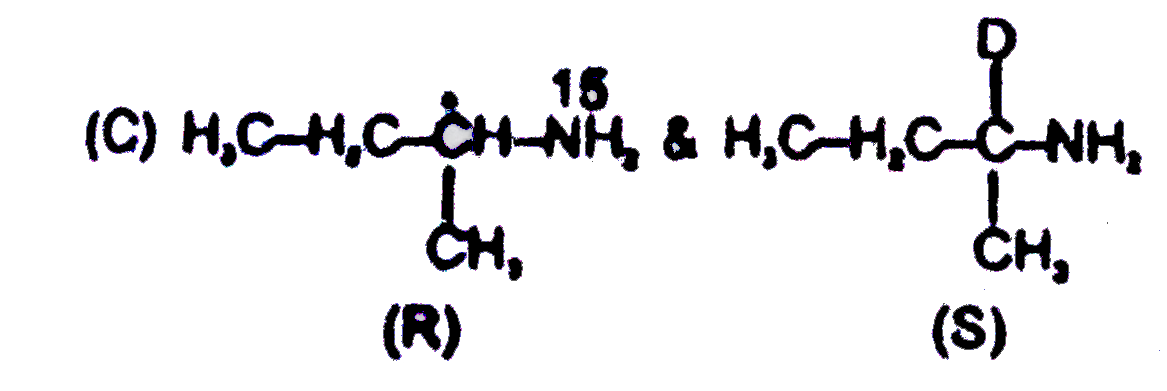
Hofmann rearrangement In the Hoffmann rearrangement an unsubstituted amide is treated with sodium hydroxide and bromine to give a primary amine that has one carbon lesser than starting amide. R-oversetoverset(O)(||)C-NH_2+NaOH+Br_2toR-N=underset("isocyanate")(C=O)overset("hydrolysis")toR-NH_2 Mech : If the migrating group is chiral then its configuration is retained . Electron releasing effects in the migrating group increases reactivity of Hofmann rearrangement. H_3C-H_2C-undersetundersetunderset((R))(CH_3)(|)overset(**)CH-oversetoverset(O)(||)C-NH_2+CH_3-CH_2-undersetundersetunderset((S))(CH_3)(|)oversetoverset(D)(|)C-oversetoverset(O)(||)C-overset(15)(NH_2)overset(Br_2//KOH)toProducts |
|
Answer»
|
|
| 14. |
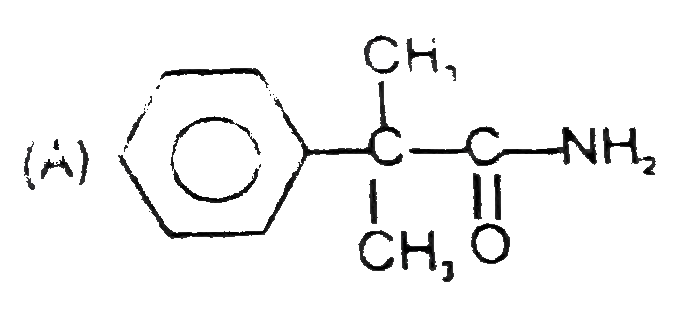
Hofmann rearrangement In the Hoffmann rearrangement an unsubstituted amide is treated with sodium hydroxide and bromine to give a primary amine that has one carbon lesser than starting amide. R-oversetoverset(O)(||)C-NH_2+NaOH+Br_2toR-N=underset("isocyanate")(C=O)overset("hydrolysis")toR-NH_2 Mech : If the migrating group is chiral then its configuration is retained . Electron releasing effects in the migrating group increases reactivity of Hofmann rearrangement. Which of the following compound cannot give Hofmann rearrangement : |
|
Answer»
|
|
| 15. |
Hofmann rearrangement In the Hoffmann rearrangement an unsubstituted amide is treated with sodium hydroxide and bromine to give a primary amine that has one carbon lesser than starting amide. R-oversetoverset(O)(||)C-NH_2+NaOH+Br_2toR-N=underset("isocyanate")(C=O)overset("hydrolysis")toR-NH_2 Mech : If the migrating group is chiral then its configuration is retained . Electron releasing effects in the migrating group increases reactivity of Hofmann rearrangement. Arrange the following amides according to their relative reactivity when react with Br_2 in excess of strong base |
|
Answer» IVgtIgtIIgtIII |
|
| 16. |
Hofmann rearrangement during the conversion of an amide to amme is |
| Answer» Answer :B | |
| 17. |
Hofmann rearrangement during the conversion of an amide to amine involves……..rearrangement : |
|
Answer» Intermolecular |
|
| 18. |
Hofmann bromide degradation reaction is shown by |
|
Answer» `ArNH_2` |
|
| 19. |
Hofmann Bromide Degradation reaction is shown by____ |
|
Answer» `ArNH_(2)` |
|
| 20. |
Hofmann bromamide reaction involves the conversion of amides into amines. Which of the following undergo at fastest rate under identical conditions |
|
Answer»
|
|
| 21. |
Hoffmann's bromamide reaction is used to convert |
|
Answer» an amine to AMIDE |
|
| 22. |
Hoffmann bromanide degradation is |
|
Answer» CONDENSATION REACTION |
|
| 23. |
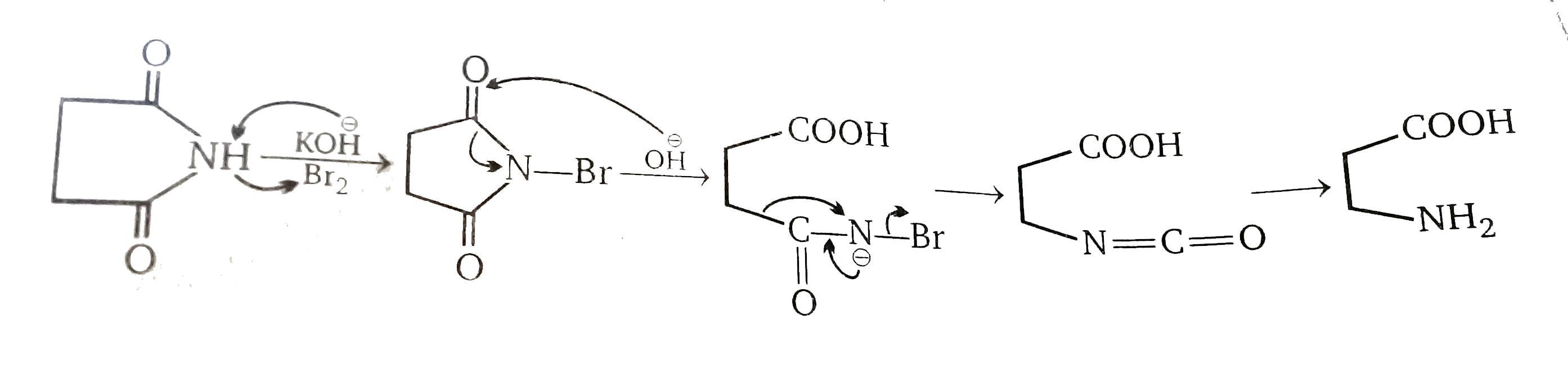
Hoffmann bromamidereaction involves conversion of a carboxylic acid amide into an amine with a loss of a carbon atom on treatment with aqueous sodium hypobromite. Thus Hoffmann result in shortening of a carbon chain. R=overset(O)overset(||)C-NH_(2)underset(NaOH)overset(Br_(2))rarrR-NH_(2)+NaBr+Na_(2)CO_(3) Mechanism of the reaction is : |
|
Answer»
|
|
| 24. |
Hoffmann degradation of m-bromo benzamide gives: |
|
Answer» Aniline 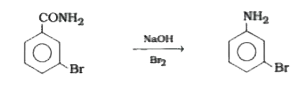
|
|
| 25. |
Hoffmann bromamidereaction involves conversion of a carboxylic acid amide into an amine with a loss of a carbon atom on treatment with aqueous sodium hypobromite. Thus Hoffmann result in shortening of a carbon chain. R=overset(O)overset(||)C-NH_(2)underset(NaOH)overset(Br_(2))rarrR-NH_(2)+NaBr+Na_(2)CO_(3) Mechanism of the reaction is : Product (A) : |
|
Answer» `Ph-NH_(2)`<BR>`Ph-CH_(2)-NH_(2)` |
|
| 26. |
Hoffmann bromamidereaction involves conversion of a carboxylic acid amide into an amine with a loss of a carbon atom on treatment with aqueous sodium hypobromite. Thus Hoffmann result in shortening of a carbon chain. R=overset(O)overset(||)C-NH_(2)underset(NaOH)overset(Br_(2))rarrR-NH_(2)+NaBr+Na_(2)CO_(3) Mechanism of the reaction is : Which of the following will not giveHoffmann bromamide reaction. |
|
Answer» `CH_(3)-OVERSET(O)overset(||)C-NH_(2)` |
|
| 27. |
Hoffmann bromamidereaction involves conversion of a carboxylic acid amide into an amine with a loss of a carbon atom on treatment with aqueous sodium hypobromite. Thus Hoffmann result in shortening of a carbon chain. R=overset(O)overset(||)C-NH_(2)underset(NaOH)overset(Br_(2))rarrR-NH_(2)+NaBr+Na_(2)CO_(3) Mechanism of the reaction is : Number of moles of NaOh consumed in abovereaction. |
| Answer» Solution :`RCONH_(2)+Br_(2)+4NaOHrarrRNH_(2)` | |
| 28. |
Hoffmann bromamide reaction can be used to reduce the length of carbon chain by one carbon atom. |
|
Answer» |
|
| 29. |
Hoffmann bromamide or hypobromite reactions is given by |
|
Answer» amines |
|
| 30. |
What is Hofmann bromamide degradation reaction ? |
|
Answer» `Ar-NH_2` |
|
| 31. |
Hoffmann bromamide degradation reaction is shown by: |
|
Answer» `ArNH_(2)` |
|
| 32. |
Hoffman Bromamide degradation reaction involves : |
|
Answer» `Ar-NH_2` |
|
| 33. |
Hoe many alkenes on catalytic hydrogenation give isopentane as a product (consider only structural isomers) ? |
| Answer» SOLUTION :N//A | |
| 34. |
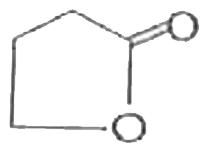
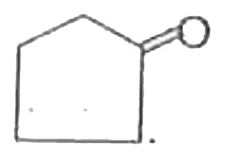
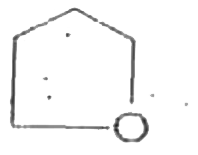
HO - CH_(2) CH_(2)CH_(2) - overset(O)overset(||)(C) - OHon reaction with H^(+)forms . |
|
Answer»
|
|
| 35. |
HNO_(3) + P_(2)O_(3) to A + B A is an oxiacid of phosphorous and B is a oxide of Nitrogen. What will be A & B ? |
|
Answer» `H_(3)PO_(4), N_(2)O_(3)` |
|
| 36. |
HNO_3 oxidises |
|
Answer» `H_2O_2` |
|
| 37. |
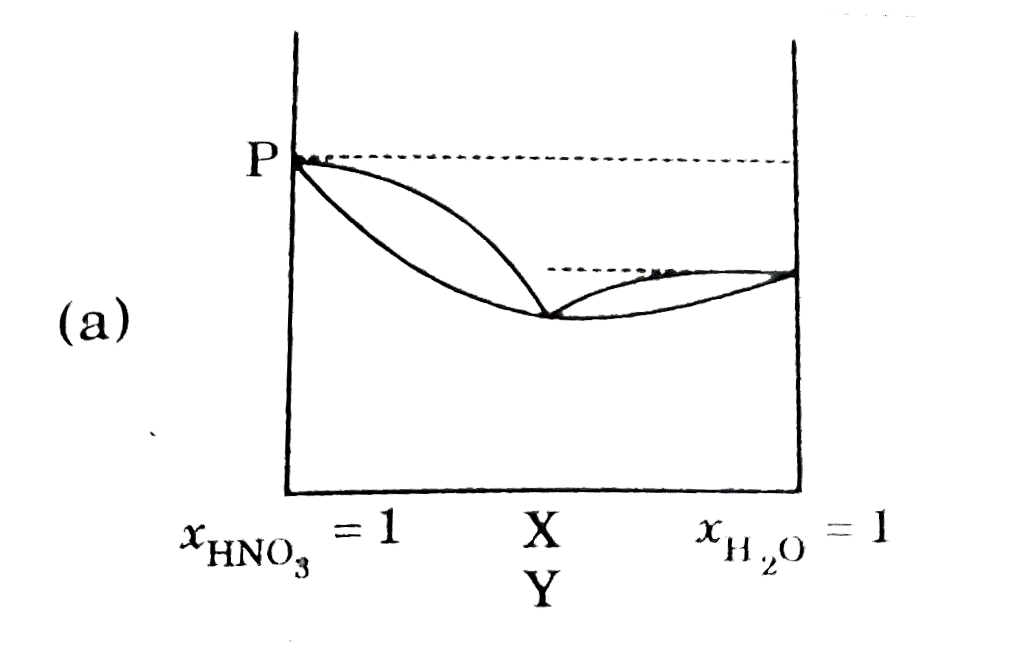
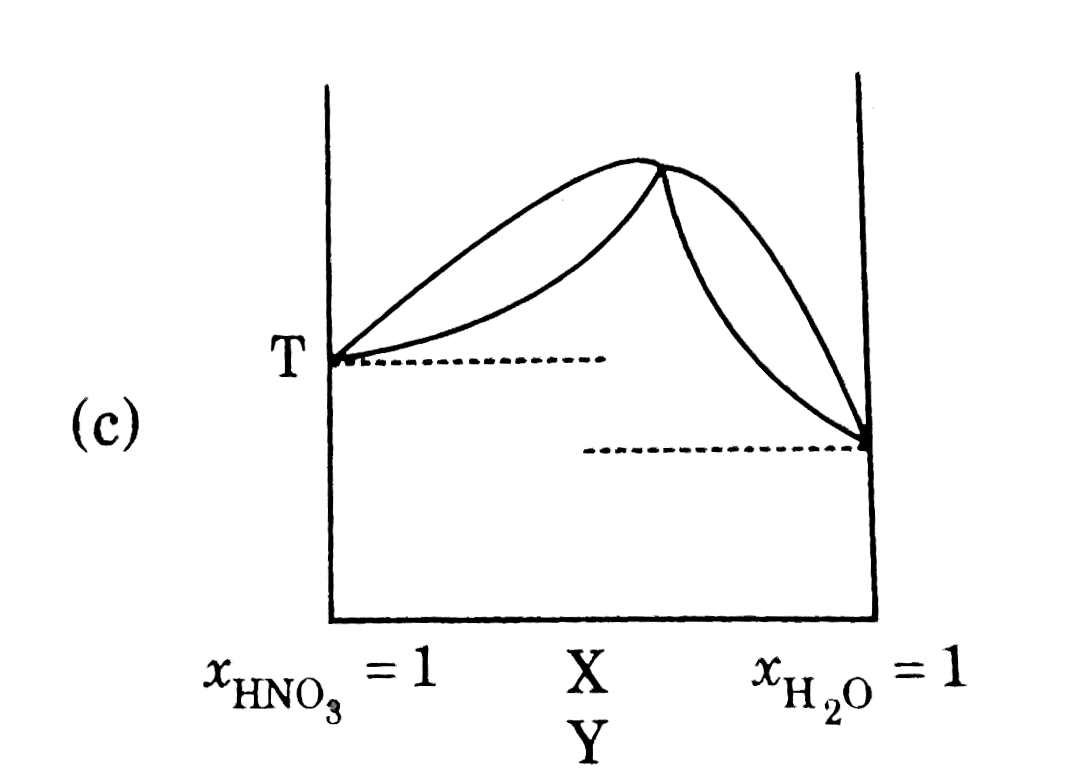
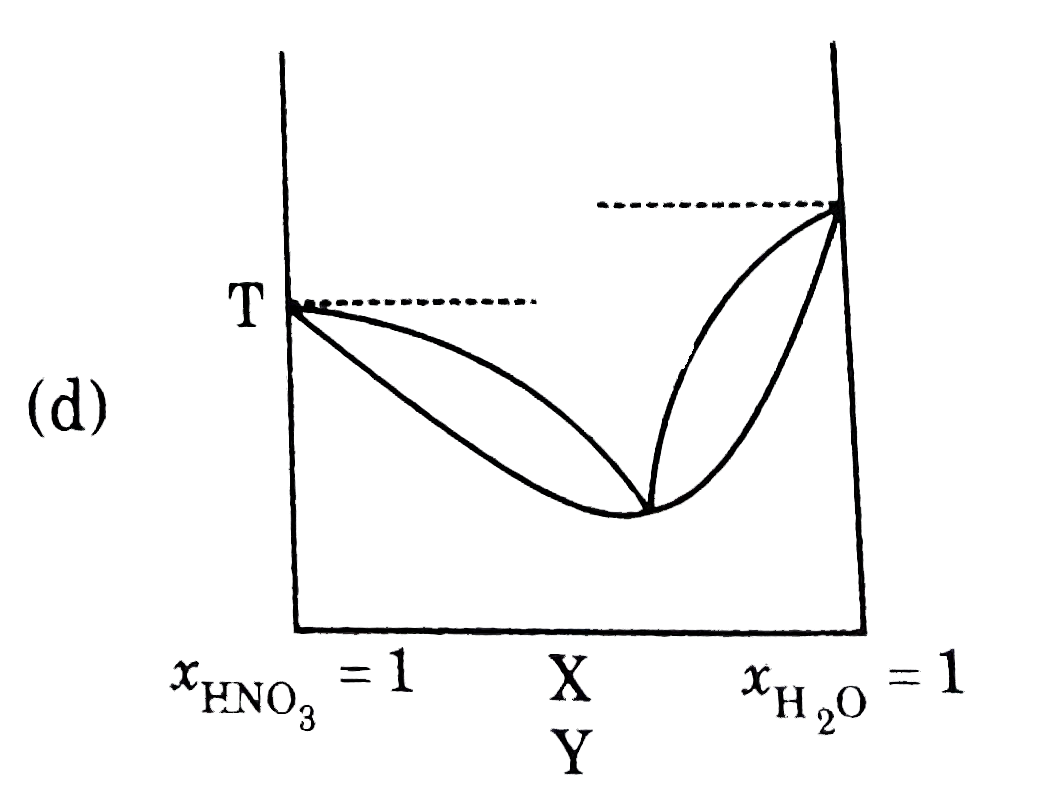
HNO_(3) is more volatile than water. If an aqueoussolution of HNO_(3) is taken then which of the following graph correctly represents variation of vapour pressure/boiling point with composition? |
|
Answer»
|
|
| 38. |
HNO_(3) is manufactured by: |
|
Answer» BirkelandEyde's PROCESS |
|
| 39. |
HNO_3 is manufactured by: |
|
Answer» BIRKELAND and Eyde.s process |
|
| 40. |
HNO_(3) in aqueous solution yields |
|
Answer» `NO_(3)^(-)` and `H^(+)` |
|
| 41. |
HNO_3 has the following properties: |
|
Answer» OXIDIZING and bleaching |
|
| 42. |
HNO(3) can be in Al vessel bu NaOH cant't be, because |
|
Answer» `Al` developes a protective layer of oxide with `HNO_(3)` `2AL + 2NAOH + 2H_2O rarr 2NaAlO_2 + 3H_2`. |
|
| 43. |
HNO_(2) acts as an oxidant with which one of the following reagent :- |
|
Answer» `KMnO_(4)` |
|
| 44. |
HNO, cannot be used as an acid medium along with KMnO_(4) Why? |
| Answer» Solution :`HNO_(3)` cannot be USED SINCE it is a good oxidising agent and it REACTS with reducing agents in the REACTION. | |
| 45. |
Hl when heated with conc. H_2SO_3, it forms |
|
Answer» `HIO_(3)` |
|
| 46. |
Hl cannot be prepared by the action of conc. H_(2)SO_(4) on Kl because |
|
Answer» HI is a stronger acid than `H_(2)SO_(4)` |
|
| 47. |
HI was heated in a sealed tube at 400^(@)C till the equilibrium was reached. HI was found to be 22% decomposed. The equilibrium constant for dissociation is |
|
Answer» 0.282 |
|
| 48. |
Histamine is responsible for nasal congestion associated with ________________. |
| Answer» SOLUTION :COMMON COLD | |
| 49. |
HIO_3 on heating gives |
|
Answer» `I_2` |
|
| 50. |
Histidine can be converted into histamine by |
|
Answer» DECARBOXYLATION of histidine |
|