Saved Bookmarks
This section includes 7 InterviewSolutions, each offering curated multiple-choice questions to sharpen your Current Affairs knowledge and support exam preparation. Choose a topic below to get started.
| 1. |
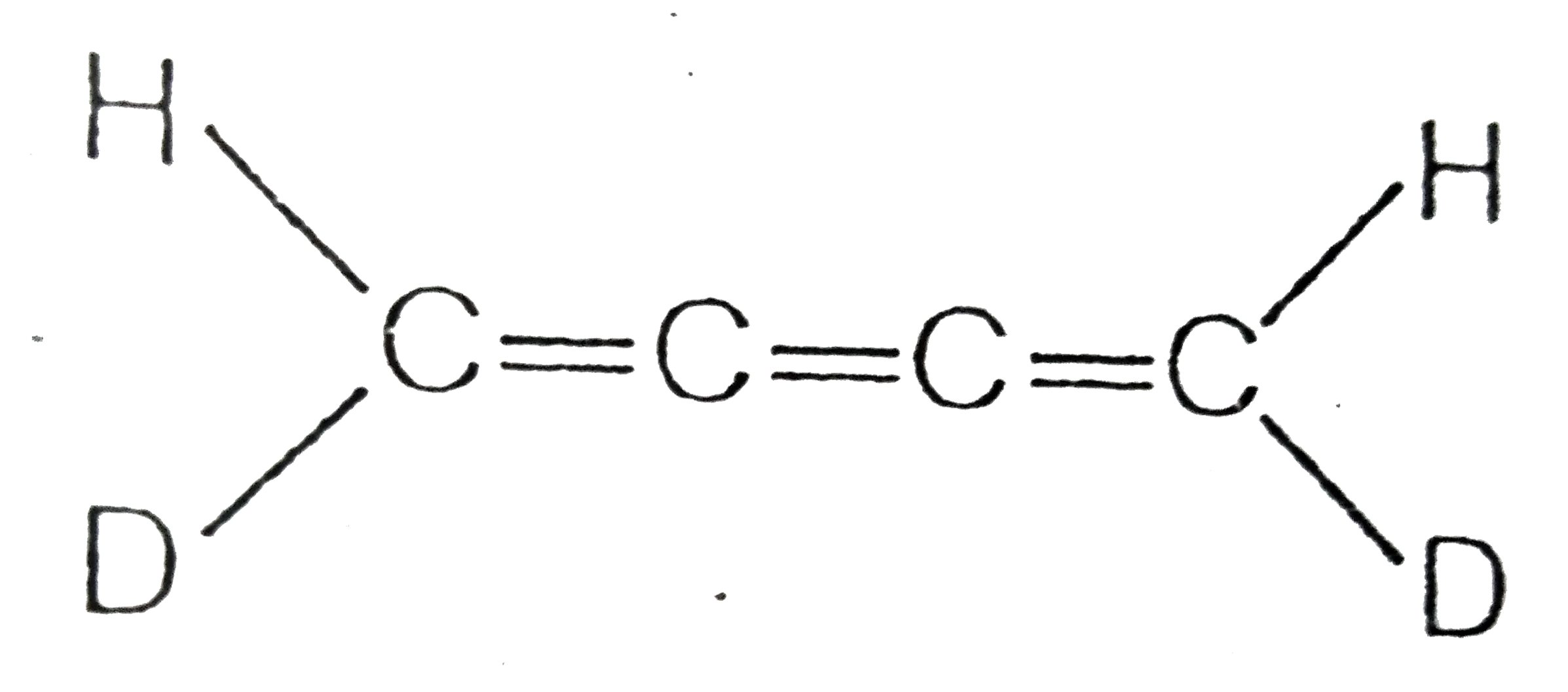
Compound "X" undergoes the following sequences of reactions to form "Y" compound "Y"is - |
|
Answer»
|
|
| 2. |
Compound X undergoes formation of cyanohydrin which on hydrolysis gives lactic acid (CH_(3)CH(OH)COOH). Therefore, compound X is |
|
Answer» FORMALDEHYDE |
|
| 3. |
Compound (X) of molecular formula C_(4)H_(8) takes up one equivalent of hydorgen in presence of Pt to form another compound (Y). [Y] on ozonolysis gives acetaldehyde as the only product. Compound [X] is : |
|
Answer» `a`. `CH_(3)-CH_(2)-CH=CH_(2)` |
|
| 4. |
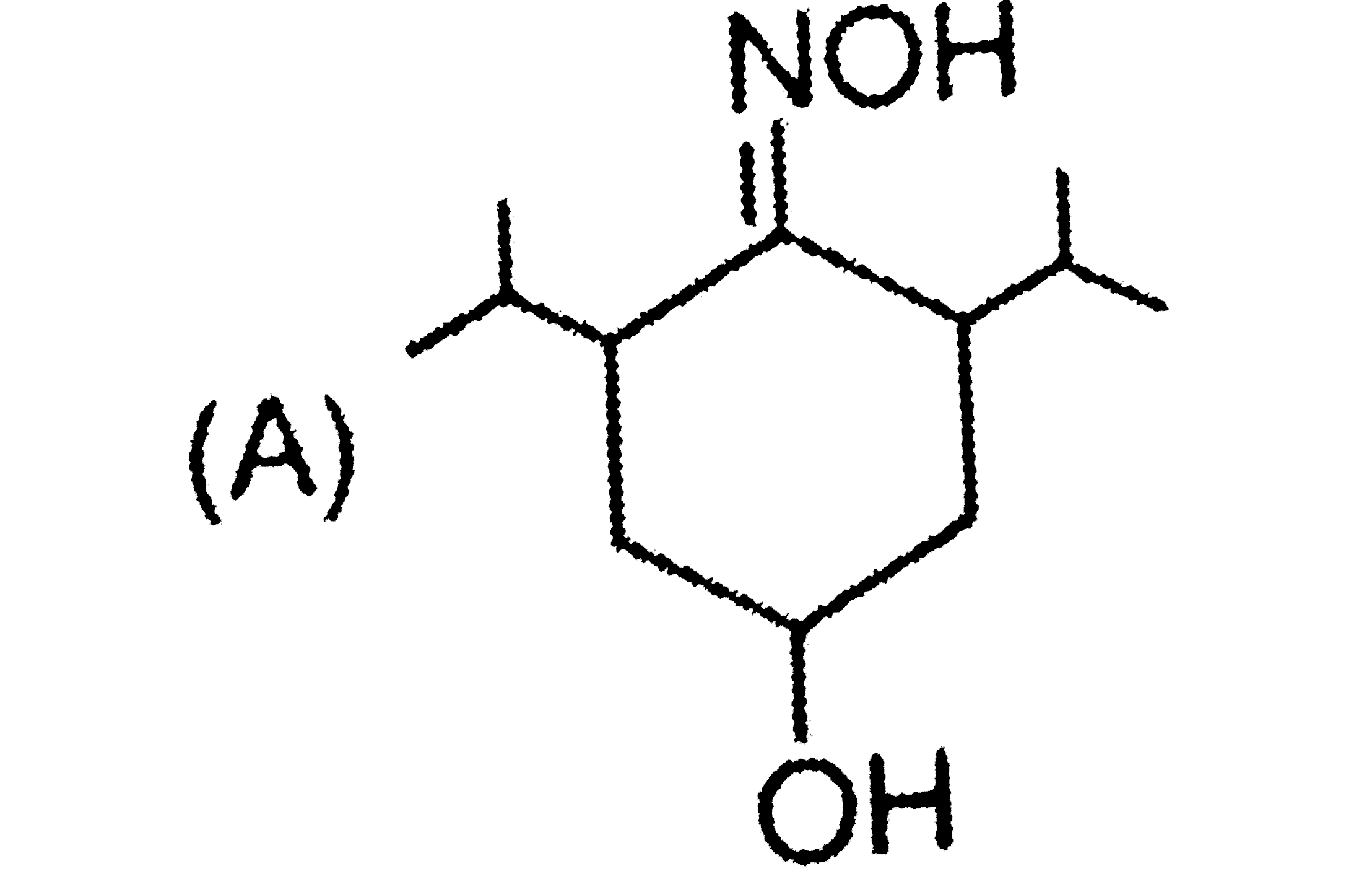
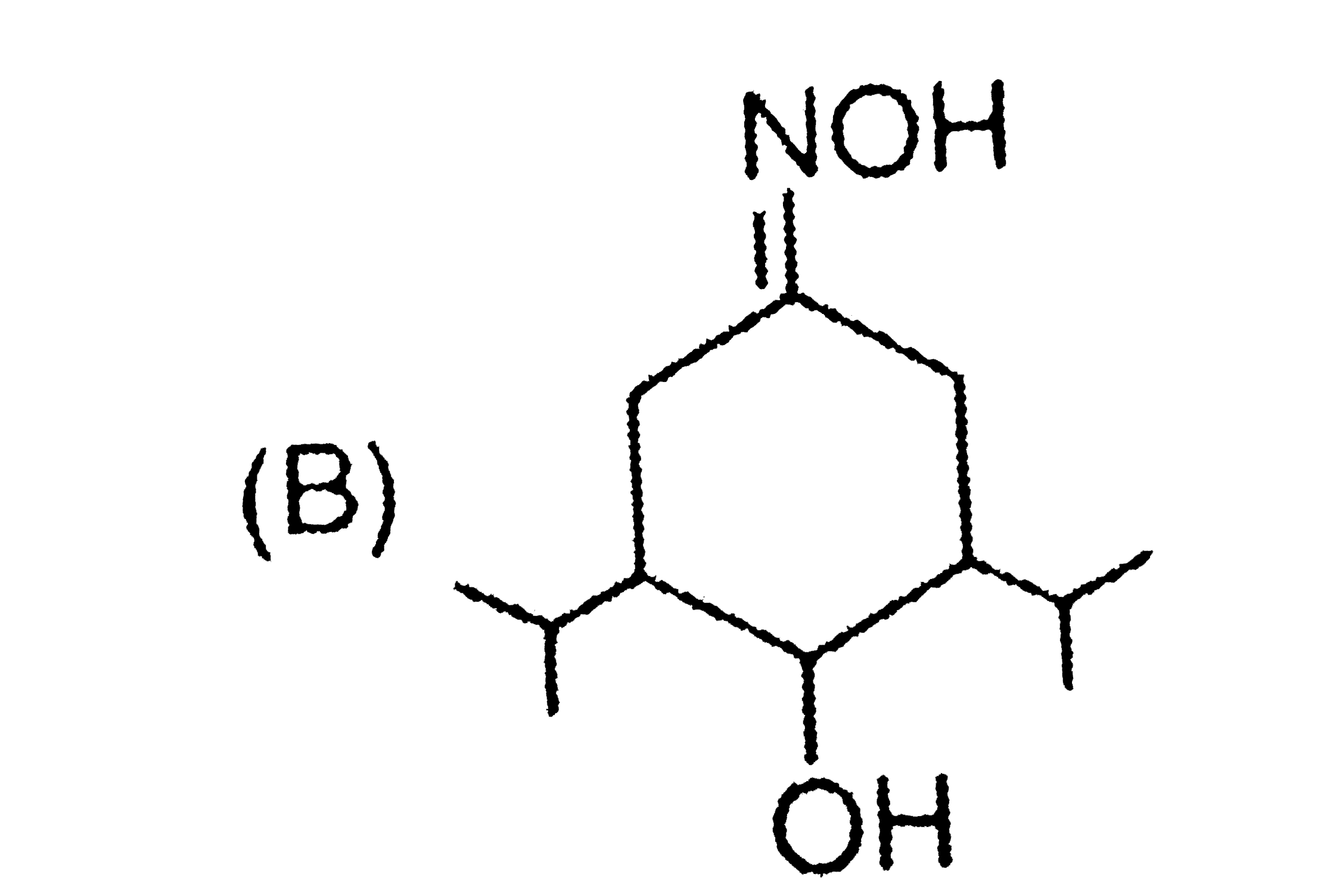
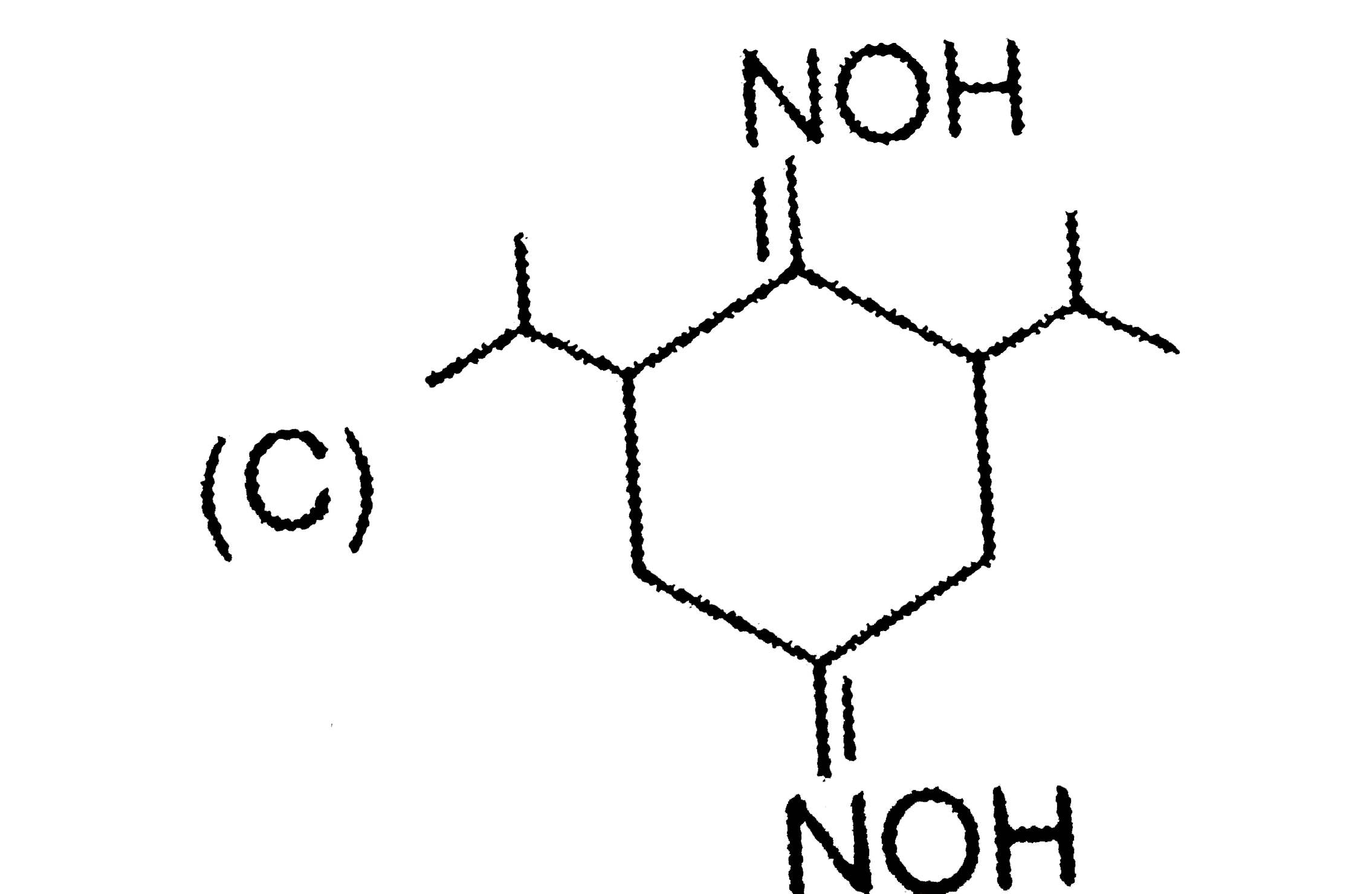
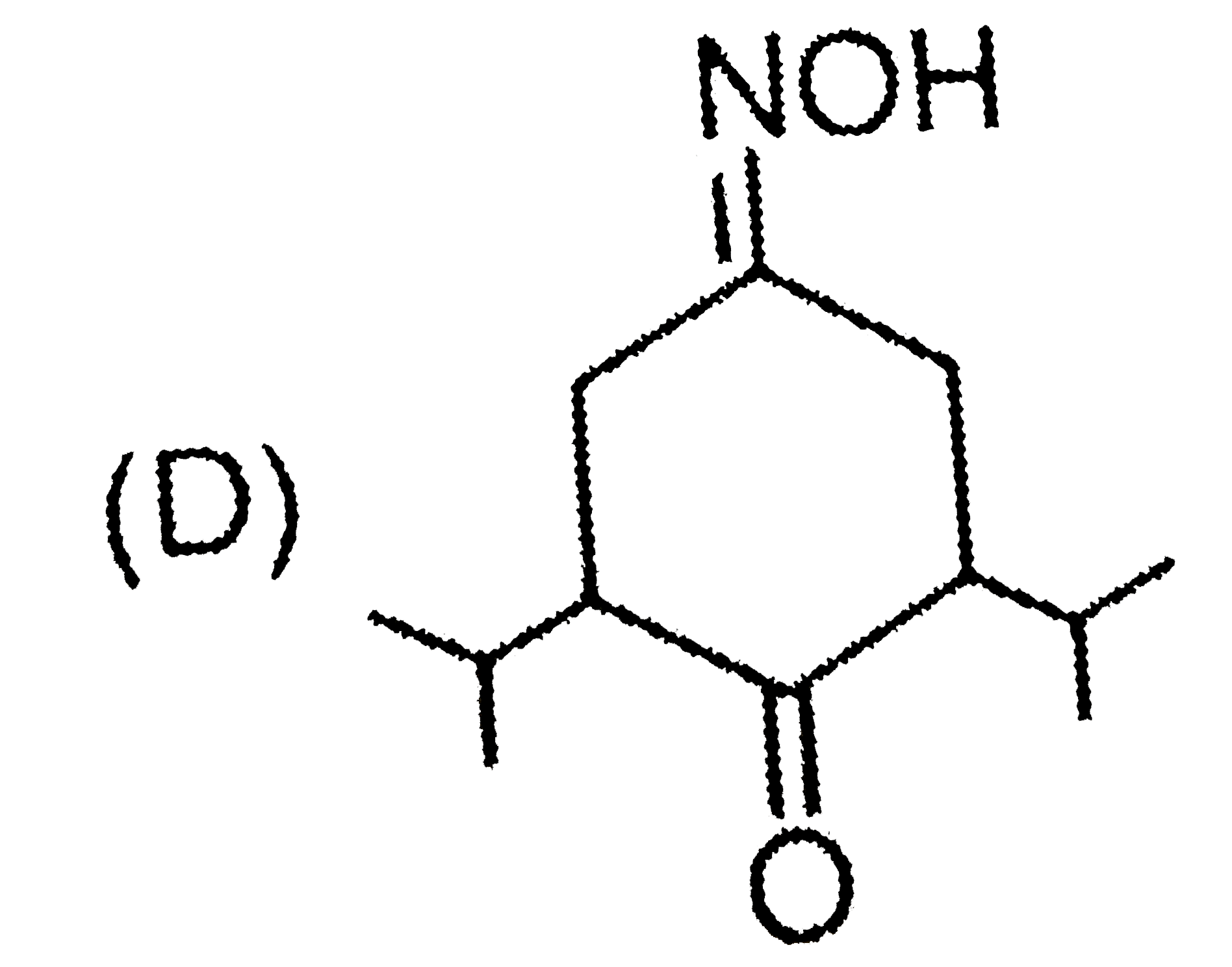
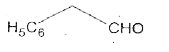
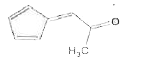
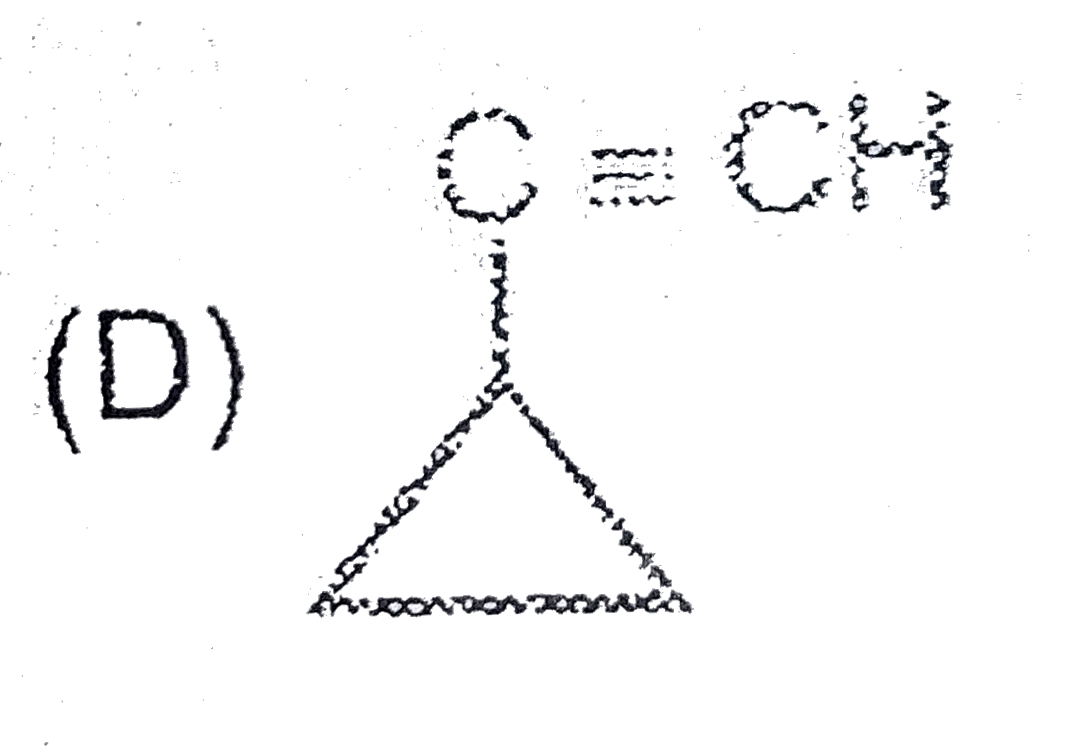
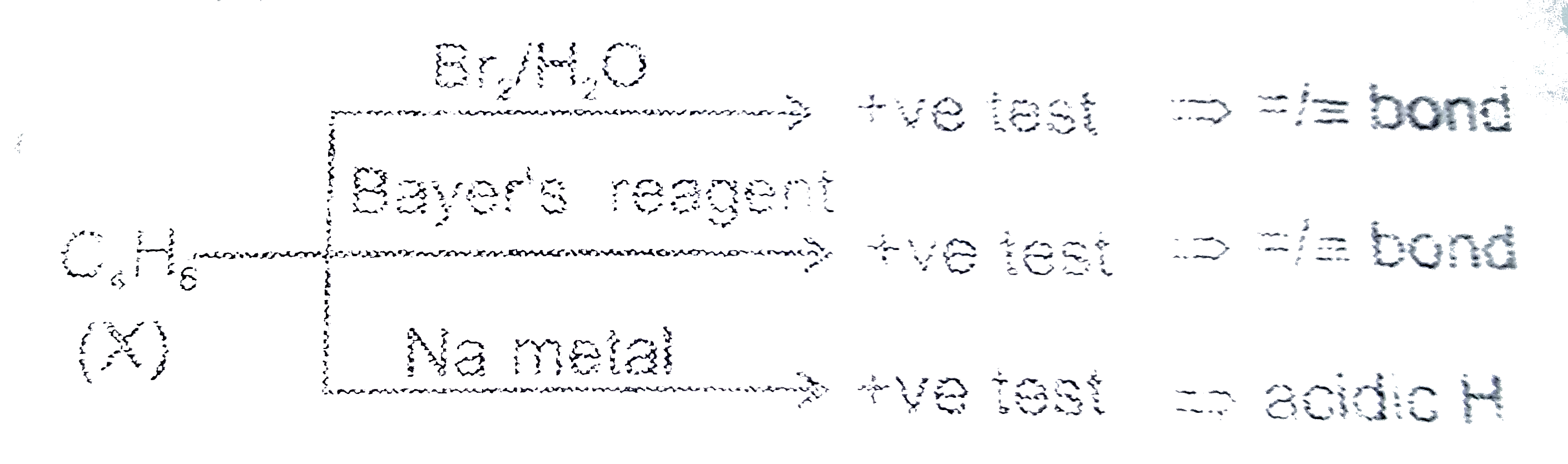
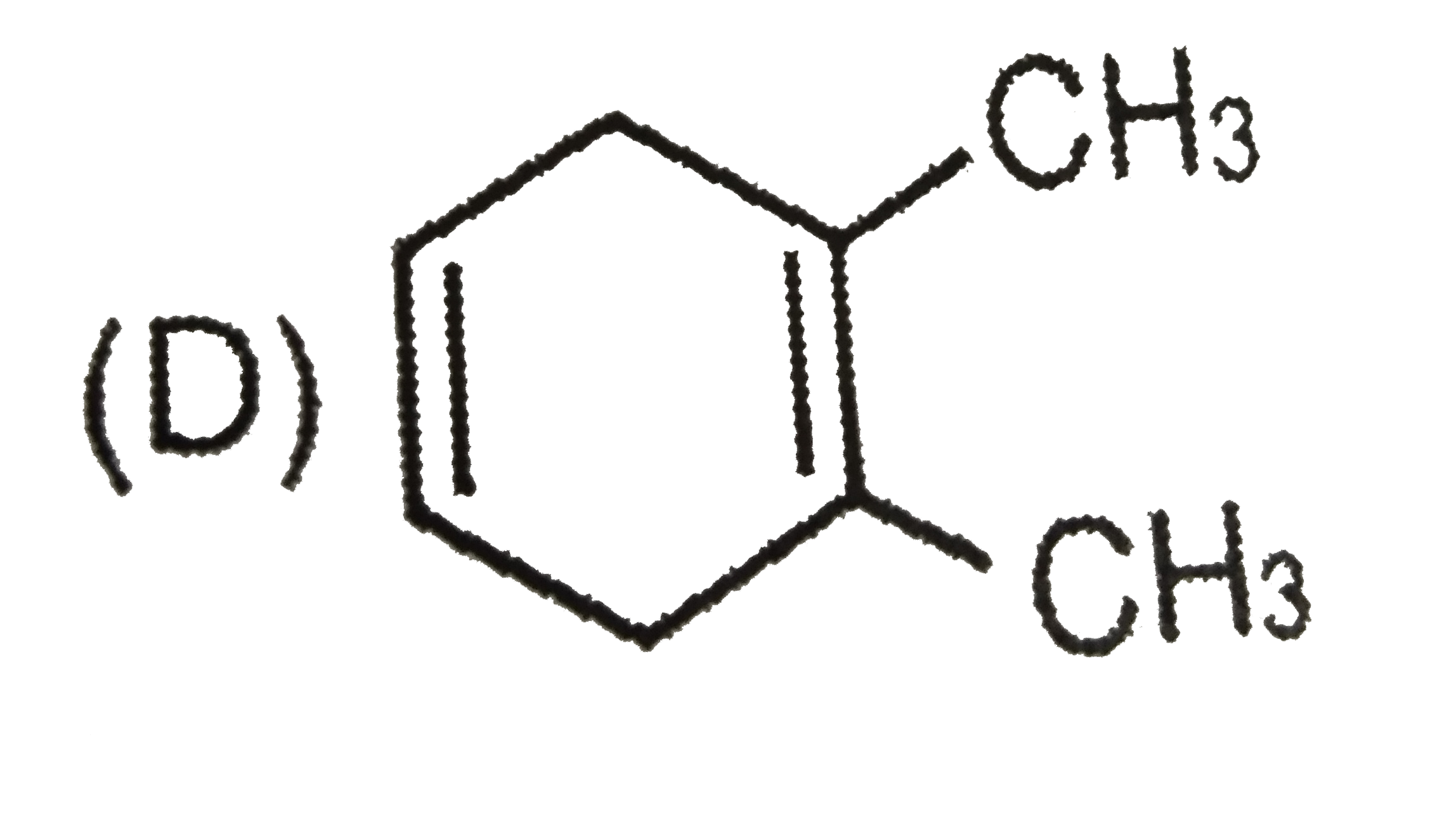
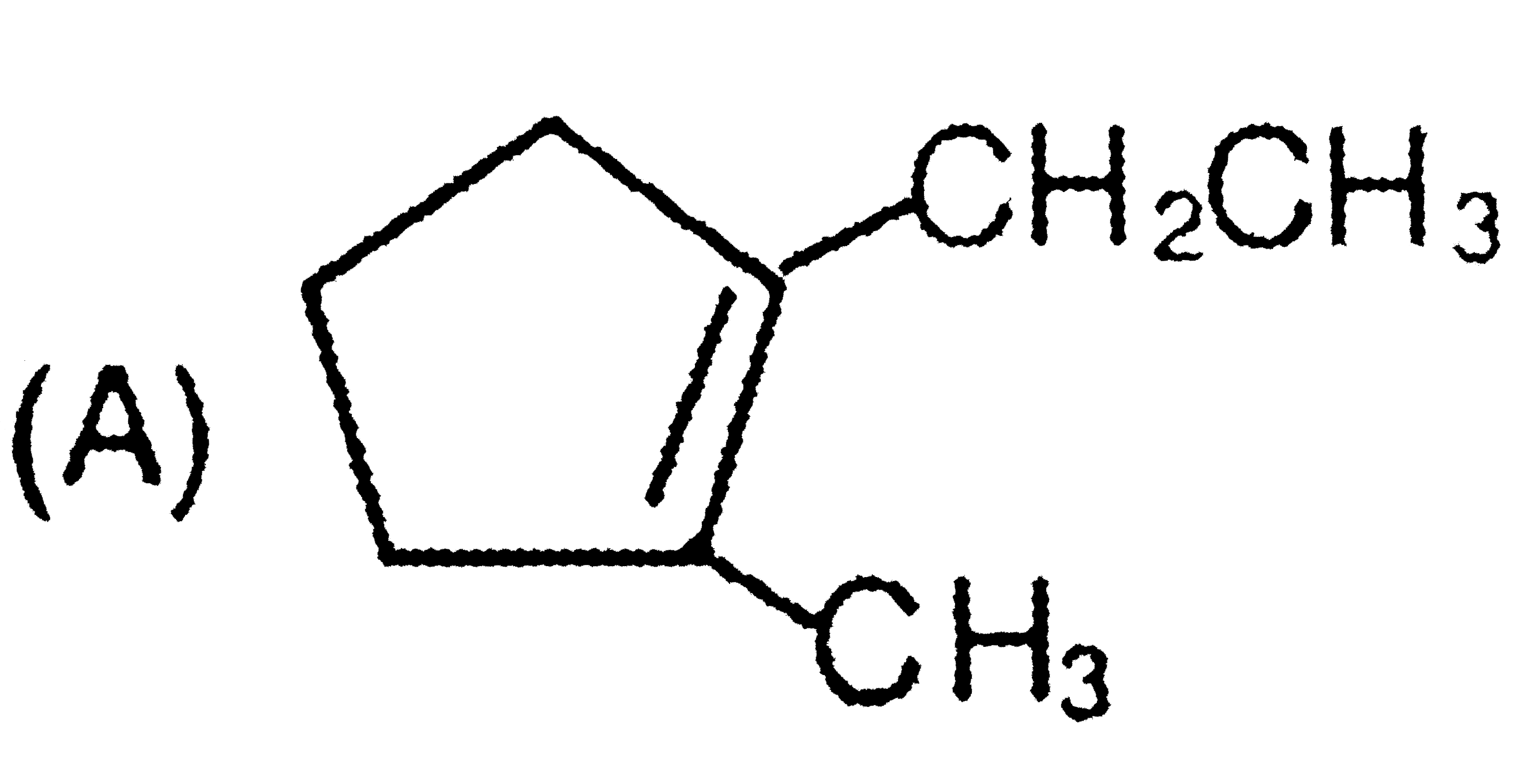
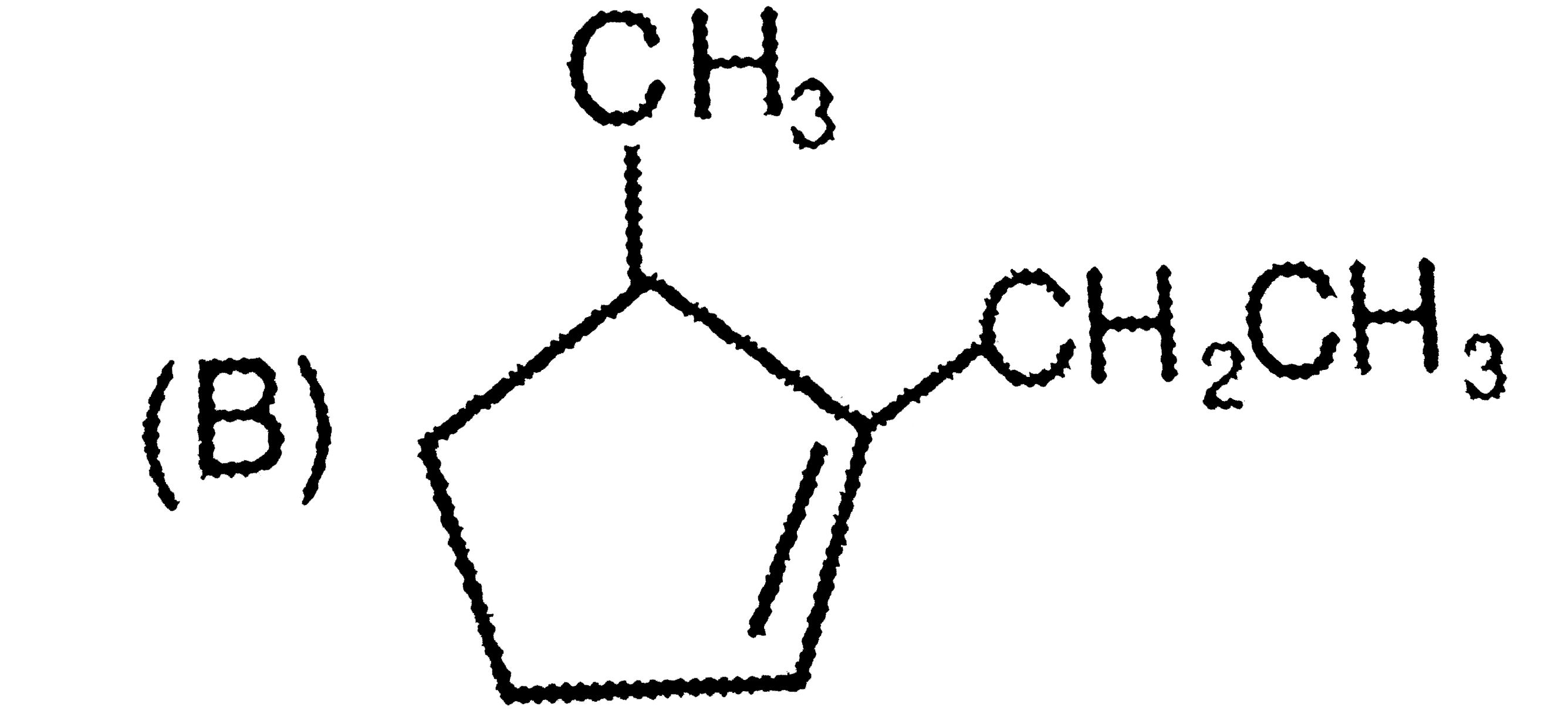
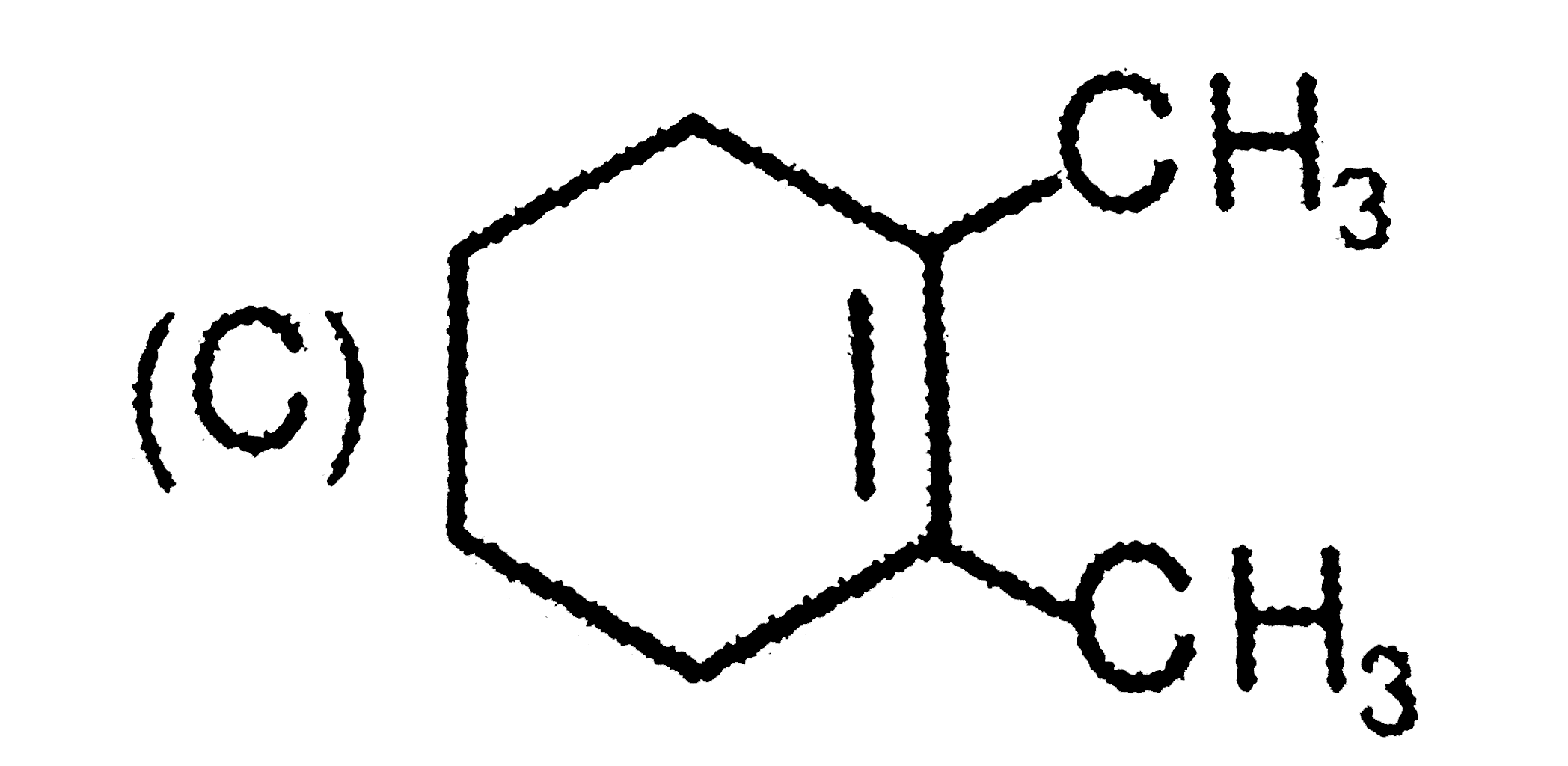
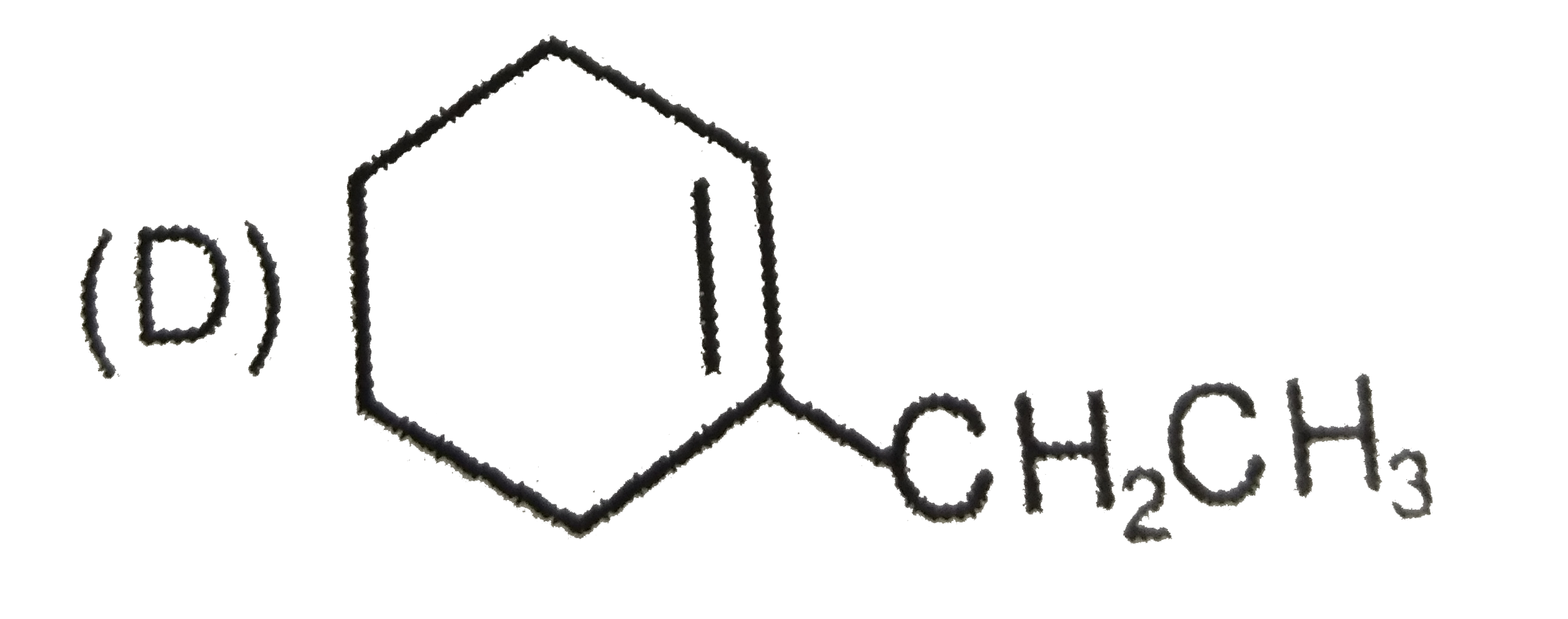
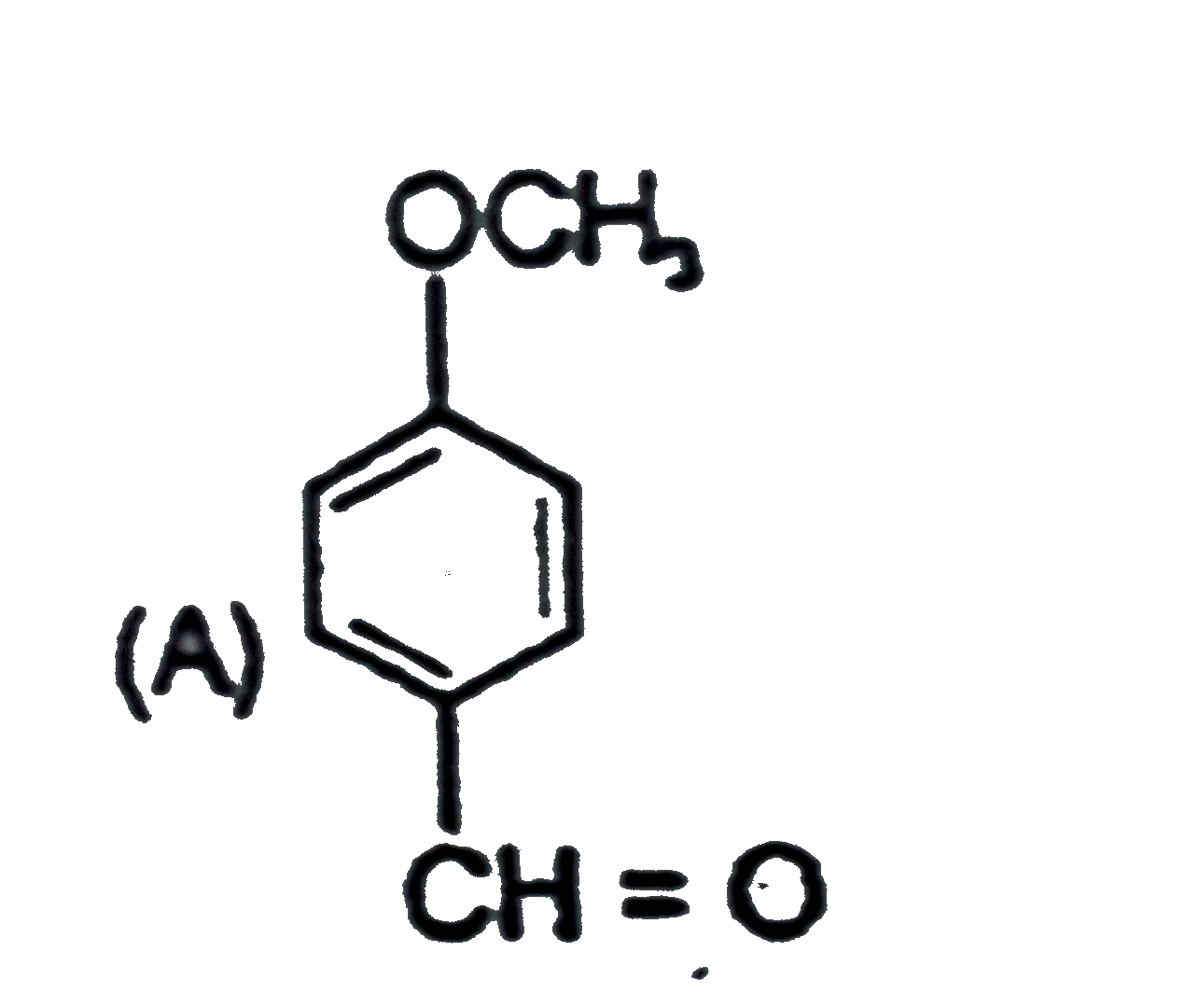
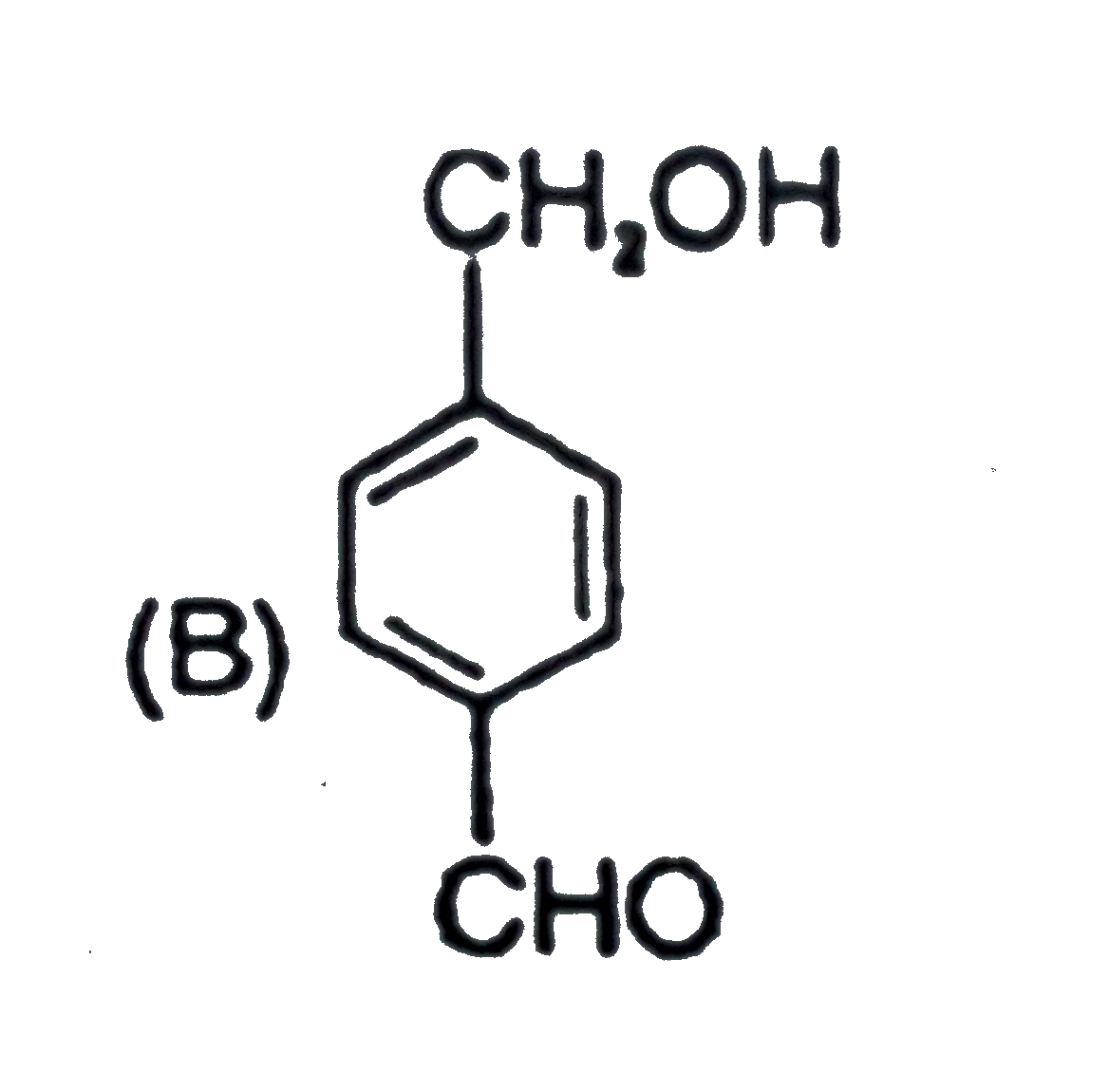
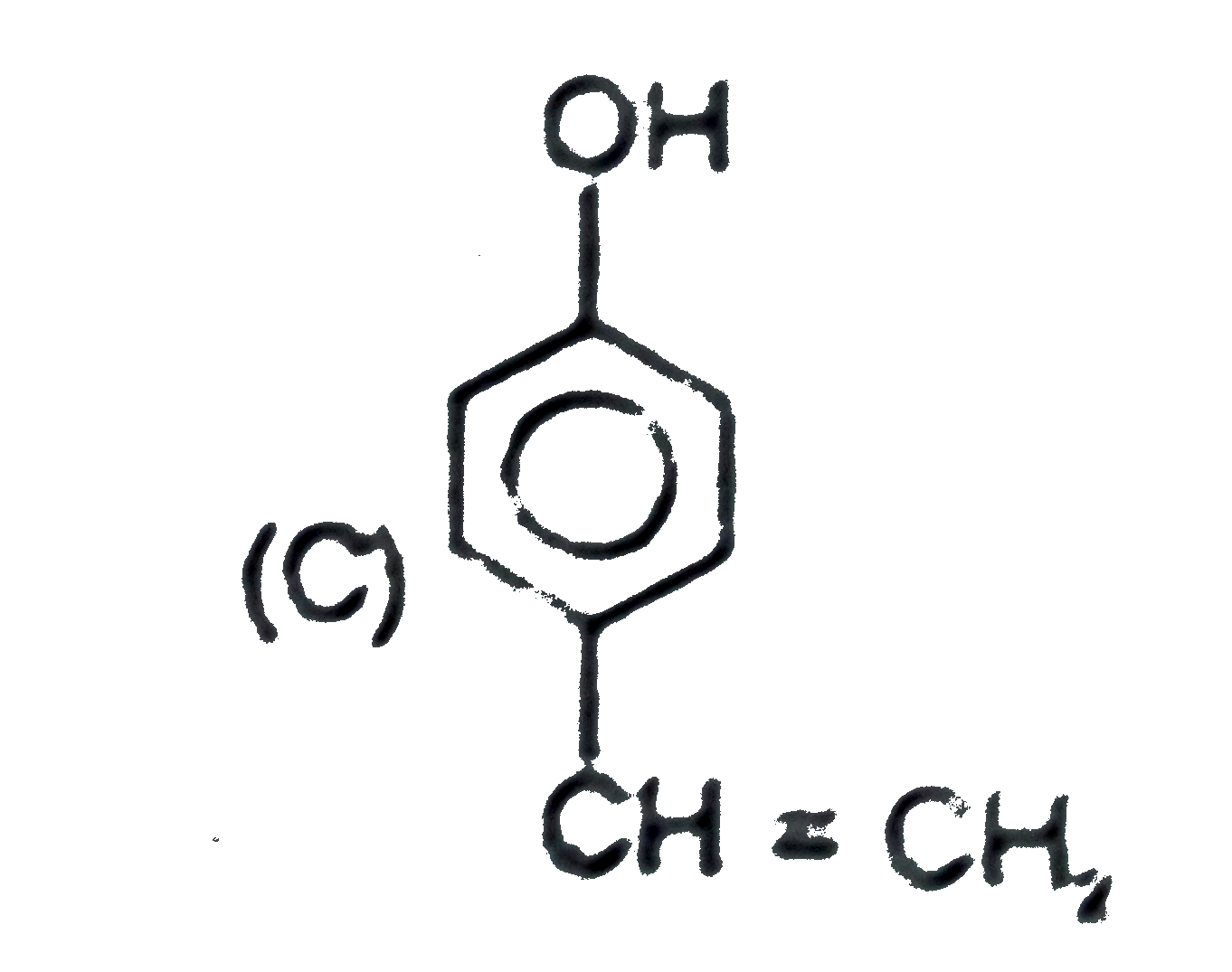
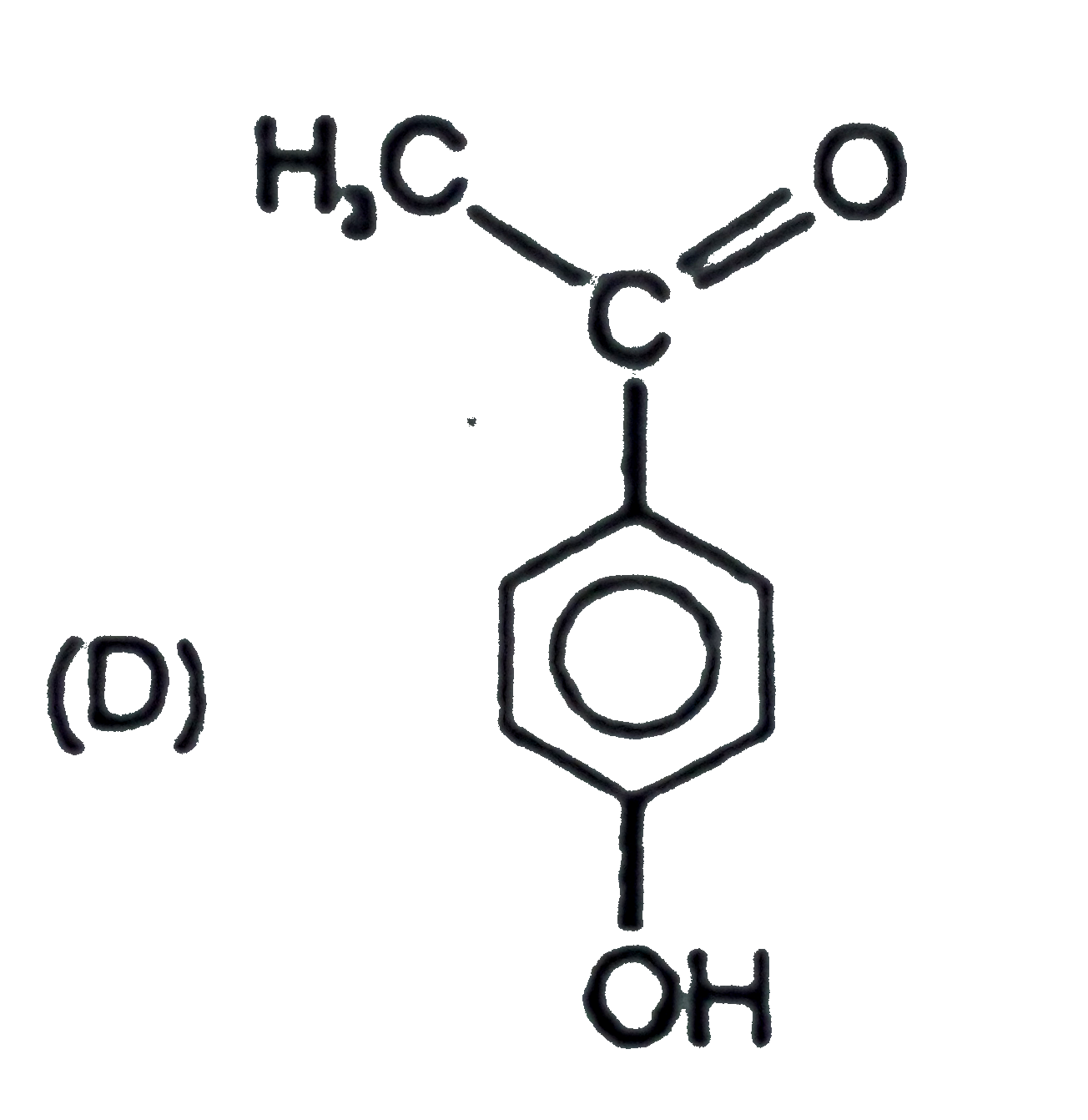
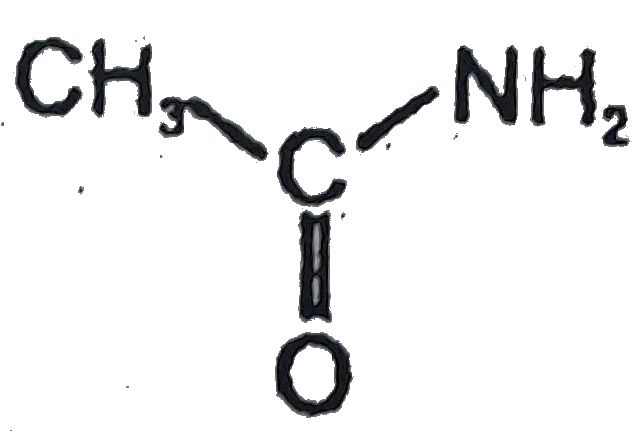
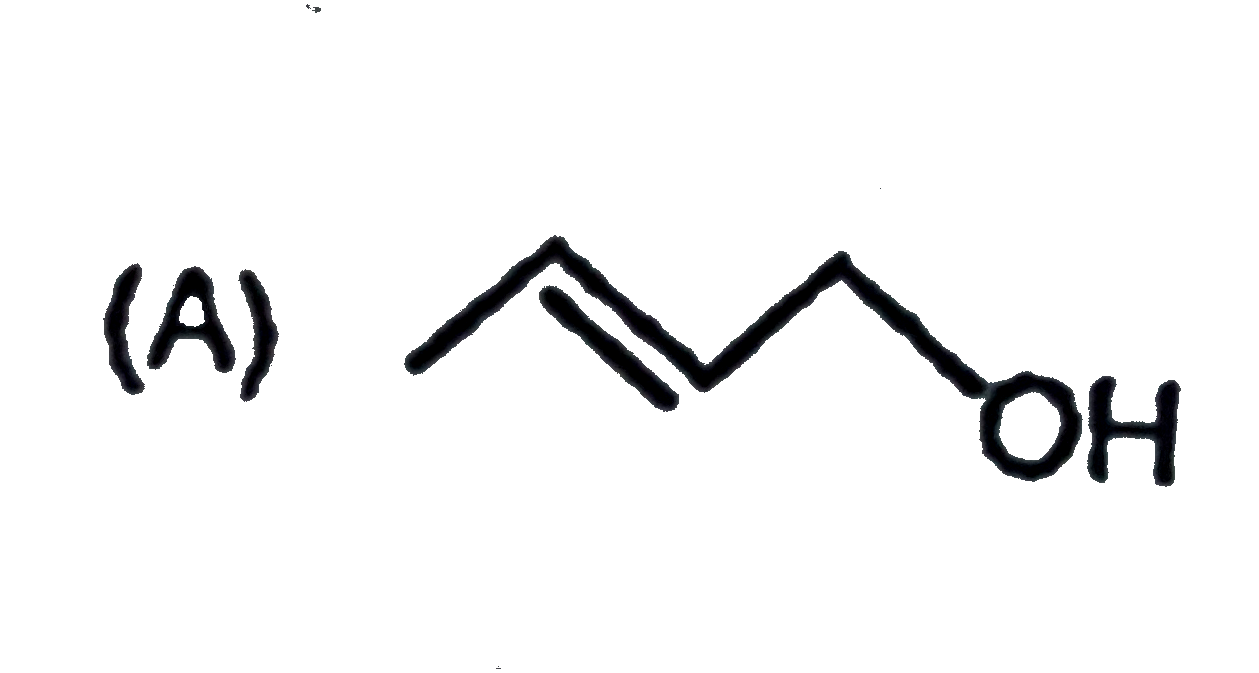
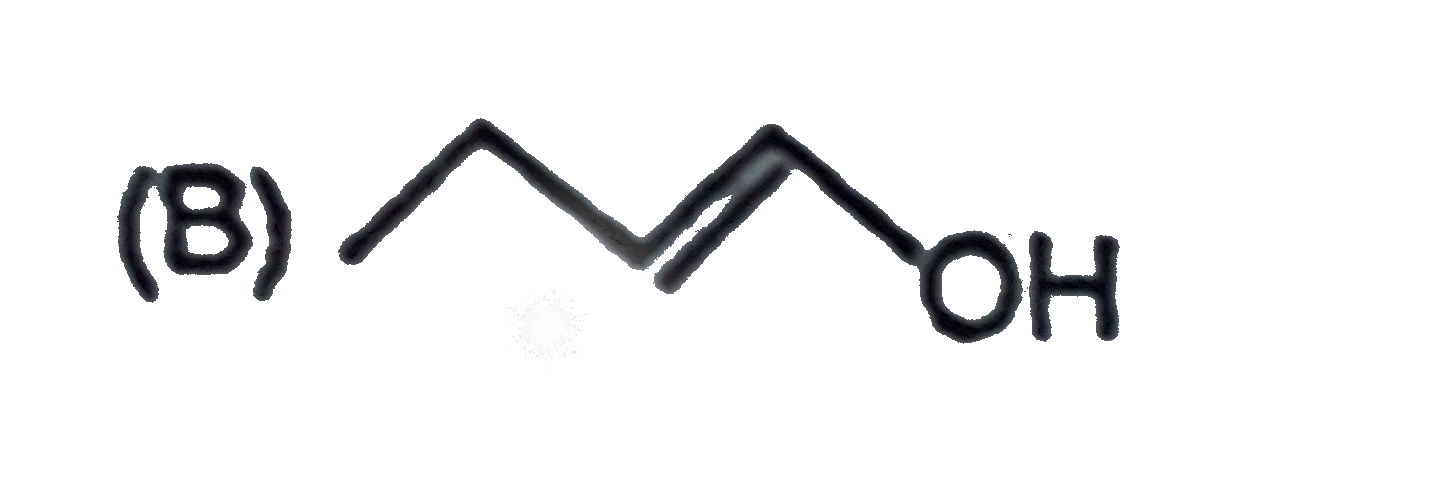
Compound (X), molecular formula C_(8)H_(8)O, is water insoluble and gives yellow ppt with l_(2)//NaOH. It reacts with H_(2)N-OH in the presence of NH_(4)Cl//NH_(4)OH to give two geometrical isomers, which do not undergo dehydration but can go for rearrangement with acids. Compound (X) can be, |
|
Answer»
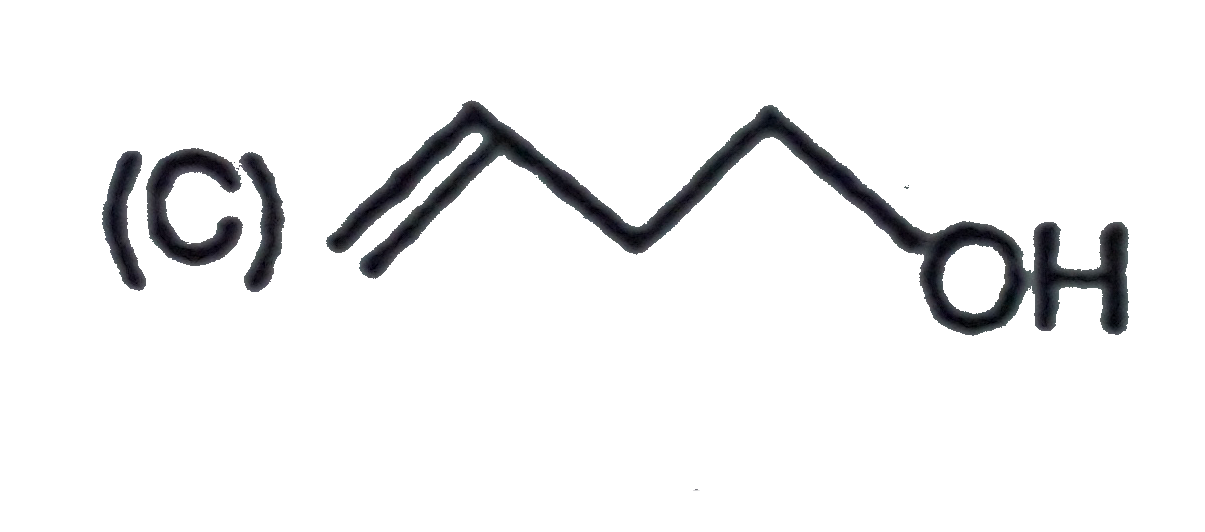
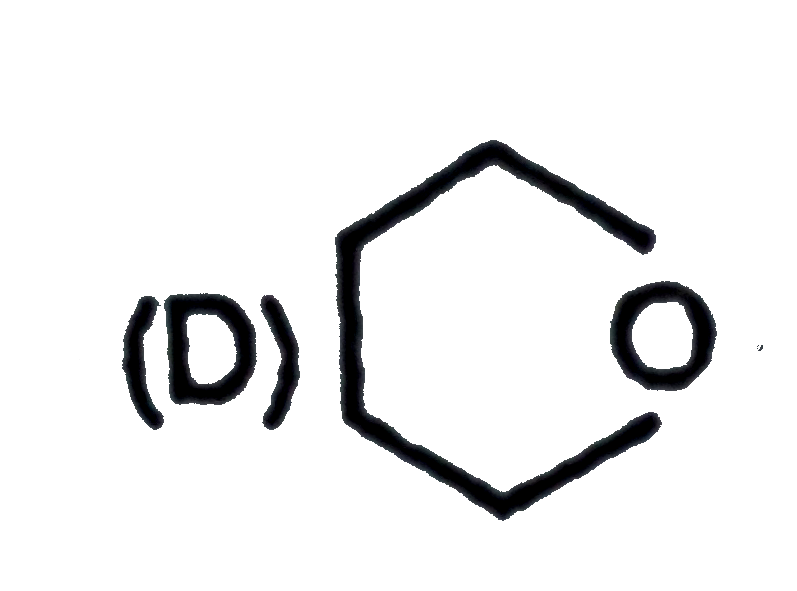
 GROUP as it gives POSITIVE haloform test. Hence, (X) should be (A) and (D). Hence, (A) and (D) are the CORRECT answers. |
|
| 5. |
Compound X is tested and the results are shown in the table : Which ions are present in compound X? |
|
Answer» Ammonium ions and sulphite ions `overset(+)(N)H_(4) + NaOH_((aq)) overset(Delta)(to) NH_(3) + H_(2)O + Na^(+)` For the second test , effervescence and turning lime water milky GENERALLY gives the IDEA of two gases : `CO_(2)` and `SO_(2)` . But as the gas turns acidified `K_2 Cr_2 O_7` PAPER green so the gas should be `SO_2` . Sulphite salts on reaction with dil. HCl evolves `SO_(2)` . `K_(2) underset("(orange)")(Cr_(2) O_(7)) + SO_(2) + H_(2) SO_(4) to underset("(green)") (Cr_(2) (SO_(4))_(3)) + K_(2) SO_(4) + H_(2)O` |
|
| 6. |
CompoundX is thetreatedwith NH_(2)OHandby reductiongives . (CH_(3))_(2)CHCH_(2) overset(NH_(2))overset(|)(CHCH_(2))(CH_(3))_(3) The compoundX is . |
|
Answer» `(CH_(3))_(2)CHCH_(2)overset(NOH)overset(||)(C CH_(2))(CH_(3))_(3)` |
|
| 7. |
Compound 'X' is used in bordeaux mixture. It has electrovalent,covalent, coordinate as well asH-bonds. In compound X based on the nature of bonds and interaction, the number of types of water molecules is : |
|
Answer» 1 
|
|
| 9. |
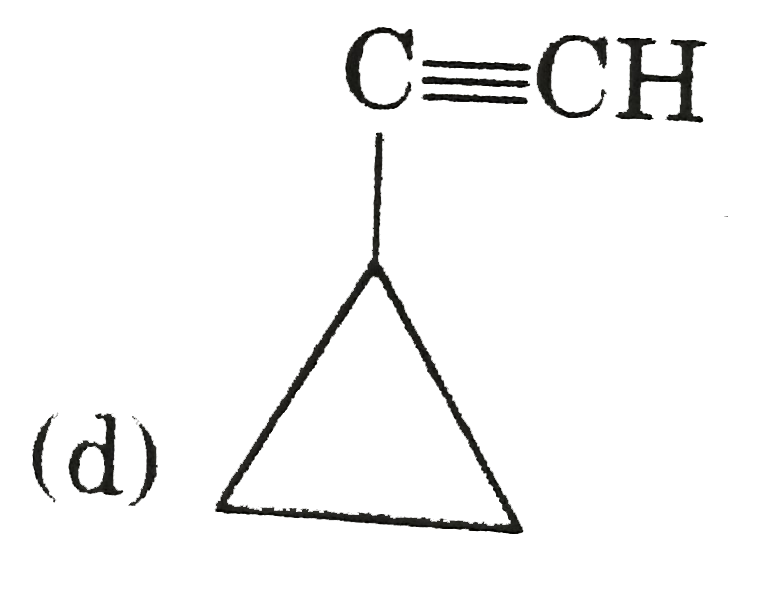
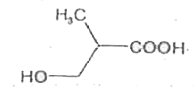
compound 'X' is : |
|
Answer» `1`-Methylcyclopropene 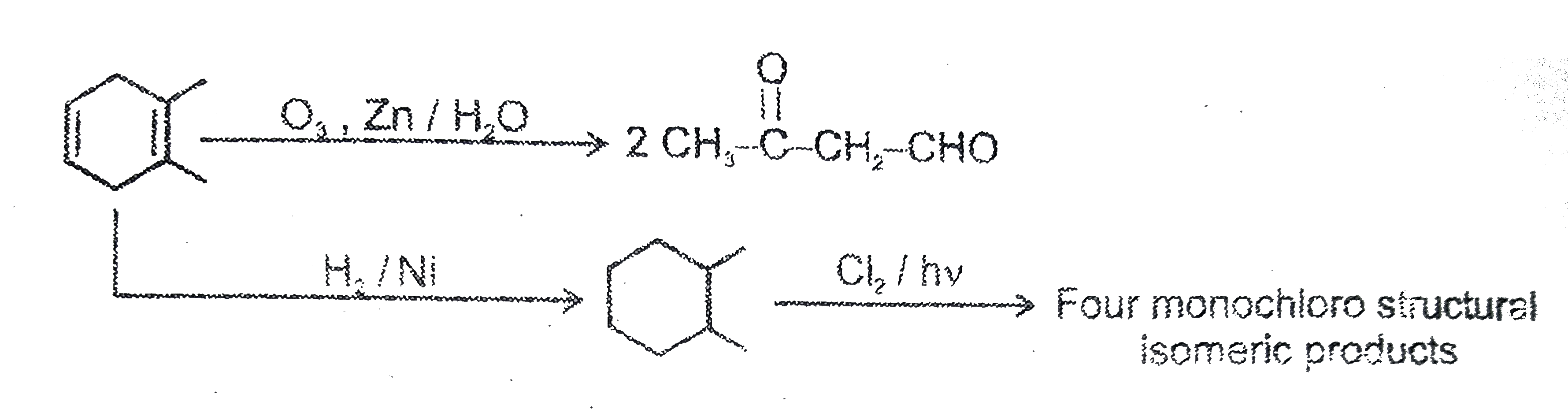
|
|
| 10. |
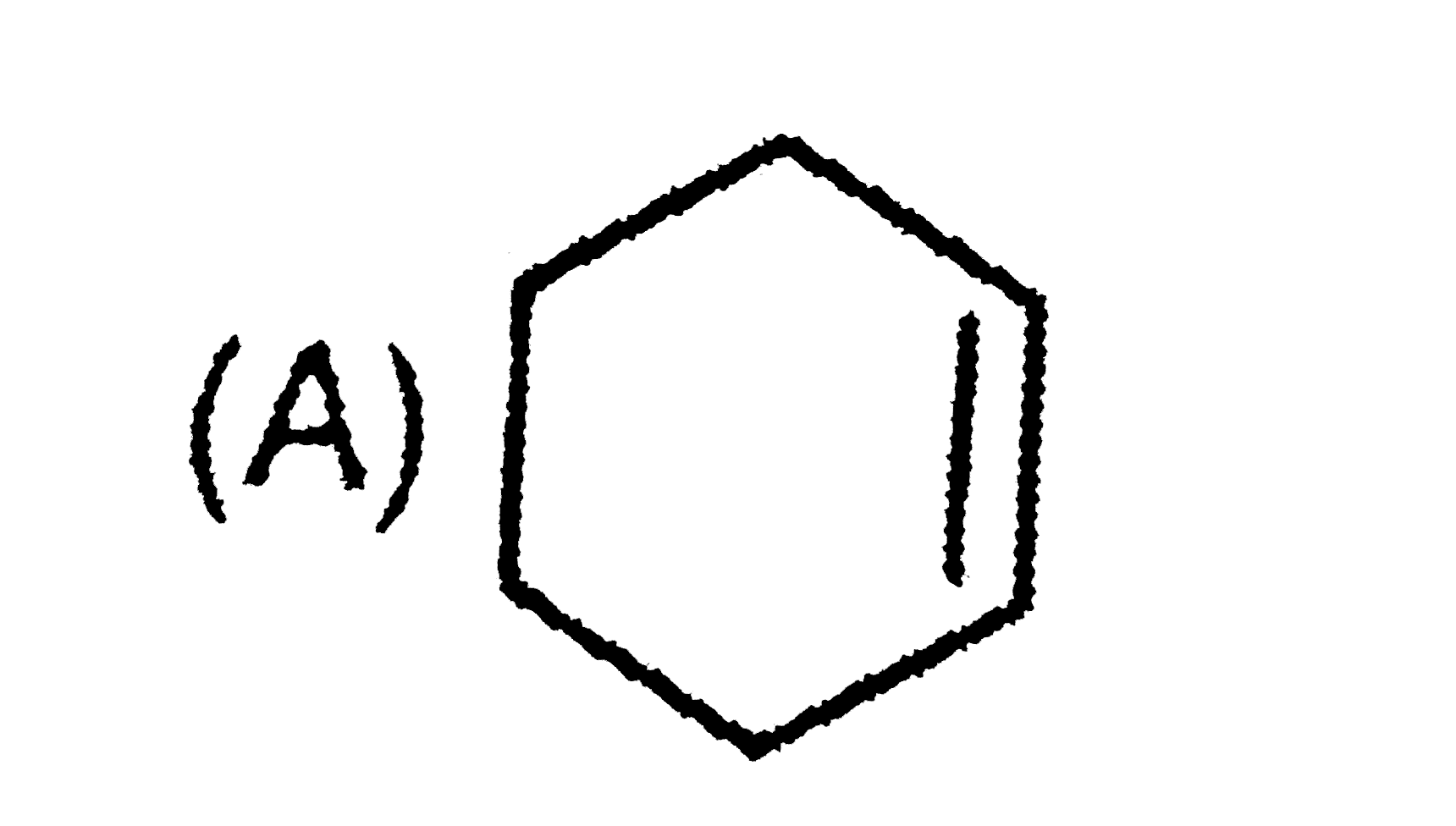
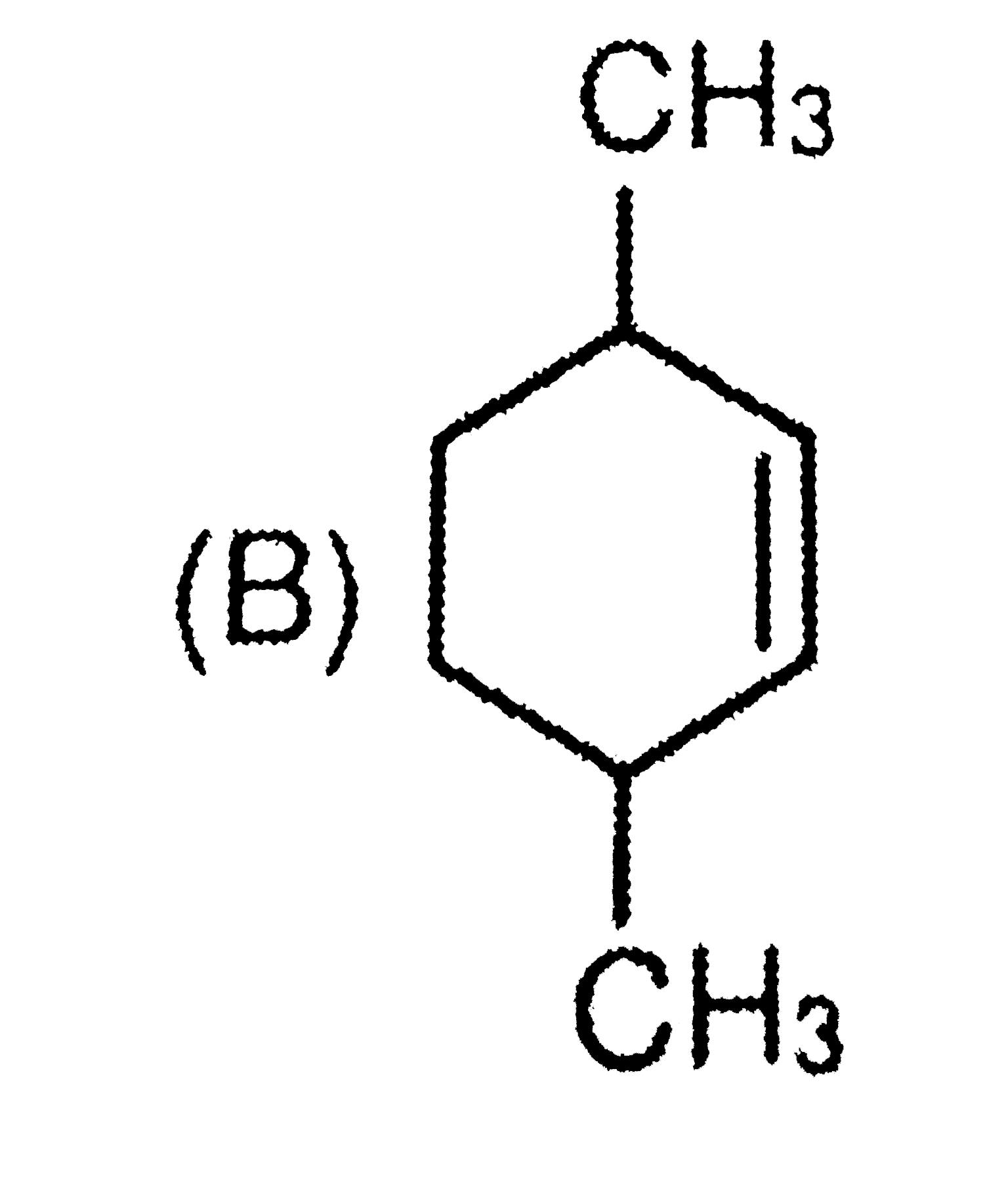
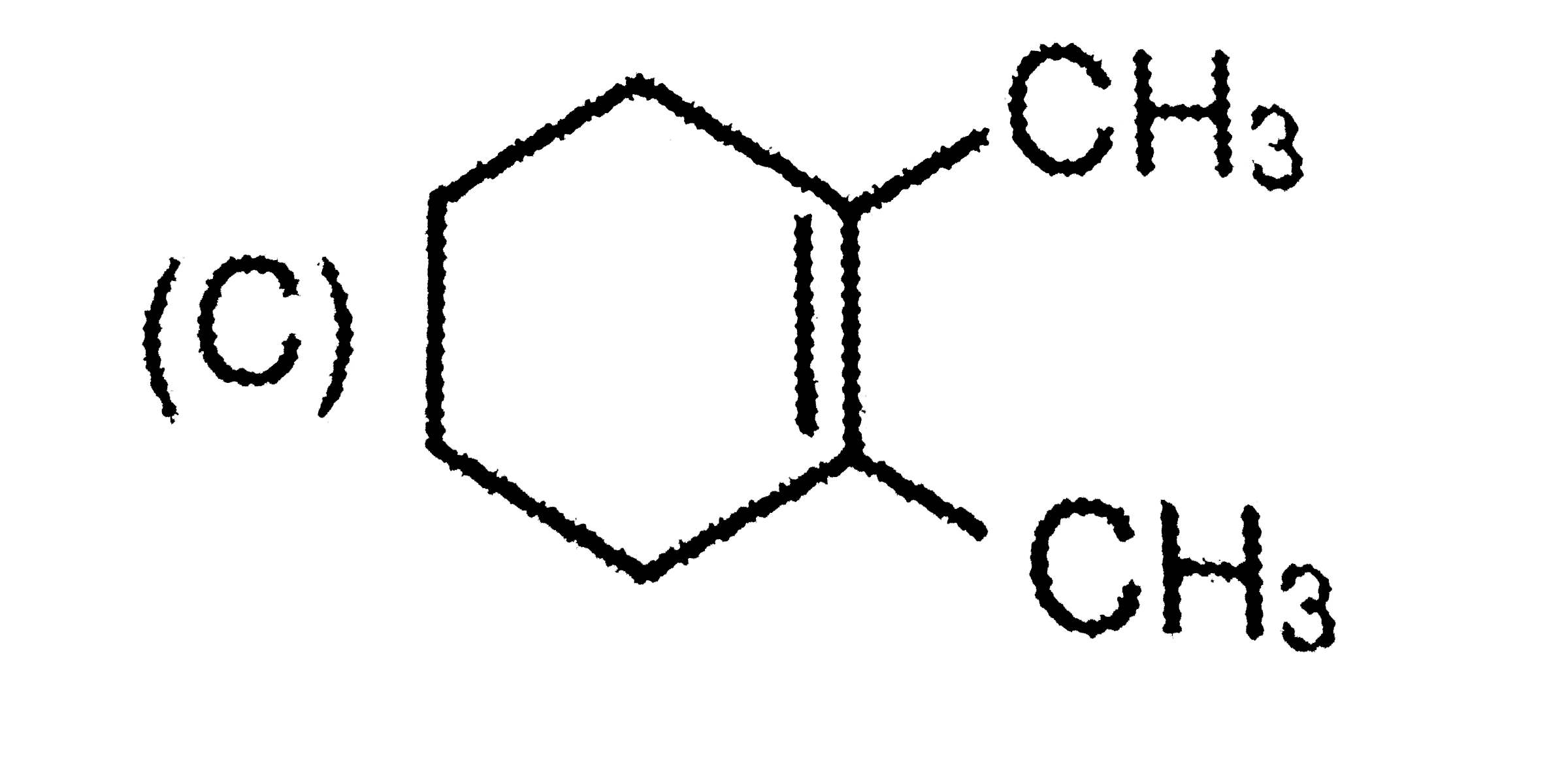
Compound X is : |
|
Answer» `(a) H_(3)C-C-=C-CH_(3)` |
|
| 12. |
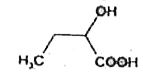
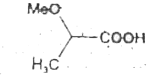
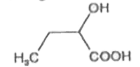
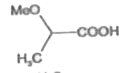
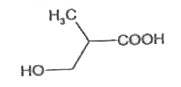
Compound 'X' hasmolecular formulaC_(4)H_(8)O_(3). It evovlesCO_(2) with aq. NaHCO_(3), 'X'reactswithLiAIH_(4)to givea chiral porduct . Thestructure of 'X' is . |
|
Answer»
|
|
| 14. |
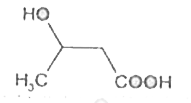
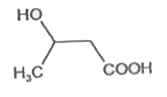
Compound 'X' has molecular formula C_(4)H_(8)O_(3). It evolves CO_(2) with aq. NaHCO_(3) 'X' reacts with LiAlH_(4) to given an achiral product. The structure of 'X' is |
|
Answer»
|
|
| 15. |
Compound [X] gives positive test with 2, 4-DNP and with I_(2) // NaOH compound [X] may be |
|
Answer» `C_(6)H_(5)COCH_(3)` |
|
| 16. |
Compound 'X' containing chlorine, on treatment with NH_(3) gives a solid 'Y' which is free from chlorine. (Y) analysed as C=49.31%,H=9.59% and N=19.18% and reacts with Br_(2) and caustic soda to give a basic compound (Z),(Z) reacts with HNO_(2) to give ethanol. Suggest structure of (X), (Y) and (Z). |
|
Answer» CH_(3)CH_(2)NH_(2)` `CH_(3)CH_(2)COCl+NH_(3)rarr2 CH_(3)CH_(2)CONH_(2)` |
|
| 17. |
Compound X (C_8H_5O) will give following laboratory test. {:("Isomers",FeCl_2,AgNO_3//NH_4OH,"Na metal"),(X,"Coloured solution","Negative",1//2H_2darr):} X can be : |
|
Answer»
|
|
| 18. |
Compound X (C_7H_14O_4) on ozonolysis gives (Y) and (Z).(Z) is the aldehyde which gives only oxime with NH_2-OH On treatment with I_2/(NaOH).(Y) gives yellow solid CHI_3 alongwith compound given below. When (X) is treated with D_2//Ni.It gives two optically active compound (V) and (W). Which of the following statement is true |
|
Answer» X' gives POSITIVE test with 2,4-DNP and `Br_2` solution 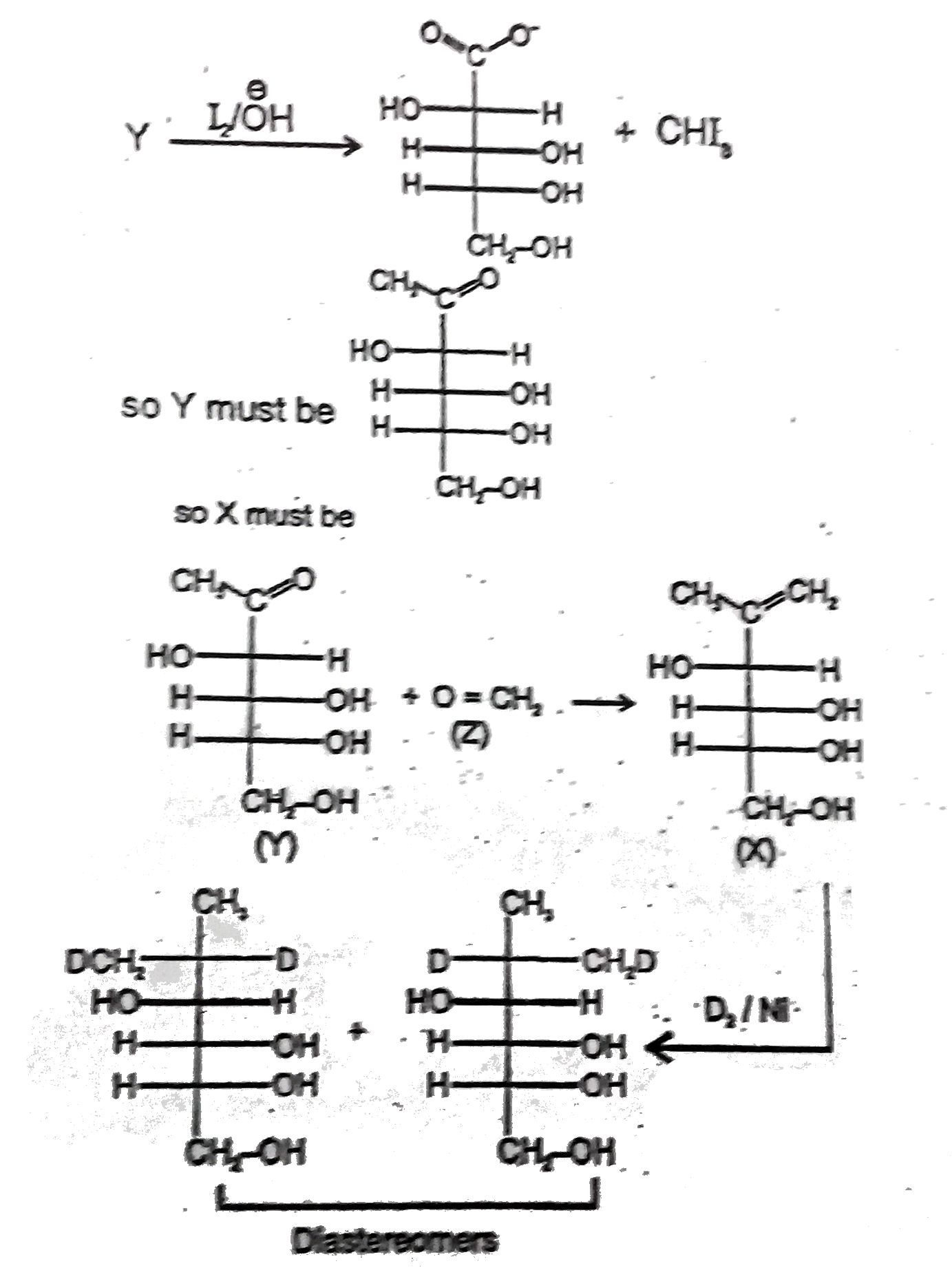
|
|
| 19. |
Compound X (C_7H_14O_4) on ozonolysis gives (Y) and (Z).(Z) is the aldehyde which gives only oxime with NH_2-OH On treatment with I_2/(NaOH).(Y) gives yellow solid CHI_3 alongwith compound given below. When (X) is treated with D_2//Ni.It gives two optically active compound (V) and (W). Compound (Y) can give ....... types of oximers on treatment with CH_2-OH |
|
Answer» 2 |
|
| 20. |
Compound (X) C_(6)H_(5)O gives yellow coloured ppt with 2,4 DNP but does not give red colored ppt with Fehiling's solution (X) on treatement with NH_(2)OH H^(+) gives compound (Y) C_(6)H_(5)NO (Y) when treated with PCl_(5) gives isomeric compound (Z) . (Z) on hydrolysis gives propanoic acid and aniline. what will be the correct structure of (X) ,(Y) and (Z) ? |
Answer» 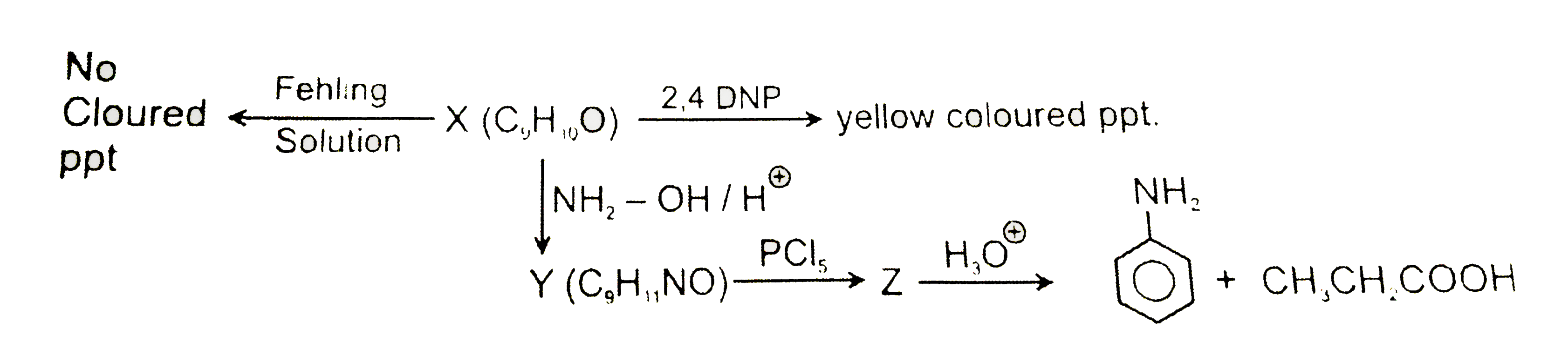
|
|
| 21. |
Compound X (C_7H_14O_4) on ozonolysis gives (Y) and (Z).(Z) is the aldehyde which gives only oxime with NH_2-OH On treatment with I_2/(NaOH).(Y) gives yellow solid CHI_3 alongwith compound given below. When (X) is treated with D_2//Ni.It gives two optically active compound (V) and (W). Compound (V) and (W) are |
|
Answer» Enantiomers |
|
| 22. |
Compound X and Y both have the same molecular formula (C_4H_8O).They give following observation in some lab test. {:("Test",X,Y),(Br_2-"water","positive","negative"),("Na-matel","positive","negative"),("Lucas reagent","turbidity after some time","negative"),("Iodoform test","negitive","negative"):} The compound X and Yare |
|
Answer»
|
|
| 23. |
Compound with molecular formula C_3H_8O on vigorous oxidation produces an acid C_3H_6O_2. It is |
|
Answer» `3^@` alcohol |
|
| 24. |
Compound with identical crystal structure and analogous chemical formula are called: |
| Answer» Answer :D | |
| 25. |
Compound which shows positive mesomeric effect: |
|
Answer» `H_(2)C=CH-Cl` |
|
| 26. |
Compound whichrotates theplanepolarisedlightisknown asopticallyactivecompound. On thebasisofdirectionof rotationtwoformsof an opticallyactivecompoundsare termedas dextro andlaevo rotatory. The twoare termedas enantiomers. Ifwe have a1 : 1mixtureof d andl isomersof a given chiralcompound, opticalrotation of suchmixtureis zeroSucha mixtureis optically inactive and is calleda recemic modification. Thenetspecificrotation of any mixtureof the dand isomersof a givenchiral compoundis equalto the weightedaverageof the rotations due to boththe isomersMathematicallyif can beexpressedas : [alpha]_(net) =f_(d) [alpha_(d)] + f_(1) [alpha_(l)] Where f_(a) and f_(l)are fractionsof d and l isomersrespectively and [alpha_(d)] , [alpha_(l)] are theirspecificrotationsWhich of thefollowingmolecule canresolvedintoenantiomers ? |
|
Answer»
|
|
| 27. |
Compound whichrotates theplanepolarisedlightisknown asopticallyactivecompound. On thebasisofdirectionof rotationtwoformsof an opticallyactivecompoundsare termedas dextro andlaevo rotatory. The twoare termedas enantiomers. Ifwe have a1 : 1mixtureof d andl isomersof a given chiralcompound, opticalrotation of suchmixtureis zeroSucha mixtureis optically inactive and is calleda recemic modification. Thenetspecificrotation of any mixtureof the dand isomersof a givenchiral compoundis equalto the weightedaverageof the rotations due to boththe isomersMathematicallyif can beexpressedas : [alpha]_(net) =f_(d) [alpha_(d)] + f_(1) [alpha_(l)] Where f_(a) and f_(l)are fractionsof d and l isomersrespectively and [alpha_(d)] , [alpha_(l)] are theirspecificrotationsThe pure of isomerof certainchiralcompoundhas [alpha]_(d)^(25) =+ 55^(@) .A non racemicmixtureof thiscompoundhas a net [alpha]_(d)^(25) =- 11^(@) . Whatis thefractionsof thisisomer in mixture? |
| Answer» Answer :1 | |
| 28. |
Compound whichrotates theplanepolarisedlightisknown asopticallyactivecompound. On thebasisofdirectionof rotationtwoformsof an opticallyactivecompoundsare termedas dextro andlaevo rotatory. The twoare termedas enantiomers. Ifwe have a1 : 1mixtureof d andl isomersof a given chiralcompound, opticalrotation of suchmixtureis zeroSucha mixtureis optically inactive and is calleda recemic modification. Thenetspecificrotation of any mixtureof the dand isomersof a givenchiral compoundis equalto the weightedaverageof the rotations due to boththe isomersMathematicallyif can beexpressedas : [alpha]_(net) =f_(d) [alpha_(d)] + f_(1) [alpha_(l)] Where f_(a) and f_(l)are fractionsof d and l isomersrespectively and [alpha_(d)] , [alpha_(l)] are theirspecificrotationsWhat is theenantiomericexcess in anypuresampleof anopticallyactivesubstance ? |
|
Answer» 0.5 |
|
| 29. |
Compound which is added to soap to impart antiseptic properties is _____________ |
|
Answer» SODIUM lauryl sulphate |
|
| 30. |
Compound which is added to soap to impart antiseptic properties is ........ |
|
Answer» SODIUM laurylsulphate |
|
| 31. |
Compound which is added to soap to impart antiseptic properties is "………….." |
|
Answer» sodium laurylsulphate A gum rosin added to soap to make it lather well, Bithional is added to soapsto impart antiseptic properties to soap. |
|
| 32. |
Compound which is added to soap to impart antiseptic properties is ____________ |
|
Answer» SODIUM laurylsulphate |
|
| 33. |
Compound which has maximum peroxide linkage is - |
|
Answer» `H_(2)SO_(5)` 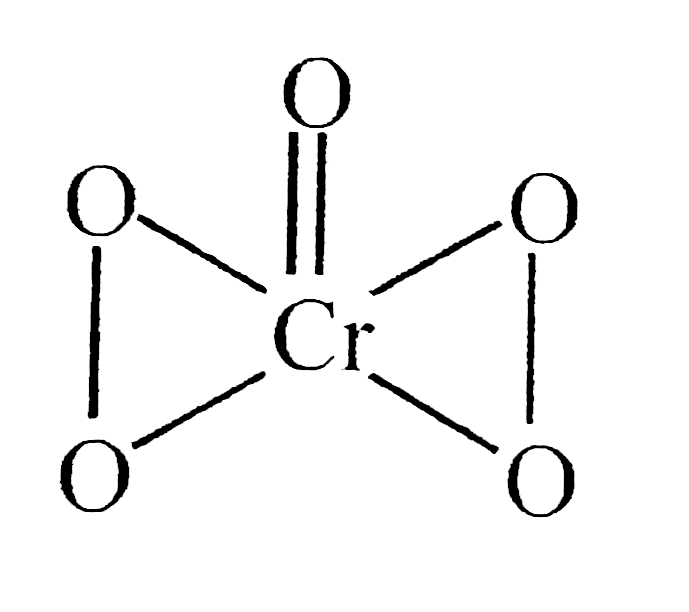
|
|
| 34. |
Compound which gives alcohol on reduction is/are |
|
Answer» `Me-UNDERSET(O)underset(||)(C)-Cl` - Amide `(-overset(O)overset(||)(C)-NH_(2))` does not GIVE alcohol on reduction. |
|
| 35. |
Compound which forms an orange red precipitate with 2, 4 - DNP reagent and gives yellow precipitate on heating with iodine in the presence of sodium hydroxide is |
|
Answer»
|
|
| 36. |
Compound used to remove the permanent hardness of water is …………… |
|
Answer» Zeolite |
|
| 37. |
Compound which does not give yellow ppt, when treated with l_2 in alkali is |
|
Answer» `(AAK_MCP_37_NEET_CHE_E37_033_A01)` |
|
| 38. |
Compoundwhichdoes nottautomeriseand doesnot show acidicproperty is |
|
Answer» `CH_(3) - NO_(2)` |
|
| 39. |
Compound which can give effevescences with NaHCO_(3) . |
|
Answer» |
|
| 40. |
Compound used to remove the permanent hardness of water is ……………. . |
|
Answer» ZEOLITE |
|
| 41. |
Compound used in safety matches is |
|
Answer» <P>`P_4S_3` |
|
| 42. |
Compoundsusedas an eyelotion ……..? |
|
Answer» `H_(3)BO_(3)` |
|
| 43. |
Compound used for propellant i s .................. |
|
Answer» BN |
|
| 44. |
Compound used in photography is ………………… . |
| Answer» Solution :`AgNO_(3)` | |
| 45. |
Compound that is both paramagnetic and coloured is |
|
Answer» `K_(2)Cr_(2)O_(7)` |
|
| 46. |
Compound that has smell of bitter almonds is |
|
Answer» aniline |
|
| 47. |
Compound that gives a positive iodoform test is: |
|
Answer» 1- PENTANOL |
|
| 48. |
Compound represented by this structure |
|
Answer» D-threose |
|
| 49. |
Compound (s) is used for the distinction of primary, secondary and tertiary amines is/are |
|
Answer» ALKALINE chloroform |
|
| 50. |
Compound Ph-O-overset(O)overset(||)(C)-Ph can be prepared by the reaction of____ |
|
Answer» Phenol and benzoic ACID in the presence of NaOH |
|