Saved Bookmarks
This section includes 7 InterviewSolutions, each offering curated multiple-choice questions to sharpen your Current Affairs knowledge and support exam preparation. Choose a topic below to get started.
| 1. |
Benzenediazonium chloride on reaction with phenol in weakly basic medium gives |
|
Answer» Diphenyl ether 
|
|
| 4. |
Benzenediazonium chloride is formed when ........ is treated with .......... and hydrochloric acid at 0-5^@ C. |
| Answer» SOLUTION : ANILINE, SODIUM NITRITE. | |
| 5. |
Benzene vapour mixed with air when passed over V_2O_5 catalyst at 775K gives |
|
Answer» Glyoxal 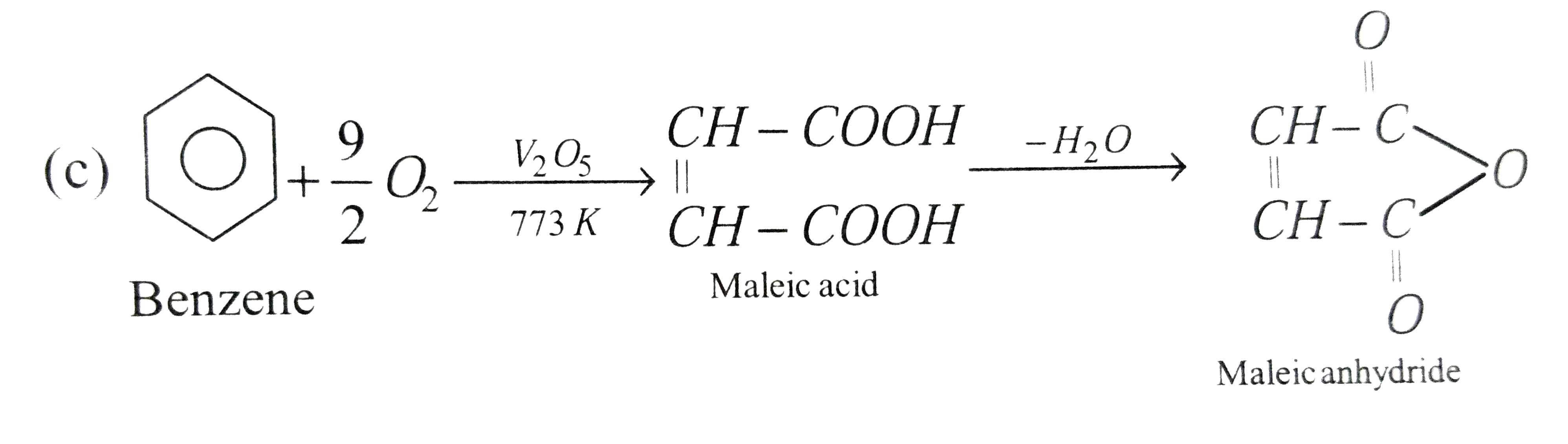
|
|
| 6. |
Benzene undergoes subsitution reaction more easily than addition because : |
|
Answer» It has cyclic |
|
| 7. |
Benzene undergoes nitration reaction to form nitrobenzene in this reaction takes place due to the formation of …………….. . |
| Answer» Solution :Nitronium ion | |
| 8. |
Benzene, touene, xylene (o,m,p) and mesitylene dissolve in HBF_(4) to fromsalts. Expalin the order of basicity: Mesitylene gt m- "Xylene" gt o- and p- Xylenen gt Toulene gt Benzene |
Answer» Solution :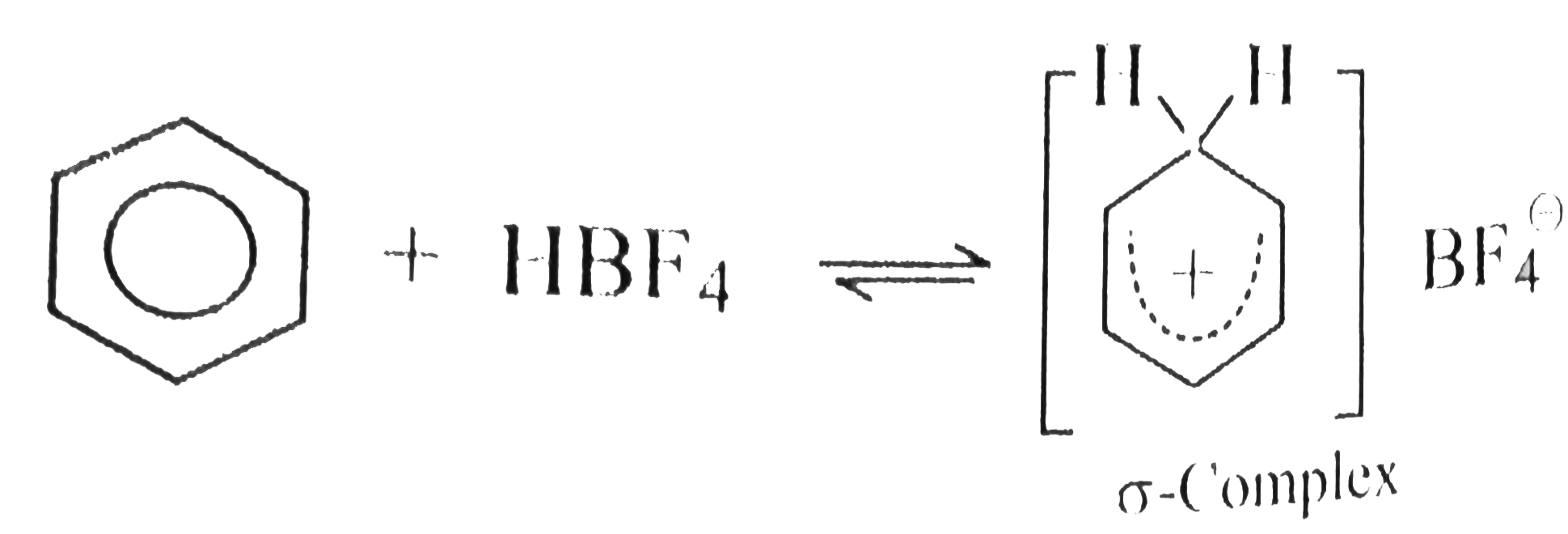 The reaction is reversible, the more stable the `sigam-` complex is, the more will be the equilibriumon the right , i.e., the more basicis the ARENE. More the number of `EDGH` [(Me)` group], more is the stability of the complex, and more basic is the compound. 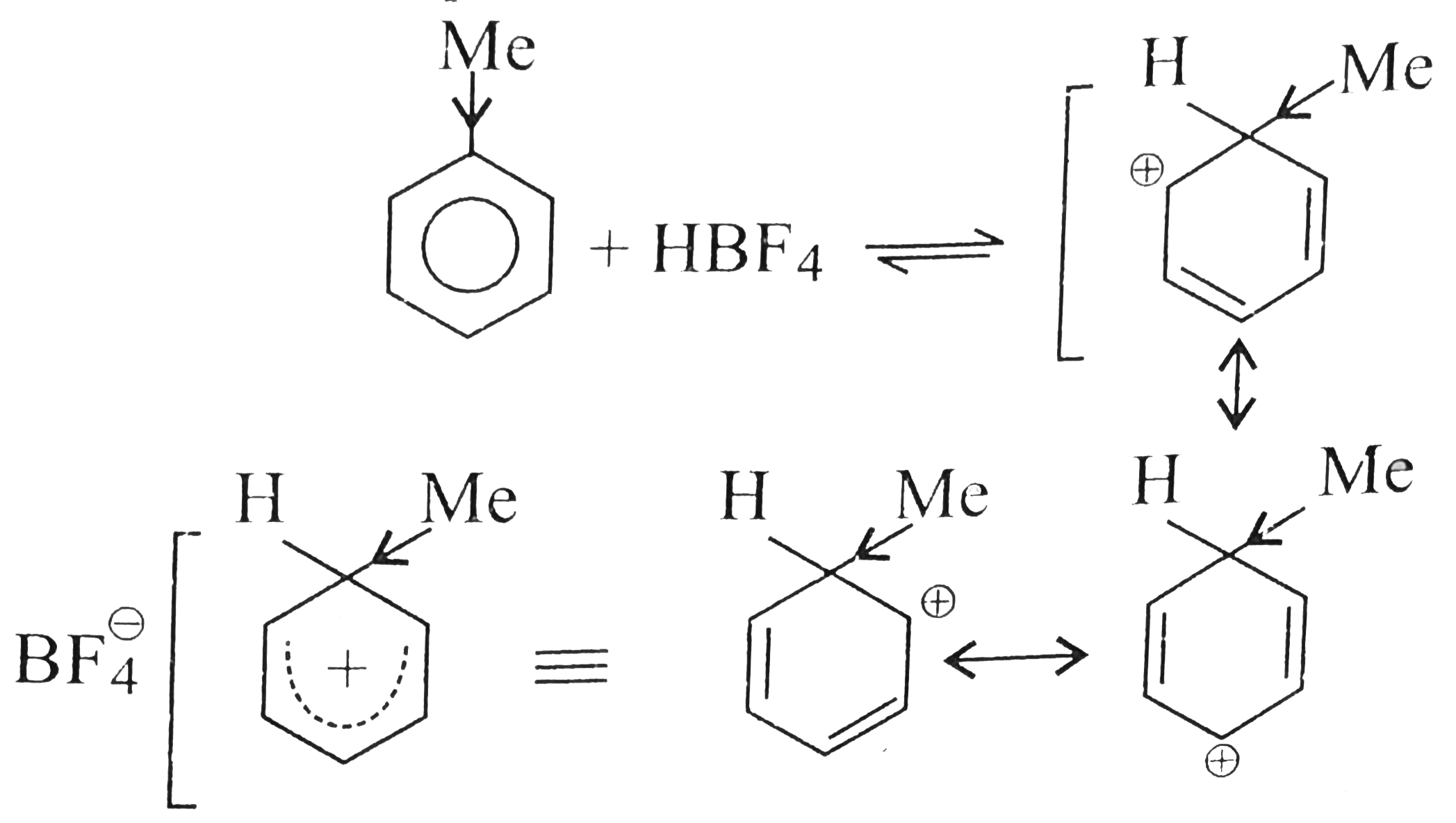 Because of `+I` effect of `(Me)` the positive charge is partically neutralised and `(Me)` group acquires `+dela` charge. i.e., there is chargespreading whichincreases the stabilityof the `sigma-` complex and thus increases the basic CHARACTEROF toluene w.r.t benzene. Mesitylene thas three `(Me)` groups so it must be thestrongest BASE accordingly. Resonating structures of `m-o-` an d`p-` XYLENES are: 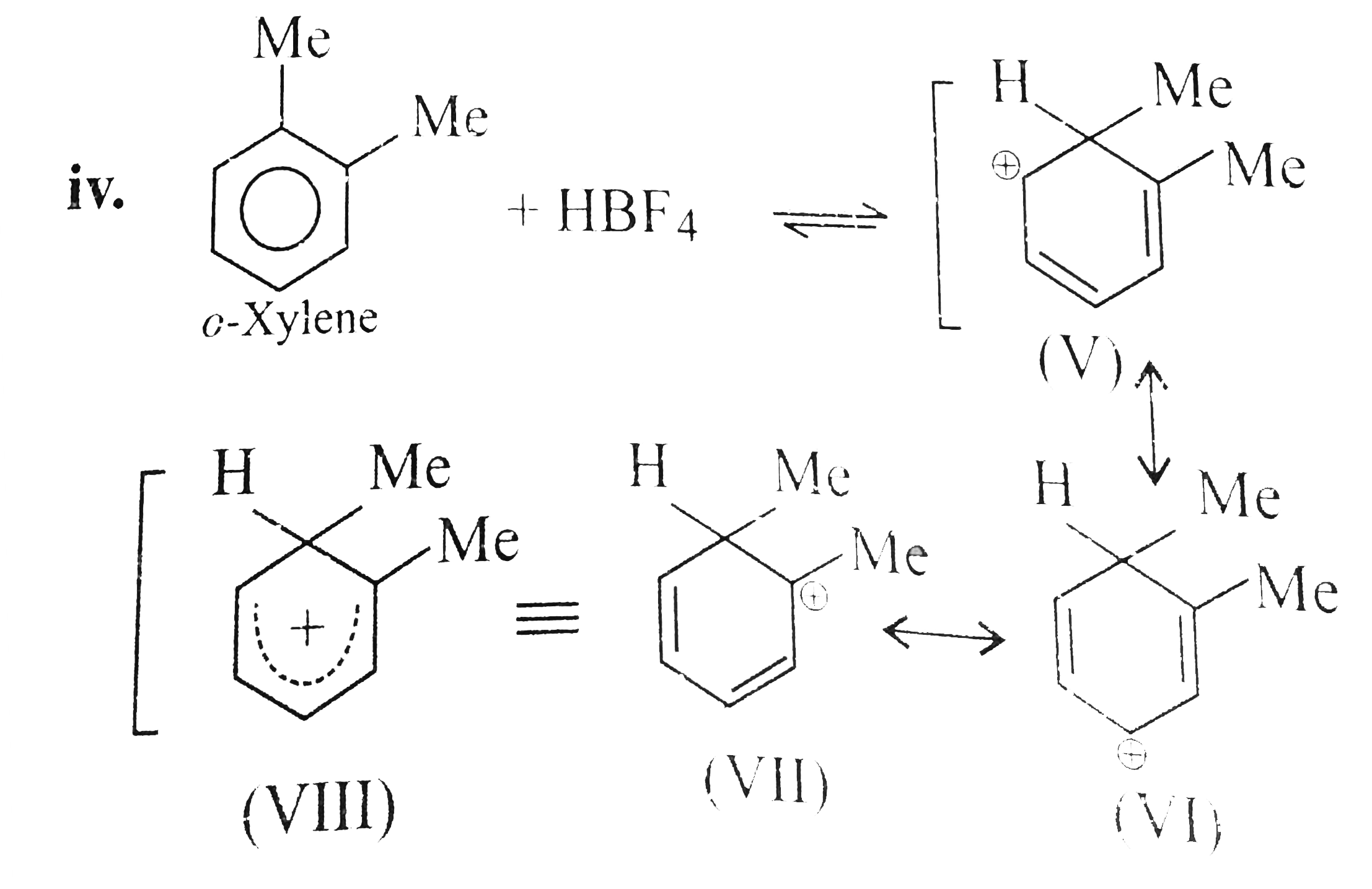 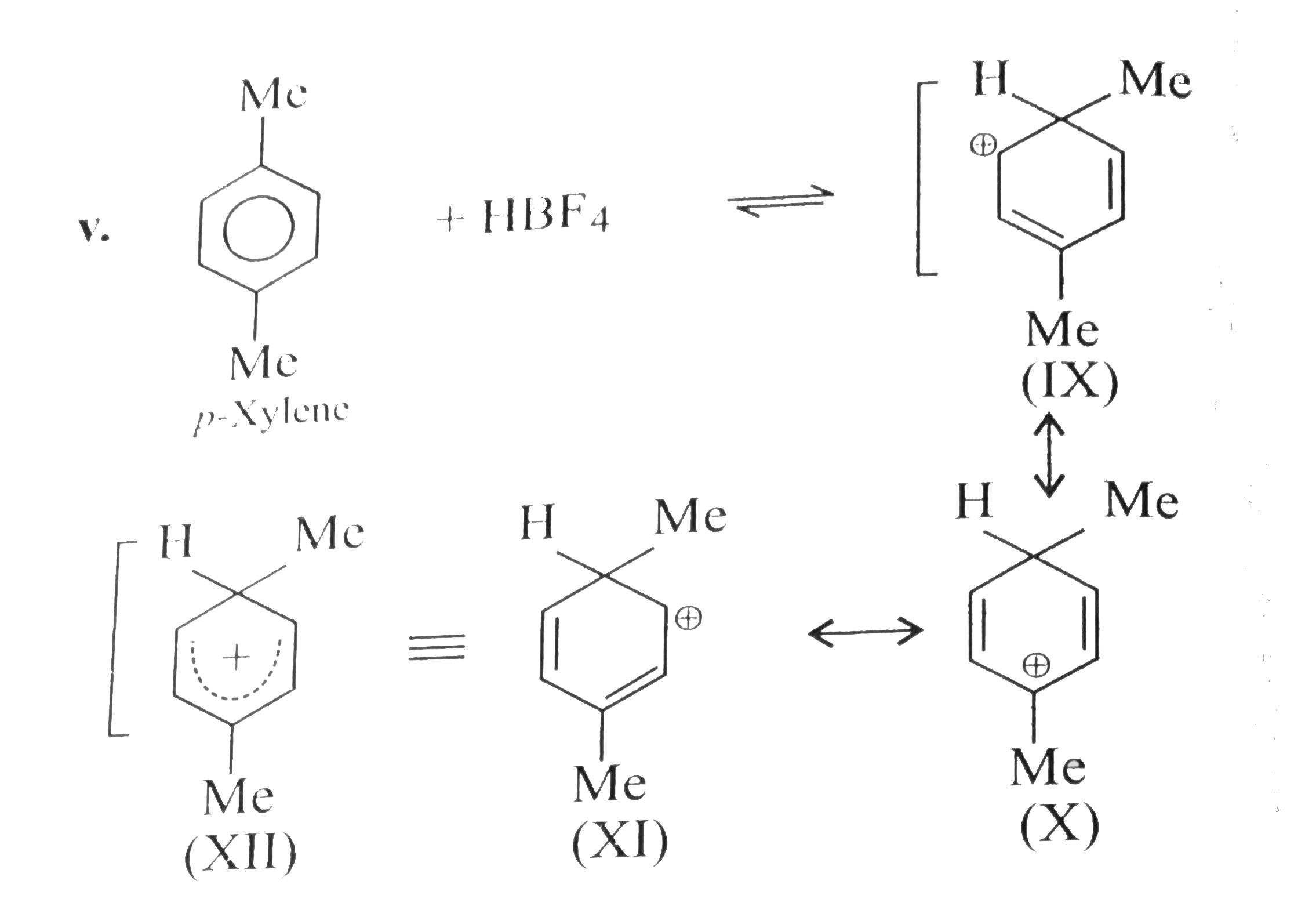 In `o-` p-` xylenes the resonace-contributing stuctes (VII) and (X) are slightly less stable than other resonaitngsturctures. So one can conclue that resonatingstructers of `m-` xylene are more stable than `o-` and `p-` xylenes which increases the basic character of `m-` xylene than `sigma-` and `p-` xylenes. SO the order of basic character is: 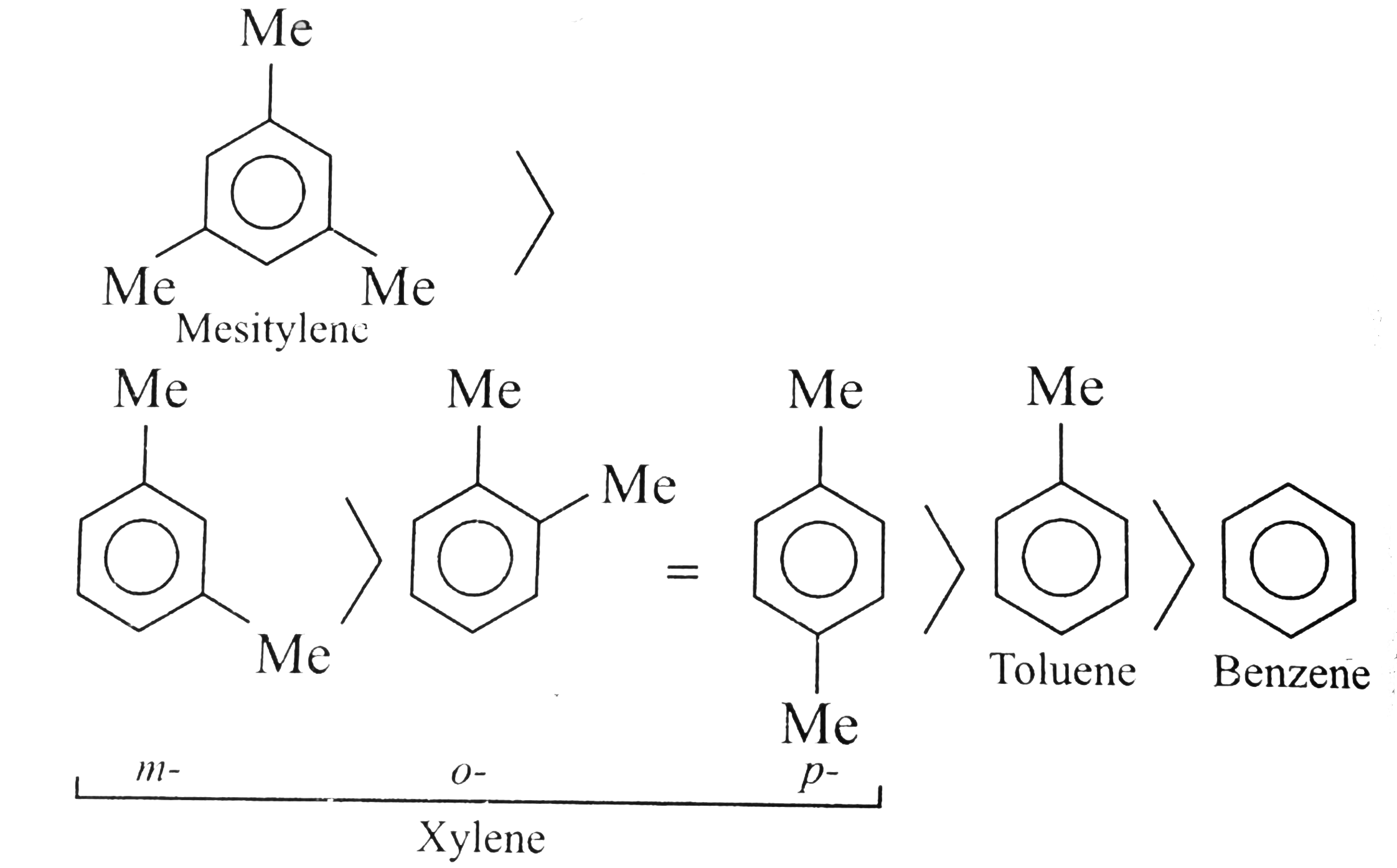
|
|
| 9. |
How will you prepare the following compounds from benzene? You may use any inorganic reagent and any organic reagent having not more than one carbon atom {:("(i) Methyl benzoate"," (ii) m-Nitrobenzoic acid"),("(iii) p-Nitrobenzoic acid"," (iv) Phenylacetic acid"),("(v) p-Nitrobenzaldehyde.",):} |
Answer» SOLUTION :
|
|
| 10. |
Benzene to phenylacetic acid . |
Answer» SOLUTION :
|
|
| 11. |
Benzene to p-nitrobenzoic acid |
Answer» SOLUTION :
|
|
| 12. |
Benzene to p-nitrobenzaldehyde |
Answer» SOLUTION :
|
|
| 13. |
How will you convert benzene into N, N-dimethlaniline ? |
Answer» SOLUTION :
|
|
| 14. |
Benzene to methylbenzoate |
Answer» SOLUTION :
|
|
| 15. |
The correct set of reagents (X, Y, Z) required to convert benzene to m-nitrobenzoic acid are |
Answer» SOLUTION :
|
|
| 16. |
Benzene to m-nitrobenzoic acid . |
Answer» SOLUTION :
|
|
| 17. |
Benzene to m-nitroacetophenone . |
Answer» SOLUTION :
|
|
| 18. |
Write the relavant chemical equations : Benzene to 4-bromonitrobenzene |
Answer» SOLUTION :
|
|
| 19. |
Write the relavant chemical equations : Benzene to biphenyl |
Answer» SOLUTION : (This is FITTING REACTION) (This is FITTING REACTION)
|
|
| 20. |
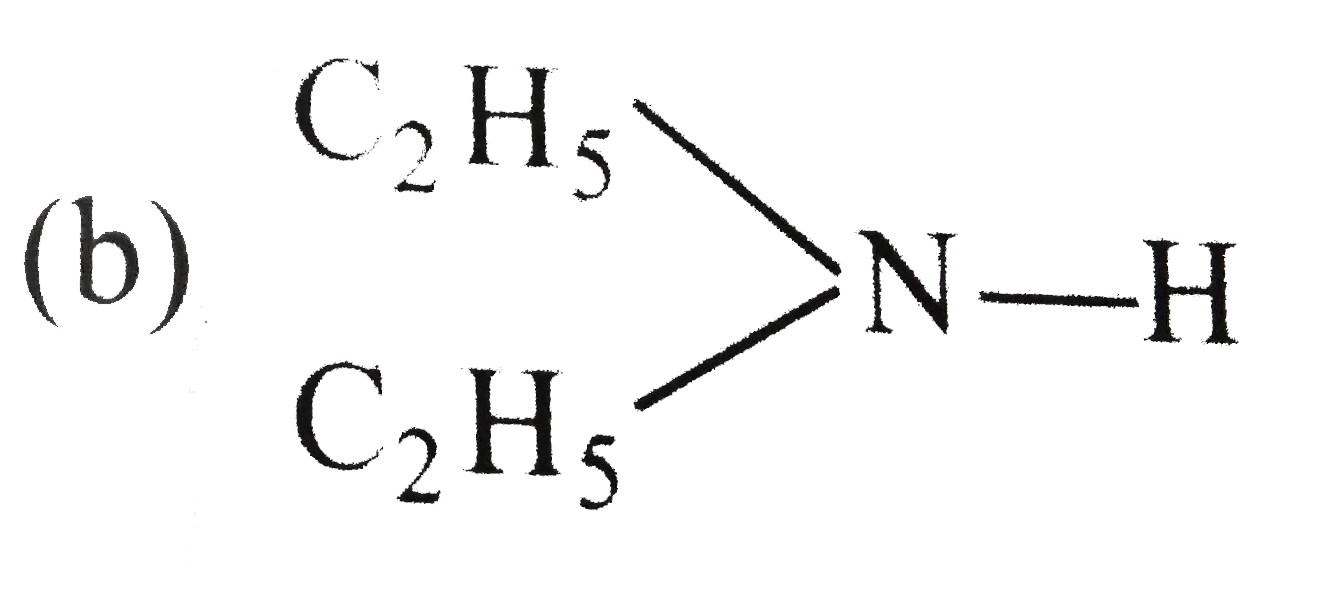
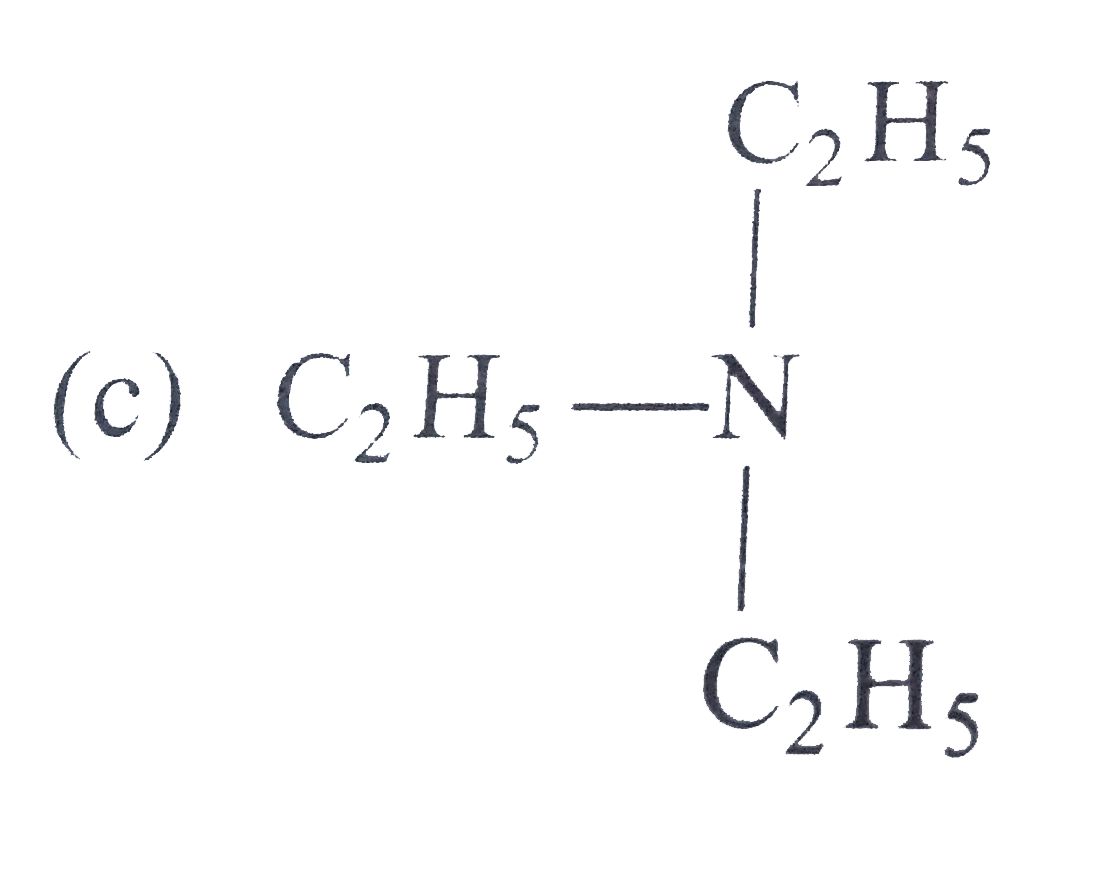
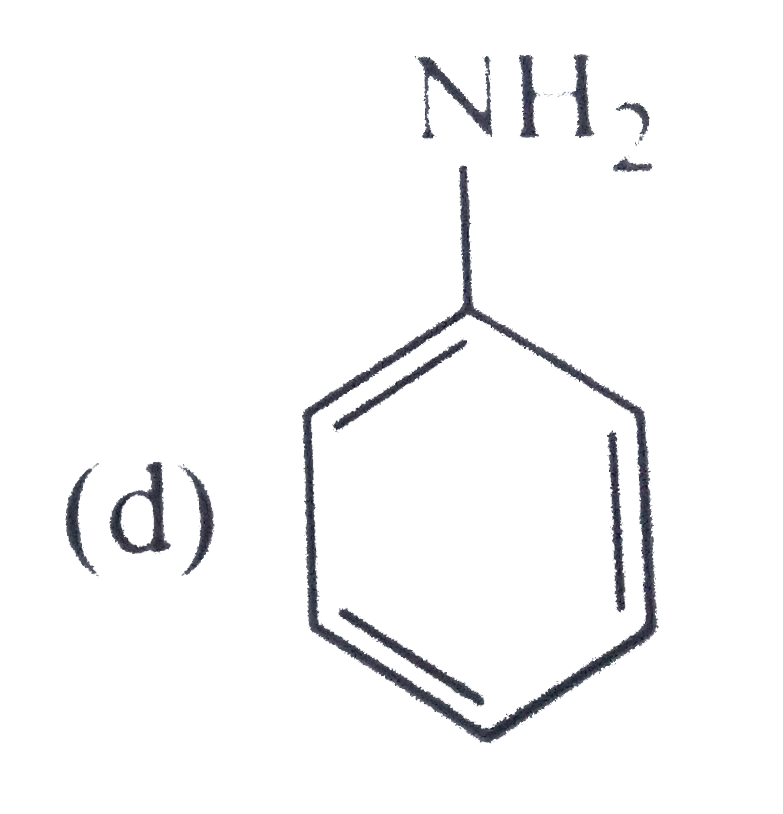
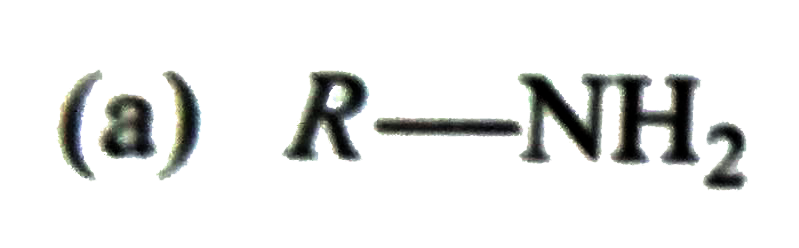
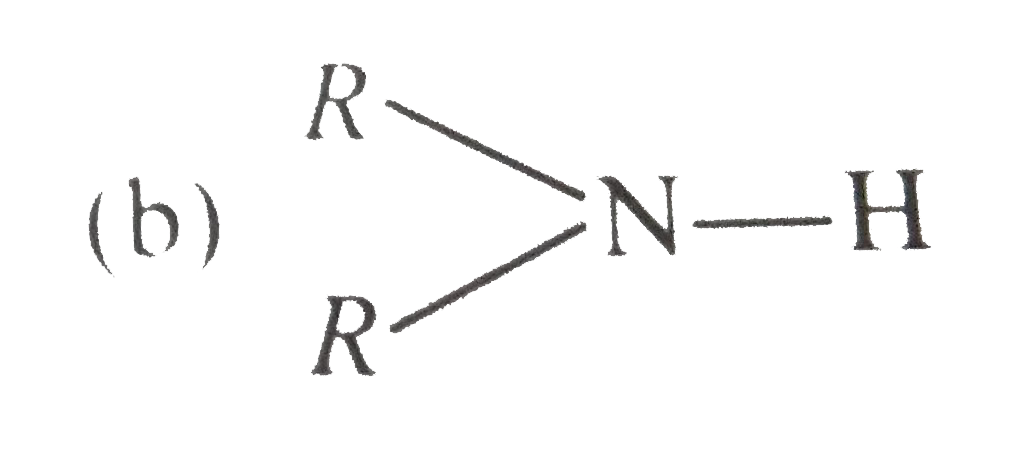
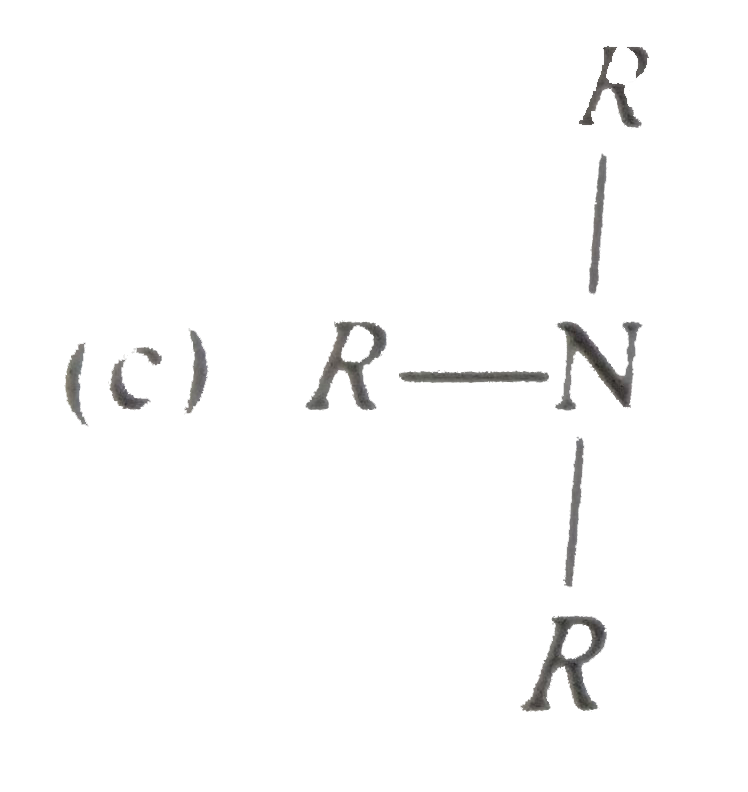
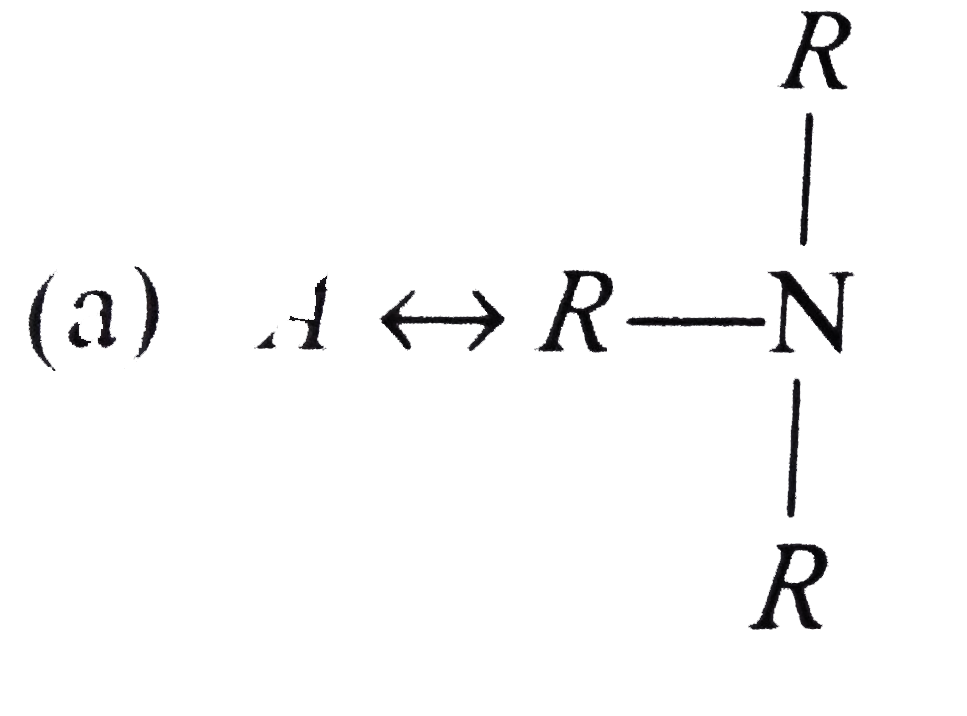
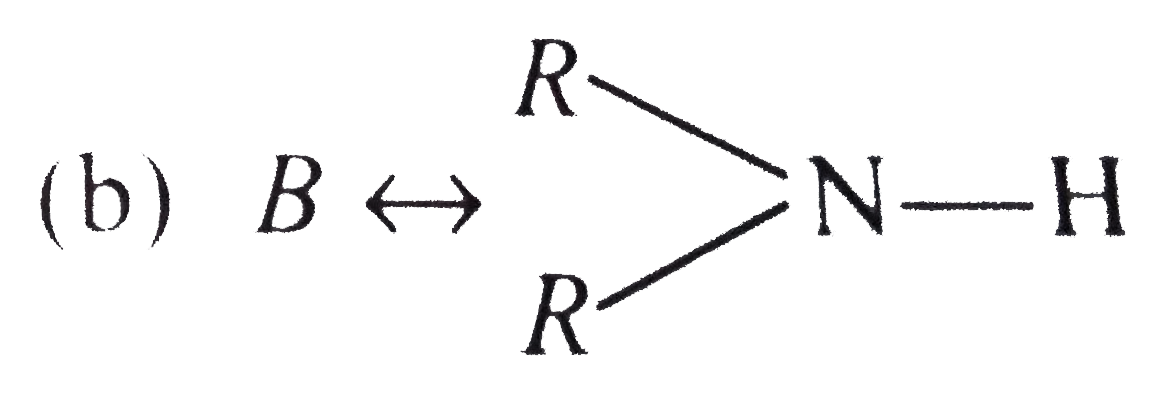
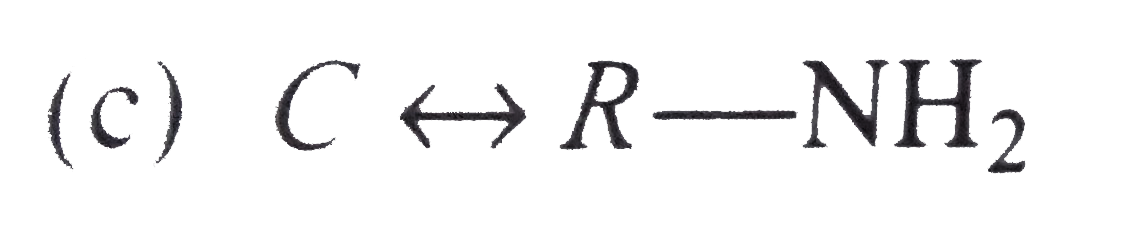
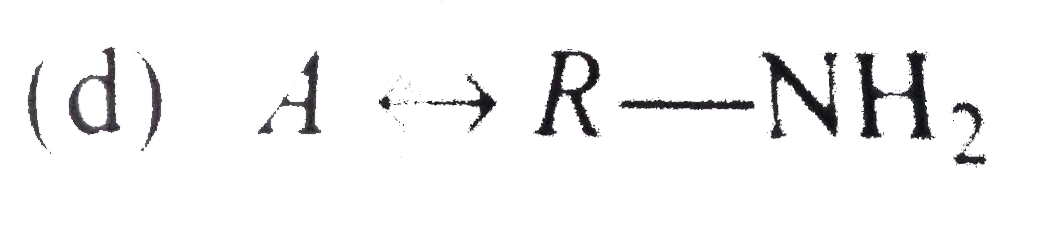
Benzene sulphonyl chloride (C_(6)H_(5)SO_(2)Cl) is called Hinsberg's reagent. It is used for the distinction between primary, secondary and teriary amines. It is also used for separation of primary, secondary and teritiary amines from their mixture. (1^(@), 2^(@), 3^(@) amines in mixture) Which of the following amines represent C? |
| Answer» ANSWER :B | |
| 21. |
Benzene sulphonyl chloride (C_(6)H_(5)SO_(2)Cl) is called Hinsberg's reagent. It is used for the distinction between primary, secondary and teriary amines. It is also used for separation of primary, secondary and teritiary amines from their mixture. (1^(@), 2^(@), 3^(@) amines in mixture) Which of the folloiwng is primary amine R-NH_(2)? |
|
Answer» A |
|
| 22. |
Benzene sulphonyl chloride (C_(6)H_(5)SO_(2)Cl) is called Hinsberg's reagent. It is used for the distinction between primary, secondary and teriary amines. It is also used for separation of primary, secondary and teritiary amines from their mixture. (1^(@), 2^(@), 3^(@) amines in mixture) Which of the following amines does not react with benzene sulphonyl chloride? |
|
Answer»
|
|
| 23. |
Benzene sulphonyl chloride (C_(6)H_(5)SO_(2)Cl) is called Hinsberg's reagent. It is used for the distinction between primary, secondary and teriary amines. It is also used for separation of primary, secondary and teritiary amines from their mixture. (1^(@), 2^(@), 3^(@) amines in mixture) Which of the following is correctly matchd? |
|
Answer»
|
|
| 24. |
Benzene sulphonyl chloride and aqueous NaOH can be used to distinguish three classes of amines such as primary, secondary and teritary Name the above test |
| Answer» SOLUTION :Hinsberg TEST | |
| 25. |
Benzene on heating with fuming H_(2) SO_(4) to 200^(@) C gives : |
|
Answer» BENZENE |
|
| 26. |
Benzene sulphonic acid is reacted with NaOH gives |
|
Answer» sodmm phenoxide |
|
| 27. |
Benzeneshows |
|
Answer» Substitution |
|
| 28. |
Benzene reacts with sulphuric acid to gives, …………………… . |
| Answer» Solution :sulphonic acid | |
| 29. |
Benzene reacts with n-propyl chloride in the presence of anhydrous AICI_(3)to give(c) No reaction (d) Isopropylbenzene |
|
Answer» 3 -PROPYL- 1 -CHLOROBENZENE 
|
|
| 30. |
Benzene reacts with I_2 in presence of which of the following to give iodobenzene |
|
Answer» `HNO_3` |
|
| 31. |
Benzene reacts with n-propyl bromide in presence of anhydrous AlCl_(3) to predominantly yield |
|
Answer» n-propylbenzene `CH_(3)CH_(2)CH-Broverset("Anhyd.")underset(AlCl_(3))rarr CH_(3)CH_(2)overset(+)CH_(2) overset("1,2-hydride")underset("shift")rarr CH_(3)-overset(+)CH-CH_(3)overset(C_(6)H_(6))underset(-H^(+))rarr underset("isopropyl benzene")(C_(6)H_(5)-CH(CH_(3))_(2))` |
|
| 32. |
Benzene reacts with Cl_(2) in sunlight to give a final product |
|
Answer» `C_(6)Cl_(6)` |
|
| 33. |
Benzene reacts with chlorine to form chlorobenzene in presence of K_2Cr_2O_7. |
| Answer» SOLUTION :In PRESENCE of LEWIS ACID LIKE `Fecl_3` | |
| 34. |
Benzene reacts with Cl_(2) in presence of a halogen carrier to produce |
|
Answer» BENZYL chloride |
|
| 35. |
Benzene reacts with chlorine in sunlight to give a final product |
|
Answer» `C CI_(4)` 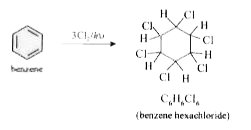
|
|
| 36. |
Benzene reacts with chlorine to form chlorobenzene in presence of K_2Cr_2O_7. Is it true or false? |
| Answer» SOLUTION :In PRESENCE of LEWIS ACID LIKE `Fecl_3` | |
| 37. |
Benzene reacts with CI_2 in presence of direct sunlight to give ________ |
|
Answer» 666 |
|
| 38. |
Benzene reacts with CH_3COCl in the presence of AlCl_3 to give |
|
Answer» `C_6H_5Cl` 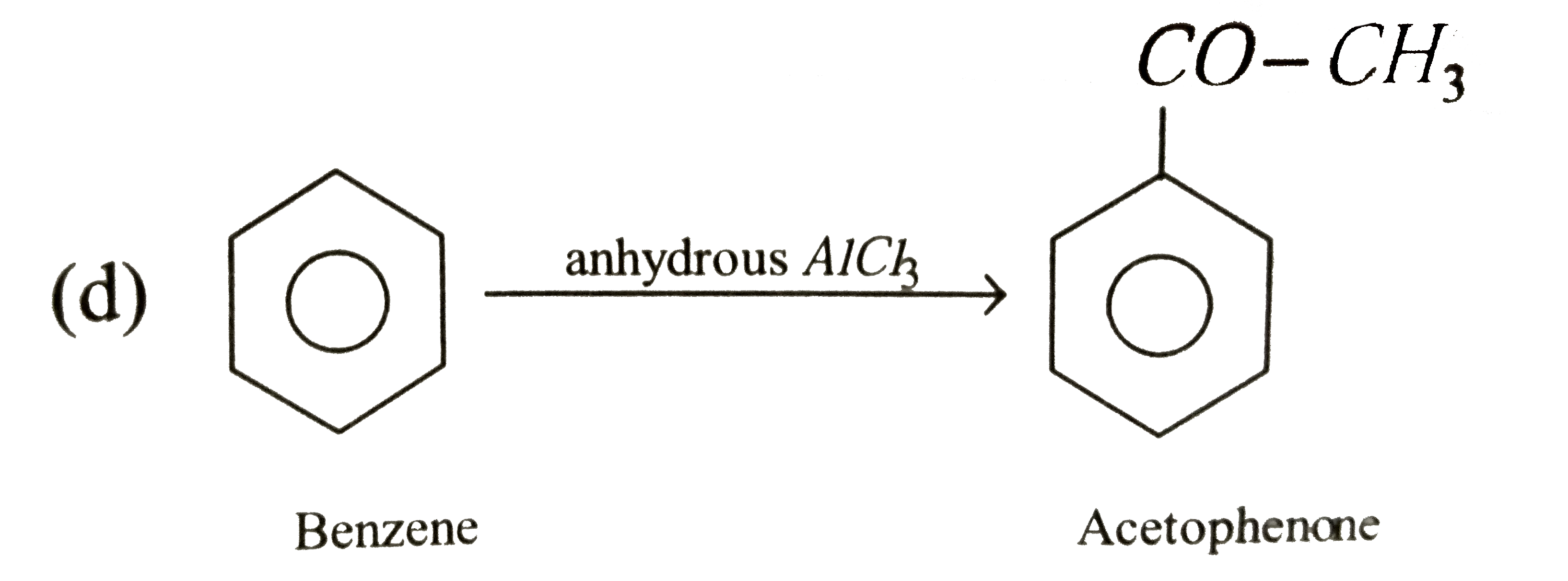
|
|
| 39. |
Benzene reacts with CH_3 COCl in the presence of AICI_3 to give |
|
Answer» `C_6 H_5 COCH_3` |
|
| 40. |
Benzene reacts with a mixture of conc. H_(2)SO_(4) and HNO_(3) to give : |
|
Answer» PHENOL |
|
| 41. |
Benzene on treatment with a mixture of conc.HNO_3 and conc. H_2SO_4 at 100^@C gives |
|
Answer» Nitrobenzene 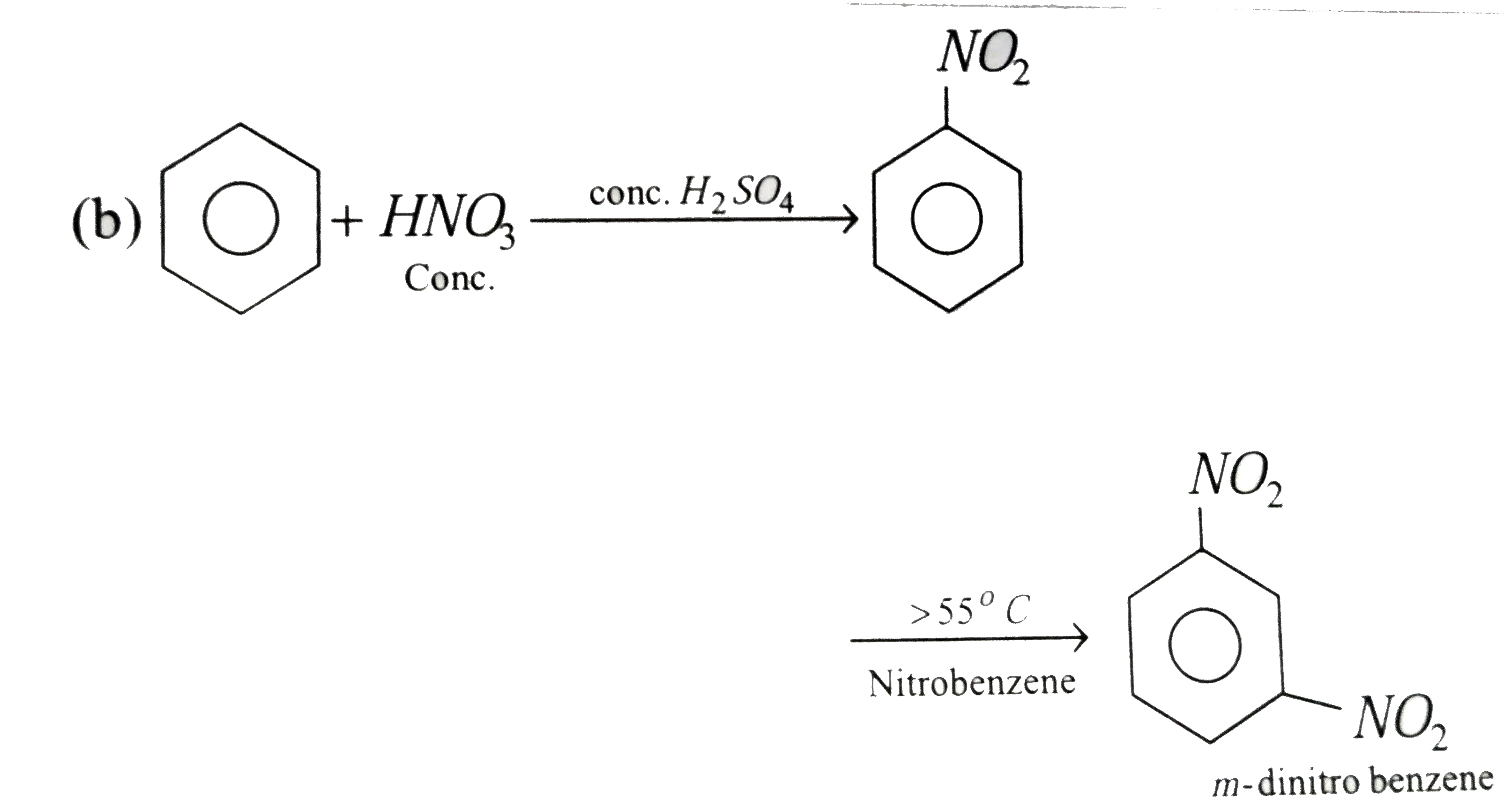
|
|
| 42. |
Benzene overset( "oleum") to A overset( NaoH) to B underset( -NaCl)overset( HCl) to CIncorrect statement among the following is |
|
Answer» Aqueous solution of B is ACIDIC |
|
| 43. |
Benzene on reaction with NOCl in presenceof acid producesan organic compound (A).(A) on treatment with NaNH_2//liq.NH_3 furnishes another organic compound (B) .(B) on treactment with NaNO_2//HBF_4 affords an organic compound ( C) which on heating gives an organic compound (D). Identify (A),(B) ,(C) and (D) . |
Answer» SOLUTION :
|
|
| 44. |
Benzene on reaction with HOCl in presence of an acid produces organic compound (A). (A) on treatment with NaNH_(2)//liq." "NH_(3) furnishes another organic compound (B). (B) on treatment with HBF_(4) affords an organic compound (C) which on heating with NaNO_(2) gives organic compound (D). Identify (A), (B), (C) and (D). |
Answer» Solution :(i) `HOCl` in presence of an acid generates the reactive electrophile, chloronium ION `(Cl^(+))` which attacks benzene to give chlorobenzene (A).  (ii) Chlorobenzene (A) on treatment with `NaNH_(2)//liq." "NH_(3)` undergoes dehydrohalogenation via benzyne to afford aniline (B).  (iii) Aniline (B) on treatment with `HBF_(4)` forms the CORRESPONDING salt anilinium tetrafluoroborate (C) which on HEATING with `NaNO_(2)` undergoes Balz-Schiemann reaction through the intermedium formation of benzenediazonium tetrafluoroborate to affford FLUOROBENZENE (D).  . .
|
|
| 45. |
Benzene + O_(3) rarr Y. In this reaction Y is : |
|
Answer» BENZENE monoozonide |
|
| 46. |
Benzene molecule contains following hybrid orbitals: |
|
Answer» 6 `sp^2` |
|
| 47. |
Benzene on heating strongly in the presence of V_(2)O_(5) gives : |
|
Answer» maleic acid 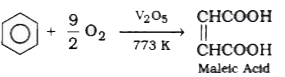
|
|
| 48. |
Benzene is reacted with carbon monoxide in HCl in the presence of catalyst, cupric chloride gives |
|
Answer»
|
|
| 49. |
Benzene is reacted with chlorine in the presence of FeCl_(3) gives A, which is reacted with sodium in ether gives |
|
Answer» BENZOIC ACID |
|