Saved Bookmarks
This section includes 7 InterviewSolutions, each offering curated multiple-choice questions to sharpen your Current Affairs knowledge and support exam preparation. Choose a topic below to get started.
| 2. |
Molecularity of the reaction is determined by _________. |
|
Answer» ONE molecule |
|
| 3. |
Molecularity of an elementary reaction |
|
Answer» MAY be zero |
|
| 4. |
The molecularity of a reaction can never be a fraction. |
| Answer» | |
| 5. |
Molecular weight of urea is 60. A solution of urea containing 6 g urea in one litre is |
|
Answer» 1 molar |
|
| 6. |
Molecular weight of tribasic acis is W. its equivalent weight will be : |
|
Answer» W/2 |
|
| 7. |
Molecularity of a reaction cannot be zero. |
| Answer» | |
| 8. |
Molecular weight of oxalic acid is 126 the weight of oxalic acid required to neutralise 1000ml of normal solution of NaOH is : |
|
Answer» 126 g |
|
| 9. |
Molecular weight of macromolecules are determined by: |
|
Answer» ELEVATION of BOILING point |
|
| 10. |
Molecular weight of acids can be determined by |
|
Answer» Silver salt METHOD |
|
| 11. |
Molecular weight of biomolecules such as protein can be determined by "____________" method. |
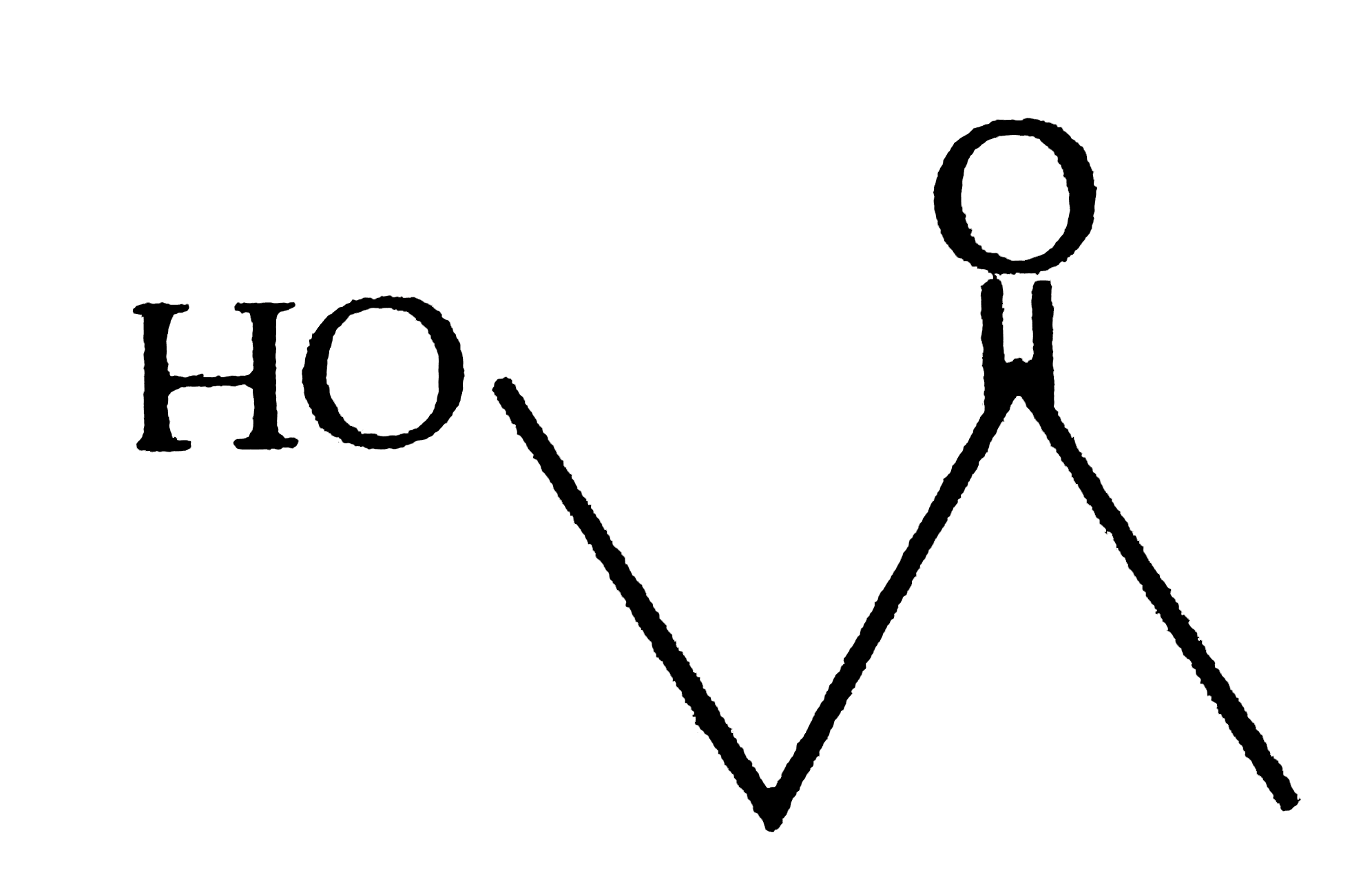
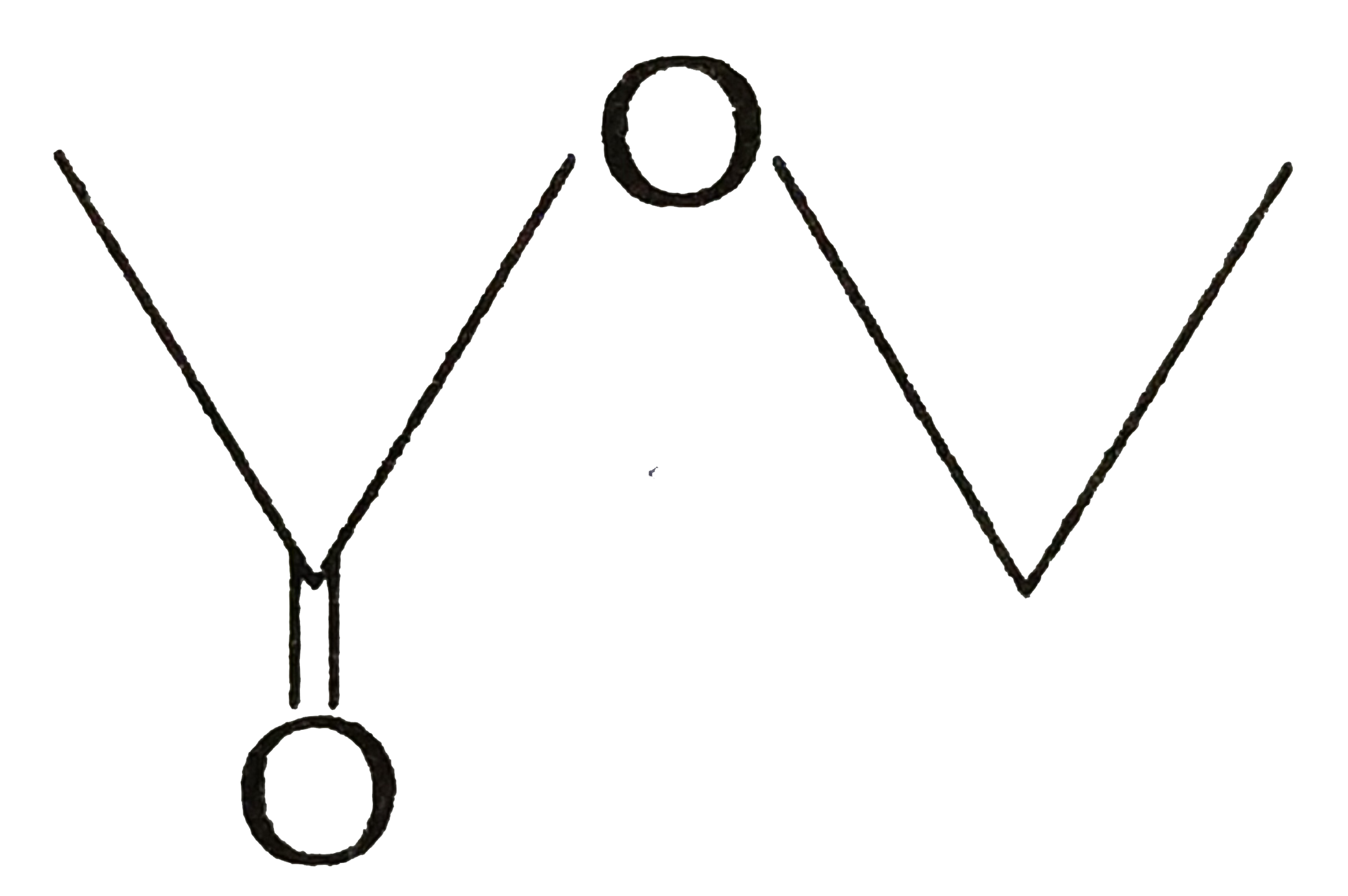
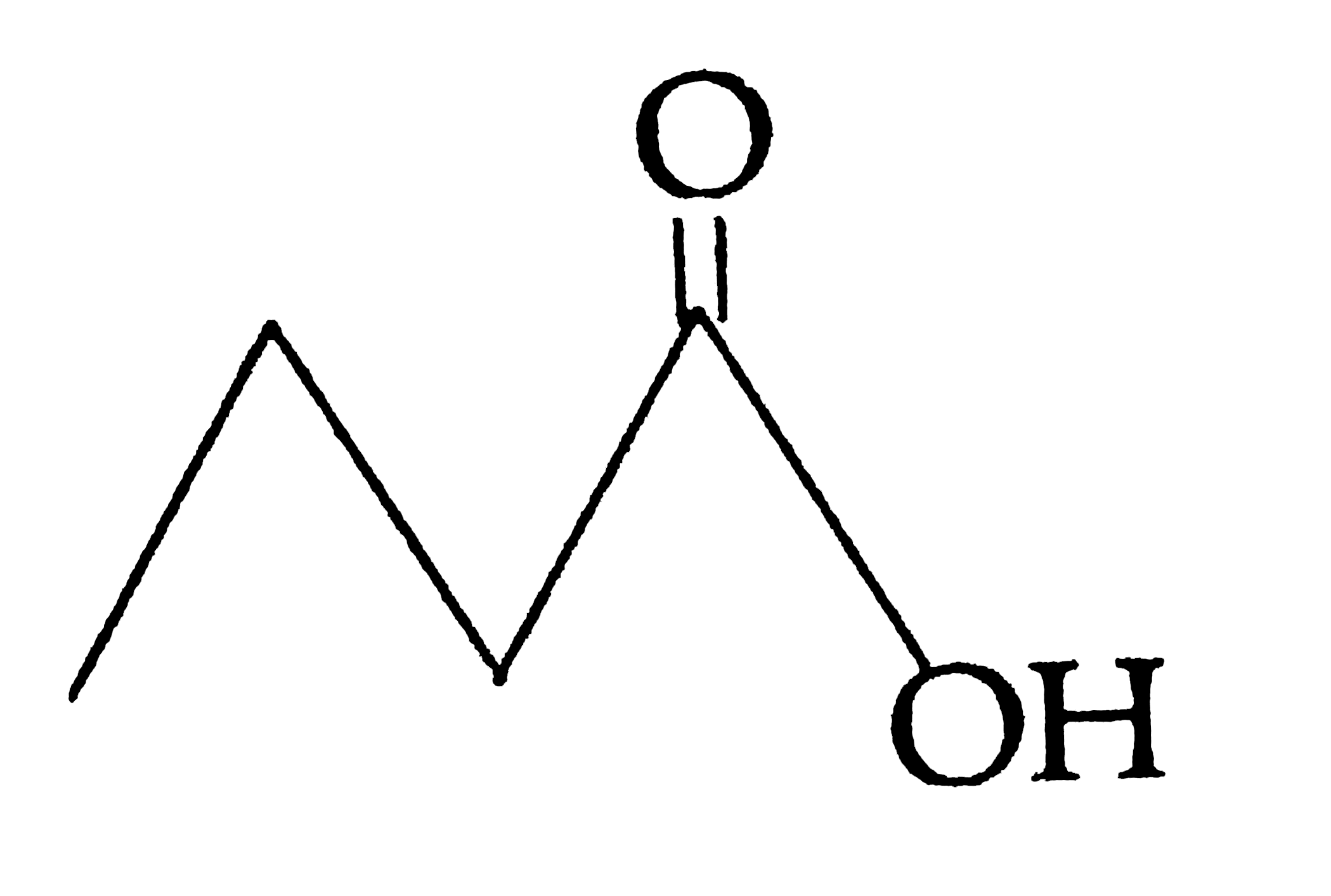
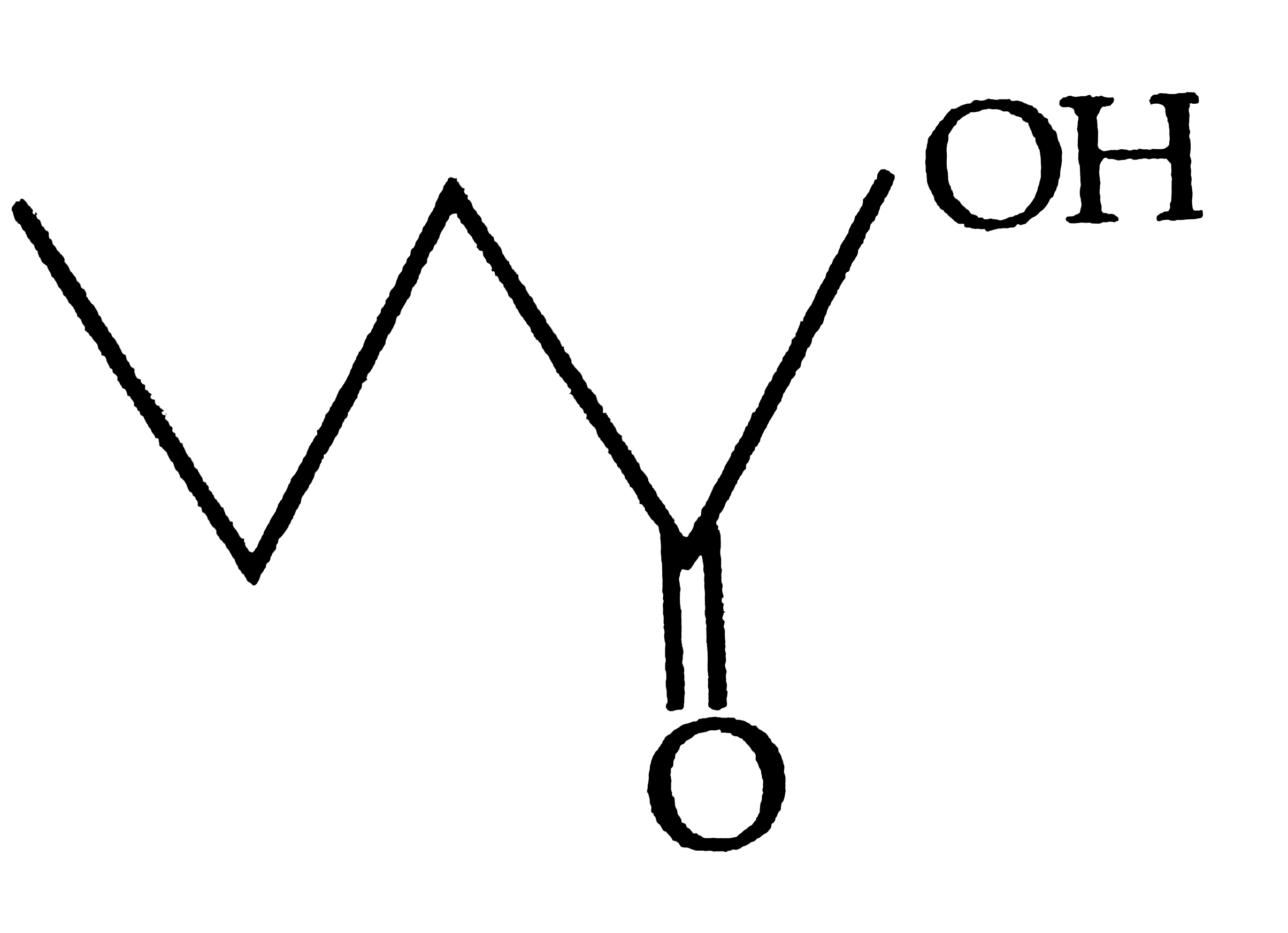
|
Answer» OSMOTIC pressure measurement. |
|
| 12. |
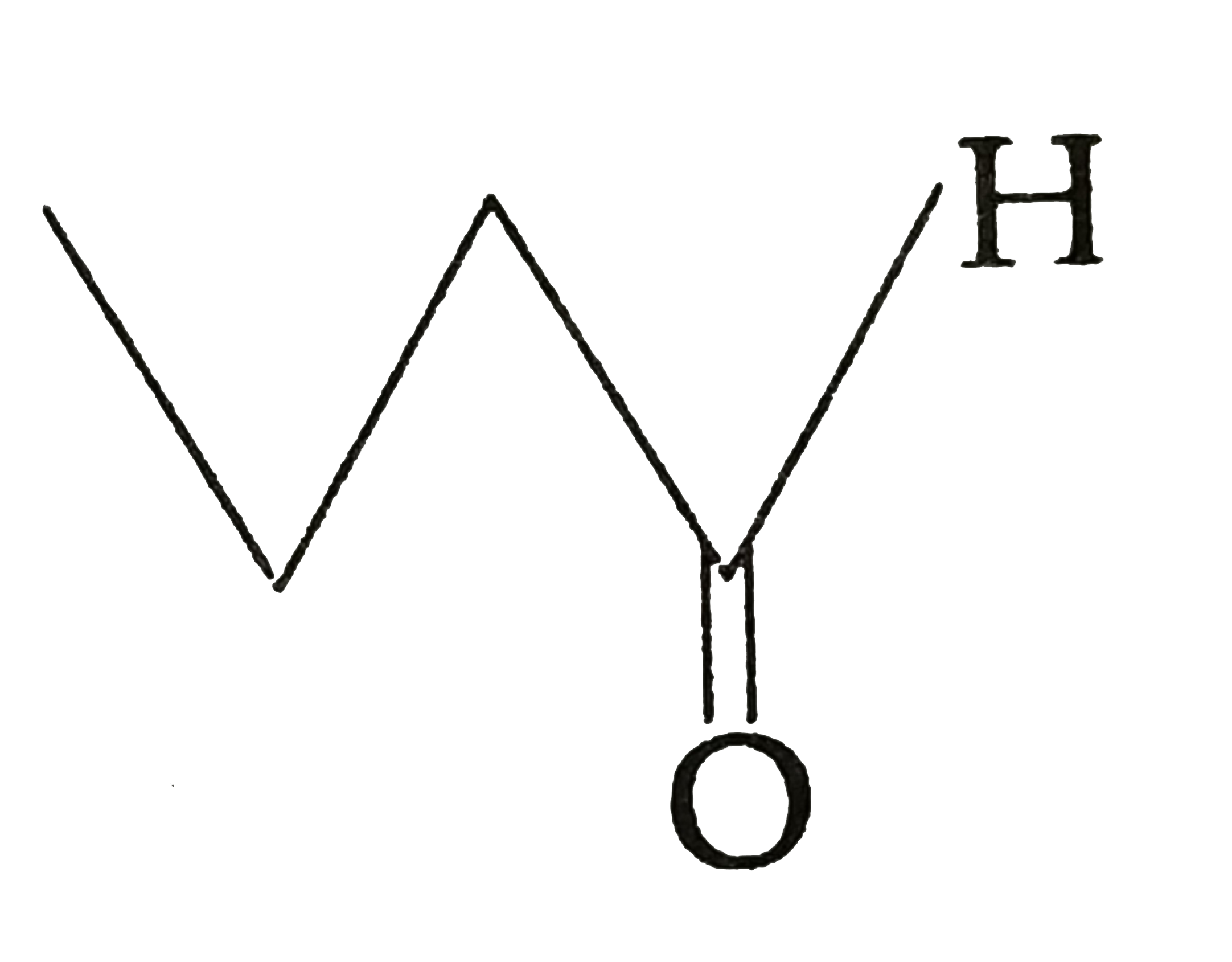
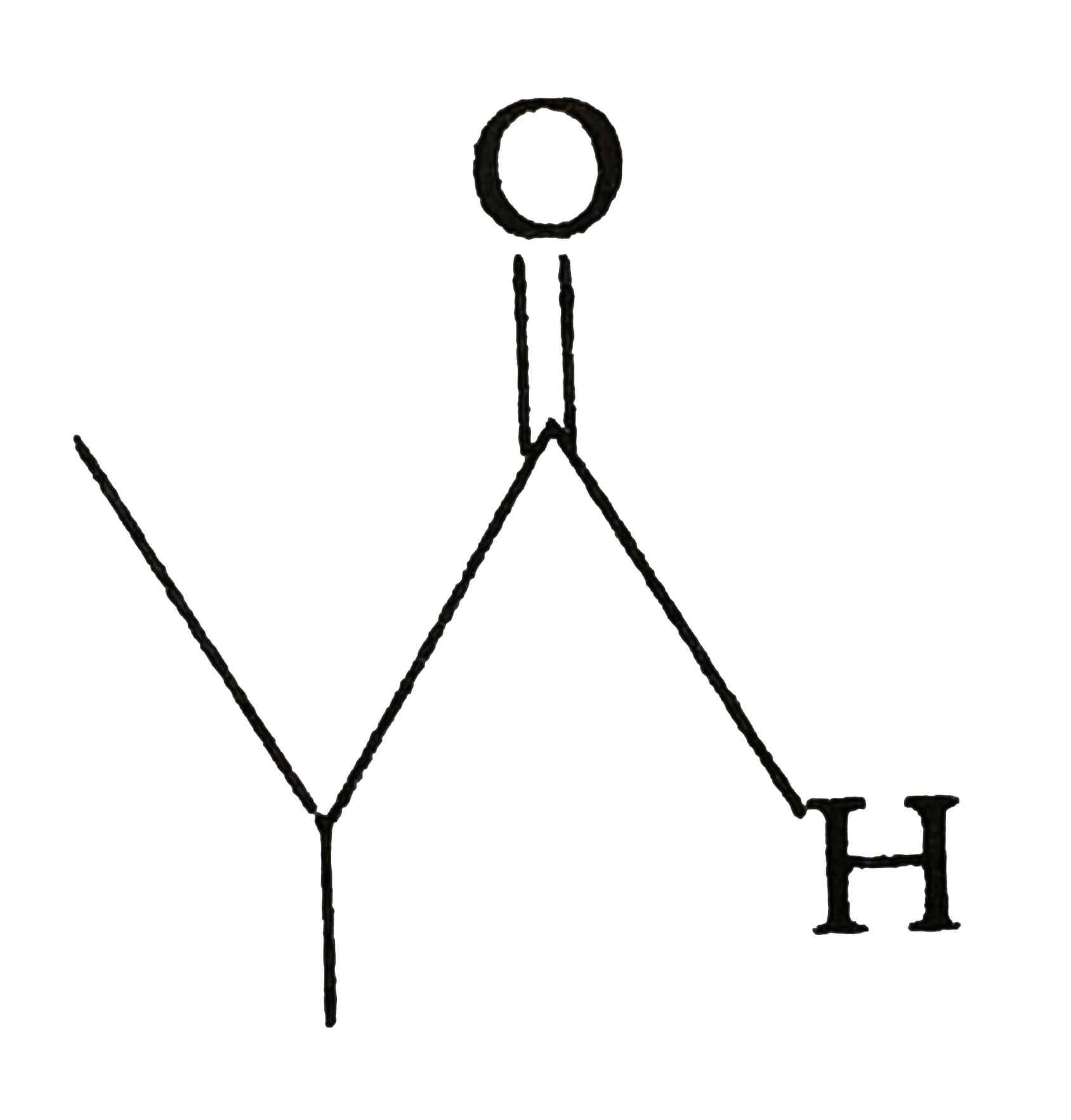
Molecular weight of compound (A) is : |
|
Answer» 58 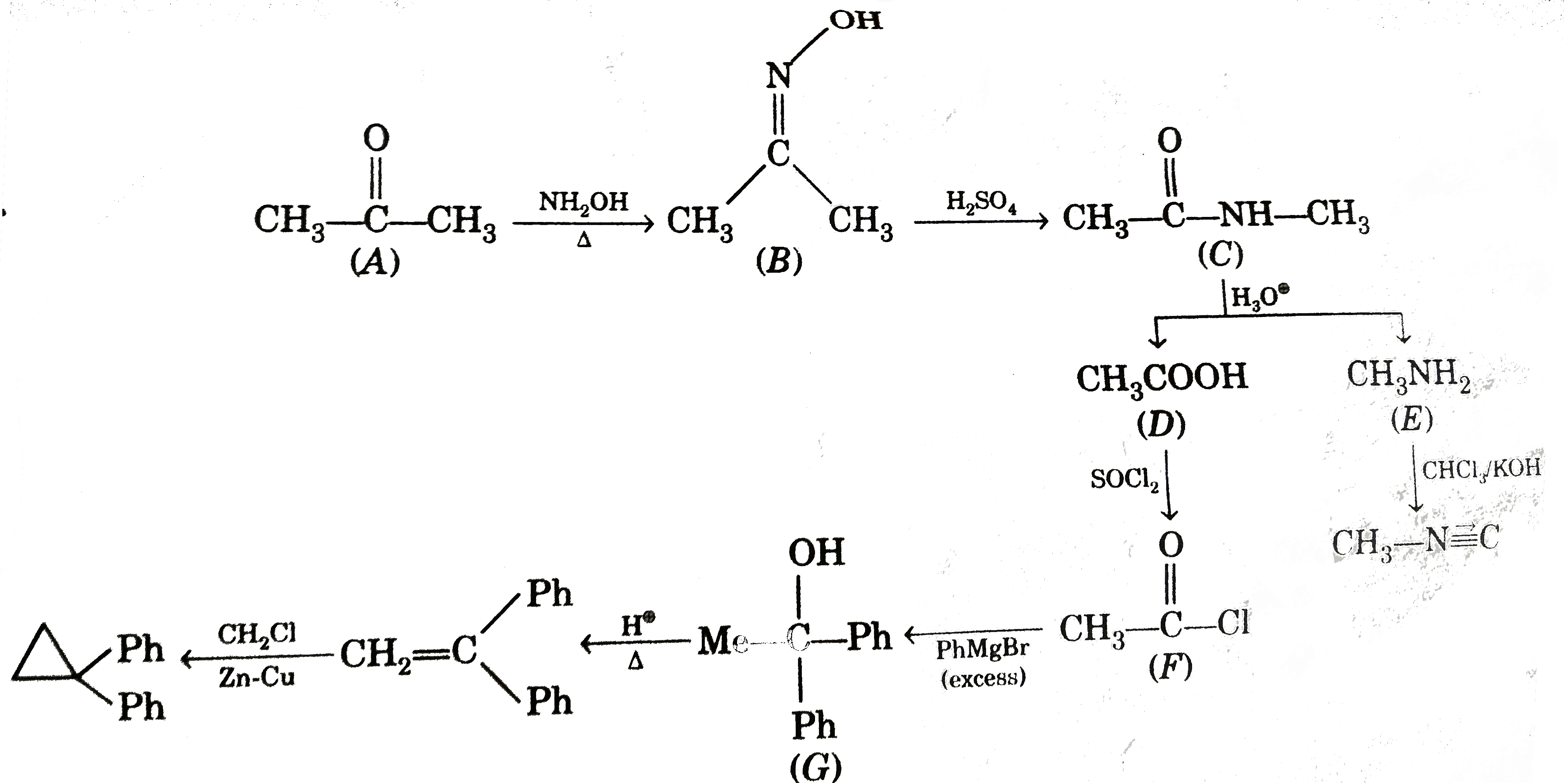 So MOLECULAR mass=58 |
|
| 13. |
Molecular weight of anhydrous aluminium chloride is : |
|
Answer» `267.0` |
|
| 14. |
Molecular weight of a gas that diffuses twice as rapidly as the gas will molecular weight 64 is: |
|
Answer» 16 |
|
| 15. |
Molecular weight of a gas that diffuses twice as rapidly as the gas with molecular weight 64 is |
|
Answer» Solution :`M_(1)=64, r_(2) = 2r_(1)` `M_(2)=M_(1)[(r_(1))/(r_(2))]^(2)=64xx(1)/(4)=16` |
|
| 16. |
Molecular weight of a protein is |
|
Answer» 10000 |
|
| 17. |
Molecular weight of a gas is 11.2 litre of which at NTP weights 14g is |
| Answer» ANSWER :A | |
| 18. |
Molecular solids contains neutral molecules held together by ………………… |
|
Answer» STRONG COHESIVE forces |
|
| 19. |
Molecular shapes of SF_(4),CF_(4),XeF_(4) are |
|
Answer» the same with 2,0 and 1 LONE PAIRS of ELECTRONS respectively |
|
| 20. |
Molecular shapes of SF_(4),CF_(4) and XeF_(4) are : |
|
Answer» the same with 2,0 and 1 LONE PAIR of ELECTRONS respectively |
|
| 21. |
Molecular shapes of SF_(4), CF_(4) and XeF_(4) are |
|
Answer» The same , with 2,0 and 1 lone PAIR of electrons respectively. |
|
| 22. |
Molecular orbital theory was developed mainly by |
|
Answer» PAULING |
|
| 23. |
Molecular mass of NaCl determine by osmotic pressure measurement is found to be half of the actual value. Account for it . |
| Answer» SOLUTION :It is due to DISSOCIATION of NaCl to `Na^+` and `Cl^(-1)` ions. So the colligative properties will be almost double and HENCE the molecular mass CALCULATED will be almost half of the actual molecular mass. | |
| 24. |
Molecular mass of drugs usually is in the range of |
|
Answer» `10-100 MU` |
|
| 25. |
Molecular mass of a volatile substance may be measured by : |
|
Answer» HOFMANN method |
|
| 26. |
Molecular mass of a volatile organic solid can be deternmine by: |
|
Answer» SILVER CHLORIDE |
|
| 27. |
Molecular formula of trimetaphosphoric acid and diphosphoric acid respectively is.........and .......... |
|
Answer» `H_(5)P_(3)O_(10), H_(3)PO_(2)` |
|
| 28. |
Molecular formula(A)C_4H_10O on acid hydrolysis gives two mole of same alcohol.The compound A is |
|
Answer» 2-methoxy propane |
|
| 29. |
Molecularforumula of sulpapyridine is |
|
Answer» `C_(11)H_(11)N_(3)O_(2)S` |
|
| 30. |
Molecular formular C_(3) H_(6) Br_(2) can have (including stereoisomers): |
|
Answer» Two gem dibromide |
|
| 31. |
Molecular formula of tetraammineaquachloridocobatle (III) chloride is …………. |
|
Answer» `[Co(NH_(3))_(4)(H_(2)O)CL]Cl_(3)` |
|
| 32. |
Molecular formula of smallest ester which contain one chiral carbon is : |
|
Answer» `C_(4)H_(8)O_(2)` |
|
| 33. |
Molecular formula of Tear gas is …………… |
|
Answer» `C""Cl_(3)NO_(2)` |
|
| 34. |
Molecular formula of pentahydroxy acid obtained when glucose is oxidised with Br_(2) water is |
|
Answer» `C_(6)H_(12)O_(7)` |
|
| 35. |
Molecular formula of pencillin is C_(9) H_(11) O_(4) N_2SR. The incorrect matching is._ |
|
Answer» R = Benzyl penicillin ------ penicillin G |
|
| 36. |
Molecular formula of Glauber's salt is: |
|
Answer» `MgSO_4. 7H_2O` |
|
| 37. |
Molecular formula of Ethers is : |
| Answer» Answer :D | |
| 38. |
The molecular formula of DDT has ___________. |
| Answer» Answer :A | |
| 39. |
Molecular formula of chloropicrin is |
|
Answer» `CHCl_(3)NO_(2)` |
|
| 40. |
Molecular formula of cimetidine is |
|
Answer» `C_(13)H_(22)N_(4)O_(3)S` |
|
| 41. |
Molecular formula of chlormphenicol is |
|
Answer» `C_(11)H_(11)N_(3)O_(2)S` |
|
| 42. |
Molecularformula of chloramphinicol is |
|
Answer» `C_(10)H_(18)O` |
|
| 43. |
The molecular formula of BHA is'' |
|
Answer» `C_(11)H_(20)O_(2)` |
|
| 44. |
Molecular formula of acetone semicarbazone |
|
Answer» `CH_3-UNDERSET(H)underset(|)C=N-H` |
|
| 45. |
Molecular formula C_(4)H_(8)O_(2)shows (1) chain isomerism(2) metamerism (3) functional isomerism (4) optical isomerism |
|
Answer» `1,2,3` |
|
| 46. |
Molecular formula C_(4)H_(8)O_(2) on acid hydrolysis gives acetic acid and ethanol. The structures of C_(4)H_(8)O_(2) will be |
|
Answer»
|
|
| 47. |
Molecular formula C_(4)H_(8)O oxidation gives acetic acid . The structure of C_(4)H_(8)O_(2) will be |
|
Answer»
|
|
| 48. |
Molecular formula C_(4)H_(6) have two position isomers A and B. Both A and B isomer decolourised the bromine water. B release H_(2) gas with sodium metal but isomer A does release H_(2) gas. Write IUPAC name of A and B. |
|
Answer» |
|
| 49. |
Molecular formula C_(4)H_(7)N on acid hydrolysis gives 2- methyl propanoic acid . The possible structure of C_(4)H_(7)N will be |
|
Answer»
|
|
| 50. |
Molecular formula C_(4)H_(4)O_(4) can have various structures: (i) a cyclic ester (A) (i) a dibasic acid (B) that on heating is converted into acrylic acid. (ii) a dibasic acid (C) that foms meso tartaric acid with alkaline KMnO_(4). (iv) a dibasic acid (D) that forms racemic mixture of tartaric acid with alkaline KMnO_(4). Assign structures to (A), (B), (C) and (D). |
Answer» SOLUTION :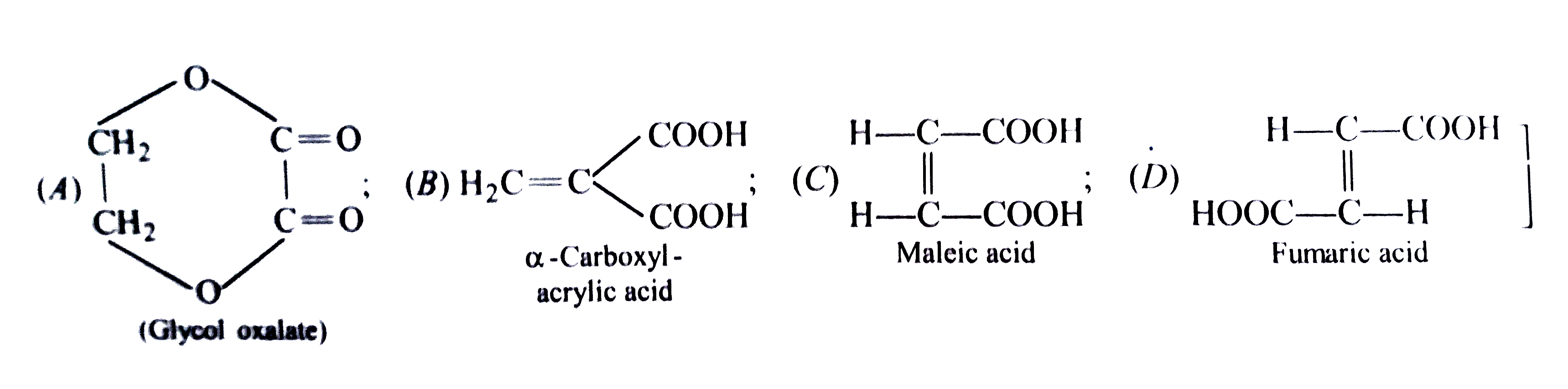
|
|