Saved Bookmarks
This section includes 7 InterviewSolutions, each offering curated multiple-choice questions to sharpen your Current Affairs knowledge and support exam preparation. Choose a topic below to get started.
| 1. |
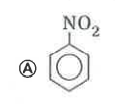
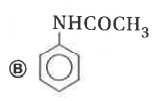
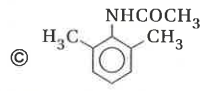
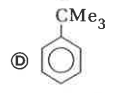
In which of the following two benzene rings are present |
|
Answer» Morphine |
|
| 2. |
In which of the following transformations, the bond order has increased and the magnetic behaviour has changed? |
|
Answer» `C_(2)^(+) to C_(2)` |
|
| 3. |
In which of the following transition, the wavelengthwill be minimum : |
| Answer» Answer :C | |
| 4. |
In which of the following transformations, oxygen is not the reducing agent? |
|
Answer» `Ag_(2)O to 2AG + 1/2O_(2)` |
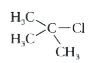
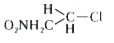
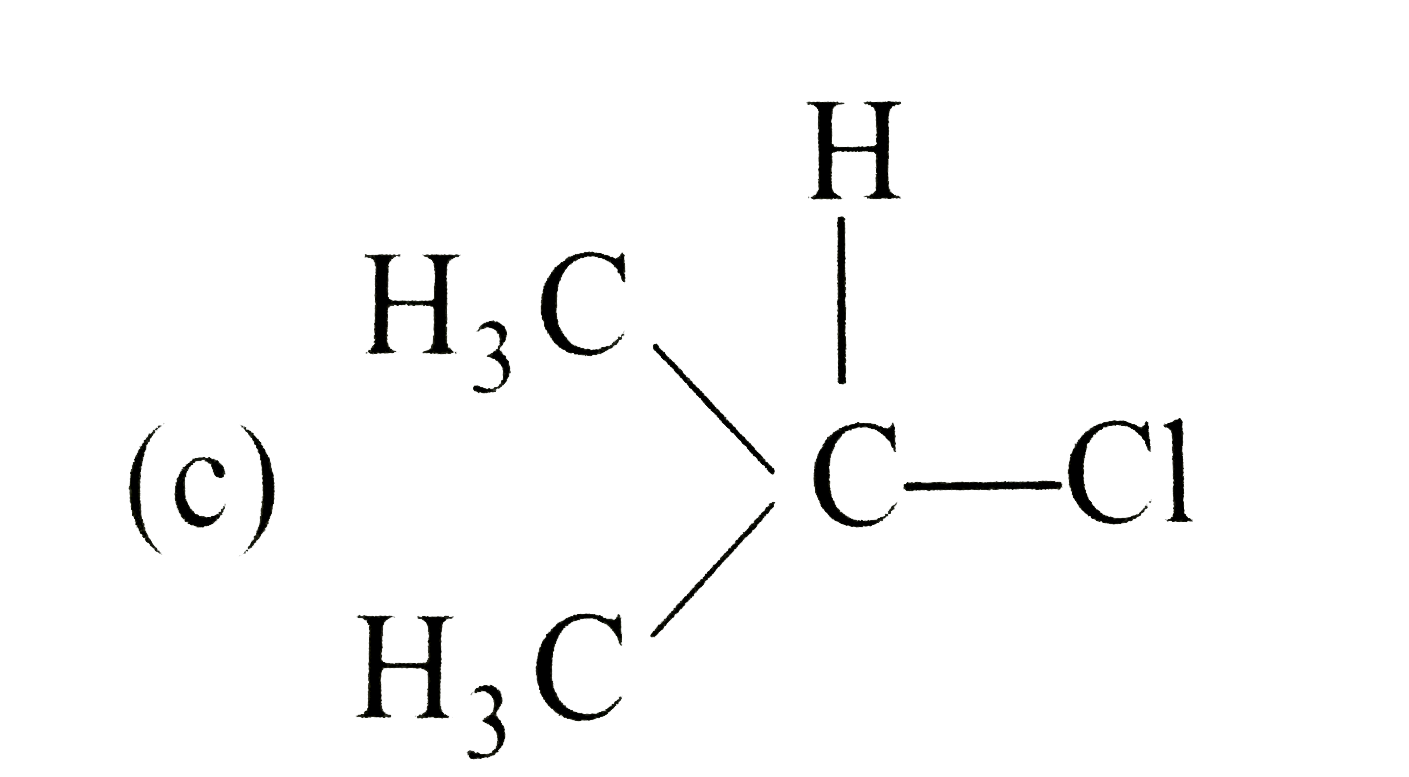
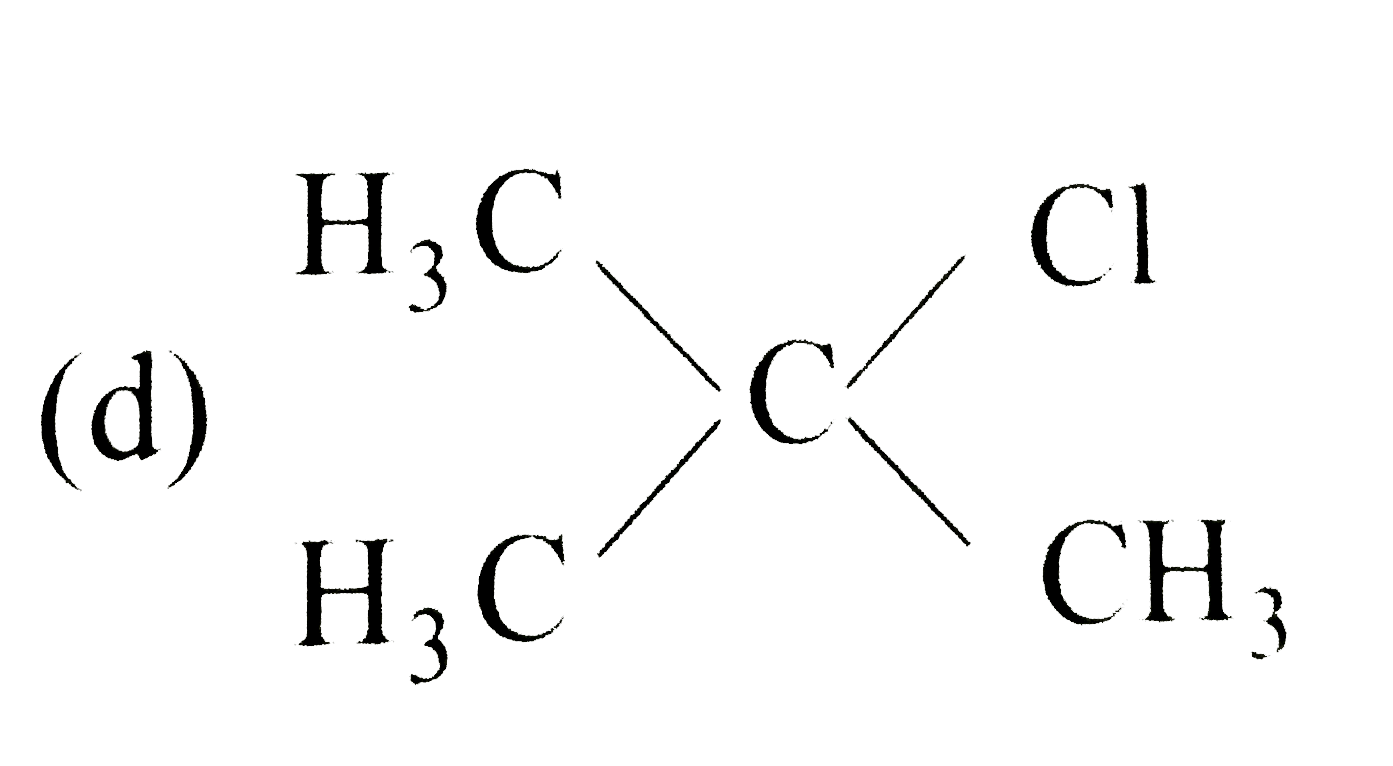
|
| 5. |
In which of the following titrations phenolphthalein can be used as indicator ? |
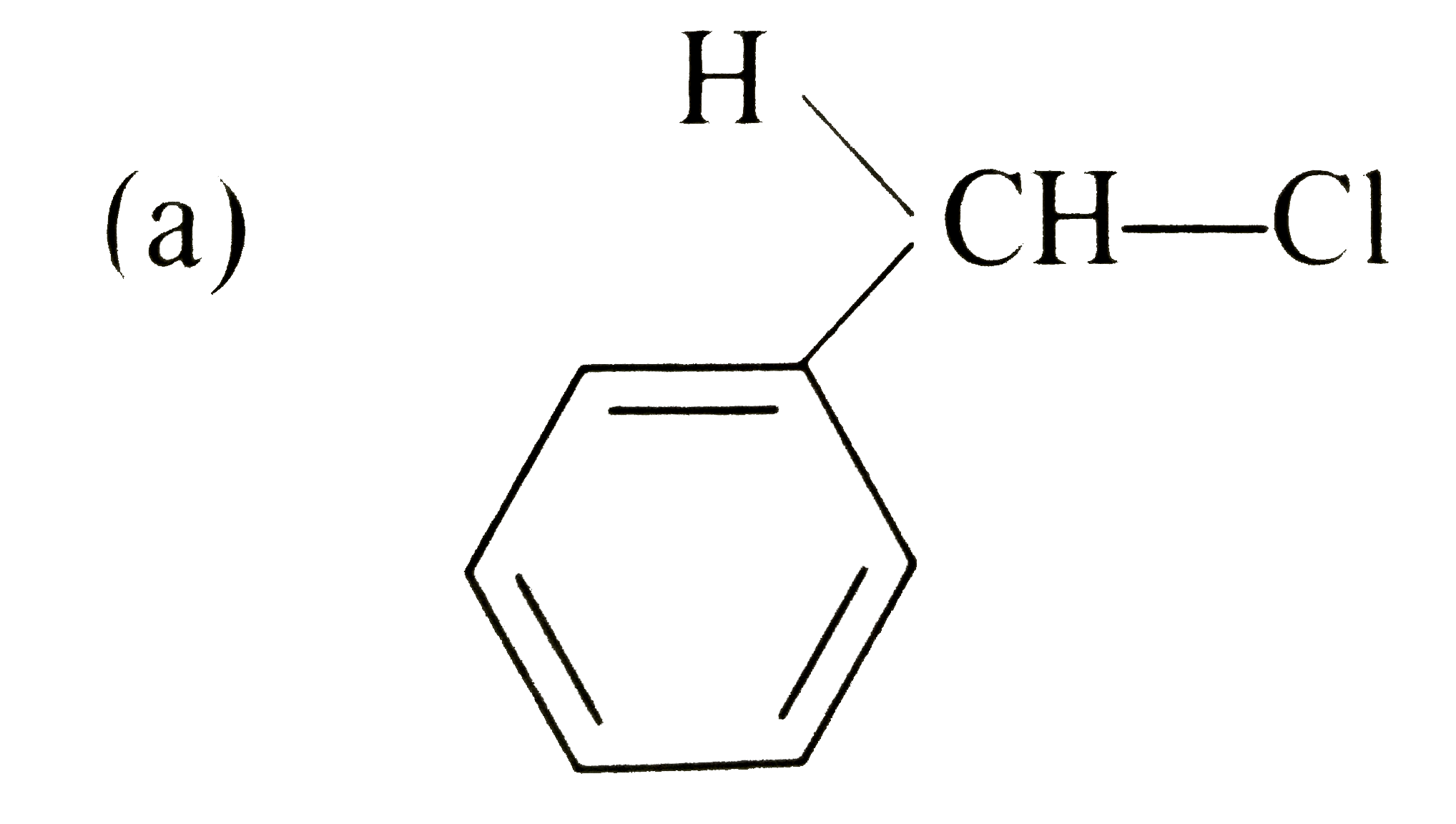
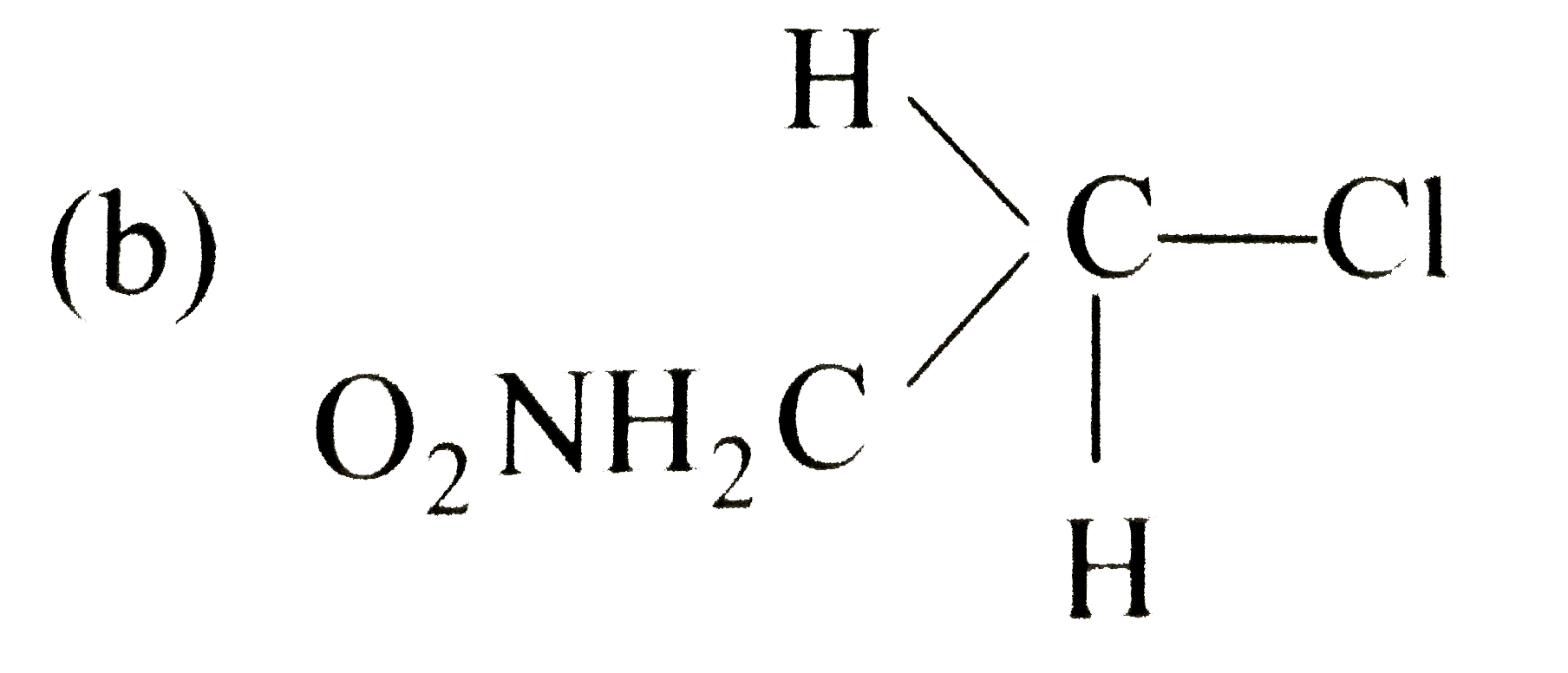
|
Answer» NAOH with `H_(2)CO_(3)` |
|
| 6. |
In which of the following thermochemical changes DeltaH^@ is always negative? |
|
Answer» ENTHALPY of solution |
|
| 7. |
In which of the following there is intermolecular hydrogen bonding ? |
|
Answer» Water |
|
| 8. |
In which of the following the van.t Hoff Factor (i) is equal to one ? |
|
Answer» NACL |
|
| 9. |
In which of the following the van't Hoff Factor (i) is equal to one ? |
|
Answer» NACL |
|
| 10. |
In which of the following, the reaction proceeds towards completion |
|
Answer» `K=10^(3)` |
|
| 11. |
In which of the following the oxidation number of metal ion is zero? |
| Answer» Answer :A::B::C | |
| 12. |
In which of the following, the ore does not match with the metal ? |
|
Answer» Copper - Malachite |
|
| 13. |
In which of the following the inert pair effect is most prominent |
|
Answer» C |
|
| 14. |
In which of the following the impure metal not purified by the oxidation of impurites |
|
Answer» silver CONTAINING lead |
|
| 15. |
In which of the following compounds the halogen is not bonded to sp^(3) carbon ? |
|
Answer» Ethylidene DICHLORIDE |
|
| 16. |
In which of the following the hydration energy is higher than the lattice energy ? |
|
Answer» `MgSO_(4)` |
|
| 17. |
In which of the following compound(s), the colour is due to the charge transfer spectra |
|
Answer» `KMnO_(4)` |
|
| 18. |
In which of the following the electric dipoles are spontaneously polarised even in the absence of electric field. |
|
Answer» ROCHELLE SALT |
|
| 19. |
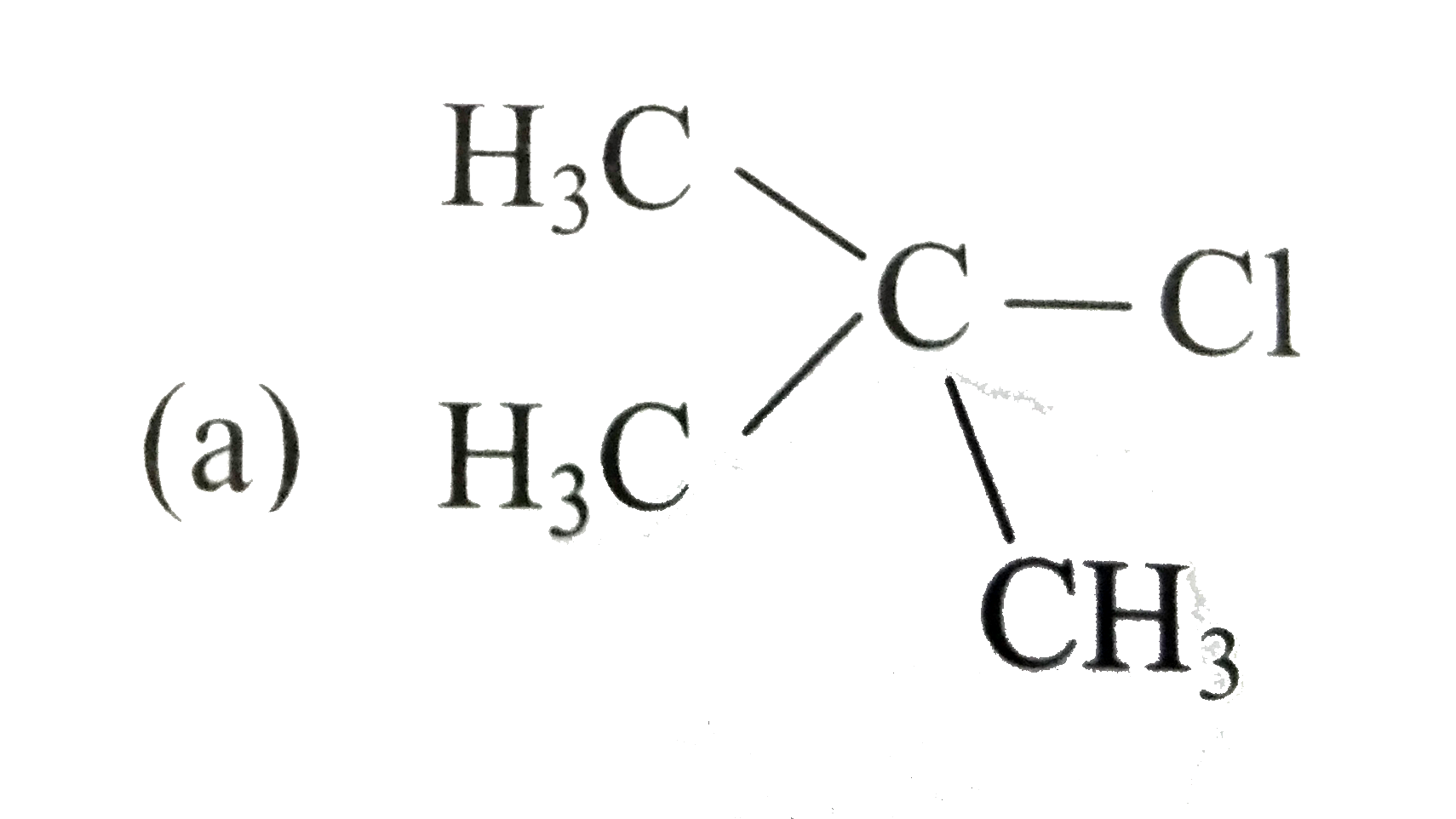
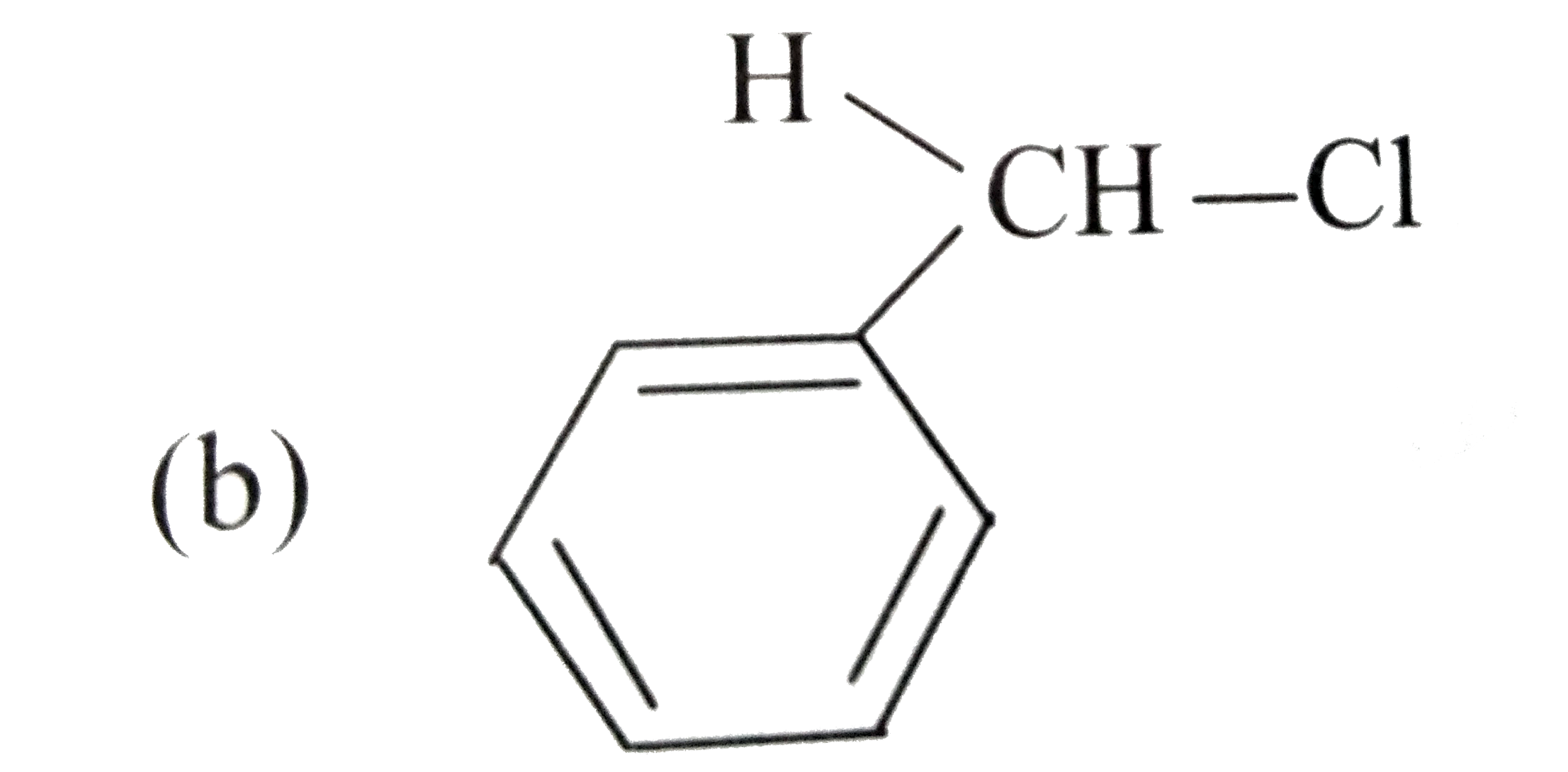
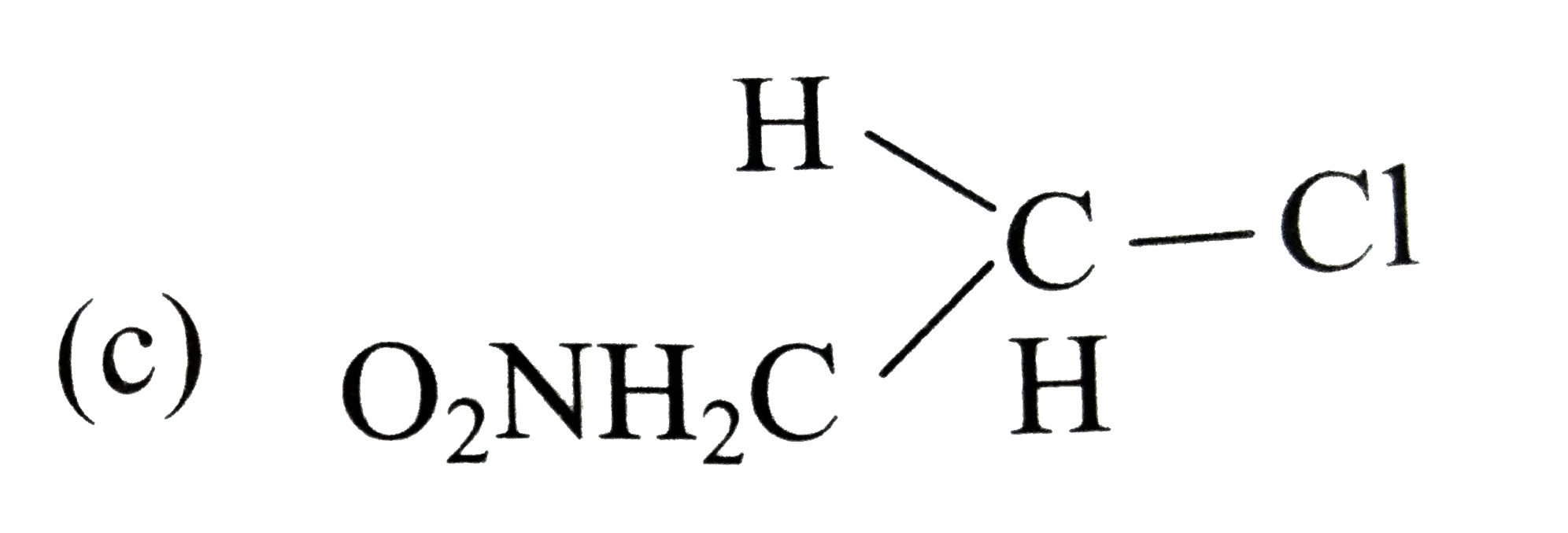
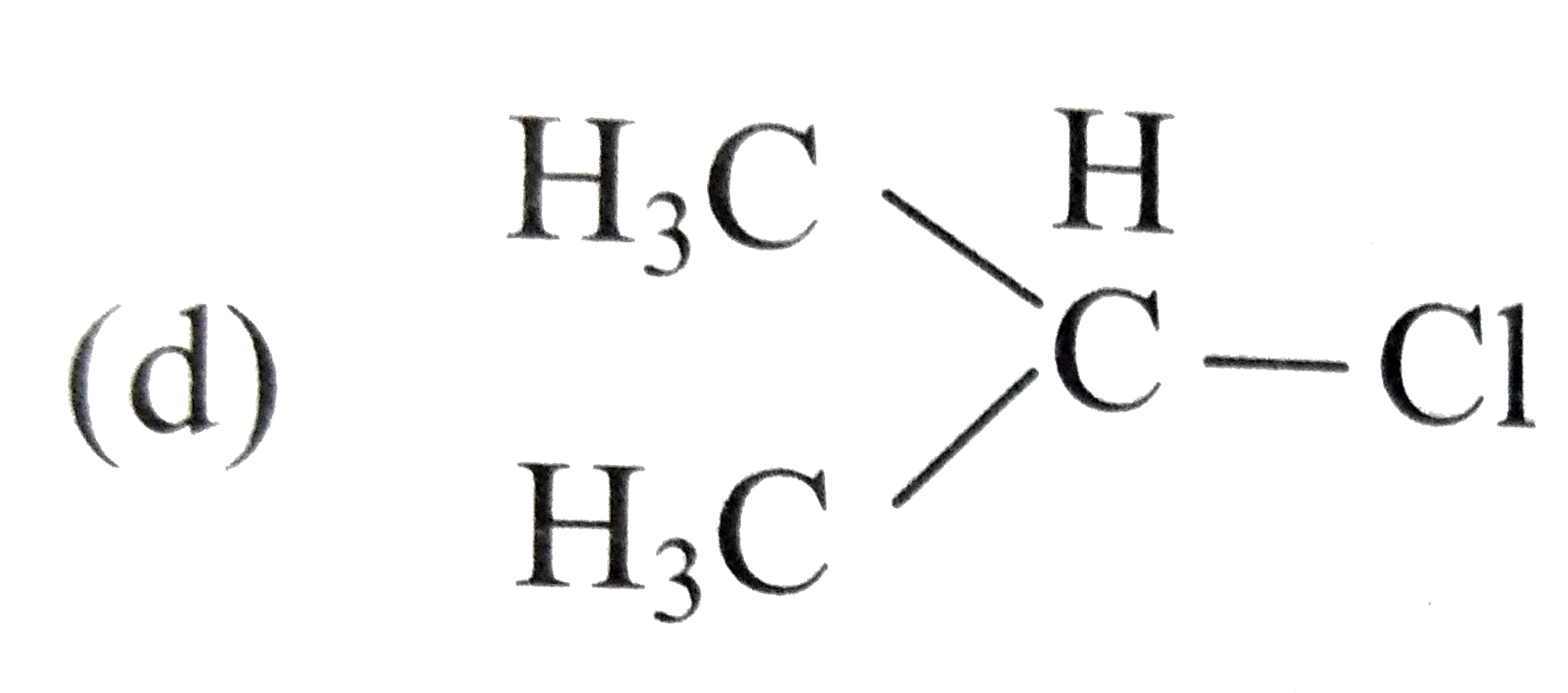
In which of the following compounds, the C-Cl bond ionisation shall give most stable carbonium ion |
|
Answer»
|
|
| 20. |
In which of the following the conductivity would be in the order of 10^(-4) ohm^(-1)cm^(-1) |
|
Answer» `NaCI_(s)` |
|
| 21. |
In whichof the followingthe H - C-Hbondangleis themaximu ? |
| Answer» Answer :D | |
| 22. |
In which of the following compounds, the C - Cl bond ionisation shall give most stable carbonium ion ? |
|
Answer»
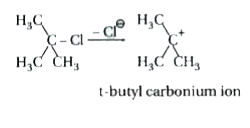 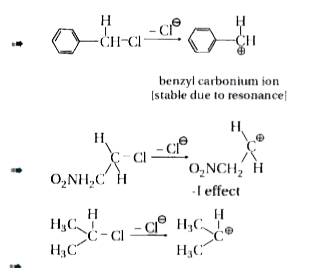 Most STABLE CARBONIUM ions is benzyl carbocation due to resonance. 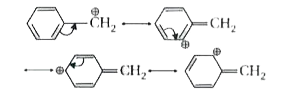
|
|
| 23. |
In which of the following, the central metal atom is behaving as a lewis acid ? |
|
Answer» `[NiCl_(2)(H_(2)O)_(4)]` |
|
| 24. |
In which of the following the central atom is present in its highest oxidation state? |
|
Answer» `[FE(CN)_(6)]^(-4)` |
|
| 25. |
In which of the following compounds, the C-Cl bond ion-isation shall give most stable carbonium ion? |
|
Answer»
|
|
| 26. |
In which of the following compounds carbon oxygen bond length is shorter than others |
|
Answer» `CH_3 COO^(-)` |
|
| 27. |
In which of the following compounds, the C-Cl bond ionisation shall give most stable carbocation ion? |
|
Answer»
 . .
|
|
| 28. |
In which of the following, the C-H bond length is shortest ? |
|
Answer» ETHANE |
|
| 29. |
In which of the following , the bond length between carbon and carbon atom is equal |
|
Answer» 2-butene |
|
| 30. |
In which of the followingthe angle between the two covalent bonds is greatest ? |
|
Answer» `CO_2 ` |
|
| 31. |
In which of the following compounds octet is complete and incomplete for all atoms : |
|
Answer» `{:(Al_(2)Cl_(6),Al_(2)(CH_(3))_(6),AlF_(3),"Dimer of "BeCl_(2),"Dimer of "BeH_(2)),(IC,IC,IC,C,C):}` 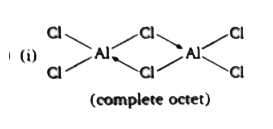 (ii) (ii) 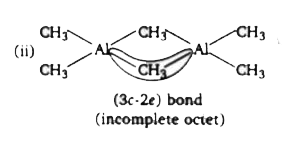 (ii) `underset("ionic COMPOUND")(AlF_(3)) to underset("octet complete")underset(2S^(2)2p^(2))(AL^(3+))+ underset("octet complete")underset(2s^(2)2p^(6))(2s^(2)2p^(6))` (iv) 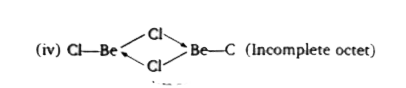 (incomplete) (incomplete) (v) 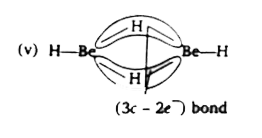 (incomplete) (incomplete)
|
|
| 32. |
In which of the following, the bond angle is maximum ? |
|
Answer» `NH_(3)` |
|
| 33. |
In which of the following tert. Carnon is absent |
|
Answer» Isoctane Triptane `C-underset(C)underset(|)overset(C)overset(|)(C)-underset(C)underset(|)(C)-C(1-3^(@)` carbon atom) Isopropyl amine `C-underset(C)underset(|)(C)-NH_(2)` (no TERT. carbon atom) Isopentane `C-underset(C)underset(|)(***)(C)-C-C` (1- tert. carbon atom) |
|
| 34. |
In which of the following system, dobbling the volume of the container cause a shify to the right |
|
Answer» `H_(2(g))+Cl_(2(g))=2HCl_((g))` |
|
| 35. |
In which of the following compounds , nitrogen exhibits highest oxidation state ? |
|
Answer» `N_(2)H_(4)` `therefore""x=-2` `NH_(3)rArrx+3(+1)=0orx+3=0` `therefore""x=-3` `N_(3)HrArr3x+1(+1)=0or3x+1=0` `therefore"" x=-1//3` `NH_(2)OHrArrx+2+(-2)+1=0orx+1=0` `therefore "" x=-1` THUS , highest oxidation STATE is `-1//3`. |
|
| 36. |
In which of the following substrates, rate of Benzoin substrates, rate of condensation will be maximum ? |
|
Answer»
_S01_503_S01.png) BENZOIN condensation is due to STABILITY of intermediate (III) when negative CHARGE on Cextensively delocalised in benzene RING, nitro and `C-=N` group. In all other cases, such dispersal is not extensively possible. On the other hand, `NO_(2)-` is alsocreating a positive charge center on carbonyl CARBON, making it more suceptible to nucleophilic attack of `CN^(-)` |
|
| 37. |
In which of the following compounds, nitrogen exhibits highest oxidation state ? |
| Answer» Answer :A | |
| 38. |
In which of the following compounds, nitration take place at the para-position- |
|
Answer»
|
|
| 39. |
In which of the following structures, the cation has maximum coordination number ? |
| Answer» Answer :C | |
| 40. |
In which of the following compounds more meta product is obtained on electrophilic substitution |
|
Answer»
|
|
| 41. |
In which of the following compounds manganese has oxidation number equal to that of iodine in KIO_(4)? |
|
Answer» potassium manganate |
|
| 42. |
In which of the following compounds iron has zero oxidation state |
|
Answer» `FE(CO)_5` |
|
| 43. |
In which of the following compounds hydrolysis tkes plcae through S_(N^(1)) and S_(N^(2)) mechanism respectively? |
|
Answer» `NF_(3), NCl_(3)` |
|
| 44. |
In which of the following compounds does the ratio of the anion size to the catton size have the lowest value? |
| Answer» Answer :B | |
| 45. |
In which of the following structures coordination number for cations and anions in the packed structure will be same- |
|
Answer» `Cl^(-)` ion form fcc lattice and `Na^(+)` ions occupy all OCTAHEDRAL voids of the unit cell |
|
| 46. |
In which of the following compounds does the ratio of anion to cation size have the lowest value? |
|
Answer» NaCl |
|
| 47. |
In which of the following steps largest number of ATP are produced : |
|
Answer» Glycolysis |
|
| 48. |
In which of the following compounds does the central atom obey EAN rule: |
|
Answer» `k_3Fe(CN)_6` |
|
| 49. |
In which of the following statements is/are correct ? |
|
Answer» Both reactions proceed by `SN^(1)` mechanism. |
|
| 50. |
In which of the following compounds, Cl is not easily replaced? |
| Answer» Answer :D | |




_S01_503_O01.png)
_S01_503_O02.png)
_S01_503_O03.png)
_S01_503_O04.png)