Saved Bookmarks
This section includes 7 InterviewSolutions, each offering curated multiple-choice questions to sharpen your Current Affairs knowledge and support exam preparation. Choose a topic below to get started.
| 1. |
Identify products A and B in the following reaction |
|
Answer» |
|
| 2. |
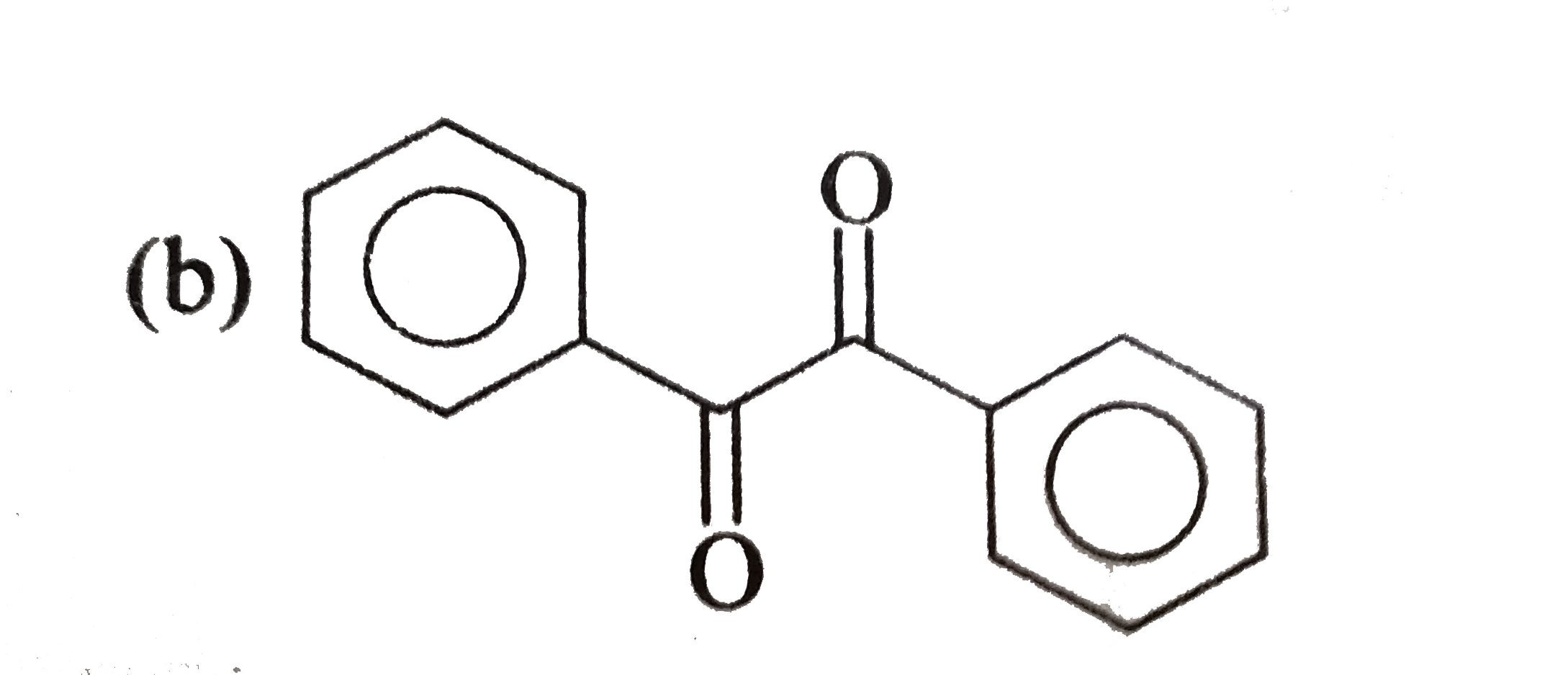
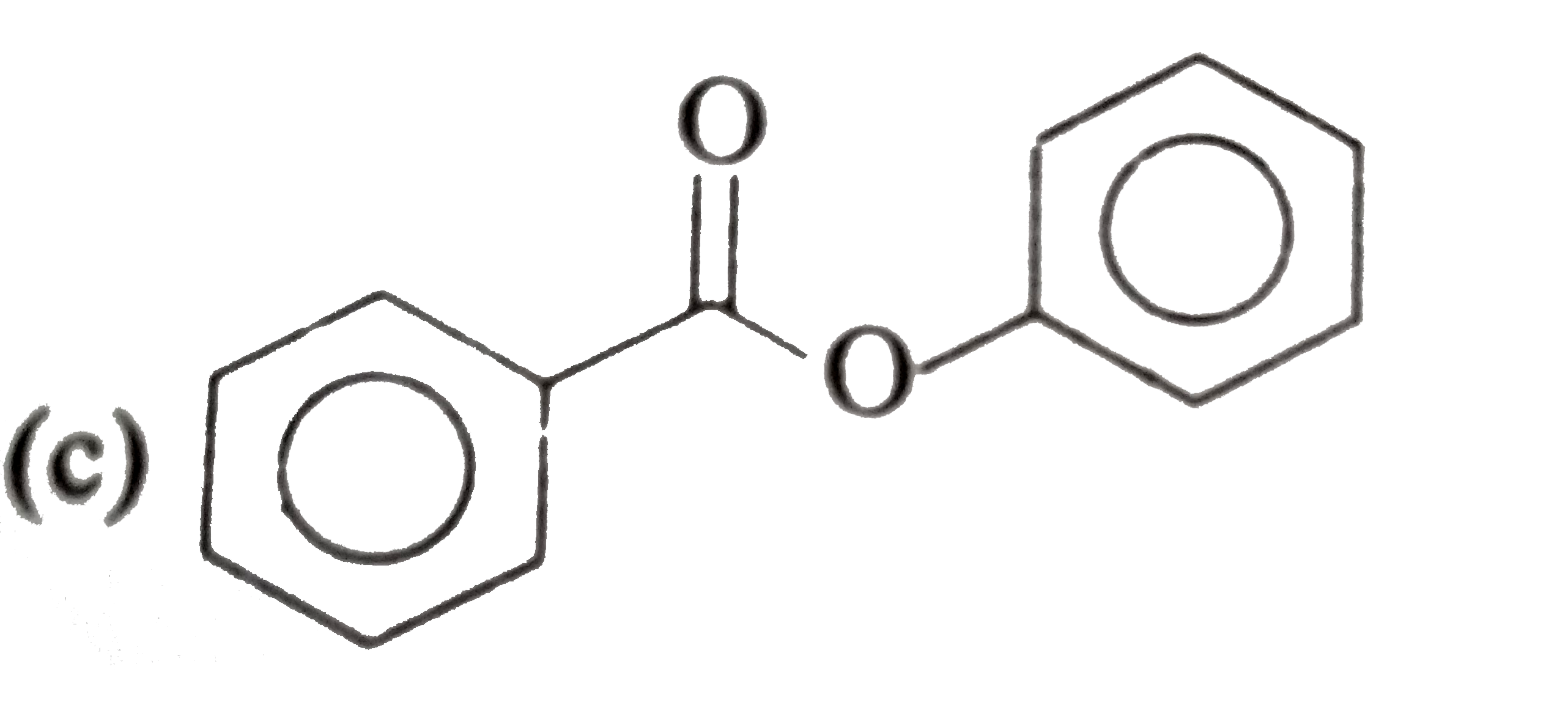
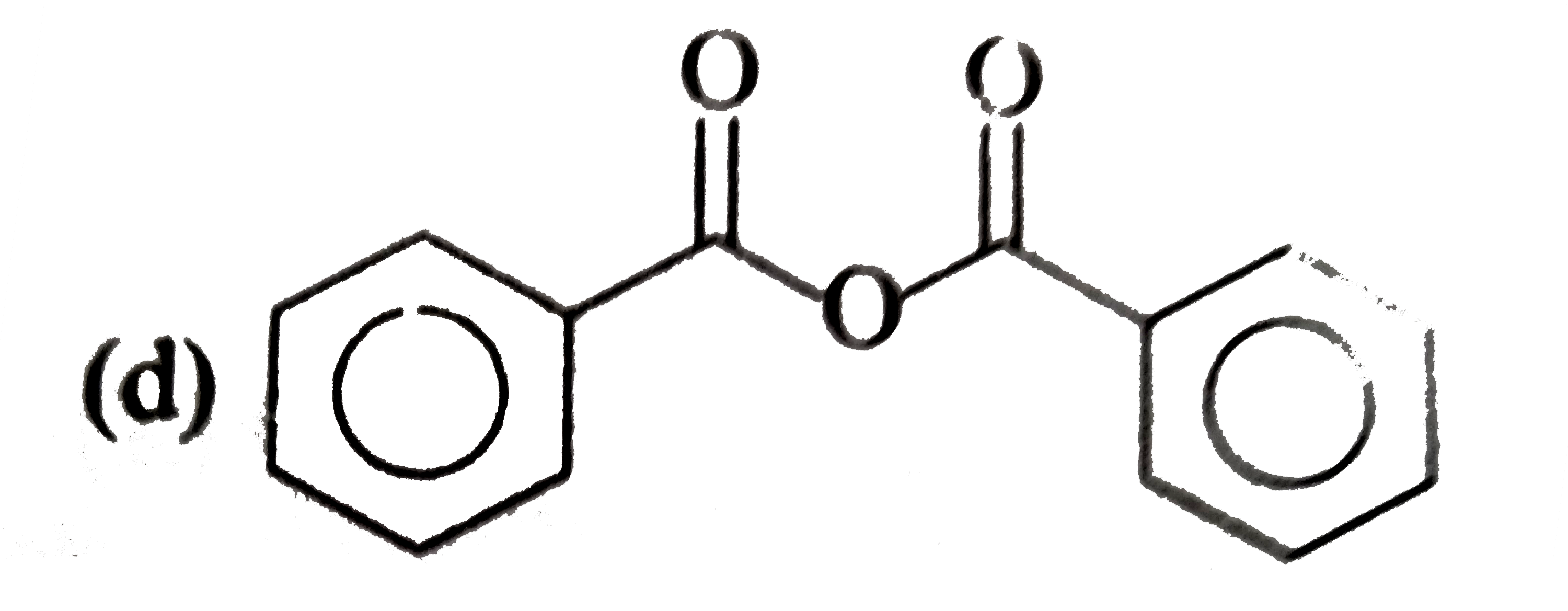
Identify Pyridinium chlorochromate from the following: |
|
Answer»
|
|
| 3. |
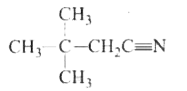
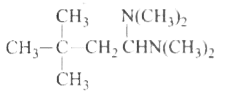
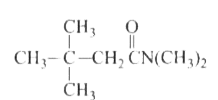
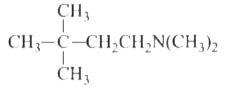
Identify product C in the following reaction sequence : CH_(3)overset(CH_(3))overset("|")underset(CH_(3))underset("|")"C "-CH_(2)CH_(2)OH overset(K_(2)Cr_(2)O_(2):H(2)SO_(4))underset(H_(2)O," heat ")rarr A overset(SOCl_(2))rarr B overset((CH_(3))_(2)NH)underset("(2 mol)")rarr C overset(overset("1. "LiAlH_(4))("diethyl ether"))underset("2. "H_(2)O)rarrD |
|
Answer» `CH_(3)overset(CH_(3))overset("|")underset(CH_(3))underset("|")"CC"H_(2)C=N` |
|
| 4. |
Identify Product (X) : |
|
Answer»
|
|
| 5. |
Identify product D in the following reaction sequence : |
|
Answer»
|
|
| 6. |
Identify product (A) and write its structure. Ph - underset(Ph)underset(|)overset(Ph)overset(|)(CH) underset(AlCl_(3))overset(H^(+))rarr |
|
Answer» |
|
| 7. |
Identify P,Q,R and S in the following conversions: CH_(3)OHoverset(PCl_(5))(to)Punderset("Heat")overset(AlcKCN)(to)Qoverset(LiAlH_(4))(to) Runderset(0^(@)C)overset(HNO_(2))(to)S |
|
Answer» Solution :`P-CH_(3)Cl` `Q-CH_(3)CN` `R-CH_(3)CH_(2)NH_(2)` `S-CH_(3)CH_(2)OH` |
|
| 8. |
Identify pair of neutral co-ordination entity amongst the following (P)[CoCl_(3)(NH_(3))_(3)]""(Q) [Ni(CO)_(4)] (R )[PtCl_(2)(NH_(3))_(2)]""(S)K_(4)[Fe(CN)_(6)] (T)[Co(NH_(3))_(6)]Cl_(3) |
|
Answer» P and T |
|
| 10. |
Identify P in the following series of reactions (AAK_MCP_35_NEET_CHM_E35_023_Q01) |
|
Answer»
|
|
| 11. |
Identify number of compound from following. Which liberate CO_(2) on reaction with NaHCO_(3). |
Answer» 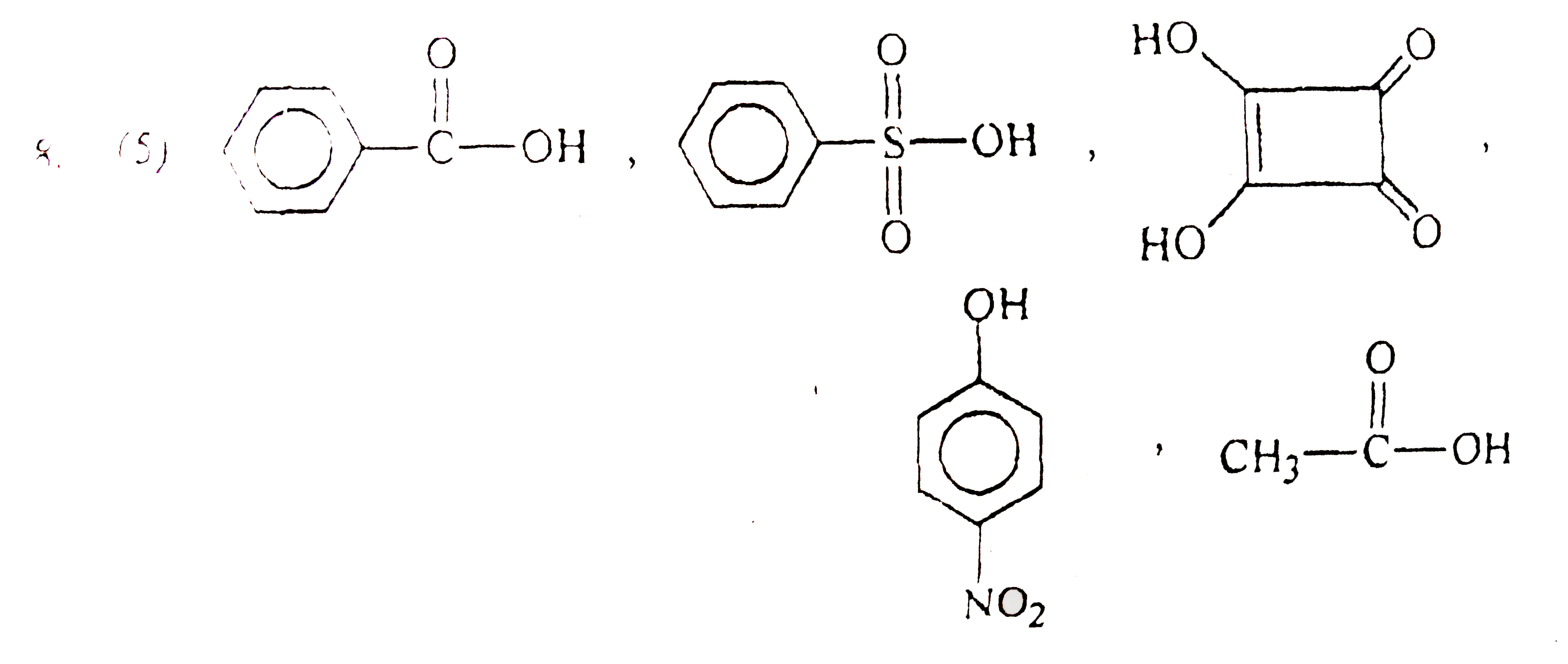
|
|
| 13. |
Identify number of reactions that can give nucleophilic aromatic substitution products. |
|
Answer» |
|
| 15. |
Identify 'M' in the following sequence of reactions: |
|
Answer»
`R-underset(O)underset(||)C-NH_(2)overset(Br_(2)//NaOH)underset("HOFFMANN degradation reaction")rarr R-NH_(2)` So, as per the retrosynthesis analysis : 
|
|
| 16. |
Identify incorrect statements |
|
Answer» Molecularilty is not always an integral quantity |
|
| 17. |
Identify incorrect statement |
|
Answer» Lanthanides donot form oxoions |
|
| 18. |
Identify incorrect statement. |
|
Answer» D-glucose,D-msnnose and D-fructose all give same osazone on REACTION with `Ph-NH_NH_(2)`. |
|
| 19. |
Identify heteroleptic complex having oxidatio number +1 of the central metal atom : |
|
Answer» `[CO(CN)_(4)]^(3-)` |
|
| 20. |
Identify giving reasons, the reaction order from each of the following rate constants: (i) k=2.3xx10^(-5)"L mol"^(-1)s^(-1)"" (ii) k=3xx10^(-4)s^(-1) |
|
Answer» Solution :`K=("RATE")/([A]^(n))=("CONCENTRATION")/("Time")xx(1)/(["concentration"]^(n))` or `k=(1)/("time" xx ["concentration"]^(n-1))` For zero order n = 0, `k=(["concentration"])/("time")"or mol L"^(-1)s^(-1)` For first order n = 1, `k=(1)/("time"0 or s^(-1)` For second order n = 2, `k=(1)/("time" xx["concentration"])or (1)/(s xx "mol L"^(-1))"or mol"^(-1)LS^(-1)` THEREFORE for the reaction (i), the order = 2 and for the reaction (ii), the order = 1. |
|
| 21. |
Identify giving reasons, the reaction order from each of the following rate constants : (i) k = 2.3 xx 10^(5) L mol^(-1) s^(-1) (ii) k = 3 xx 10^(-4) s^(-1) |
|
Answer» Solution :Unit of RATE CONSTANT for `N^(th)` ORDER `k = ("mol lit"^(-1))^(1-n) s^(-1)` (i) `k = 2.3 xx 10^(5)L mol^(-1) s^(-1)` We will get these units when value of n= 2, or order is (two) `k = ("mol lit"^(-1))^(1-2) s^(-1)` `= mol^(-1) "lit sec"^(-1)` (ii) `k = 3 xx 10^(-4)s^(-1)` We will get these units when value of n=1, or order is (one) `k = ("mol lit"^(-1))^(1-1)s^(-1)` `=s^(-1)` |
|
| 22. |
Identify how many "Ore names", "Type of Anion", "Metal(s) present in mineral" are correctly related {:((i),"Magnetite","oxide",Fe),((ii),"calamine","carbonate",Zn),((iii),"Copper Pyrite", "Sulphide",Fe),((iv), "Galena", "sulphide", Hg),((v), "Asbestos", "Silicate", Al),((vi), "Lunar Caustic", "hydroxide", Ag),((vii), "Dolomite", "carbonate", Ca),((viii), "Dolomite", "hydroxide", Mg):}. |
|
Answer» `{:("Magnetite",Fe_(3)O_(4)),("Gibbsite",AL(OH)_(3)),("Copper Pyrite",CuFe_(2)S_(4)),("Galena", Pbs),("Asbestos", CAMG(SiO_3)_(4)),("Lunar Caustic",AgNO_(3)),("Dolomite", MgCO_(3).CaCO_(3)):}` |
|
| 23. |
Identify G |
|
Answer» `SiO_(2)` `FeSO_(4)+BaCl_(2)tounderset((B))(BaSO_(4)darr)+FeCl_(2)` `2FeSO_(4)overset(Delta)tounderset((E))(Fe_(2)O_(3))+underset((C))(SO_(2))+underset((D))(SO_(3))` `Fe_(2)O_(3)+6HCl tounderset((F))(2FeCl_(3))+3H_(2)O` `2FeCl_(3)+H_(2)Stounderset((H))(2FeCl_(2))+2HCl+underset((G))(S)` `2FeCl_(3)+SnCl_(2)to 2FeCl_(2)+SnCl_(4)` `4FeCl_(3)+3K_(4)Fe(CN)_(6)tounderset("Prussian blue")(Fe_(4)[Fe(CN)_(6)]_(3))+12KCl` |
|
| 24. |
Identify final product In the following reaction CH_(3)-underset(OH)underset(|)(C)H-COOH overset(Delta)to product |
|
Answer»

|
|
| 25. |
Identify each of the following glucose derivative. a.A+5HIO_(4)rarr 4HCOOH+2HCHO b.B+3HIO_(4)rarr 2HCOOH+2OHC--COOH |
Answer» SOLUTION :a.Proceed REVERSE: 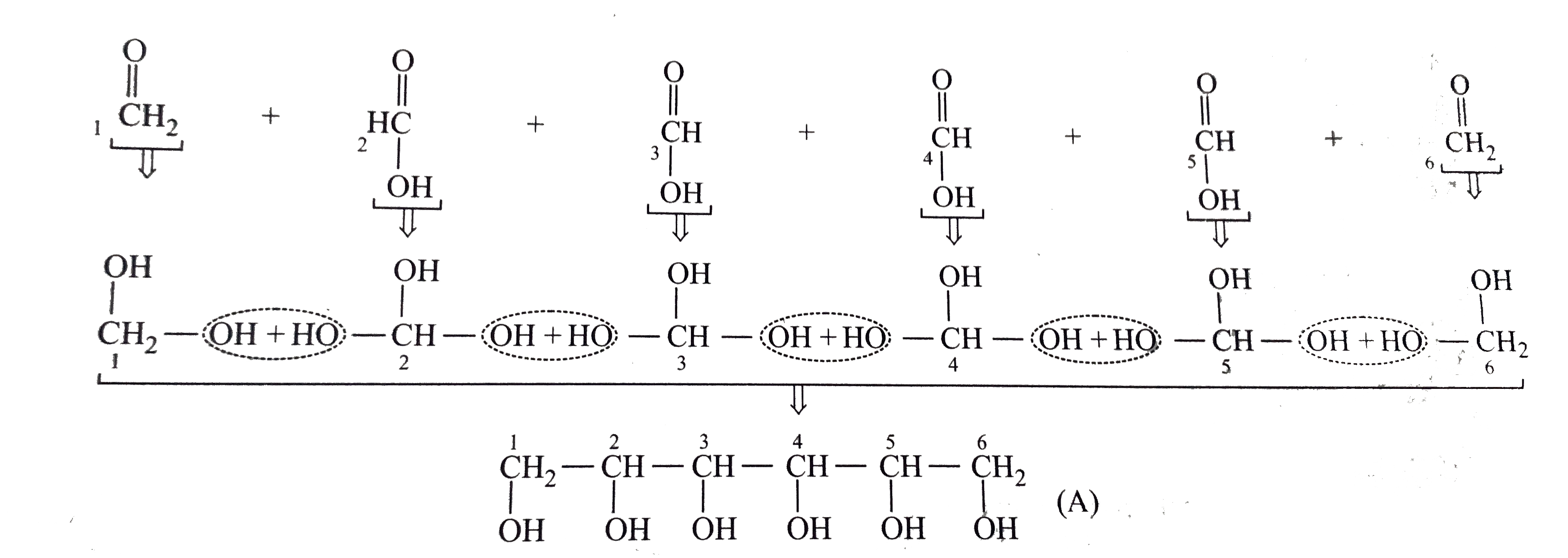 B. 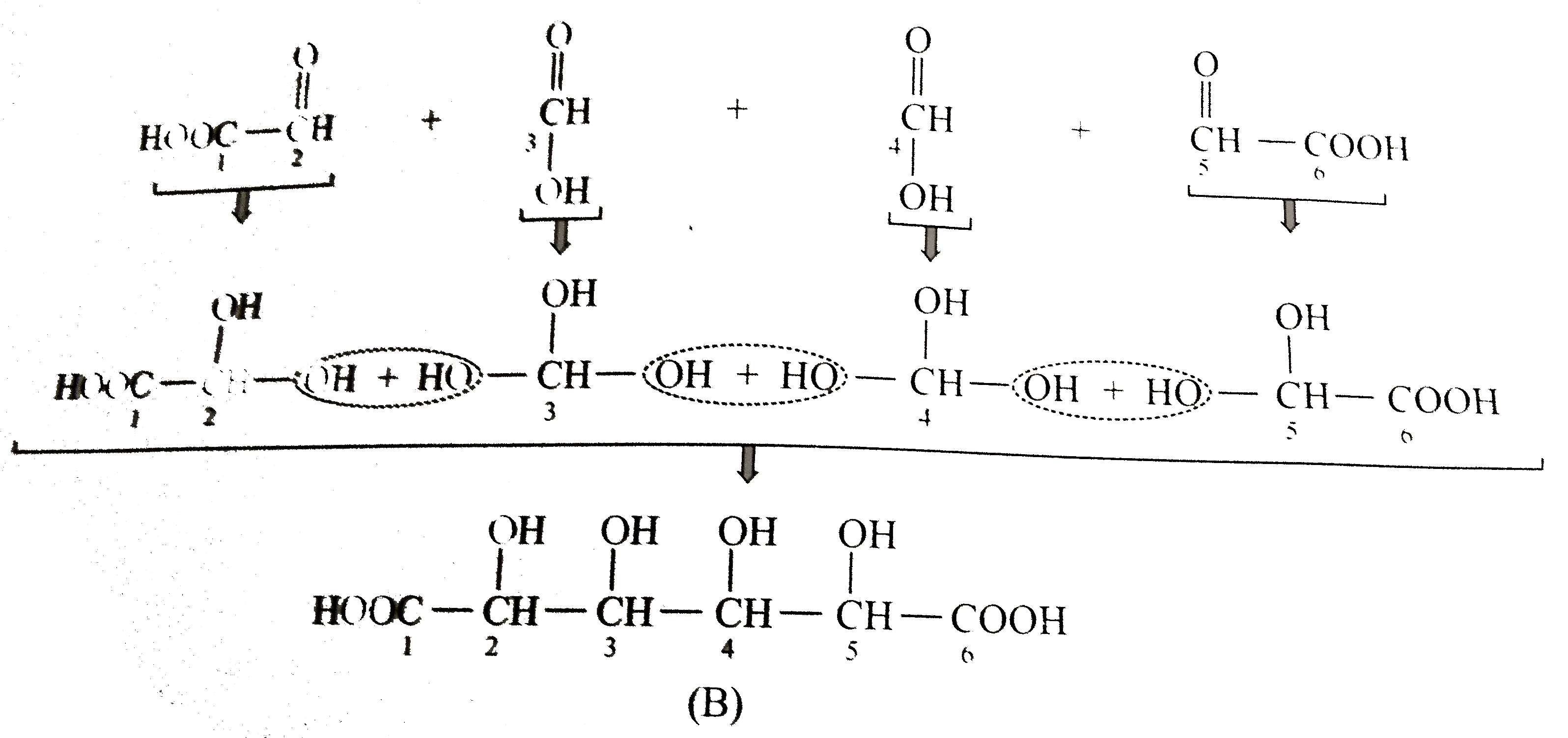
|
|
| 26. |
Identify, each of the following glucose derivative A+5HlO_(4) to 4HCOOH+2HCHO B+3HlO_(4)to2HCOOH+2OHC-COOH |
|
Answer» SOLUTION :`AtoHOCH_(2)CH(OH)CH(OH)CH(OH)CH(OH)*CH_(2)OH` `BtoHOOC*CH(OH)*CH(OH)*CH(OH)*CH(OH)*COOH` |
|
| 27. |
Identify each of the following as either D- or L- glyceraldehyde. |
|
Answer» (i)-L, (II)D, (III)D 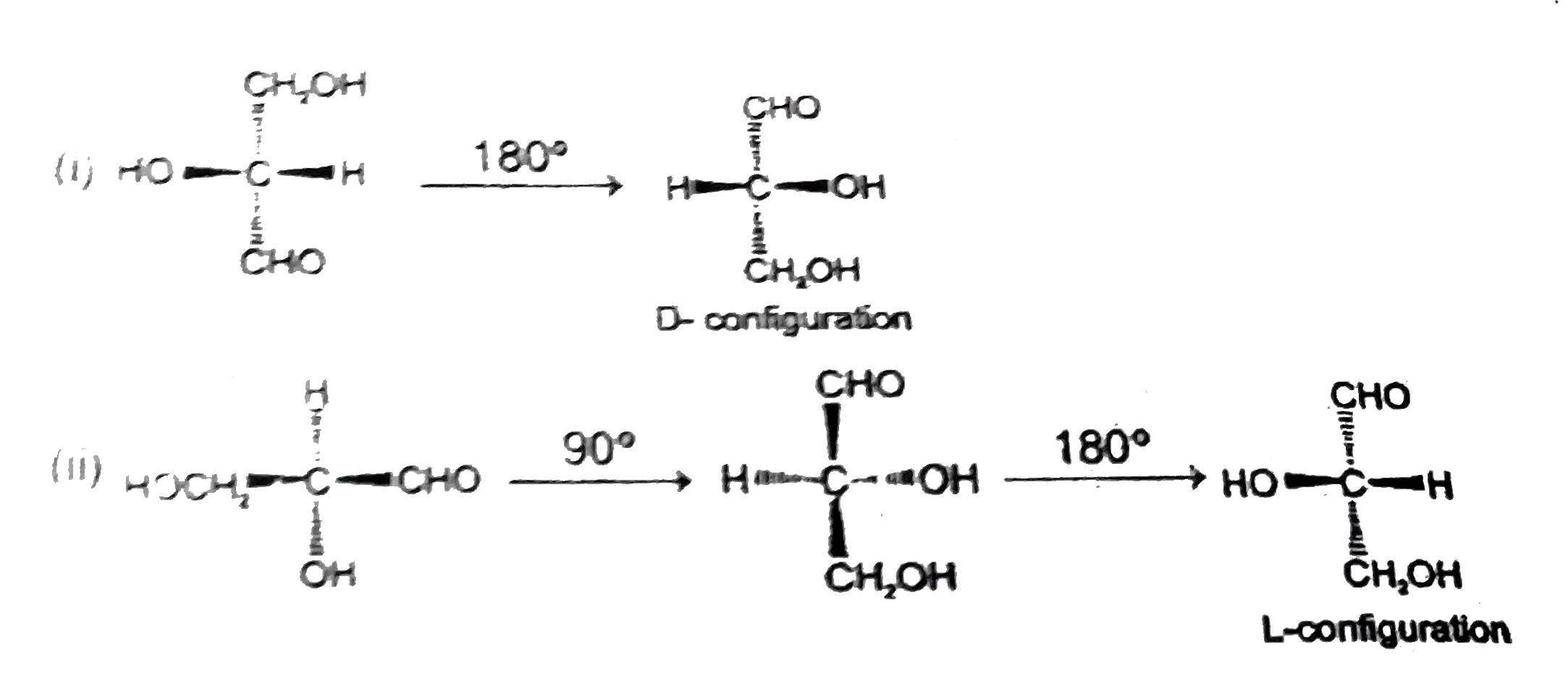
|
|
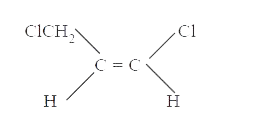
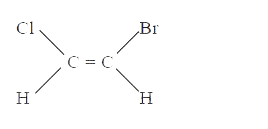
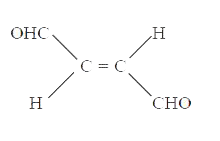
| 28. |
Identify each of the following alkenes as being either cis or trans. |
|
Answer»
|
|
| 30. |
Identify D in the following reaction sequence. C_(2)H_(5)OH overset(PCl_(5))to A overset(AgNO_(2))to Bunderset(Delta)overset(Sn//HCl)to X overset(HNO_(2)) toD |
|
Answer» Ethyl ALCOHOL |
|
| 31. |
Identify disproportionation reaction : |
|
Answer» `CH_(4)+2O_(2)toCO_(2)+2H_(2)O` |
|
| 32. |
Identify D |
|
Answer» `AgCI` `FeBr_(3)+3H_(2)SO_(4)tounderset((B))(Fe_(2)(SO_(4))_(3)+3Br_(2)` `FeBr_(3)+3NH_(4)OHtounderset((C))(Fe(OH)_(3) darr)+3NH_(4)Br` |
|
| 33. |
Identify D |
|
Answer» `ZnO` `underset("Light GREEN (A)")(FeSO_(4).7H_(2)O)overset("Gentle HEATING")tounderset("Colourless")(FeSO_(4))+7H_(2)O` `FeSO_(4)+NO to underset("Brown (C)")(FeSO_(4).NO)` `FeSO_(4)+NO to overset(Delta)underset((D))(Fe_(2)O_(3))+underset((E))(SO_(2))+underset((F))(SO_(3))` `2KMnO_(4)+3H_(2)SO_(4)toK_(2)SO_(4)+2MnSO_(4)+3H_(2)O+5[O]` `SO_(2)+H_(2)O+O to [H_(2)SO_(4)]xx5` `ulbar(underset("(Pink)")(2KMnO_(4))+2H_(2)O+5SO_(2) underset("(Almost colourless)")(to) K_(2)SO_(4)+2MnSO_(4)+2H_(2)SO_(4)+2H_(2)SO_(4))` `SO_(3)+H_(2)Oto H_(2)SO_(4)` `H_(2)SO_(4)+BaCl_(2)toBaSO_(4)darr+2HCl` |
|
| 34. |
Identify D |
|
Answer» PbS `Na_(2)O_(2) +H_(2)O rarr 2NaOH +[O] XX 3` `2Cr(OH)_(3) +NaOH +3[O] rarr 2Na_(2)CrO_(4) +5H_(2)O` `ulbar(2Cr(OH)_(3)+3Na_(2)O_(2)rarrunderset("Yellow solution")(2Na_(2)CrO_(4))+2NaOH+2H_(2)O)` `underset(Yellow)(2CrO_(4)^(2-))+2H^(o+)rarrunderset("Orange")(2CrO_(7)^(2-))+H_(2)O` `Cr_(2)O_(7)^(2-) +2OH^(Theta) +2Pb^(2+) rarr underset(("Bright yellow ppt"))(2PbCrO_(4)+H_(2)O)` |
|
| 35. |
Identify D . |
|
Answer»

|
|
| 36. |
Identify D |
|
Answer» ZnO `ZnO +2HCI rarr underset((B))(ZnCI_(2)) +H_(2)O` `ZnO +2NaOH rarr underset((C))(Na_(2)ZnO_(2))+H_(2)O` `ZnO` is AMPHOTERIC. `underset((B))(ZnCI_(2))+H_(2)S rarr` No ppt. This is because `ZnS` is precipitated in basic medium with sufficient `[S^(2-)]` concentration. `underset(("NEUTRAL or basic solution"))(ZnCI_(2)+H_(2)S) OVERSET(NH_(4)OH)rarr underset((D))(ZnSdarr) +2HCI` |
|
| 37. |
Identify correct structure of A: |
|
Answer»
|
|
| 38. |
Identify correct statement. |
|
Answer» `C` is a WEAK lewis acid 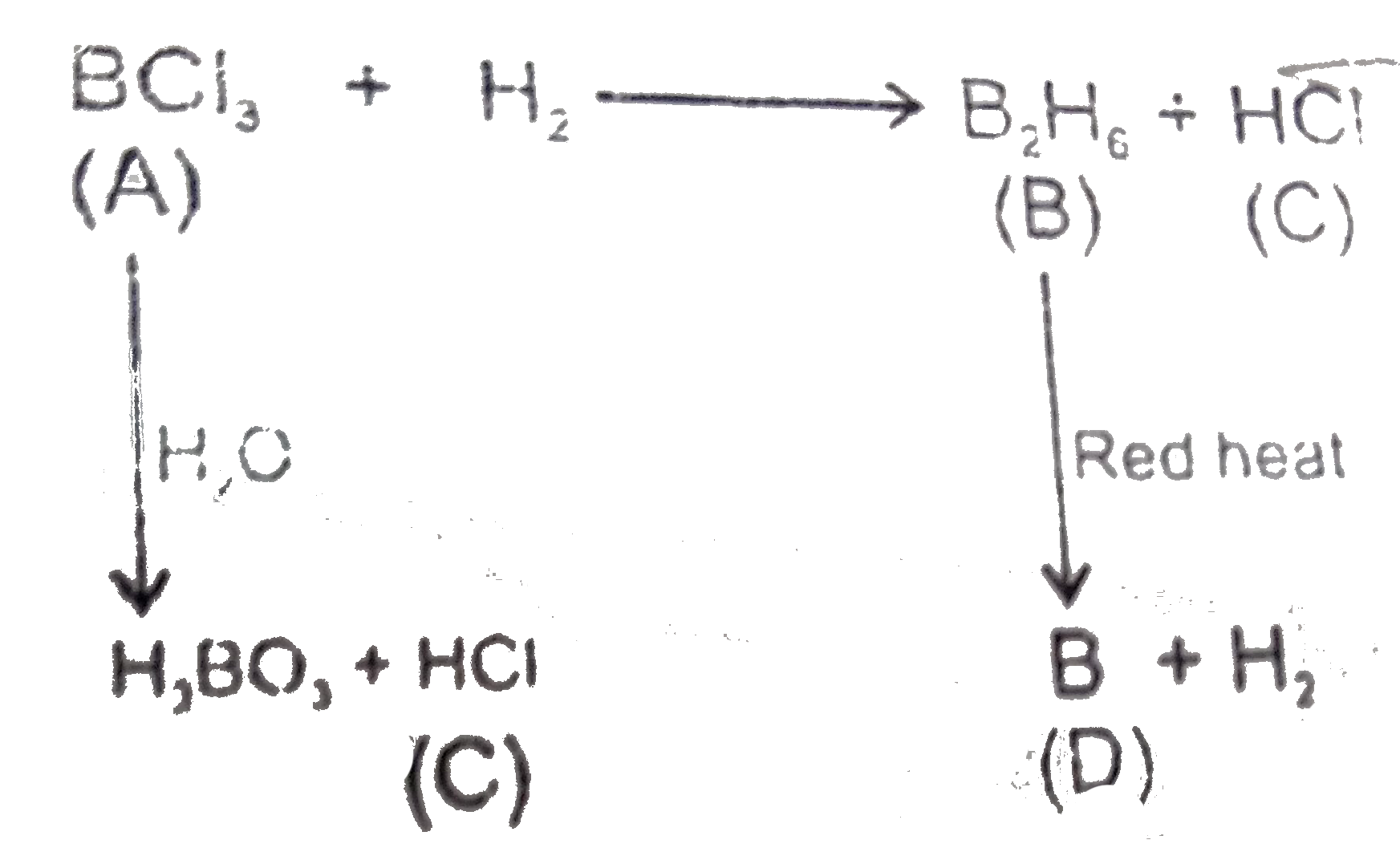
|
|
| 40. |
Identify correct statement (s) |
|
Answer» Ionic compounds has high melting and boiling points. |
|
| 41. |
Identify correct set for 3nd pair of compounds ? |
|
Answer» R A B |
|
| 42. |
Identify correct set for 1nd pair of compounds ? |
| Answer» Solution :N//A | |
| 43. |
Identify correct order of pH of the given solutions at 25^(@)C (I) NH_(4)Cl "" (II) Na_(2)CO_(3) "" (III) K_(2)SO_(4) |
|
Answer» `I LT II lt III` `Na_(2)CO_(3) rarr` salt of W.A/S.B `(pH GT 7)` `K_(2)SO_(4) rarr` salt of S.A/S.B (pH= 7) |
|
| 44. |
Identify compounds A,B and C in the following sequence of reactions. (i) C_(6)H_(5)NO_(2)overset(Fe//HCl)(to)Aunderset(273K)overset(HNO_(2))(to)Bunderset(C_(6)H_(3)OH)(to)C (ii) C_(6)H_(5)N_(2)Cloverset(CuCN)(to)A overset(H_(2)"O"//H^(+))(to)Boverset(NH_(3))(to)C (iii) CH_(3)CH_(2)Ioverset(NaCN)(to)Aunderset("Partial hydrolysis")overset(OH^(-))(to)Boverset(NaOH+Br_(2))(to)C (iv). CH_(3)NH_(2)overset(CH_(3)Br)(to)Aoverset(CH_(3)COCl)(to)Boverset(B_(2)H_(6))(to)C (v) C_(6)H_(5)NH_(2) underset("pyridine")((CH_(3)CO)_(2)O)(to)Aunderset(H_(2)SO_(4)//288K)overset(HNO_(3))(to)Boverset(H_(2)O//H^(+))(to)C (vii) CH_(3)CH_(2)NCoverset(HgO)(to)Aoverset(H_(2)O)(to)Bunderset((ii)H_(2)O)overset((i)NaNO_(2)//HCl)(to)C |
|
Answer» Solution :(i) `C_(6)H_(5)NO_(2)overset(Fe//HCl)(to)Aunderset(273K)overset(HNO_(2))(to)Boverset(C_(6)H_(5)OH)(to)C` `underset(("Nitrobenzene"))(C_(6)H_(5)NO_(2))overset(Fe//HCl)(to)underset((A))underset(("Aniline""))(C_(6)H_(5)NH_(2)) underset((or)NaNO_(2)//HCl)overset(HNO_(2)//273K)(to)` 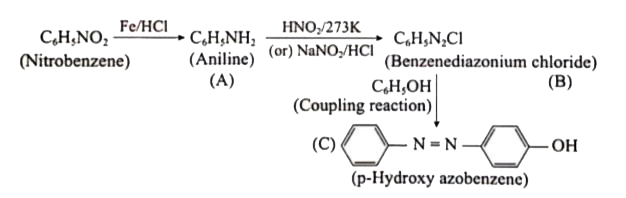 (ii) `C_(6)H_(5)N_(2)Cloverset(CuCN)(to)A overset(H_(2)O//H^(+))(to)Boverset(NH_(3))(to)C` `underset(("Benzenediazonium chloride"))(C_(6)H_(5)N_(2)Cl)overset(CuCN)(to)underset((A))underset(("Cyanobenzene"))(C_(6)H_(5)CN)overset(H_(2)O//H^(+))(to)underset((B))underset(("Benzoic acid"))(C_(6)H_(6)COOH)overset(NH_(3)//Delta)(to)underset((C))underset(("Benzamide"))(C_(6)H_(5)CONH_(2))` (iii) `CH_(3)CH_(2)Ioverset(NaCN)(to)Aunderset("Partial hydrolysis")overset(OH^(-))(to)Boverset(NaOH+Br_(2))(to)C` `underset(("Ethyl iodide"))(CH_(3)CH_(2)I)underset(-NaI)overset(NaCN)(to)underset(("Ethyl cyanide"))(CH_(3)CH_(2)CN)underset(("Partial hydrolysis"))overset(OH^(-))(to)underset((B))underset(("Acetamide"))(CH_(3)-CONH_(2)) underset(("Hofmann bromamide REACTION"))overset(NaOH+Br_(2))(to)underset((C))underset(("Methylamine"))(CH_(3)NH_(2))` (IV)`CH_(3)NH_(2)overset(CH_(3)Br)(to)Aoverset(CH_(3)COCl)(to)B overset(B_(2)H_(6))(to)C` `underset(("Methyl amine"))(CH_(3)NH_(2))overset(CH_(3)Br)(to) underset((A))underset(("N,N-dimethyl amine"))((CH_(3))_(2)NH)overset(CH_(3)COCl)(to)underset((B)) underset(("N,N-dimethyl acetamide"))((CH_(3))_(2)N-COCH_(3)) overset(B_(2)H_(6))(to) underset(((C)2-"hydroxy ethan amine")) underset(("N,N-dimethyl")) underset(OH)underset(|)((CH_(3))_(2)N-CH)-CH_(3)` v. `C_(6)H_(5)NH_(2) underset("pyridine")overset((CH_(3)CO)_(2)O)(to)Aunderset(H_(2)SO_(4)//288K)overset(HNO_(3))(to)Boverset(H_(2)"O"//H^(+))(to)C` 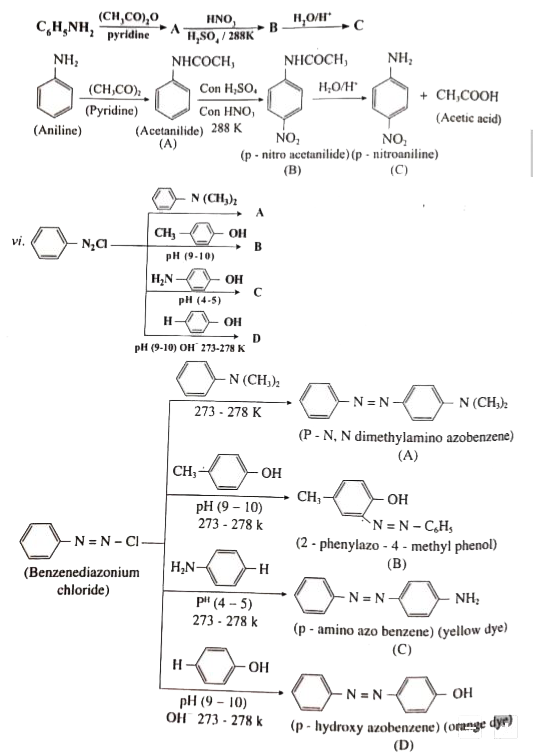 vii. `CH_(3)CH_(2)NCoverset(HgO)(to)Aoverset(H_(2)O)(to)Bunderset((ii)H_(2)O)overset((i)NaNO_(2)//HCl)(to)C` `CH_(3)CH_(2)NCunderset(-Hg_(2)O)overset(2HgO)(to) CH_(3)-underset((A))underset(("Ethylisocyanate"))(-CH_(2)-N=C=)Ooverset(H_(2)O)(to)CH_(3)-underset((B)underset(("Ethylamine"))(CH_(2)-NH_(2))+CO_(2)underset((ii)H_(2)O)overset((i)NaNO_(2)//HCl)(to) underset((C))underset(("Ethanol"))(C_(2)H_(5)OH)` |
|
| 45. |
Identify correct set for 2nd pair of compounds ? |
| Answer» Solution :N//A | |
| 46. |
Identify correct order of reactivity in electrophilic substitution reaction of the following compounds : |
|
Answer» ` gt 2 gt 3gt 4` toluene `gt` BENZENE `gt` chlorobenzene `gt` nitrobenzene. |
|
| 47. |
Identify correct order for given property. |
|
Answer» `C_2H_5NH_2gt(C_2H_5)_2NHgt(C_2H_5)_3N` (basic strength is GAS phase) |
|
| 48. |
Identify compounds A,B and C in the following reactions: (i) (A)overset(Br_(2)//NaOH)(to)(B)overset(HNO_(2))(to)(C)overset("Red"P//I_(2))(to)CH_(2)I (ii) (A)overset(dil.HNO_(3))(to)(B)overset(Sn//HCl)(to)(C)underset("boil")overset(NaNO_(3)+HCl)(to) (iii) (A)overset(Delta)(to)(B)underset(KOH)overset(Br_(2))(to)(C)overset(HNO_(2))(to)C_(2)H_(5)OH (iv) (A)overset(AgCN)(to) (B) overset(Sn//HCl)(to)(C)overset(HNO_(3))(to)CH_(3)-underset(N=O)underset(|)(N)-CH_(3) |
Answer» Solution :(i) `underset((A))(CH_(3)CONH_(2))overset(Br_(2)//NaOH)(to)underset((B))(CH_(3)//NH_(2))overset(HNO_(2))(to) underset((C))(CH_(3)OH)overset("Red"P//I_(2))(to)CH_(3)I`  (iii) `underset((A))(CH_(3)CH_(2)COONH_(4))overset(Delta)(to)underset((B))(CH_(3)CH_(2)CONH_(2))underset(KOH)overset(Br_(2))(to) underset((C))(CH_(3)CH_(2)NH_(2))overset(HNO_(2))(to)underset("ETHANOL")(C_(2)H_(5)OH)` (iv) `underset((A))(CH_(3)Cl)overset(AgCN)(to)underset((B))(CH_(3)CN)-=underset(4[H])overset(Sn//HCl)(to)underset((C))underset(N-"Methyl methanamine")(CH_(3)NH_CH_(3))overset(HNO_(3))(to)CH_(3)-underset(N-"Methyl-N-nitroso methanamine")underset(N=O)underset(|)(N)-CH_(3)` |
|
| 49. |
Identify underlineX and underlineY in the following sequence of reactions . CH_(3) underset(X) (CH)O overset(HNO_(3))(to) underlineX overset(P_(4) O_(10)) underset(Delta)(to) underlineY |
|
Answer» `X- C_2H_5OH, Y- C_2H_4` |
|
| 50. |
Identify compounds A,B and C in the following sequence of reactions. CH_3CH_2NCoverset(HgO)(to)Aoverset(H_2O)(to)B underset((ii)H_4O) overset((i)NaNO_2"/"HCl)(to)C |
| Answer» Solution :`CH_(3)CH_(2)NC overset(2HgO)underset(-Hg_(2)O) to underset("Ethylisocynate")(CH_(3)-CH_(2)-N =C) overset(H_(2)O) to underset("ETHYLAMINE") (CH_(3)-CH_(2)-NH_(2)) +CO_(2) overset((i) NaNO_(2)//HCl)underset((ii) H_(2)O) to underset("Ethanol")(C_(2)H_(5)OH)` | |



 <
<