Saved Bookmarks
This section includes 7 InterviewSolutions, each offering curated multiple-choice questions to sharpen your Current Affairs knowledge and support exam preparation. Choose a topic below to get started.
| 1. |
Considerthe following reaction Nitrite + acetic acid + thioures rarr N_(2) + SCoverset(Θ)N + 2H_(2)O Formationof the product in the reaction cannot beidentified by |
|
Answer» `FaCI_(3)//dil, HCI` when blood -RED colour appears |
|
| 2. |
Consider the following reaction occuring in basic medium 2MnO_(4)^(-) + Br^(-)(aq) to2MnO_(2) (s) + BrO_(3)^(-) (aq) Howthe abovereactioncan bebalancedfurther ? |
|
Answer» By adding `2 OH^(-)` ions on RIGHT side `2 Mn O_4 ^ -(aq )+Br ^ -(aq )to2 Mn O_ 2(s )+ Br O_3 ^ -( aq)+2 OH ^ -( aq ) ` Now,hydrogenatoms canbebalancedby addingone` H _ 2O `moleculeto theleftside `2 MnO_4 ^ -(aq )+ Br ^ -(aq )+ H _ 2 O( l)to2 MnO_ 2 ( s )+Br O_ 3 ( aq )+2OH ^ (-)(aq ) ` |
|
| 3. |
Consider the following reaction, Nitrite + Acetic acid + Thiourea to Na_(2) uarr + HSCN +2H_(2)O. Formation of the product in the above reaction can be identified by : |
|
Answer» `FeCl_(3)//` dilute HCl, when blood red colour appears. |
|
| 4. |
Consider the following reaction : Na_(2)SO_(3) + S overset("Boiling")underset(H_(2)O) to X (Colourless liquid) AgBr overset("Excess")to Y (Soluble complex) X + Cl_(2) + H_(2)O (l) overset("Boiling")underset(H_(2)O)to Z + HCl The (X), (Y) and (Z) are respectively |
|
Answer» `Na_(2)S_(4)O_(6), [Ag(S_(2)O_(3))_(2)]^(2-), NaHSO_(4)` `AgBr + 2Na_(2)S_(2)O_(3) to underset("SOLUBLE complex Y")(Na_(3)[Ag(S_(2)O_(3))_(2)]) + NaBr` `Na_(2)S_(2)O_(3) + 4Cl_(2) + 5H_(2)O overset("Boiling")to 2NaHSO_(4) + 8HCl` |
|
| 5. |
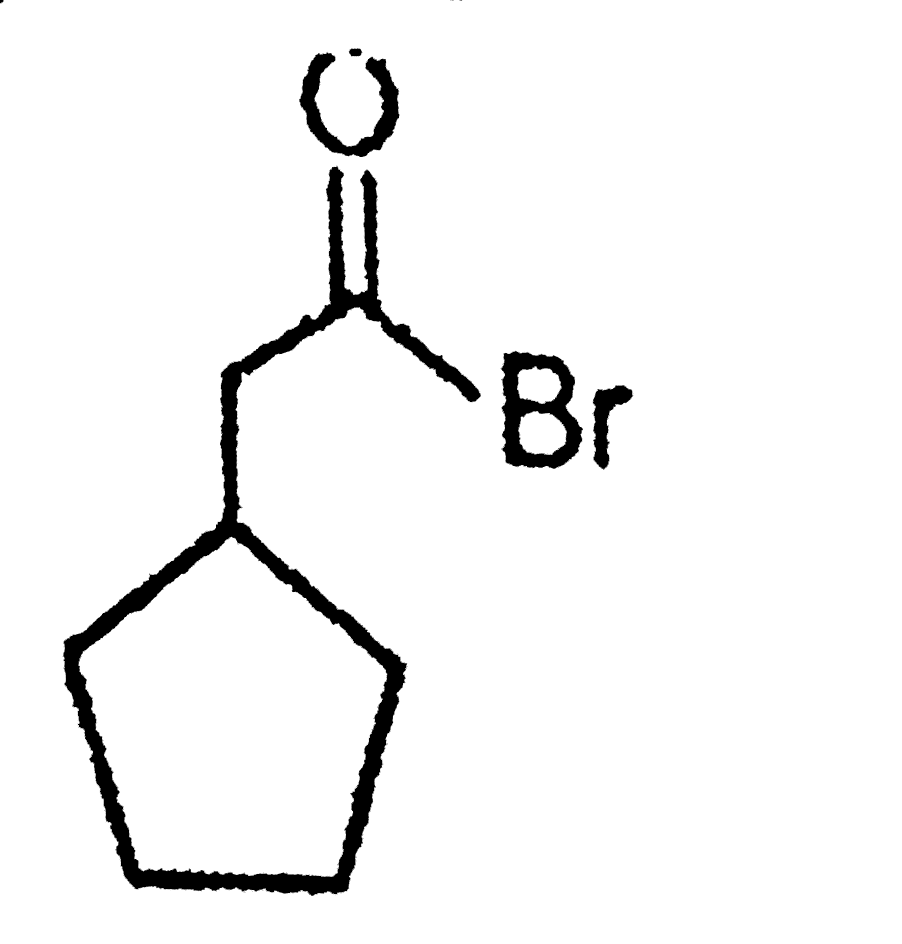
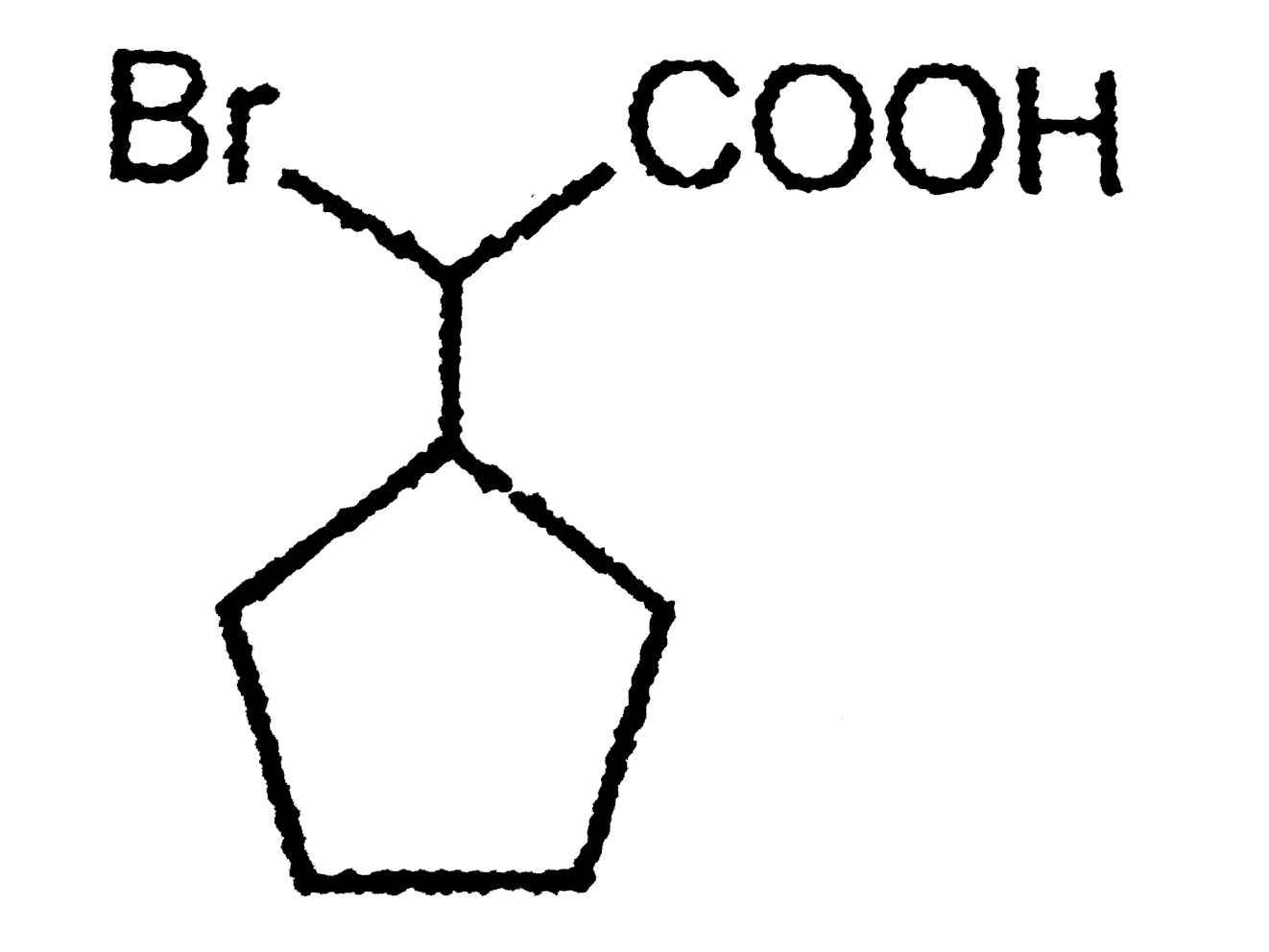
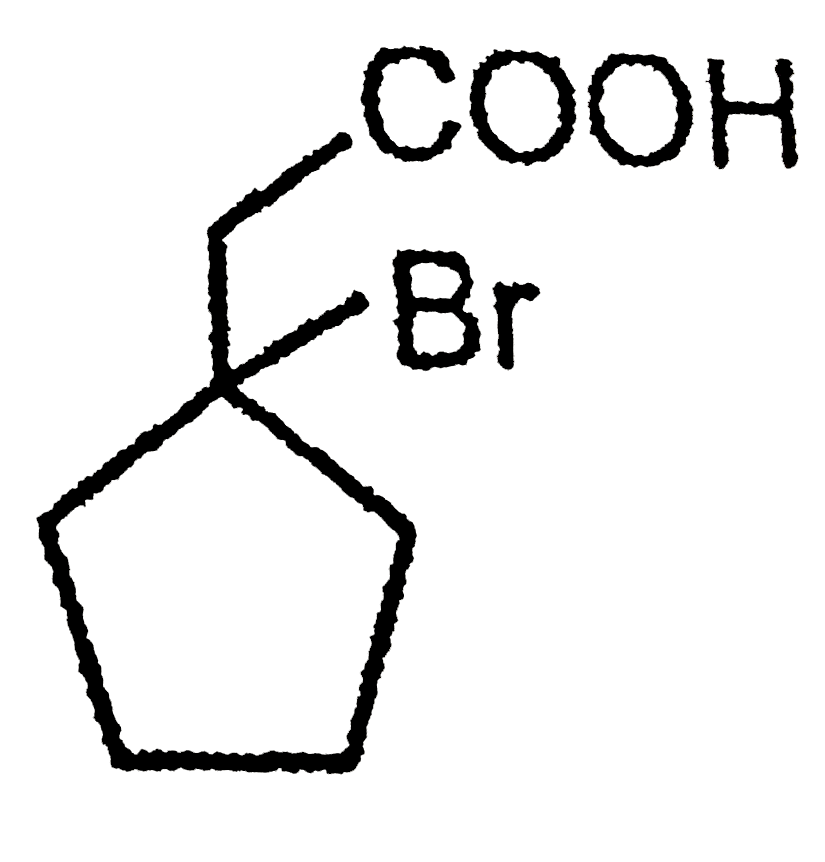
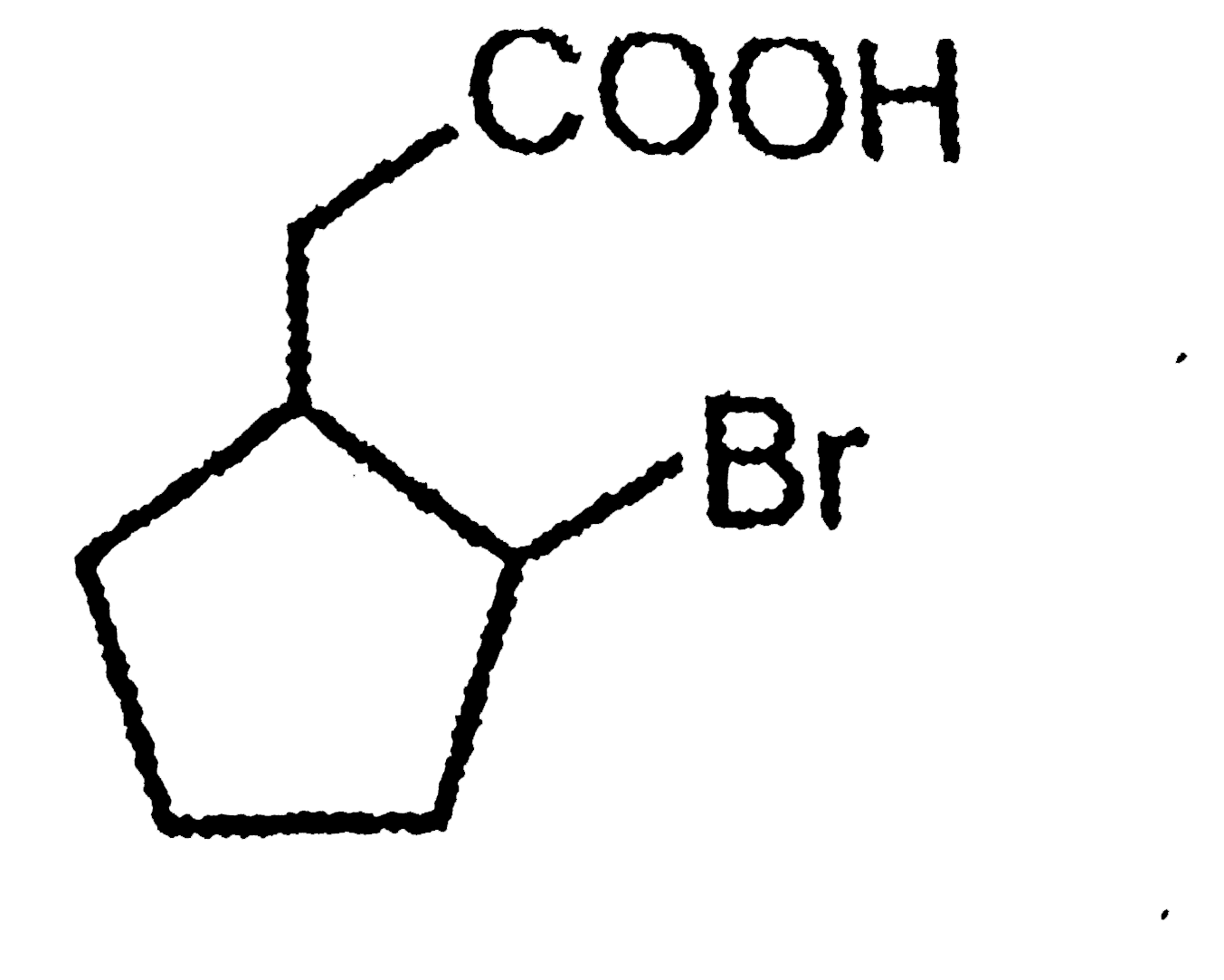
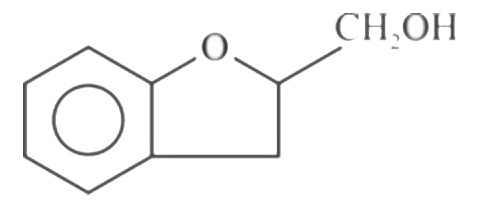
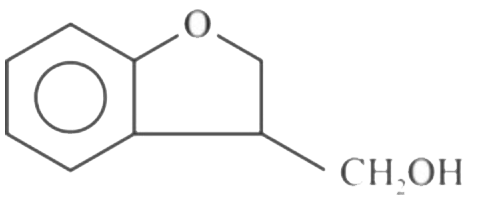
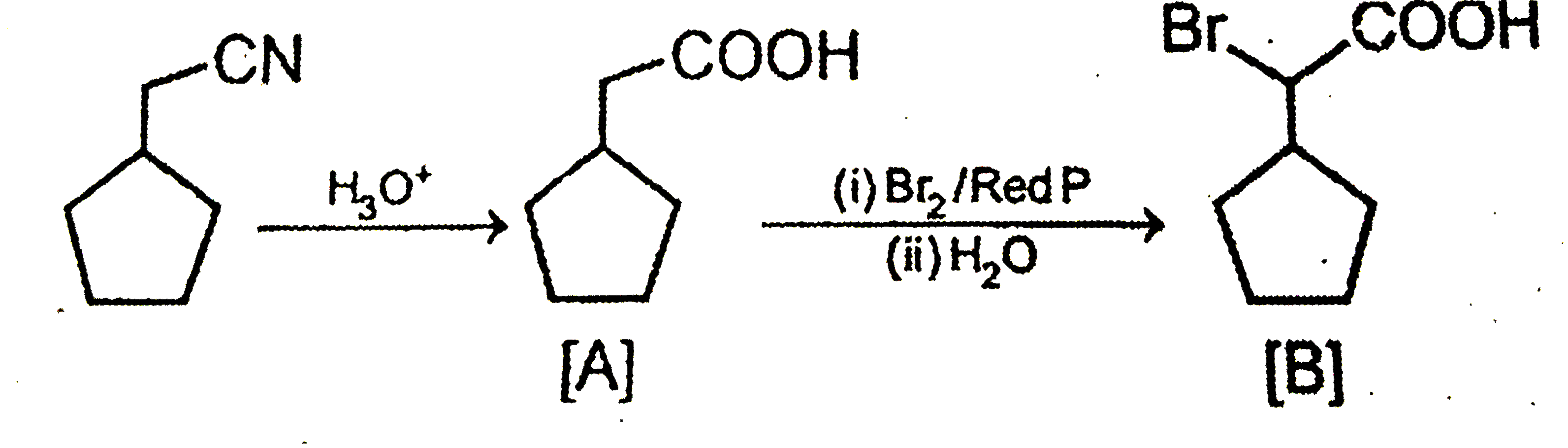
Consider the following reaction Major product B is |
|
Answer»
|
|
| 6. |
Consider the following reaction N_(2(g))+3H_(2(g))to2NH_(3(g)). The rate of the reaction in terms in terms of N_(2) at T(k) is -(d[N_(2)])/(dt)=0.02mole "lit"^(-1) "sec"^(-1). What is the value of -(d[H_(2)])/(dt) (in mole "lit"^(-1)"sec"^(-1)) at the same temperature? |
|
Answer» `0.02` |
|
| 7. |
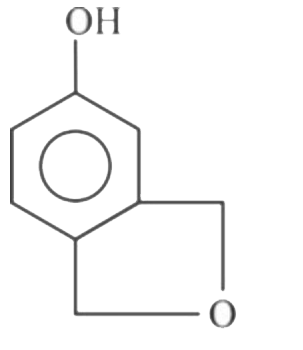
Consider the following reaction: If (P) on heating isomerizes to (Q). What is the structure of (Q) ? |
|
Answer»
|
|
| 8. |
Consider the following reactionIf r_(1) is the rate of reaction and r_(2) is the rate of racemisation then which of the following relation is true ? |
|
Answer» `r_(1)=r_(2)` If 100 molecules of reactants are assumed to be taken, initially, then racemisation will be completed as SOON as 50% of the molecules of the reactants are consumed. Thus, racemisation takes place at a double rate than of reaction. Thus, `r_(2)=2r_(1)`. |
|
| 9. |
Consider the following reaction: (i) O_((g))+e^(-) to O_((g))^(-),DeltaH_(1) (ii) F_((g))+e^(-) to F_((g))^(-),DeltaH_(2) (iii) Cl_((g))+e^(-) to Cl_((g))^(-),DeltaH_(3) (iv) O_((g))^(-) +e^(-) to O_((g))^(2-),DeltaH_(4) then according to given information the correct statement is/are: |
|
Answer» `DeltaH_(3)` is more NEGATIVE than `DeltaH_(1) and DeltaH_(2)` |
|
| 10. |
Consider the following reaction:Identify product (P) and (Q) from the folowing compounds: |
| Answer» Answer :A | |
| 11. |
Consider the following reaction H_(3)C-underset(D)underset(|)(C)H-underset(CH_(3))underset(|)(C)H-CH_(3)+overset(*)(B)rto'X'+HBr Identify the structrue of the major product 'X' |
|
Answer» `H_(3)C-underset(D)underset(|)(C)H-underset(CH_(3))underset(|)(C)H-overset(*)(C)H_(2)`<BR>`H_(3)C-underset(D)underset(|)(C)H-underset(CH_(3))underset(|)overset(*)(C)-CH_(3)` |
|
| 12. |
Consider the following reaction : H_(3)C-underset(D)underset(|)(C )H-underset(CH_(3))underset("|")("C")H-CH_(3)+Br^(•)rarr 'X'+HBr Identify the structure of the major product 'X' |
|
Answer» `H_(3)C-underset(D)underset(|)(C )H-underset(CH_(3))underset("|")("C")H-overset(•)(C )H_(2)` |
|
| 13. |
Consider the following reaction H_3C-undersetundersetD|CH-undersetunderset(CH_3)|CH-CH_3+Br to X + HBr . Identify the structure of the major product X |
|
Answer» `H_3C-undersetunderset(D)(|)CH-undersetunderset(CH_3)|CH-overset(DOT)CH_2` |
|
| 14. |
Consider the following reaction: H_(2)O_(2) to H_(2)O + 1/2O_(2) to which I^(-) was added, A large foaming mass of bubbles was formed. The following mechanism has been proposed for this reaction. H_(2)O_(2) + I^(-) to H_(2)O + IO (slow) H_(2)O + IO^(-) to H_(2) + 1/2O_(2) + I^(-) (fast) The function of I^(-) in this reaction is to: |
|
Answer» raise the `DeltaH` of the PRODUCTS. |
|
| 15. |
Consider the following reaction Glucose overset("Reagent")rarr"Mannose" The above reaction is known as |
|
Answer» Anomerisation |
|
| 16. |
Consider the following reaction for2NO_(2(g)) + F_(2(g)) rarr 2NO_2F_((g)). The expression for the rate of reaction in terms of the rate of change of partial pressures of reactant and product is/are |
|
Answer» `rate=-1//2[DP(NO_2)//DT]` |
|
| 17. |
Consider the following reaction for 2 NO_(2) (g) + F_(2) (g) to2NO_(2) F(g) . The expression for the rate of reaction in terms of the rate of change of partial pressures of reactant and product is /are |
|
Answer» RATE = `-1//2`[DP `(NO_(2))`/dt ] |
|
| 18. |
Consider the following reaction : Cu (s) + 2Ag^+ (aq) to2Ag (s) + Cu^(2+) (aq) (i) Depict the galvanic cell in which the given reaction takes palce. (ii) Give the direction of flow of current (iii) Write the half-cell reactions taking place at the cathode and anode. |
|
Answer» SOLUTION :(i) The cell may be depicted as under `Cu(s) | Cu^(2+) (aq) || AG^(+) (aq) | Ag(s)` (II)Current will flow from silver to copper electrode in the external circuit. (III) At CATHODE: `2Ag^(+) (aq) + 2e^(-) to 2Ag (s)` At anode: `Cu(s) to Cu^(2+) (aq) + 2e^(-)` |
|
| 19. |
Consider the following reaction : CH_(4)+2O_(2) to CO_(2) + 2H_(2)O Which of the following about the reaction given below is/are correct ? 1. Carbon is oxidized ( कार्बन का ऑक्सीकरण ) 2. Hydrogen is oxidized ( हइड्रोजन का ऑक्सीकरण ) 3. Hydrogen is reduced ( हाईड्रोजन का अपचयन ) 4. Carbon is reducedSelect the correct answer using the code given below : |
|
Answer» 1 only |
|
| 20. |
Consider the following reaction, CH_(3)CHO + CH_(2)(COOH)_(2)overset("Pyridine")underset(Delta)rarr A A is |
|
Answer» `CH_(3)COOH` 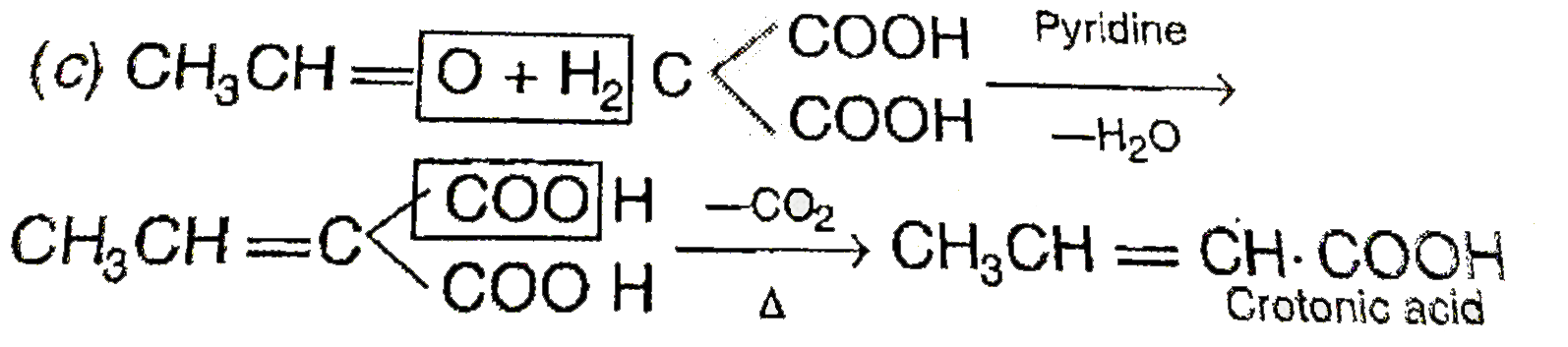
|
|
| 21. |
Consider the following reaction, CH_3COOH undersetrarr(CaCO_3) A undersetrarr(heat) B compound B is: |
|
Answer» An ETHER |
|
| 22. |
consider the following reaction , CH_3Br+ Mg undersetrarr(Ether) Aundersetrarr(HCHO) BundersetrarrHOH C compound C is: |
|
Answer» ACETIC ACID |
|
| 23. |
consider the following reaction , CH_3Br + Mg undersetrarr(Ether) Aundersetrarr(HCHO) BundersetrarrHOH C compound C is: |
|
Answer» Acetic ACID |
|
| 24. |
Consider the following reaction CH_(3)-underset(D)underset(|)(C)H-underset(CH_(3))underset(|)(C)H-CH_(3)-overset(**)(B)rto overset(**)(X)+HBr The structure of overset(**)(X) is |
|
Answer» `CH_(3)-UNDERSET(D)underset(|)(C)H-underset(CH_(3))underset(|)(C)H-overset(**)(C)H_(2)` |
|
| 25. |
Considerthe followingreaction CH_(3)- CONH_(2) overset(I)to CH_(3)-NH_(2) overset(II) to CH_(3)NC |
|
Answer» REACTIONI is calledHofmann's aminereaction |
|
| 26. |
Consider the following reaction : C_(6)H_(5)-underset((R))underset(H) underset(|)overset(CH_(3)) overset(|)C-Cl+C_(2)H_(5)overset(o+)OtoC_(2)H_(5)O-underset(100% (S)"form") underset(H)underset(|)overset(CH_(3))overset(|)C-C_(5)H_(5) In the given C_(6)H_(5)- overset(* *)underset(* *)S-CH_(2)-overset(H)overset(|)underset(CH_(3))underset(|)C-Br+C_(2)H_(5)overset(o+)O to (P) the product is : |
|
Answer» `C_(6)H_(5)- overset(* *)UNDERSET(* *)S-underset((S))(CH_(2))-overset(H)overset(|)underset(CH_(3))underset(|)C-OH` |
|
| 27. |
Consider the following reaction : C_(6)H_(5)-underset((R))underset(H) underset(|)overset(CH_(3)) overset(|)C-Cl+C_(2)H_(5)overset(o+)OtoC_(2)H_(5)O-underset(100% (S)"form") underset(H)underset(|)overset(CH_(3))overset(|)C-C_(5)H_(5) Which statement is not correct ? |
|
Answer» `S_(N)2` reaction is first ORDER with respect to the substrate and first order with respect to nucleophile |
|
| 28. |
Consider the following reaction: C_6H_5-underset(H)underset(|)overset(CH_3)overset(|)C-Br+H_2Oto OH-underset(H)underset(|)overset(CH_3)overset(|)C-C_6H_5+HBr The reaction proceeds with 98% racemistation. The reaction may follow |
|
Answer» `S_(N^1)` MECHANISM |
|
| 29. |
Consider the following reaction C_(2)H_(5)OH overset(PCl_(5)) to X overset("alc KOH") to Y overset("alc H_(2)O|H^(+)) to Z X, Y and Z respectively are _________ |
|
Answer» `C_(2)H_(5)CL,CH_(2)=CH_(2)wedgeOH` |
|
| 30. |
Consider the following reaction C_(2)H_(5)I underset(X)overset(Delta)to (Pleasant smelling liqluid), X is |
|
Answer» Sodium |
|
| 31. |
Consider the following reaction C_(2)H_(5)Cl+AgCNoverset(EtOH//H_(2)O)toX(major) Which one of the following statement is true for X |
|
Answer» It gives propionic ACID on hydrolysis |
|
| 32. |
Consider the following reaction : C_(2)H_(5) OH + H_(2) SO_(4) rarr Product Among the following, which one cannot be formed as a product under any conditions ? |
|
Answer» Ethylene |
|
| 33. |
Consider the following reaction at equilibrium: NH_4HS(s) |
|
Answer» Equilibrium SHIFTS in the BACKWARD direction |
|
| 34. |
Consider the following reaction at certain temperature : H_(2) (g) + Cl_(2) (g) hArr 2HCl (g) The mixing of 1 mol of H_(2) with 4 moles of Cl_(2) from x moles of HCl at equilibrium. If we add 5 moles of H_(2) at equilibrium then another 2x moles of HCl are produced. Then find K_("eq") for above reaction. |
|
Answer» `K_(C) = (x^(2))/((1 - (x)/(2))(4 - (x)/(2))) = ((3x)^(2))/((4 - (3x)/(2)) (6 - (3x)/(2)))` `x = 1.6` `K_(eq) = (1.6 xx 1.6)/((1 - (1.6)/(2))(4 - (1.6)/(2)))` `K_(eq) = 4` |
|
| 35. |
Consider the following reaction at 1000^(@)C Zn_((s)+(1)/(2)O_(2(g)) to ZnO "" DeltaG^(@)=-3690KJ//"mol" C+(1)/(2)O_(2) to CO(g) "" DeltaG^(@)=460KJ//"mol" Choose the correct statement. |
|
Answer» ZINC can be oxidised by `:.` ZnO` is reduced by .C. at |
|
| 36. |
Consider the followingreaction at 1000^(@)C (A) Zn (s) + (1)/(2) O_(2) (g) rarr ZnO(s), Delta G^(Ө) = - 360 kJ mol^(-1) (B) C (s) + (1)/(2) O_(2) (g) rarr OO(g), Delta G^(Ө) = - 460 kJ mol^(-1) Choosethe correct statement at 1000^(@)C |
|
Answer» ZnO is more stable than CO |
|
| 37. |
Consider the following reaction at 1000^(@)C(A)Zn(s)+(1)/(2)O_(2)(g)rarrZnO(s),DeltaG^(@)=-360 kJ mol^(-1)(B)C(gr)+(1)/(2)O_(2)(g)rarrCO(g), DeltaG^(@)=-460 kJ mol^(-1).Choose the correct statement At 1000^(@)C |
|
Answer» ZINC can be oxidized by CARBON monoxide |
|
| 38. |
Consider the following reaction and the product formed A-CH_(2)-underset(Br)underset(|)CH-CH_(3) underset(C_(2)H_(5)ONa)overset(C_(2)H_(5)OD)rarrA -overset(D)overset(|)C= CH- CH_(3) . One of various product The most likely machanism of the above reaction is |
|
Answer» `E_(2)`  . .
|
|
| 39. |
Consider thefollowing reactionat1000^(@)C.A.Zn (s)+(1)/(2) O _ 2 (g) toZn O (s) , Delta G^(@) = -360kJ mol^(-1)B.C (gr)+(1)/(2)O _ 2 (g) toCO (g),Delta G^(@) =-460kJ mol ^(-1) Choosethecorrect statement at1000^(@)C. |
|
Answer» zinccan beoxidisedby CARBONMONOXIDE. |
|
| 40. |
Consider the following reaction and statements : [Co(NH_(3))_(4)Br_(2)]^(+)+Br^(-)rarr[Co(NH_(3))_(3)Br_(3)]+NH_(3) (I) two isomers are produced if the reactant complex ion is a cis - isomers (II) two isomers are produced if the reactant complex ion is a trans - isomer (III) only one isomer is produced if the reactant complex ion is trans -isomer (IV) only one isomer is produced if the reactant complex ion is a cis - isomer The correct statements are - |
|
Answer» (III) and (IV) 
|
|
| 41. |
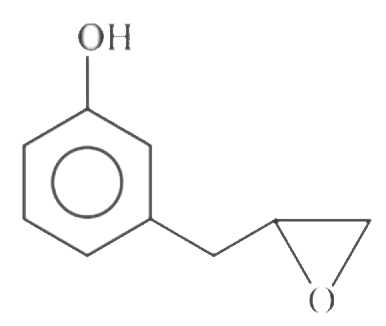
Consider the following reaction and identify the products (AAK_MCP_36_NEET_CHE_E36_022_Q01) |
|
Answer»
|
|
| 43. |
Consider the following reaction : (A) H^(+)(aq) + OH^(-)(aq) = H_(2)O(l): Delta H = -X_(1) kJ mol^(-1) (B) H_(2)(g) + (1)/(2) O_(2)(g) = H_(2)O(l): Delta H = -X_(2) kJ mol^(-1) ( C ) CO_(2)(g) + H_(2)(g) = CO(g) + H_(2)O(l): Delta H = -X_(3) kJ mol^(-1) (D) C_(2)H_(2)(g) + (5)/(2) O_(2)(g) = 2CO_(2) + H_(2)O(l): Delta H = +X_(4) kJ mol^(-1) Enthalpy of formation of H_(2)O(l) is : |
|
Answer» `+ X_(1) KJ mol^(-1)` `H_(2)(g) + (1)/(2) O_(2)(g) = H_(2)O(l)` :. `Delta H = - X_(2) kJ mol^(-1)` |
|
| 44. |
Consider the following reaction A + CH_3ONa overset(Delta)to B overset"cold HI"to C_2H_5-OH + CH_3-I. The compound A is |
|
Answer» `C_2H_5-OH` |
|
| 45. |
Consider the following reaction : 8H_(2) (g) + S_(8) (l) rarr 8H_(2) S (g) is carried out at 127^(@) C and 20 atm. Then what mass of S_(8) would be required to produce 8L of H_(2) S (g) under these conditions. [Take : R = 0.08 " atm " L//"mole" - K) |
|
Answer» 1600 gm `T = 400 k` `P = 20` atm `V = 8L` Using `PV = nRT` `n = 5` mole For PRODUCING 5 moles of `H_(2)S`, Moles of `S_(8)` required `= (1)/(8) xx 5 = (5)/(8)` moles Mass of `S_(8)` required `= (5)/(8) xx (32 xx 8) = 160` gm |
|
| 46. |
Consider the following reaction 6NaOH_(("Hot. Conc.")) + 3Cl_2 to 5NaCl + A + 3H_2O. What is the oxidation number of chlorine in "A"? |
| Answer» ANSWER :C | |
| 47. |
Consider the following reaction 6NaOH+3Cl_(2) rarr 5NaCl+A+3H_(2)O What is the oxidation number of chlorine in A |
|
Answer» Solution :Balance the equation `6NaOH+3Cl_(2) rarr 5NaCl+A+3H_(2)O` to GET, `6NaOH+3Cl rarr 5NaCl+NaClO_(3)+3 H_(2)O` `:.` A is `NaClO_(3)` where Cl is in +5 OXIDATION state |
|
| 48. |
Consider the following reaction 6NaOH + 3Cl_2 overset("Hot conc.")(rarr)5NaCl + A + 2H_2O What is the oxidation number of chlorine in "A"? |
| Answer» Solution :The product "A " in the REACTION is `NaClO_3` and the oxidation state of Cl in it is + 5. | |
| 49. |
Consider the following reaction, 5H_2O_2+x CIO_2+2OH^(-)toxCI^(-)+yO_2+H_2 O the reactinis balancedif |
|
Answer» `x=5,y=2` oxidation ` H_2 overset(-1)O_2tooverset(0) O_2` REDUCTION: `overset(+4)CIO_2to CI^(-)` to balanceO.NinEqn(I ) add`2e^(-)` toR.H.S we have `H_2O_2to O_2 +2e^(-)` totalbalancechargeadd`2 OH^(-)to O_2 + 2e^-` tobalanceH and O atoms add2 `H_2O`to the R.H.Swehave ` H_2O_2+ 2OH^(- )to O_2+2H_2 O + 2e^(-)` thisis theoxidationhalfequation tobalanceO.Nin EQN(ii ) add`5e^(-)`to L.H.Swe have `CIO_2+ 5E^( -)to CI^(-)` to balancechangeadd4 `OH^(- ) ` to theR.H.Swe have `CIO_2+ 5e^(- )to CI+ 4 OH` to balanceO ANDH atomsAdd2 `H_2O` toL.H.Swe have`CIO_2+ 2 H_2O+ 5 e^(- )to CI^( -)+ 4 OH^(-)` thisis thebalanced reductionhalfequation tocancel the numberof electronslostin eqn(v )andgainedin Eqn(viii )multiplyEqn(v )by5 and Eqn(viii )by2and addwe have 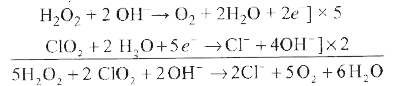 thusx thecoefficientof `CIO_2 `is 2whiley thecoefficientof` CI^(-)`is 5 |
|