Saved Bookmarks
This section includes 7 InterviewSolutions, each offering curated multiple-choice questions to sharpen your Current Affairs knowledge and support exam preparation. Choose a topic below to get started.
| 1. |
Compound represented by general formula (AAK_MCP_37_NEET_CHE_E37_031_Q01) |
|
Answer» Imine |
|
| 2. |
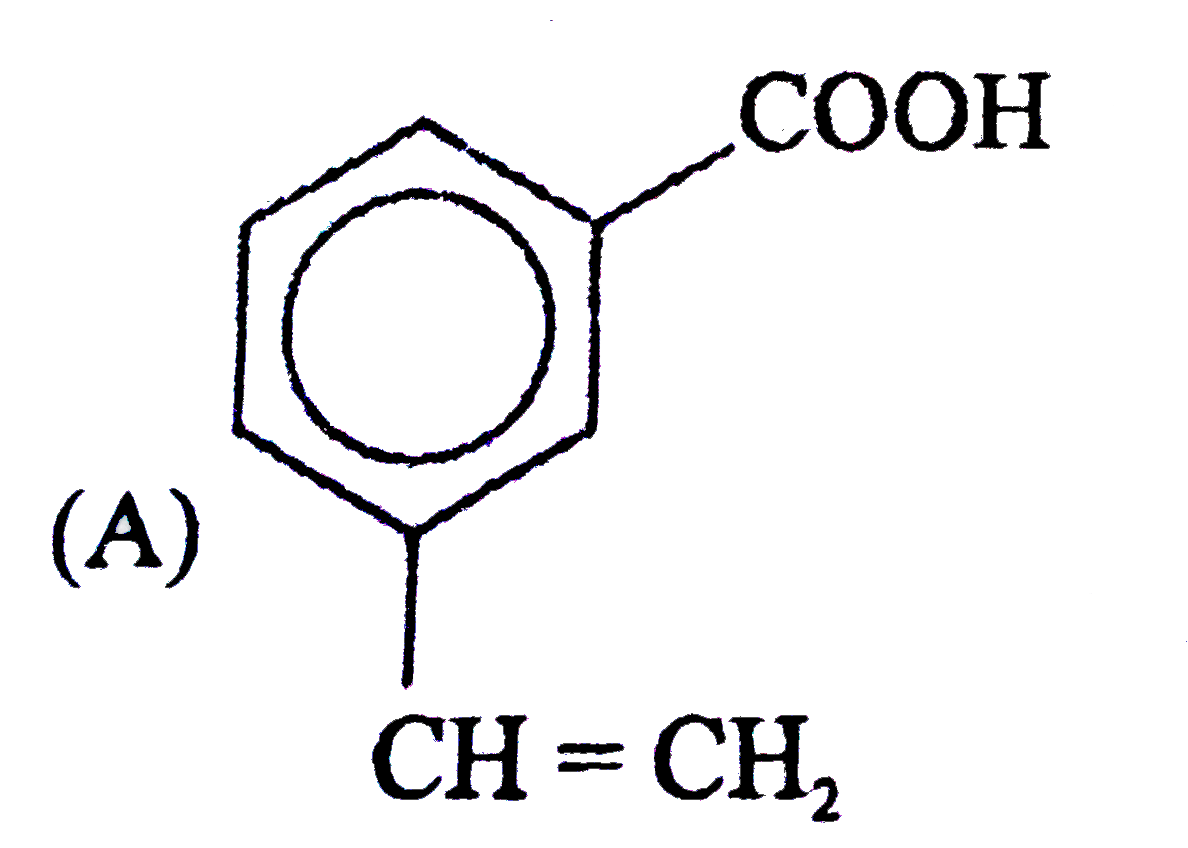
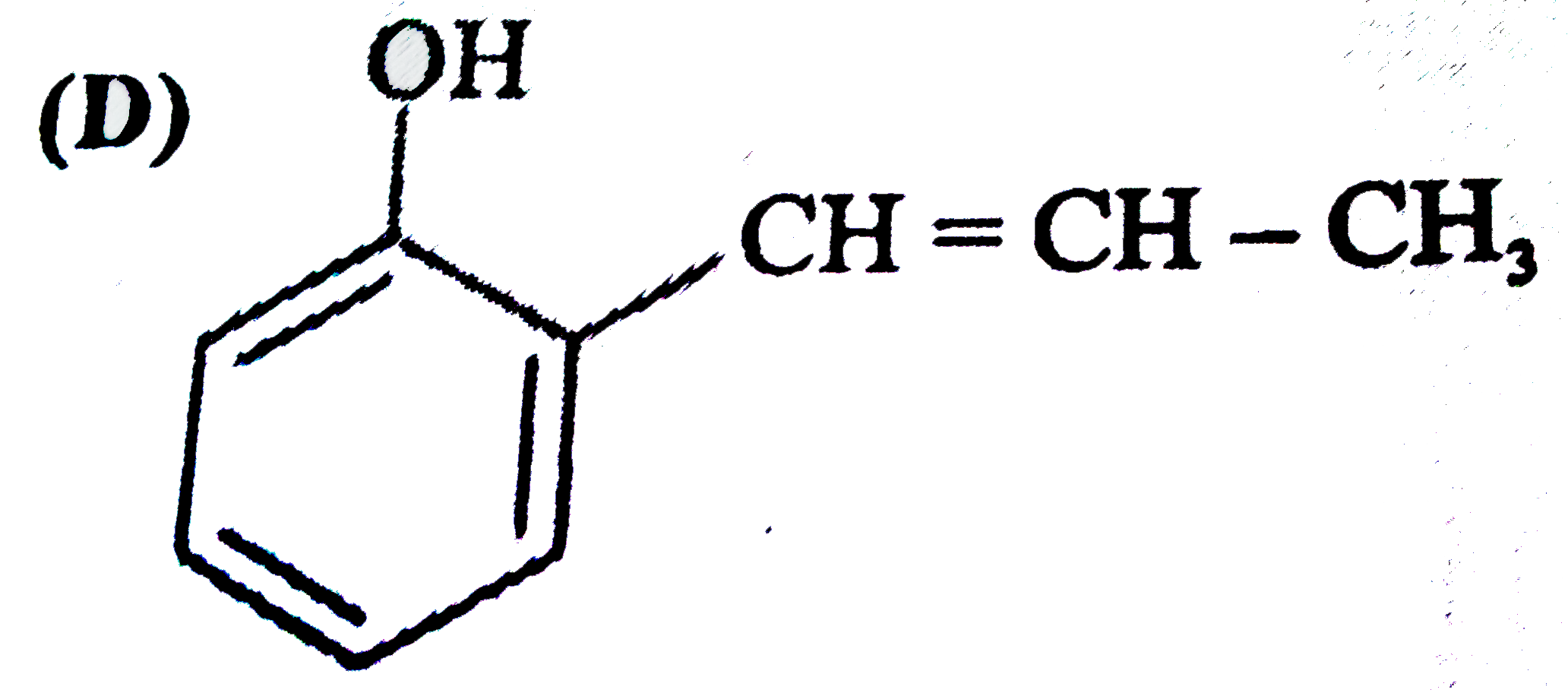
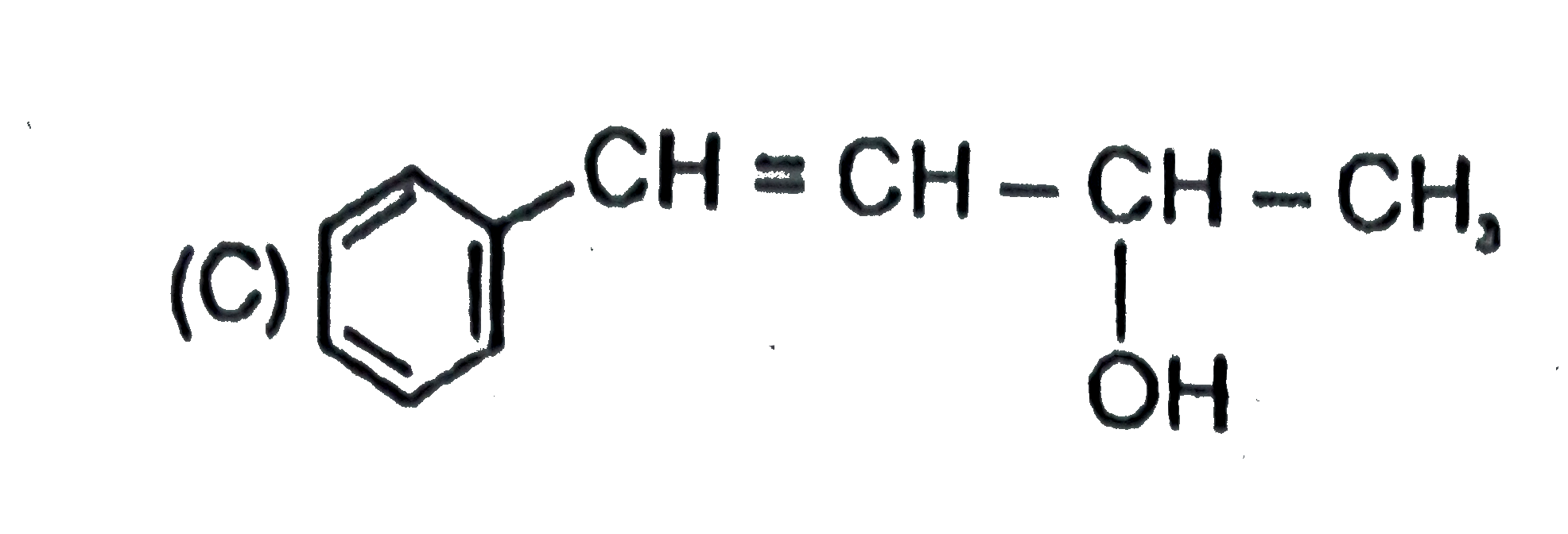
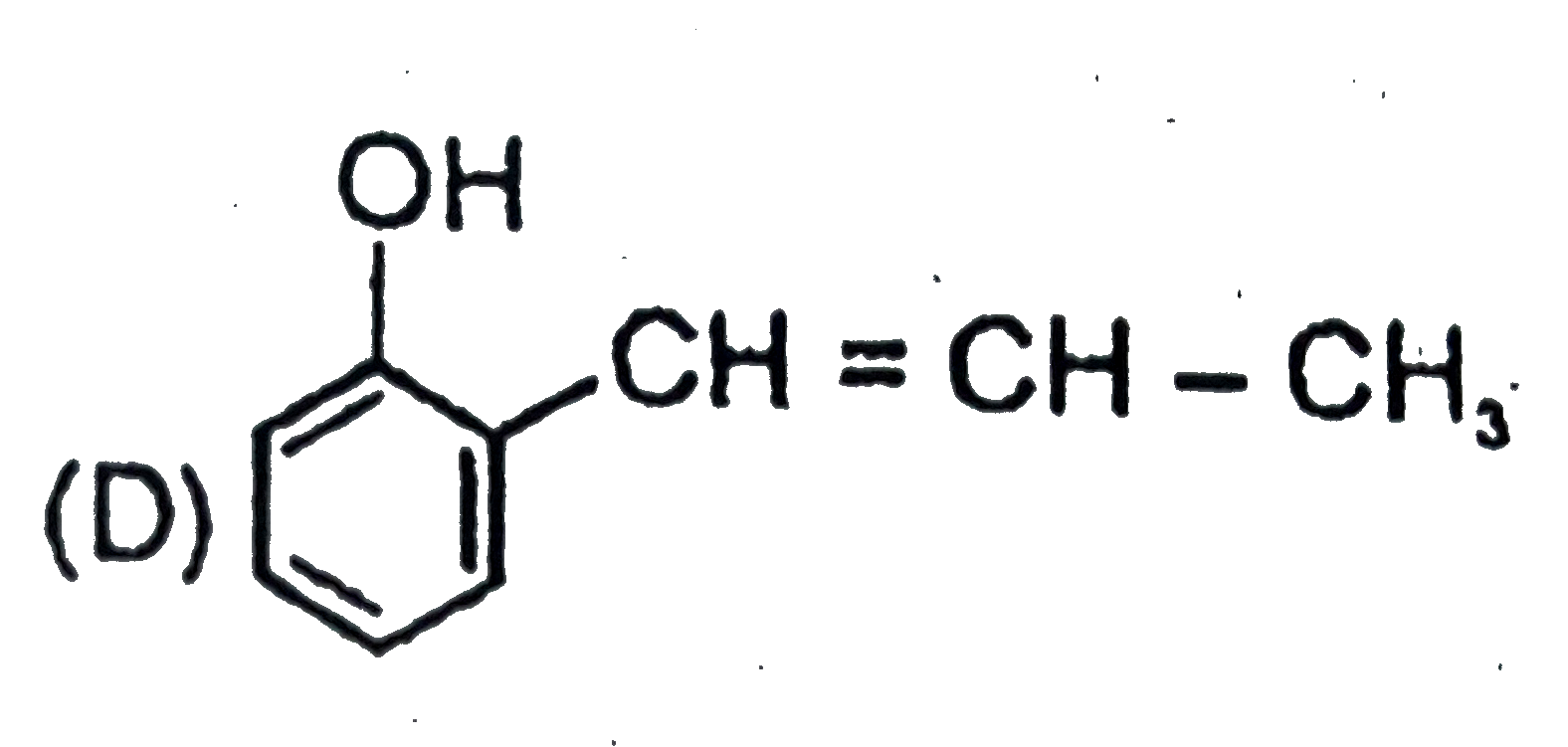
Compound 'P'(C_(10)H_(12)O) evolves H_(2) gas with Na metal. It reaches with Br_(2)//"CC"l_(4) to give 'Q' (C_(10)H_(12)Br_(2)O). With I_(2)/NaOH it forms iodoform andan acid 'R'(C_(9)H_(8)O_(2)). 'P' has geometrical and optical isomers. The sturcture of 'P' and 'R' should be |
|
Answer» <P> 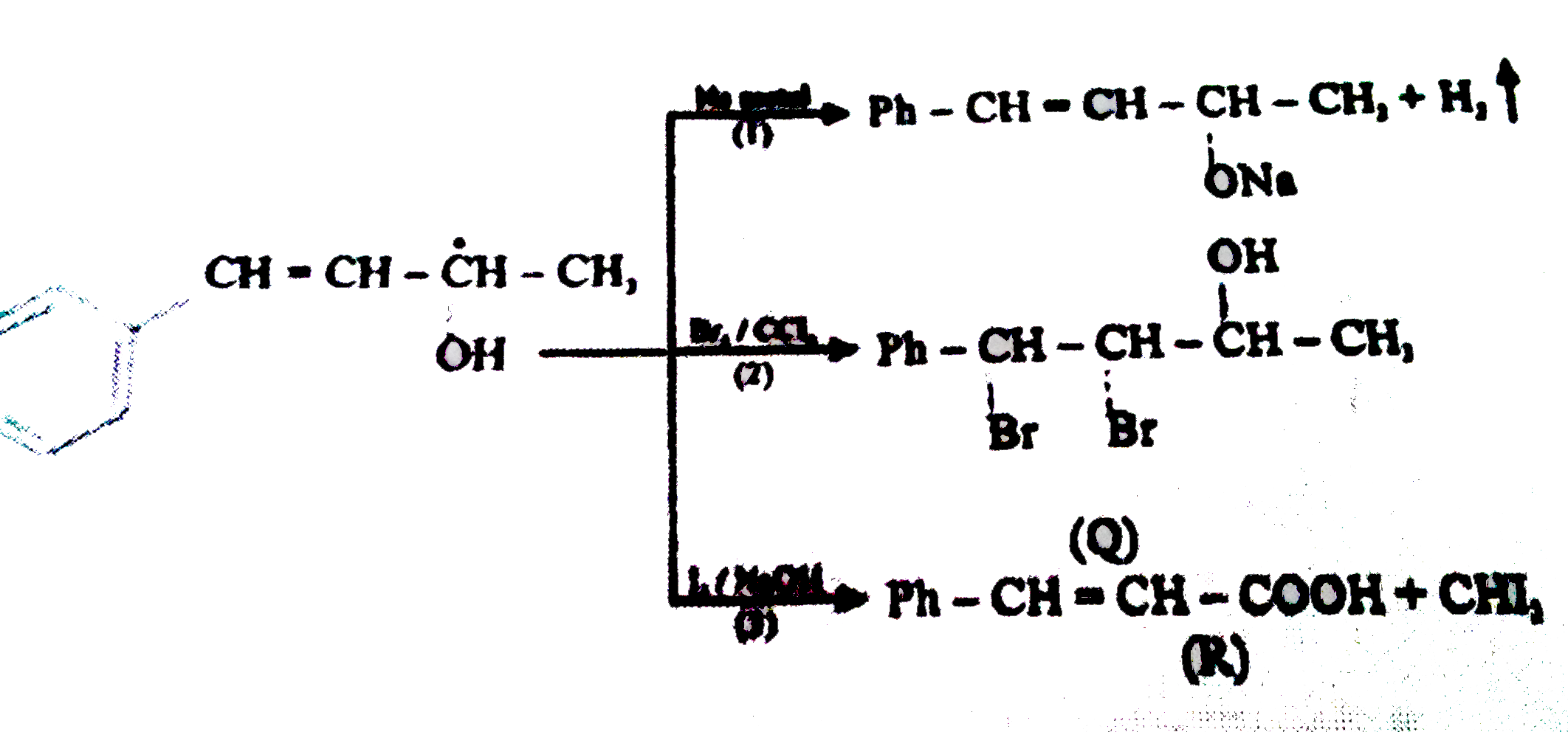 `'P'` has OPTICAL and GEOMETRICAL ISOMERS. |
|
| 3. |
Compound 'P' that undergoes the sequence of reactions given below to give the product Q is |
|
Answer»
|
|
| 4. |
Compound Ph-O-overset(O)overset("||")C-Ph can be prepared by the reaction of _______ . |
|
Answer» phenol and BENZOIC acid in the presence of NaOH |
|
| 5. |
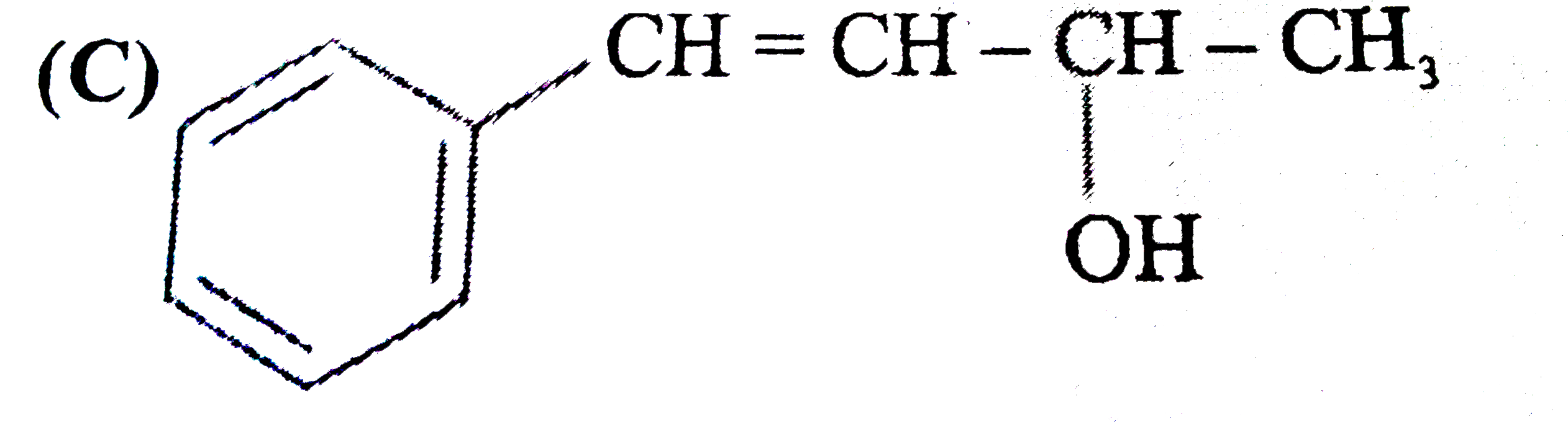
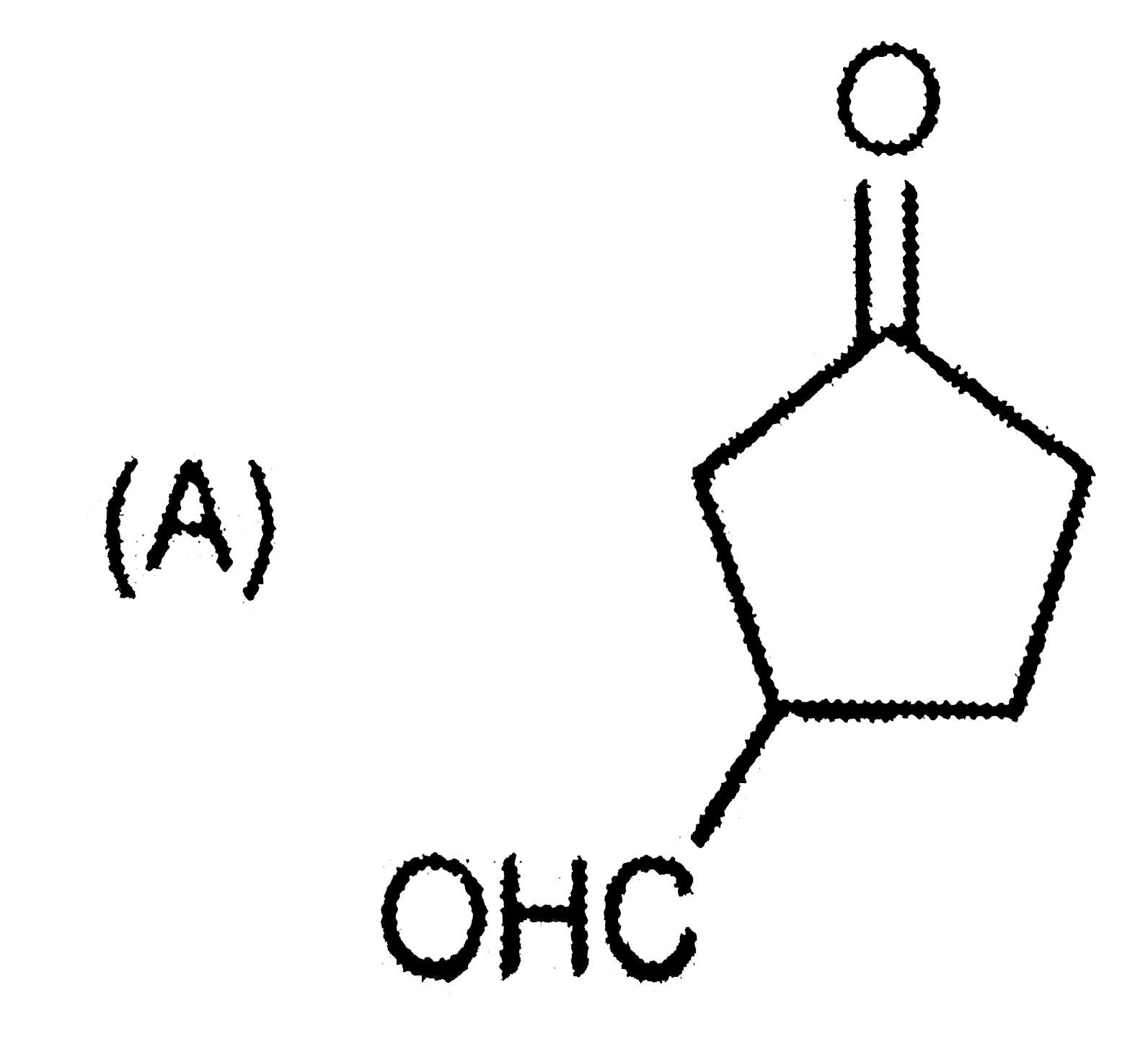
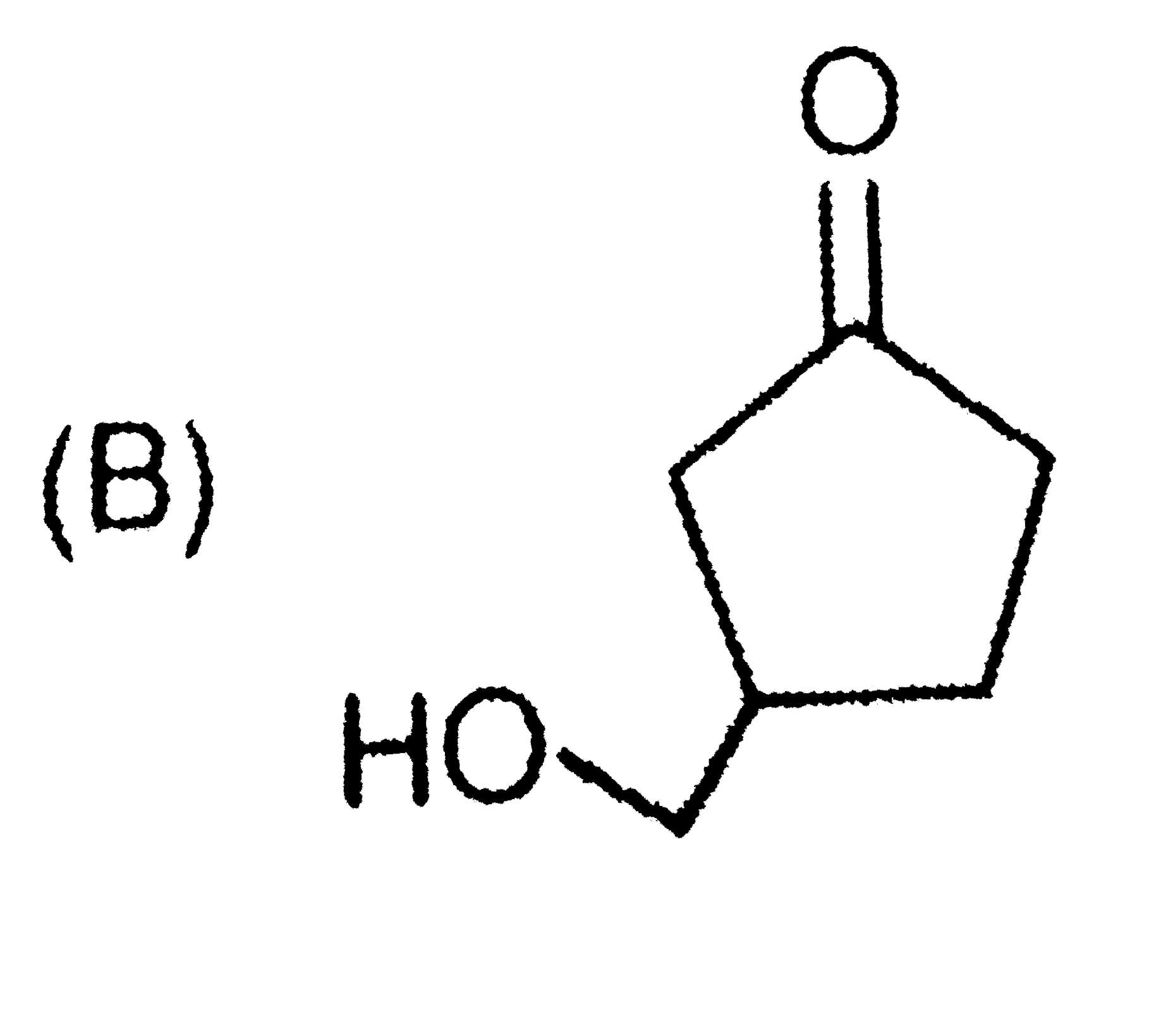
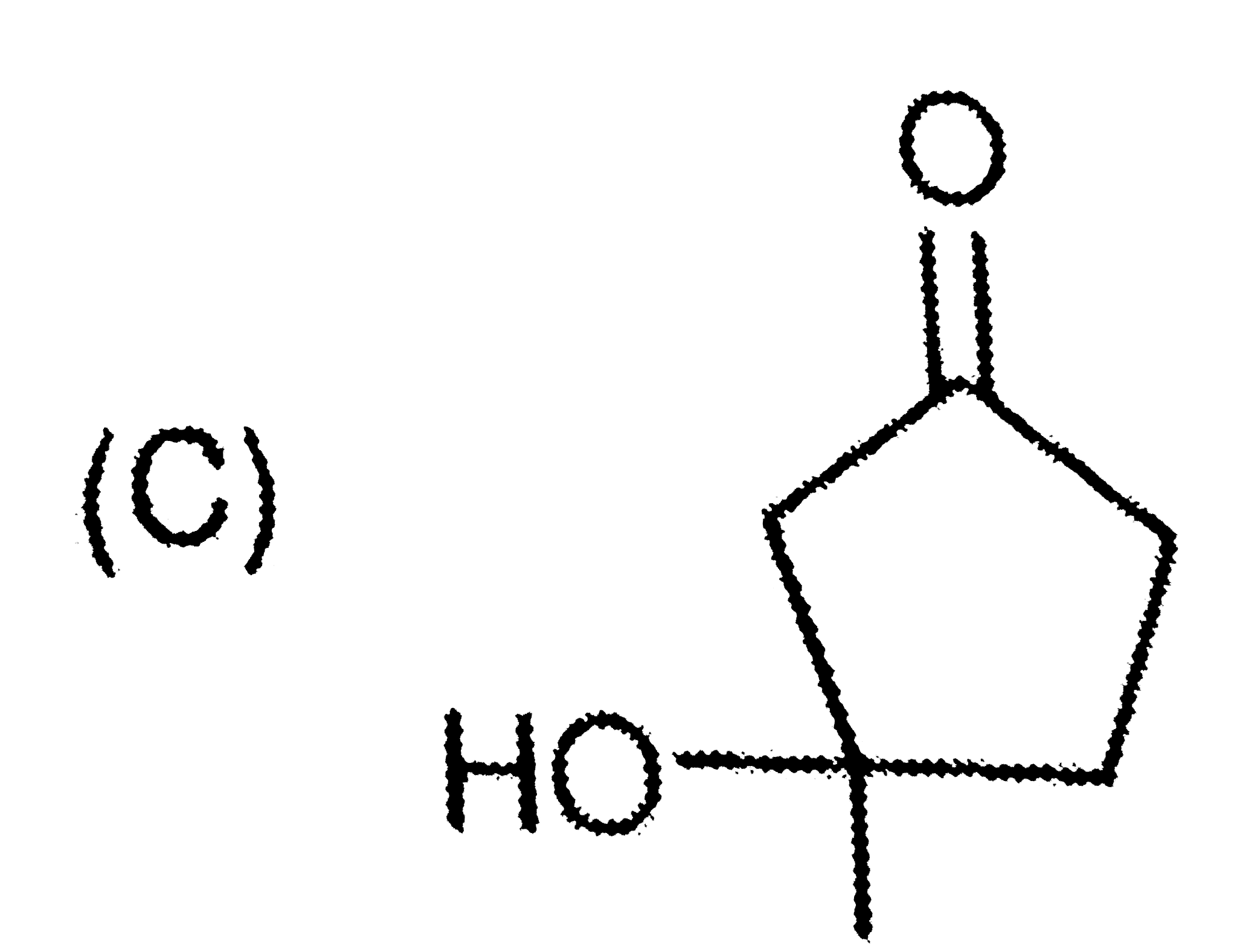
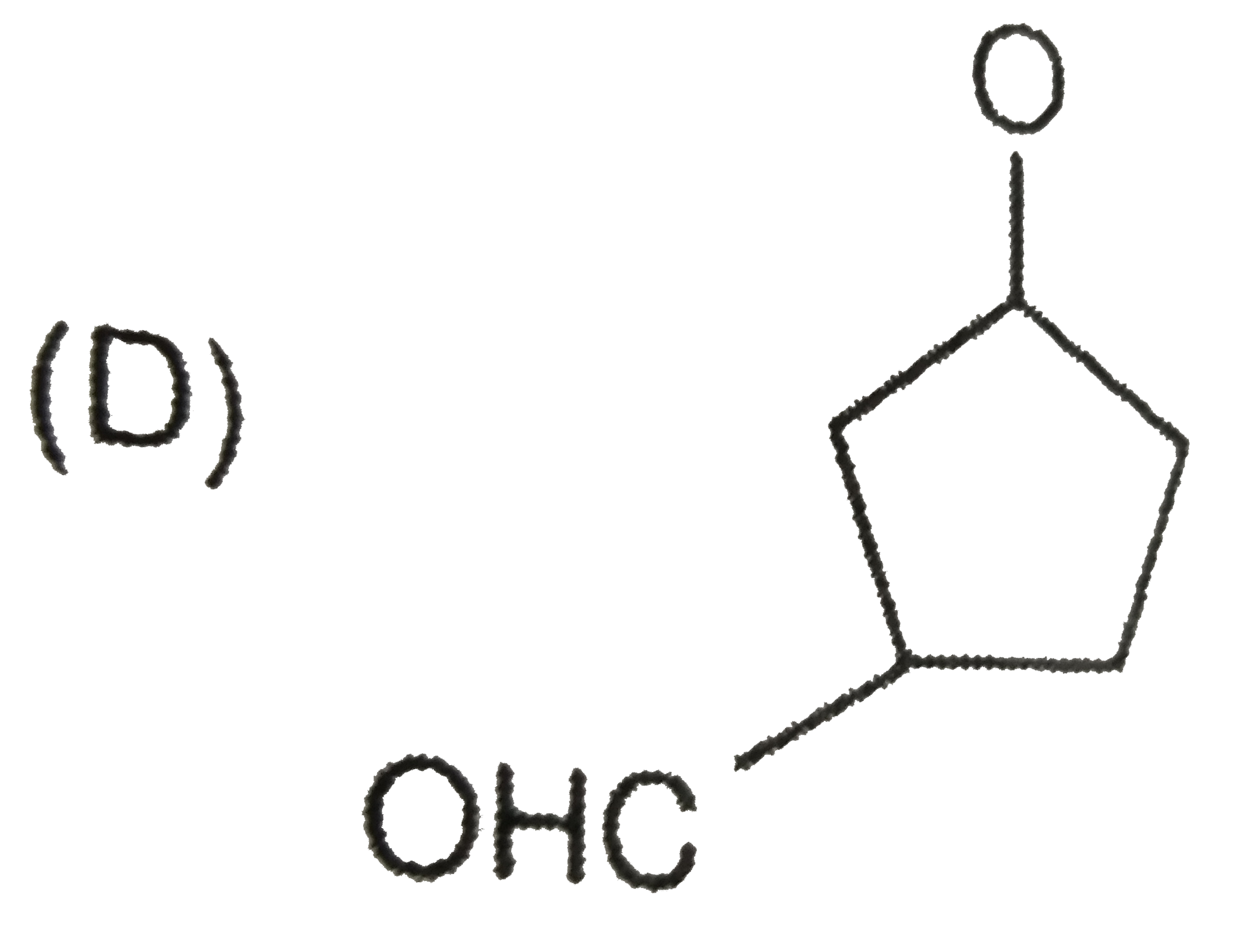
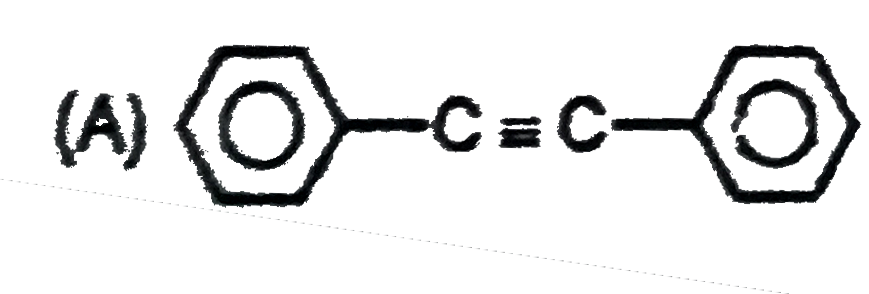
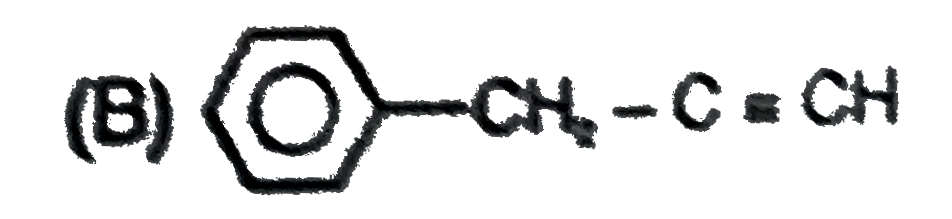
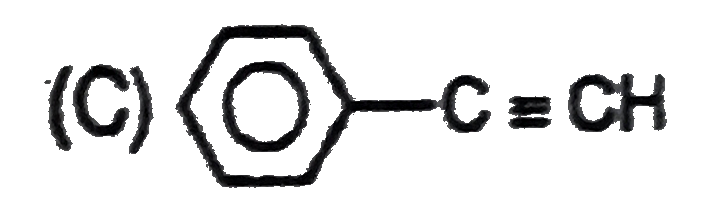
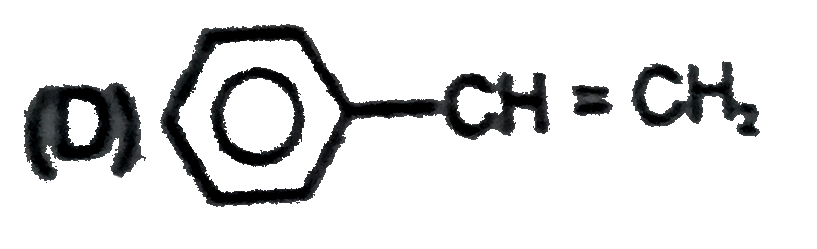
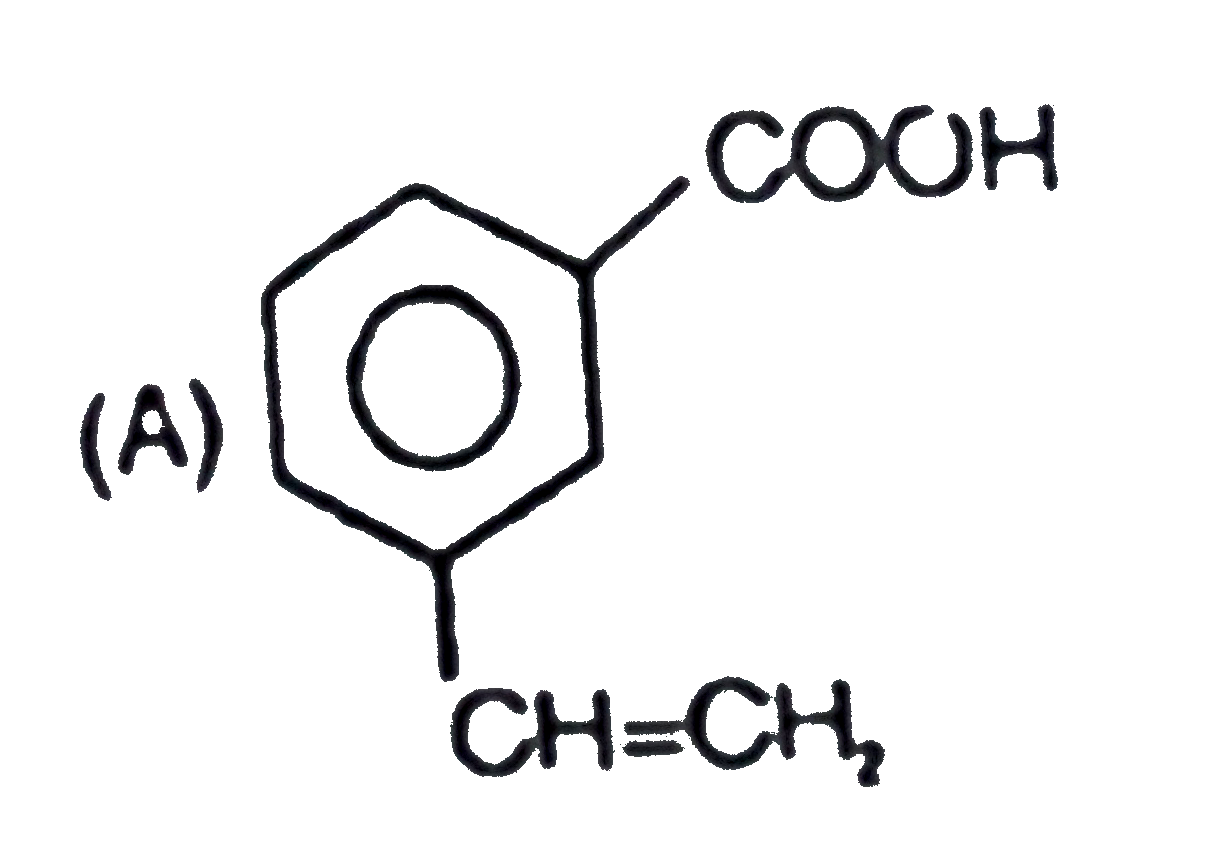
Compound P(C_(6)H_(10)) does not have any geometrical isomer. On ozonolysis, two product R(C_(3)H_(4)O) and Q(C_(3)H_(6)O) are formed. R givesnegative iodoform test while Q respnds positively towards I_(2)//NaOH solution. S, another isomer ofP is an unsymetrical alkene nad on ozonolysis produces T(C_(6)H_(10)O_(2)) which also gives a yellow precipate with I_(2)//NaOH solution and also gives positive test with Tollen's reagent. Which of the following does not represent any of the molecules amongst P,Q,R,S & T |
Answer» 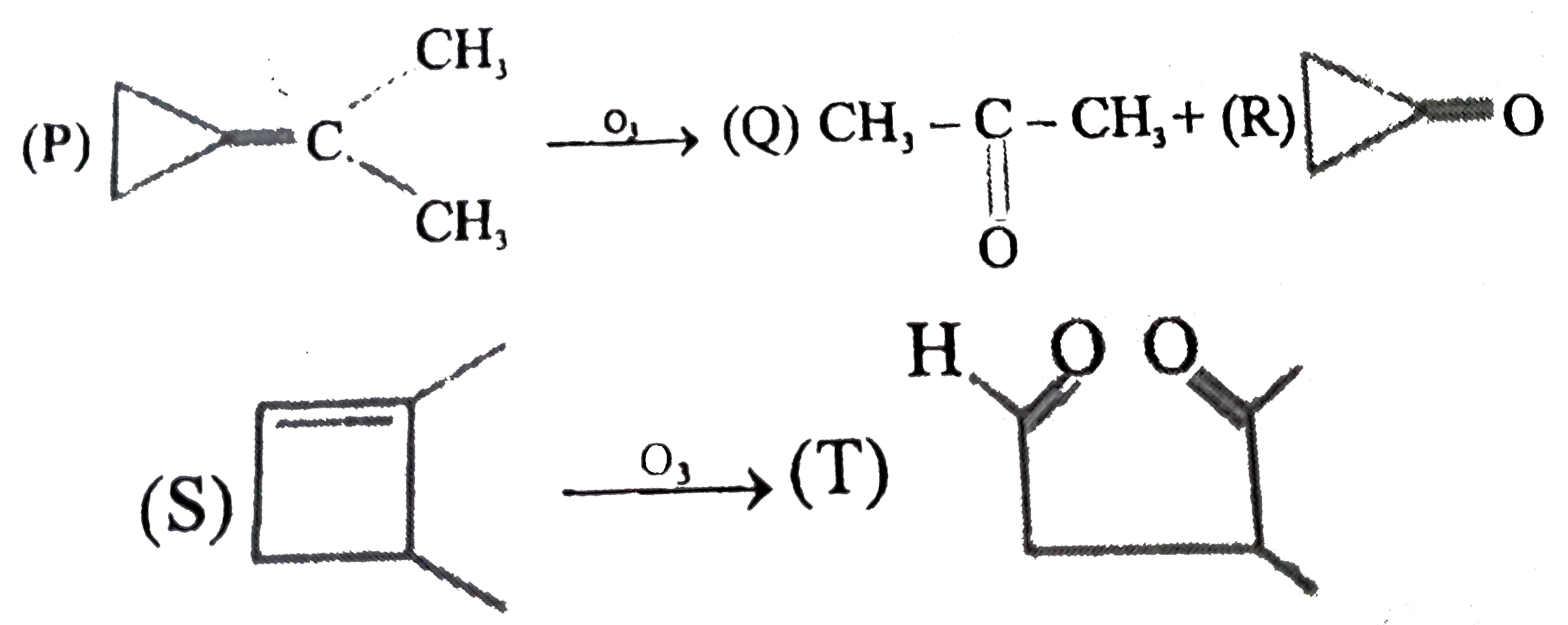
|
|
| 6. |
Compound P on treatement with CH_(2)N_(2) (diazomethane) produces compound Q. compound Q on reaction with Hl produces two alkyl iodides R and S . Alkyl iodide S with higher number of carbon atoms on reaction with KCN followed by hydrolysis gives 3-methylbutanoic acid. the compound P is |
|
Answer» 2-butanol |
|
| 7. |
Compound 'P' of the following reaction sequence can be |
|
Answer»
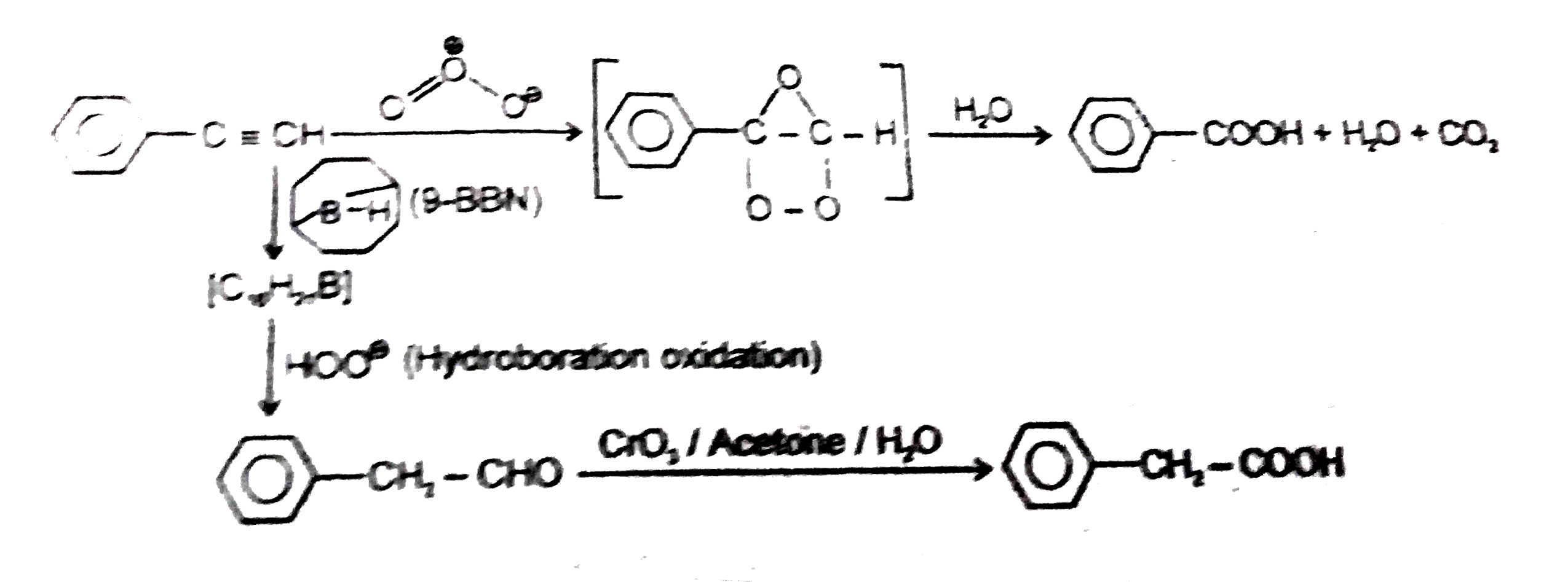
|
|
| 8. |
Compound P Liberates H_(2) gas with Na metal. P gives the precipitate with tollen's reagent, there is no reponse towards Lucas reagent and compound Q gives instant turbidity with anhydrous ZnCl_(2)//HCl_(1) and with sodium metal 1 mole of compound Q liberates 11.2 litre H_(2) gas at STP. Find the structural formula of compound P and Q. |
|
Answer» <P>`P` is `CH_(2)=CH-overset(O)overset(||)(C )-H` |
|
| 9. |
Compound 'P' (C_10H_12O) evolves H_2 gas with Na metal.It reacts with Br_2//C Cl_4 to give 'Q' (C_10H_12Br_2O).With I_2//NaOH it forms iodoform and an acid 'R' (C_9H_8O_2) .'P' has geometrical and optical isomers. The struture of 'P' and 'R' should be |
|
Answer» <P> 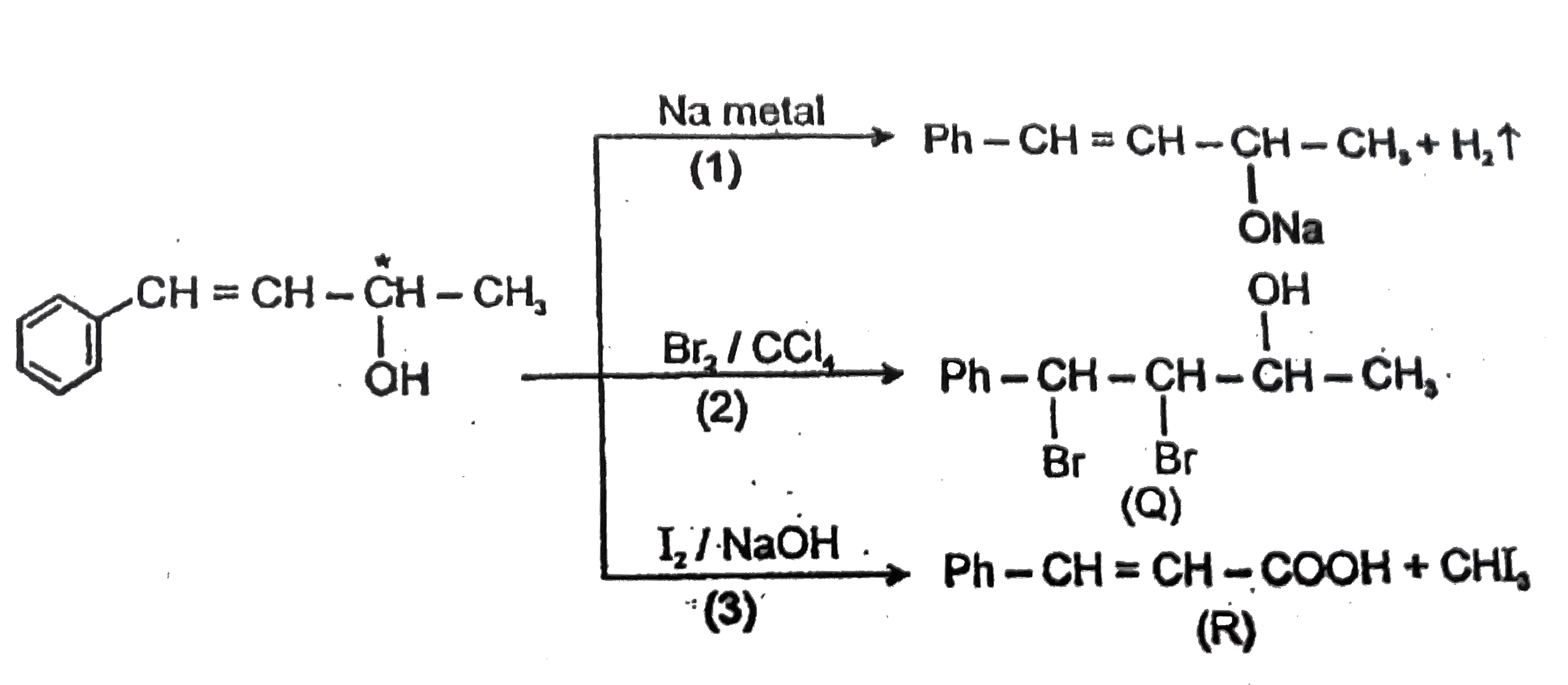 'P' has OPTICAL and GEOMETRICAL ISOMERS. |
|
| 10. |
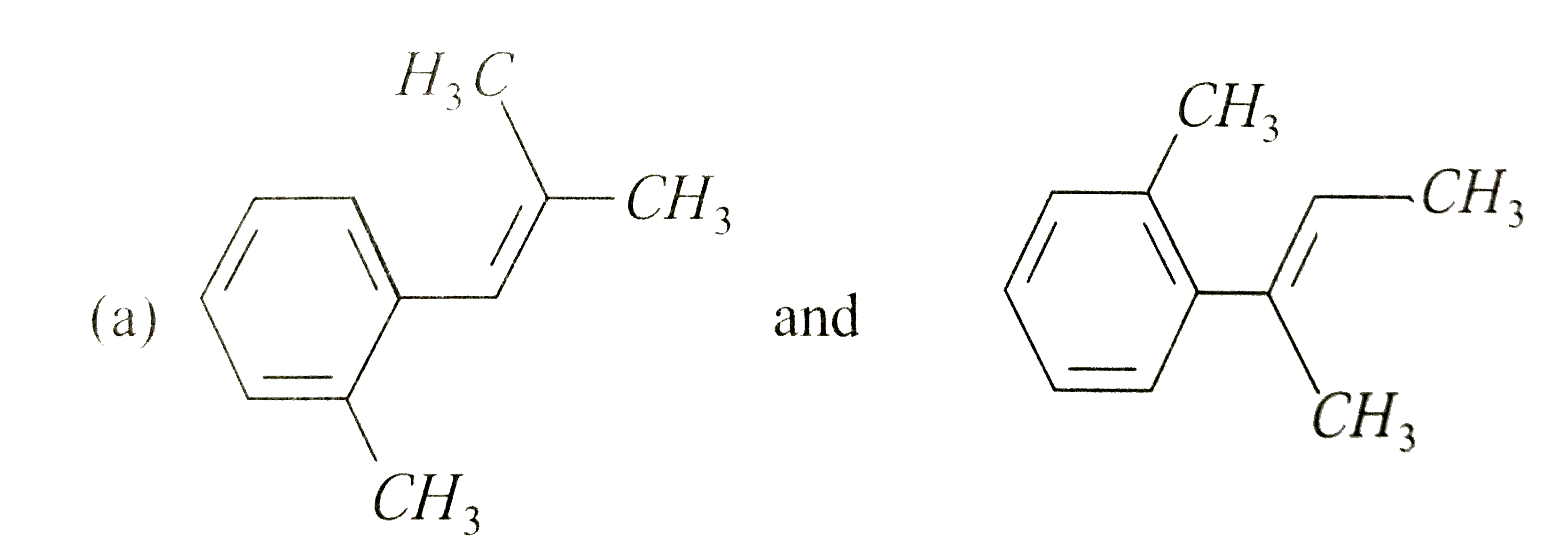
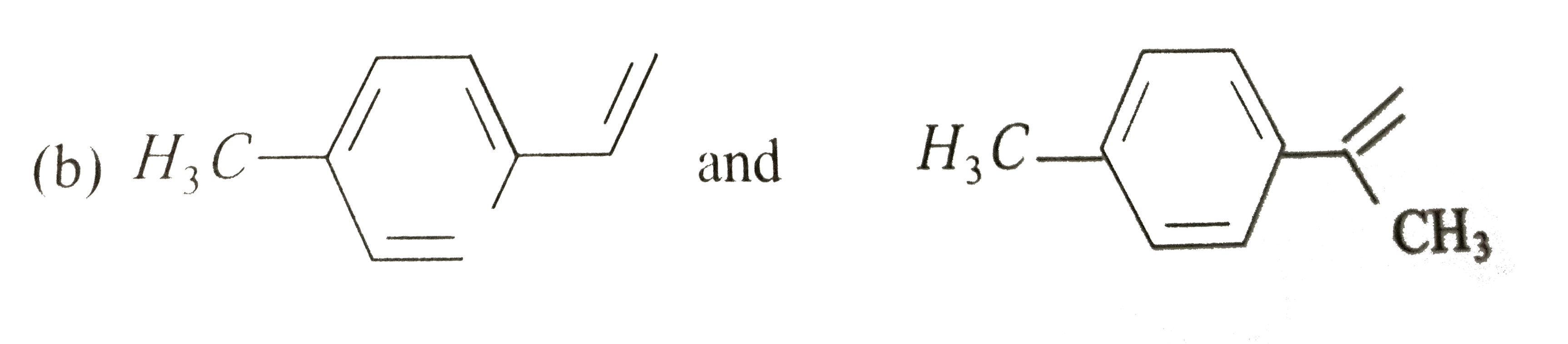
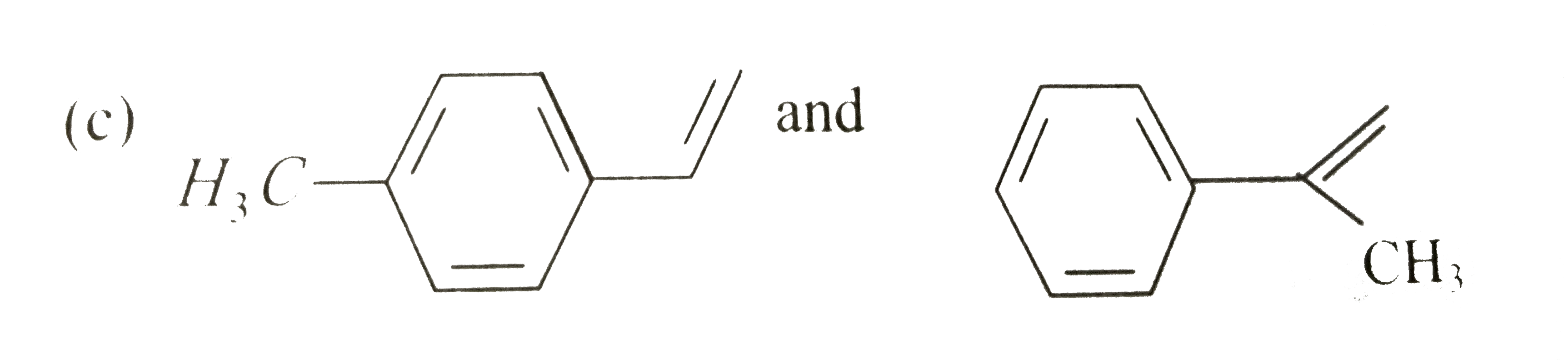
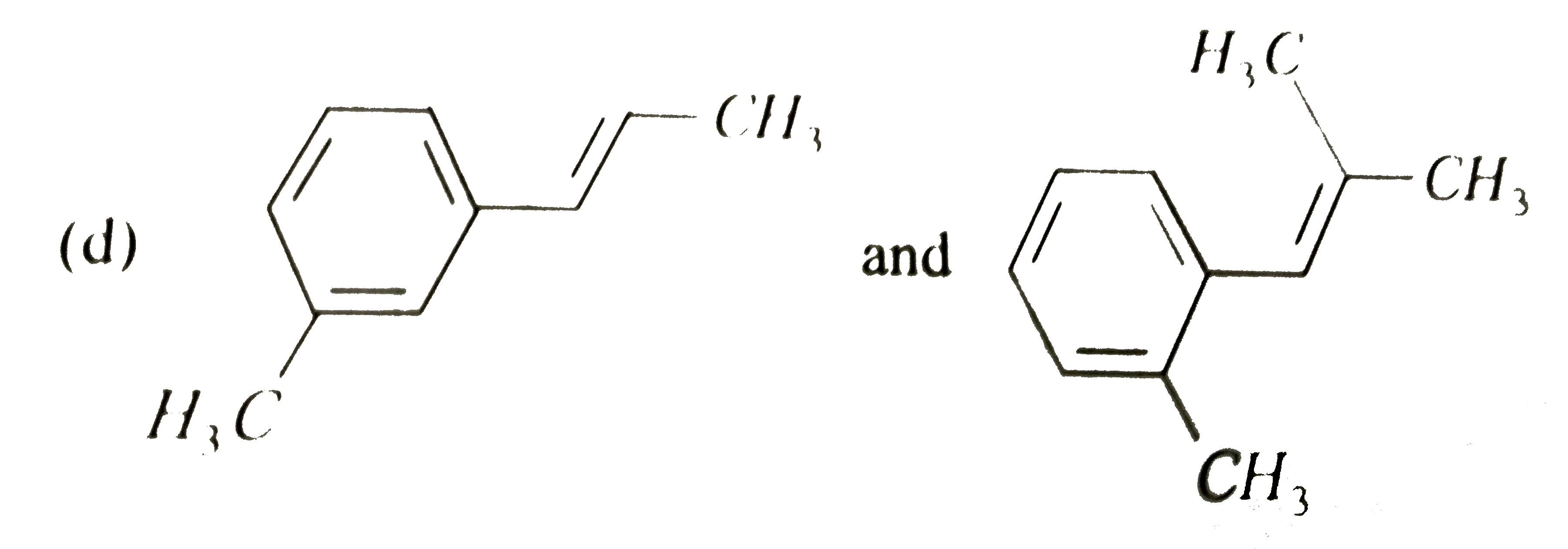
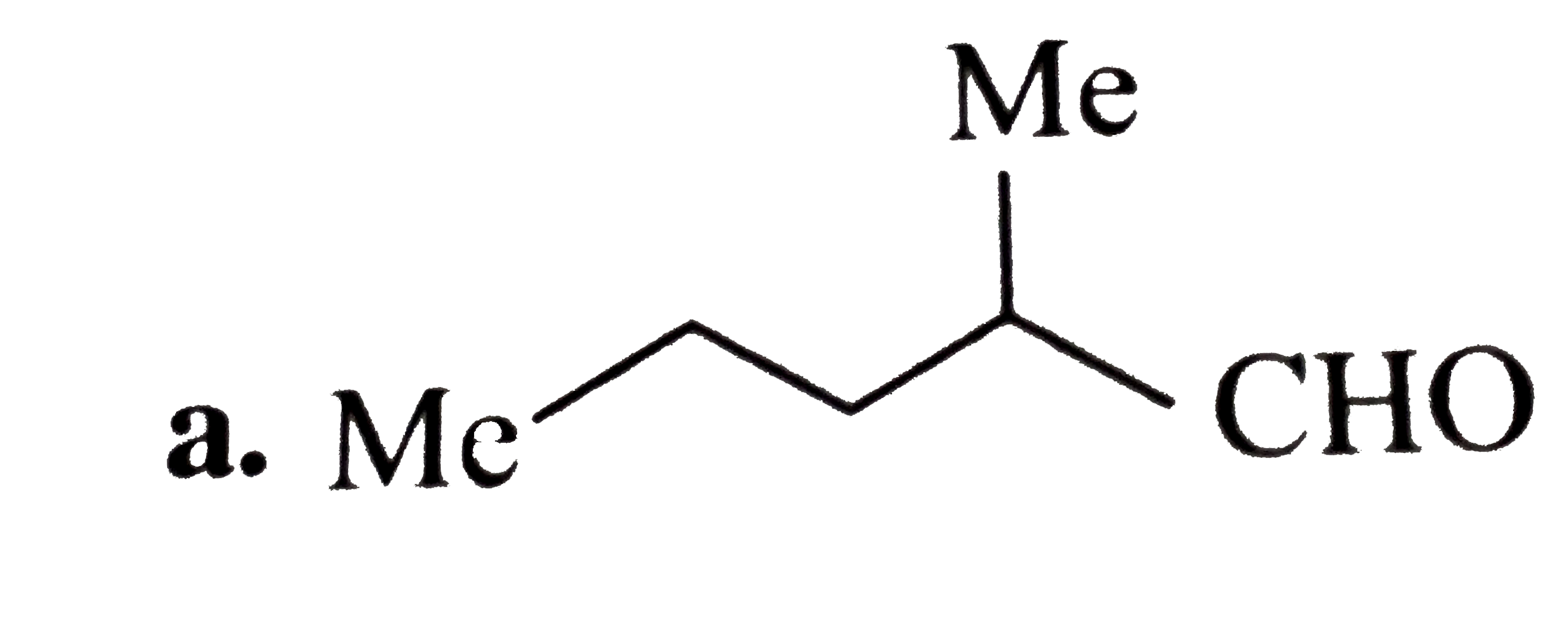
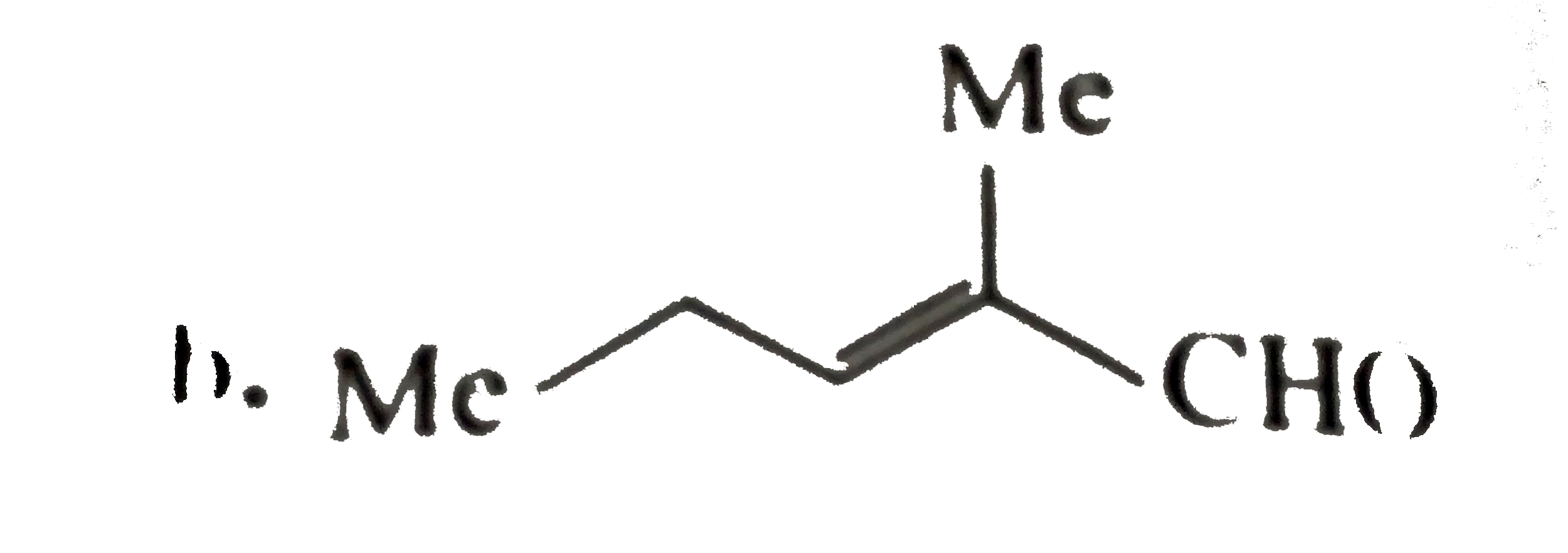
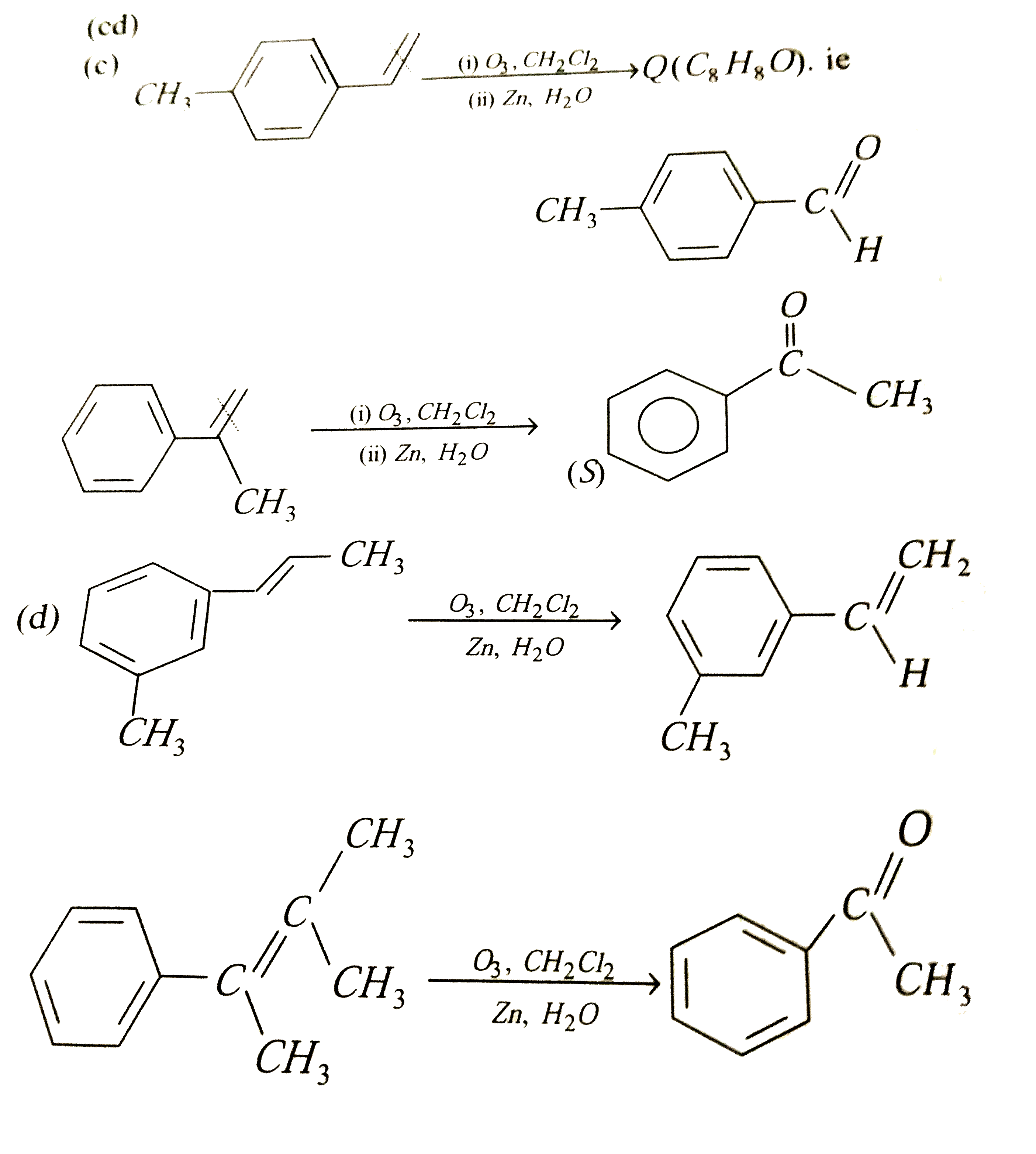
Compound P and R upon ozonolysis produce Q and S, respectively. The molecular formula of Q and S is C_8H_8Q. Q undergoes Cannizzaro reaction but not haloform reaction.whereas S undergoes haloform reaction but not Cannizzaro reaction (i)underset((ii)Zn//H_2O)overset((i)O_3//CH_2Cl_2)to underset((C_8H_8O))Q (ii)Runderset((ii)Zn//H_2O)overset((i)O_3//CH_2Cl_2)to underset((C_8H_8O))S The option(s) with suitable combination of P and R , respectively , is (are) |
|
Answer»
|
|
| 11. |
Compound of molecular formula C_(7)H_(8)O is a sweet smelling liquid. A on reaction with acidified K_(2)Cr_(2)O_(7) gives compound B of molecular formula C_(7)H_(8)O. B reduces Tollen's reagent A and B are respectively. |
|
Answer» BENZALDEHYDE and BENZOIC acid |
|
| 12. |
Compound of sulphur used in electrical transformer is: |
|
Answer» `SO_2` |
|
| 14. |
Compound of a metal A is M_2O_3 ,the formula of its halide is- |
|
Answer» `M_3X` |
|
| 15. |
Compound (II) is/has |
|
Answer» A polysaccharide 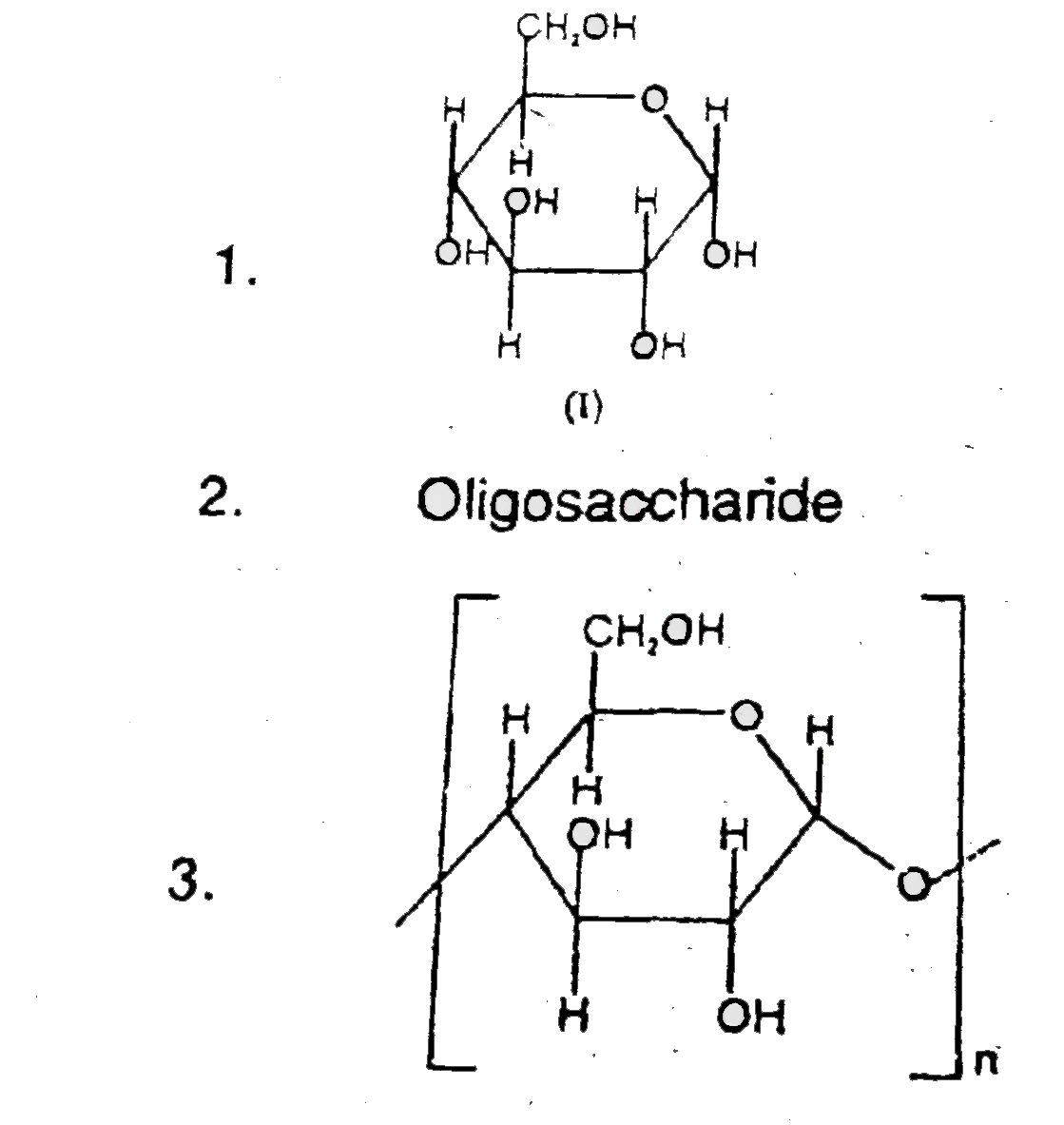
|
|
| 16. |
Compound having the molecular formula C_(3)H_(9)N reacts with benzene sulphonyl chloride to give product which is soluble in NaOH. The compound is |
|
Answer» PRIMARY amine |
|
| 17. |
Compound I and II can be distinguished by using reagent. underset("4-Hydroxy-4-methylpent-2-enoic acid")((I))"" underset("5-Hydroxypent-2-ynoic acid")((II)) |
|
Answer» `NaHCO_(3)` `(I)` gives IMMEDIATE turbidity by Lucas REAGENT and `(II)` does not give turbidity appriciably. |
|
| 18. |
Compound having same molecular formula but different properties are called: |
|
Answer» Isotopes |
|
| 19. |
Compound having open chain is |
|
Answer» Pentane |
|
| 20. |
Compound having molecular formula C_3H_6O may be : |
|
Answer» CYCLIC ETHER |
|
| 22. |
Compoundformed when nitroethanereactswith nitrousacid. |
|
Answer» ethanamine |
|
| 23. |
Compound formed, when ethyl amine is heated with chloroform is the presence of KOH is : |
|
Answer» ETHYL CHLORIDE |
|
| 24. |
Compound (E) when treated with KCl gives an orange red compound (F) which is used as an oxidising reagents. |
|
Answer» `Na_(2)Cr_(2)O_(7)+UNDERSET("(F) orange red")(2KCl rarr)K_(2)Cr_(2)O_(7)+2 NaCl` |
|
| 25. |
Compound (D), an isomer of (A) in Problem 4, reacts with BH_(3). THF and then H_(2)O_(2)//O^(-)H to givechiral (E). Oxidation of (E) with KMnO_(4) or acid dichromate affords a chiral carboxylic acid, (F). Ozonolysis of (D) after reduction with Zn gives the same compound (G) obtained by oxidation of 2-methyl pentan-3-ol with KMnO_(4). Identify (D), (E), (F) and (G). |
Answer» SOLUTION :PROCEED REVERSE form the OXIDATION of 2-methylpentan-3-ol. 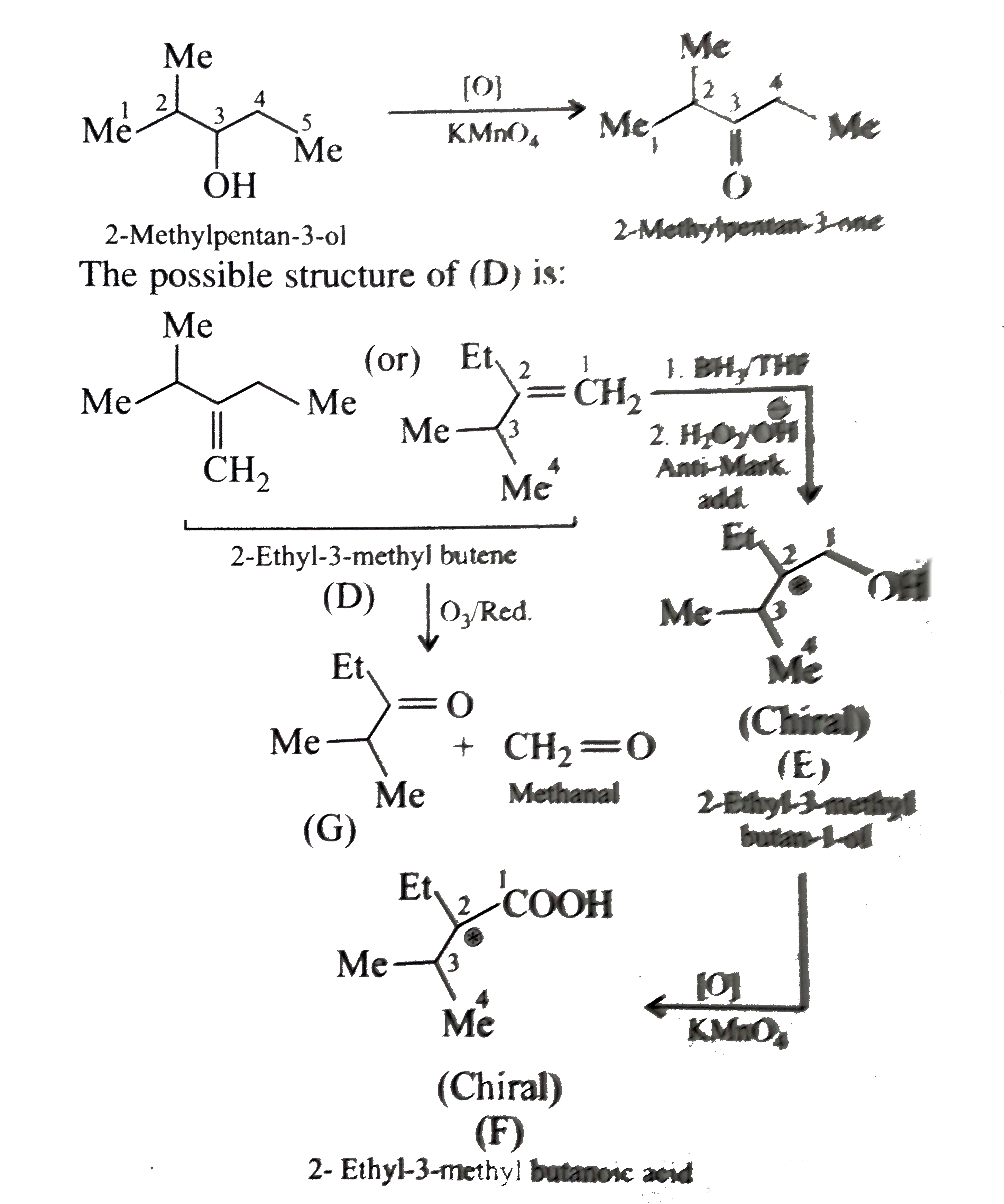 The POSSIBLE structure of (D) is: |
|
| 26. |
Compound contains two centred two elecrtron bond (2c-2e) is ……….. |
|
Answer» `B_(6)H_(11)` |
|
| 27. |
Compound containing which of the following group can not show metamerism :- |
|
Answer» `-NH-` |
|
| 28. |
Compound C_(8)H_(9)Cl (A) on treatmentwith KICN followedd by hydrolysis givesC_(9) H_(10) O_(2) (B). Ammoniumsalt of(B)on drydisillation yiels (C), wyhich reacts with alkene solution of bromnine to giveC_(8) H_(141) N (D). AnothercompoundC_(8) H_(10) O (E) is obtainedby the actionsby the action of nitrous acid of (D) or by the action of aqueosu potacsh on (A), (E) on oxidation gives the inner anthydide C_(8) H_(6)O_(4) (F) which gaves the inner anthdrideC_(8) H_(4) O_(3) (G) on heatingIdentify the variouscompounds (A) to (G). |
|
Answer» Solution :`D.U` in `(A) = ((2n_(C) + 2) + 2_(Cl) - n_(H))/(2)` `= ((2xx8+2)+1-9)/(2) = 5^(@)` `5 D.U` and `(C:H = 1:1)` suggest benzene ring in `(A)`, withtwo `(Me)` GROUPS or one `(Et)` group. Reaction with `KCN` shows that `(A)` contain `1^(@) RCL` group(i.e., it contains `(-CH_(2)Cl)` group in the sidechain and one `(Me)` group in the ring). Reactions: 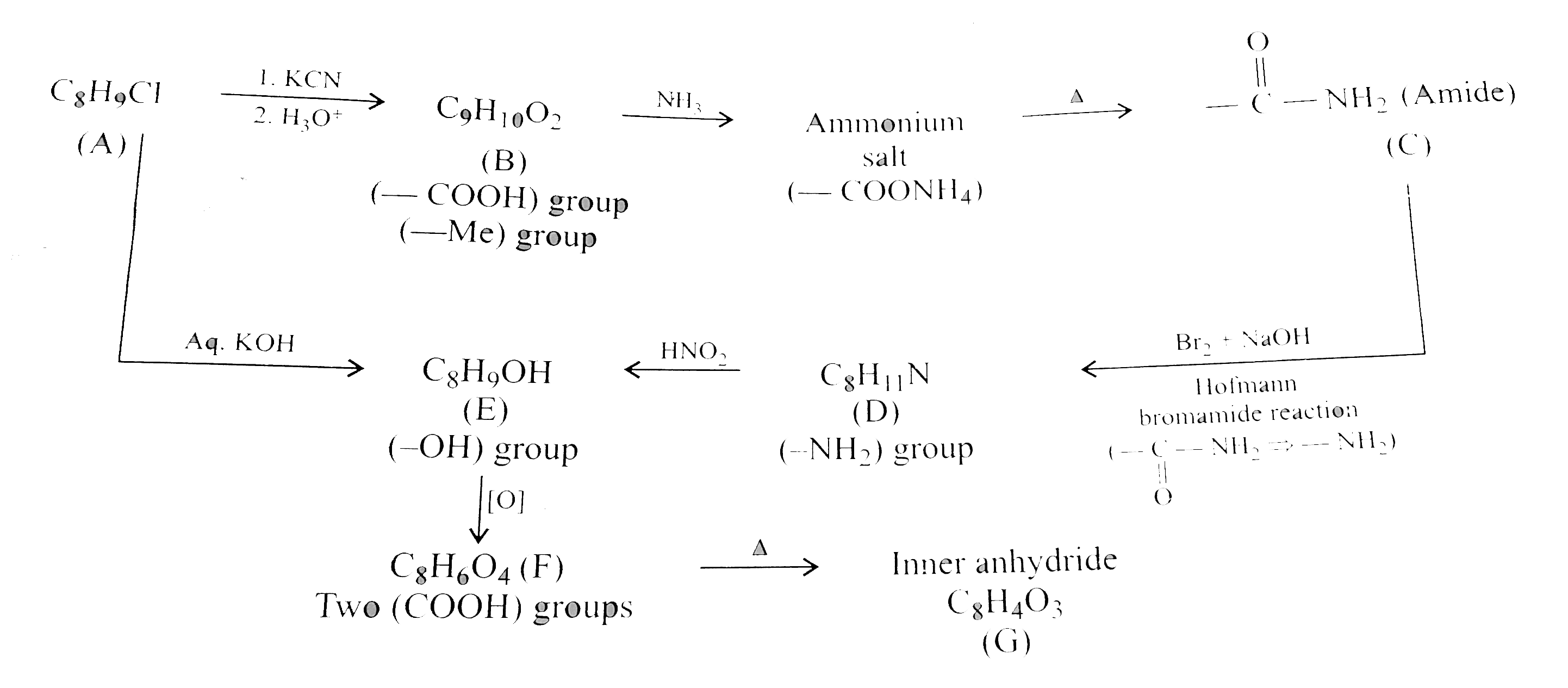 Formation of `(G)`, an anjydride shows that`(Me)` groupas is atortho-postion. orthos-diacid froms anhydride. Reactions: 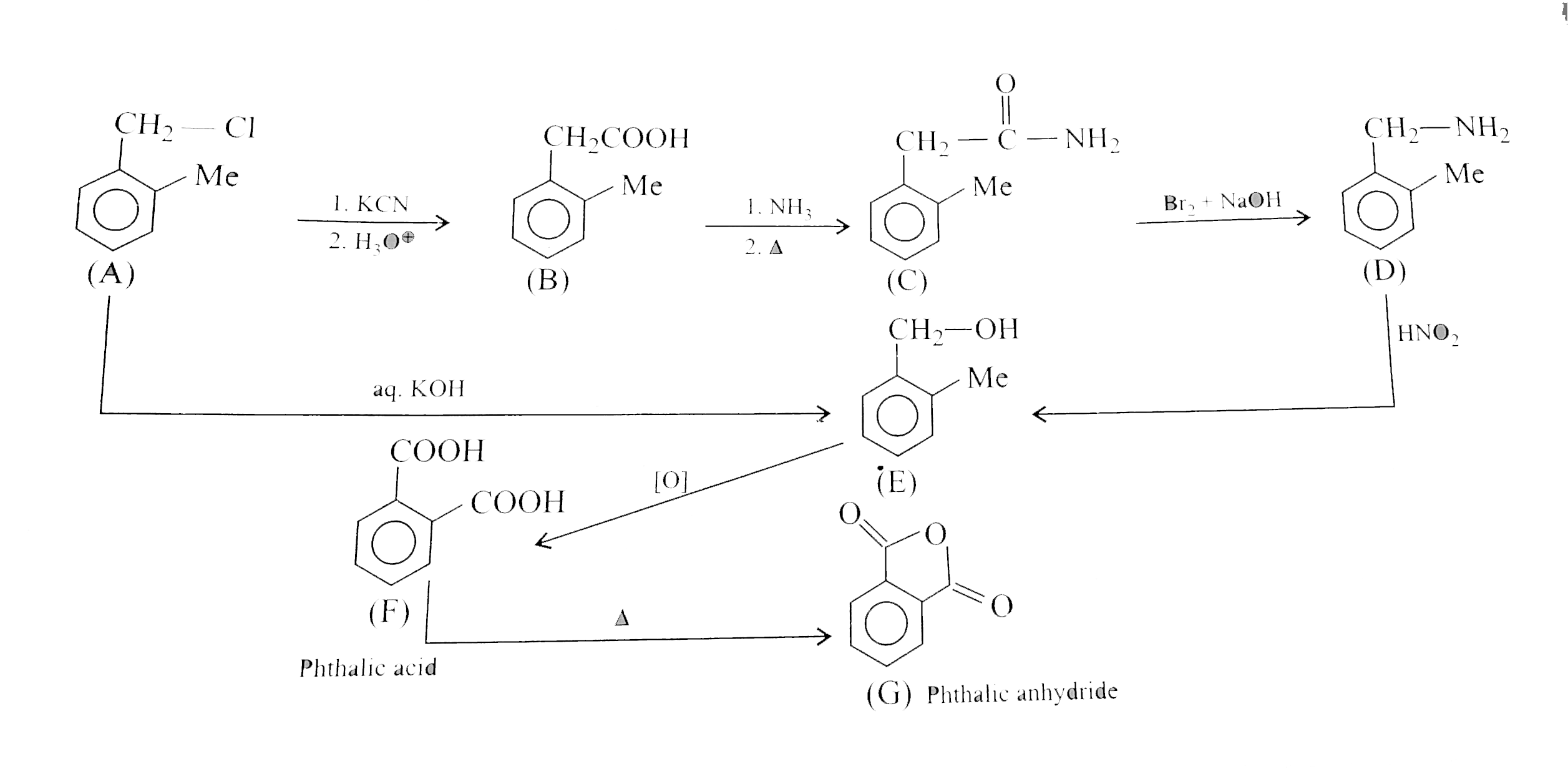
|
|
| 29. |
Compound (C )in above reaction is |
|
Answer» `ALPHA" - AMINO-"BETA" - hydroxy acid"` |
|
| 30. |
Compound (C ) and (D) rae respectively |
|
Answer» `PBO,PbCI_(2)` 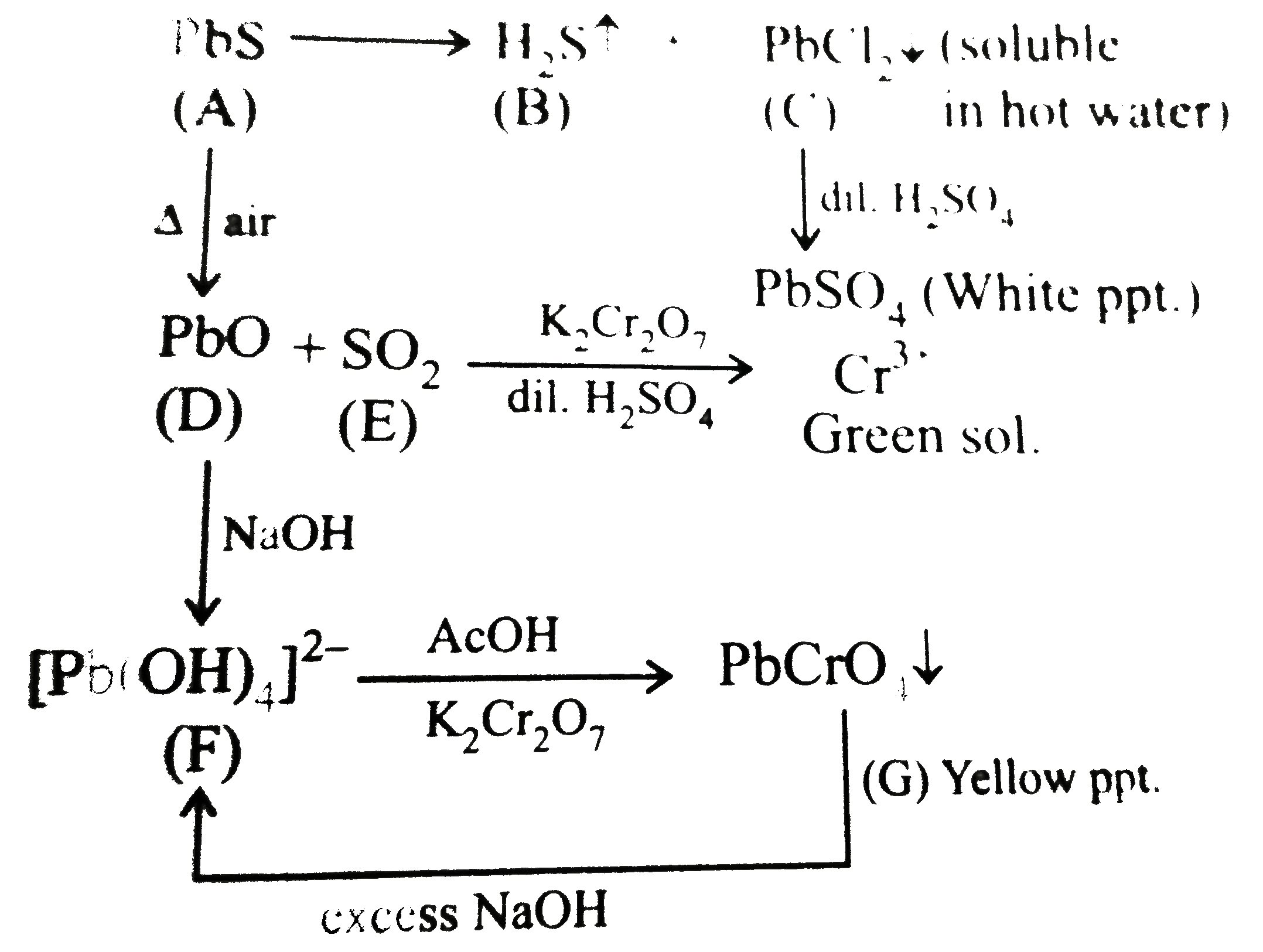
|
|
| 31. |
Compound (B) on reaction with [Na(en)_(3)][NO_(3))_(2) gives a colouredcomplex exhibility |
|
Answer» Opticalisomerism |
|
| 32. |
compound (B) on strong heatingproduces compound(s) which has/have |
|
Answer» CHAIN structure |
|
| 33. |
Compound B is : |
|
Answer»
|
|
| 34. |
Compound , and CH_(3)-CH_(2)-underset((Q))(O)-CH_(@)-CH_(3) can be differentiated by : |
|
Answer» `H_(3)O^(o+), Na` 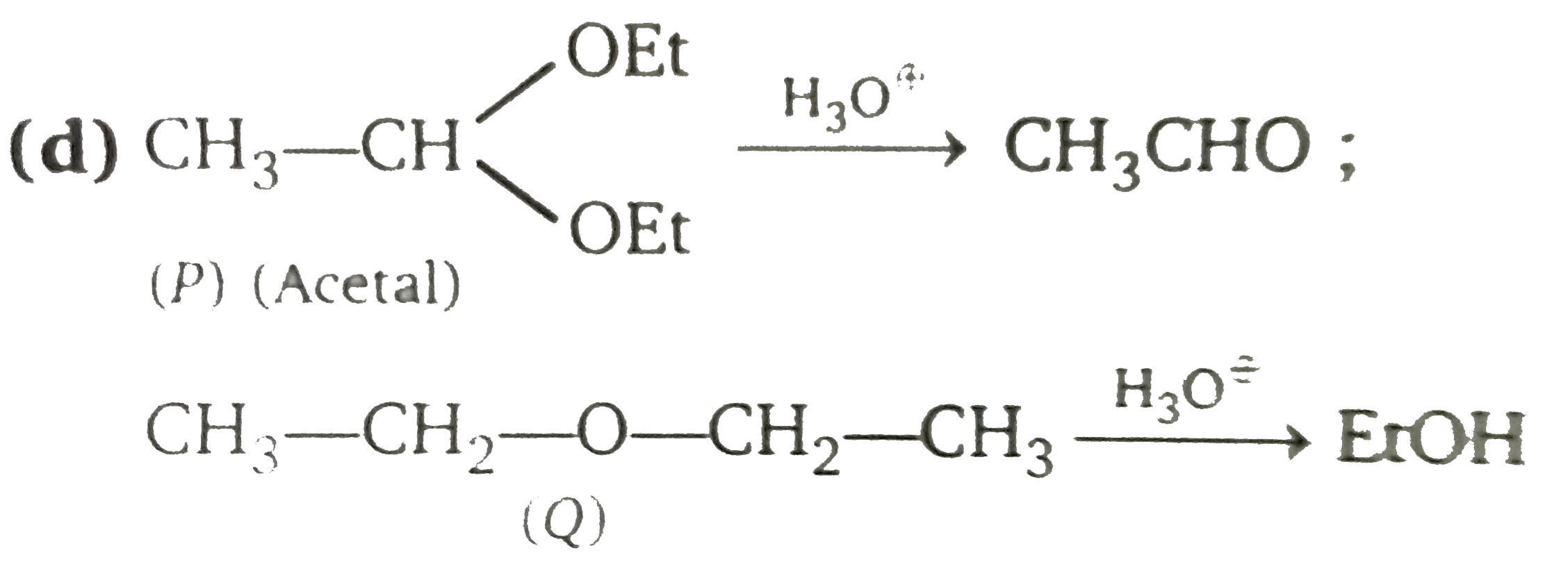 , differentiated by Na, Fehling Tollen's test , differentiated by Na, Fehling Tollen's test `CH_(3)-CH_(2)UNDERSET(Q)(-)O-CH_(2)-CH_(3)overset(H_(3)O^(o+))rarrEtOH` |
|
| 35. |
Compound A(C_8 H_7 OCl) on reaction with one equivalent of CH_3 MgBr gave B(C_9 H_(10)O) B gives codoform reaction and the other product form in this reaction C which on acidification gave D(C_8 H_8 O_2). Further B on oxidation gave E(C_7 H_6 O_2). Both D and E liberate CO_2 on reaction withNaHCO_3.The compound 'B' is |
|
Answer»
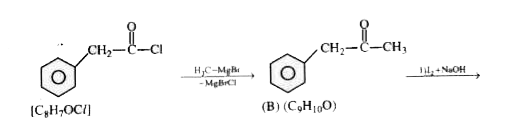 
|
|
| 36. |
Compound A(C_(6)H_(13)NO) liberates hydrogen on reaction with metallic sodium. A on reaction with NaNO_(2) and HCl was found to give three products B(C_(6)H_(10)O),C(C_(6)H_(10)O) and D(C_(6)H_(12)O_(2)) a vicinal. Both B & C react with 2,4 – DNP to give coloured product. C reduces Fehling's solution, but not B. B on reduction with HI & Red P gave cyclohexane while C gave methylcyclophentane. Don reduction with HI & Red P also gave cyclohexane. Study the reaction give above carefully and answer the following questions. The structure of Compound 'A' is |
|
Answer»
 COMPOUND C having aldehydic group so FEHLING solution REDUCES |
|
| 37. |
Compound A(C_(6)H_(13)NO) liberates hydrogen on reaction with metallic sodium. A on reaction with NaNO_(2) and HCl was found to give three products B(C_(6)H_(10)O),C(C_(6)H_(10)O) and D(C_(6)H_(12)O_(2)) a vicinal. Both B & C react with 2,4 – DNP to give coloured product. C reduces Fehling's solution, but not B. B on reduction with HI & Red P gave cyclohexane while C gave methylcyclophentane. Don reduction with HI & Red P also gave cyclohexane. Study the reaction give above carefully and answer the following questions. Compound 'C' is |
|
Answer»
 COMPOUND C having aldehydic GROUP so FEHLING solution reduces |
|
| 38. |
Compound A(C_(6)H_(13)NO) liberates hydrogen on reaction with metallic sodium. A on reaction with NaNO_(2) and HCl was found to give three products B(C_(6)H_(10)O),C(C_(6)H_(10)O) and D(C_(6)H_(12)O_(2)) a vicinal. Both B & C react with 2,4 – DNP to give coloured product. C reduces Fehling's solution, but not B. B on reduction with HI & Red P gave cyclohexane while C gave methylcyclophentane. D on reduction with HI & Red P also gave cyclohexane. Study the reaction give above carefully and answer the following questions. Compound 'B' is |
|
Answer»
 COMPOUND C having aldehydic group so FEHLING solution REDUCES |
|
| 39. |
Compound AC_5H_(10)O_4, is oxidized by Br_2 - H_2O to the acid, C_5H_(10)O_(5). (A) Forms a triacetate (Ac_(2)O) and is reduced by HI to n-pentane. Oxidation of (A) with HIO_(4) gives, among other product, 1 molecule of CH_2O and 1 molecule of HCO_(2)H. What are the possible structures or (A) and how could you distinguish between them? |
| Answer» Solution :(A) is an aldehyde, contains three hydroxyl groups and the CARBON skeleton consists of five carbon atoms in a straight chain. Also, the formula `C_(5)H_(10)O_(4)` therefore SUGGESTS that (A) is a deoxy-sugar. If we now try to work out the possibilities BASED directly on the periodic OXIDATION of (A), we shall FIND it. | |
| 40. |
Compound A(C_(6H_(12)) does not absorb H_(2) in presence of Ni. It forms two monochloro isomers on photochemical chlorination. Its structure can be : |
|
Answer»
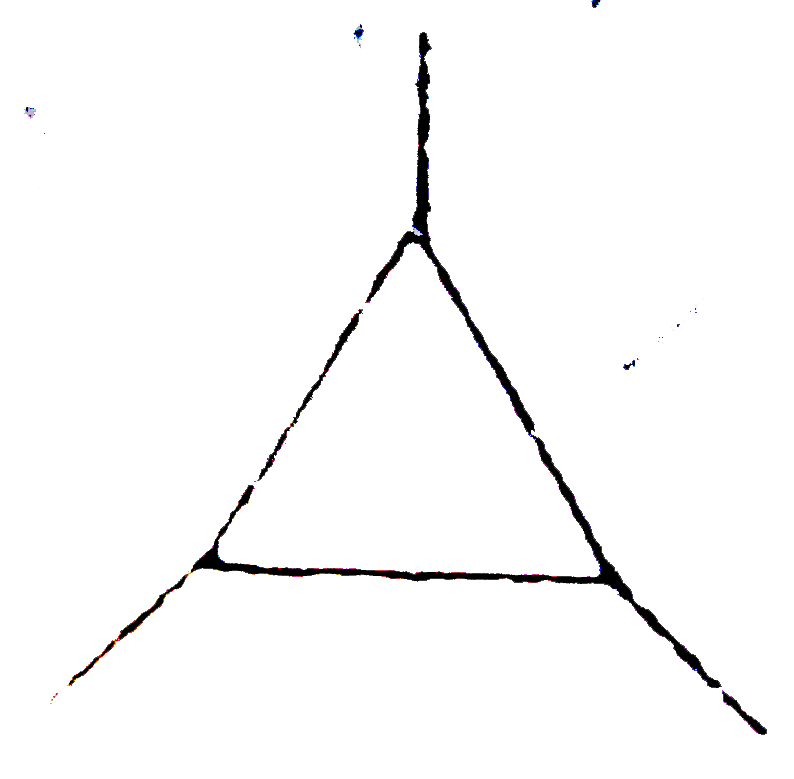 have two type of CHEMICALLY different HYDROGEN atom so it forms two monochloro ISOMERS on PHOTOCHEMICAL chlorination. have two type of CHEMICALLY different HYDROGEN atom so it forms two monochloro ISOMERS on PHOTOCHEMICAL chlorination.
|
|
| 41. |
Compound A(C_(5)H_(10)O) forms a phenyl hydrazon and gives a negative Tollen's reagent test and iodoform test. On reduction with Zn-Hg/HCl, comound A gives n-pentane. Write the structure of 'A'. |
|
Answer» Solution :Since `A(C_(5)H_(10)O)` FORMS a PHENYL hydrozone, it is a carbonyl compound. Since it gives negative Tollen's reagent test, it is not an aldehyde but it must be a ketone. Since it doesn't give iodoform test, it doesn't have `CH_(3)overset(O)overset(||)(C)-CH_(2)-CH_(3)` Pentan - 3 - one. `UNDERSET(A)underset("pentan-3-one")(CH_(3)-CH_(2)-overset(O)overset(||)(C)-)CH_(2)-CH_(3)+underset("phenyl hydrazine")(H_(2)N-NH-C_(6)H_(5)overset(H^(+))rarr)` `underset("diethyl")(CH_(3)-)underset("ketone")(CH_(2))-underset("phenyl")(overset(N-NH-C_(6)H_(5))overset(||)(C)-CH_(2))-underset("hydrazone")(CH_(2)-CH_(3))+H_(2)O` `underset(A)underset("diethyl")(CH_(3)-CH_(2))underset("ketone")(-overset(O)overset(||)(C)-)CH_(2)-CH_(3)+4[H]overset(Zn-Hg)underset("conc.HCl")rarrunderset("n-pentane")(CH_(3)-CH_(2))-CH_(2)-CH_(2)-CH_(3)+H_(2)O` |
|
| 42. |
Compound A(C_(4)H_(8)) on treatment with gives compound B which is optically inactive. What isstructure of A? |
| Answer» Solution :The STRUCTURE of `underset("But-1-ene")(A=CH_(3)-CH_(2)-CH=CH_(2))` | |
| 43. |
Compound A(C_(3)H_(5)N) gives precipitate with Tollen's reagent and H_(2) gas is also evolved on addition of Li metal. Compound A can be : |
|
Answer» `CH_(3)-CH_(2)-C-= N` |
|
| 44. |
Compound (A),(B) and(E ) are respectively |
|
Answer» `CUS,H_(2)S,SO_(2)` 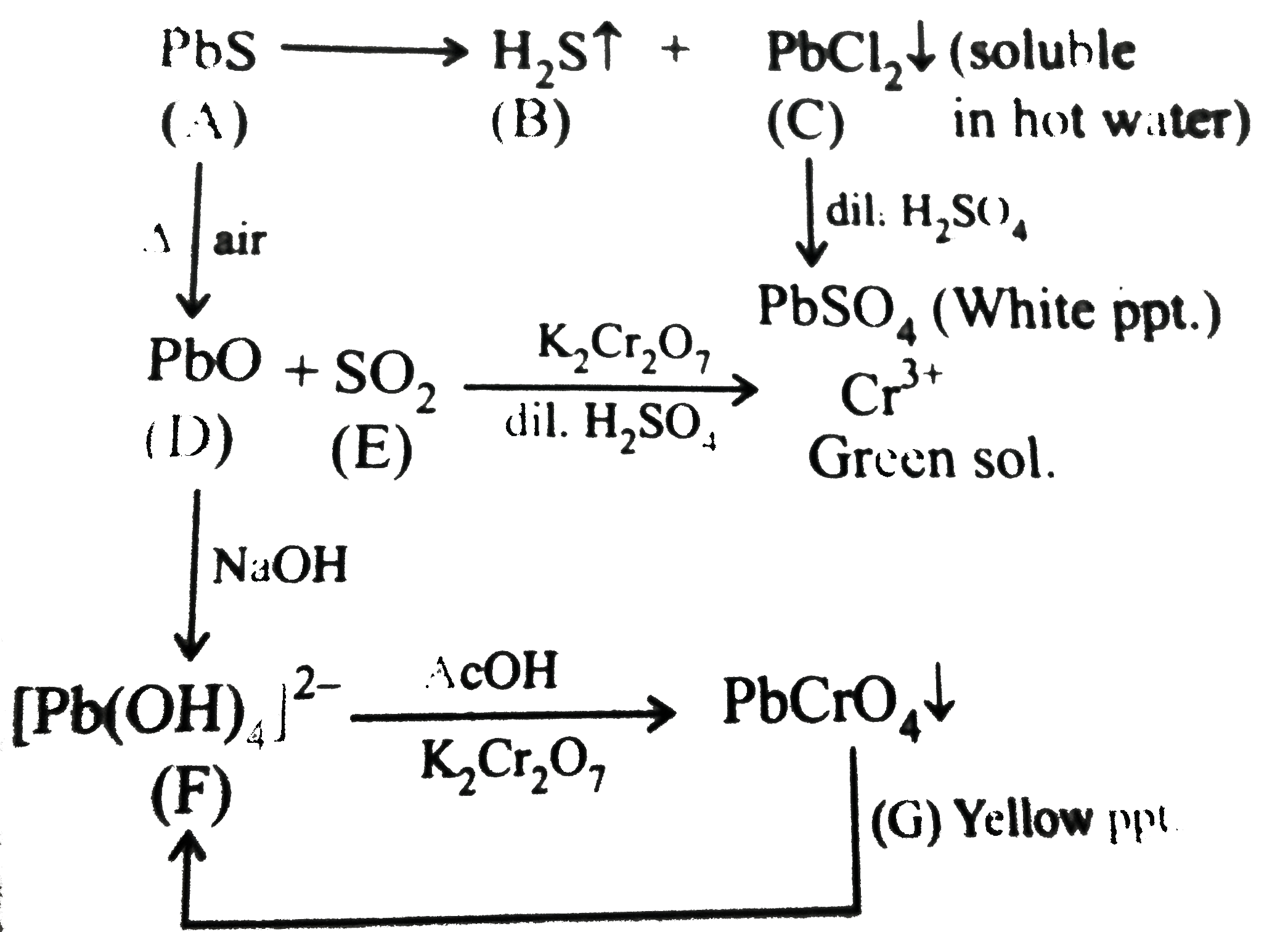
|
|
| 45. |
Compound A with molecular formula C_(7)H_(6)O reduces Tollen's reagent and also gives Cannizaro reaction. A on oxidation gives the compound B with molecular formula C_(7)H_(6)O_(2). Calcium salt of B on dry distillation gives the compound C with molecular formula C_(13)H_(10)O. Find A, B and C. Explain the reaction. |
|
Answer» Solution :(i) An organic COMPOUND (A) is identified as `C_(6)H_(5)CHO` benzaldehyde. Benzaldehyde reduces TOLLEN's reagent and also UNDERGOES Cannizaro reaction. `underset((A))(C_(6)H_(5)CHO)+Ag_(2)Oto2Ag+C_(6)H_(5)COOH` Cannizaro reaction : `C_(6)H_(5)CHO+C_(6)H_(5)CHOoverset(NaOH)toC_(6)H_(5)CH_(2)OH+underset((B))(C_(6)H_(5)COOH)` (ii) Benzaldehyde on oxidation gives Benzoic acid `C_(6)H_(5)COOH` and it is (B). `C_(6)H_(5)CHOoverset((O))tounderset((B))(C_(6)H_(5)COOH)` (iii) Calcium salt of benzoic acid (calcium benzoate) on dry distillation gives benzophenone `C_(6)H_(5)COC_(6)H_(5)` as (C). 
|
|
| 46. |
Compound (A) with molecular weight 108, contained 88.89%C and 11.11% H. It gave a white precipitate with ammonical silver nitrate. Complete hydrogenation atom of (A) gave another compound (B) with molecular weight 112. Oxidation of (A) gave an acid with equivalent weight 128. Decarboxylation of this acid gave cyclohexane. Give structures of (A) and (B) |
| Answer» SOLUTION :`[underset((A))(C_(6)H_(11)C) -= CH, C_(6)H_(11) underset((B))(CH_(2))-CH_(3)]` | |
| 47. |
Compound (A) with molecular formula C_(6)H_(6)O gives violet color with neutral ferric chloride. (A) reacting with CCl_(4) and NaOH gives two isomers (B) and ( C). (A) on oxidation with CrO_(2)Cl_(2) gives (D) of molecular formula C_(6)H_(4)O_(2). Identify A, B, C and D. Explain the reactions. |
|
Answer» Solution :(i) COMPOUND A which gives violet colour with FERRIC chloride is phenol. (ii) Phenol reacts with `C Cl_(4)` and NAOH to gives two isomers (B) and(C ).  (iii) Phenol on oxidation with `CrO_(2)Cl_(2)` gives (D) quinone. 
|
|
| 48. |
Compound (A) with molecular formula C_(6)H_(6)O gives violet color with neutral FeCl_(3). (A) reacts with CHCl_(3) and NaOH gives two isomers (B) and ( C) with molecular formula C_(7)H_(6)O_(2). Compound (A) reacts with ammonial at 473 K in the presence of ZnCl_(2) gives compound (D) with molecular formula C_(6)H_(7)N. Compound (D) undergoes carbylamine test. Identify (A), (B),(C ) and (D) and explain the reactions. |
|
Answer» Solution :(i) COMPOUND (A) with molecular formula `C_(6)H_(6)O` gives violet colour with neutral `FeCl_(3)`. (ii) (A) reacts with `CHCl_(3)` and NaOH gives two isomers (B) and( C) with molecular formula `C_(7)H_(6)O_(2)`.  (iii) Compound (A) reacts with ammonia at 473 K in the presence of `ZnCl_(2)` gives compound (D) with molecular formula `C_(6)H_(7)N`.  (iv) Compound (D) undergoes carbylamine test. `C_(6)H_(5)NH_(2) + CHCl_(3) + 3KOH overset(Delta)to C_(6)H_(5)NC + 3KCl + 3H_(2)O` 
|
|
| 49. |
Compound 'A' with molecular formula C_(4)H_(9)Br is treated with aq. KOH solution. The rate of this reaction depends upon the concentration of the compound 'A' only. When another optically active isomer 'B' of this compound was treated with aq. KOH solution, the rate of reaction was found to be dependent on concentration of compound and KOH both.(i) Write down the structural formula of both compounds 'A' and 'B'.(ii) Out of these two compounds, which one will be converted to the product with inverted configuration. |
|
Answer» Solution :(i) The reaction procceeds through `S_(N)I` path as the given SUBSTRATE is `3^(@)` - ALKYL halide. `underset("2-Bromo-2-methylpropane")(CH_(3)-OVERSET(CH_(3))overset("|")underset("Br ")underset("|")("C ")-CH_(3))overset(KOH_((aq)))rarr underset("2-Methylpropan-2-ol")(CH_(3)-overset(CH_(3))overset("|")underset("OH")underset("|")("C ")-CH_(3))` (ii)Compound (B) forms a product of inverted configuration as it undergoes `S_(N)2` reaction. 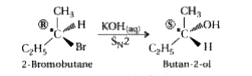
|
|
| 50. |
Compound 'A' with molecular formula C_(4)H_(9)Br is treated with aq. KOH solution. The rate of this reaction depends upon the concentration of the compound 'A' only. When another optically active isomer 'B' of this compound was treated with aq. KOH solution, the rate of reaction was found to be dependent on concentration of compound and KOH both. (i) Write down the structural formula of both compounds 'A' and 'B'. (ii) Out of these two compounds, which one will be converted to the product with inverted configuration. |
|
Answer» Solution :(i) Since the rate of reaction of Compound `'A'(MF" "C_(4)H_(9)Br)`, with aq. KOH depends UPON the concentration of compound 'A" only, therefore, the reaction occurs by `S_(N)1` mechanism and the compound 'A' 2-bromo-2-methylpropane or tert-butyl bromide. `underset("2-Bromo-2-methylpropane (A)")(CH_(3)-underset(CH_(3))underset(|)overset(CH_(3))overset(|)(C)-Br)` `underset("2-Bromobutane (B)")(CH_(3)-CH_(2)-underset(Br)underset(|)overset(**)(C)H-CH_(3))` (II) Since compound 'B' is optically active and is an isomerr of compound 'A' with MF `C_(4)H_(9)Br`, therefore, compound 'B' must be 2-bromobutane. further, since the rate of reaction of compound 'B' with aq. KOH depends both upon the concentration of compound 'B' and KOH, therefore, the reaction occurs by `S_(N)2` mechanism. since in `S_(N)2` reactions, nucleophile attacks from the back sie, therefore, the PRODUCT of hydrolysis (i.e., 2-butanol) will have inverted configuration w.r.t. to 2-bromobutane. 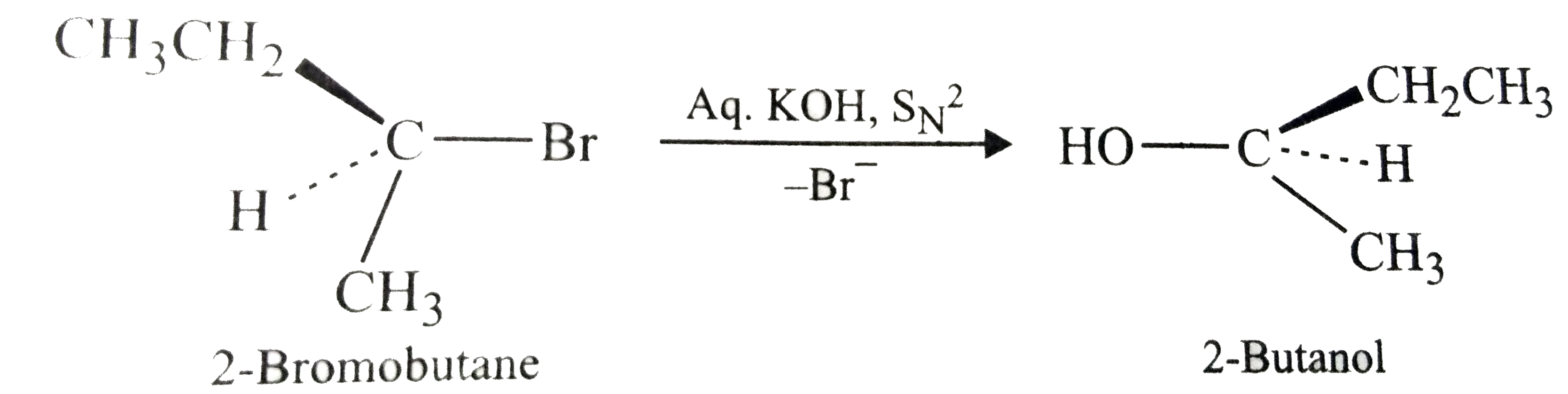
|
|