Saved Bookmarks
This section includes 7 InterviewSolutions, each offering curated multiple-choice questions to sharpen your Current Affairs knowledge and support exam preparation. Choose a topic below to get started.
| 1. |
Among the following the one that gives positive iodoform test upon reaction with I_(2) and NaOH |
|
Answer» `PhCHOHCH_(3)` |
|
| 2. |
Among the following the number of elements showing only one non-zero oxidation stateis O, Cl, F, N, P, Sn, Tl,Na, Ti |
|
Answer» Thus, only Na can EXIST in one non-zero oxidation state. |
|
| 3. |
Among the following the number of compounds which react with react will Fehling's solution is : |
|
Answer» |
|
| 4. |
Among the following , the number of compounds that can react with SnS_(2), the total number of BLACK coloured sulphides is |
|
Answer» MnS: buff . Coloured., `SnS_(2)`: Yellow. |
|
| 5. |
Among the following, the number of compounds that can react with PCl_(5) to give POCl_(3) is : O_(2), CO_(2), SO_(2), H_(2)O, H_(2)SO_(4), P_(4)O_(10). |
|
Answer» <P> (i) `2 PCl_(5) + O_(2) OVERSET(Delta)rarr 2POCl_(3) + 2Cl_(2)" ,"` (ii) `[PCl_(5) rarr PCl_(3) + Cl_(2)" ,"" "2PCl_(3) + O_(2) rarr 2 POCl_(3)]` (iii) `PCl_(5) + SO_(2) rarr POCl_(3) + SOCl_(2)` (iv) `PCl_(5) + H_(2)O rarr POCl_(3) + 2HCl" ,"` `POCl_(3)` further reacts with `H_(2)O` to GIVE `H_(3)PO_(4)` `POCl_(3) + 3 H_(2)O rarr H_(3)PO_(4) + 3 HCl` (v) `2PCl_(5) + H_(2)SO_(4) rarr 2 POCl_(3) + SO_(2)Cl_(2)+2HCl` (VI) `6PCl_(5) + P_(4)O_(10) rarr 10 POCl_(3)` |
|
| 6. |
Among the following the number of compounds that can act as dehydrating agent are …… Conc. H_(2)SO_(4),"Anhyd". CaCl_(2),Conc. HNO_(3), CaO, CuSO_(4).5H_(2)O, P_(2)O_(5) |
|
Answer» |
|
| 7. |
Among the following, the number of alcohols showing iodoform test is CH_(3)OH,CH_(3)CH_(2)OH,(CH_(3))_(2)CHOH,(CH_(3))_(3)COH,CH_(3)CHOHCH_(2)OH,CH_(3)CH_(2)CH_(2)CH_(2)OH,CH_(3)CH_(2)CH_(2)OH,CH_(3)CHOHCH(CH_(3))_(2),(C_(2)H_(5))_(2)CHOH. |
|
Answer» |
|
| 8. |
Among the following, the narrow spectrum antibiotic is : |
|
Answer» PENICILLIN G |
|
| 9. |
Among the following, the non-spontaneous reaction is |
|
Answer» `ROH+R'MgX to R'H+Mg(OR)X` `ROH gt HC-=CH gt NH_(3)R'H` THEREFORE, a weaker acid `(NH_(3))` cannot displace a STRONGER acid (ROH) from its salt (RONa). THUS, reaction (b) is non-spontaneous. |
|
| 10. |
Among the following the most stable complex is |
|
Answer» `FE(H_2O_6)]^(3+)` |
|
| 11. |
Among the following the most stable compound is |
|
Answer» cis - 1,2 - cyclohexanediol |
|
| 12. |
Among the following, the most reactive towards alcoholic KOH is : |
|
Answer» `CH_(2) = CHBR `<BR>`CH_(3)COCH_(2)CH_(2)Br` |
|
| 13. |
Among the following, the molecule with the highest dipole moment is |
|
Answer» `CH_(3)Cl` |
|
| 14. |
Among the following the maximum covalent character is shown by the compound : |
|
Answer» `AlCl_(3)` |
|
| 15. |
The main reactions occurring in blast furnace during extraction of iron from haematite are i.Fe_(2)O_(3)+3COto2Fe+3CO_(2) ii.FeO+SiO_(2)toFeSiO_(3) iii. Fe_(2)O_(3)+3Cto2Fe+3CO iv.CaO+SiO_(2)toCaSiO_(3) |
| Answer» Solution :(B,D) | |
| 16. |
Among the following the least thermally stable is : |
|
Answer» `K_(2)CO_(3)` |
|
| 17. |
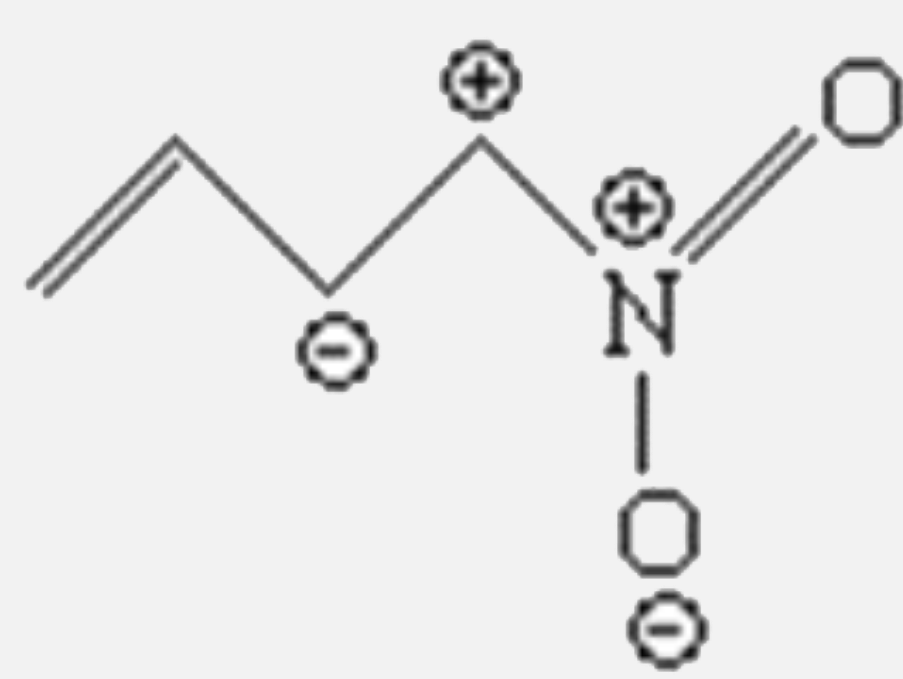
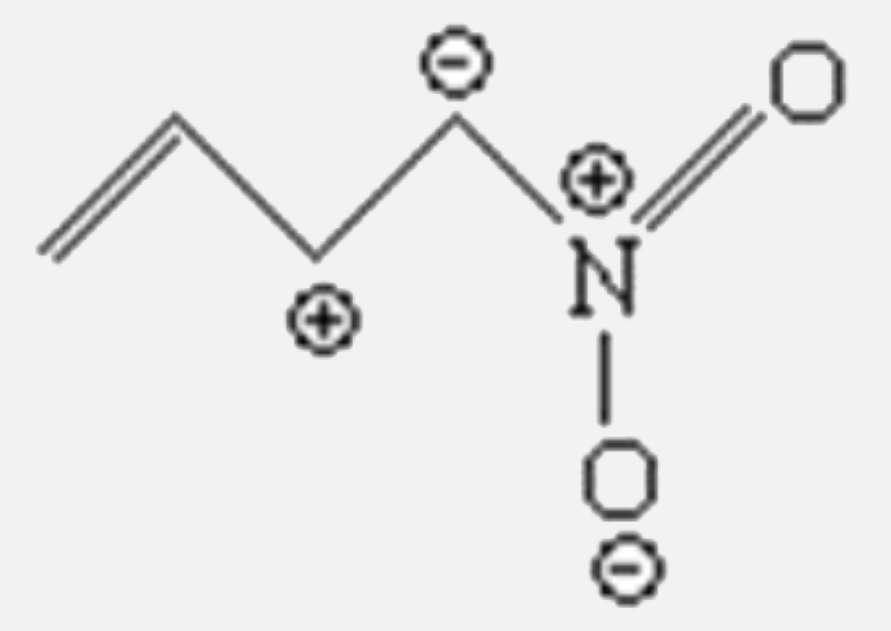
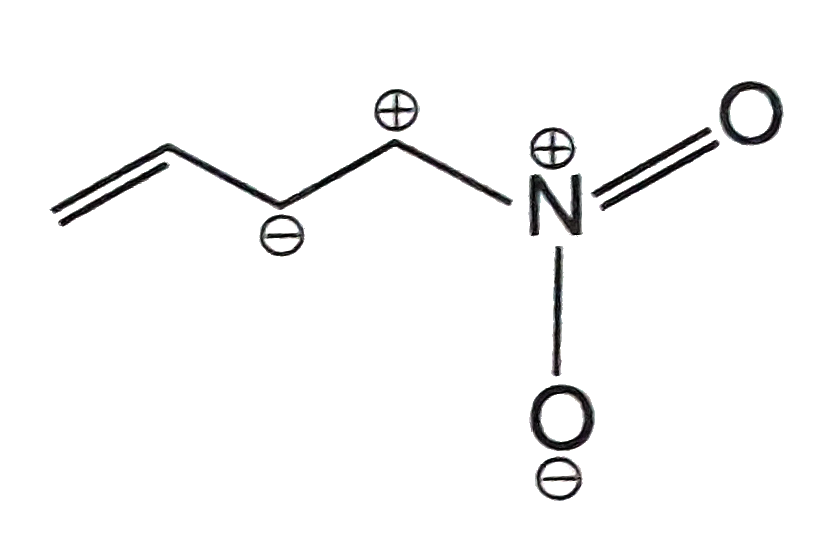
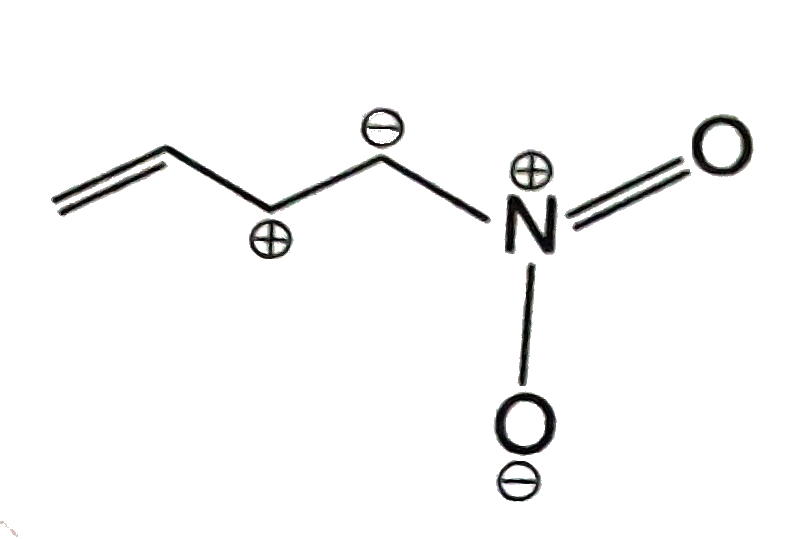
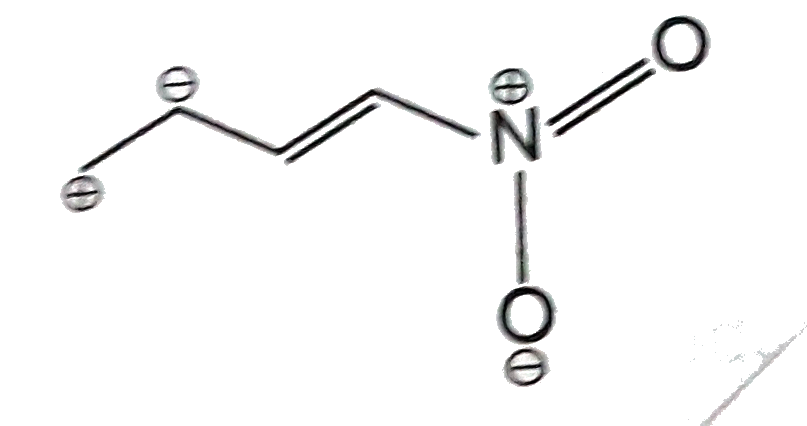
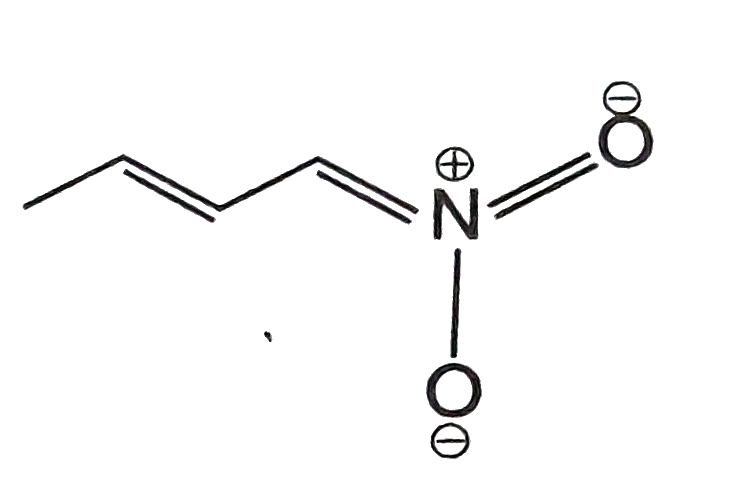
Among the following, the least stable resonance structure is : |
|
Answer»
|
|
| 18. |
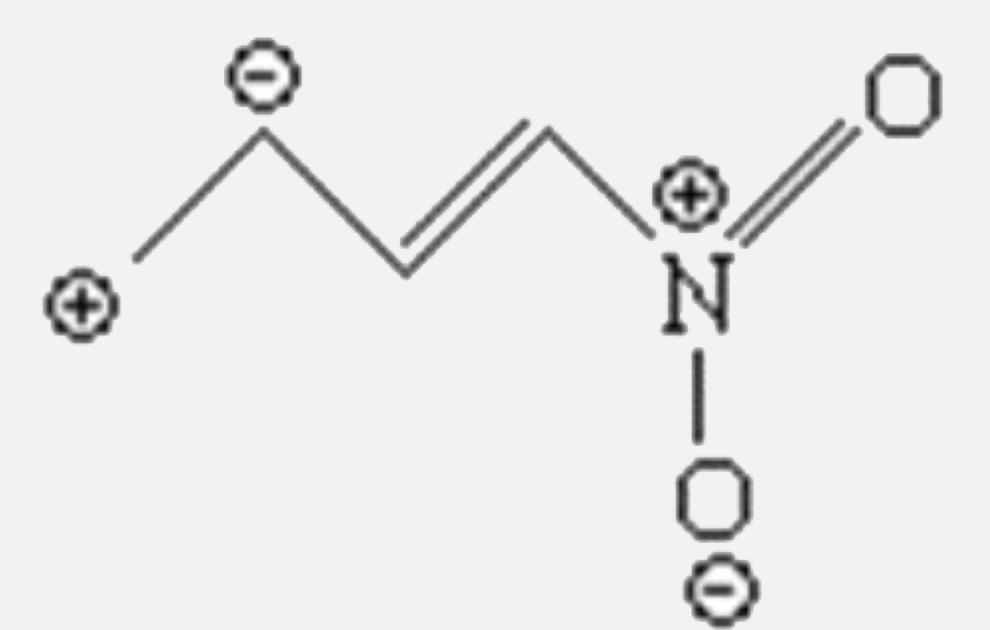
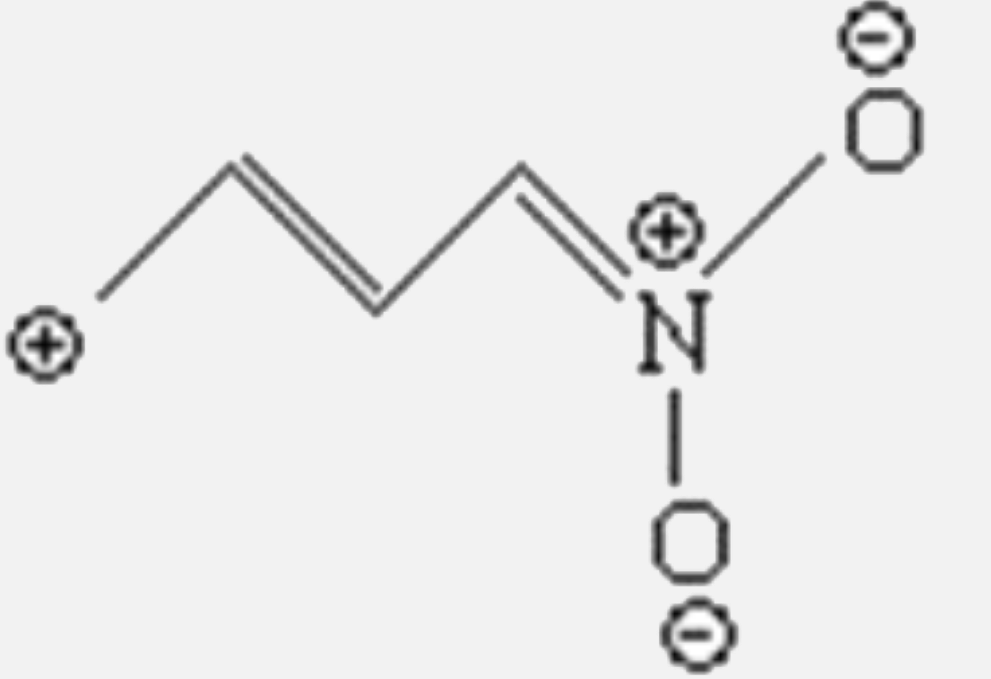
Among the following the least stable resonance structre is |
|
Answer»
|
|
| 19. |
Among the following, the ions having same magnetic moment are |
|
Answer» `[TI(H_(2)O)_(6)]^(3+)` |
|
| 20. |
Among the following the intensive property is (properties are) |
|
Answer» MOLAR conductivity |
|
| 21. |
Among the following, the intensive property is (are) |
|
Answer» MOLAR conductivity |
|
| 22. |
Among the following, the INCORRECT statement about colloids is : |
|
Answer» They can scatter light |
|
| 23. |
Among the following the incorrect statement is |
|
Answer» Density of crystals remains unaffected due to Frenkel defect. |
|
| 24. |
Among the following the heaviest subatomic particle is |
|
Answer» Electron |
|
| 25. |
Among the following, the group of molecules that undergoes rapid hydrolysis is |
|
Answer» `SF_(6), Al_(2)Cl_(6), SiMe_(4)` |
|
| 26. |
Among the following, the extensive variables are |
|
Answer» H (enthalpy) |
|
| 27. |
Among the following, the false statement is : |
|
Answer» It is possible to CAUSE artificial rain by throwing electrified sand carrying charge opposite to the one on CLOUDS from an aeroplane. |
|
| 28. |
Among the following, the essential amino acid is : |
| Answer» Answer :A | |
| 29. |
Among the following the electron deficient compound is |
|
Answer» `BCl_(3)` 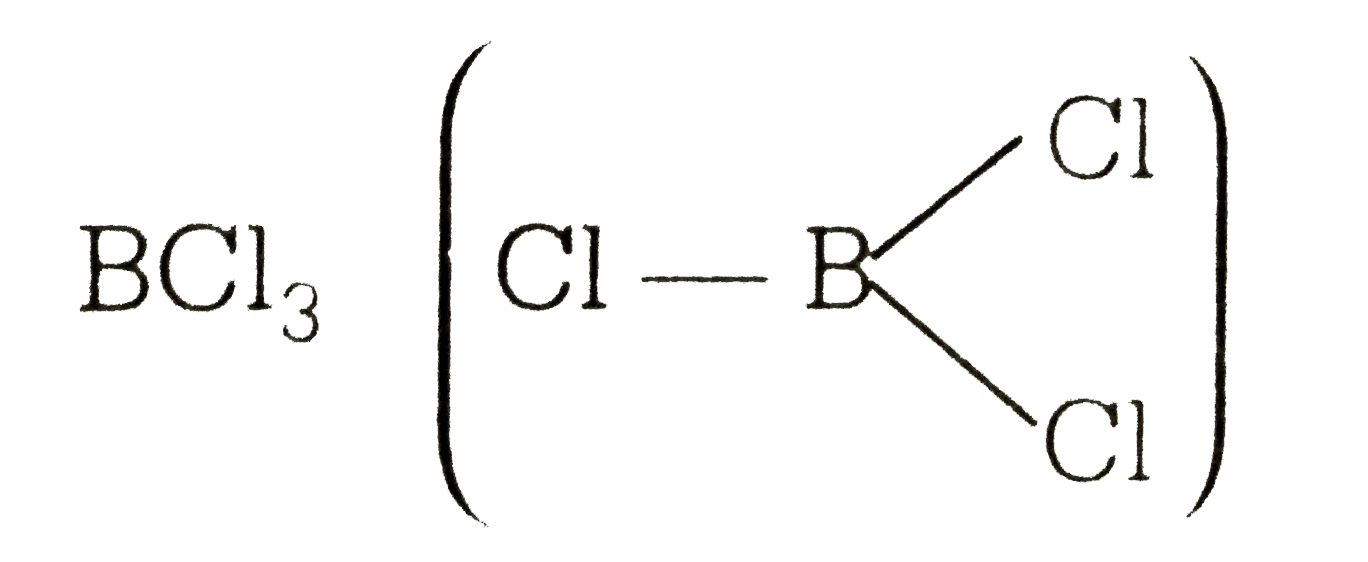 boron contains six electrons in its VALENCE shell so, it is capable to accommodate one PAIR of electrons. Hence it acts as Lewis acid or electron deficient (incomplete octate) compound. As we KNOW that Lewis acids are the substancehaving a tendency to accept a pair of electron. boron contains six electrons in its VALENCE shell so, it is capable to accommodate one PAIR of electrons. Hence it acts as Lewis acid or electron deficient (incomplete octate) compound. As we KNOW that Lewis acids are the substancehaving a tendency to accept a pair of electron.
|
|
| 30. |
Among the following, the correct statement is |
|
Answer» between `NH_3` and `PH_3, NH_3` is a BETTER electron donor BECAUSETHE LONE pairof electrons occupies sphericals-orbital and is less directional |
|
| 31. |
Among the following , the correct statements (s) is (are) |
|
Answer» `Al(CH_(3))_(3)` has the three -centre two electrons bonds in its dimeric structure  `rArr BCl_(3)` is STRONGER lewis acid due to small size of boron. `rArr ` structure of `Al_2Cl_(6)`  `rArr` structure of `B_(2)H_(6)` 
|
|
| 32. |
Among the following the correct order of acidity is |
|
Answer» `HClO_(2) LT HClO lt HClO_(3) lt HClO_(4)` |
|
| 33. |
Among thefollowing , the CORRECT statement is _________. |
|
Answer» between `NH_(3)` and `PH_(3), NH_(3)` is a better electron DONOR because the lone pair of electrons OCCUPIES shperical 's' orbital and it less directional |
|
| 34. |
Amongthe following , the correct order of acidity is - |
|
Answer» `HClO_(3) lt HClO_(4) lt HClO_(2) lt HCIO` |
|
| 35. |
Among the following, the correct order of acidity is : |
|
Answer» `HClO LT HClO_(2) lt HClO_(3) lt HClO_(4)` |
|
| 37. |
Among the following , the compound that undergoes nitration readily is |
|
Answer» BENZOIC acid 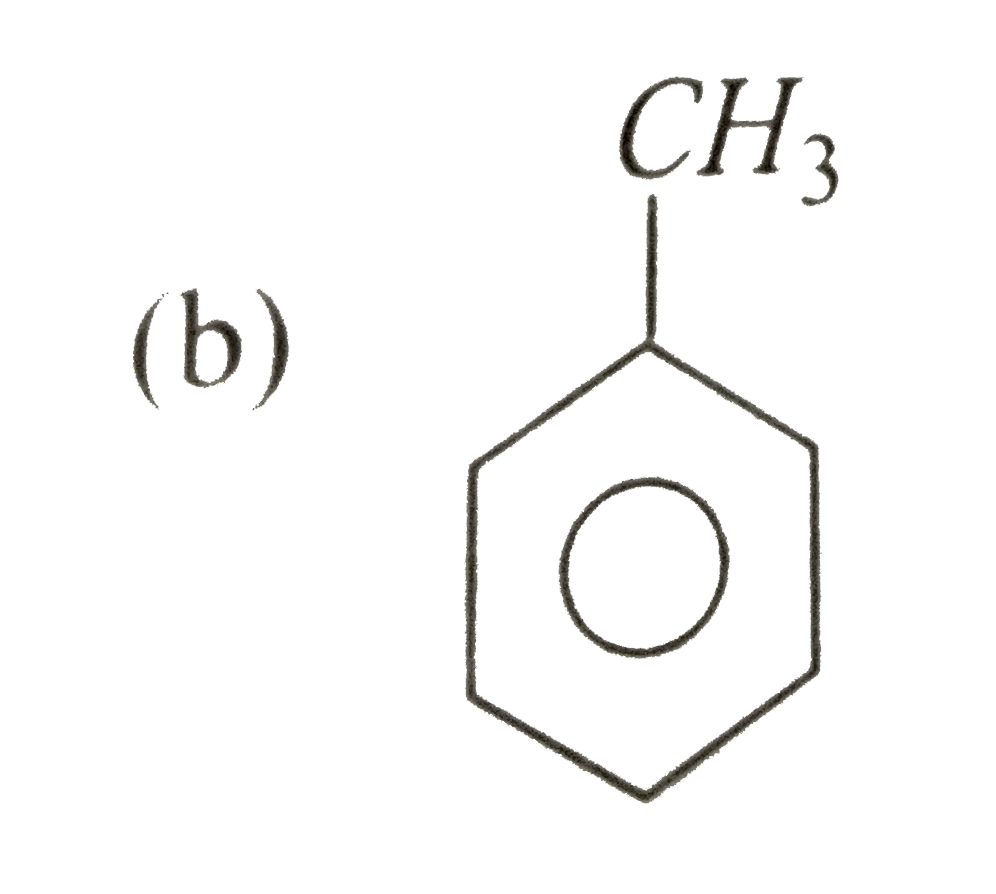 PRESENCE of methyl group increases electron desnity at o- and p- positions. HENCE, it UNDERGOES nitration readily. PRESENCE of methyl group increases electron desnity at o- and p- positions. HENCE, it UNDERGOES nitration readily.
|
|
| 38. |
Among the following the compound that is both paramagnetic and colourless is…. |
|
Answer» `K_(3)[Cu(CN)_(4)]` |
|
| 39. |
Among the following the compound that is both paramagnetic and coloured is: |
|
Answer» `K_2Cr_2O_` |
|
| 40. |
Among the following, the compound that contains ionic, covalent and coordinate linkage is : |
| Answer» Answer :A | |
| 41. |
Among the following, the compound that contains ionic, covalent and co-ordinate linkage is |
| Answer» Solution :`[H-overset(H)overset("|")underset(H)underset("|")(N)to H]^(+)Cl^(-)` | |
| 42. |
Among the following the coloured compound is |
|
Answer» `CuCl` |
|
| 43. |
Among the following the chelate complexes are |
|
Answer» BIS (dimethyl glyoximate) nickel (II) |
|
| 44. |
Among the following, the chiral complex is : |
|
Answer» `[Cr(OX)_(3)]^(3-)` |
|
| 45. |
Among the following, the branched chain polymer is |
|
Answer» POLYVINYL chloride |
|
| 47. |
Among the following, the azeotropic mixture is: |
|
Answer» `"CC"l_(4)+CHCl_(3)` |
|
| 48. |
Among the following, the alkene on ozonolysis giving rise to only one aldehyde as the product is : |
|
Answer» 1-Butene 
|
|
| 49. |
Amongthe followingthe achiral amionacids is ………. |
|
Answer» 2 - ethylalanime |
|