Saved Bookmarks
This section includes 7 InterviewSolutions, each offering curated multiple-choice questions to sharpen your Current Affairs knowledge and support exam preparation. Choose a topic below to get started.
| 1. |
Among the following compounds C_(5)H_(7)NH_(2),NH_(3),CH_(3)NH_(2),C_(2)H_(5)NH_(2) and C_(6)H_(5)NH, the least basic compound is |
|
Answer» `C_(3)H_(7)NH_(2)` 
|
|
| 2. |
Among the following compound which one is planar in shape |
|
Answer» methane |
|
| 3. |
Among the following compound, the weakest acid is- |
|
Answer» `HC-=CH` |
|
| 4. |
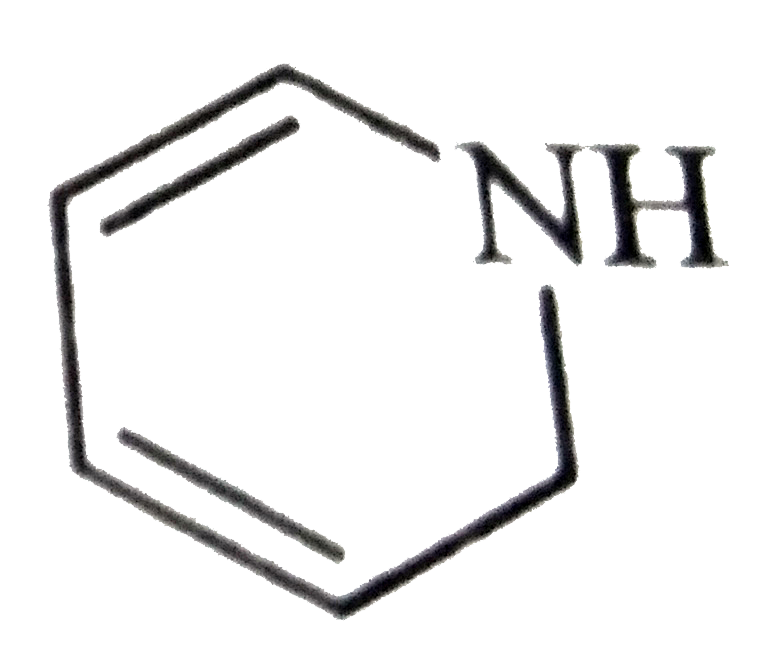
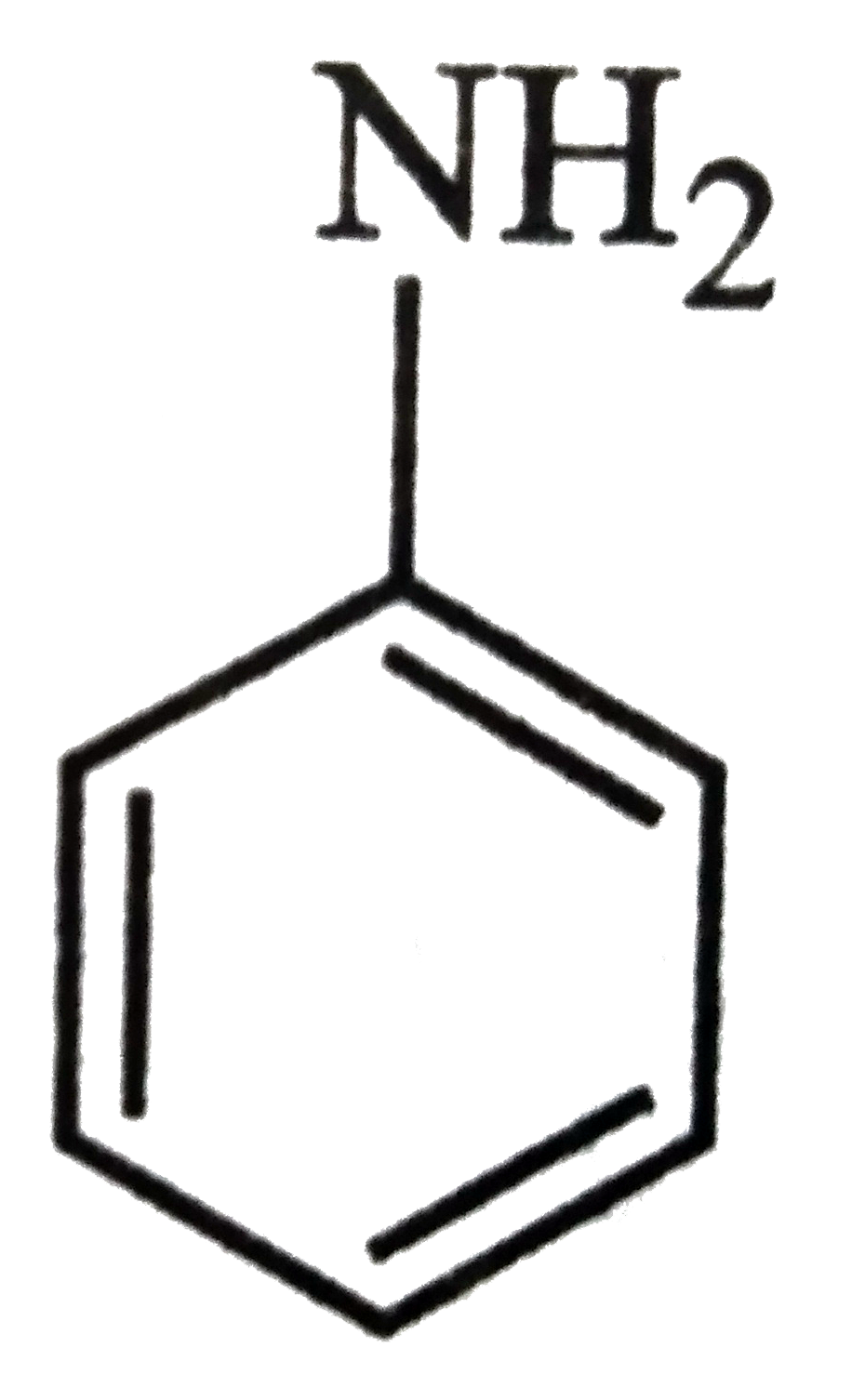
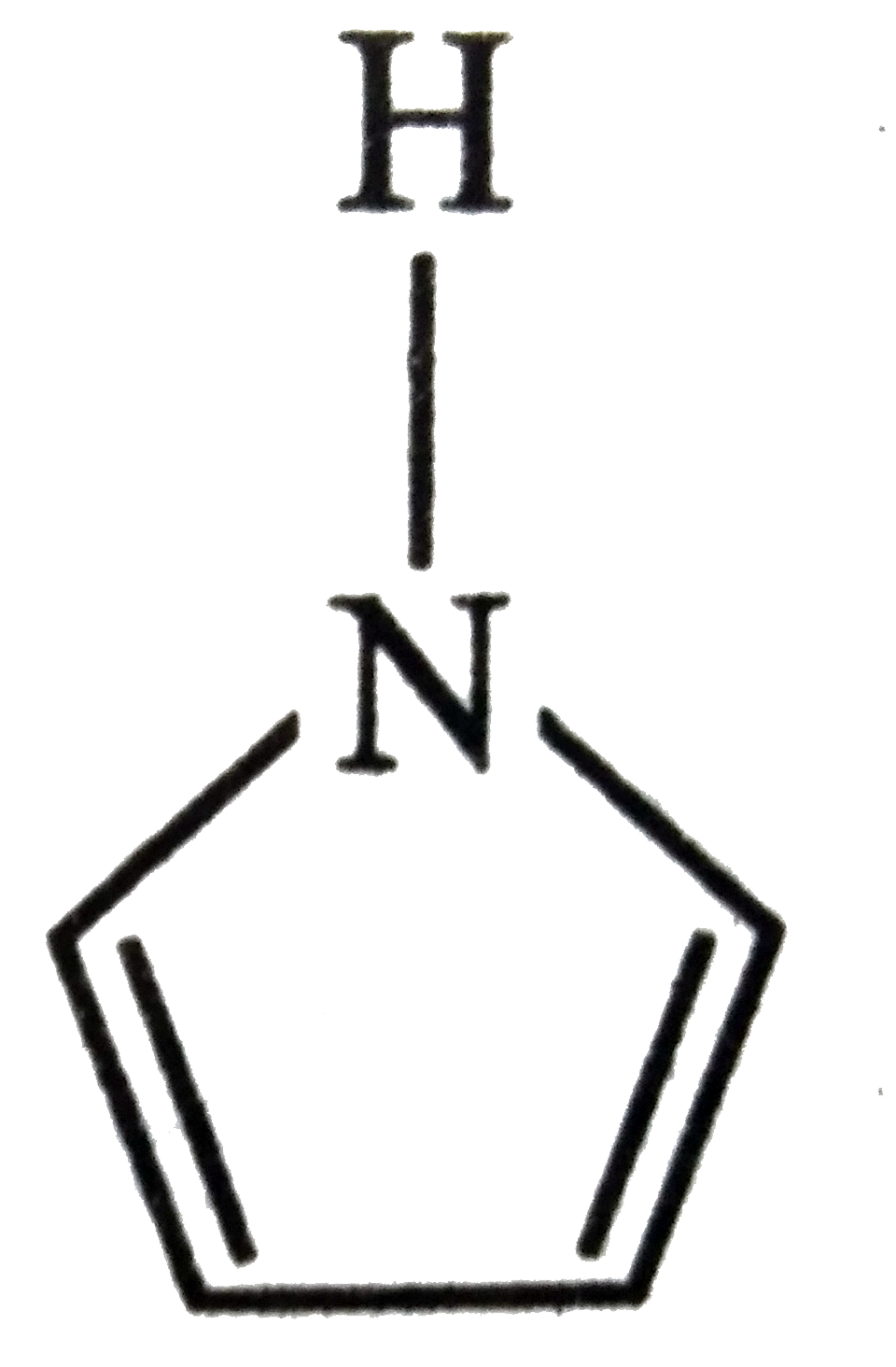
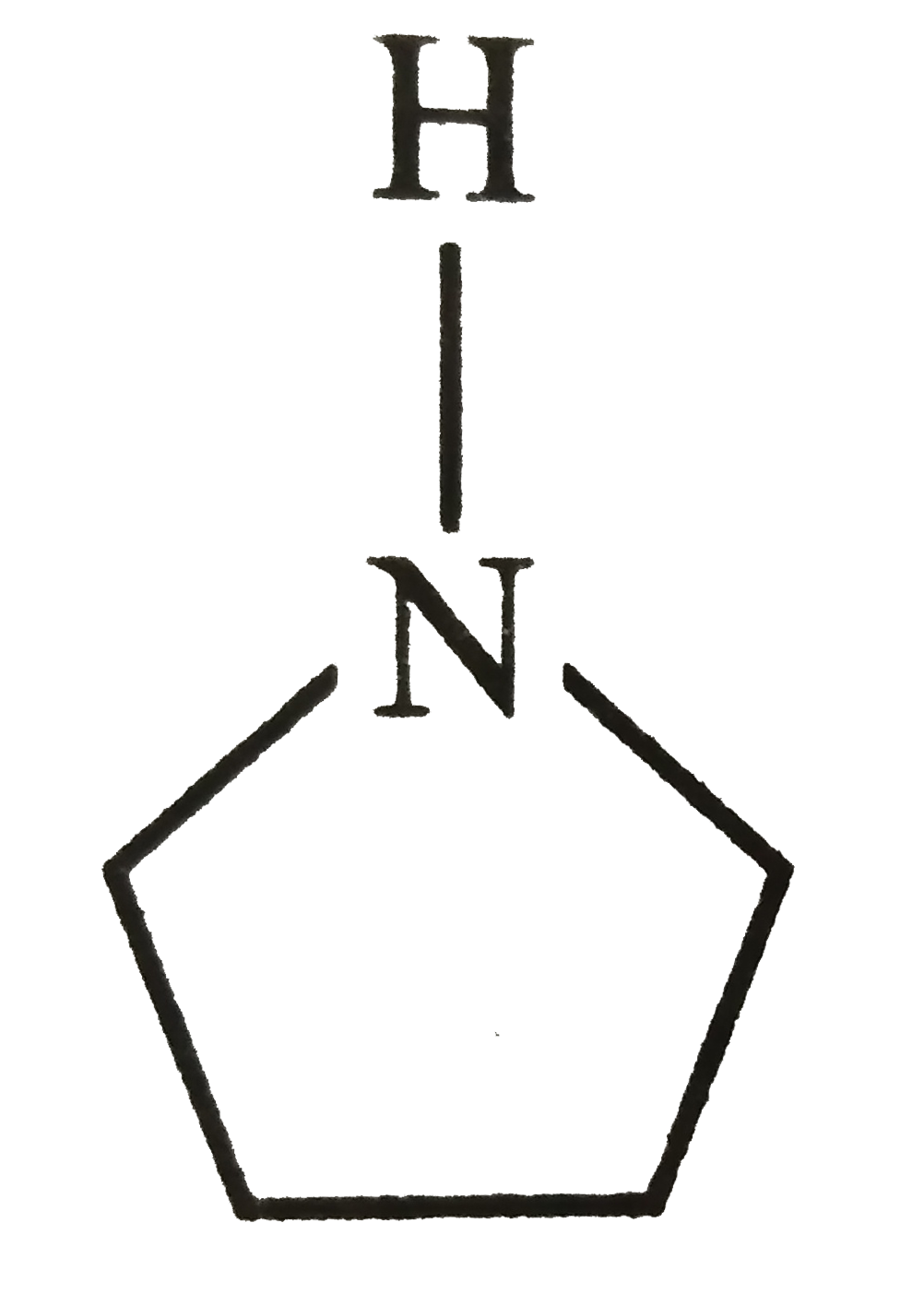
Among the following compound. (a) Number of compounds which are aromatic = w (b) Number of compounds which are non-aromatic = x (c) Number of compounds which are anti-aromatic = y (d) Number of compounds which readily undergo Dimerzation at room temperature = z Sum of w + x + y + z =.... |
|
Answer» `x rArr d, E, g, l` `y rArr c, K` `d rArr c, k` SUM of `w + x + y + z = 14` |
|
| 5. |
Among the following compound the reactivity order is (1)H - CHO""(2) CH_(3) - CHO (3) CH_(3) - overset(O)overset(||)(C) - CH_(3)""(4) C_(2)H_(5)-COCH_(3) |
|
Answer» ` 1 gt 2 gt 4 gt 3` |
|
| 6. |
Among the following compound s that is bothparamagnetic and colouredis |
|
Answer» `K_(2)Cr_(2)O_(7)` `{:("Compound","Central atom","Electronic config."),(K_(2)Cr_(2)O_(7),._(24)Cr(VI),3s^(2)3p^(6)),((NH_(4))_(2)[TiCl_(6)],._(22)Ti(IV),3s^(2)3p^(6)),(VOSO_(4),._(23)V(IV),3s^(2)3p^(6)3d^(1)),(K_(3)[Cu(CN)_(4)],._(29)Cu(I),3s^(2)3p^(6)3d^(10)):}` |
|
| 7. |
Among the following compound. (a) Number of compounds which are aromatic = P (b) Number of compounds which are anti-aromatic = Q (c) Number of compounds which are non-aromatic = R (d) Number of compounds which readily undergo dimerization at room temperature = S (e) Number of compound which reacts with active metal = T Sum of P + Q + R + S + T= |
|
Answer» `S = (B + d) = 2` `T = (b + d + f + I + 1) = 5` Sum of `P + Q + R + S + T = 19` 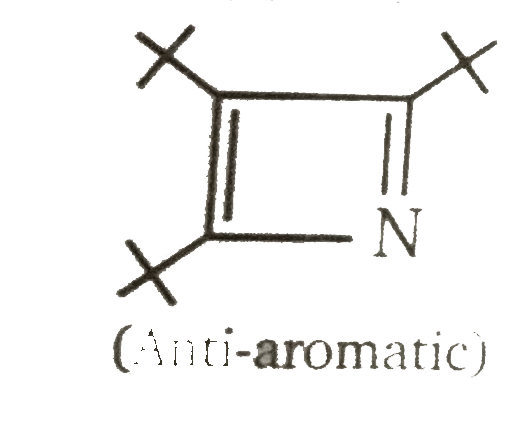 Due to STERIC hindarance dimerization does not take place. Due to STERIC hindarance dimerization does not take place.
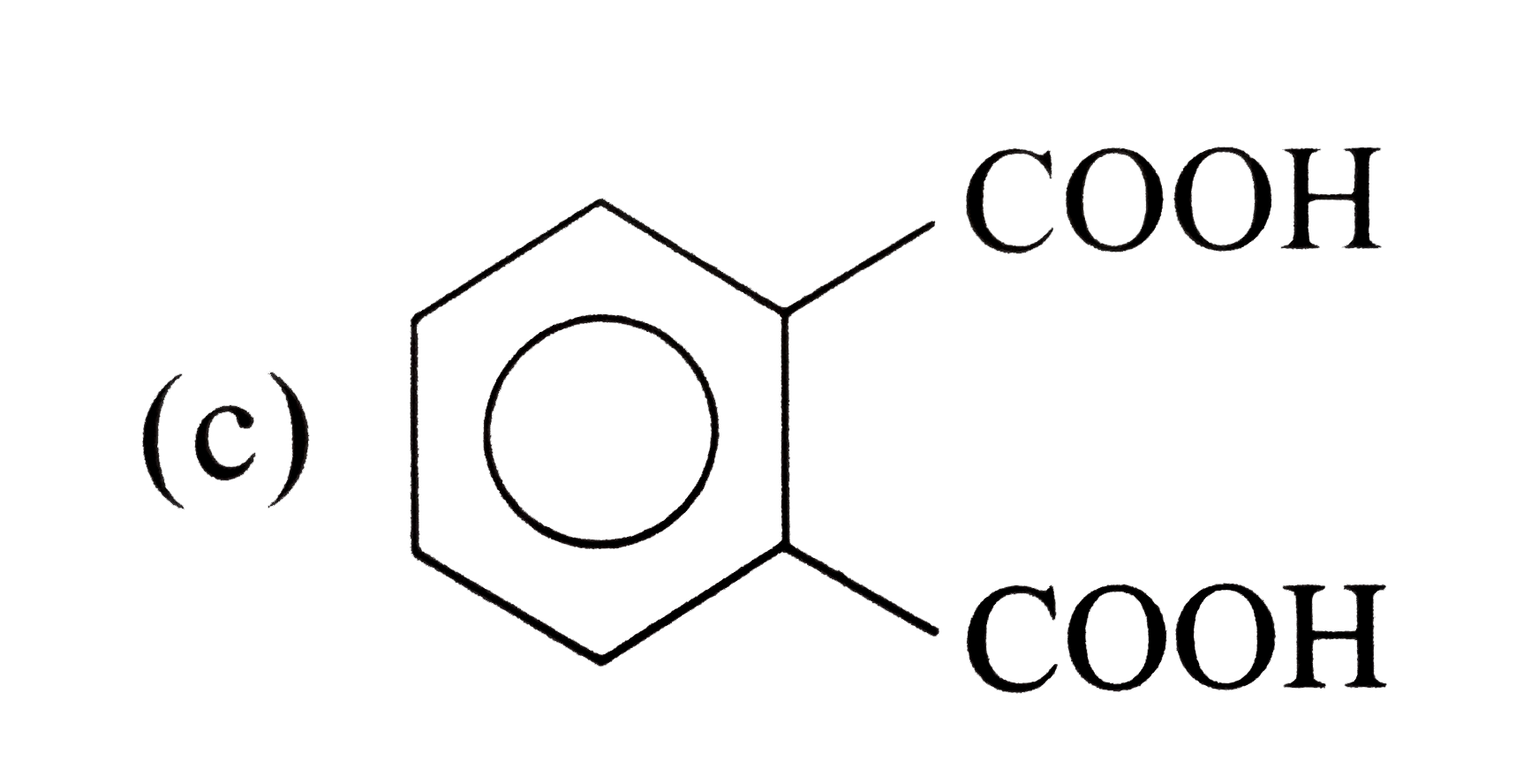
|
|
| 8. |
Among the following complexes the one which shows Zero crystal field stabilization energy (CFSE) is |
|
Answer» `[Ni(CO)_(4)]` and `[NiCl_(4)]^(2-)` are diamagnetic and `[Ni(CN)_(4)]^(2-)` is paramagnetic |
|
| 9. |
Among the following componds which have more than one type of hybridisation for carbon atom (i)CH_3CH_2CH_2CH_3 (ii)CH_3-CH=CH-CH_3 (iii)CH_2=CH-C-=CH (iv)H-C-=C-H |
|
Answer» (II) and (III) |
|
| 10. |
Among the following complexes which one shows zero CFSE ? |
|
Answer» `[Mn(H_(2)O)_(6)]^(3+)` |
|
| 11. |
Among the following complexes the one which shows zero crystal field stabilisation energy is |
|
Answer» `[MN(H_2O)_6]^(3+)` |
|
| 12. |
Among the following complexes, the one which shows zero crystal field stabilization energy (CFSE) is |
|
Answer» `[Mn(H_(2)O)_(6)]^(3+)` `Delta_(0) lt` PAIRING ENERGY. CFSE = `(-0.4x+0.6y) Delta_(0)` where x and y are no. of electrons OCCUPYING `t_(2g)` and `e_(g)` orbitals respectively. For `[Fe(H_(2)O)_(6)]^(3+)` complex ion, `Fe^(3+)(3d^(5)) = t_(2g)^(3) e_(g)^(2)` `therefore CFSE=-0.4xx3+0.6xx2=0Dq` |
|
| 13. |
Among the following complexes (K - P) : K_(3) [Fe(CN)_(6)] - K , [Co(NH_(3))_(6)]Cl_(3)- L , Na_(3)[Co("oxalate")_(3)]-M , [Ni(H_(2)O)_(6)]Cl_2 - N, K_(2) [Pt(CN)_(4)]-O and [Zn(H_(2)O)_(6)] (NO_(3))_(2)-P, the diamagnetic complexes are |
|
Answer» K , L , M , N `Co^(3+) (3D^(6)) is d^(2) sp^(3)` hybridised . 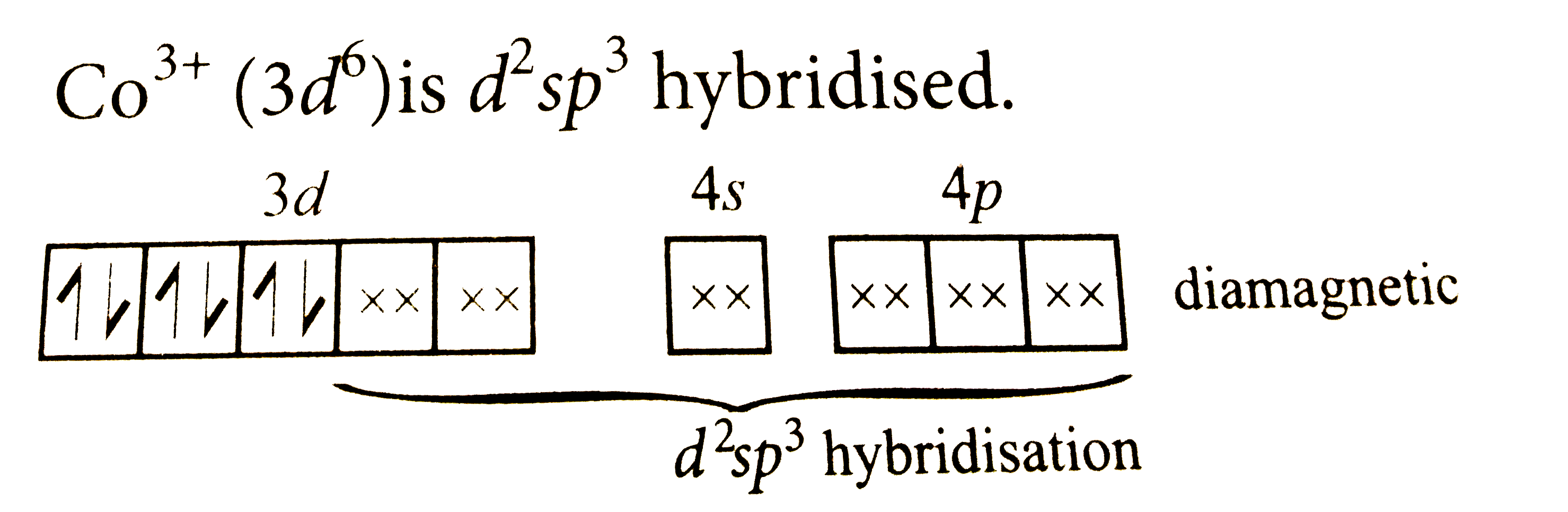 For complex K , i.e, `[Fe(CN)_(6)]^(3-) , Fe^(3+) (3d^(5)) is d^(2) sp^(3)` hybridised . 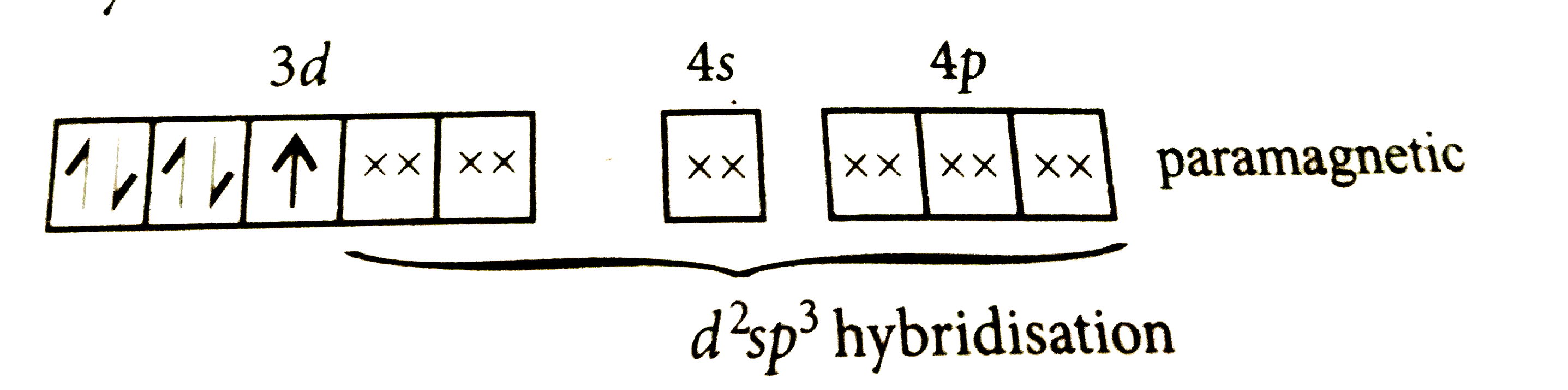 For complex O i.e., `[PT(CN)_(4)]^(2-)` , `Pt^(2+) (5d^(8)) is DSP^(2)` hybridised. 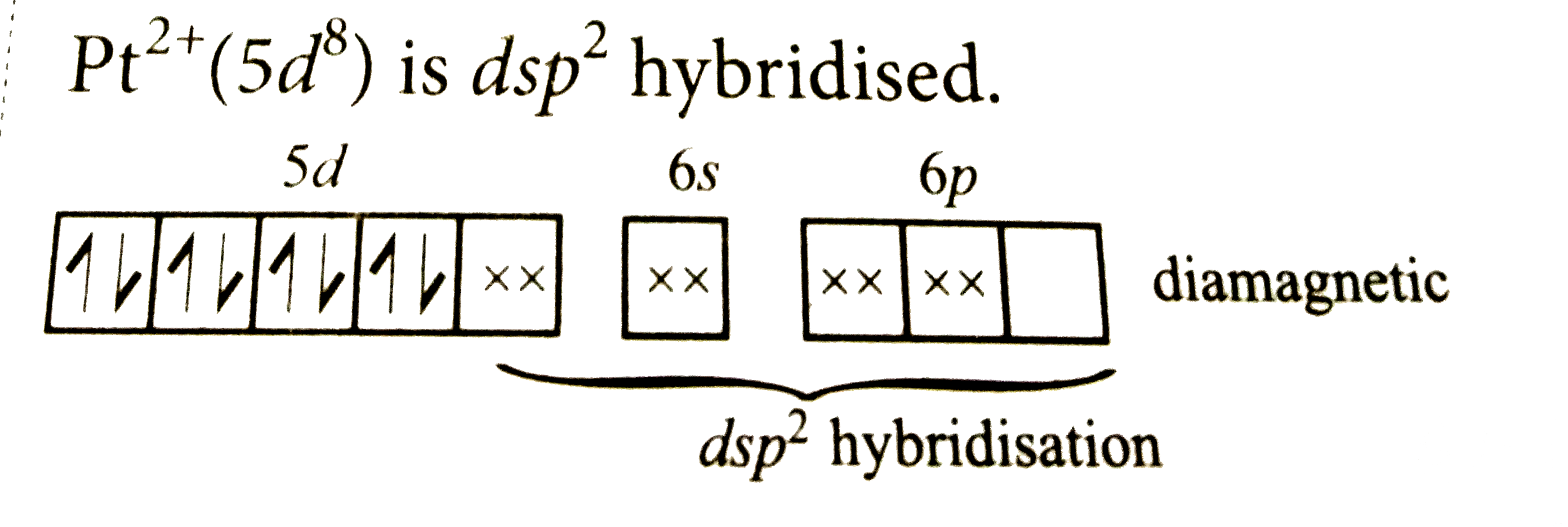 For complexP , i.e, `[Zn(H_(2)O)_(6)]^(2+)` `Zn^(2+) (3d^(10)) is sp^(3) d^(2)` hybridised . 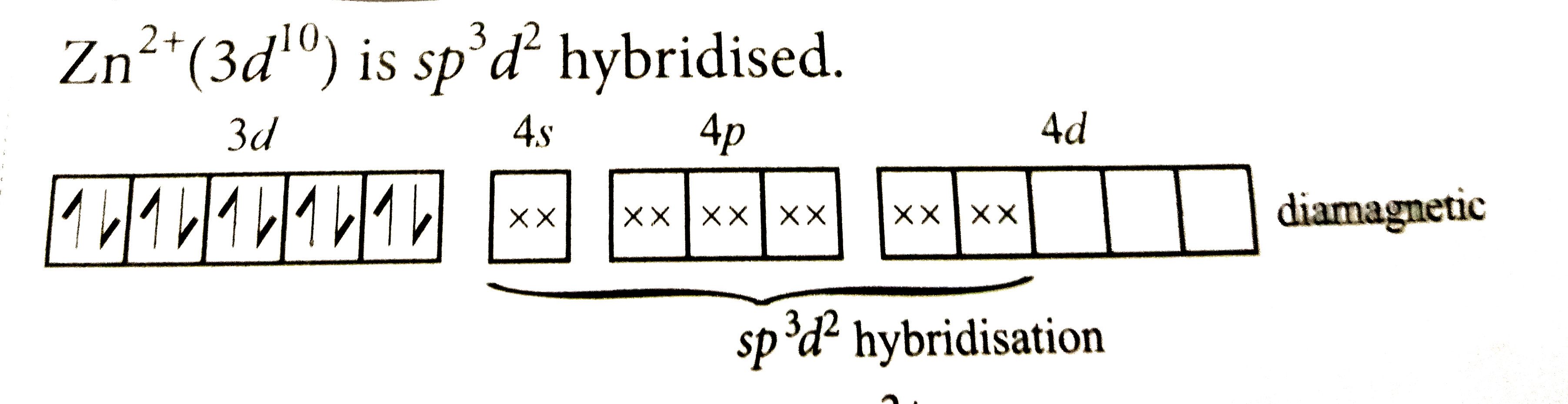 For complex N, i.e., `[Ni(H_(2)O)_(6)]^(2+)` , `Ni^(2+) (3d^(8)) is sp^(3) d^(2)` hybridised . 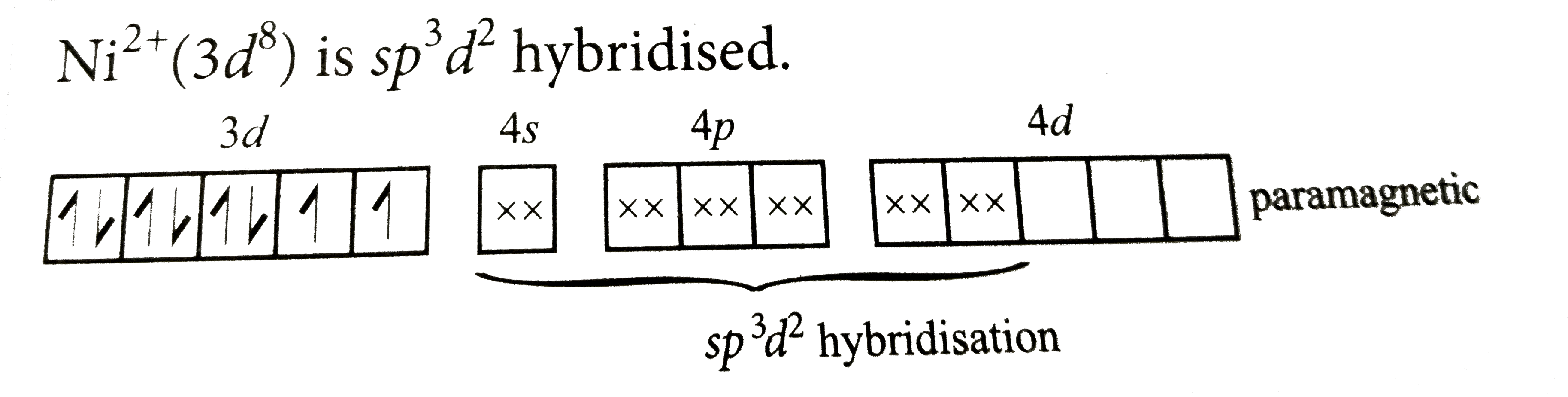 Hence , complexes L, M , Oand P are diamagnetic . |
|
| 14. |
Among the following complexes (K-P) K_(3)[Fe(CN)_(6)] (K), [Co(NH_(3))_(6)]Cl_(3) (L), Na_(3)[Co("oxalate")_(3)] (M), [Ni(H_(2)O)_(6)]Cl_(2) (N), K_(2)[Pt(CN)_(4)](O) and [Zn(H_(2)O)_(6)](NO_(3))_(2)(P) the diamagnetic complexes are |
|
Answer» <P>K, L, M, N L : `[Co(NH_(3))_(6)]Cl_(3), Co^(3+)=3d^(6), d^(2)sp^(3)` hybridization, number of unpaired electrons = 0, diamagnetic. |
|
| 15. |
Among the following complexes : K_(3)[Fe(CN)_(6)],[Co(NH_(3))_(6)]Cl_(3) , Na_(3)[Co ( o x )_(3)],[Ni(H_(2)O)_(6)]Cl_(2),K_(2)[Pt(CN)_(4)] and [Zn(H_(2)O)_(6)(NO_(3))_(2)] The diamagnetic are . |
|
Answer» K, M, O, P |
|
| 16. |
Among the following complexes , how many have 'spin only' magnetic moment of 2.83 B.M. ? [Ni(CO)_4],[Ni(CN)_4]^(2-),[NiCl_2( P Ph_3)_2], [NiCl_4]^(2-),[NiF_6]^(2-),[NiF_6]^(4-),[Ni(NH_3)_6]^(2+),[Ni(en)_3]^(2+),[Ni(H_2O)_6]^(2+) |
Answer» 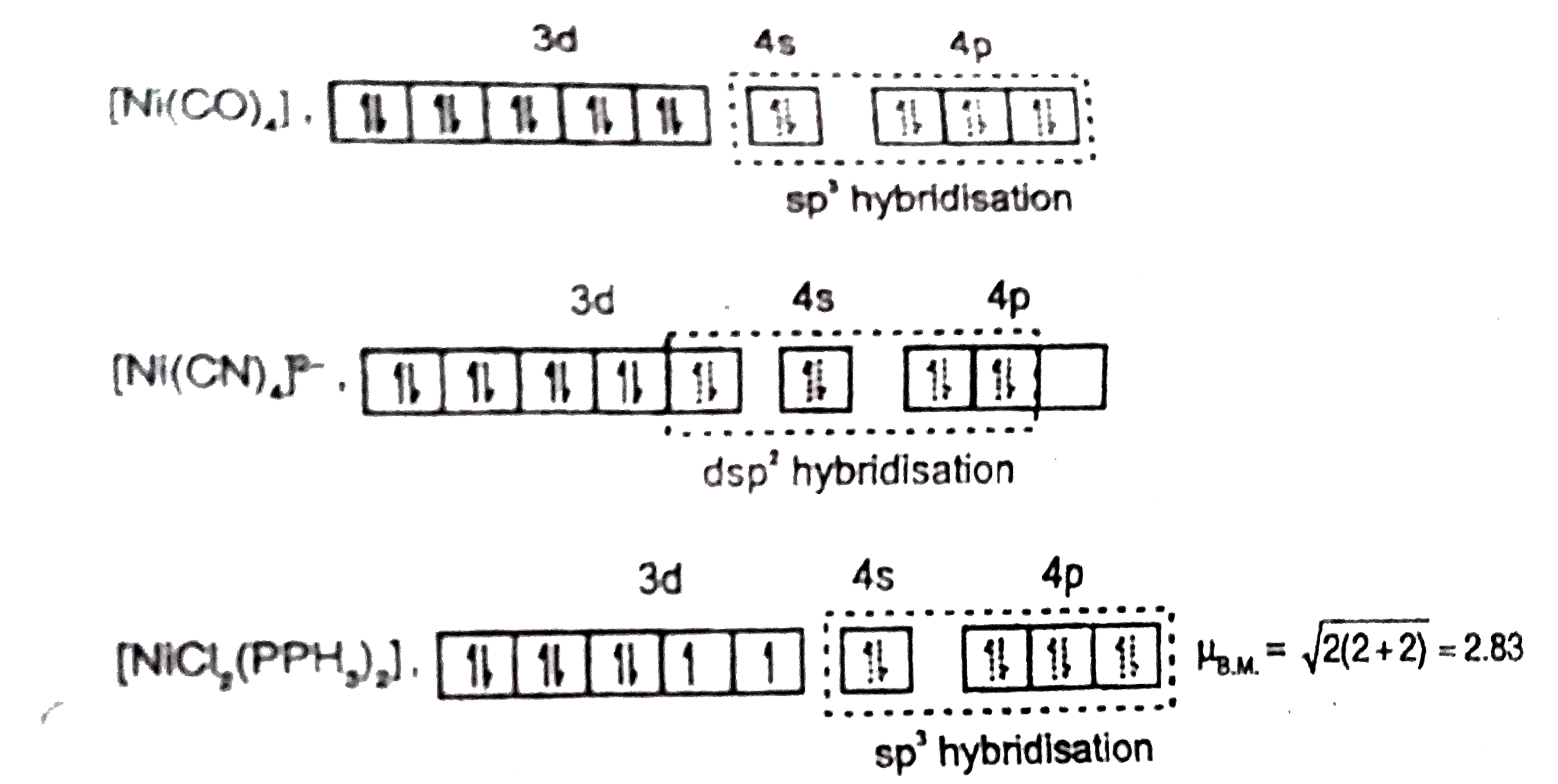 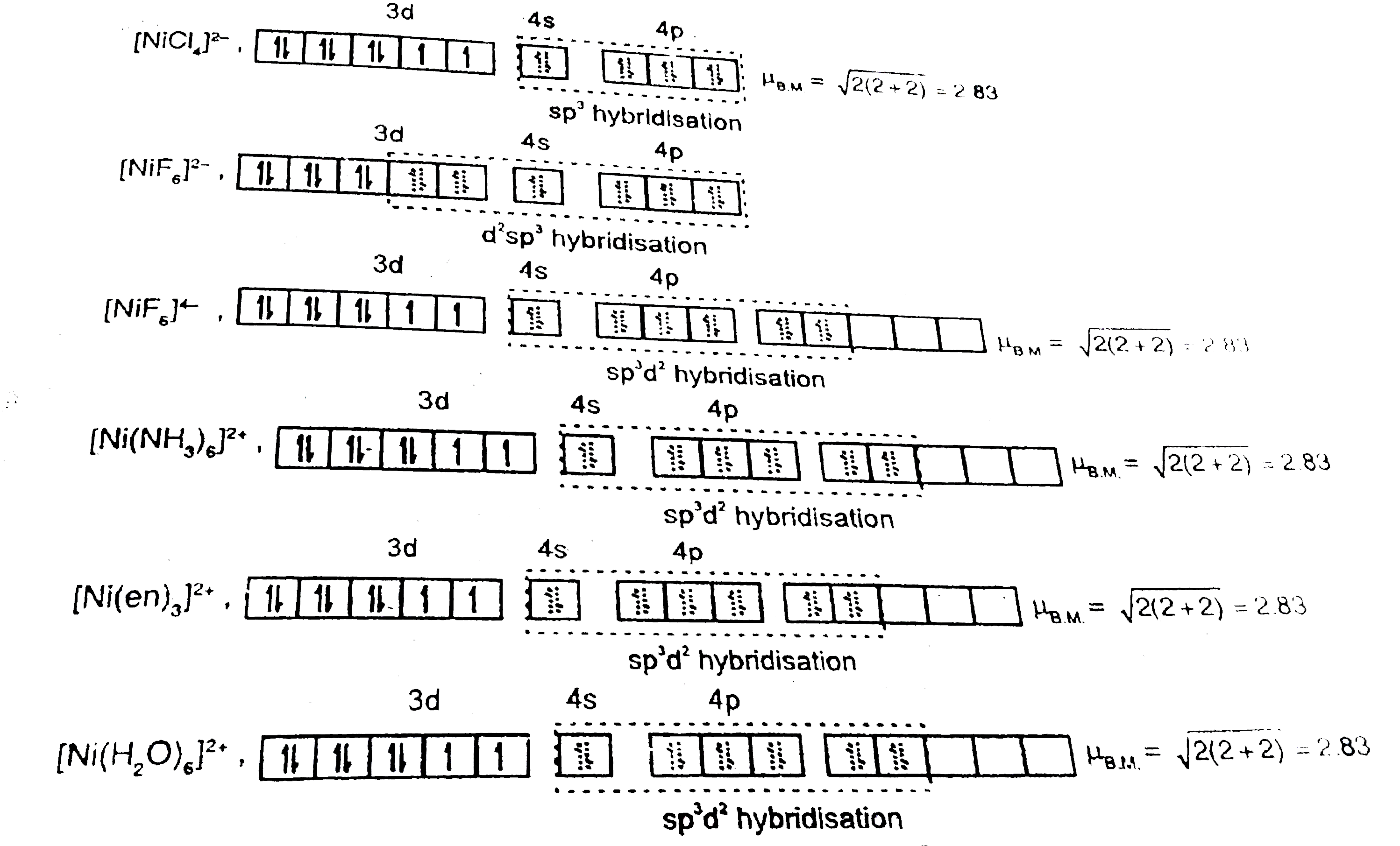
|
|
| 17. |
Among the following chemical reactions, the one representing homogenous catalysis is :- |
|
Answer» `N_(2)(g) + 3H_(2) (g) overset(Fe) to2NH_(3)(g) ` |
|
| 18. |
Among the following, chain transfer reagent(s) is/are |
|
Answer» CARBON tetrachloride |
|
| 19. |
Among the following cells Leclanche cell (I) Nickel-cadmium cell (II), Lead storage battery (III) and Mercury Cell (IV), primary cells are …………. . |
|
Answer» I & II |
|
| 20. |
Among the following cells Lechanche cell (I), Nickel-cadmium cell (II), Lead storage battery (III), Mercury (IV), primary cells are |
|
Answer» I and II |
|
| 21. |
Among the following cells I. Leclanche cell "" II. Nickel - Cadmiun cell III. Lead storage battery "" IV. Mercury cell Primaru cells are ………….. . |
| Answer» Answer :A | |
| 22. |
Among the followingcellsi) Leclanche cell II) Nickel - Cadmium cell (iii) Leadstoragebattery (iv) Mercury cell Primarycellsare |
|
Answer» I and IV |
|
| 23. |
Among the following cells I) Leclanchecell II) Nickel - Cadmium cell III) Lead storage battery (IV) Mercury cell Primary cells are |
|
Answer» I and IV |
|
| 24. |
Among the following carbocations : "(I) "Ph_(2)C^(+)CH_(2)Me"(II) "PhCH_(2)CH_(2)CH^(+)Ph "(III) "Ph_(2)CHCH^(+)Me"(IV) "Ph_(2)C(Me)CH_(2)^(+) The order of stability is |
|
Answer» `IVgtIIgtIgtIII` |
|
| 25. |
Among the following carbocations : (I) Ph_(2) C^(+) CH_(2) Me(II) PhCH_(2) CH_(2) CH^(+)Ph (III)Ph_(2) "CHCH"^(+) Me(IV) Ph_(2) "C(Me)CH"_(2)^(+)the order of stability is |
|
Answer» `IV gt II gt I gt III ` 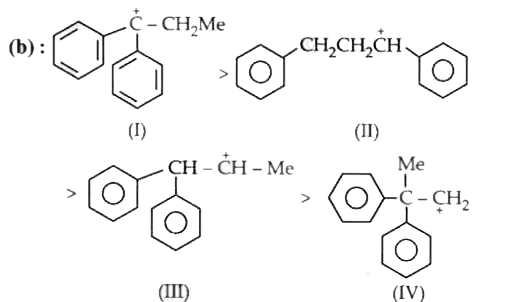 Stability of carbocation DEPENDS upon NUMBER of resonating structures and extent of +1, -I effect. |
|
| 26. |
Among the following bonds which has the most polar character : |
|
Answer» C-O |
|
| 27. |
Among the following anions overset-CH_3 overset-NH_2 OH^- F^-, the order of basicity is: |
|
Answer» agtbgtcgtd |
|
| 28. |
Which of the following is an acidic salt ? |
|
Answer» `NaH_(2)PO_(2)` |
|
| 30. |
Among the following amines, the strongest Bronsted base is…. |
|
Answer»
|
|
| 31. |
Among the following amines, the strongest Bronsted base is |
|
Answer» `NH_(3)` |
|
| 33. |
Among the following actinide pairs, the maximum oxidation states is shown by |
|
Answer» U and NP |
|
| 34. |
Among the following amines the correct order of decreasing basic strength is: |
|
Answer» IVltIIltIIIltI |
|
| 35. |
Among the following acids which has the lowest pK_a value |
| Answer» Answer :B | |
| 36. |
Among the following acidic strength is (1) CH_(3) - CH_(2) - COOH ""(2) CH_(3) - underset(CN) underset(|) (CN) - COOH (3)CH_(3) - underset(Cl) underset(|) (CH) - COOH""(4) CH_(3) - underset(NO_(2))underset(|) (CH) - COOH |
|
Answer» `4 gt 1 gt 2 gt 3` |
|
| 37. |
Among the following acids, the one which can form an anhydride most easily is : |
|
Answer» `{:(COOH),(|),(COOH):}` |
|
| 38. |
Among the following acids, which has the lowest pK_a value- |
|
Answer» `(CH_3)_2CHCO_2H` |
|
| 39. |
Among the following, achiral amino acid is' |
|
Answer» GLYCINE |
|
| 41. |
Among the following, a naturalpolymer is |
|
Answer» CELLULOSE |
|
| 42. |
Among the folllowing the weakest lewis base is……. |
|
Answer» `H^-` |
|
| 43. |
Among the fluorides given which will further react with F_2 : |
|
Answer» NAF |
|
| 44. |
Among the enlisted compounds, which one is used as a froth stabilizer in the froth floatation process? |
|
Answer» Aniline |
|
| 45. |
Among the elements from atomic number 1 to 36, the number of elements which have an unpairedelectron in their S subshell is |
|
Answer» 4 `4s^(1)""_(24)Cr=[Ar]3D^(5) 4s^(1)""_(29)Cu=[Ar]3d^(10)4s^(1)` |
|
| 46. |
Among the elements Ca, Mg, P and Cl, the order of increasing atomic radii is |
|
Answer» `MgltCaltClltP` |
|
| 47. |
Among theelectrolytes Na_(2)SO_(4),CaCl_(2),Al_(2)(SO_(4))_(3)and NH_(4)Cl_(4), the mosteffective coagulating agent for Sb_(2)S_(3) sol is . |
|
Answer» `Na_(2)SO_(4)` (i)Ions carrying charge OPPOSITE to that of sol particles are effective in causing coagulation. (ii) Coagulating power of an electrolyte is directly proportional to the valency of the active ions. `therefore ` Outof the given options the mosteffective coagulatingagentis `Al_(2)(SO_(4))_(3) ` or `Al^(3+)` ion. |
|
| 48. |
Amongthe electrolytes Na_(2)SO_(4),CaCl_(2),Al_(2)(SO_(4))_(3) and NH_(4)Cl, the most effective coagulating agent for Sb_(2)S_(3) sol is |
|
Answer» `Na_(2)SO_(4)` `Al^(3+)gt Ca^(2+)gt Na^(+)gt NH_(4)^(+).` |
|
| 49. |
Amongthe electrolytes Na_2SO_4 , CaCl_2, Al_2(SO_4)_3 and NH_4Cl , the most effectivecoagulating agent for Sb_2S_3 sol is................ |
|
Answer» `Na_2SO_4` |
|
| 50. |
Among the electrolytesNa_(2)SO_(4) , CaCI_(2), AI_(2)(SO_(4))_(3) and NH_(4)CIthe most effctive oagulating agent for Sb_(2)S_(3) sol is |
| Answer» Answer :C | |